.jpg)
India Looks to Increase Its Unmanned Warfare Capabilities
India’s Ministry of Defence has announced a $2 bn indigenous unmanned systems procurement, targeting high‑altitude long‑endurance, maritime patrol and electronic‑warfare UAVs. The order, slated for delivery within 18‑24 months, will be fulfilled by private firms Adani Group, Tata Advanced Systems and Larsen & Toubro, shifting away from reliance on foreign platforms that have cost over $10 bn in the past 26 years. The push aligns with the Aatmanirbhar Bharat drive and lessons from recent conflicts, but faces challenges from chronic R&D underinvestment and frequent specification changes. Successful execution could reshape India’s defence industrial base and reduce long‑term lifecycle costs.
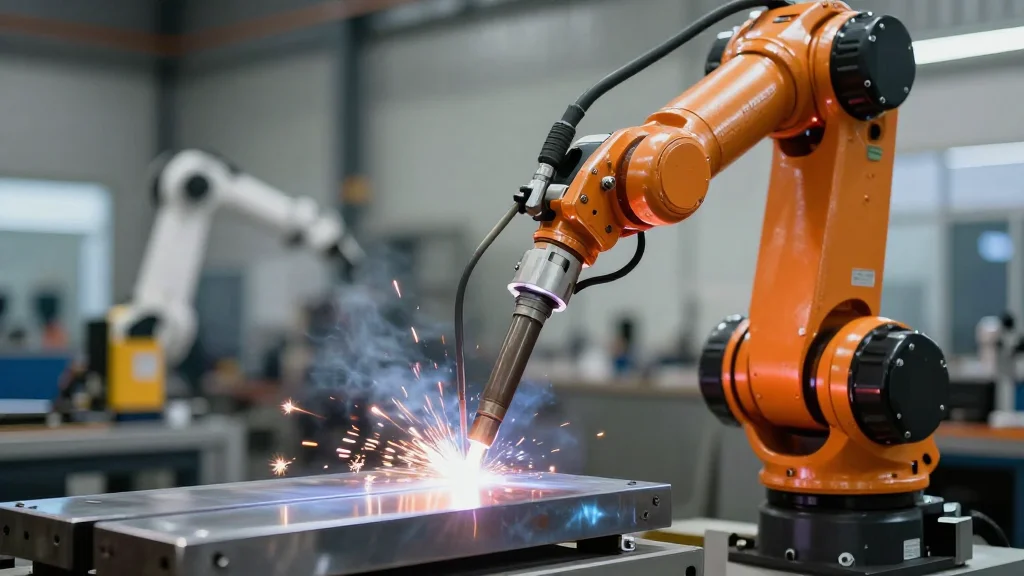
NOVARC LAUNCHES NovAI AUTONOMY AS PART OF NovAI SUITE AND EXPANDS INTEGRATION TO YASKAWA AND ABB ROBOTS
Novarc Technologies unveiled NovAI Autonomy, part of its NovAI Suite, at Automate 2026, demonstrating AI‑driven vision and adaptive welding on ABB and Yaskawa robots. The rollout also featured the NovHub enterprise welding intelligence platform and NovPlan offline programming software, which can...
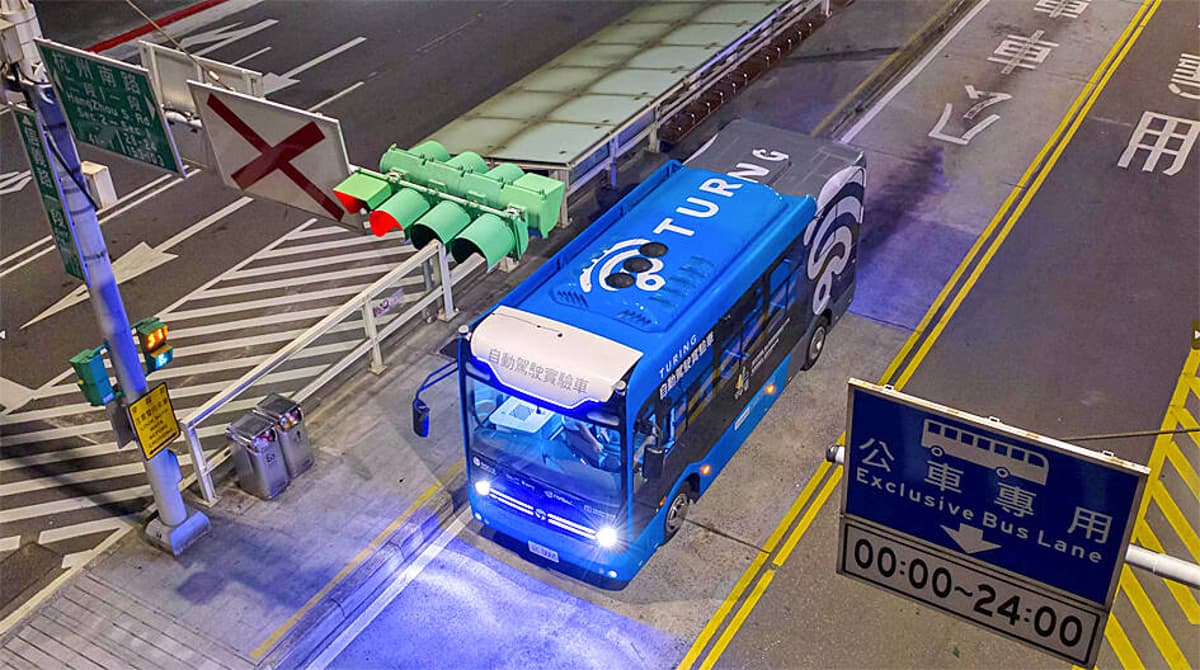
Taipei to Start Trials of Self-Driving Buses Next Year
Taipei mayor Chiang Wan‑an announced that the city will begin autonomous‑bus trials in the second half of 2027 on 15 dedicated bus lanes after earlier pilot tests in enclosed areas. The rollout follows a three‑phase plan, starting later this year...

INTERVIEW With Pony AI CEO James Peng: “In Two Years, We’ll Be Bigger than Waymo on Fleet Size”
Pony AI announced that its robotaxi fleet has surged from 270 units at the start of 2025 to nearly 2,000 today, with a target of 3,500 by year‑end, positioning it to outsize Waymo’s fleet within two years. The company posted...

L3 Mandate to Add Millimeter-Wave Radar, Are XPENG and Tesla Panicking Over Pure Vision? False
A rumor claimed China’s MIIT would require millimeter‑wave radar for Level‑3 and lidar for Level‑4 autonomous driving, effectively banning pure‑vision systems. XPENG’s vice‑president Yu Tao refuted the claim, noting the draft safety standard GB 44721 contains no sensor‑specific mandates. The document...
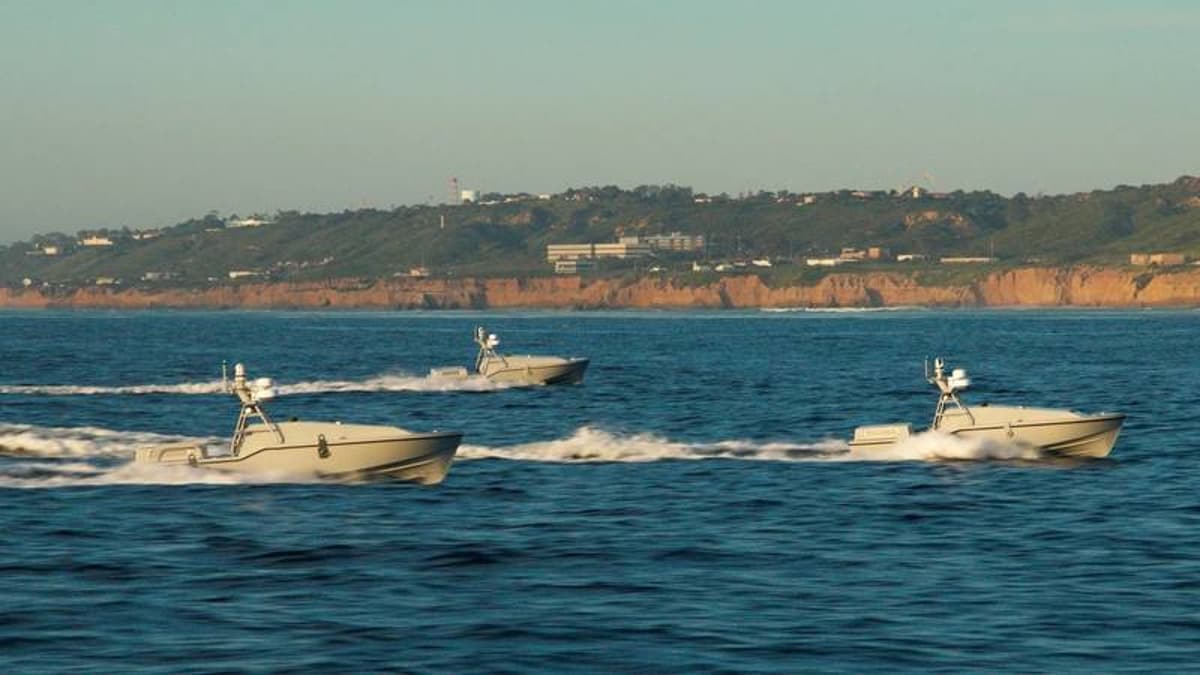
Autonomous Vehicles Solve (and Create) Problems for Ports
Autonomous surface and underwater vehicles are becoming central to port security as AI enables real‑time threat detection and response. Recent incidents, such as a Ukrainian underwater drone striking a Russian submarine, illustrate the sophistication of autonomous threats. Partnerships like Ocean...