
7 Signs You're Quietly Destroying Your Dev Career
The video opens with a personal crash that jolted the speaker out of a complacent CTO mindset and frames seven subtle habits that can silently wreck a developer’s career. It positions these habits as industry‑wide symptoms rather than individual failings, urging viewers to recognize and correct them before they become irreversible. Among the core insights, the speaker stresses the danger of shipping code without understanding its underlying logic, the productivity drain of unreadable or overly clever code, and the career stagnation caused by defensive attitudes toward feedback. He also highlights the allure of trendy technologies that add unnecessary complexity, the costly habit of postponing tests and accruing technical debt, and the failure to fully grasp problem requirements before coding. Each point is paired with a concrete remedy, from writing explanatory comments to dedicating 20% of weekly time to debt reduction. The talk is peppered with striking data and anecdotes: 70% of websites host a major bug, code reviews can take 300% longer on unreadable code, legacy code demoralizes 52% of developers, and the U.S. economy loses $2.4 trillion annually to technical debt. He cites the $370 million IR5 rocket explosion as a cautionary tale of misunderstood requirements, reinforcing the urgency of disciplined practices. For developers and the organizations that employ them, the implications are clear. Adopting simple, well‑documented solutions, fostering a feedback‑friendly culture, and continuously upskilling can dramatically cut waste, accelerate delivery, and safeguard long‑term career growth. Companies that embed these habits see faster time‑to‑market, lower maintenance costs, and more resilient engineering teams.
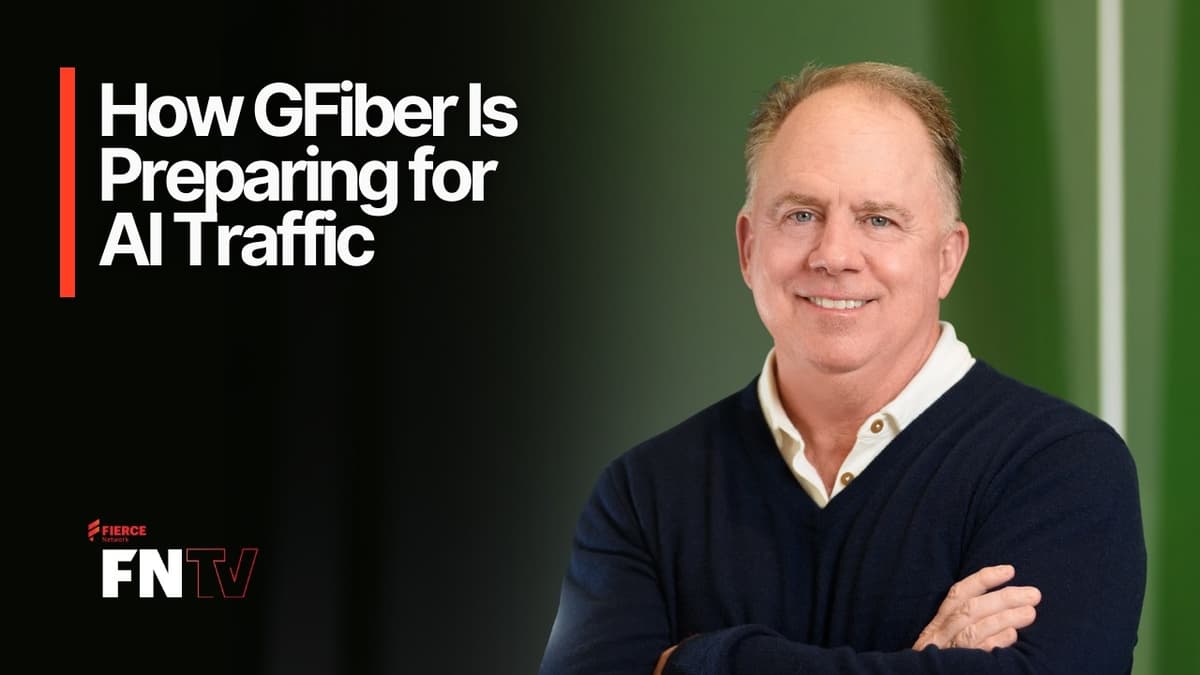
GFiber CTO John Keib on Preparing for AI Traffic
Google Fiber’s chief technology officer John Keib outlined the company’s aggressive rollout strategy and its preparation for the looming surge in artificial‑intelligence‑generated traffic. Since 2018, GFiber has moved from a proprietary BSS/OSS platform to a cloud‑native stack, enabling rapid feature development...

How to Build Reliable AI at Scale: Insights From Addy Osmani
Addy Osmani, working to bridge Google DeepMind research with product and developer teams, urges builders to move beyond one-off demos toward production-ready AI systems. He frames development on a spectrum from “wild west” solo experiments to enterprise-grade setups with quality...

"Something Big Is Happening": Addy Osmani and Tim O'Reilly on Matt Shumer's Viral AI Essay
Matt Shumer’s viral essay "Something Big Is Happening" argues that AI has reached a point where it can perform most technical work. In a live discussion, Google engineer Addy Osmani and industry veteran Tim O'Reilly dissect the claim, weighing its...
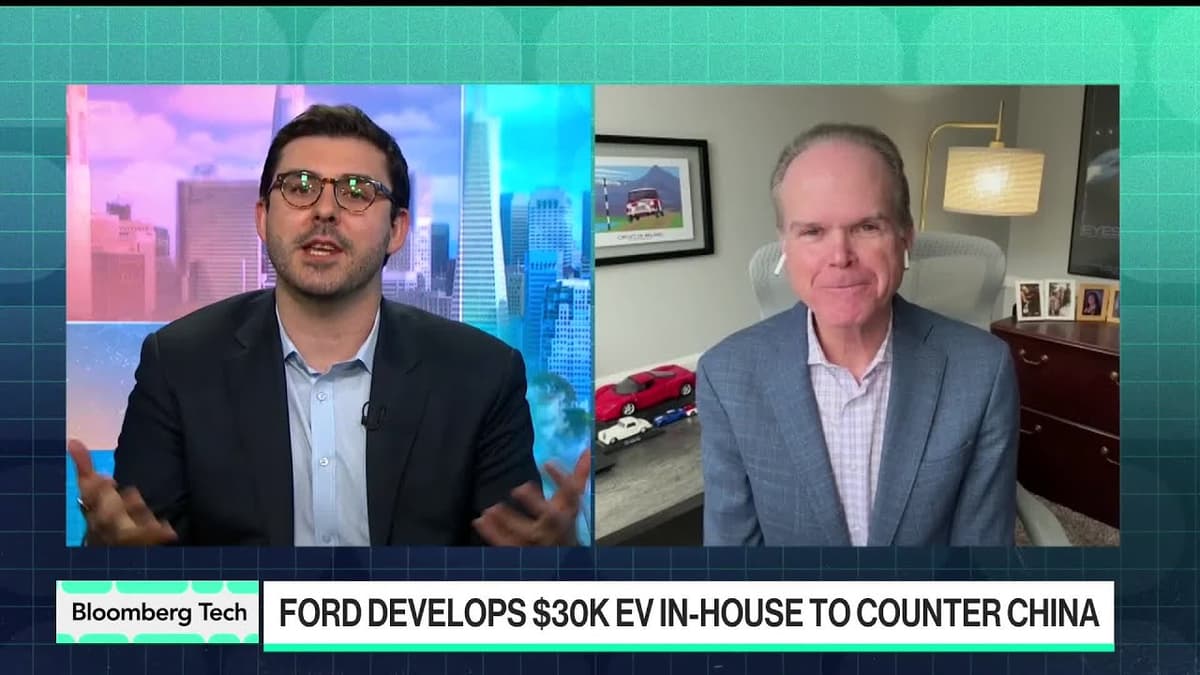
Ford Looks to Hit $30,000 EV Price Target by Shrinking Battery
Ford unveiled an engineering effort to launch a $30,000 electric vehicle by dramatically reducing battery size. The project, run out of California and headed by former Tesla engineer Allen Clark, focuses on “a thousand cuts” to cut costs while...
Why Your Platform Engineering Is Failing (And How to Fix It) #trailer #shorts
Platform engineering is often blamed on inadequate tooling, yet a survey of 390 engineering leaders found only one respondent citing tools as the problem. The real blockers are cultural misalignment, insufficient documentation, and a lack of product‑thinking within platform teams....
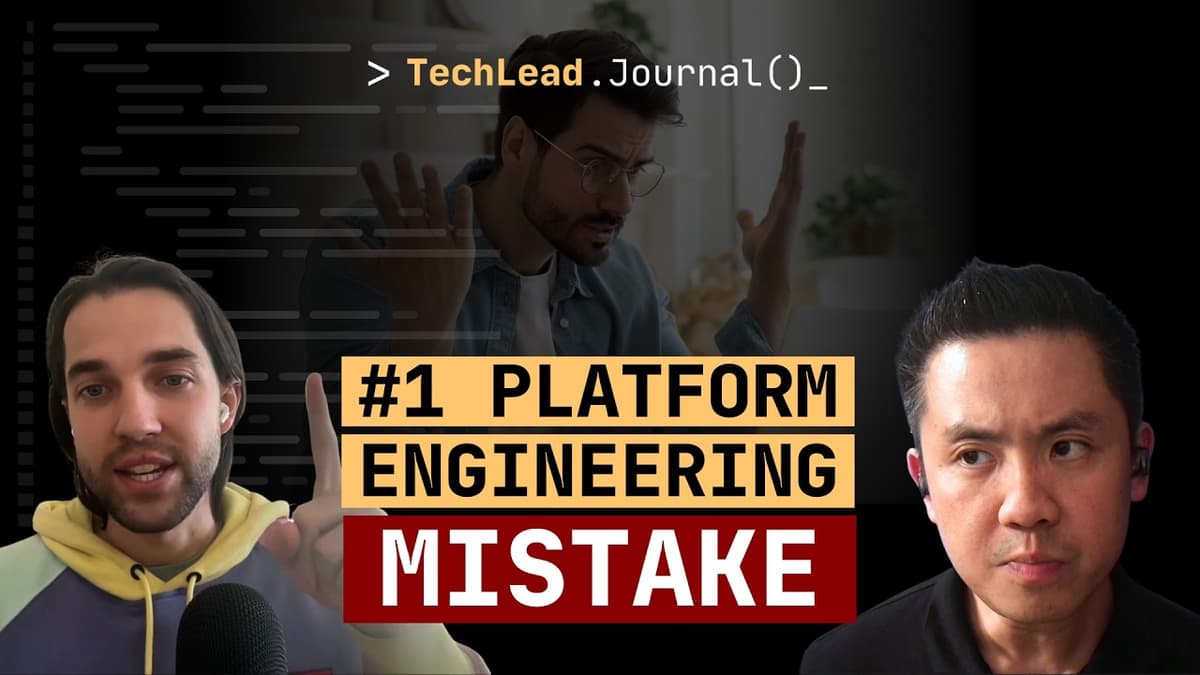
Why Your Platform Engineering Is Failing (And How to Fix It)
Sam Barlien, community organizer for the Platform Engineering community, reveals that most failing platform initiatives stem from a lack of product thinking, not technology gaps. He argues that treating internal platforms as products—complete with user research, documentation, and a dedicated...
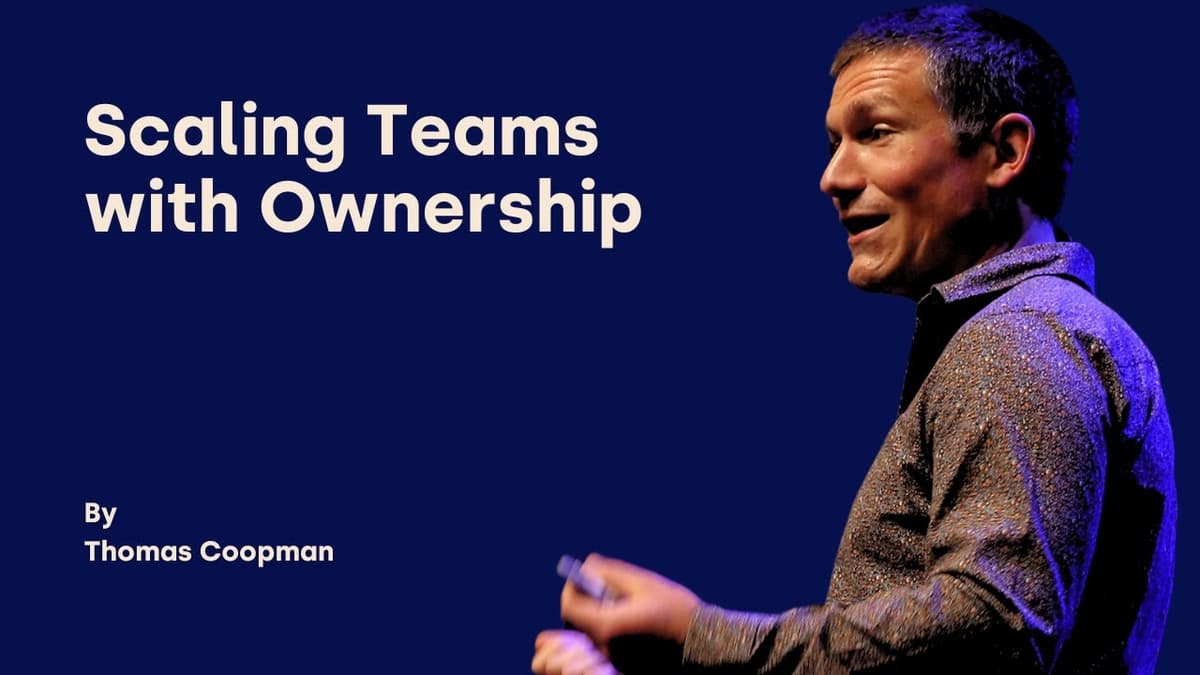
Scaling Teams with Ownership - Thomas Coopman - DDD Europe 2025
Thomas Coopman described his experience helping Protime scale its engineering organization, where an initial move to feature teams expanded from three to 12 teams and produced more than 40 deployable services. That rapid scaling eroded clear ownership: teams frequently touched...
GT Fast5: New Leadership Shifts and More Cyber Disruptions #GovTech #Cybersecurity #Shorts
The week’s GovTech roundup highlighted a wave of leadership turnover across state and local agencies, alongside a ransomware‑driven payment outage that forced municipalities to reroute resident billing. Minnesota’s chief information officer Terry Tones announced his spring departure for a higher‑education post,...

Highlights From Software Architecture Superstream: Enterprise Architecture in the Age of AI
At the Software Architecture Superstream, leading architects discussed how AI is reshaping enterprise architecture. They highlighted the shift toward AI‑ready, code‑first designs that support continuous innovation while maintaining governance, security, and observability. Speakers covered architecture as code, agentic value streams,...
Use A2A to Connect Agents Across Different Frameworks and Teams
Google Cloud and IBM Research have launched a short course on the Agent2Agent (A2A) protocol, an open standard now overseen by the Linux Foundation. A2A simplifies cross‑framework agent communication by defining discovery, client‑server interactions, and lifecycle management. The hands‑on curriculum...
Building Scalable GenAI Inference Pipelines with Spark NLP with David Talby
David Talby of Pacific AI showcases Spark NLP, an Apache‑2.0 open‑source library that enables enterprise‑grade natural language processing at petabyte scale on standard Spark clusters. He highlights three core use cases: generating embeddings for retrieval‑augmented generation vector stores, performing batch...
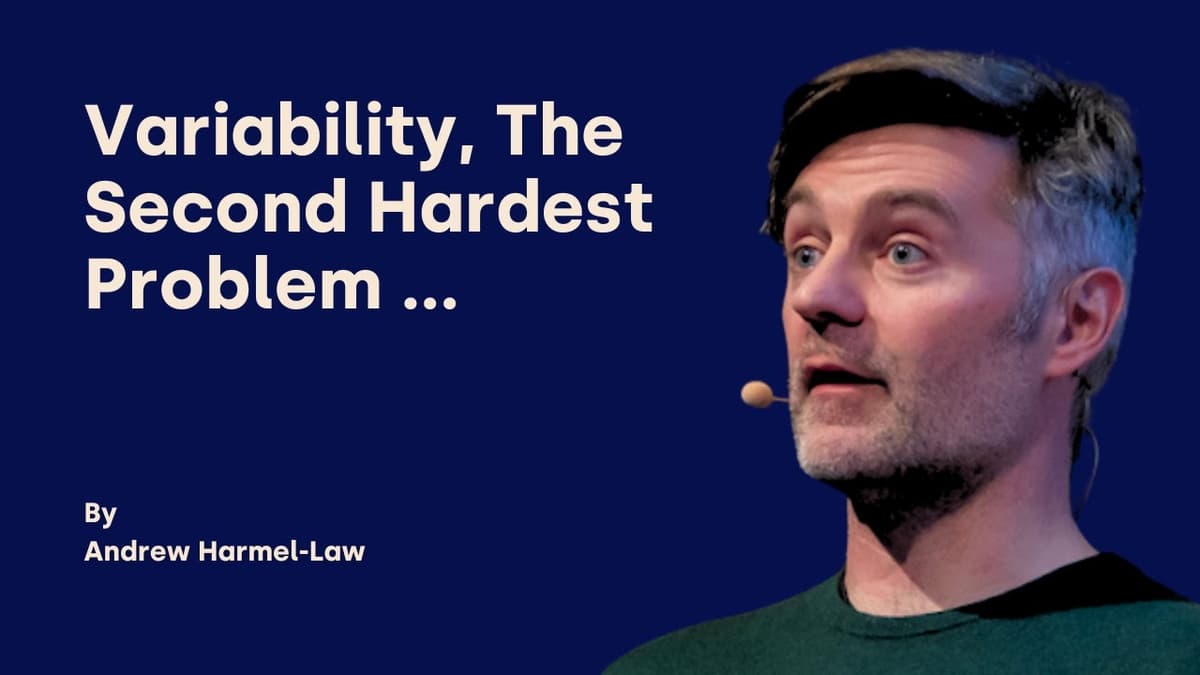
Variability, The Second Hardest Problem ... - Andrew Harmel Law - DDD Europe 2025
Andrew Harmel‑Law’s DDD Europe 2025 keynote spotlights variability as the second‑hardest problem in software architecture, after people. He explains how variability fuels both unpredictability and the immense power of software, shaping delivery pipelines and system design. The talk walks through...