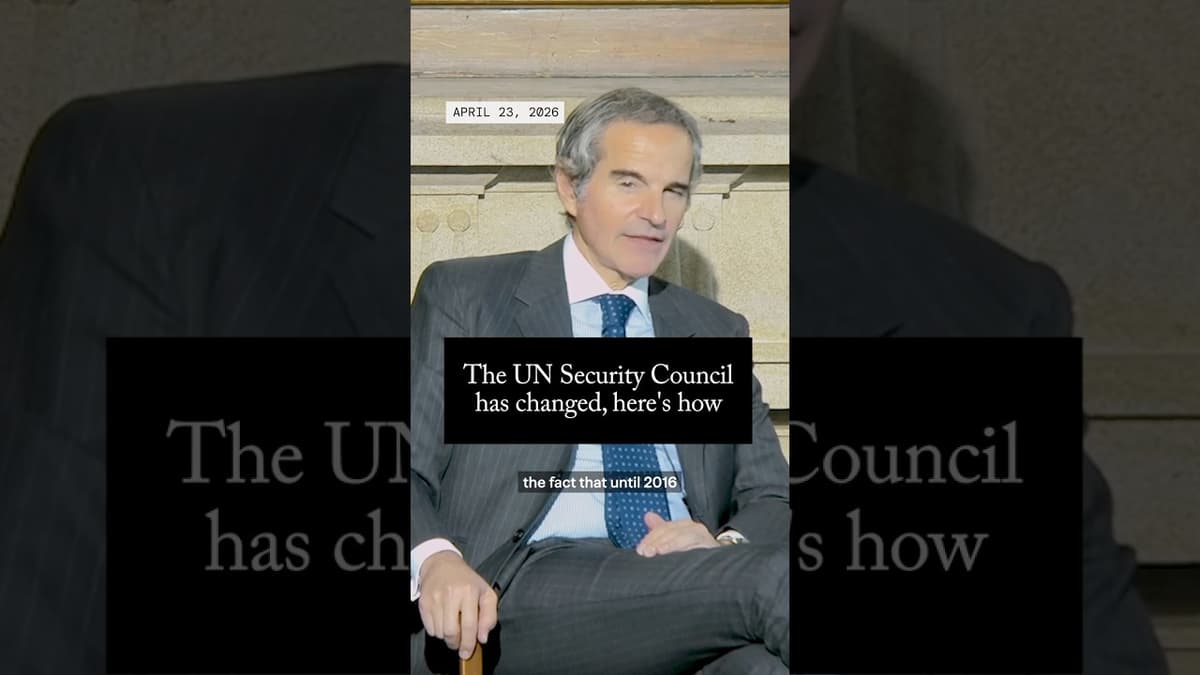
The UN Security Council Has Changed, Here’s How
The video explains that the United Nations Security Council, which once routinely adopted resolutions on Iran and North Korea by unanimous consent, has lost that ability to reach consensus. Historically, from the early 2000s through 2016, the P5 managed to align on sanctions against Tehran and Pyongyang despite deep political rifts. The speaker notes that recent votes have required formal ballots, signaling a shift toward a more transactional, issue‑by‑issue approach. He quotes, “Consensus is gone,” and adds, “It’s not a bromance,” underscoring that the Council’s unity was never perfect but was functional. The new reality means each case will be negotiated on its own merits, with the permanent members leveraging their veto power more overtly. This change could delay collective action, increase diplomatic bargaining, and weaken the Council’s credibility in enforcing non‑proliferation norms, reshaping how states pursue security objectives.

Buy Canadian: Carney’s Pivot to Build Defense IndustryーNHK WORLD-JAPAN NEWS
Prime Minister Mark Carney unveiled a sweeping “Buy Canadian” defense industrial strategy, aiming to transform Canada’s military procurement into a domestic growth engine. The plan earmarks more than $340 billion over the next decade, seeking to lift the share of home‑grown defense...

SecTor 2025 | Hacking Policy for the Public Good
Tanya Jen, a former Canadian government security lead turned independent advocate, used her SecTor 2025 talk to spotlight the nation’s glaring absence of a mandatory, detailed secure‑coding policy for federal agencies. Drawing on her 13‑year tenure—including pentesting the prime minister’s...
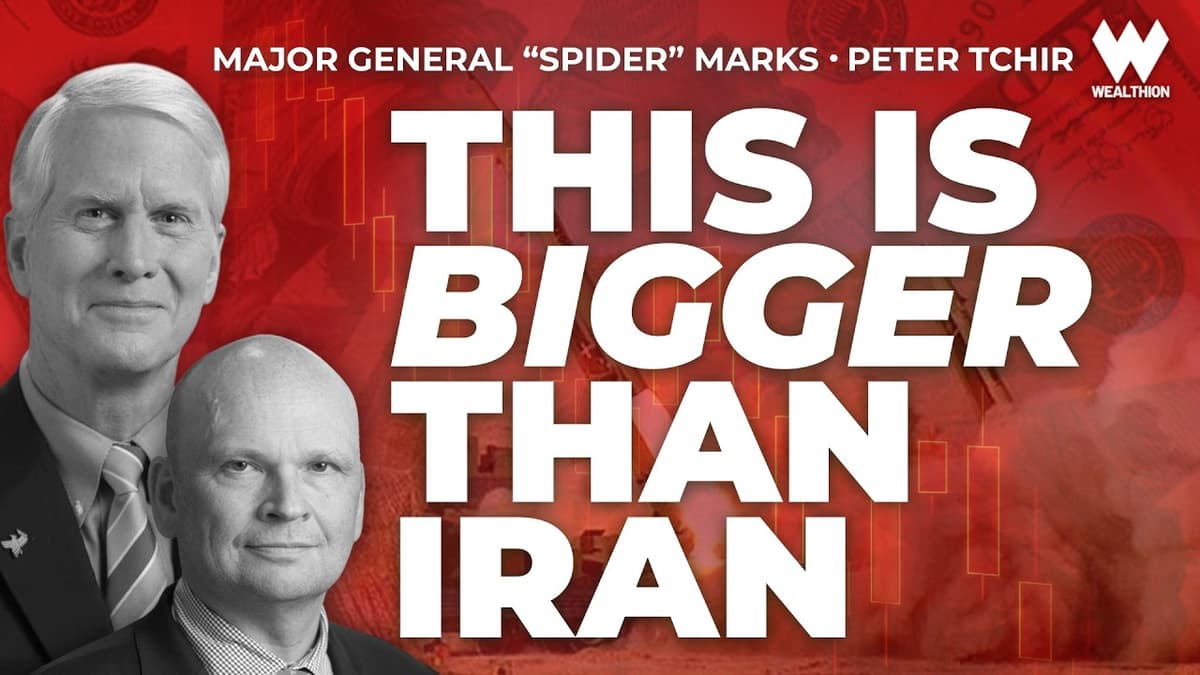
"At the Sound of the Guns, Buy": Gen. Spider Marks & Peter Tchir on Iran, China & Critical Metals
The Wealthy on podcast hosted a deep‑dive on Iran’s escalating conflict, China’s exposure, and the looming shortage of critical metals. General Spider Marks and macro‑strategist Peter Tchir warned that investors are treating the situation as settled, even as oil futures...
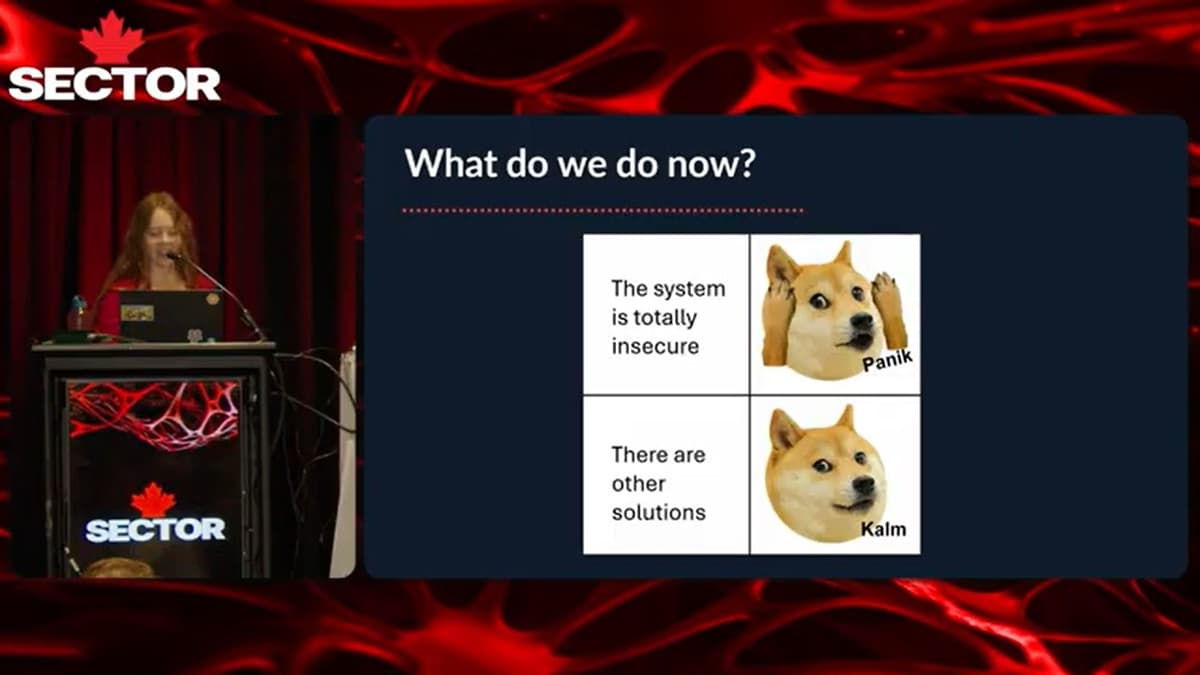
SecTor 2025 | Behind Closed Doors - Bypassing RFID Readers & Physical Access Controls
The SecTor 2025 presentation demonstrates practical methods for breaching physical access controls, emphasizing that RFID readers are only one layer of a broader security ecosystem. Julius Dunuk, a red‑team specialist, showcases low‑tech tactics—such as using an under‑door tool to catch...
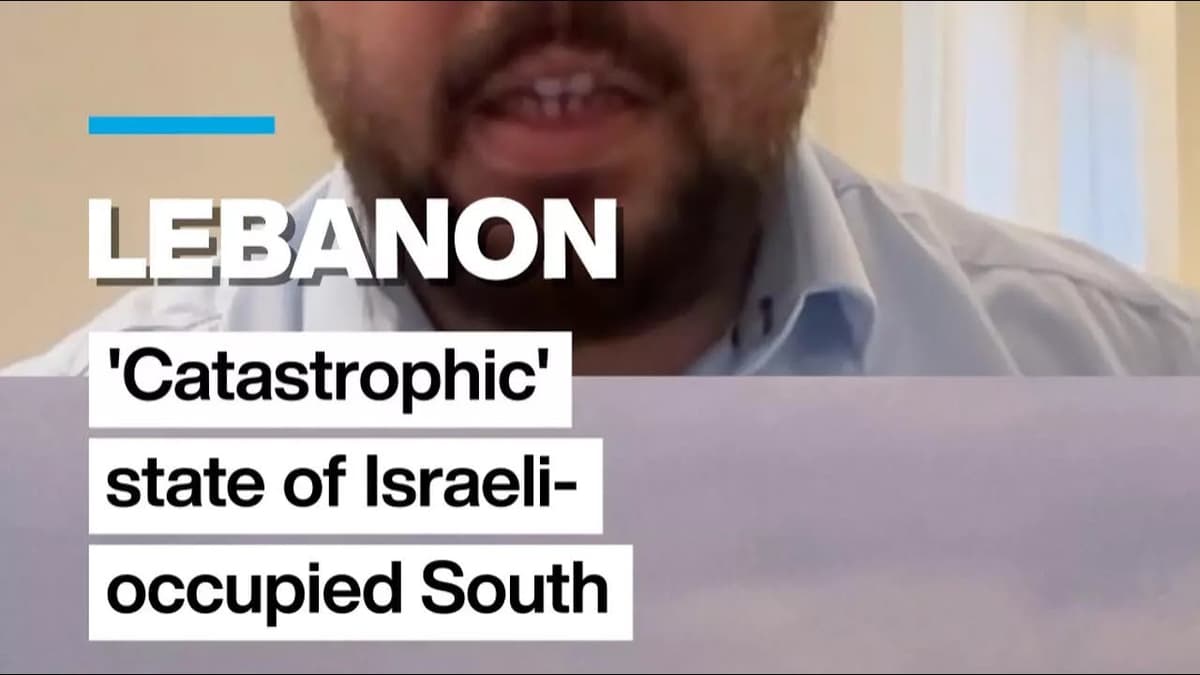
Lebanon: 'Catastrophic' State of Israeli-Occupied South • FRANCE 24 English
The video highlights a worsening humanitarian crisis in southern Lebanon, where Israeli troops now control roughly 55 villages—a sharp rise from the five occupied at the start of the 2024 conflict. Lebanese leaders and displaced citizens are watching negotiations closely,...
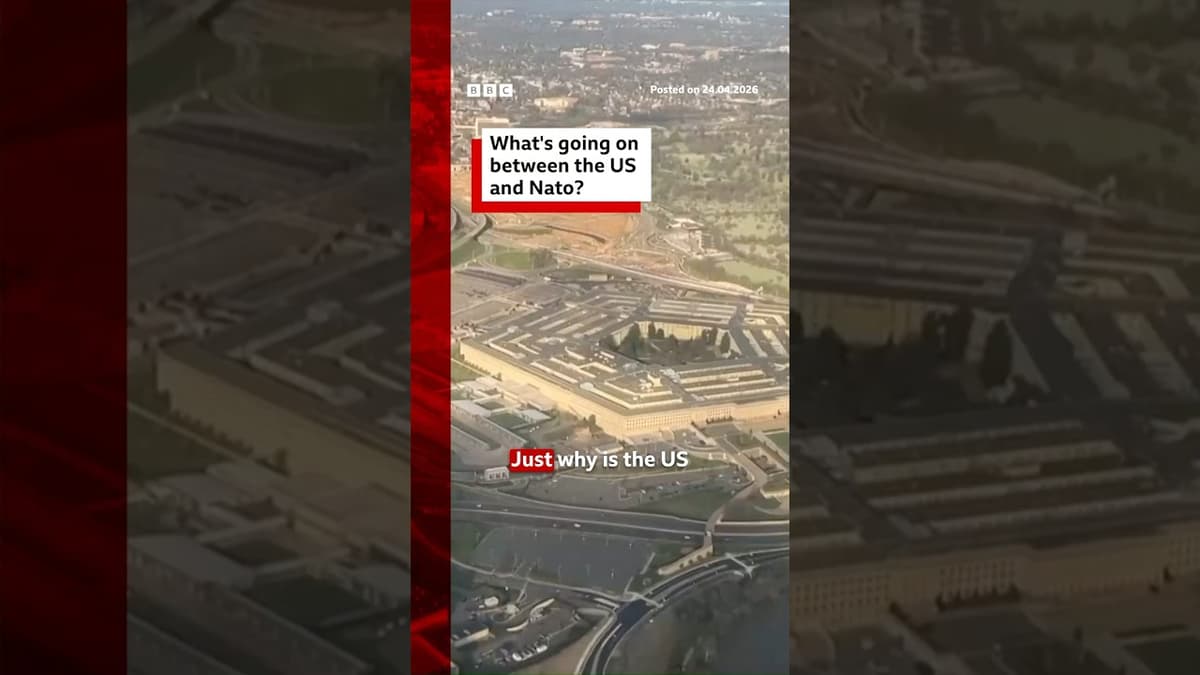
What's Going on Between the US and Nato? #BBCNews
The video examines a startling development: the U.S. Pentagon is reportedly drafting punitive measures against NATO allies Britain and Spain after they declined to back Washington’s planned military action against Iran. The proposal includes reassessing long‑standing U.S. support for Britain’s...

Anthropic’s Mythos Model Raises Cybersecurity Concerns
Anthropic has launched Mythos, an advanced AI model designed to locate software vulnerabilities in operating systems, web browsers, and broader internet infrastructure. The announcement has sparked alarm among cybersecurity professionals who fear the technology could be repurposed for malicious exploitation....
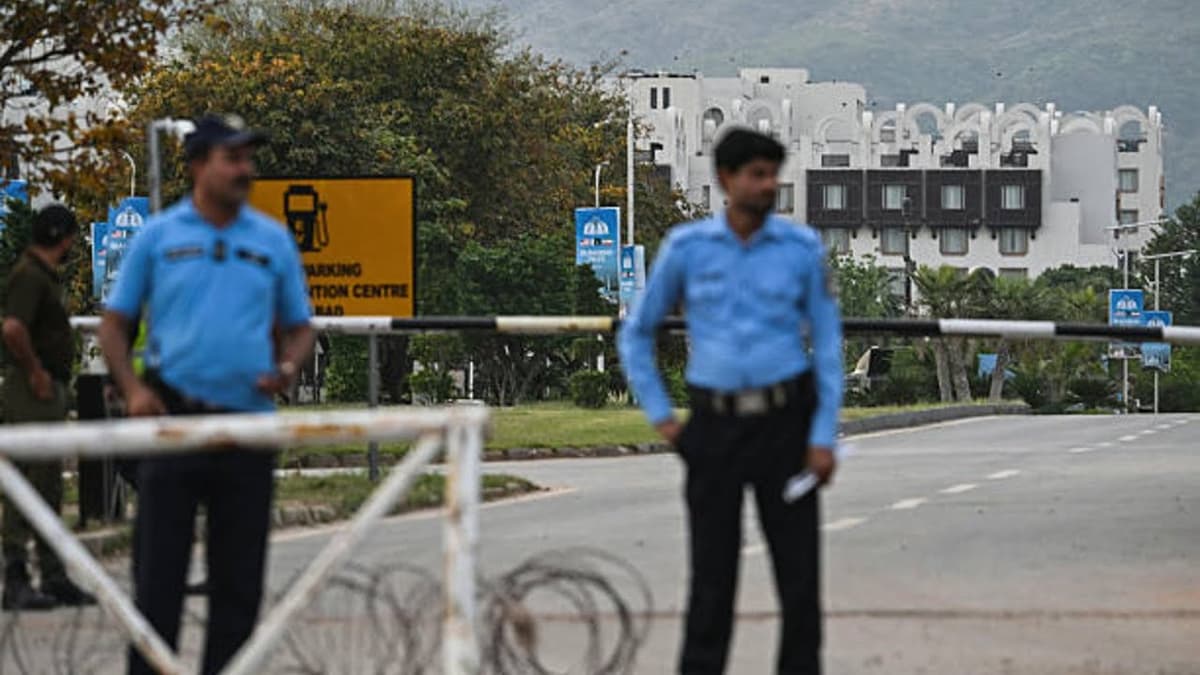
Pakistan Expects to Host Another Round of US-Iran Talks
Pakistan’s officials indicated the country is ready to host a second round of US‑Iran talks, though details remain scarce. The prospect hinges on Iran’s foreign minister potentially traveling to Islamabad, while U.S. involvement has not been confirmed. The dialogue is...
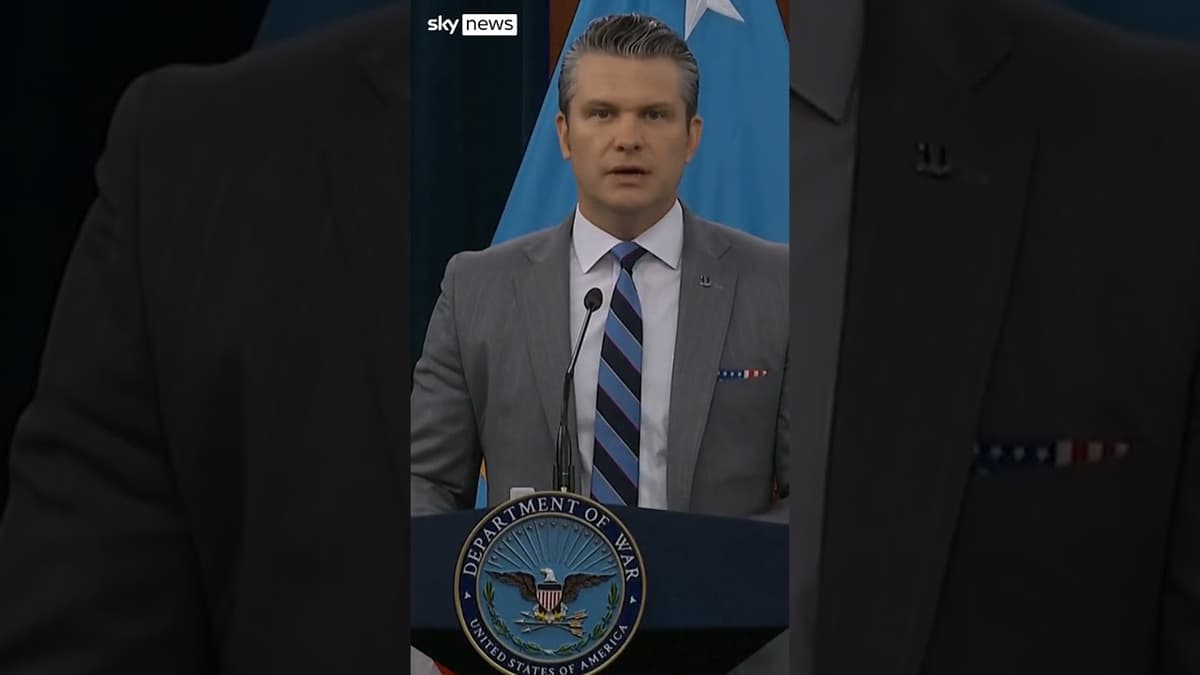
Iran War 'a Gift to the World', Hegseth Says
The video features a speaker, identified as Hegseth, proclaiming the ongoing conflict with Iran as a "gift to the world" and celebrating a newly named Operation Epic Fury. He argues that the operation has achieved decisive military results within weeks,...
Will the Ceasefire in Iran Continue? | SFS Fast Break
In this Fast Break session, Dean Joel Hellman hosts former diplomat Dennis Ross to assess whether the cease‑fire in Iran will hold and what conditions must be met for renewed talks. Ross explains that the Biden administration has paused negotiations...
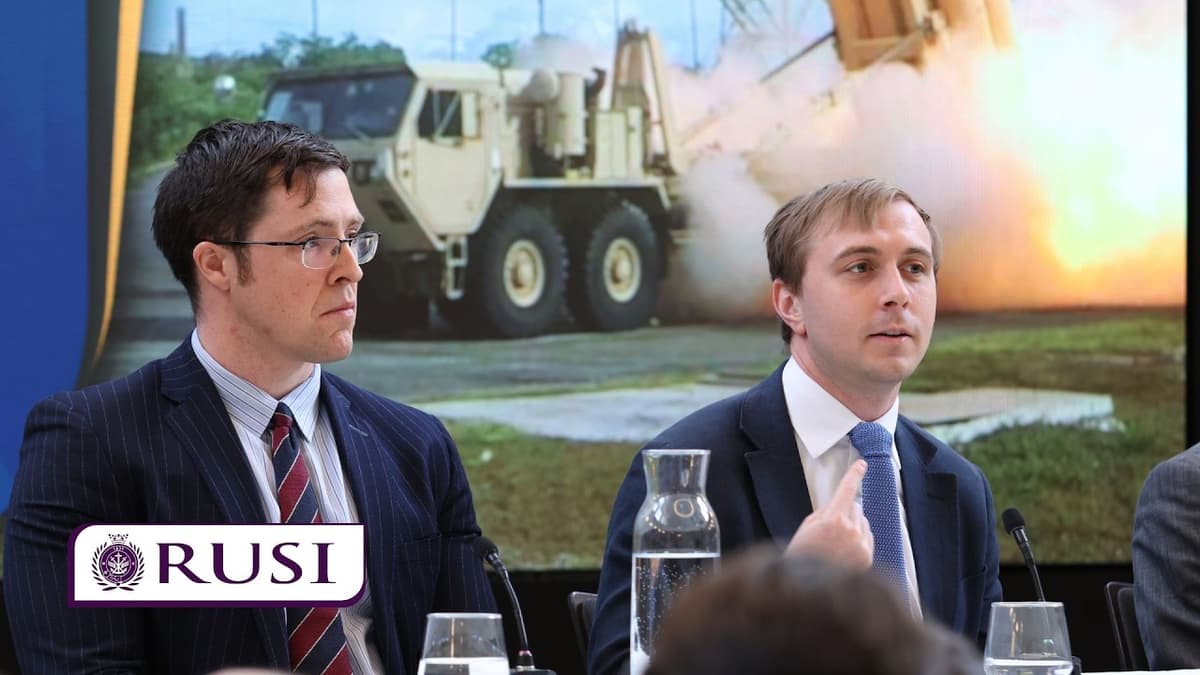
Confronting The Evolving Missile Threat in Europe | IAMD Conference 2026
The 2026 RUSI Air‑Missile Defence conference opened with Siddharth Kaushal framing Europe’s air‑and‑missile threat as a convergent, evolving challenge that now dominates anti‑access, critical‑infrastructure and supply‑chain security. Speakers highlighted how Russian forces have shifted from limited precision strikes to massive, coordinated...
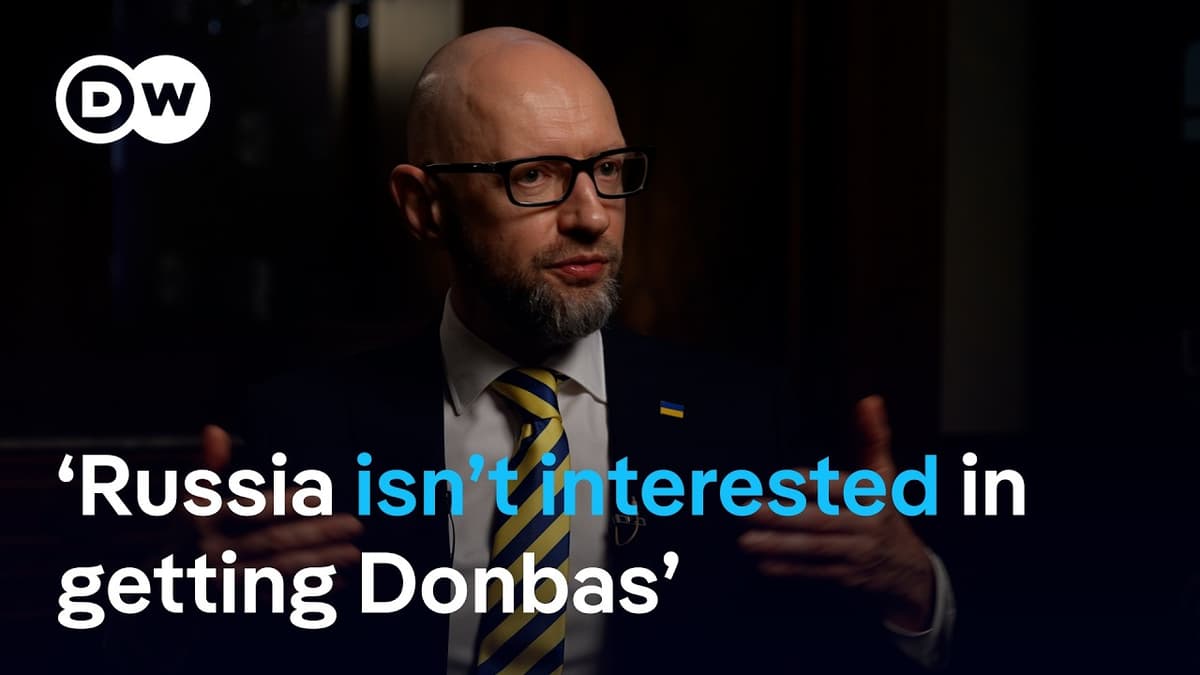
Russia-Ukraine Peace Talks a 'Sham' - Ukraine's Ex-Prime Minister Arseniy Yatsenyuk | DW News
Former Ukrainian prime minister Arseniy Yatsenyuk told the Kyiv Security Forum that the current Russia‑Ukraine peace negotiations are a "KGB special operation" designed to stall Ukraine while Putin pursues the ultimate goal of annexing the entire country. He dismissed the...
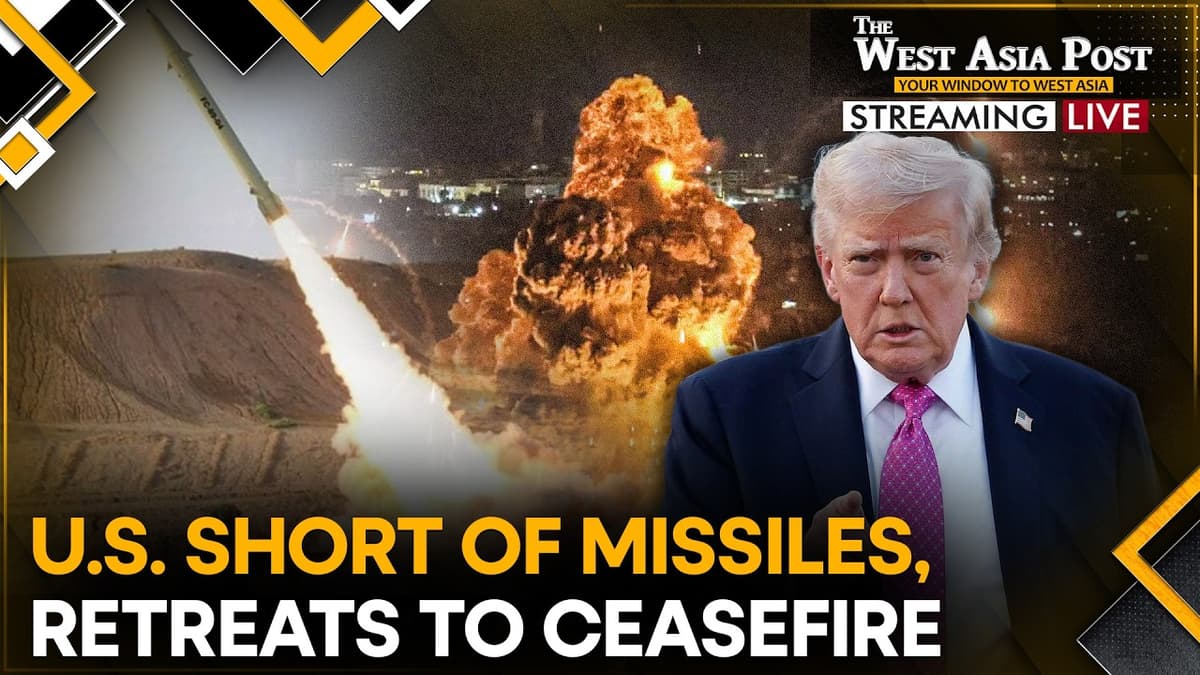
LIVE: Did America Run Low On Firepower Before Iran Ran Low On Missiles? | The West Asia Post
The West Asia Post aired a live discussion titled “Did America Run Low On Firepower Before Iran Ran Low On Missiles?” examining U.S. arms supply constraints and Iran’s missile shortfalls. The program featured analysis of who controls Iran’s strategic decisions...

Booms and Busts in the Gulf Are Often Cyclical. Is that Still True?
The latest episode of CFR’s "The Spillover" debates whether Gulf instability from the Iran‑Israel conflict and a potential closure of the Strait of Hormuz is a temporary, cyclical shock like past oil price spikes, or a lasting disruption that could...
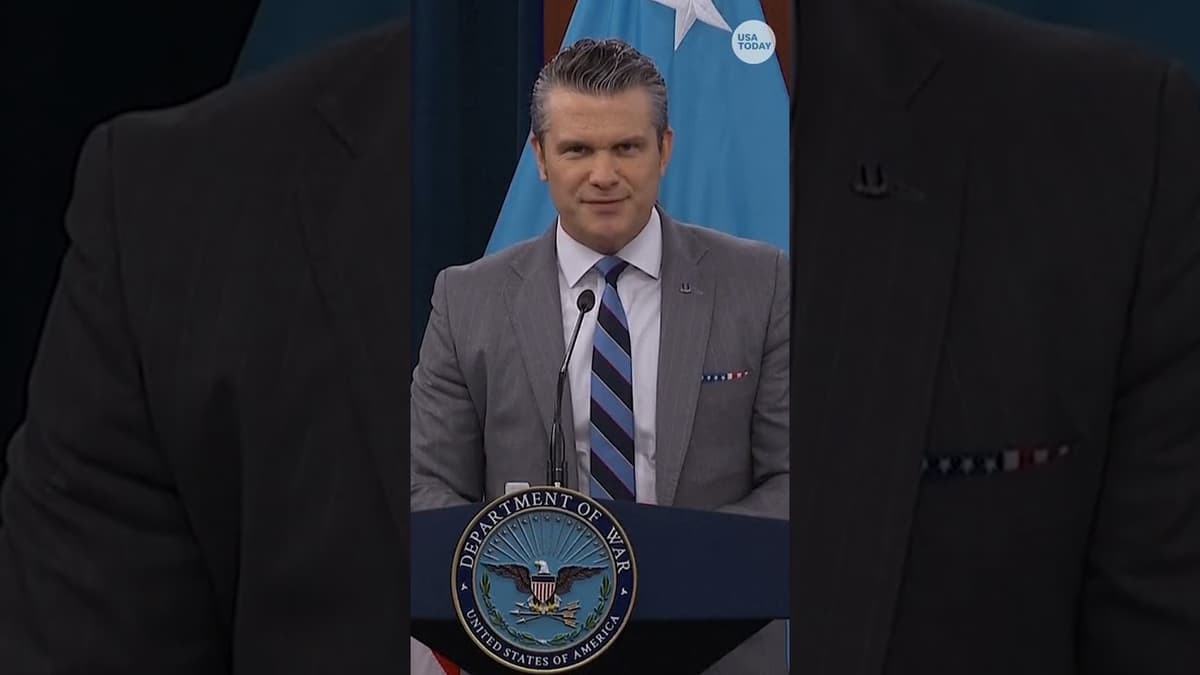
US Blockade of Strait of Hormuz Will Last 'as Long as It Takes' Amid Mounting Pressure
The video reports that the United States is prepared to maintain a blockade of the Strait of Hormuz indefinitely, using it as leverage to compel Iran to abandon its nuclear weapons program. Officials, citing President Trump, argue that American resolve and...
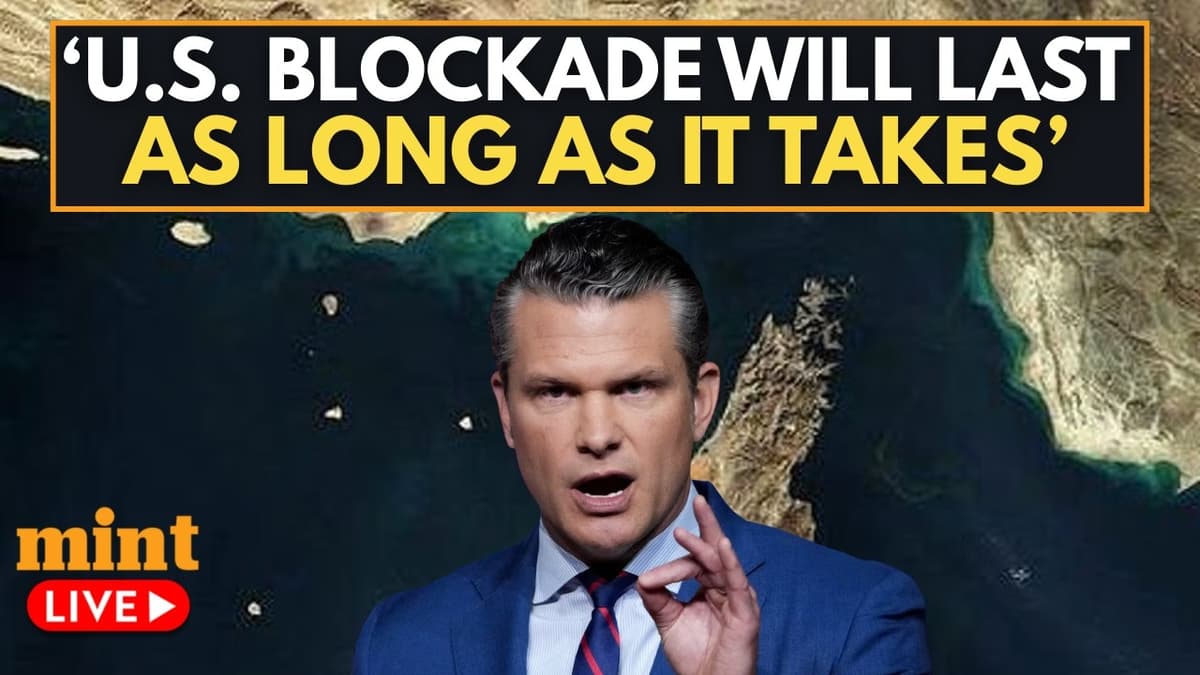
Pentagon Briefing LIVE | Hegseth Announces Expanded US Blockade | Mojtaba | Iran | Strait of Hormuz
U.S. officials announced an expanded naval blockade of the Strait of Hormuz, adding a second aircraft carrier within days. The new enforcement has already turned back 34 vessels that meet U.S. criteria, while still permitting non‑Iranian ships to transit. The...
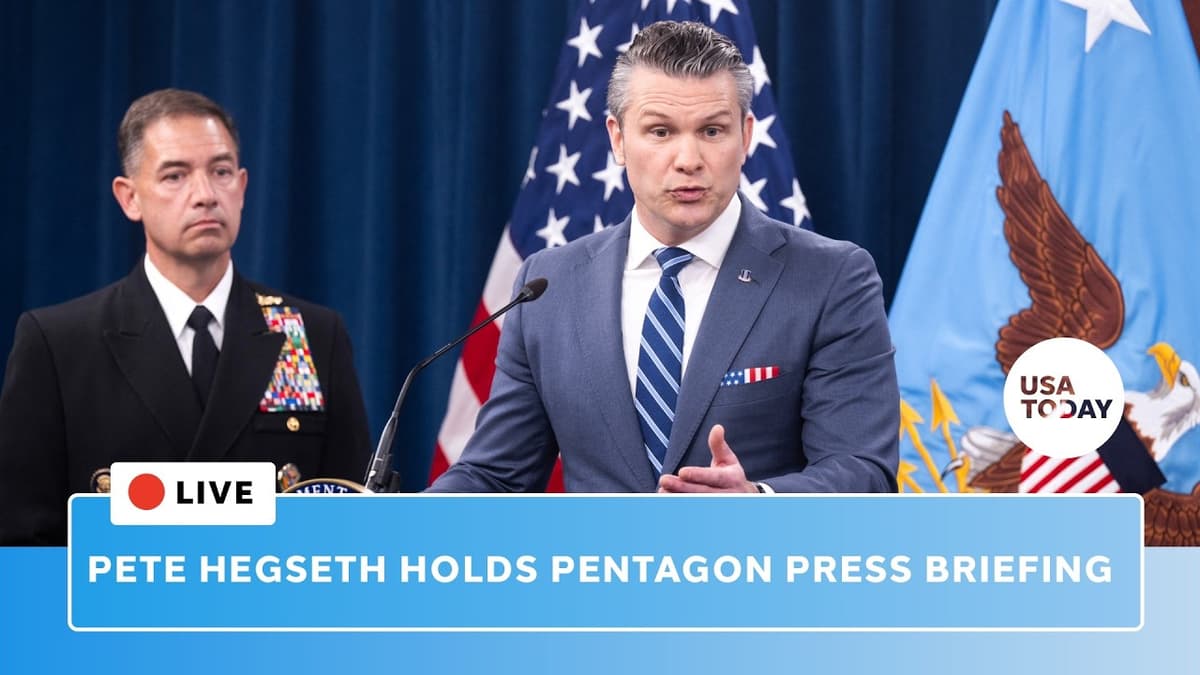
Live: Hegseth Pentagon Press Conference on Iran War News Amid Hormuz Blockade, Navy Secretary Fired
The Pentagon held a live briefing to detail the United States’ ongoing naval campaign, dubbed Operation Epic Fury, aimed at pressuring Iran over its nuclear ambitions. Senior officials outlined a sweeping maritime blockade that now extends from the Strait of Hormuz to...
LIVE | Shocking Pentagon Leak: Iran Missile Arsenal Survives US Action; Trump Under Fire | Mojtaba
Fresh Pentagon intelligence contradicts President Trump’s claim that U.S. strikes have obliterated Iran’s missile and drone arsenal. The leak shows that most of Tehran’s missile systems remain operational, concealed in underground facilities, while the White House continues to assert decisive...
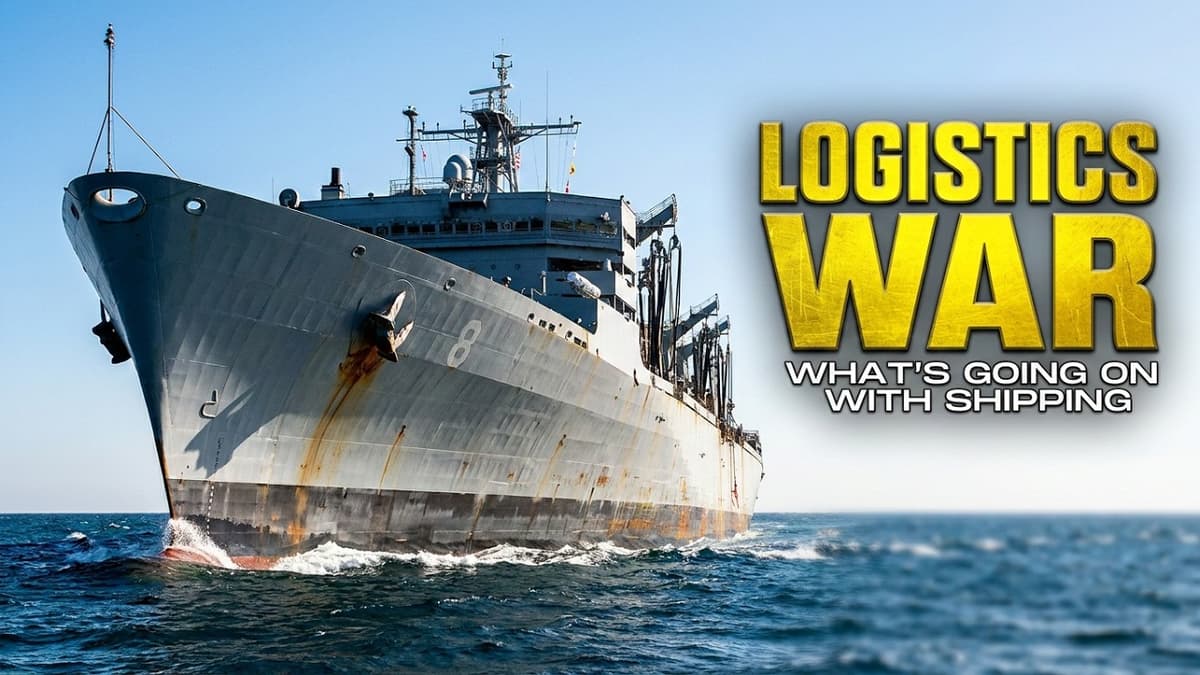
Logistics in the Indian Ocean During Operation Epic Fury | Sealift & the US Merchant Marine
The video examines how the U.S. Navy sustains its forces in the Indian Ocean during Operation Epic Fury after Iran’s attacks shut down traditional Gulf logistics hubs. With Bahrain and other Persian‑Gulf bases compromised, the fleet now relies on Diego Garcia as the...
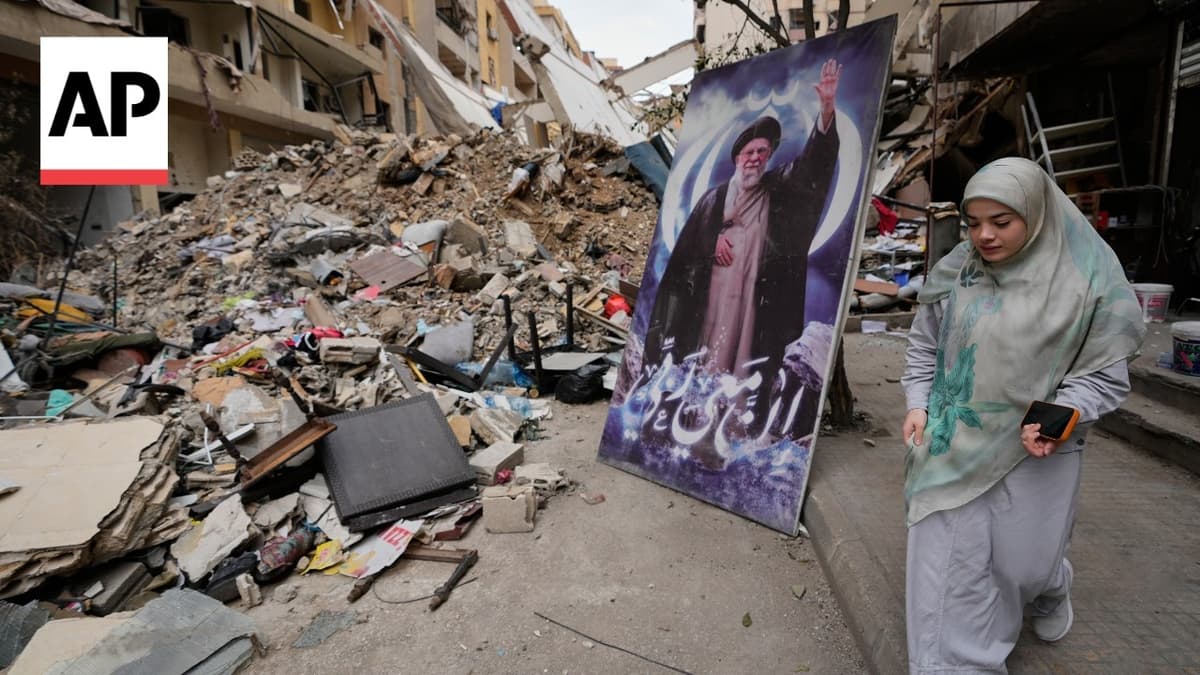
Cautious Optimism in Beirut and Israel as Israel-Hezbollah Ceasefire Extended
The ten‑day Israel‑Hezbollah ceasefire that began last Friday was set to end on Monday, but the United States brokered an extension that pushes the truce beyond the original deadline. Washington’s mediation marks a rare diplomatic alignment in a conflict that...
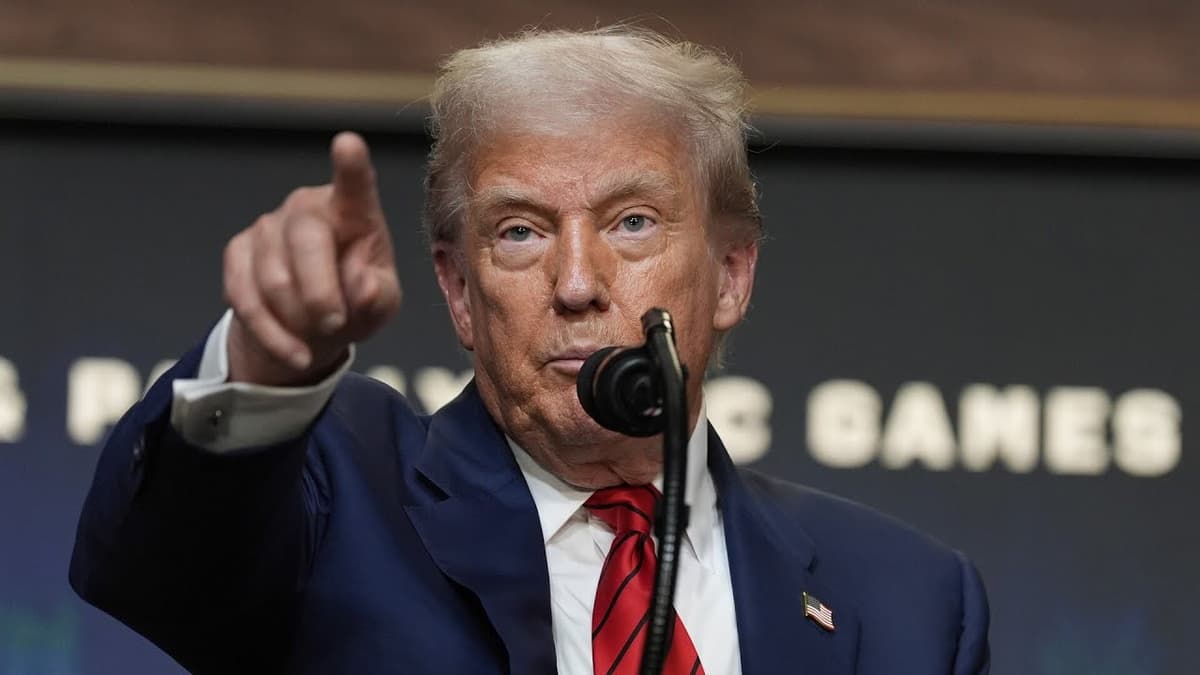
‘He’s Deadly Serious’: Trump Makes ‘Significant’ Threat to Iranian Boats in Strait of Hormuz
The video centers on former President Donald Trump’s declaration that the U.S. Navy will shoot and sink any Iranian boat laying mines in the Strait of Hormuz. Host Adam B. Coleman frames the threat as a serious escalation, echoing Trump’s...
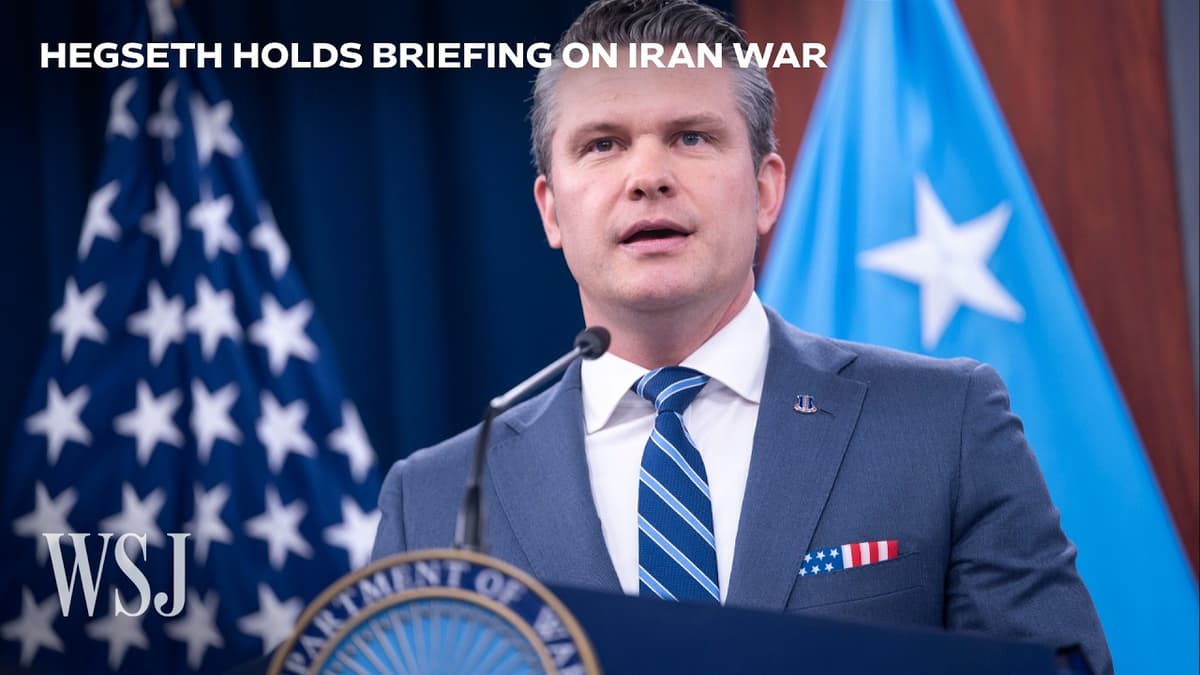
Watch Live: Pete Hegseth and Gen. Caine Hold Briefing on Iran War | WSJ
U.S. officials briefed that Operation Epic Fury—launched to prevent Iran from obtaining a nuclear weapon—has quickly produced decisive results, with a growing, global naval blockade enforcing an ‘‘nothing in, nothing out’’ policy on Iranian ports. CENTCOM says 34 vessels have...
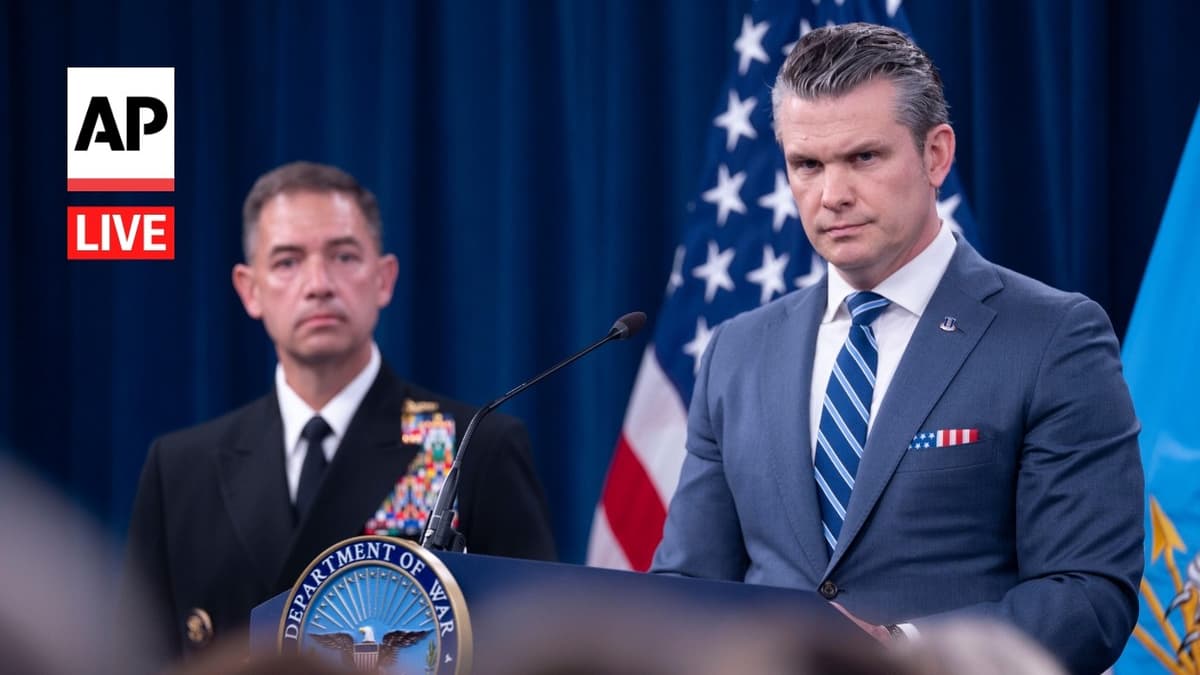
LIVE: Hegseth Holds a Briefing at the Pentagon
At a Pentagon briefing Secretary Hegseth and the chairman framed Operation Epic Fury as a short, decisive campaign to prevent Iran from acquiring a nuclear weapon, announcing an expanding, global U.S.-enforced naval blockade and recent seizures of Iranian “dark fleet”...
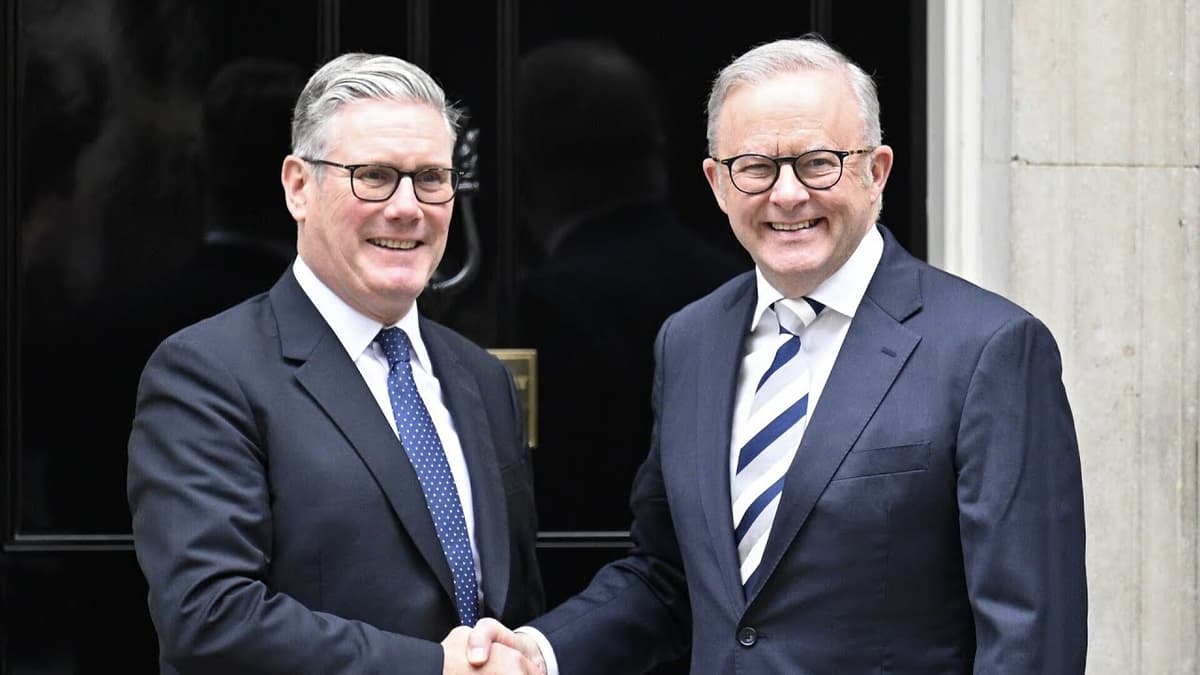
‘Two Pathetic Peas in a Pod’: Albanese and Starmer ‘Sit Back as Spectators’ to Iran War
Sky News host Danica De Giorgio accused Australian Prime Minister Anthony Albanese and UK Prime Minister Keir Starmer of being "two pathetic peas in a pod" for their perceived inaction on the escalating Iran conflict. She argued that both countries,...
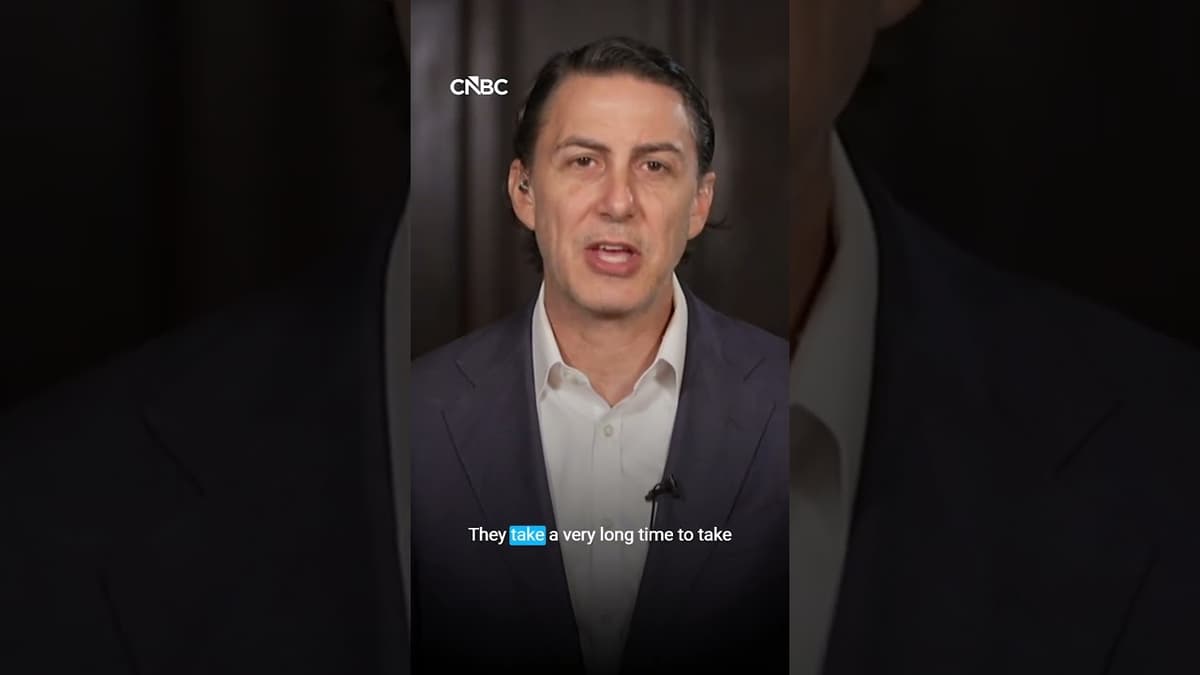
Iranians Are Controlling the Tempo: Former Biden Adviser
Former Biden adviser warns that Iran now dictates Red Sea shipping tempo, creating a dual‑blockade scenario where U.S. sanctions halt Iranian vessels while Tehran’s own blockade restricts all other traffic. The standoff is already generating worldwide economic pain and raises...
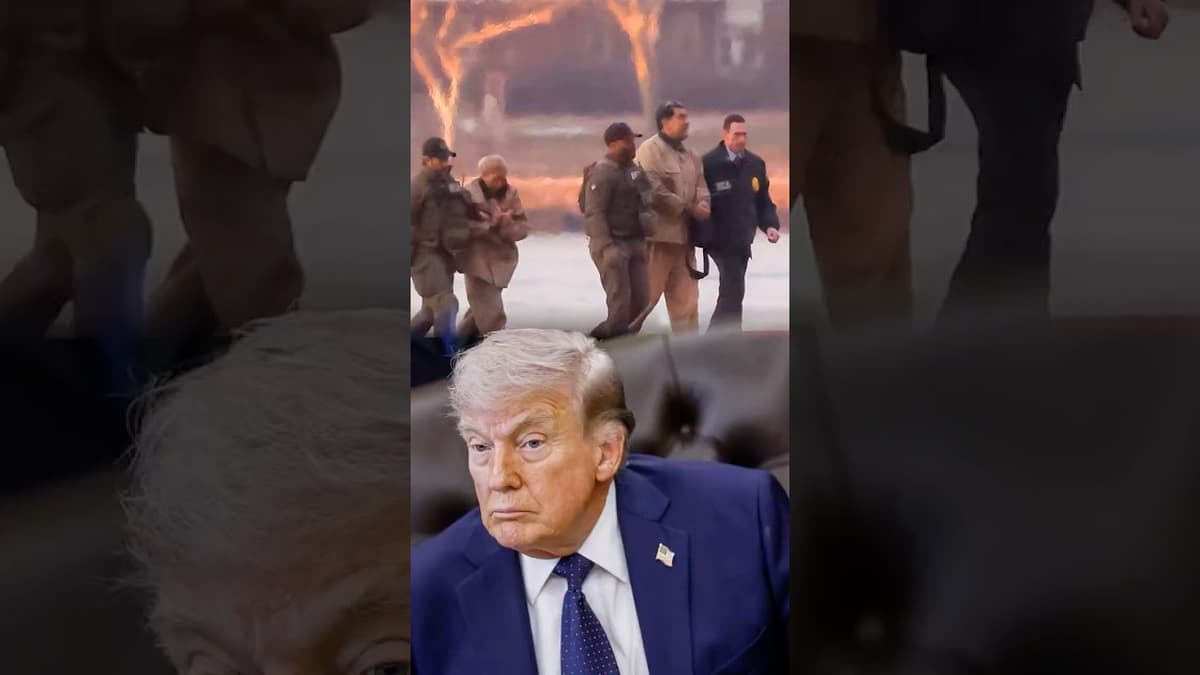
Trump Reacts to US Soldier Arrest for Betting on Maduro Capture
The video captures former President Donald Trump reacting to the arrest of a U.S. special‑forces soldier accused of insider trading on a prediction market after the operation that captured Venezuelan President Nicolás Maduro. According to the transcript, the soldier, who participated...
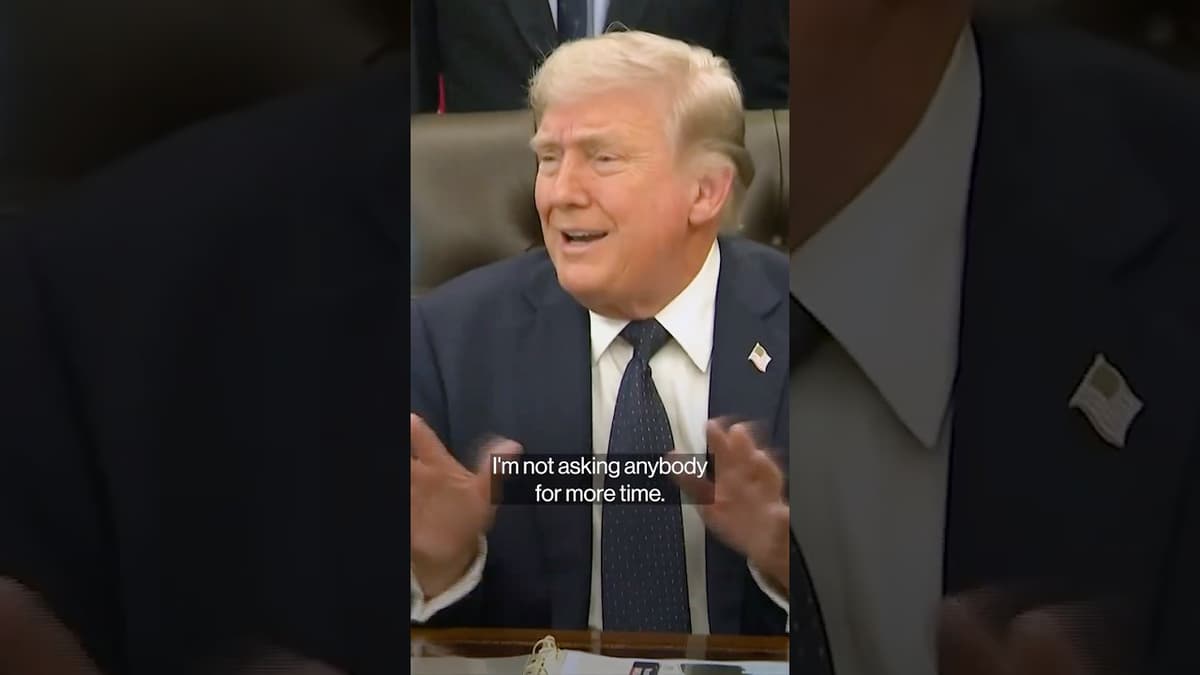
Trump Says He Won't Be Rushed to End Iran War
The video features former President Donald Trump addressing questions about the ongoing U.S. military engagement with Iran, insisting he is not being pressured to conclude the conflict quickly. He references an initial 4‑to‑6‑week window, noting that after that period Iran’s...

Southwest Hosts National Aircraft Show (1956)
The 1956 National Aircraft Show unfolded at Oklahoma City’s Will Rogers Field, drawing 151,000 spectators to a three‑day celebration of the jet age. The event combined static Air Force displays—such as the C‑130 turboprop transport and the massive B‑52 intercontinental...
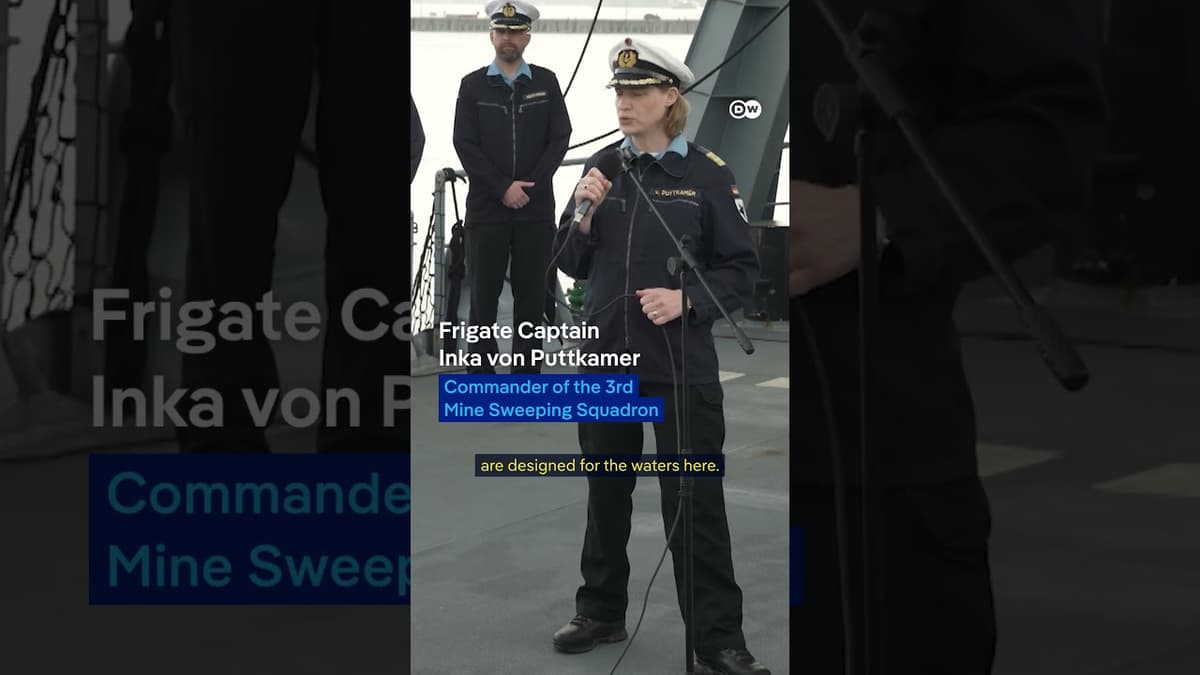
German Navy Prepares for Possible Deployment | DW News
The video outlines Germany’s plan to ready its navy for a potential deployment in the northern Baltic region, echoing Chancellor Olaf Scholz’s assurance that the force will be prepared. It highlights that the German fleet is now the smallest in...
Trump LIVE | US President Donald Trump Makes BIG Announcement |Iran War | US News | Strait Of Hormuz
President Donald Trump delivered a surprise televised address, warning that Iran’s recent provocations in the Strait of Hormuz could force the United States to take "decisive" action. He signaled the possibility of new economic sanctions and hinted at a limited...

Iran 'Will Always Believe' It Controls Hormuz Strait
The video discusses Iran’s persistent claim that it can close the Strait of Hormuz at will, warning that even if the waterway is reopened, Tehran believes it retains the power to shut it down again, a scenario that threatens global...
Is Trump a Russian Asset? Trump, Putin, and the Foundations of Geopolitics.
The video examines the provocative hypothesis that former President Donald Trump may have functioned as a Russian intelligence asset, using Alexander Dugin’s 1997 "Foundations of Geopolitics" as a framework. The author, a lawyer, outlines Dugin’s checklist—fracturing the transatlantic alliance, sowing...
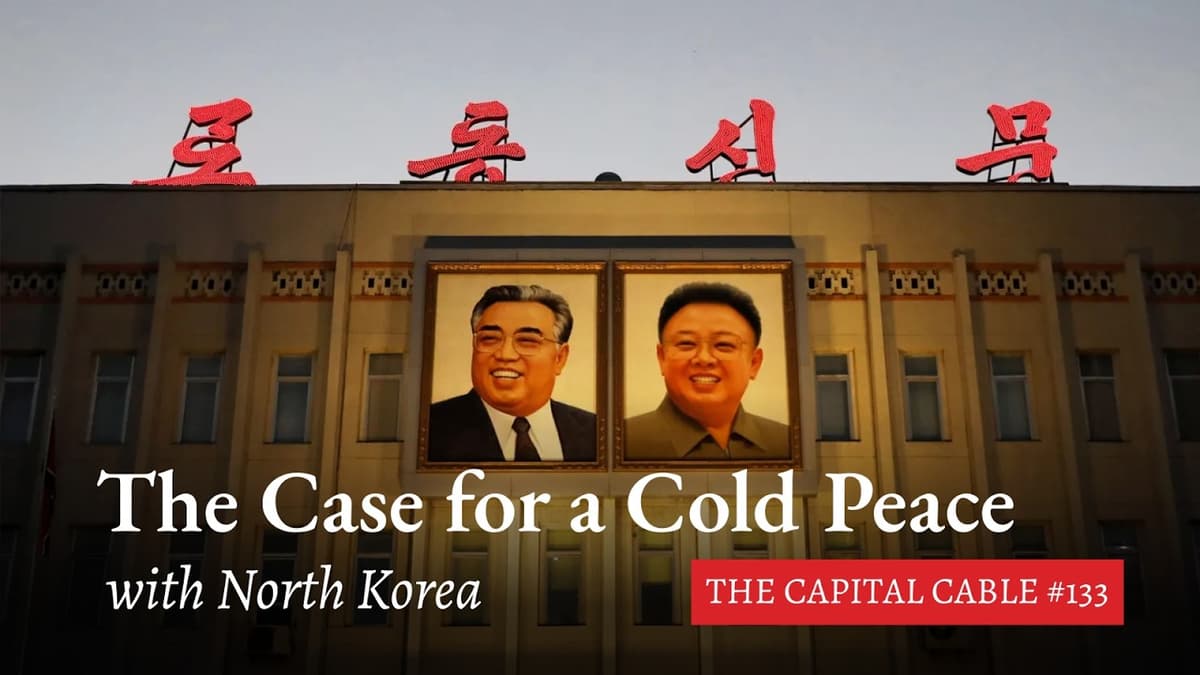
The Case for a Cold Peace with North Korea | The Capital Cable #133
After three decades of a denuclearization‑first approach, North Korea’s nuclear arsenal has continued to expand. In a May/June 2026 Foreign Affairs essay, CSIS Korea Chair Victor Cha argues the United States should adopt a "cold peace"—a limited, managed relationship short...
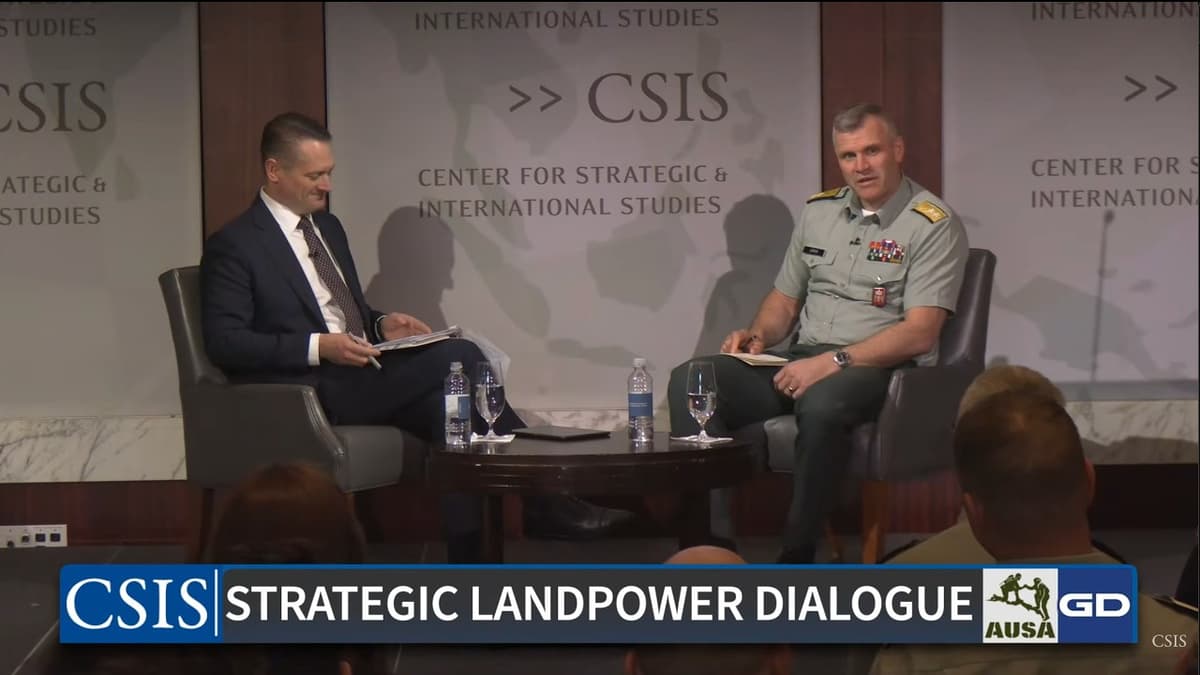
Strategic Landpower Dialogue: A Conversation with Major General Lars S. Lervik
In a Strategic Landpower Dialogue hosted by AUSA, Major General Lars Lervik, Chief of the Norwegian Army, outlined Norway’s evolving defense posture amid heightened Russian activity. He explained how the war in Ukraine and Russia’s Arctic ambitions have reshaped Norway’s threat calculus,...
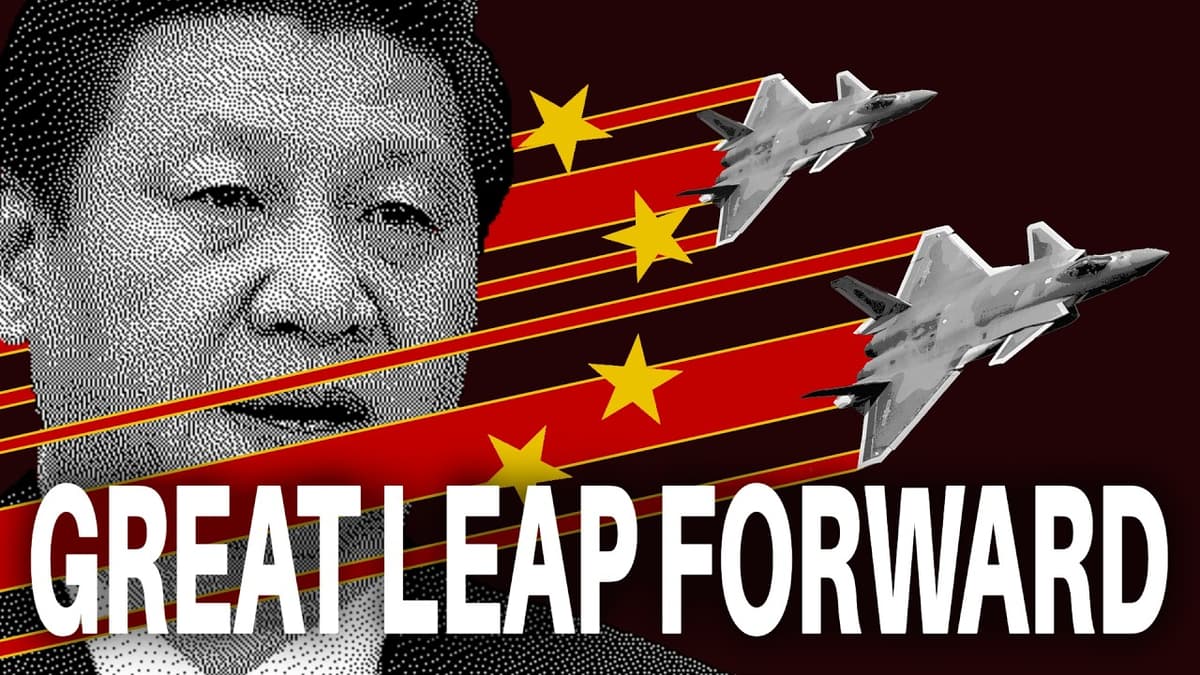
China’s Air Force: Almost Ready For The Taiwan Scenario?
The video examines how the People’s Liberation Army Air Force (PLAAF) has transformed from a Cold‑War relic into a modern, expeditionary force aimed at a potential Taiwan invasion by 2027. It highlights China’s singular focus on southeastern air power, the...
‘Battered and Bruised’: Iran Has Lost ‘Important’ Political Leaders
Australian columnist Tom Switzer told Sky News that Iran has been "battered and bruised" since the war began, citing severe economic and military pressures. He said the conflict has led to the loss of a number of senior political, military...
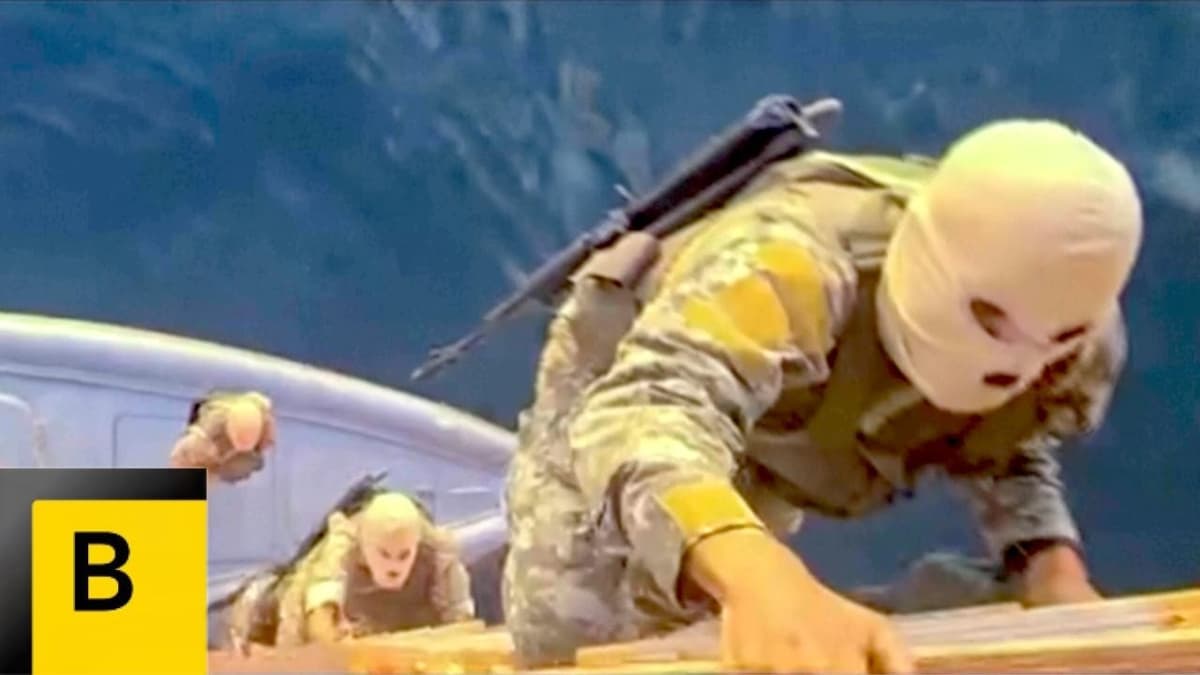
Iran State TV Airs Video of Navy Seizing Ships in Hormuz
Iranian state television aired footage of its navy intercepting commercial ships transiting the Strait of Hormuz, a chokepoint through which roughly a fifth of global oil passes. The visual display was timed to underscore Tehran’s willingness to use maritime force...
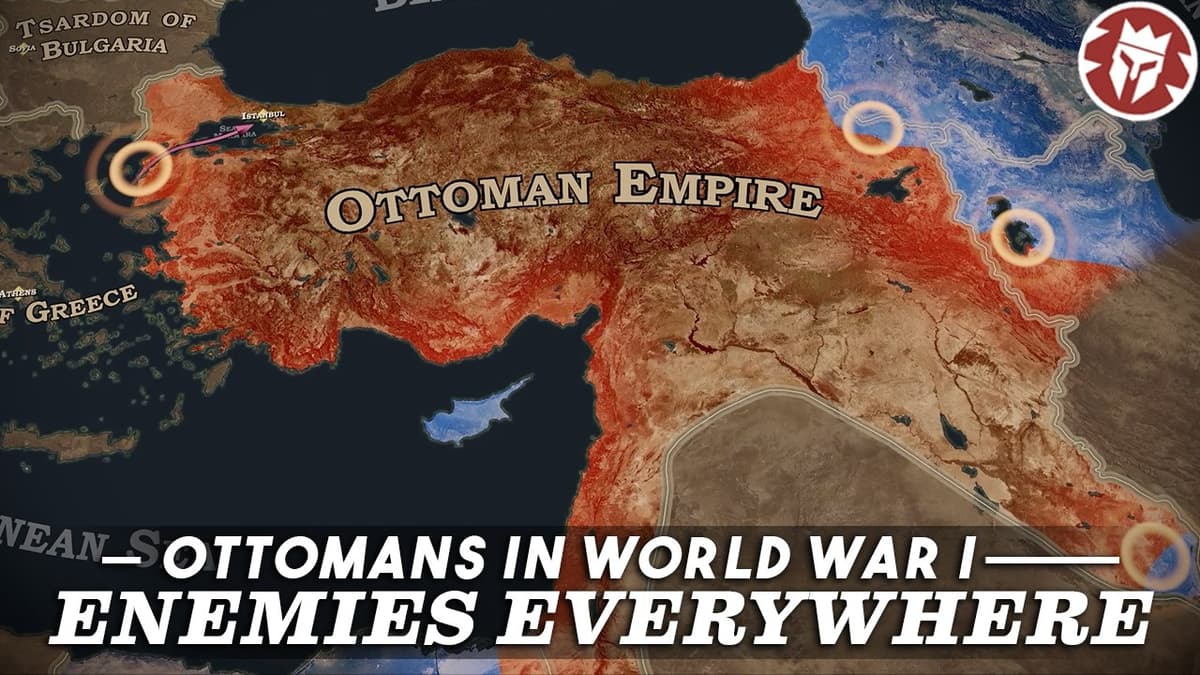
Ottoman Empire Fights for Survival - World War I
The video chronicles the Ottoman Empire’s desperate struggle in spring 1915, when it was fighting on four simultaneous fronts—Caucasus against Russia, Mesopotamia against the British‑Indian Expeditionary Force, Persia and central Arabia against local uprisings, and the Gallipoli peninsula against the...
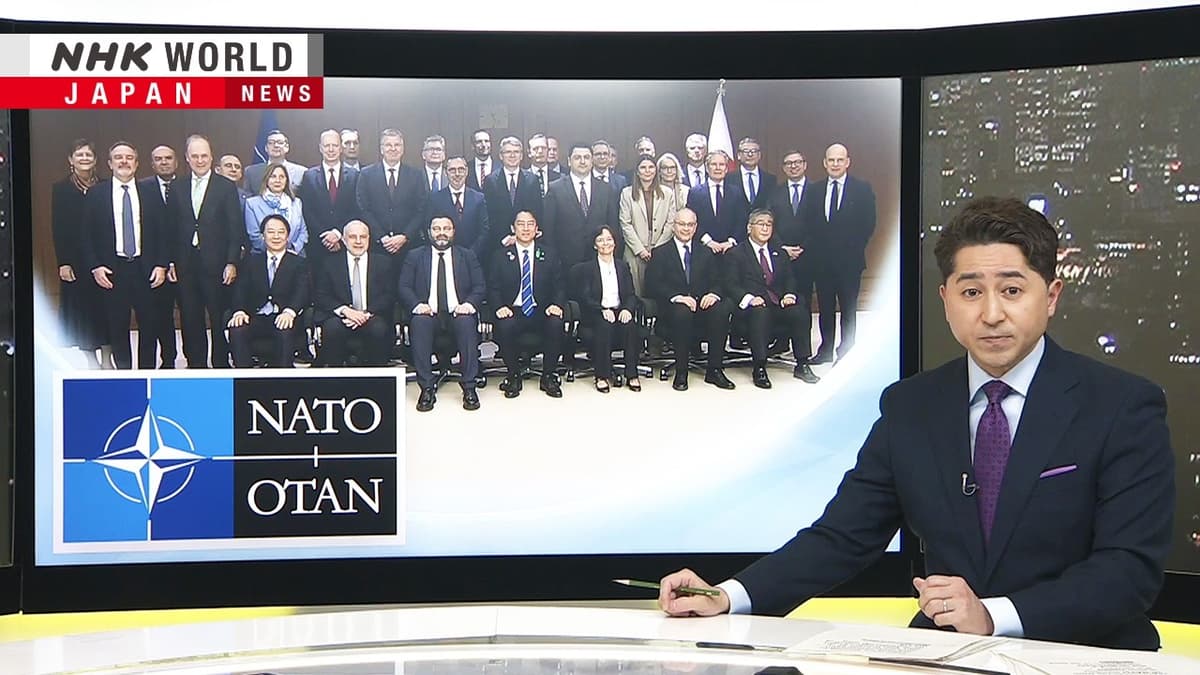
'We Can Learn From Each Other': Why NATO Is Turning to JapanーNHK WORLD-JAPAN NEWS
NATO sent its largest ever delegation of 30 member‑state ambassadors to Tokyo, aiming to deepen security cooperation with Japan and learn from its partnership with the United States. The talks covered joint support for Ukraine, responses to China’s military buildup, and...
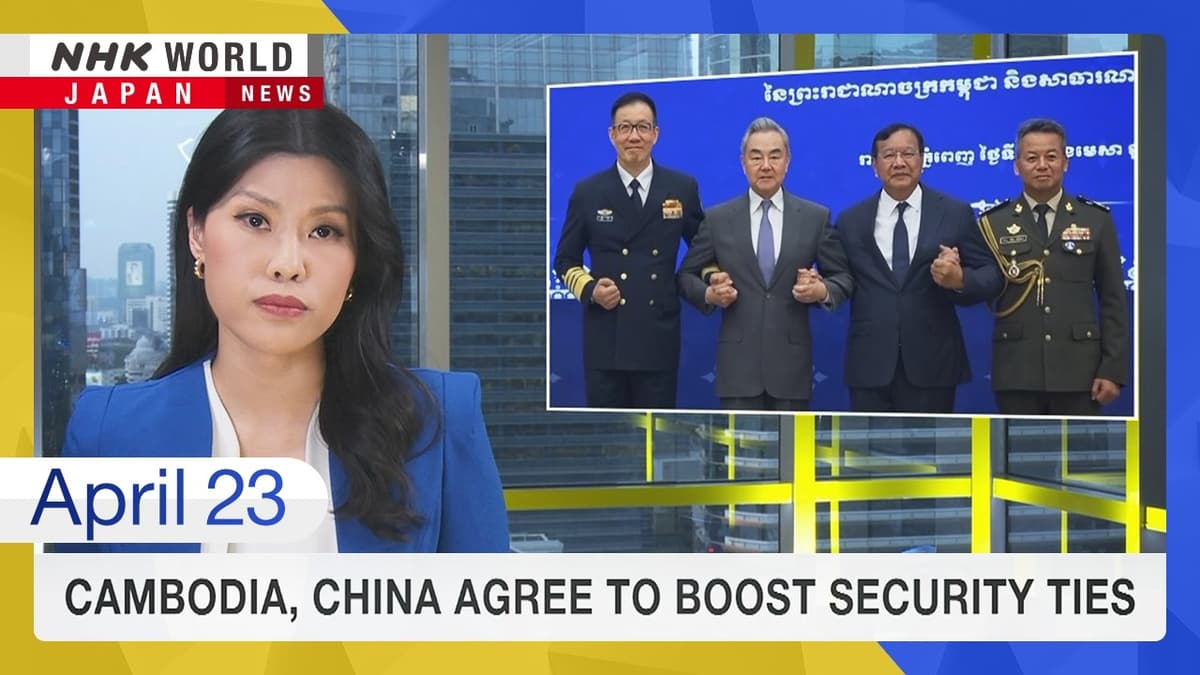
Cambodia, China Agree to Boost Security TiesーNHK WORLD-JAPAN NEWS
Foreign and defense ministers from Cambodia and China convened their inaugural “two‑plus‑two” meeting in Phnom Penh, signalling a deepening of bilateral security cooperation. The talks, led by Cambodia’s Prak Sokhonn and Tea Seiha alongside China’s Wang Yi and Dong Jun,...

Fixing Chornobyl Part 3: A New Threat
The video reports that a Russian drone struck the newly built safe confinement structure at the Chernobyl site, igniting a fire that penetrated the arch’s inner and outer layers. A firsthand account from a on‑site contact confirms the incident’s seriousness,...
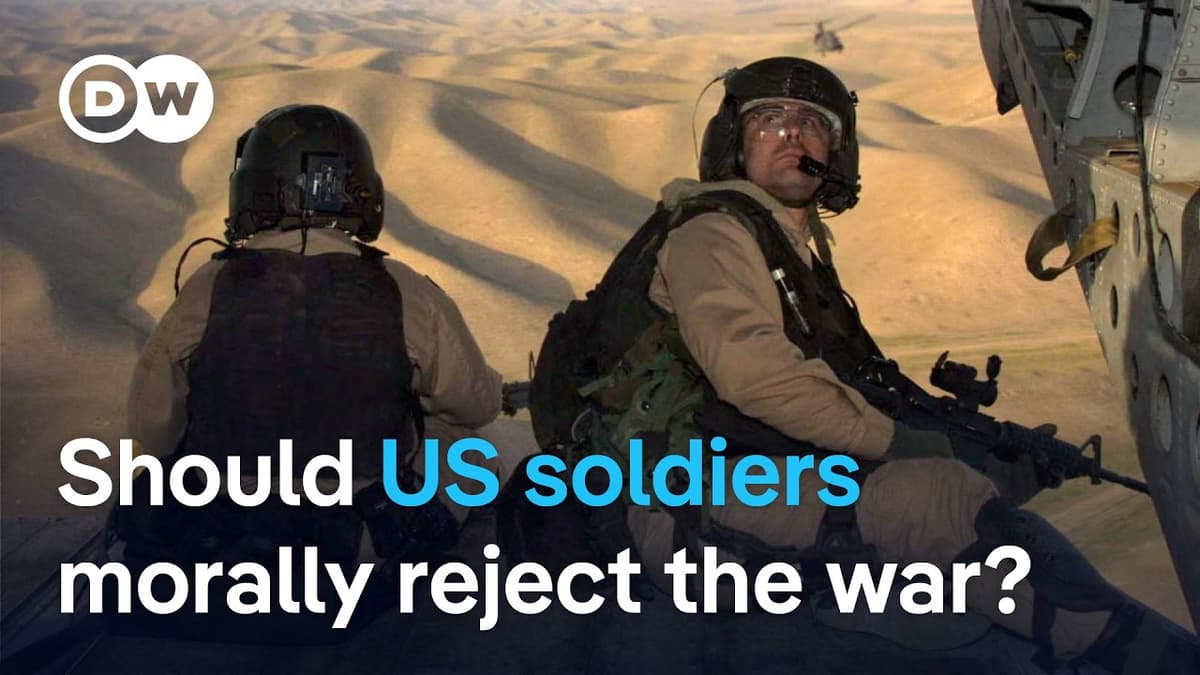
The Rise in US Military Members Who Don't Want to Go to War | DW News
DW News reports a sharp increase in U.S. service members applying for conscientious‑objector status as the conflict with Iran escalates. The Center on Conscience and War, led by former Iraq veteran Mike Pryner, says the current wave is the largest...
Is Cuba Next? #shorts
The Trump administration has dispatched a diplomatic team to Havana, marking the first high‑level U.S. overture to the Cuban regime in years. The delegation arrived with a “maximalist” agenda that mirrors the pre‑war demands made of Tehran, seeking sweeping concessions...
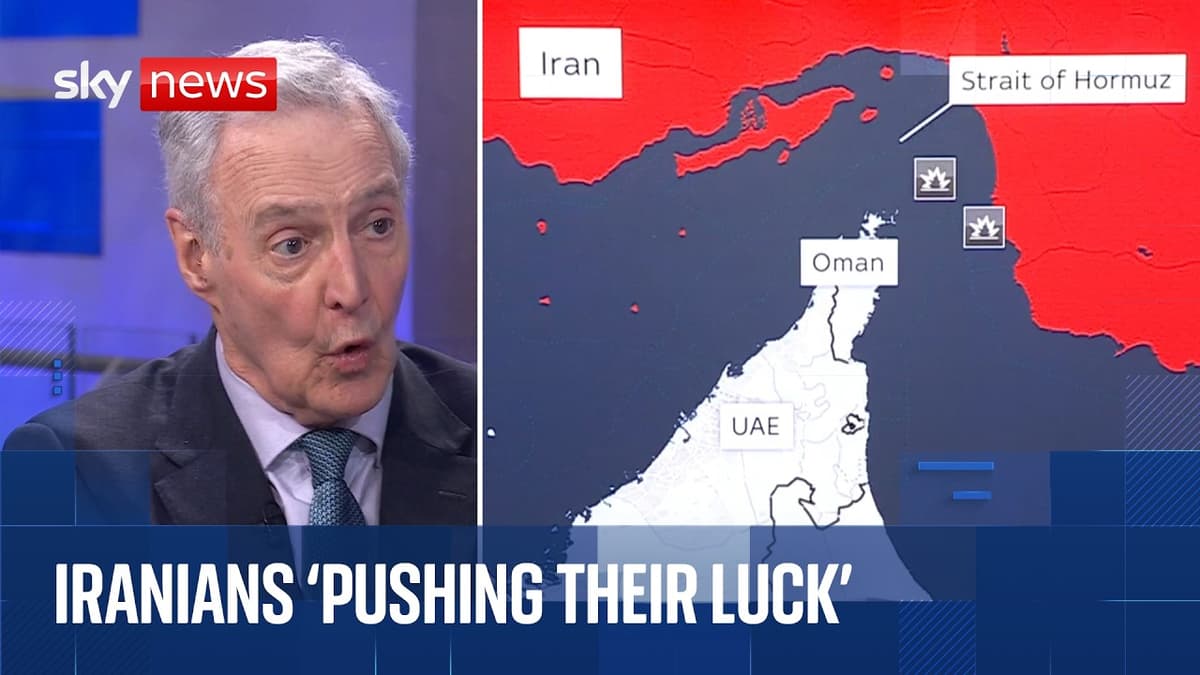
Michael Clarke Unpicks Strait of Hormuz Stalemate | Sky News Analysis
President Donald Trump announced an extension of the ceasefire with Iran while keeping the US naval blockade of the Strait of Hormuz in place. An Iranian official said Tehran has not yet decided whether to join a new round of...
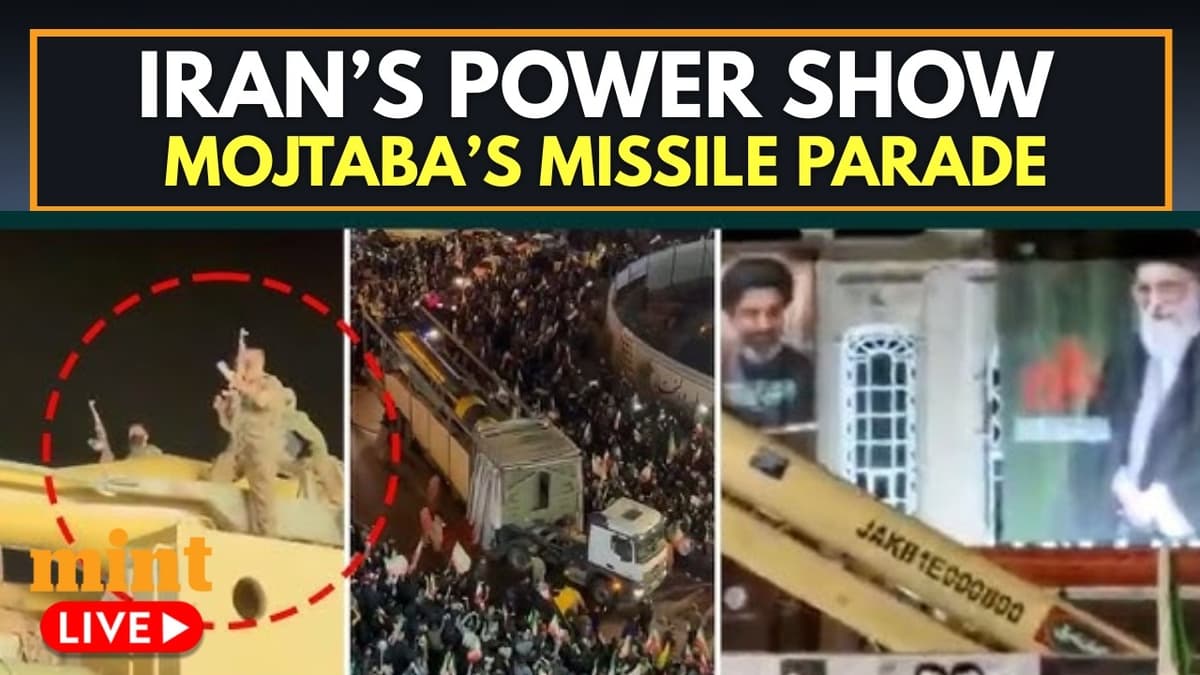
LIVE | On Cam: Iran Parades Deadly Missiles on Streets; Did It Push Trump to Extend Ceasefire?
Iran’s Islamic Revolutionary Guard Corps staged a public missile parade in Tehran, Isfahan and other major cities, showcasing the Ghadr and Khorramshahr ballistic missiles. The display was timed just before President Donald Trump’s decision on a proposed cease‑fire with Tehran....

US Treasury Just Sanctioned 14 Targets For Supplying Iran
On April 21, the U.S. Treasury announced sanctions on 14 targets—individuals, entities and aircraft—based in Iran, Turkey and the UAE for procuring or transporting weapons and weapons components for the Iranian regime. The move targets networks that have supplied ballistic...

Local Firm Developing Low-Cost Attack Drones, Drawing Lessons From Iran War|TaiwanPlus News
A Taiwan‑based company is engineering a low‑cost attack drone to strengthen the island’s defenses as cross‑strait tensions rise. The project draws tactical lessons from the Iran‑Iraq war, emphasizing swarm and loitering capabilities. Development costs are modest, but full deployment hinges...
Adm. Caudle: F/A-XX Program Is Alive, Will Down Select in August.
Admiral John Caudle used the recent naval expo to reaffirm that the Navy’s next‑generation carrier‑based fighter, the F/A‑XX, is still on the docket. He announced that a formal down‑select will occur in August, identifying the contractor that will move forward. The...
Will Russia Learn From Iran's Recent Experiences? | Integrated Air and Missile Defence Conference 26
The Integrated Air and Missile Defence Conference highlighted Russia’s accelerating collaboration with Iran, China and North Korea on advanced missile and air‑defence systems. Analysts noted that Moscow is not only sharing technology but also observing Iranian operational concepts, such as...