
Using U.S. Energy as Leverage || Peter Zeihan
Peter Zeihan warns that the United States could weaponize its growing liquefied natural gas (LNG) capacity against Europe if trade talks falter. The U.S. now ships roughly 12 billion cubic feet of LNG daily, supplying about 30% of the EU’s gas imports. A sudden curtailment would spike European energy prices and force policymakers to seek alternative sources. Zeihan frames the move as a classic geopolitical lever in an era of strained transatlantic relations.

Electrification to Lead the Next Phase of Energy Transition
The video outlines IRENA’s view that electrification will drive the next phase of the global energy transition, as geopolitical tensions, fossil‑fuel price swings and rising demand threaten the 1.5 °C pathway. IRENA’s roadmap calls for electricity’s share of final energy use to...
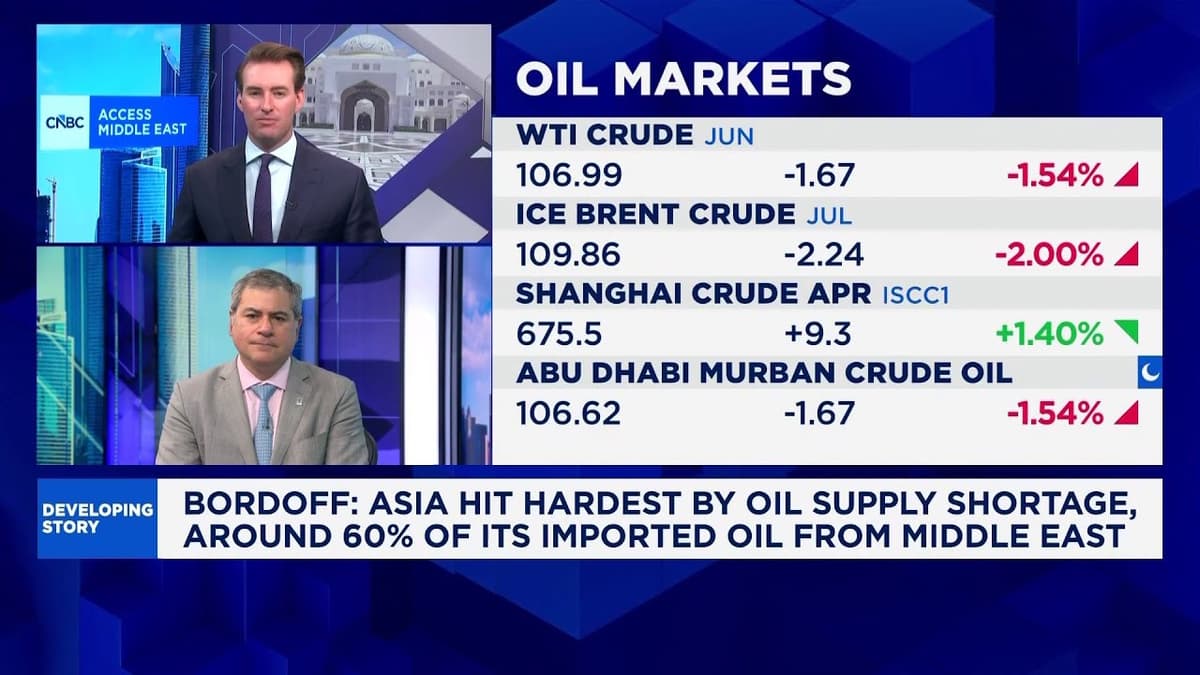
Iran Has a 'Powerful Weapon' In Strait of Hormuz: Expert
The video focuses on Iran’s ongoing blockade of the Strait of Hormuz, described by the expert as a “powerful weapon” that could choke a critical artery for world oil supplies. With roughly 14‑15 million barrels per day at risk, inventories are projected...

Are EVs Still Clean on a Dirty Grid?
Electric vehicles remain cleaner than internal combustion cars over their lifetimes, but the carbon footprint of charging varies widely by location, time of day, season and how a grid sources and trades electricity. Electricity Maps provides real-time, regionally granular data...
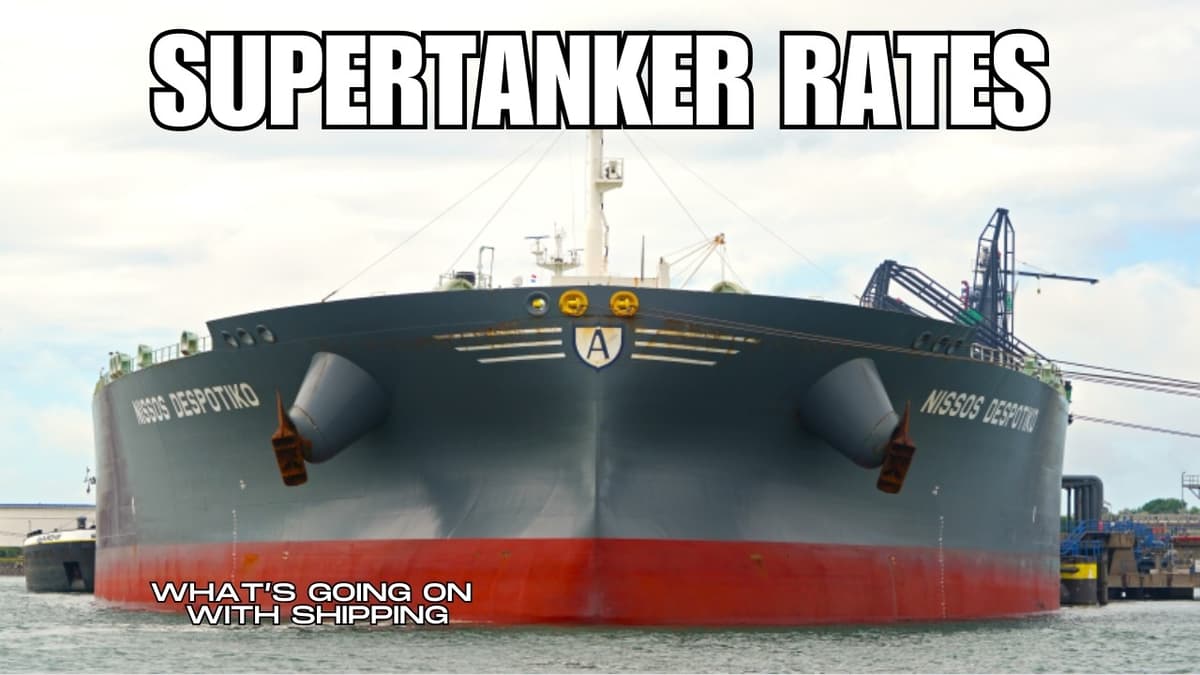
The Hormuz Effect: Why Supertanker Volumes Dropped 36% & Stocks Are Sliding
The episode examines how the effective closure of the Strait of Hormuz has reshaped the global supertanker market, focusing on a 36% drop in very large crude carrier (VLCC) volumes and the subsequent softening of freight rates. It breaks down...

Why Is the Stockmarket Ignoring Reality? | The Economist
Global equity markets have rallied strongly in recent weeks, with investor optimism reaching levels last seen during the late-1990s dotcom boom, despite an ongoing Iran-related energy shock that has tightened supplies and disrupted supply chains. Corporate earnings have been robust...
![[Full] Singapore to Embark on Review by UN Atomic Watchdog in 2027](/cdn-cgi/image/width=1200,quality=75,format=auto,fit=cover/https://i.ytimg.com/vi/BmUExxhXs1s/maxresdefault.jpg)
[Full] Singapore to Embark on Review by UN Atomic Watchdog in 2027
At EMA's 25th anniversary speech, Singapore outlined an energy strategy prioritizing security, resilience and decarbonization through diversification rather than single solutions. In the medium term natural gas remains the anchor, with a second LNG terminal and centralised gas procurement via...

Is Carney and Liberals Helping the Canadian Oil Sector | Rory Johnston and Jimmy Connor
Since taking office about a year ago, Prime Minister Mark Carney and Energy Minister Tim Hodgson have reversed the previous decade’s chilly federal tone toward Canada’s oil sector, signaling a pro‑industry shift and improving investor sentiment. While substantive policy changes...

CanCambria Energy (TSXV:CCEC) - 750 Bcf Hungary Gas Play Targets EU Supply Gap
CanCambria Energy (TSXV:CCEC), a Vancouver-based E&P, is pursuing a large natural gas development in Hungary’s Kiskunhalas concession, aiming to commercialize a play that management says could hold ~750 Bcf. The company acquired new 3D seismic over legacy wells that tested...
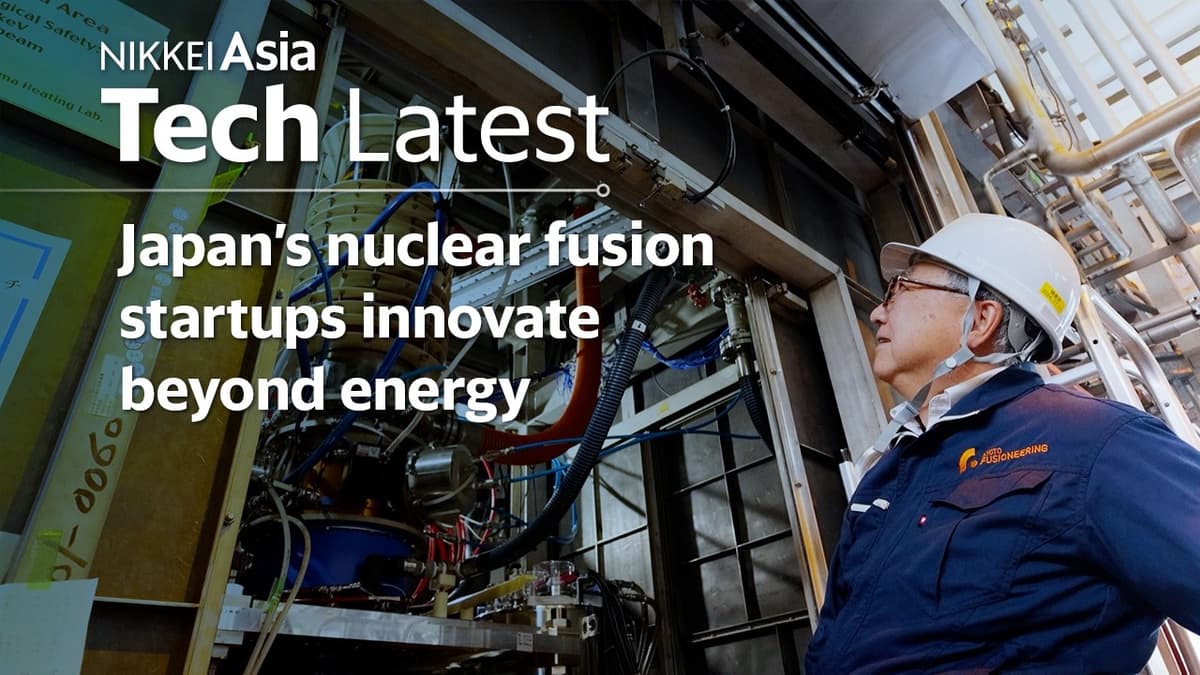
Japan’s Nuclear Fusion Startups Innovate Beyond Energy
Japan, long active in fusion research through institutions like QST and projects such as JT-60SA, is seeing a surge of startups and government support aimed at translating decades of science into commercial reactors. Recent advances in materials, containment and experimental...

NextEra to Buy Dominion for $67 Billion to Create U.S Power Giant | Bloomberg Intelligence
The Bloomberg Intelligence podcast reported NextEra Energy’s agreement to purchase Dominion Energy in an all‑stock transaction valued at roughly $67 billion, the largest power‑sector merger in U.S. history. The combined entity would become the nation’s biggest utility by customer base and...

Oil Prices Rise, NextEra Makes Offer on Dominion, Homebuilder Stocks Rise: Bloomberg Money Minute
Wall Street opened the week on a mixed note as oil prices surged past $108 a barrel, reviving inflation worries, while President Trump announced the cancellation of a planned military strike on Iran, easing geopolitical tension. The Dow eked out...
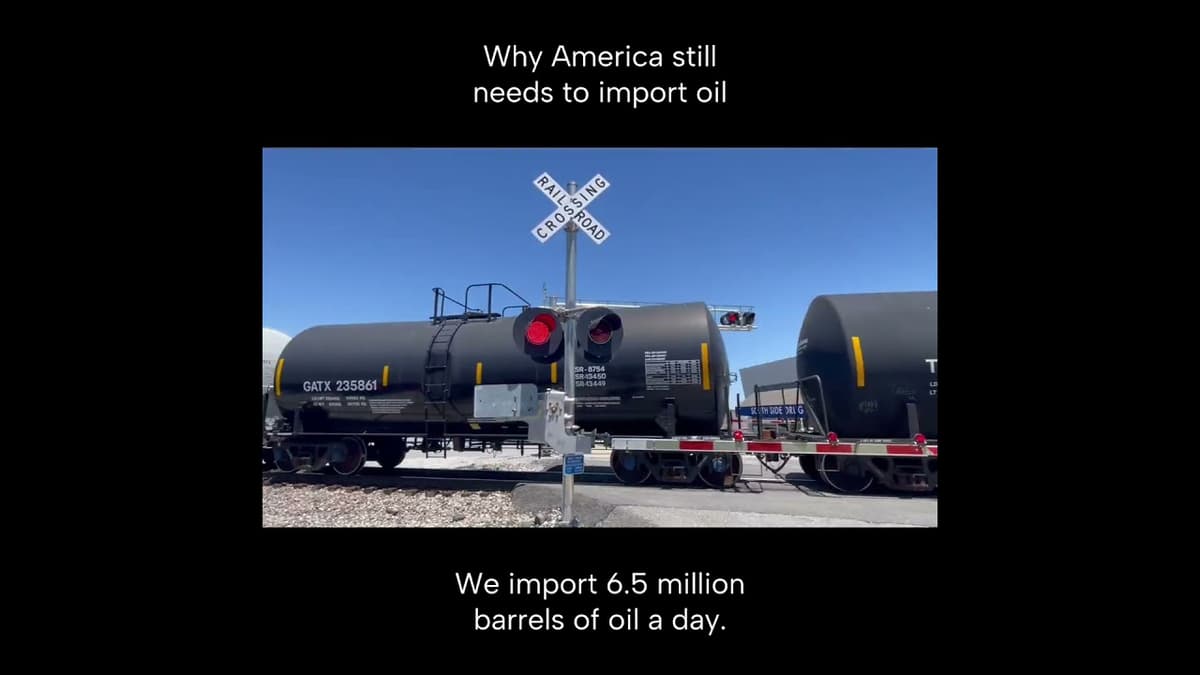
Petroleum Geologist Art Berman Explains How Not Every Barrel of Oil Is Equal.
Petroleum geologist Art Berman argues that not all barrels of oil are interchangeable: the U.S. exports about 4 million barrels a day of light crude but imports roughly 6.5 million barrels of heavier crude that yields diesel and other middle...

These Are the Most EXTREME Tides on Earth
The video profiles the Bay of Fundy, where a unique combination of deep, narrowing bay geometry and a natural seiche amplifies Atlantic tides to move roughly 160 billion tons of water and raise the shoreline by over 50 feet—the largest...
Fueling The Future of Nuclear
The podcast explains the nuclear fuel cycle—from uranium mining and enrichment to reactor use and post‑irradiation handling—and spotlights Oak Ridge National Laboratory’s efforts to modernize fuel development. Oak Ridge researchers, led by the lab’s nuclear energy and fuel cycle division,...
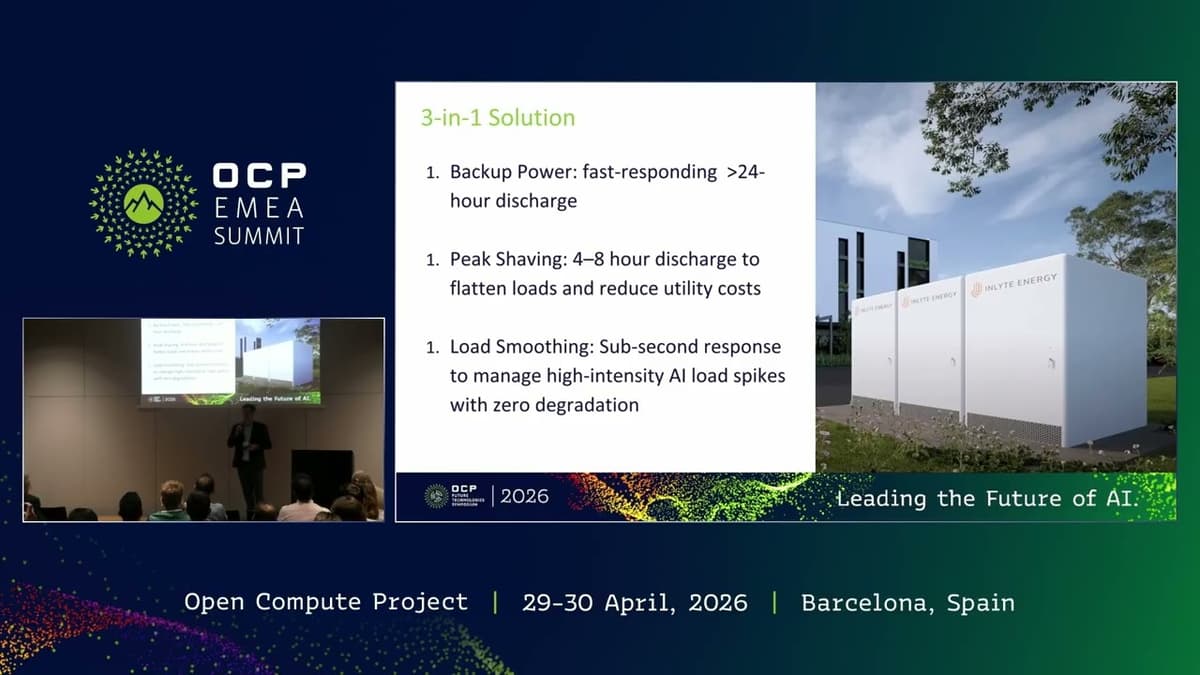
FTS Sustainability Lightning Talks
The Future Technology Symposium’s Lightning Talks on Sustainability showcased cutting‑edge solutions for data‑center power, cooling and backup. Speakers from BE, Tokamak Energy, Creatine, InLight Energy and Excelsior presented technologies ranging from superconducting power distribution to advanced two‑phase cooling and novel...
How the Energy Landscape Changed Last Year
The video, titled “How the Energy Landscape Changed Last Year,” ostensibly aims to review shifts in the energy sector over the past twelve months. However, the provided transcript is fragmented and nonsensical, offering no coherent narrative or substantive commentary on...

Europe Won’t Run Out of Jet Fuel, Ryanair CEO Says
In a candid interview, Ryanair chief Michael O'Leary insisted Europe will not face a jet‑fuel shortage, pointing to the airline’s aggressive hedging strategy and a massive fleet renewal program. Ryanair has locked in 80 % of its fuel needs through March 2027 at...

US Faces Challenging Summer Gas Season, BofA’s Blanch Says
Bank of America energy strategist Brian Blanch warned that the United States is entering a difficult summer gasoline season, driven by a sizable global crude deficit and lingering supply‑chain disruptions. He quantified the shortfall at roughly 14‑15 million barrels per day –...

Recharging Cities: An Update on Electric Vehicle Charging in US Cities
The panel titled “Recharging Cities” examined the state of electric‑vehicle (EV) charging across U.S. metropolitan areas, highlighting how soaring gasoline prices have reignited consumer curiosity while many urban dwellers still lack home‑charging options. Panelists traced the market’s roller‑coaster ride: the...

US Agrees to Waive Iran Oil Sanctions During Talks, State Media Says
The United States is reported to have agreed, in the latest round of diplomatic talks, to suspend oil sanctions on Iran while negotiations continue. The claim comes from Iranian state media and is echoed by Reuters, which cites senior Iranian...

New Nuclear Debate Year After Phaseout|TaiwanPlus News
Taiwan is revisiting its 2016‑2025 nuclear phase‑out one year after the last reactor was shut down, as officials weigh bringing the decommissioned Number Three plant back online as early as 2028. The move is framed as a hedge against a potential...

LIVE: UAE's Barakah Nuclear Power Plant Attacked? Fire Breaks Out Near Site After Drone Strike
A drone strike set fire to an electrical generator on the perimeter of the United Arab Emirates’ Barakah nuclear power plant in Abu Dhabi, prompting immediate alerts from the UAE defense ministry. UAE officials said three drones crossed the western border,...

Will the US Ever Catch up to China on Renewables? #shorts #energy #renewableenergy #china #us
China has poured more than a trillion dollars into clean energy, rapidly scaling solar, wind, nuclear and EV manufacturing and exports; its clean-energy exports last year were about $76 billion versus roughly $3–4 billion for the U.S. Combined with a...

Frustration Grows in Cuba, Many Take to the Streets
The video captures growing frustration among ordinary Cubans as shortages of food, fuel and electricity push many onto the streets. It underscores a wave of spontaneous protests sparked by a collapsing informal economy and a lack of basic services. Speakers describe...

AI POWER CRISIS: Why Big Tech Is Turning to Nuclear Energy
Nano Nuclear announced a memorandum of understanding with Supermicro to integrate its micro‑reactor technology into Supermicro’s AI server and data‑center platforms, positioning nuclear power as a solution to the growing energy demands of AI workloads. The partnership highlights the need for...

Whose Grid Is It Anyway?
The CSIS roundtable examined how the United States will expand electricity infrastructure to meet surging demand from AI data centers, reshored manufacturing, and electric vehicles. Panelists Travis Fischer and Daniel Pin presented contrasting visions: private, “islanded” networks funded by large...
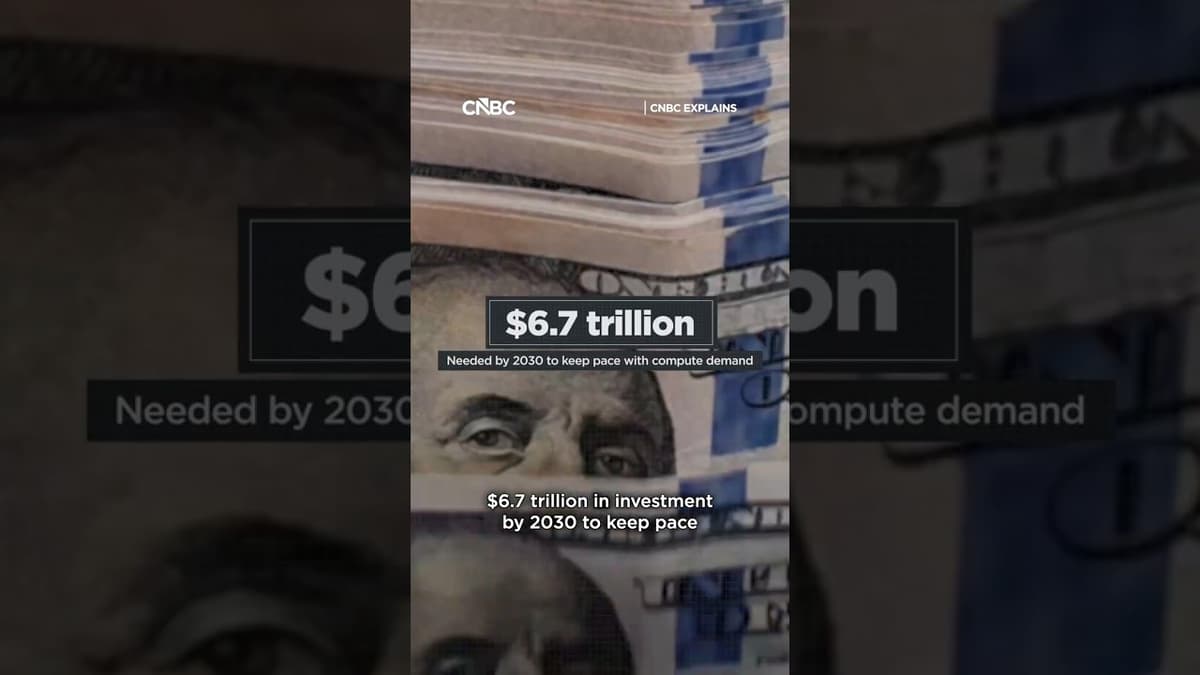
Why Data Centers Are Leaving Europe's Biggest Hubs
The video explains that Europe’s traditional data‑center corridors—Frankfurt, London, Amsterdam, Paris and Dublin—are hitting grid limits as AI‑driven compute demand surges. With national power grids already near capacity, operators are looking beyond the continent’s core to regions with abundant, inexpensive...

Bloomberg News Now: Stocks Fall From Records, Trump Noncommittal on Taiwan, More
Bloomberg’s “News Now” highlighted a sharp pullback in U.S. equities, a rally‑ending rise in bond yields, and a series of geopolitical flashpoints ranging from Taiwan to Iran. The Dow fell 537 points (‑1.6%), the S&P 500 slipped 93 points (‑1.2%) and...
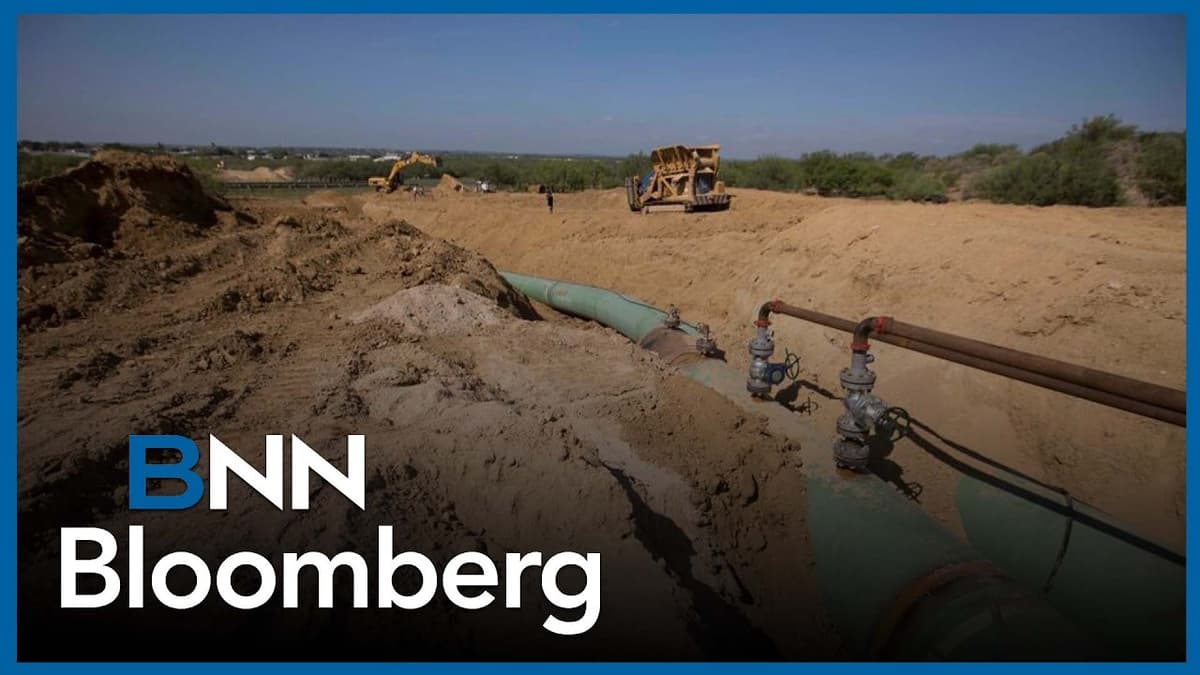
'We're Done with the Headlines, It's Time for the Pipelines': Exner-Pirot
The interview with Heather Exner‑Burrow of the Macdonald‑Laurier Institute unpacked the recent federal‑Alberta agreement on carbon pricing and pipeline development, signaling a shift from political posturing to concrete energy infrastructure plans. The deal caps the federal carbon price at an effective...

Oil Price Jump That Trump Just Caused
The Economic Ninja’s video centers on President Donald Trump’s recent remarks that he is losing patience with Iran, a stance he says is driving a jump in global oil prices. He also highlighted a Beijing summit where Chinese President Xi...
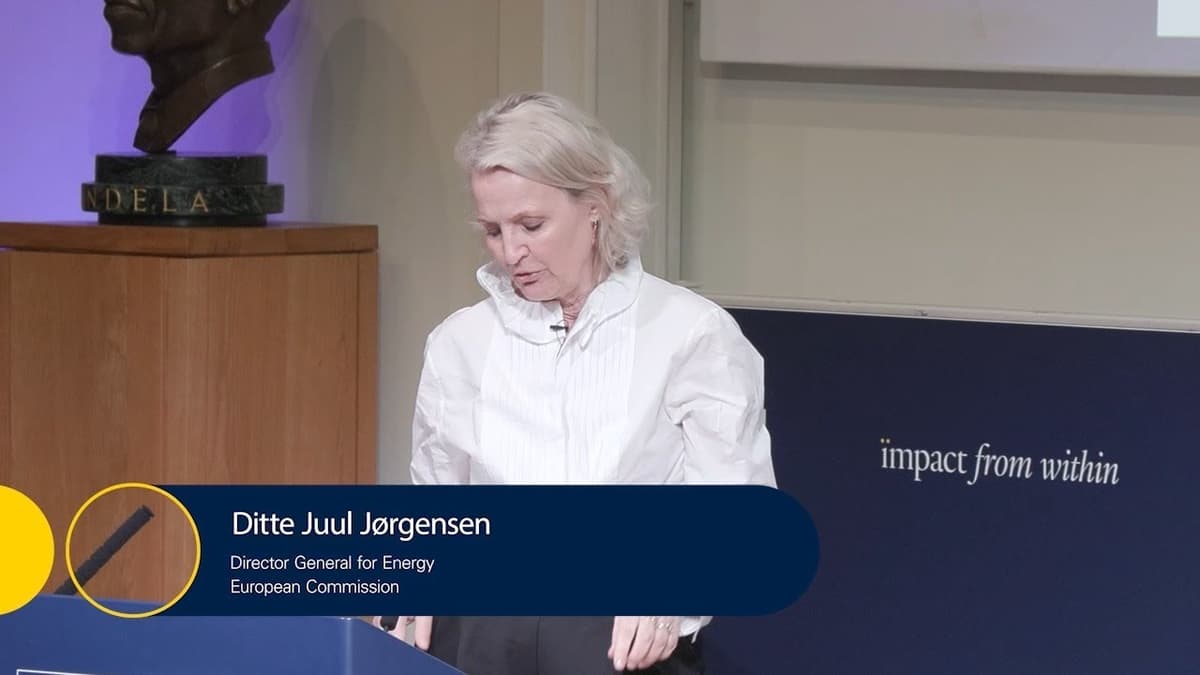
Highlights From Distinguished Speaker Seminar on EU Energy Policy
The seminar highlighted the European Union’s aggressive energy agenda, centering on a legislated phase‑out of Russian gas and continued sanctions on Russian oil. Speakers stressed that the transition is not merely political but technically intricate, requiring unprecedented investment in transmission...

The Future of Power in NYC?
A new high‑voltage transmission line will run beneath Lake Champlain, linking Hydro‑Québec’s surplus hydropower to a converter station in Astoria, Queens, and ultimately to New York City’s grid. The 1,200‑mile cable is designed to serve up to one million homes and...
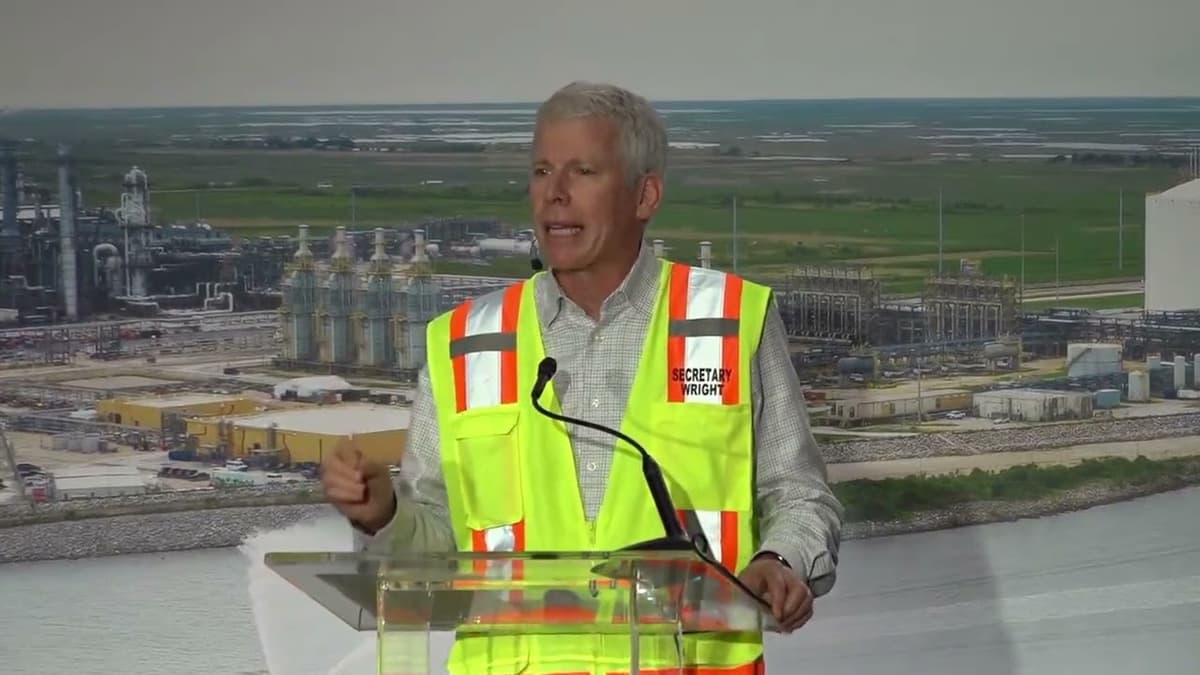
Secretary Wright at Golden Pass LNG Site in Texas - May 15, 2026
The video captures U.S. Secretary of Energy Chris Wright speaking at the Golden Pass LNG facility, where he lauds oil, natural gas, and coal as essential to America’s security and prosperity while announcing continued expansion of LNG infrastructure. Wright emphasized that...

Low-Temperature Waste Heat to Cooling: High-Power-Density Adsorption Chillers for De-Electrified Coo
The presentation introduced Thermal Transformer’s low‑temperature adsorption chiller, a system that captures waste heat from GPU clusters and converts it into usable cooling for data‑center environments. By leveraging a rapid thermal‑swing absorption cycle, the prototype can provide 100 kW of cooling...

Reducing Material Intensity and Lifecycle Emissions Using Superconducting Power Distribution in AI D
The presentation highlighted superconducting power delivery as a solution to the soaring energy demands of AI‑driven data centers. By replacing traditional copper busbars with high‑temperature superconducting (HTS) cables, providers can transmit up to 20 MW per 800 VDC cable and 240 MW at...

Solar Panels: An Energy Decision or a Financial One?
The video reframes residential solar panels from an environmental nicety to a financial instrument that can protect households from volatile energy prices and geopolitical shocks. Solar arrays generate daytime electricity, which can be consumed immediately or stored in batteries for use...

Uranium Demand Surge Fuels Standard Uranium Plans - One2One Investor Forum
Standard Uranium used the One2One Investor Forum to outline how a global nuclear renaissance is reshaping uranium markets. The company highlighted that 440 reactors are operating worldwide and that new builds and life‑extension projects are driving unprecedented demand, while supply...

Power of a Li-Ion: Oxford's Battery Story
The video chronicles Oxford’s unique battery heritage, beginning with the world’s longest‑running cell installed in 1840 and culminating in the modern lithium‑ion breakthroughs that trace back to the university’s labs. It highlights how Professor John Goodenough, working at Oxford, uncovered the...

Cuba Faces Worsening Blackouts as Oil Blockade Deepens Humanitarian Crisis
Cuba is confronting an escalating energy emergency as its oil reserves have been completely depleted and the national electricity grid has suffered another partial collapse. The United States has blocked oil shipments since January, prompting Venezuela and Mexico to halt...

Jeff Currie on the Diesel Pinch Point, Hormuz, and Equity "La La Land" | EA Forum Ep.18
Jeff Currie joins the EA Forum to dissect the current diesel pinch point, the looming Hormuz bottleneck, and the baffling disconnect between oil fundamentals and equity market exuberance. He argues that while physical diesel cargoes command steep premiums over financial...
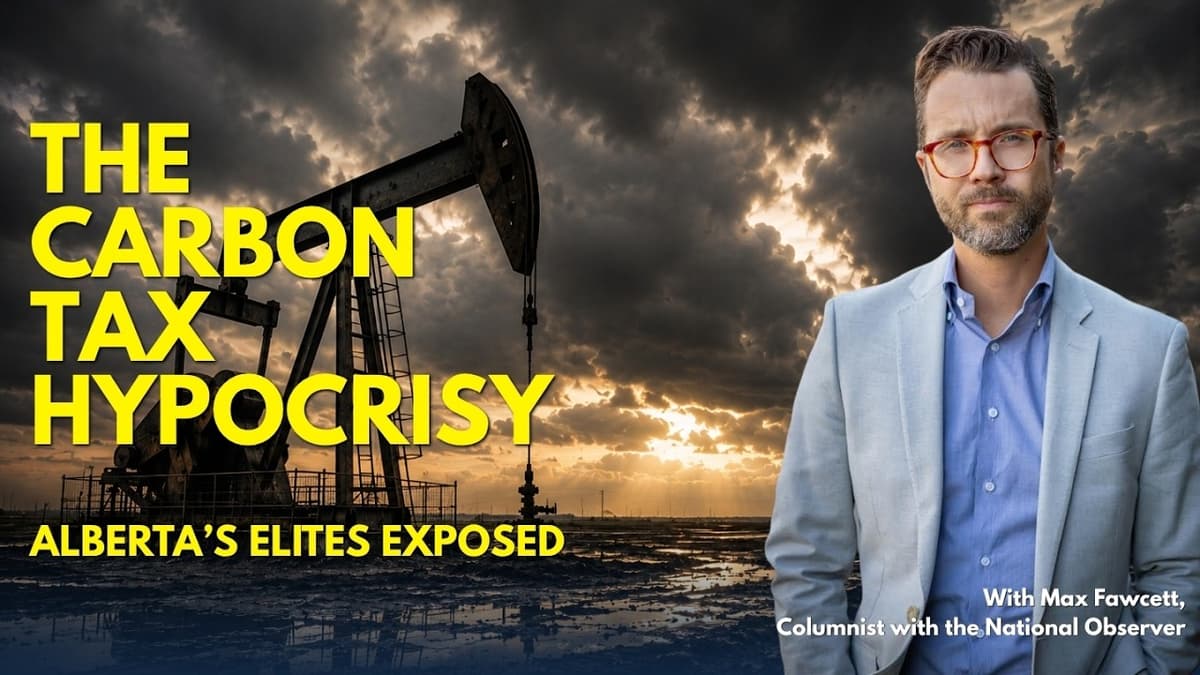
Alberta Oil CEOs Flip Flop on Carbon Pricing
The video unpacks recent public outcry from Alberta oil‑sand CEOs who claim the province’s industrial carbon price makes their operations uncompetitive, while highlighting a striking reversal among leaders who once helped shape those very policies. It cites Murray Edwards, CNRL chairman,...
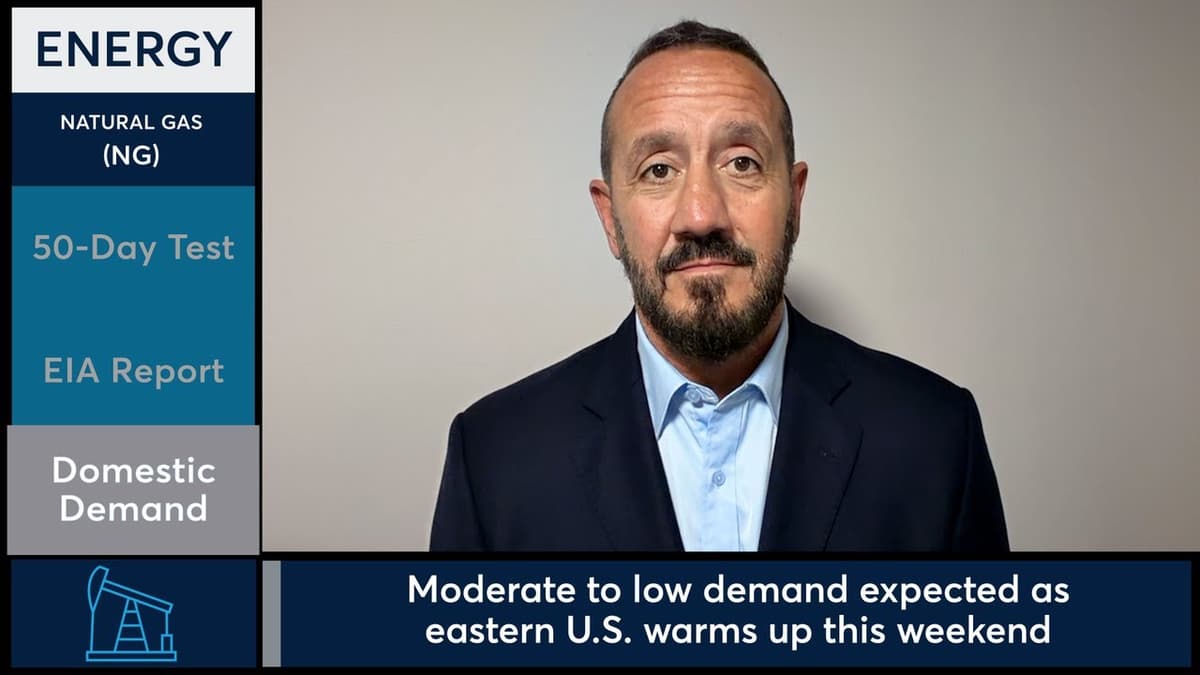
Natural Gas Futures Tested Moving Averages After EIA Build. 5/14/26
The June natural‑gas futures contract on the NYMEX spent the day testing the 50‑day moving average, marking the second straight session of price gains. The contract climbed to $2.898 per MMBtu, up 1.19%, before slipping back below the $2.894 average. The...

Who Controls the EV Future?
The video asks who really controls the electric‑vehicle future, arguing that control lies not in raw‑material ownership but in the industrial middle of the supply chain. Analyst Mike Bernard explains how China has built a dominant position in refining, chemical...

Thermal Energy (TSX-V: TMG | OTCQB: TMGEF) Provides Operational Update and Strategic Focus for 2026
Thermal Energy International said investments in staff, a larger UK manufacturing facility and digitization are beginning to pay off, reporting record trailing-12-month order intake and revenue and sharply improved profitability over the past two quarters. Management is shifting strategy for...

Is This the End of Oil? The Promise (and Problems) With Synthetic Fuel
The video examines synthetic fuels—particularly electro‑fuels (e‑fuels)—as a potential long‑term substitute for oil‑derived gasoline, diesel, and jet fuel. It traces the technology from early 20th‑century coal‑to‑liquid processes, through 1990s natural‑gas liquids and renewable diesel, to today’s three‑pronged approach: green hydrogen,...
‘The Carbon Market in Alberta Is Broken’: PM Carney Speaks on Potential MOU Deal with Alberta
Prime Minister Carney used a CBC interview to preview a forthcoming memorandum of understanding with Alberta Premier Danielle Smith, centering on revamping the province’s carbon market and moving a long‑delayed pipeline forward. He warned that “the carbon market in Alberta is...
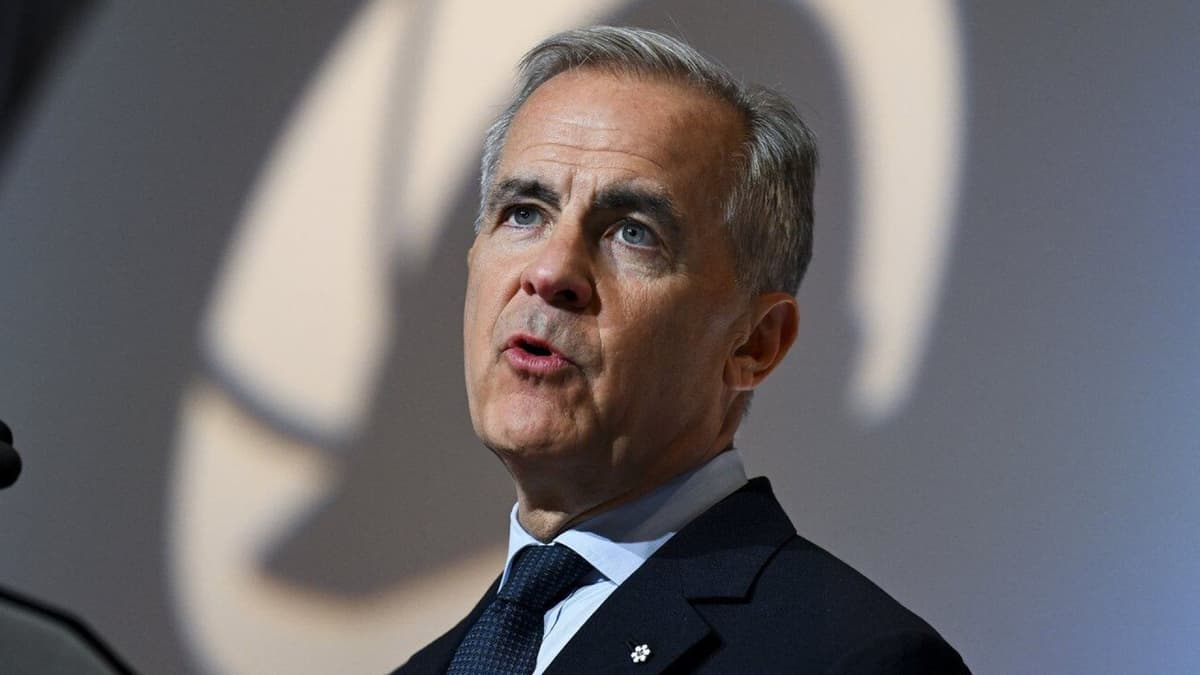
WATCH LIVE: PM Carney Makes Announcement on Clean Energy Strategy
Prime Minister Carney unveiled a sweeping national electricity strategy aimed at securing affordable, reliable and clean power for Canada’s future. The plan pledges to double the country’s electricity generation over the next two decades, backed by more than $125 billion in...
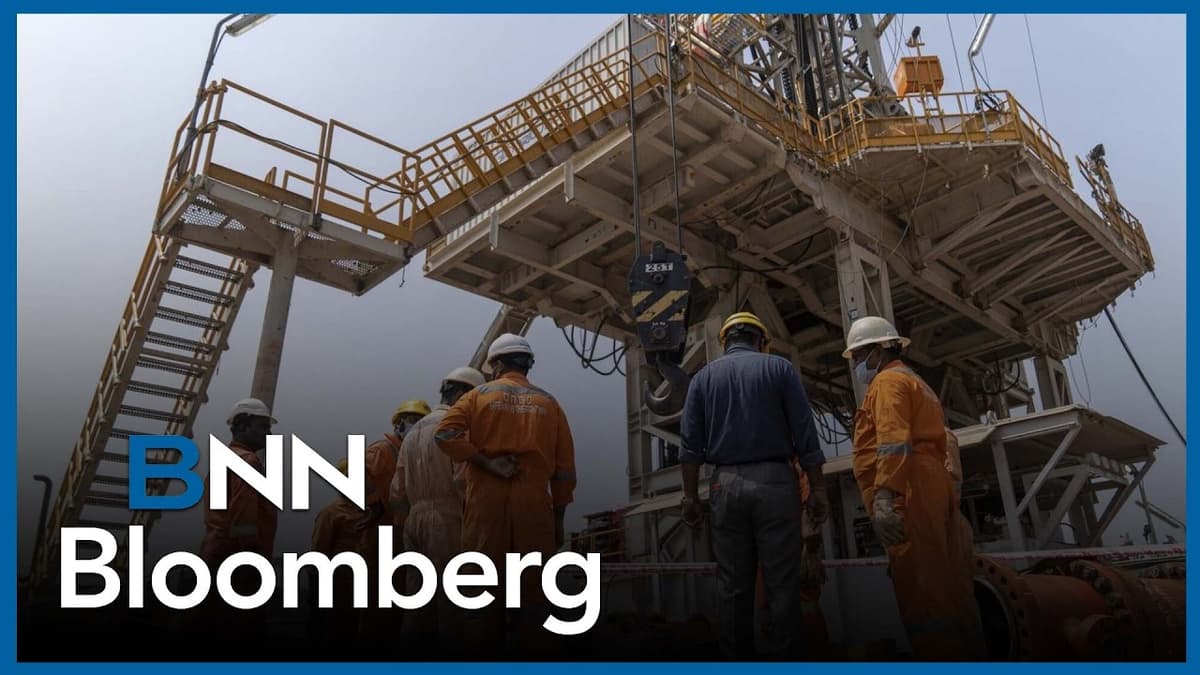
'We Are Benefiting From the Strength in Oil Prices': Birchcliff Energy CEO
Birchcliff Energy reported a strong first‑quarter, posting $70 million net income and a cash flow of $153 million, well above its $107 million spend. The company highlighted robust production, diversified gas sales into premium U.S. hubs (Dawn, NYX) and lower operating costs as...

Clean Cooking Investments: Data Gaps and Priorities for SDG7 Progress
The IRENA webinar highlighted the urgent need to close data gaps in clean‑cooking financing to meet SDG 7’s universal‑access target. While a range of technologies—from induction cookers to biogas—are now available, 2.1 billion people still lack clean cooking solutions, and political commitments...