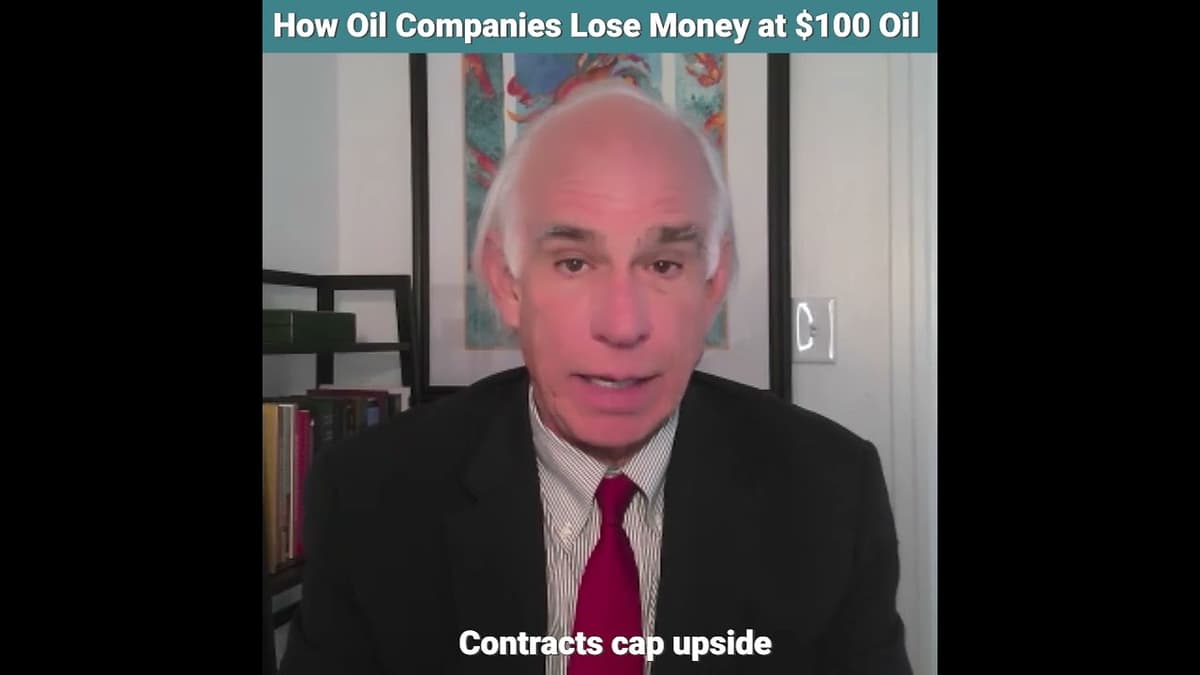
Oil at $100 a Barrel — and Companies Still Lose Money?
The video explains why oil producers can post losses even when Brent or WTI trades above $100 per barrel. Many firms entered into fixed‑price swap contracts during the Trump administration, locking in sales at $70‑$75 per barrel. When spot prices fell to $56 earlier this year, those swaps generated cash inflows, but the same contracts now require the companies to pay the difference when prices rise to $100, capping net cash receipts at roughly $70. As the narrator notes, “they were actually up on the contracts… but now the backside of that swap forces them to make up the difference.” The example shows a January price of $80, a dip to $56, and the current $100 level, illustrating how the hedge flips from a gain to a loss. The mismatch threatens earnings, prompting expected turnover among chief financial officers and a reassessment of hedging policies. Investors should watch for renegotiated contracts or unwind strategies, as they will directly affect future profitability and cash flow.
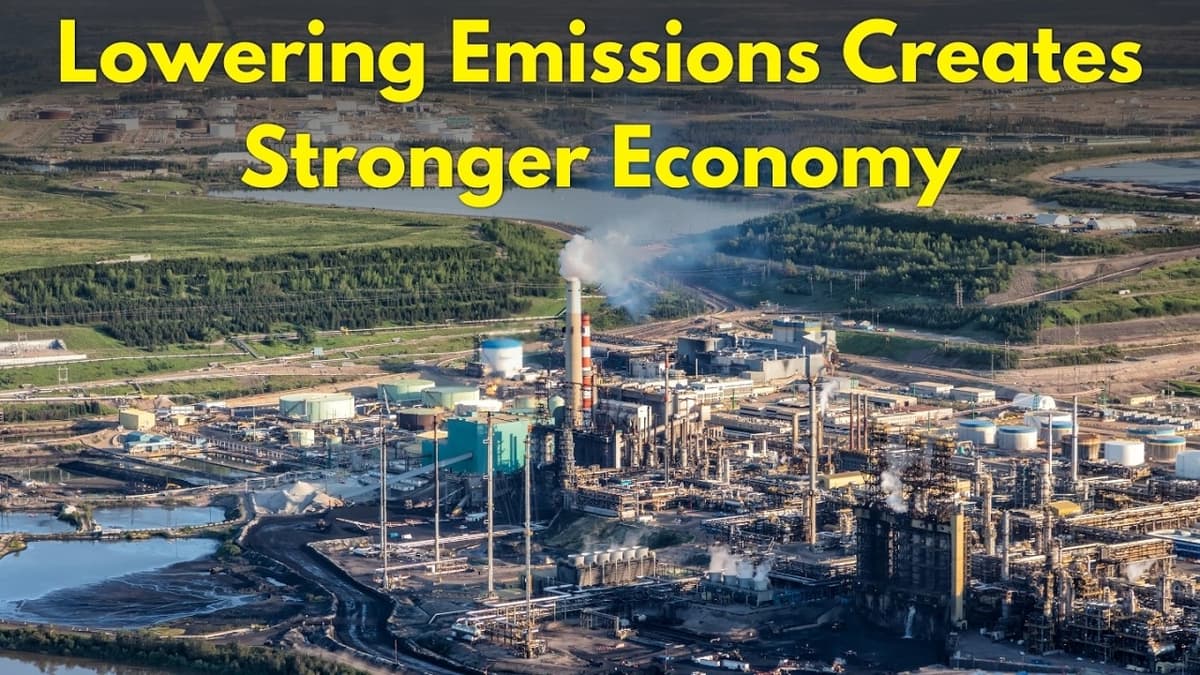
Why Canada’s Oil Industry MUST Cut Emissions
The discussion centers on why Canada’s oil and gas sector must accelerate emissions reductions to honor its Paris Agreement commitments. Recent modeling by the Canada Energy Regulator contrasts a business‑as‑usual trajectory with a net‑zero scenario, concluding that a low‑carbon pathway...
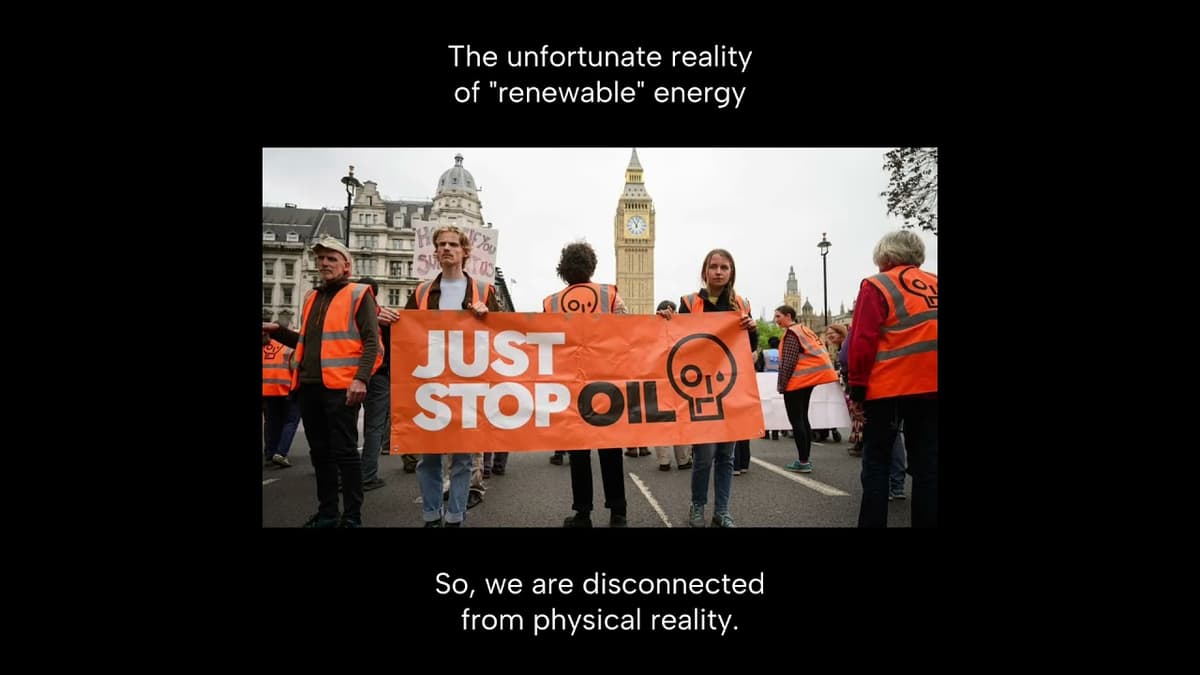
Every Energy Transition Has Been Additive, and the Current Push for Renewables Is No Exception.
The video contends that every major shift in the world’s energy mix has been additive—new sources are layered on top of existing ones rather than replacing them outright. It focuses on the current push for renewables, arguing that the transition...

This Solar Battery Is 800W, Not 2400W 👀
The video reviews the Zenure Solar Flow 2400 AC+ battery, clarifying a common misconception about its power rating. While the marketing touts a 2,400‑watt output, the reviewer explains that this figure only applies when the unit is installed on a...
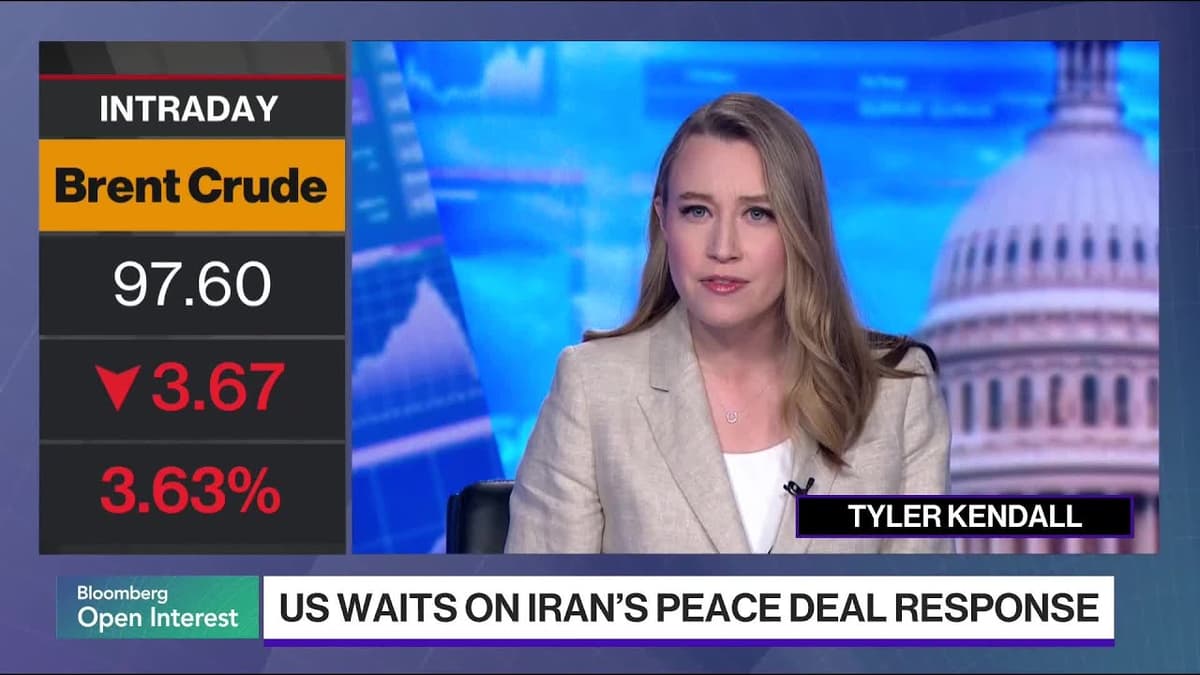
Iran's Leaders Meet as US Waits on Peace Deal Response
The video centers on the stalled U.S.-Iran peace talks, detailing Iran’s anticipated response through Pakistani mediators and the White House’s push to reopen the Strait of Hormuz while maintaining a naval blockade. Key insights include active discussions about a moratorium on...

European Airports Face Jet Fuel Shortage Within Three Weeks | FT #shorts
European airlines are confronting a looming jet‑fuel shortage as the Iran crisis drives global fuel prices to record highs, forcing carriers to seek regulatory relief. The surge in fuel costs comes amid already thin profit margins, prompting airlines to...
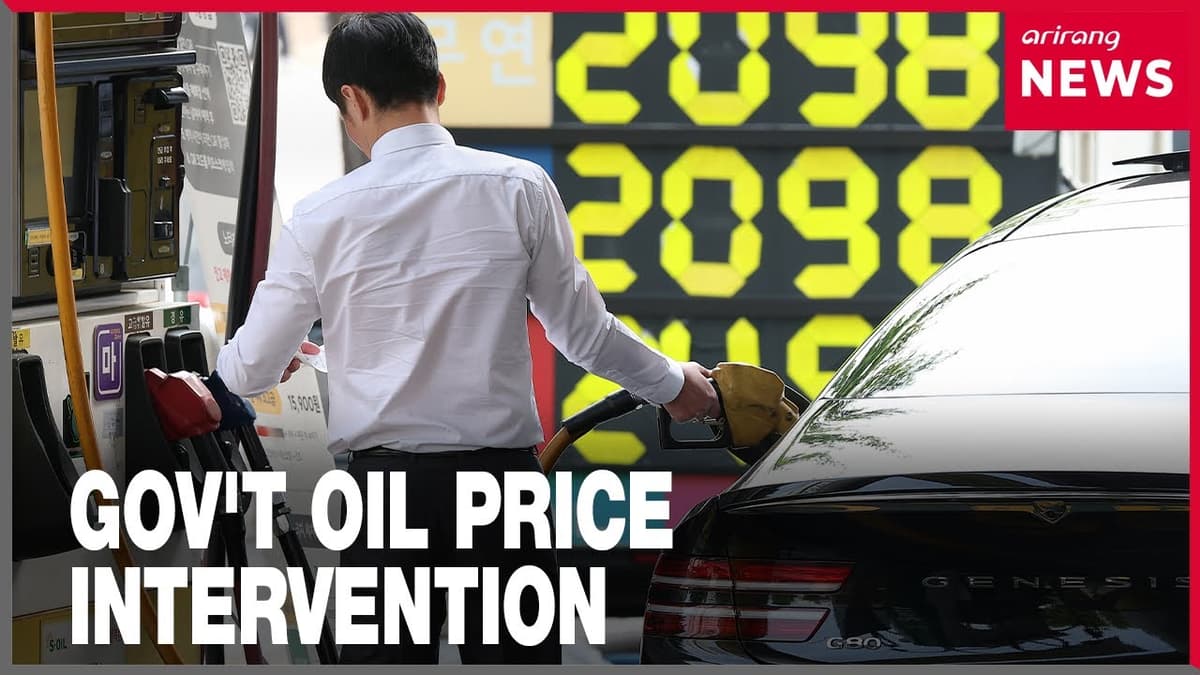
Government's 5th Fuel Price Cap to Remain Unchanged From 4th
South Korea’s government announced that the fifth round of wholesale fuel price caps will remain unchanged from the previous round, taking effect for two weeks starting midnight Friday. The caps lock gasoline at 1,934 won per liter, diesel at 1,923 won, and...

Can Businesses Mitigate Rising Energy Prices? #podcast #accountancy #energy @Icaew
Businesses are grappling with soaring energy costs, especially natural gas, as highlighted in a recent ICAEW podcast. The discussion zeroes in on a roughly 40% jump in gas prices over the last three months, noting that short‑term contracts have borne...

The Tokamak Problem: Can We Ever Make Fusion Practical?
The video tackles the "Tokamak Problem," explaining why turning fusion into a practical power source requires far more than mimicking the Sun’s processes. It argues that a commercial reactor must generate energy at rates millions of times higher than stellar...

Data Centers and the Future of Energy Storage | Switched On
The Bloomberg NEF "Switched On" podcast examines how the rapid expansion of AI‑driven data centers is reshaping the energy‑storage landscape. Operators are moving beyond traditional five‑minute UPS batteries toward multi‑hour lithium‑ion systems that can act as flexible resources, helping...

Distinguished Speaker Seminar - Ditte Juul Jørgensen
Director General for Energy Ditte Juul Jørgensen addressed Oxford students on the European Commission’s energy strategy, outlining the Union’s legal framework, recent geopolitical shocks, and the long‑term vision for a resilient, sustainable power system. She highlighted the EU’s unique position...

Why Oil Prices Haven’t Risen More Sharply | Economic Update | Deloitte Insights
Chief economist Ira Kalish of Deloitte explains why oil prices have remained relatively stable despite a physical shortage emerging after pipeline inventories were depleted. He notes that global oil supply has fallen about 11 million barrels per day (bpd) since the...

Bloomberg News Now: Oil Talks, Tanker Escorts, Ted Turner Dies, Fed Inflation Warning
The Bloomberg segment covered several breaking stories: a tentative U.S.–Iran memorandum that could reopen the Strait of Hormuz and ease oil market pressure, a French‑British naval coalition poised to escort tankers, the death of media pioneer Ted Turner, a Fed...
Electrify Everything You Can, Do The Rest Later: The Electrification Staircase | Ep256
The episode introduces the Electrification Staircase, a six‑row framework developed by the Electrification Alliance to map which energy‑using applications can be switched to electricity now versus later. Host Michael Liebreich and co‑authors explain that the tool helps policymakers and investors...
30,000m Drill Campaign Across Moore & Russell Lake | Skyharbour Resources' Monthly CEO Update
Skyharbour Resources' CEO outlined a 30,000‑meter drill campaign spanning six to seven projects, with a focus on its two co‑flagship assets, Moore Lake and Russell Lake, as the company transitions from winter to summer drilling. At Moore Lake, a 100% owned...

How China Just Quietly Built A $25K Luxury EV While America Charges You For Heated Seats
The episode centers on the sudden spike in gasoline prices as the Middle‑East conflict intensifies, linking the surge to both the paper price of crude and the real‑world cost of delivering oil to U.S. pumps. Hosts dissect how the U.S....
How to Profit From Global Volatility and Commodity Chaos | Harris Kupperman
The conversation centers on extracting profit from the current commodity volatility by zeroing in on U.S. refiners. Harris Kupperman and Rodrik Vanzo argue that the decisive metric is the crack spread – the price differential between crude oil and refined...

Power, Overshoot, and Climate with Tad Patzek | TGS 219
The TGS episode with Professor Tad Patzek centers on a physics‑first view of civilization, arguing that power—energy per unit time—is the single variable that governs economic growth, climate impact, and societal resilience. Patzek contrasts the modest 100‑watt metabolic power of...

Asia's Oil Scramble Is Reshaping Crude Markets, with Lin Ye and Priya Walia
The April 30 episode of “Let’s Talk Energy” examined how Asia’s oil‑scramble is reshaping both physical and futures markets as Brent crude surged to a four‑year high of about $125 per barrel. The backdrop is the stalled US‑Iran talks on reopening...
24/7 Renewables Outcompete Fossil Fuels on Cost
The video explains that renewable power sources have reached cost parity—and in many cases a clear advantage—over fossil fuels for continuous, 24‑hour generation. It highlights recent levelized cost of electricity (LCOE) analyses showing wind and solar now undercut coal and...
What’s Next for Asia Energy? Insights From OTC Asia 2026
OTC Asia 2026 highlighted the evolving energy landscape across the region, emphasizing the need to cut hydrocarbon operating costs while integrating renewables. The conference underscored how advanced algorithms are being deployed to model oil and gas markets, allowing firms to...

In Early 2026, that Is About to Change as the World Faces the Largest Energy Disruption in History.
The video warns that early 2026 could unleash the largest energy disruption ever recorded, driven by a sharp imbalance between oil supply and demand worldwide. Analysts say advanced economies are unlikely to experience outright shortages, but soaring prices will divert tanker...
Gas Prices Are About To EXPLODE… And This Could Be Just The Beginning
The video warns that U.S. gasoline prices are on the brink of a $5‑per‑gallon national average. Wholesale gasoline (RBO) has surged to $3.60‑$3.75 per gallon, a level that historically translates into retail prices near $5, and inventories have plunged by...
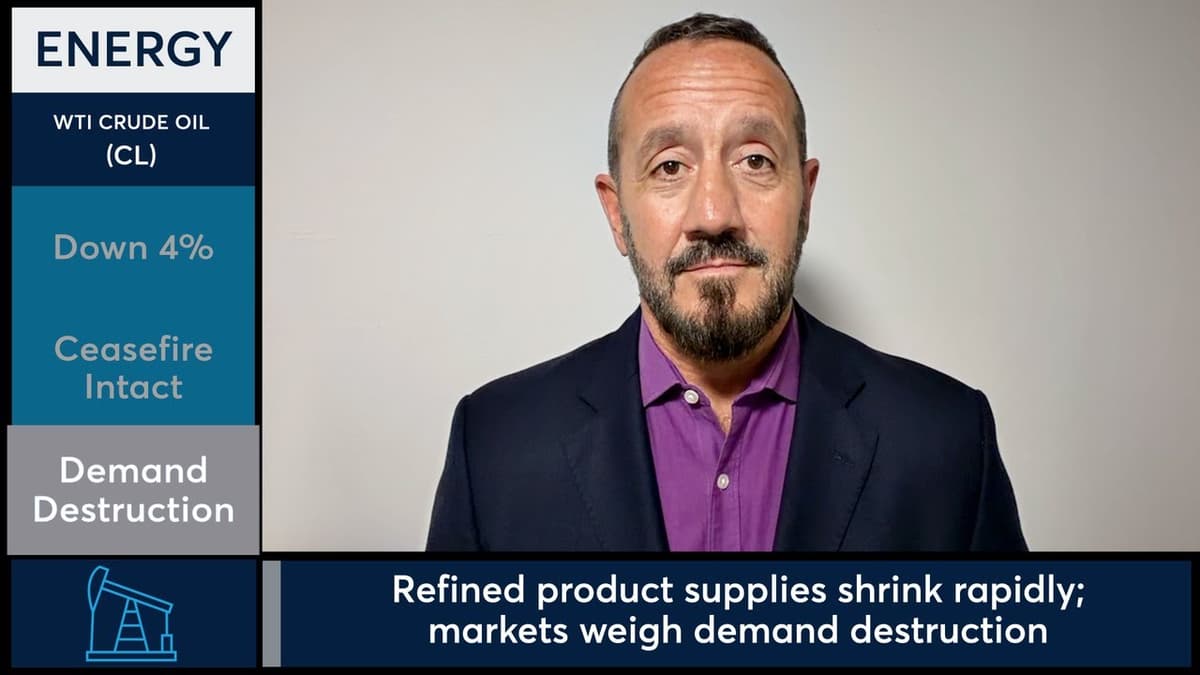
WTI Crude Oil Futures Shed 4% as Geopolitical Risks Eased. 5/5/26
The video reports that June WTI crude oil futures fell more than 4% on May 5, 2026, as geopolitical risk premiums receded following a Pentagon assessment that recent Iranian attacks did not meet the threshold for renewed major combat. The...
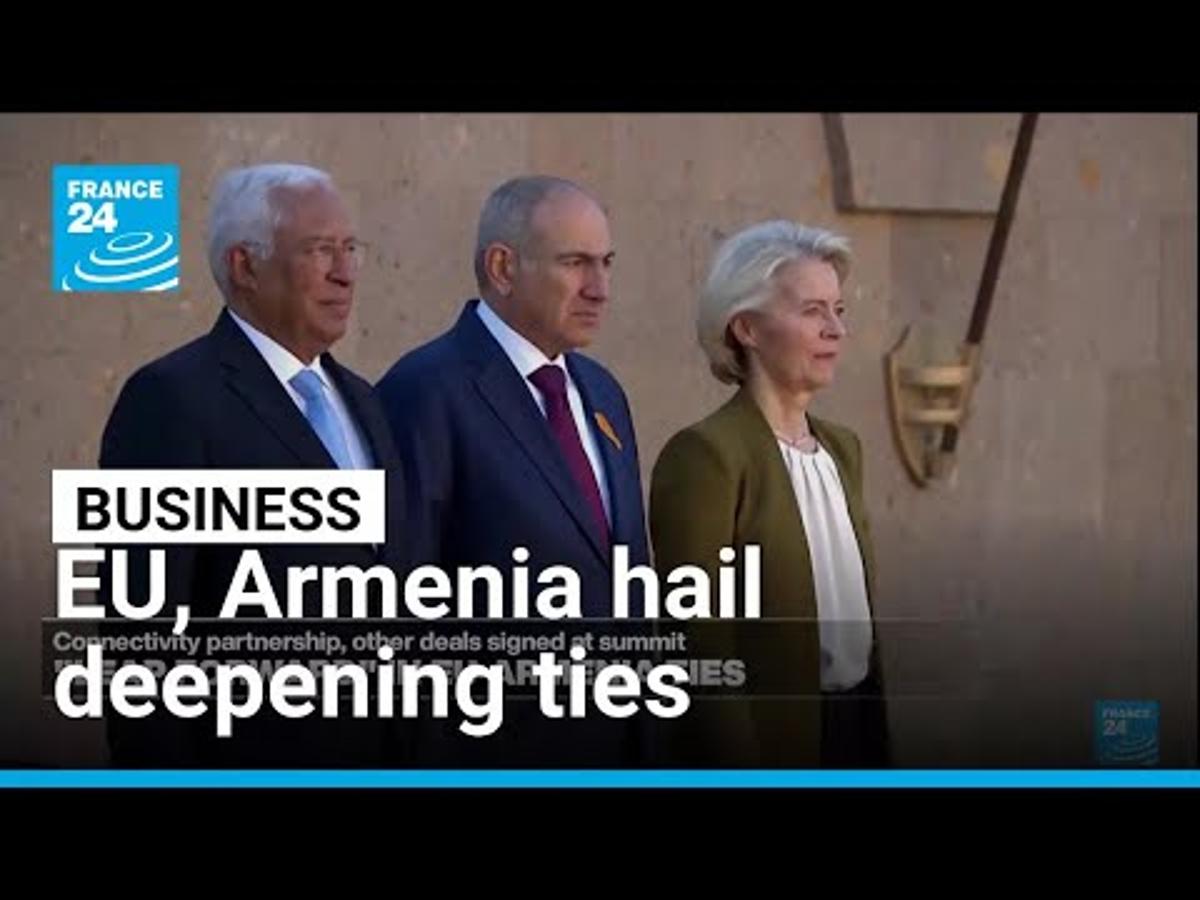
EU, Armenia Sign New Partnership Deals at First Bilateral Summit • FRANCE 24 English
The European Union and Armenia convened their first bilateral summit in Yerevan, just weeks before Armenia’s parliamentary election, to formalise a new partnership. The meeting built on a 2017 economic accord and introduced a connectivity pact targeting transport corridors, energy...

Hormuz Chokehold Raises Stakes for Energy, Fertilizer, and Global Food Prices | Frontlines, May 2026
The Frontlines podcast examines the ongoing closure of the Strait of Hormuz and the United States’ layered blockade, warning that the chokepoint’s shutdown is throttling oil exports, fertilizer shipments, and ultimately driving up global food prices. Hosts Jacob Shapiro and Sean...
2026 Goldsmith Explanatory Prize Winner: Power Struggle
The Goldsmith Explanatory Prize‑winning series “Power Struggle” examines why Texas, a state without any renewable‑energy mandates, has built far more wind and solar capacity than the supposedly progressive Pacific Northwest. The reporting shows that Washington and Oregon, both legislated to reach...
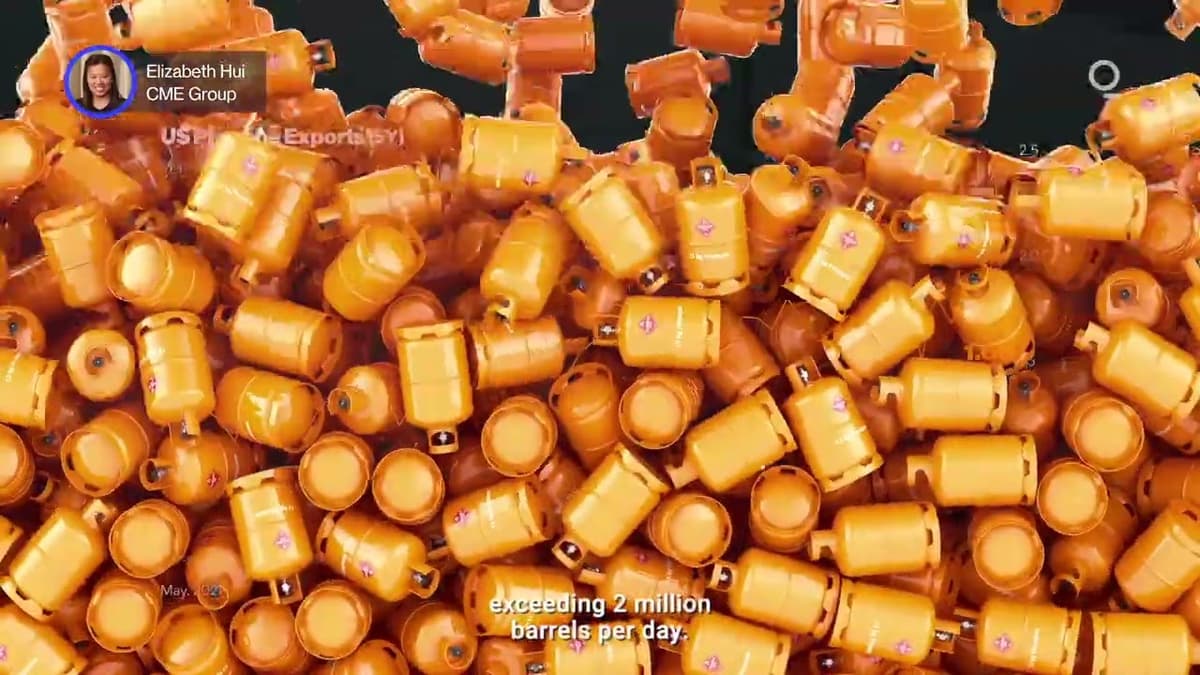
US NGL Supply Is the New Global Benchmark | Presented by CME Group
The CME Group presentation highlighted Mont Belle, a Texas Gulf Coast hub 30 miles east of Houston, as the emerging global pricing reference for natural gas liquids (NGLs), analogous to Cushing’s role for crude oil. Mont Belle sits atop massive salt‑dome storage...
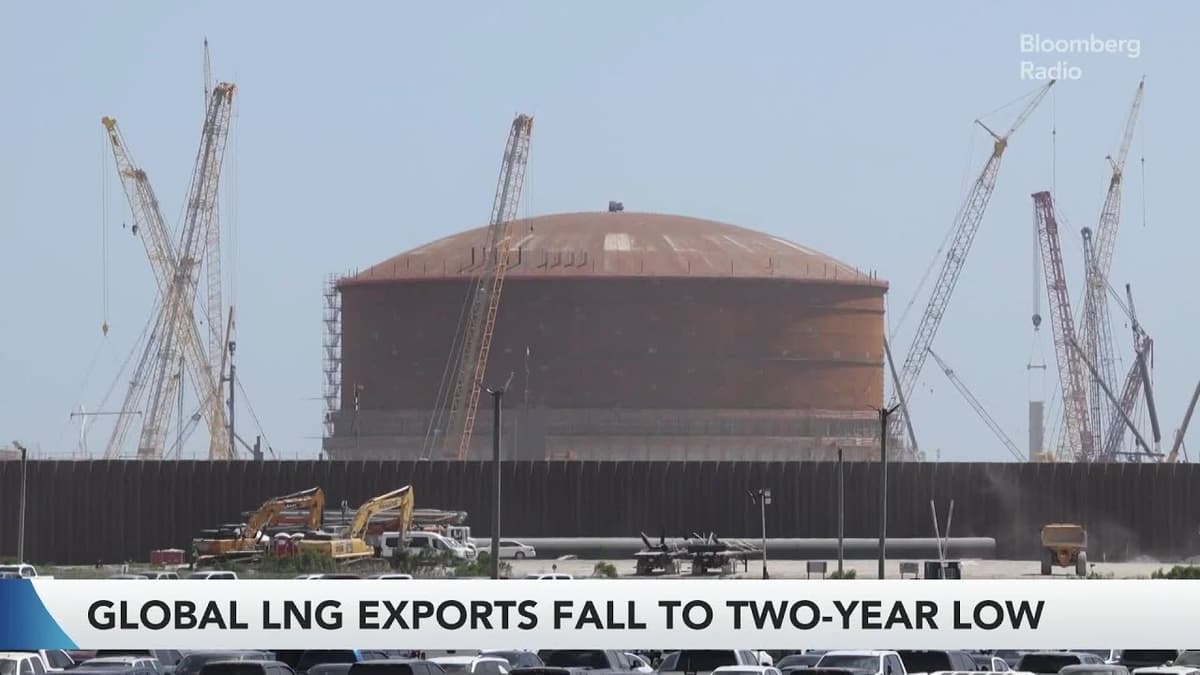
Global LNG Exports Fall to Two-Year Low
The video examines why global liquefied natural gas (LNG) shipments have slipped to a two‑year low, tracing the decline to the United States‑led blockade of the Strait of Hormuz. The closure has crippled Qatar’s ability to move LNG, forcing the...

Two Energy ETFs to Participate in The Energy Rally (While Staying Insulated From Disruptions)
The video highlights two specialized energy exchange‑traded funds—AMLP, which tracks master limited partnerships, and ENFR, focused on energy infrastructure—as vehicles to capture the broader energy rally while tempering volatility. Both funds have benefited from the sector’s YTD outperformance, yet their...
Accountancy Insights: Can Businesses Mitigate Rising Energy Prices? Plus AI in Audit, UK GAAP
The episode tackled two pressing issues for accountants: how firms can shield themselves from soaring global energy prices and the new Financial Reporting Council (FRC) guidance on managing generative‑AI risk in audit work. Conway explained that UK gas prices have jumped...
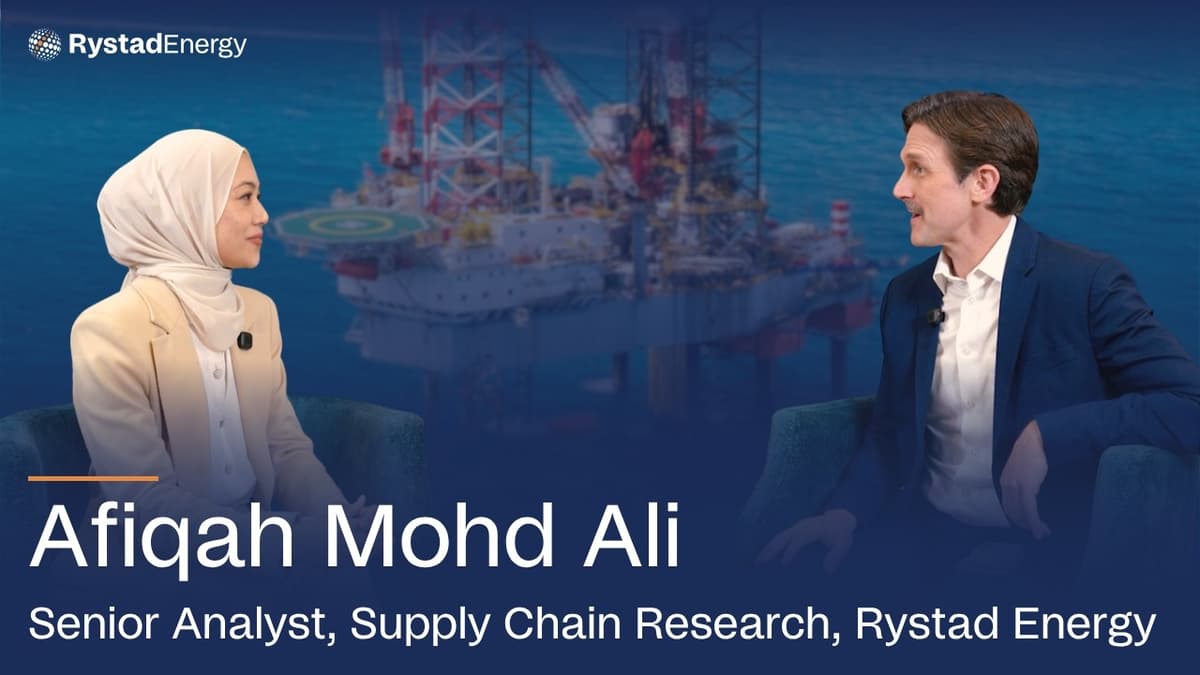
OTC Asia 2026: Supply Chains, Deepwater and Energy Security, with Afiqah Mohd Ali
The OTC Asia 2026 panel, featuring Rystad Energy analyst Afiqah Mohd Ali, examined how recent Middle‑East tensions and broader geopolitical shifts are reshaping energy‑related supply chains in Southeast Asia. The conversation centered on the immediate, largely localized impact of the...
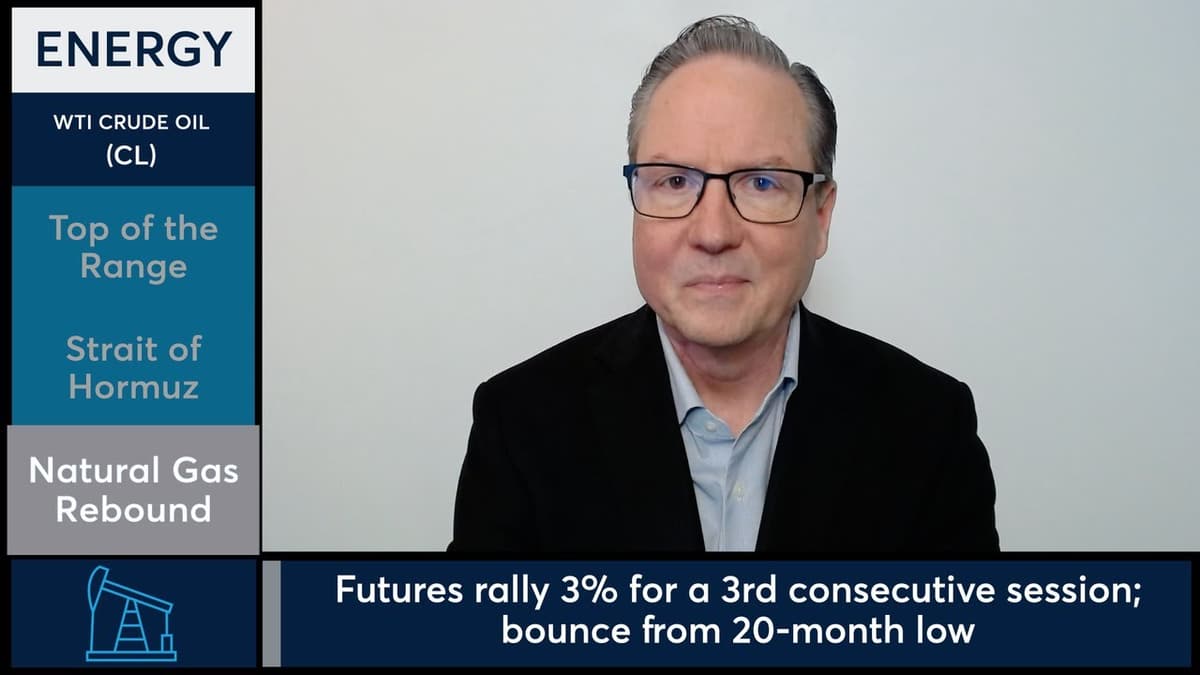
WTI Crude Oil Futures Pushed Higher Amid Middle East Tensions. 5/4/26
WTI crude oil futures climbed on May 4, 2026, as the June contract pushed past $105 per barrel, driven largely by escalating geopolitical risk in the Middle East. After two consecutive days of declines, the market rebounded, with the June contract...

A Conversation with Williams' (WMB) EVP and COO Larry Larsen
In a Plugged In interview, Williams EVP and COO Larry Larsen outlined the company’s aggressive push into behind‑the‑meter power generation, highlighting the 500‑megawatt Socrates project in Ohio that will serve hyperscale AI data centers. The initiative leverages Williams’ extensive natural‑gas pipeline...
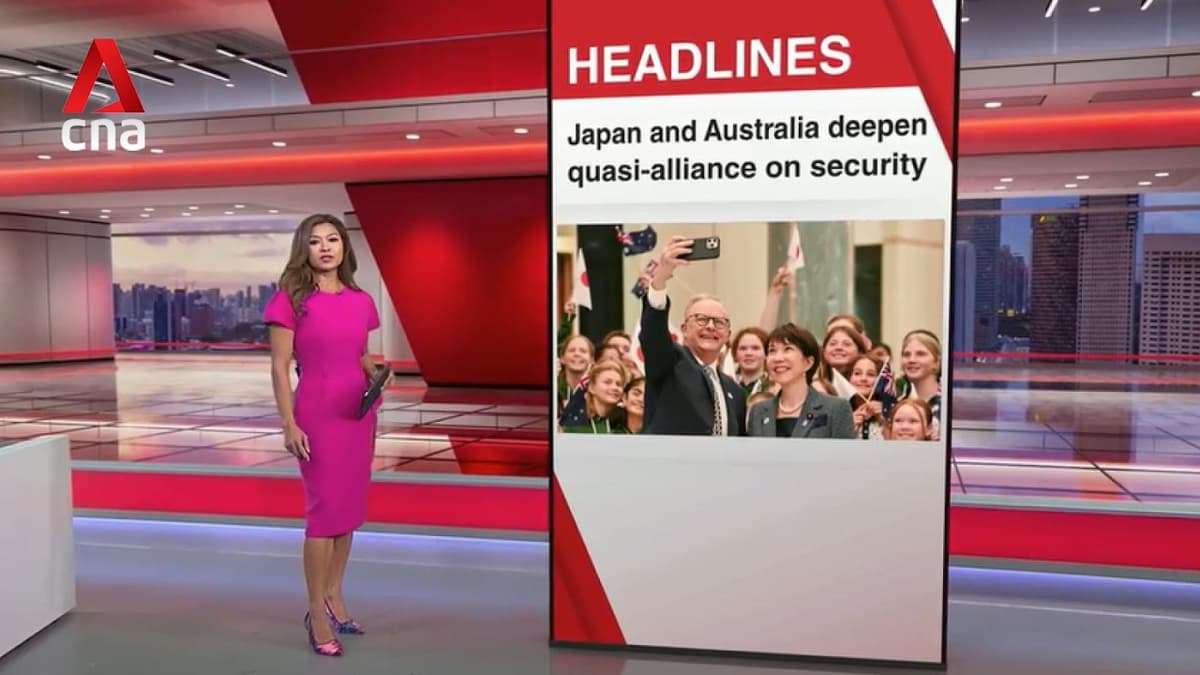
Japan and Australia Pledge Deeper Cooperation | East Asia Tonight (May 4)
Japan and Australia used a leaders’ summit in Canberra to cement a deeper Indo‑Pacific partnership, signing a suite of agreements on energy security, defense cooperation and critical minerals. The meeting coincided with the 50th anniversary of their basic treaty of...
Is China Less Exposed than Its Neighbors to Oil Crises? | DW News
DW News examines whether China is less exposed to oil shocks than its East Asian peers as the Israel‑Iran conflict threatens Gulf supplies. The report notes China’s status as the world’s largest oil importer, taking 11 million barrels per day in...
OTC Asia 2026: Energy Security, LNG and AI in Asia Pacific, with Samuel Low
At OTC Asia 2026, Sam Low, head of advisory for Rystad Energy in the Asia‑Pacific, outlined the firm’s expanding role in strategy, transaction support and capital‑raising for E&P firms, governments and financiers across the region. He highlighted the breadth of...
OTC Asia 2026: Thailand Offshore Growth and Energy Security, with Greg Kulawski
Greg Kulawski, COO of Velour Energy, outlined the company’s expanding footprint in Thailand’s offshore sector during the OTC Asia conference. Velour, a Toronto‑listed firm, runs four producing concessions in the Gulf of Thailand, delivering roughly 23,000 barrels of oil per...

🚨⚡ More Pilot EV Charging Incoming on I-90
The video spotlights Pilot Flying J’s second electric‑vehicle charging pilot in Massachusetts, situated just off Interstate 90. The site marks the company’s first foray into the state’s EV market, following the earlier Lexify America station, and is positioned to serve commuters...
Let's Look at How to Get Cheap Public EV Charging!
The episode examines how UK EV owners can secure cheap public charging, contrasting the nation’s high tariffs with lower‑cost models abroad. It explains why public rates are steep—large capital outlays for super‑hubs, standing and capacity charges, and a 20% VAT—while...

$8 a Gallon and NOWHERE to Go: Inside the Lives of 'Miserable' Californian Drivers
The video spotlights the crushing reality for Los Angeles drivers as gasoline tops $8 a gallon, a level the narrator calls “unbelievable.” Coupled with a 25% rise in everyday expenses and stagnant wages, the cost of simply getting to work has...
How the IRS Lets Oil Companies Deduct Almost Everything
The video explains how the Internal Revenue Service provides generous tax incentives for U.S. oil and gas investors, focusing on the Intangible Drilling Cost (IDC) deduction and the depletion allowance. These provisions let investors write off a large portion of...

The Biggest Oil Price Gap Recorded
The video highlights an unprecedented $35 spread between Brent futures and the physical oil market, the widest ever recorded. It begins by noting that the United States consumes more crude than it produces—importing roughly 6.3 million barrels a day while exporting...
What's Gone Wrong with the UK's Power System?
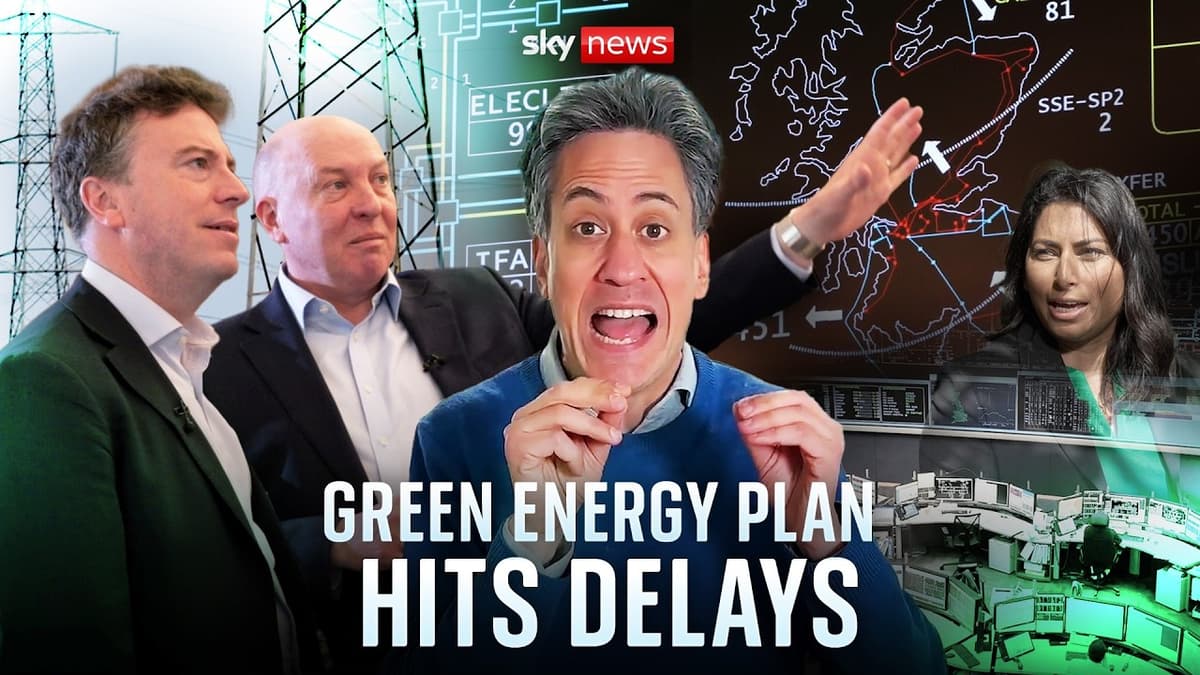
The video examines the United Kingdom’s struggling electricity grid, focusing on chronic connection delays that jeopardise the Labour government’s pledge for 95% clean power by 2030. It highlights how the newly created state‑owned transmission operator has missed its targets, leaving...
Mostly Economics Podcast: How the War on Iran Is Shaping the US Economy with Claudia Sahm:
The podcast examines how the escalating conflict in the Strait of Hormuz – often called the “war on Iran” – is feeding into the United States’ macroeconomic outlook. Host Dean Baker and chief economist Claudia Sahm explore two scenarios: a...
Environment and Energy Economics Program Meeting, Spring 2026
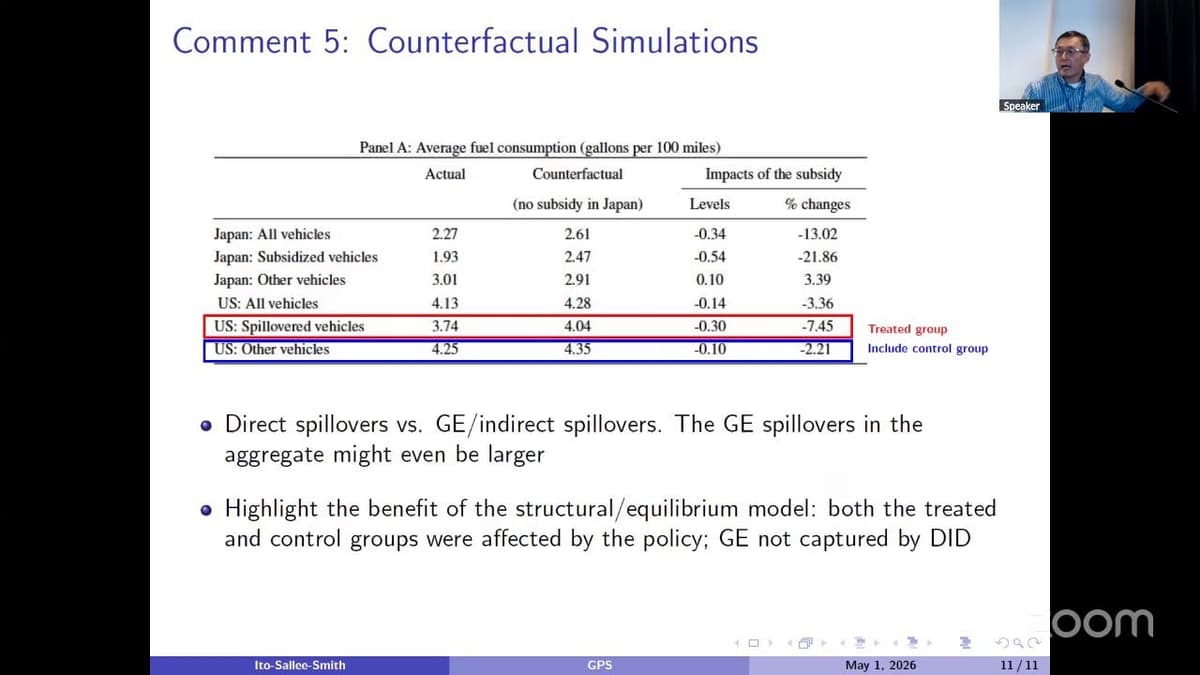
The Environment and Energy Economics program featured a paper quantifying range anxiety – the fear of depleting an electric‑vehicle battery before reaching a charger – and its impact on adoption. Using five‑second granularity data from roughly 200,000 trips and 30,000...

Will Trump “TACO” Over the Strait of Hormuz? | The Economist
The Economist video examines whether President Donald Trump will strike a deal with Iran over the Strait of Hormuz – a move the hosts label “TACO” – and why the outcome matters for his administration. Analysts argue Trump is caught between...

Fervo Energy: Pioneering Next-Generation Geothermal Power
Fervo Energy, founded in 2017, is pioneering enhanced geothermal systems (EGS) to turn heat from deep rock into baseload renewable power. Partnering with Lawrence Berkeley National Laboratory’s Cyclotron Road program, co‑founder and CTO Jack Norbeck explains how the startup is...

Are You Worried About Gas Prices?
Americans are watching the Iran‑Israel conflict closely, fearing it will keep gasoline prices elevated. A Pew Research Center poll conducted March 23‑29 found that roughly seven‑in‑ten adults were very or extremely worried about higher fuel costs, a level of concern that...

Stanford Sustainability Forum | Powering the AI Revolution
The Stanford Sustainability Forum brought together former Energy Secretary Ernest Moniz and AI pioneer Faith Bailey to examine how the rapid rise of artificial intelligence is reshaping the global electricity landscape. Panelists framed three grand challenges: meeting a projected doubling...