Today's Fitness Pulse
Updated 2h ago
Athlete logs heavy low‑bar squats and deadlift progression in macro‑cycle
Strength athlete DaCharmingAlbino performed low‑bar squats at 280 lb for 5 × 5, holding an RPE of 6.5‑7.5, while managing a minor IT‑band twinge. He also increased Romanian deadlifts from 255 lb to 275 lb across three 10‑rep sets, maintaining moderate effort levels. Accessory work complemented the main lifts throughout the session.

News•Mar 11, 2026
Many Small Leaps for Runnerkind: Wondering About Non-Linear Improvement in Running
Runner Bryon Powell reflects on recent "mini‑leaps" in his running performance after completing an 80‑km race and a casual marathon. He notes faster paces on easy runs, attributing them to possible cardiovascular consolidation, mental reset, or subtle biomechanical changes. Powell experiments with post‑run strides and toe‑focused drills, observing a noticeable stride shift that translated into quicker 400‑meter intervals. The piece explores how small, often invisible adjustments can produce non‑linear gains beyond traditional linear training progressions.
By iRunFar

Video•Mar 10, 2026
Training The Frail | Starting Strength Network Previews
Starting Strength’s latest radio segment tackled how to design resistance‑training programs for frail seniors, answering a listener’s request for fall‑prevention protocols. The hosts emphasized starting with body‑weight box squats performed above parallel, teaching hip‑dominant mechanics before gradually lowering the box...
By Starting Strength
Video•Mar 10, 2026
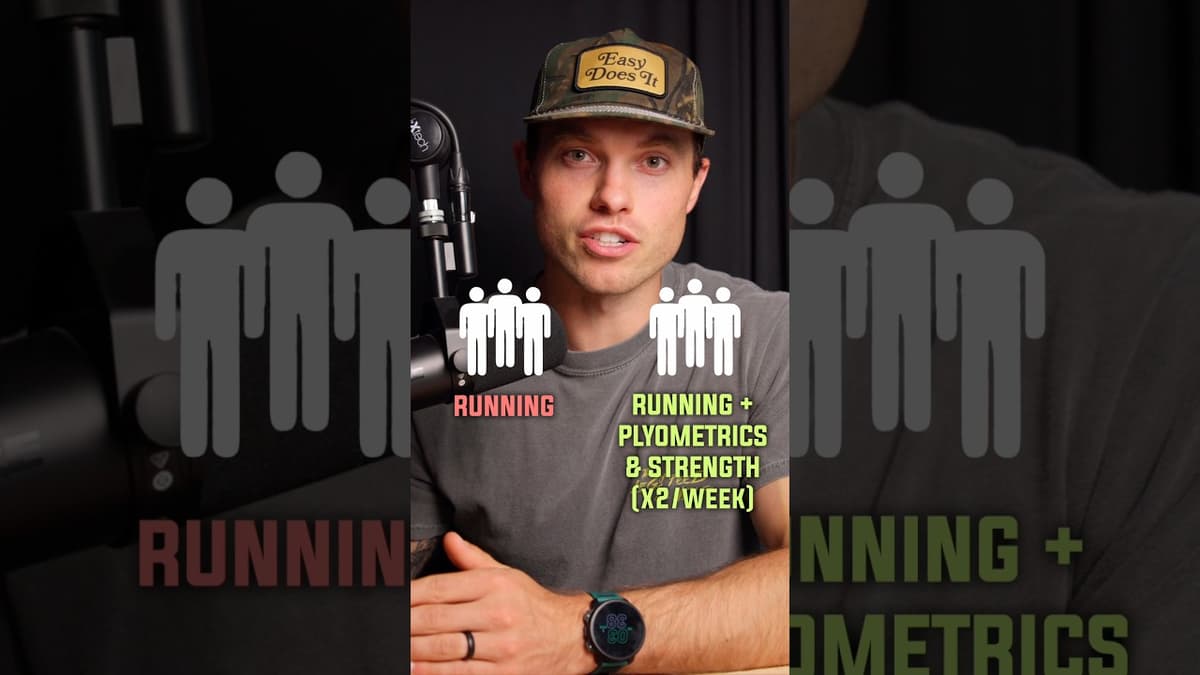
How to Scientifically Run Faster
A recent randomized control trial published in the American College of Sports Medicine journal demonstrates that adding plyometrics and strength work can dramatically improve endurance performance for well‑trained runners. The study enrolled 28 male athletes, split into a running‑only group and...
By Jeremy Miller
Social•Mar 10, 2026
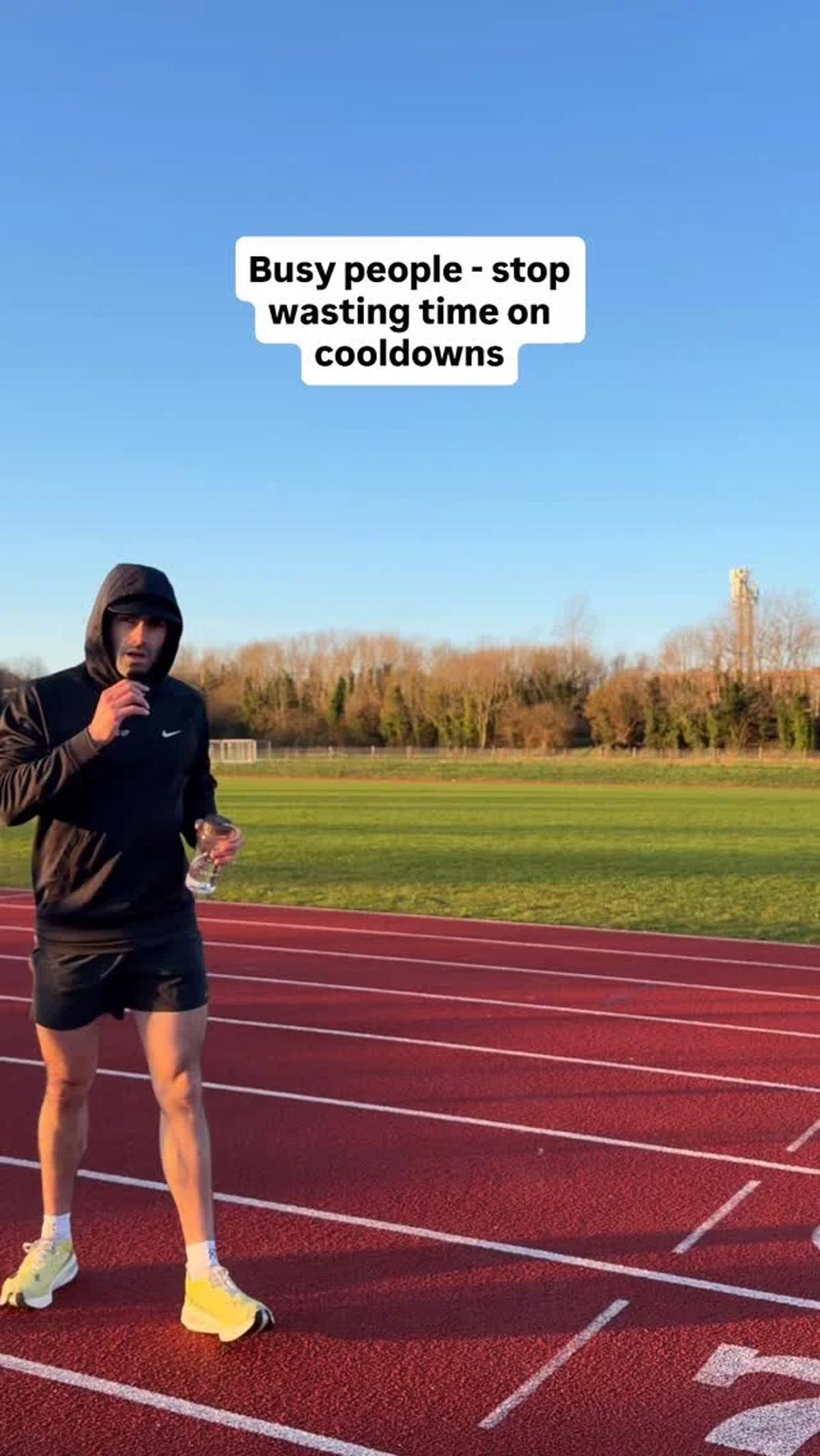
Skip Fancy Cooldowns; Invest in Nutrition and Gym
If you’re a busy person who barely struggles to get your sessions in in the first place then an elaborate cooldown routine probably isn’t getting you your best bang for your buck And the money you are spending on the latest...
By Neil O’Connell | Performance Coach

Social•Mar 10, 2026
Match Exercise Load to Tissue Tolerance for Healing
Many people try exercises they find on the internet when dealing with foot pain. But the movement itself is rarely the real problem. The key is matching the load of the exercise to what the tissue can currently tolerate. Too much load can...
By Dr. Jonathan Schutza, PT, DPT
Video•Mar 10, 2026
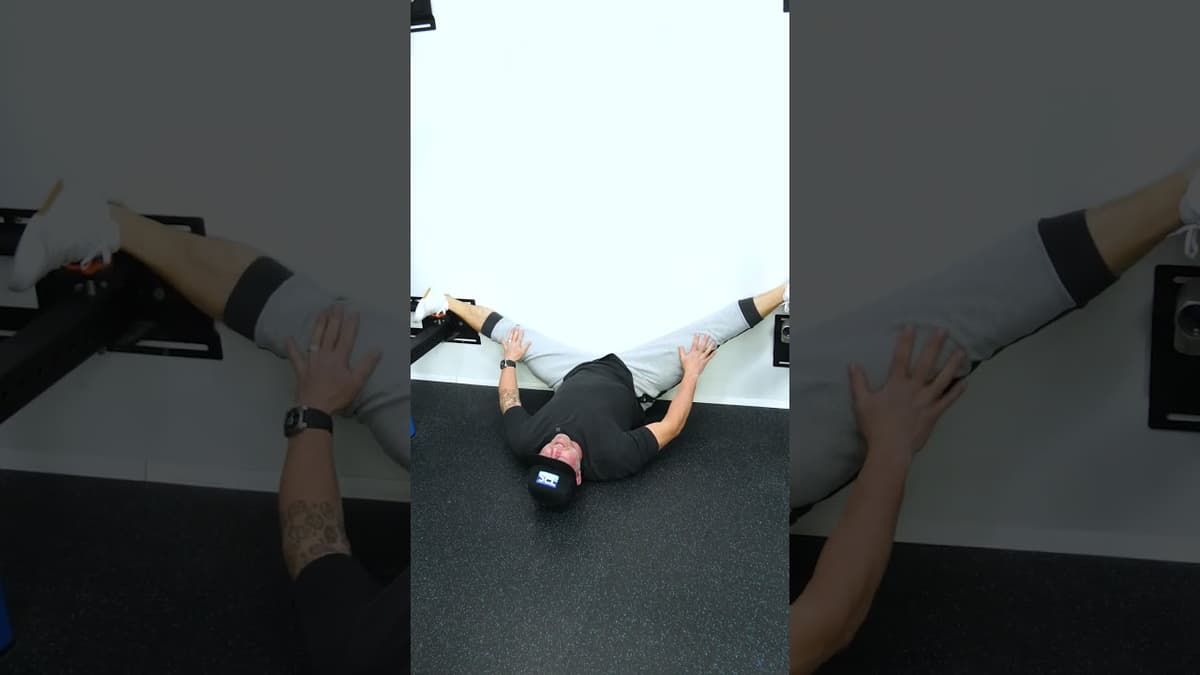
Olympic Wall Squat for Hip Mobility, Low Back Relief & Adductor Stretch
The video introduces the Olympic wall squat, a restorative position where the practitioner rests the legs against a wall, either bent or straight, to promote hip mobility, adductor flexibility, and low‑back relief. By placing the pelvis in slight flexion, the...
By The Ready State (Kelly Starrett)

Social•Mar 10, 2026
Train Faster Eccentrics, Explosive Reps for Better Performance
SAVE THIS IF YOU ARE WANT TO BECOME A BETTER ATHLETE. Slow and controlled ain’t doing s**t for your athletic performance, unless you are a beginner in strength and conditioning OR injured. There are too many benefits to faster eccentrics and explosive...
By Coach Paolo (S&C – Combat Sports)
Social•Mar 10, 2026
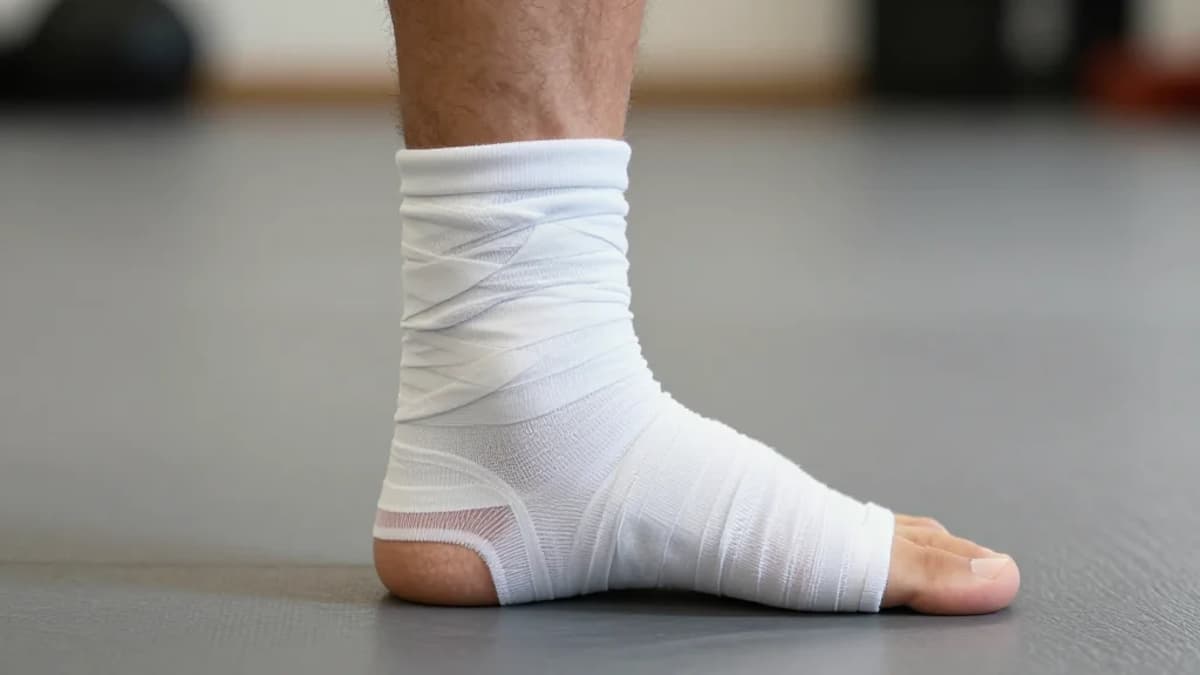
Previous Injuries Predict New Ones—Finish Rehab Fully
The biggest predictor of injury is previous injury. Make sure you 100% take care of your injury before you stop doing rehab exercises
By Lisa Mitro, DPT (Physical Therapist for Runners)
Video•Mar 10, 2026
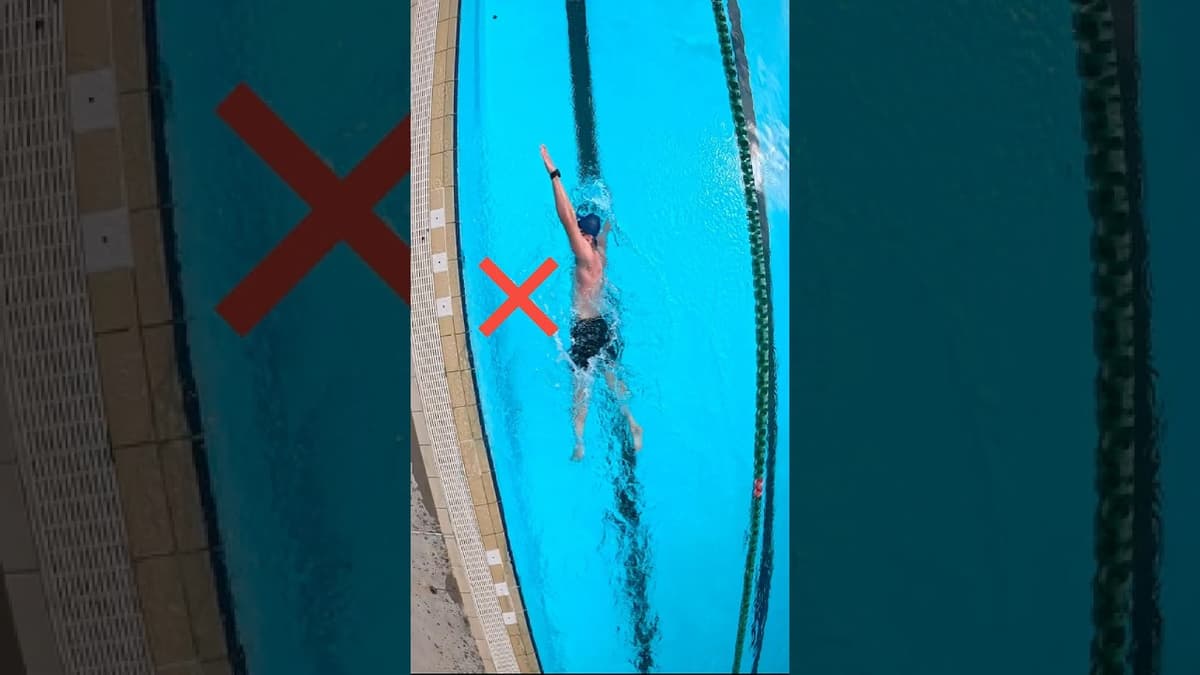
Keep Rotation Closer to a Controlled 45° so the Lead Side Keeps Pressing Forward
The video concentrates on refining swim rotation by keeping the lead side pressing forward and limiting the chest opening to a controlled 45‑degree angle, rather than a wide 90‑degree split. The coach stresses entering the water with a light hand, using...
By Effortless Swimming

News•Mar 10, 2026
The Outsiders Adds Four Advanced Metrics for Power-Based Training
Apple’s fitness app The Outsiders has released version 1.6, adding four new power‑based metrics—Relative Intensity, Variability Index, Efficiency Factor, and Aerobic Decoupling—to its session summary for cyclists and runners. The metrics aim to quantify session demand, pacing consistency, power‑heart‑rate efficiency,...
By 9to5Mac

Social•Mar 10, 2026
Post‑Workout Sauna Supercharges Endurance and Strength Gains
Using the sauna after aerobic exercise improves VO₂ max more than training alone. People who performed 30 minutes of cycling and then sat in a sauna for ~15 minutes afterward saw greater gains in their VO₂ max after 8 weeks of...
By Rhonda Patrick, PhD
Social•Mar 10, 2026
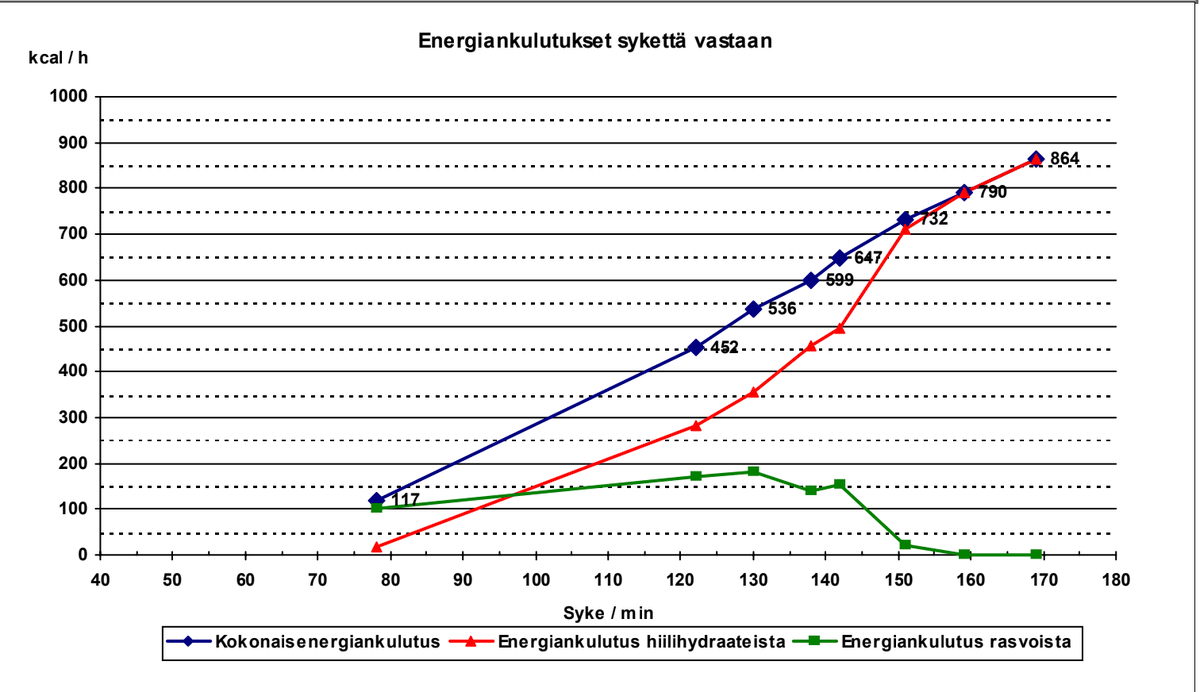
Slight Effort Rise Shifts Fuel, Boosts Appetite
Energy and Exercise I've been writing about this a lot since the start of the year. Here's a snapshot from Bek's recent bike test from Elias' lab in Helsinki Don't get wrapped up in the exact numbers - it's the concept I...
By Gordo Byrn
News•Mar 10, 2026
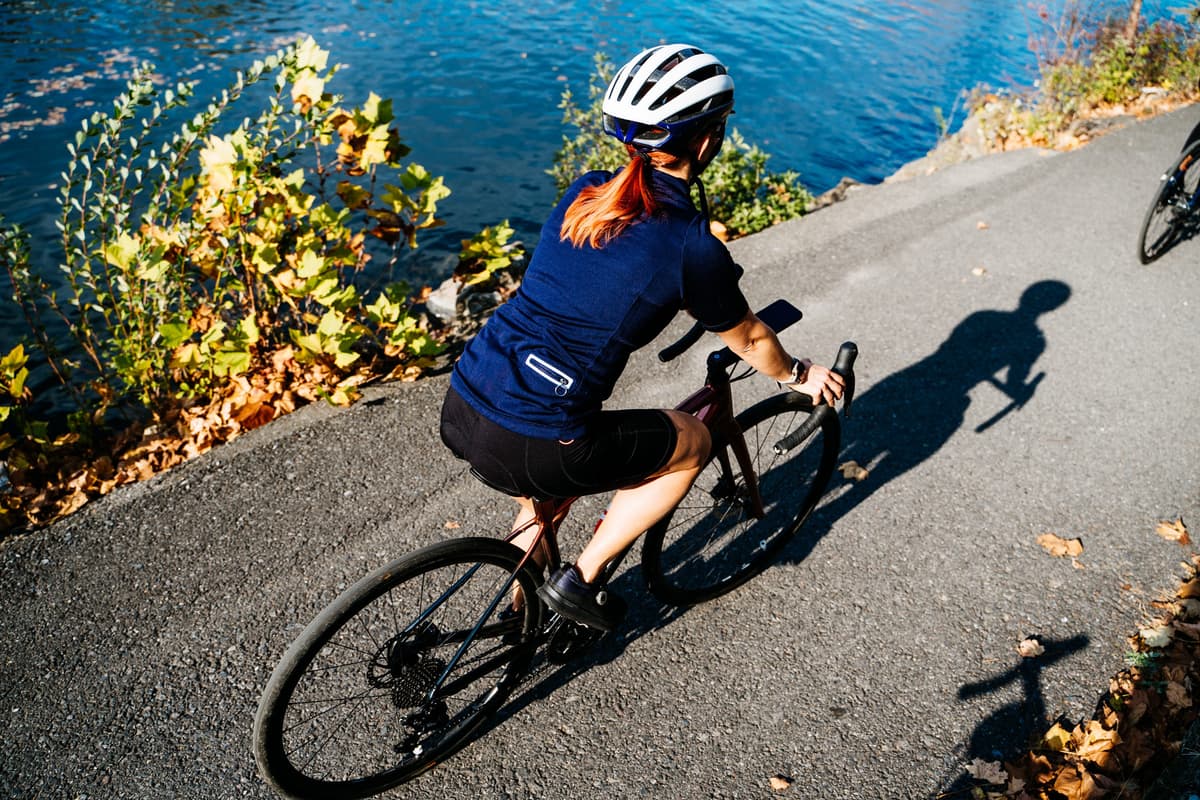
The Best High-Intensity Training Workouts for Cyclists
High‑intensity interval training (HIIT) is gaining traction among cyclists as a time‑efficient way to boost aerobic power, mitochondrial function, and race‑day performance. Recent studies show that two weekly HIIT sessions can raise VO₂ max and peak power by 2‑4 % in well‑trained...
By Bicycling
Social•Mar 10, 2026
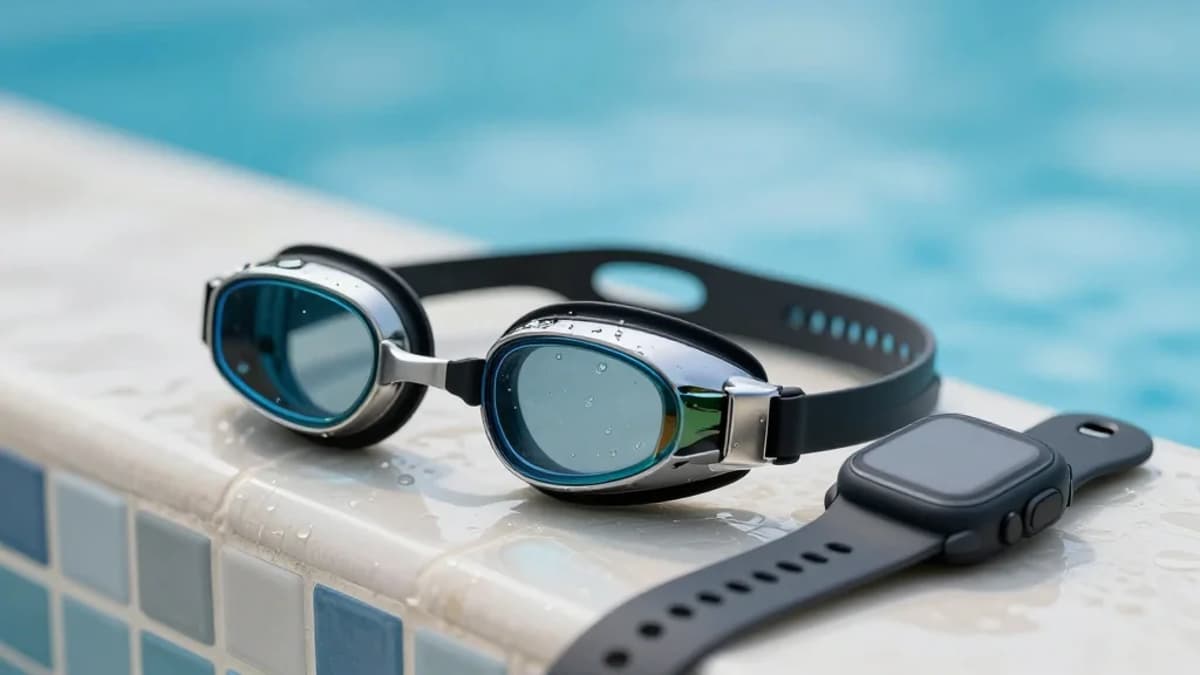
Turning 2026 Into My Year of Confident Swimming
I took swimming lessons growing up but am an objectively bad swimmer. Decided 2026 is the year I become a good swimmer. Specific goal is to be able to calmly swim for 30 mins like running in Z2. Anyone else done something...
By Steph Smith
Social•Mar 10, 2026
Recovery, Not Stress, Drives Fitness Gains
This is common sense. You don't get healthier/fitter from the exercise stressor. You get healthier/fitter from the supercompensation effect of the body during *recovery*. No recovery. No fitness. You need both.
By Alan Couzens

News•Mar 10, 2026
Feedback on Split+exercises
The thread debates whether an 18‑year‑old male weighing 179 lb with 14‑16 % body fat should cut weight or focus on muscle growth. Contributors argue that at his training age and body‑fat level, a lean‑out would sacrifice potential hypertrophy. They recommend staying...
By T-Nation
Social•Mar 10, 2026
Four Ways Glucose Monitoring Boosts Athletic Performance
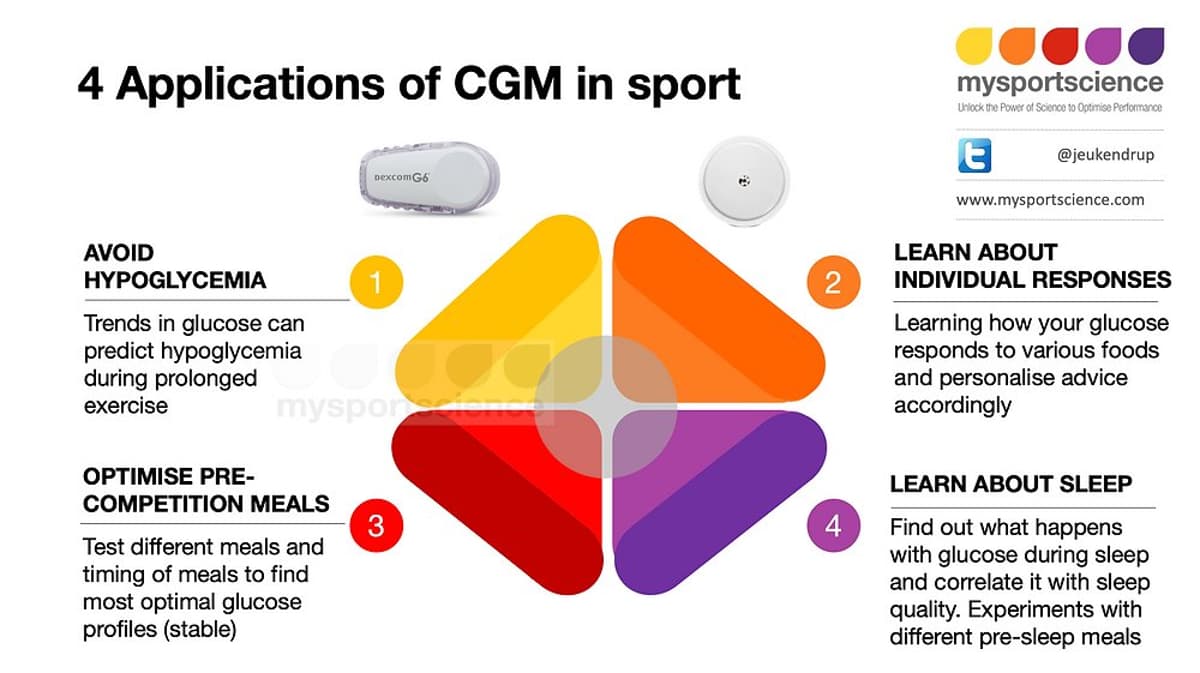
In our blog we discuss four potential applications: https://t.co/i88WCldGot • Preventing hypoglycaemia during exercise • Improving pre competition fuelling strategies • Learning how different foods influence glucose levels • Understanding glucose regulation during sleep and stress
By Asker Jeukendrup, PhD
Social•Mar 10, 2026
Last Call: Register for Sodium in Sport Webinar
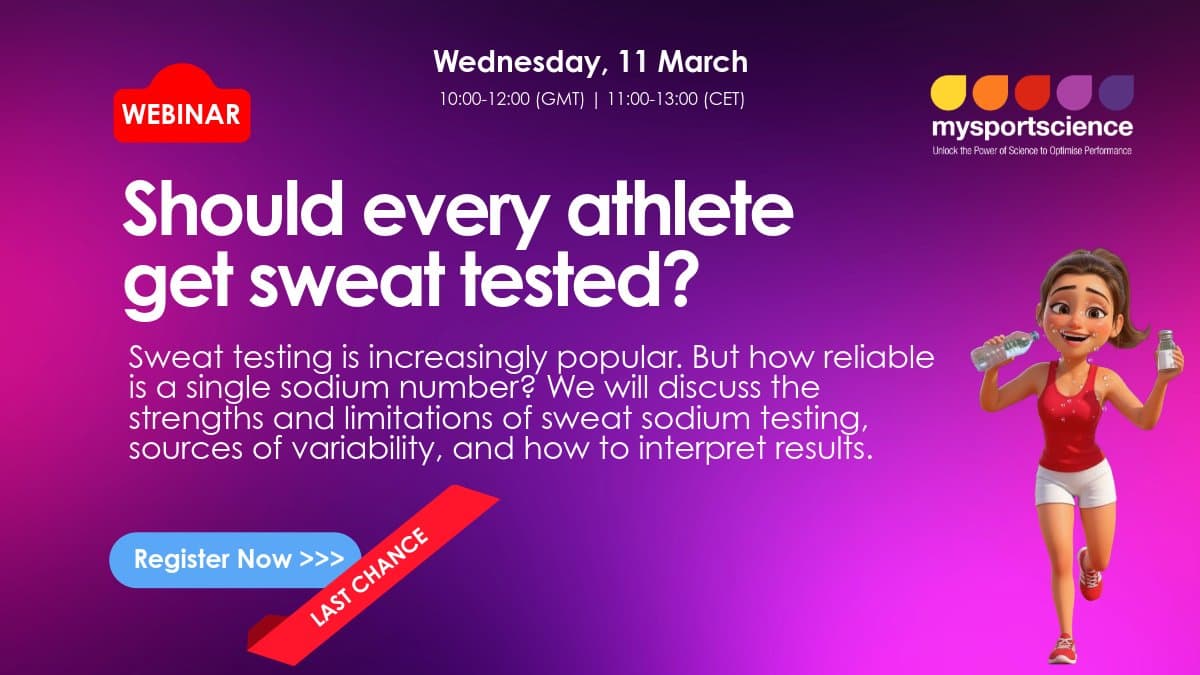
Last chance to sign up to: Sodium in Sport with Dr Alan McCubbin: https://t.co/Am4HBjG3XS https://t.co/12PQM8tkko
By Asker Jeukendrup, PhD
News•Mar 10, 2026
Sarcopenia Cure 2026
The athlete completed a 2‑week macro focusing on low‑bar squats at 280 lb for 5×5 sets, maintaining an RPE of 6.5‑7.5. A lingering IT‑band issue prompted a more cautious approach, eliminating plus reps and extending rest periods. Romanian deadlifts progressed to...
By T-Nation
Video•Mar 9, 2026
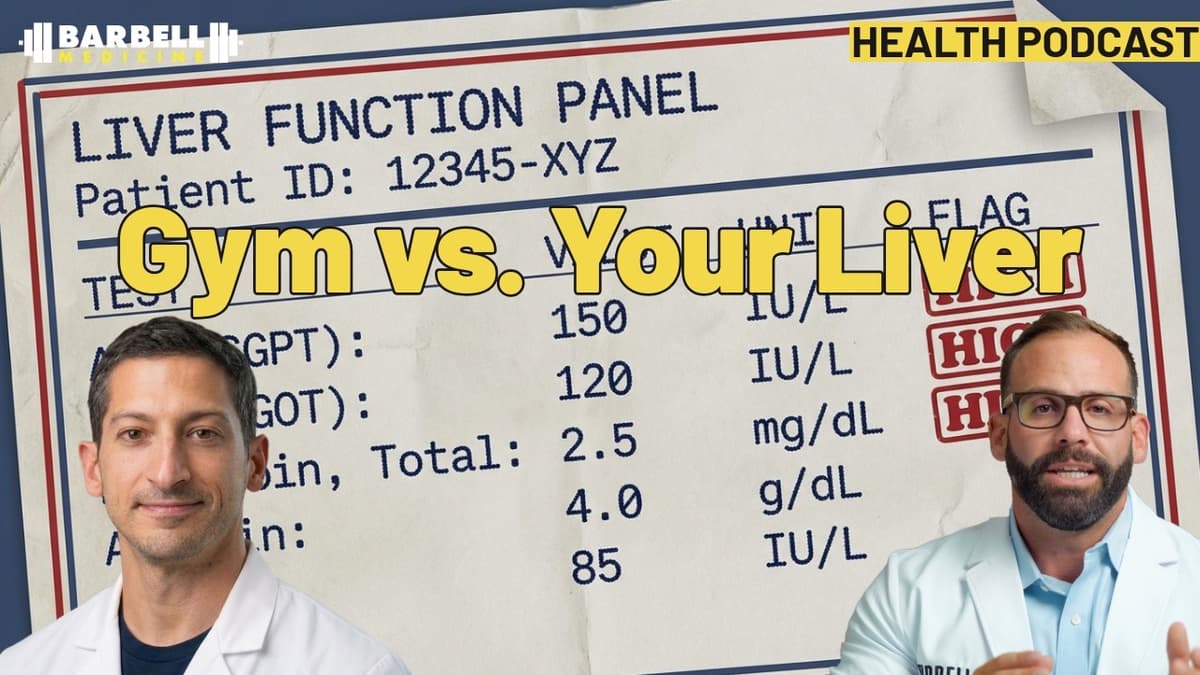
Your Liver Enzymes Are Elevated — But It Might Not Be Your Liver | Barbell Medicine
The Barbell Medicine podcast tackles a common diagnostic blind spot: elevated liver‑associated enzymes are often assumed to signal liver disease, yet many cases stem from recent intense exercise or other non‑hepatic sources. Using a real‑world case of a 39‑year‑old active...
By Barbell Medicine
Video•Mar 9, 2026
If You’re Training for an Ironman, Your Swim Might Be Missing This…
The video teaches Ironman swimmers that speed alone isn’t enough; the focus should be on three core skills—upper-body propulsion, efficient timing, and strategic positioning. Coach stresses pulling with the arms and torso while minimizing kick, using tools like paddles and pull...
By Effortless Swimming
Video•Mar 8, 2026
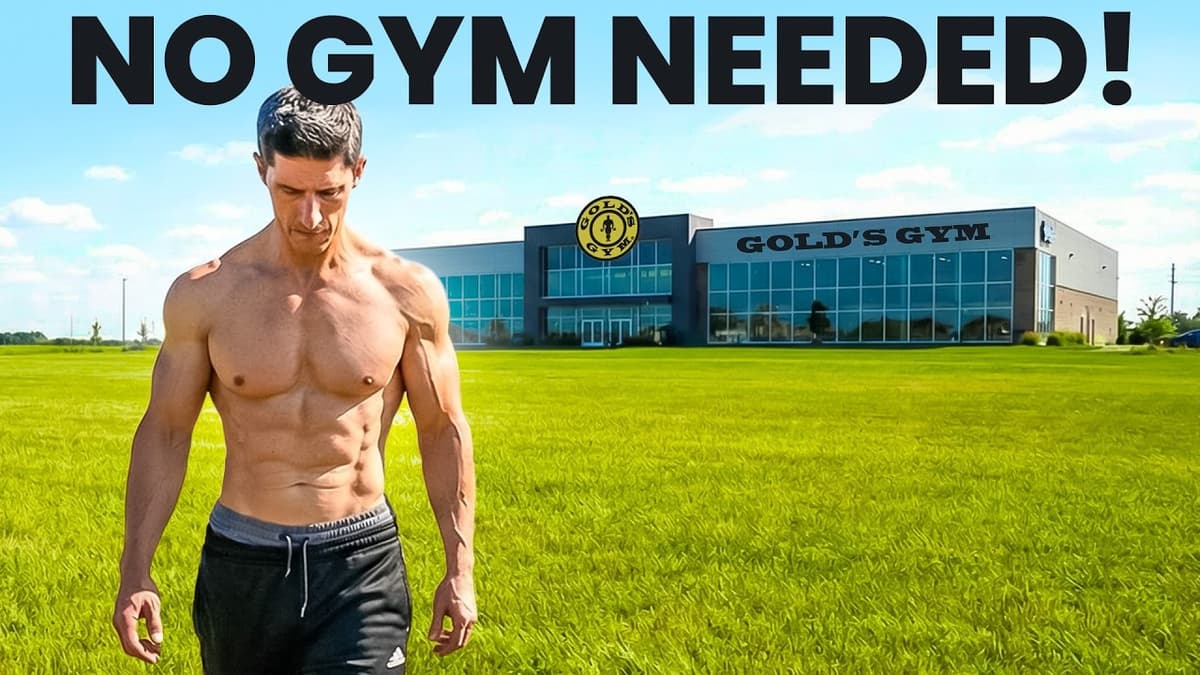
The 10 Most EFFECTIVE Bodyweight Exercises for Building Muscle
The video presents a curated list of ten bodyweight movements that can generate sufficient overload to stimulate muscle hypertrophy, challenging the notion that only external weights produce growth. By focusing on leverage, range of motion, and unilateral loading, the presenter...
By ATHLEAN-X (Jeff Cavaliere, MS PT CSCS)

Video•Mar 8, 2026
Why Women Over 50 NEED to Lift Weights (And What No One Told You) | The Proof EP#407
The Proof episode 407 tackles the often‑overlooked question of why women in their 40s, 50s and beyond should incorporate weight training into their routine. Host Simon Hill and guests argue that the traditional focus on cardio and calorie‑burning is misaligned...
By Simon Hill – The Proof
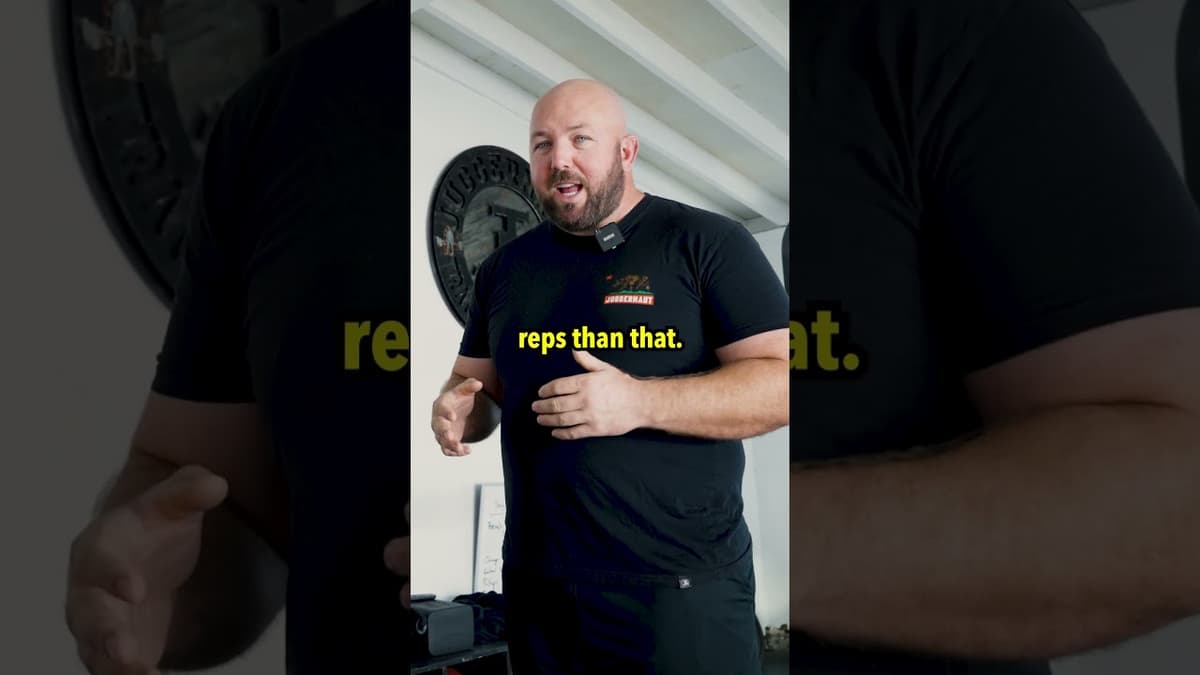
Video•Mar 8, 2026
A Classic Movement To Build The Bench Press
The video highlights dips as a classic, often‑overlooked movement that can dramatically improve bench‑press performance. It explains how dips engage the triceps, shoulders, and pecs, making them a potent accessory or even primary lift for lifters seeking stronger presses. Key technique...
By Juggernaut Training Systems
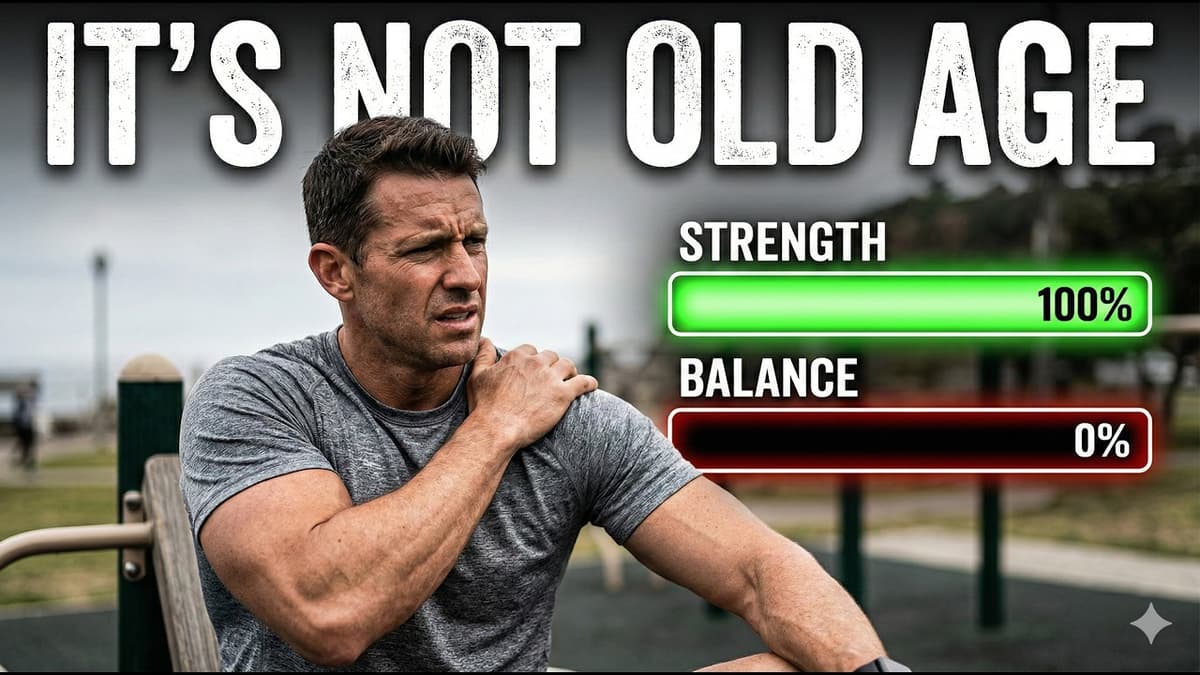
Video•Mar 7, 2026
Why Active "Strong" People Still Have Pain
The video tackles a paradox: highly active, seemingly strong individuals still experience recurring pain. The host argues the root cause is muscular and joint imbalance rather than insufficient strength. He explains that some muscles are weak, lack full length, or cannot...
By Upright Health