
Video•Mar 10, 2026
Training The Frail | Starting Strength Network Previews
Starting Strength’s latest radio segment tackled how to design resistance‑training programs for frail seniors, answering a listener’s request for fall‑prevention protocols. The hosts emphasized starting with body‑weight box squats performed above parallel, teaching hip‑dominant mechanics before gradually lowering the box and adding light barbells—5 kg, 10 kg, 15 kg, and 20 kg—along with fractional plates for fine‑grained load increases. They argued that deadlifts, not squats, should be the first weighted lift because many older adults can safely handle a 66‑lb bar on day one. Using a power rack with adjustable pins allows the lift to start just below the knee, keeping the movement range short while still loading the posterior chain. Throughout, the speakers warned against high volume; a single work set is sufficient initially to avoid the “volume is the enemy” pitfall. “Most people that can walk around can deadlift 66 pounds the first time they do it,” one host noted, underscoring the accessibility of the movement. They also highlighted the stark contrast in soreness perception between an 80‑year‑old and a 40‑year‑old, warning that excessive DOMS can quickly drive seniors away from the program. For injury‑prevention professionals, the discussion offers a concrete, evidence‑based template that balances safety with functional strength gains, potentially reducing fall‑related healthcare costs and expanding a market niche for senior‑focused strength training.
By Starting Strength
Video•Mar 10, 2026
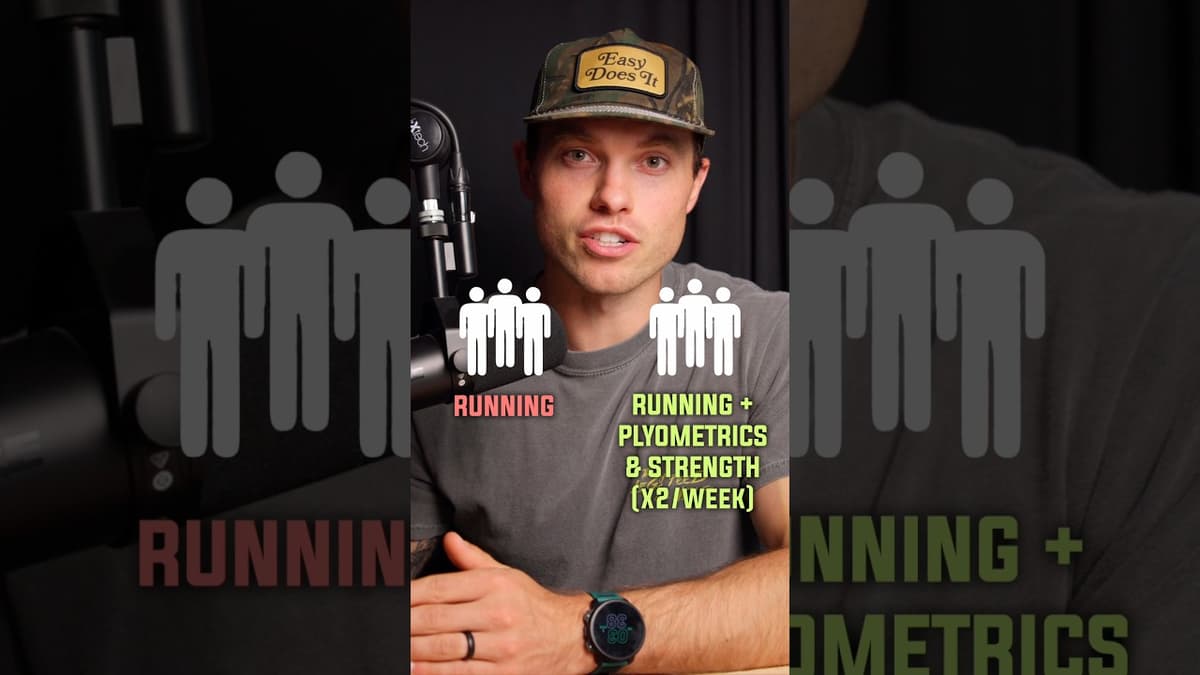
How to Scientifically Run Faster
A recent randomized control trial published in the American College of Sports Medicine journal demonstrates that adding plyometrics and strength work can dramatically improve endurance performance for well‑trained runners. The study enrolled 28 male athletes, split into a running‑only group and...
By Jeremy Miller
Video•Mar 10, 2026
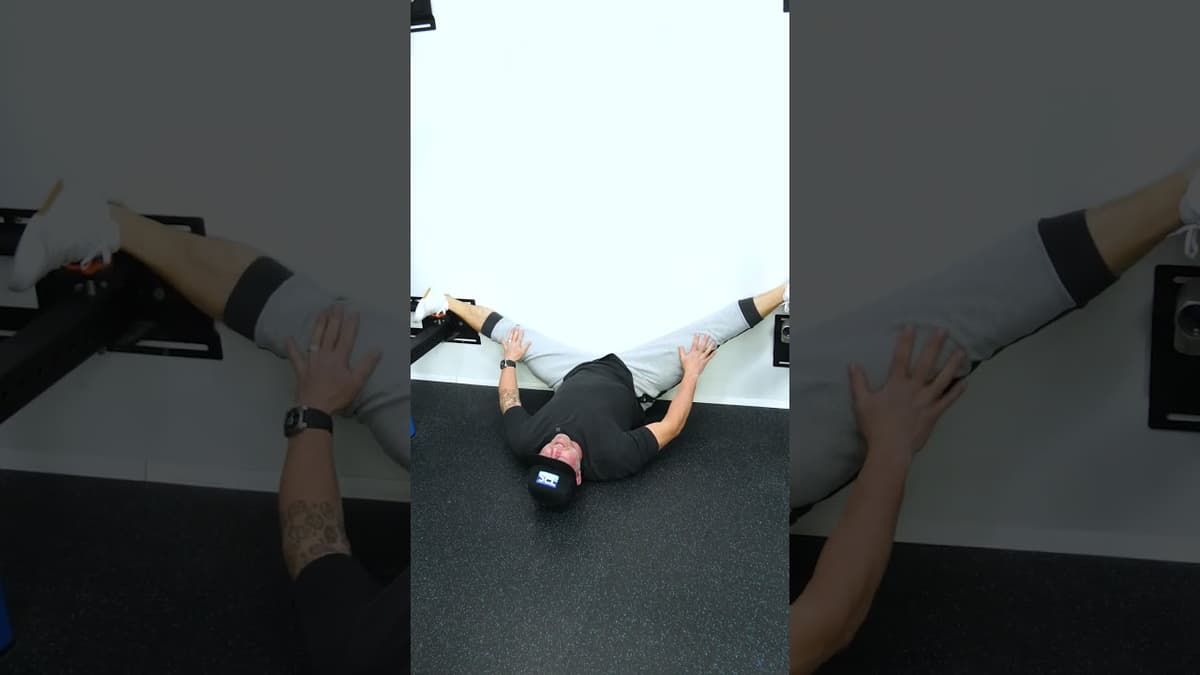
Olympic Wall Squat for Hip Mobility, Low Back Relief & Adductor Stretch
The video introduces the Olympic wall squat, a restorative position where the practitioner rests the legs against a wall, either bent or straight, to promote hip mobility, adductor flexibility, and low‑back relief. By placing the pelvis in slight flexion, the...
By The Ready State (Kelly Starrett)
Video•Mar 10, 2026
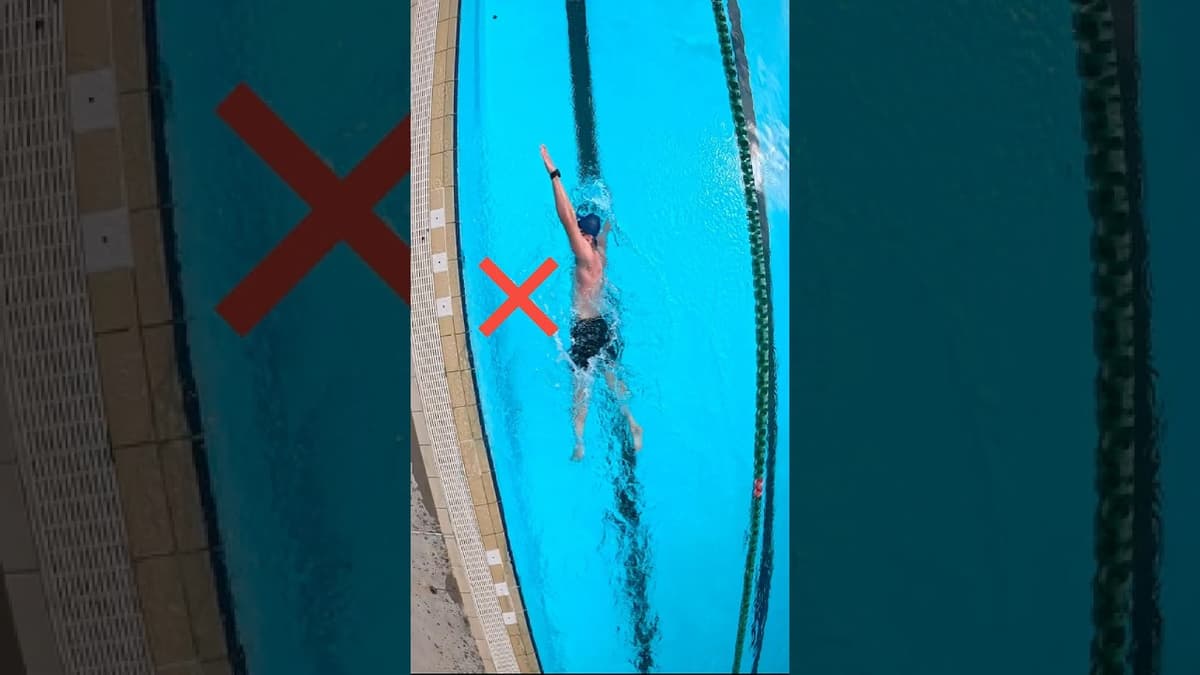
Keep Rotation Closer to a Controlled 45° so the Lead Side Keeps Pressing Forward
The video concentrates on refining swim rotation by keeping the lead side pressing forward and limiting the chest opening to a controlled 45‑degree angle, rather than a wide 90‑degree split. The coach stresses entering the water with a light hand, using...
By Effortless Swimming
Video•Mar 9, 2026
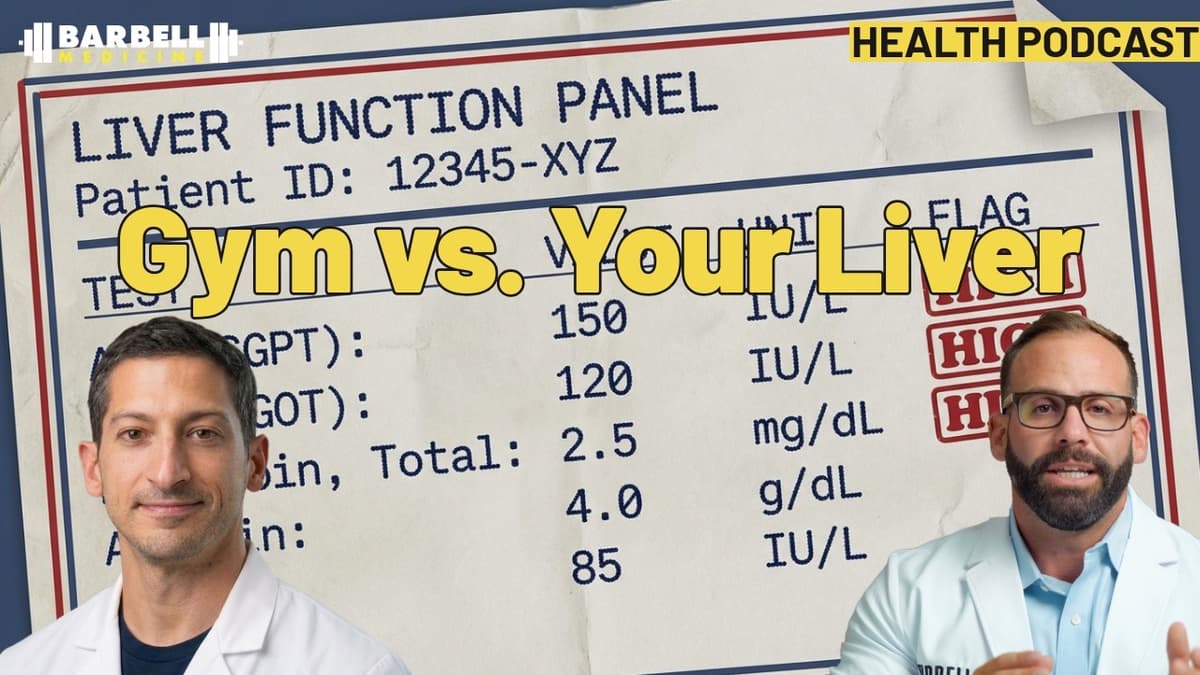
Your Liver Enzymes Are Elevated — But It Might Not Be Your Liver | Barbell Medicine
The Barbell Medicine podcast tackles a common diagnostic blind spot: elevated liver‑associated enzymes are often assumed to signal liver disease, yet many cases stem from recent intense exercise or other non‑hepatic sources. Using a real‑world case of a 39‑year‑old active...
By Barbell Medicine
Video•Mar 9, 2026
If You’re Training for an Ironman, Your Swim Might Be Missing This…
The video teaches Ironman swimmers that speed alone isn’t enough; the focus should be on three core skills—upper-body propulsion, efficient timing, and strategic positioning. Coach stresses pulling with the arms and torso while minimizing kick, using tools like paddles and pull...
By Effortless Swimming
Video•Mar 8, 2026
The 10 Most EFFECTIVE Bodyweight Exercises for Building Muscle
The video presents a curated list of ten bodyweight movements that can generate sufficient overload to stimulate muscle hypertrophy, challenging the notion that only external weights produce growth. By focusing on leverage, range of motion, and unilateral loading, the presenter...
By ATHLEAN-X (Jeff Cavaliere, MS PT CSCS)
Video•Mar 8, 2026
Why Women Over 50 NEED to Lift Weights (And What No One Told You) | The Proof EP#407
The Proof episode 407 tackles the often‑overlooked question of why women in their 40s, 50s and beyond should incorporate weight training into their routine. Host Simon Hill and guests argue that the traditional focus on cardio and calorie‑burning is misaligned...
By Simon Hill – The Proof
Video•Mar 8, 2026
A Classic Movement To Build The Bench Press
The video highlights dips as a classic, often‑overlooked movement that can dramatically improve bench‑press performance. It explains how dips engage the triceps, shoulders, and pecs, making them a potent accessory or even primary lift for lifters seeking stronger presses. Key technique...
By Juggernaut Training Systems
Video•Mar 7, 2026
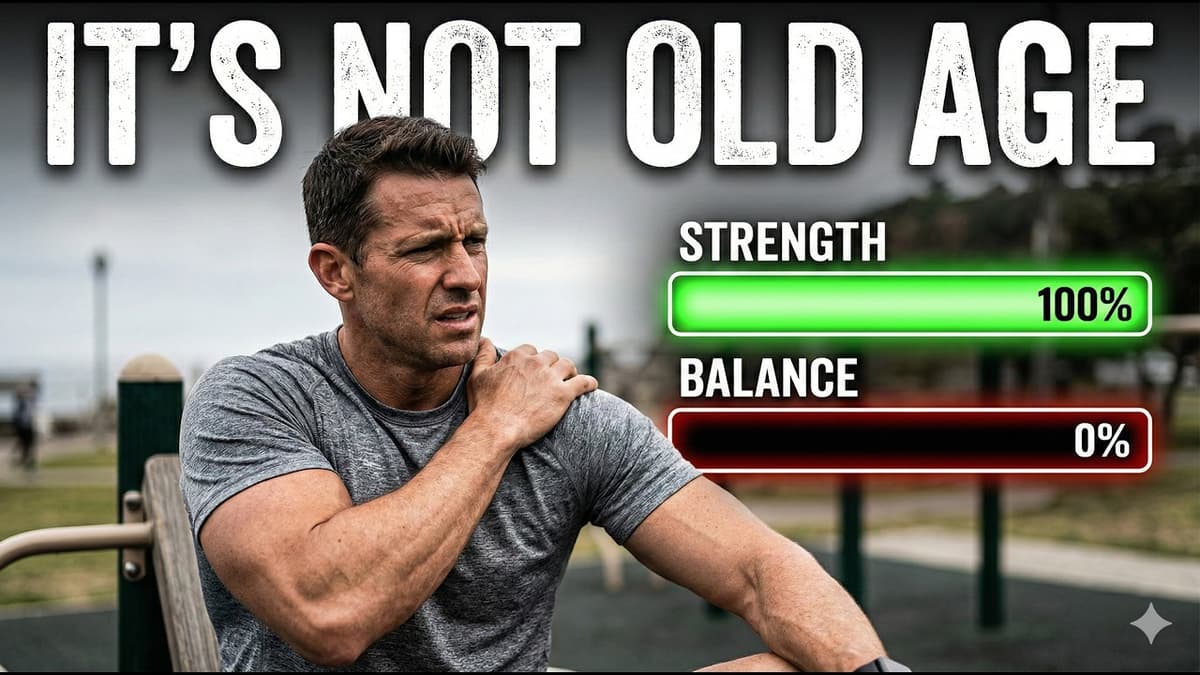
Why Active "Strong" People Still Have Pain
The video tackles a paradox: highly active, seemingly strong individuals still experience recurring pain. The host argues the root cause is muscular and joint imbalance rather than insufficient strength. He explains that some muscles are weak, lack full length, or cannot...
By Upright Health

Video•Mar 7, 2026
Short Cranks & Speed: Do Shorter Cranks Improve Performance on the Bike?
The Fast Talk episode tackles a hot question in elite cycling: do shorter crank arms translate into faster race times? Recent victories by riders such as Tadej Pogačar, Wout van Aert and Jonas Vingegaard, all on cranks shorter than...
By Fast Talk Labs
Video•Mar 7, 2026
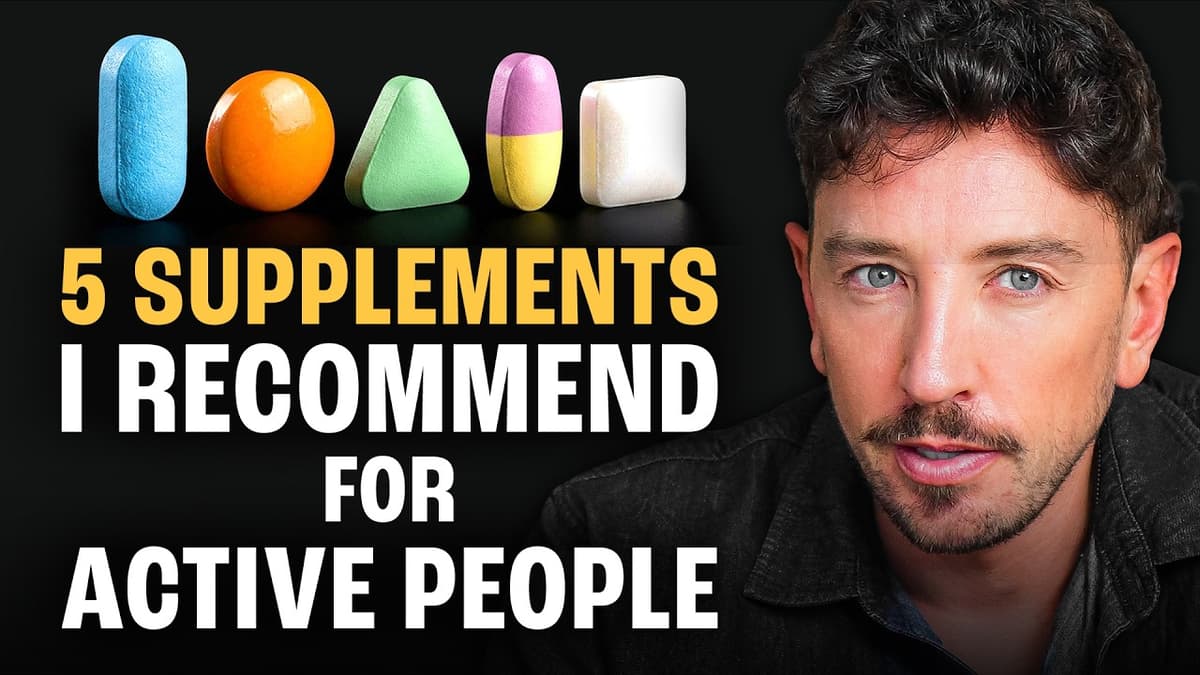
Stop Wasting Money on 40 Supplements | Here's What Actually Works | Hack Your Media
The video tackles the common habit of taking dozens of supplements, urging listeners to strip back to evidence‑based essentials and focus on lifestyle fundamentals before chasing marginal hacks. The host recommends a core stack: creatine monohydrate dosed at 0.1 g per kilogram...
By Simon Hill – The Proof

Video•Mar 6, 2026
Hamstring & Glute Mobilization for Better Hip & Pelvic Mobility | Dr. Kellly Starrett
The video, presented by Dr. Kelly Starrett, demonstrates a foam‑roller routine aimed at unlocking tight hamstring and glute fascia to enhance hip and pelvic mobility. Starrett explains how to sit on the roller with the device shifted toward the edge, locate...
By The Ready State (Kelly Starrett)
Video•Mar 6, 2026
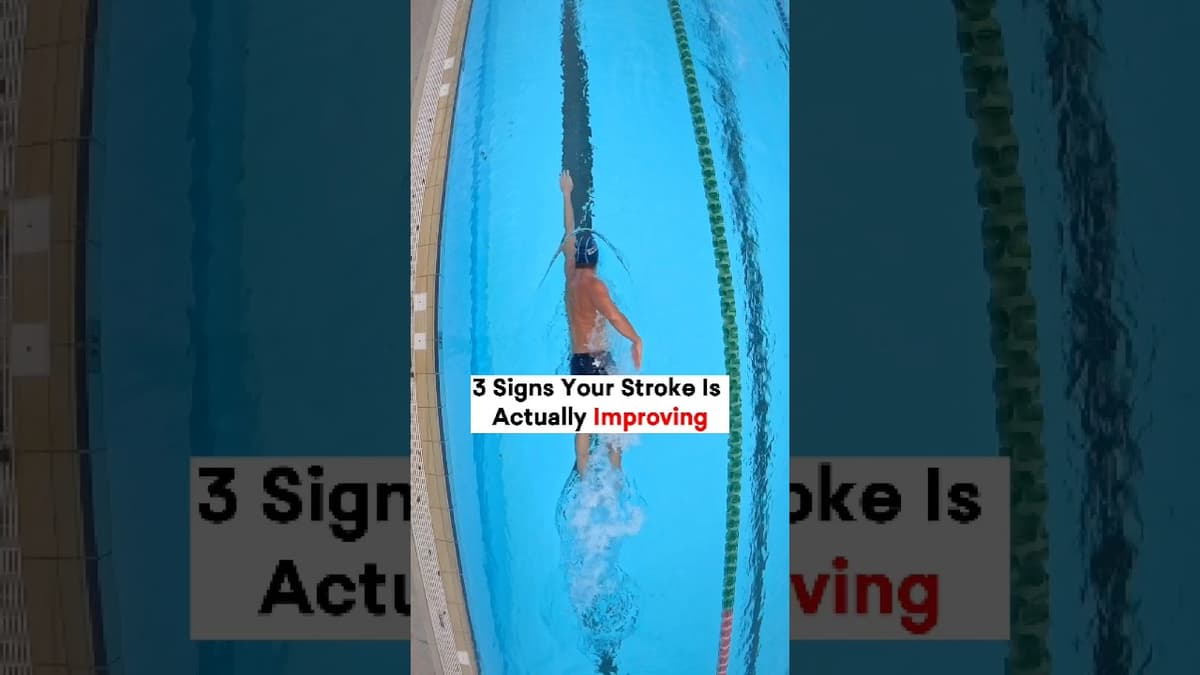
These 3 Things Will Tell You if Your Stroke Is Actually Improving…
The video advises swimmers to stop fixating on 100‑meter pace and instead look for three tangible signals that indicate genuine improvement in their stroke. First, an awkward or noticeably different feel during the pull suggests the body is adapting to a...
By Effortless Swimming
Video•Mar 6, 2026
Mobility, Stability & Strength: The Four Fitness Foundations Every Endurance Athlete Needs
The episode centers on the four fitness foundations—mobility, flexibility, stability and strength—that endurance athletes need to complement their sport‑specific training. Host Trevor Connor and exercise‑physiology professor Dr. Stacy Brixham explain why off‑bike work is essential for cyclists, runners and swimmers,...
By Fast Talk Labs