Today's Healthcare Pulse

FDA greenlights durvalumab combo for high‑risk bladder cancer
The FDA approved durvalumab (Imfinzi) combined with Bacillus Calmette‑Guerin for BCG‑naïve, high‑risk non‑muscle invasive bladder cancer. The POTOMAC trial enrolled 1,018 patients and showed a 32% reduction in disease recurrence risk (hazard ratio 0.68, p=0.015). Durvalumab is given at 1,500 mg IV every four weeks for up to 13 cycles.
Also developing:
By the numbers: Apogee Therapeutics raises $1.3B royalty financing

Overcoming Resource Constraints in American Medicine
American medicine is moving from an expansion mindset to confronting permanent resource constraints driven by workforce shortages, supply‑chain fragility, climate impacts, and rising costs. The pandemic stripped away safety buffers, exposing the need for systemic redesign rather than incremental cost‑cutting. Lessons from low‑resource health systems abroad show that scarcity can spark scalable, affordable innovations such as task‑shifting and mobile‑first care. By leveraging data, AI, and collaborative bidirectional innovation, U.S. providers can create efficient, equitable pathways that function under constraint while preserving quality.

A Woman Walked Into an ER With Trouble Breathing. Then the Entire Hospital Started Collapsing.
On February 19, 1994, 31‑year‑old Gloria Ramirez was taken to Riverside General Hospital, where attempts to treat her triggered a baffling incident that sickened 23 of the 37 emergency‑room staff. Investigators later suggested that dimethyl sulfoxide (DMSO) from a pain‑relief cream reacted...

SignateraTM MRD Identifies Breast Cancer Patients Who Can Forgo Surgery
Natera’s Signatera circulating‑tumor DNA test was shown in a prospective Clinical Cancer Research study to identify older women (≥70) with early‑stage ER⁺/HER2‑ breast cancer who can safely forgo surgery and remain progression‑free on primary endocrine therapy. Baseline MRD‑negative patients (68%...

Medtronic to Study Renal Denervation Combined with PCI
Medtronic announced the EMBRACE trial, a randomized study enrolling 1,000 patients to evaluate its Symplicity Spyral renal denervation system performed concurrently with percutaneous coronary intervention (PCI) in individuals with uncontrolled hypertension and multivessel disease. The company also released pooled data...

IKS Health Acquihires AI Startup ThinkDTM to Transform Patient Access Solutions
IKS Health, a global care‑enablement leader, has acquihired AI‑native startup ThinkDTM, bringing its entire engineering team into the firm. Founder Tij Bedi will join IKS as Executive Vice President and General Manager of Patient Access and Innovation. The new unit...

Elevance Fills Slew of Mid-Level Leadership Positions
Elevance announced a wave of mid‑level executive appointments, adding six new leaders across its health benefits unit and the Carelon health services division. The moves include Carelon's first chief growth and strategy officer, a new president for clinical operations, and...
FDA Identifies Cases of Serious Liver Injury in Patients Taking Tavneos (Avacopan) for Severe Active Anti-Neutrophil Cytoplasmic Autoantibody (ANCA)-Associated Vasculitis
The FDA issued a drug safety communication warning that Tavneos (avacopan) is linked to 76 post‑marketing cases of drug‑induced liver injury, including eight fatalities. Seven patients developed biopsy‑confirmed vanishing bile duct syndrome, a severe cholestatic condition, with three deaths. Median...
Coronavirus Aid, Relief, and Economic Security Act (CARES Act) Drug Shortage Mitigation Efforts
The CARES Act, enacted in March 2020, added new authorities to the FDA to curb drug shortages by requiring manufacturers to notify the agency of permanent discontinuances and production interruptions. It also mandates the creation of site‑specific risk‑management plans and...
Companies that Have Not Submitted Drug Amount Reports
The FDA has released two public lists identifying registrants that failed to submit required drug amount reports for calendar year 2024. One list covers entities with active drug listings, the other captures those with inactive listings. Registrants must certify or...
October - December 2025 | New Safety Information or Potential Signals of Serious Risks Identified by the FDA Adverse Event...
The FDA’s Adverse Event Monitoring System (AEMS) released a slate of new safety signals for a range of products covering October‑December 2025. Alerts include heightened hypersensitivity reactions for certain lots of Alyglo, hypogammaglobulinemia linked to multiple bispecific T‑cell engager therapies,...

Novo Nordisk Launches Multi-Month Subscriptions for Wegovy Obesity Drugs as It Tries to Catch up with Eli Lilly
Novo Nordisk introduced multi‑month subscription plans for its Wegovy obesity treatments, offering three, six or twelve‑month options for both the injectable and the high‑dose oral pill. The tiered pricing lowers monthly costs, delivering up to $1,200 in annual savings on...

Gary‑Rule: When Tech Issues Stay IT vs Become Digital Health
The Gary-rule helps decide whether it is a health IT or a digital health issue. If a technological issue comes up in a healthcare setting, such as the antivirus software becomes outdated or the electronic medical record system stopped working...

Canyon Acquires Columbine Poudre Home Care, Bloom at Home
Colorado-based Canyon Home Care & Hospice announced the acquisition of Columbine Poudre Home Care and its affiliate Bloom at Home, extending its service footprint across northern Colorado. The deal, whose financial terms were not disclosed, brings together two culturally aligned...

NVIDIA’s Healthcare Stack Is the Picks and Shovels Play You’ve Been Waiting For
NVIDIA has assembled a comprehensive AI infrastructure stack for healthcare, encompassing BioNeMo, MONAI, Isaac for Healthcare, Holoscan, Parabricks, Clara and NIM. Its 2026 State of AI in Healthcare survey shows 70% of organizations actively using AI, with generative models now...
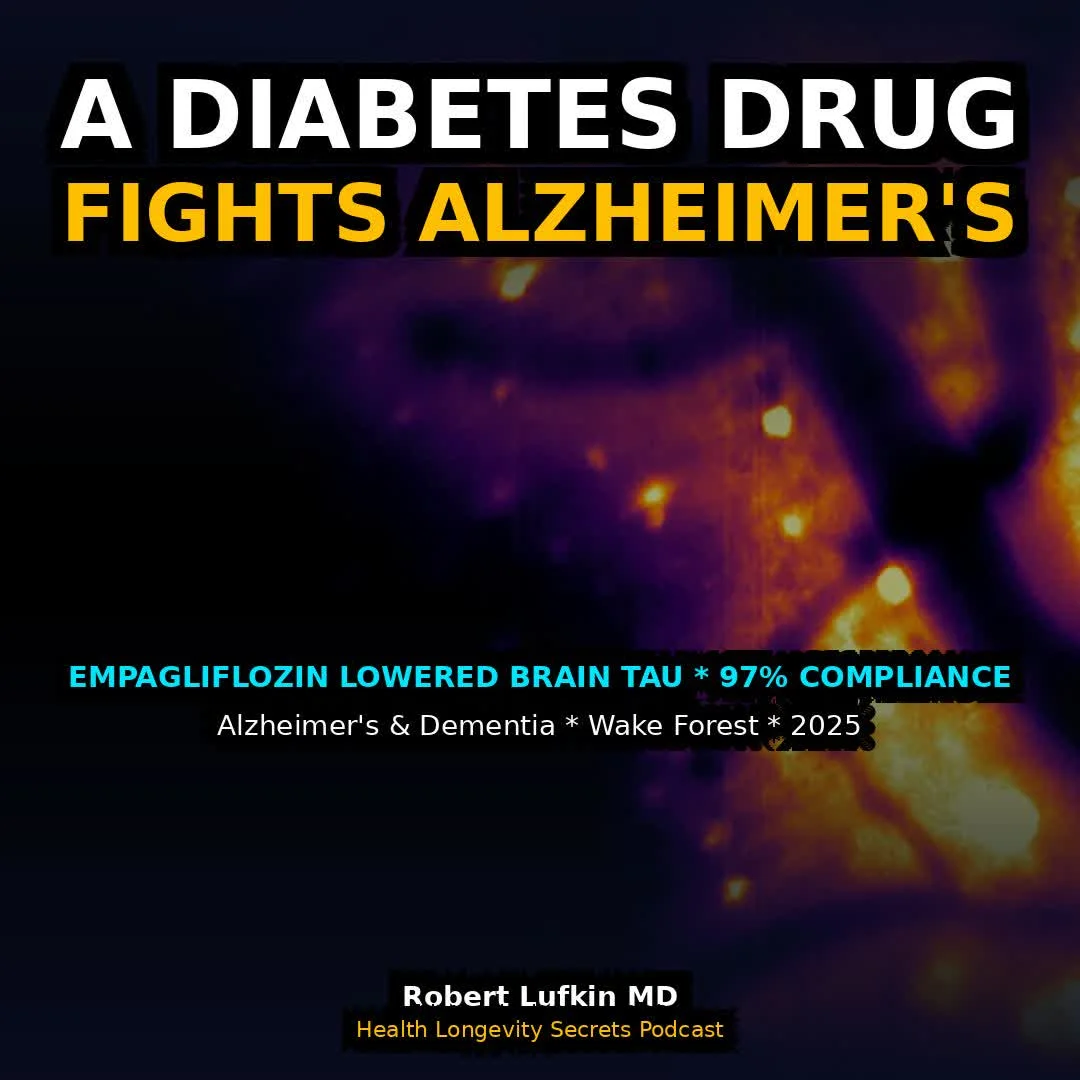
Diabetes Drug Empagliflozin Shows Promise for Early Alzheimer’s
As a medical school professor, I've long suspected that Alzheimer's disease is metabolic at its core. Now we have clinical proof. A Wake Forest trial tested empagliflozin -- a common diabetes drug -- in NON-DIABETIC Alzheimer's patients for the first time. The...

Should All Middle-Aged Triathletes Get Advanced Lipid Testing? A Doctor Weighs In.
A recent case study of a 55‑year‑old Ironman who suffered cardiac arrest revealed that his standard cholesterol test missed dangerously high levels of small dense LDL particles. The authors argue that advanced lipid testing could uncover hidden atherosclerotic risk in...

The Ways Pharma Leaders Are Rewiring Their Organizations for Launch Success
Pharma executives face accelerating market pressure, prompting a shift from static launch plans to agile, data‑driven execution. Remco op den Kelder of Inizio Ignite argues that real‑time insights, AI integration, and cross‑functional collaboration are essential for successful product launches over...

How Private Management Improved Public Hospitals in Brazil
Brazil’s Organizações Sociais de Saúde (OSS) model transfers management of public hospitals to private non‑profit operators while keeping public ownership and funding. Using a difference‑in‑differences analysis of all hospitalisations from 2006‑2022, the study finds admissions up about 40%, bed turnover...

Merck Strikes Deal with Antibody Discovery Startup
Merck has signed a research collaboration with AI‑driven antibody startup Infinimmune, potentially providing up to $838 million in payments tied to clinical milestones. Infinimmune’s platform scans human immune cells to uncover novel targets such as IL‑22 and IL‑13 for autoimmune indications....

Dose by Design: Pharmaceutical 3D Printing and the Future of Pediatric Compounding
The article charts the transition of pharmaceutical 3D printing from research pilots to routine pharmacy practice, focusing on pediatric compounding. Companies such as FabRx and CurifyLabs have built platforms that let pharmacists print chewable tablets, gels, and mini‑tablets tailored to...

MRNA Is Poised to Rise Beyond Infectious Diseases, if It’s Not Derailed by R&D Cuts
mRNA technology, once celebrated for COVID‑19 vaccines, now faces heightened political and regulatory scrutiny, including the cancellation of roughly $500 million in BARDA contracts. A new JAMA Network Open study shows NIH has invested $1.65 billion in 178 mRNA grants since 1997,...

Novo Nordisk Launches Subscription Program for Wegovy Drugs
Novo Nordisk introduced a subscription service for its obesity treatment Wegovy, allowing cash‑pay patients to lock in three‑month, six‑month or twelve‑month supplies. The model promises lower out‑of‑pocket costs compared with traditional pay‑per‑dose purchases. By bundling shots and oral pills, Novo...

France: Regional Profile for Digital Health Innovators
The Health Innovation Network’s webinar highlights France as a prime destination for UK digital health innovators, citing its universal health system, robust national digital health strategy, and permanent reimbursement pathways. Recent reforms such as Ma Santé 2022 and the €2 billion Ségur...

HealthTechX Asia: Navigating Singapore’s Healthcare Market with a Collaborative Mindset
HealthTechX Asia highlights Singapore as a prime yet demanding market for UK health innovators, driven by a rapidly aging population and a government‑backed push for preventive, home‑based care. The article outlines three critical considerations: demographic shifts increasing demand for remote...

Constrictive Pericarditis: The Echo Findings You Can't Afford to Miss
Constrictive pericarditis (CP) remains one of the most diagnostically challenging cardiac disorders. While most clinicians recognize the septal bounce on echocardiography, few appreciate the tissue Doppler and annular velocity signatures that reliably separate CP from restrictive cardiomyopathy. The post offers...

Blackstone Closes $6.3B BXLS VI Fund, Making It the Largest Life Sciences Vehicle
Blackstone announced the final close of its Life Sciences VI fund at a hard cap of $6.3 billion, roughly 40% larger than the prior vehicle. The BXLS platform, launched in 2018, now manages about $15 billion and invests across the entire drug...

RFK Jr. Aide Takes BGR Health Post
Policy advisor Charlie Chapman, who counseled Health and Human Services Secretary Robert F. Kennedy Jr. on Medicare and Medicaid issues, has joined BGR’s health and life‑sciences practice as a vice‑president. Chapman previously coordinated DHHS actions with the White House and...

UCB Brings First Therapy for Rare Disease TK2d to EU
UCB’s Kygevi, a combination of doxecitine and doxribtimine, received its first EU approval for treating thymidine kinase 2 deficiency (TK2d) under exceptional circumstances. The drug, aimed at patients whose disease began before age 12, cut mortality risk by 95% compared with...

PepGen’s Muscle Disease Program Posts Poor Mid-Stage Results as One Patient's Data Get Markedly Worse
PepGen reported that its Phase 2 trial of an oligonucleotide therapy for a rare genetic nerve‑muscle disorder failed to meet its primary efficacy endpoints. The data showed no statistically significant improvement in muscle strength across the cohort, and one participant experienced...

How Is the NHS Managing £355 Billion in Transactions? NHS SBS Talks AI, Oracle Fusion, and the Future of NHS...
The NHS Shared Business Services (SBS) now runs a national finance and procurement platform on Oracle Fusion Cloud, covering 48 NHS organisations and processing roughly $444 bn in transactions each year. The go‑live on 1 October 2025 handled $23.75 bn on day one and...

Explore Autonomous Ambulance Futures with a Proven Method
I did a futures wheel exercise with the Hungarian National Ambulance Service about an exciting possible milestone in the future: the ambulance fleet of a national service becoming fully autonomous by 2035. This exercise helps determine the primary and secondary consequences...

Hype Undermines Science, Fuels Unfounded Doubt
"This kind of hype is dangerous. It undermines more serious science and brings into play doubt about data that’s yet to be presented.” https://t.co/43glXqCyx9

5 Post-Surgery Care Tips After Blepharoplasty in Austin
Blepharoplasty patients in Austin receive five practical after‑care tips to optimize healing and preserve results. Managing swelling with gentle cold compresses and an elevated sleeping position curbs fluid buildup in the first days. Strict adherence to the surgeon’s cleaning, medication...

AI Drives NHS Care Innovation for 10‑Year Plan
AI is shaping the way @NHS care teams treat and engage with patients. Hear from @NHSBartsHealth and @ImperialNHS leaders on how Oracle’s AI-powered solutions are contributing to the NHS's 10-Year Health Plan. https://t.co/0WNmPrkVQE

ViiV R&D Head Kimberly Smith Heads to Retirement After Three Decades in HIV Care
Kimberly Smith, ViiV Healthcare’s Chief Scientific Officer, is retiring after more than three decades in HIV care, including 13 years leading the company’s R&D division. Smith’s tenure saw the launch of several next‑generation antiretroviral therapies and the expansion of ViiV’s...

How Government Attempts To Reduce Health Spending Can Paradoxically Raise Health Costs
A recent discussion among physicians highlights how low Medicare reimbursement for lumbar punctures (LPs) makes the procedure financially unsustainable in outpatient clinics. Medicare pays about $135 per LP while clinics incur roughly $194, prompting many doctors to refer patients to...

Eli Lilly to Buy Centessa for $6.3B to Get Sleep Disorder Drug
Eli Lilly announced a $6.3 billion acquisition of Centessa Pharmaceuticals, marking its largest deal in years. The purchase secures Centessa’s orexin‑based insomnia candidate and a pipeline of early‑stage neurological programs. Lilly is channeling cash generated by its GLP‑1 blockbuster drugs into the...

Navigating Commercial Gaps to Supercharge the UK Life Sciences Sector
The UK government has launched the Life Sciences Sector Plan, a six‑point strategy targeting a $41 bn boost to the industry by 2035. While the nation excels in early‑stage R&D, high claw‑back rates and lengthy trial setups are prompting investors to...

First Clinical Trial of tRNA Therapy Will Start Soon
Alltrna, a biotech startup focused on transfer RNA (tRNA) therapeutics, has secured regulatory clearance to launch its first human clinical trial. The trial will evaluate a novel tRNA‑based drug designed to correct protein synthesis errors that underlie a range of...

Enveda's First Clinical Readout Shows Strong Eczema Results
Enveda Biosciences released its first clinical readout for an investigational atopic dermatitis therapy, showing efficacy comparable to AbbVie's Dupixent. The Phase 1 trial met its primary endpoints, demonstrating significant skin clearance and a safety profile similar to existing biologics. The...

Women’s Hereditary Cancer Testing: From Specialist to Self-Refer
Direct‑to‑consumer genetic testing is reshaping how women assess hereditary cancer risk, allowing them to bypass the traditional NHS referral pathway that required GP and genetics team approval. Private providers such as Jeen Health now offer clinically validated panels via at‑home...

Certificate-Of-Need Laws: The Barrier To Entry Hiding In Plain Sight
Certificate‑of‑need (CON) regulations still govern health‑care entry in 35 states, requiring providers to prove community demand before building or expanding facilities. While originally justified in the 1970s to curb excess capacity and control costs, the system now enables incumbents to...

Alterity Receives Positive FDA Feedback on ATH434 Phase 3 Program
Alterity Therapeutics received positive written feedback from the U.S. Food and Drug Administration after a Type C meeting on its planned Phase 3 program for ATH434 in Multiple System Atrophy. The agency endorsed the company’s clinical pharmacology and non‑clinical development strategy and...

India Unveils Nationwide Yoga Protocols to Tackle Non‑Communicable Diseases
The Union Ayush Ministry has launched a government‑backed "Yoga Protocol for Non‑Communicable Diseases (NCDs) and Target Groups" across schools, workplaces and health centres. The disease‑specific modules prescribe 30‑60 minutes of daily asanas, breathing and meditation, aiming to address conditions that...

Number of Keep Britain Working ‘Vanguard’ Employers Doubles
The UK government reports that the number of employers participating in the Keep Britain Working ‘vanguard’ programme has more than doubled, rising from 60 to 150 since the review’s launch in November 2025. These 150 organisations now represent roughly 1.5 million...

New Studies Boost Depression Recovery: Functional Framing and Extended Ketamine Effects
Two peer‑reviewed studies released this week reshape how depression is treated. Psychologists found that describing depression as a functional signal, not a brain defect, improves patients' expectations and reduces perceived chronicity. Meanwhile, Japanese neuroscientists identified the enzyme NOX‑1 as an...

ACC and AHA Revamp Cholesterol Guidelines, Lower LDL Targets and Expand Screening
The American College of Cardiology, American Heart Association and nine partner societies issued a sweeping update to the 2018 cholesterol guidelines, introducing a 30‑year risk calculator, stricter LDL cholesterol targets and earlier screening for children. The changes aim to curb...

Advanced Maternal Age Now 21% of U.S. Births; Doctors Offer Risk Guidance
A federal report shows 21% of U.S. births in 2023 were to women aged 35 or older, more than double the 1990 share. Obstetricians and maternal‑fetal specialists warn of higher complication rates but say targeted health measures can keep outcomes...

Study Finds 1 in 10 New Fathers Face Postpartum Depression, Peaks a Year After Birth
A large‑scale Swedish study of more than one million fathers reveals that about one in ten experience postpartum depression, with diagnoses spiking 30% toward the end of the first year after a child’s birth. Researchers say the delayed rise challenges...

Study Finds Daily Multivitamin Slows Epigenetic Aging Markers in Seniors
A randomized trial of 958 adults aged around 70 found that two years of daily multivitamin–multimineral supplementation reduced the yearly rise of two epigenetic clocks by 2.6 and 1.4 months respectively. The modest effect, published in Nature Medicine, fuels debate...