Today's Healthcare Pulse
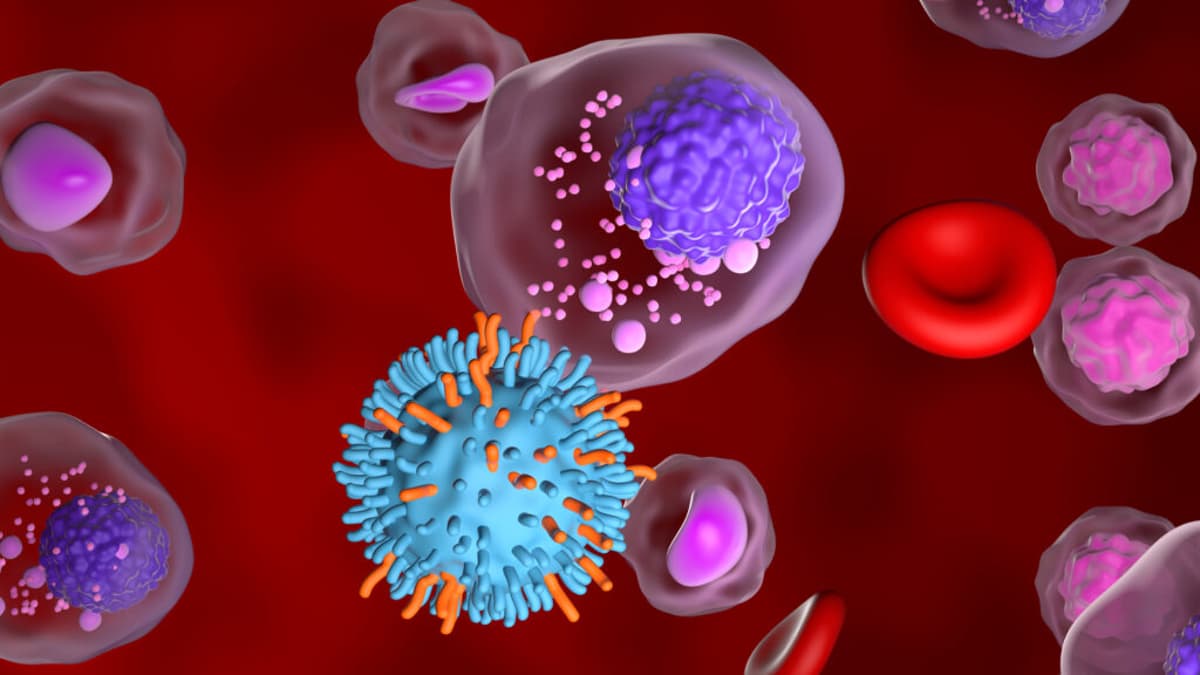
Allogene Therapeutics CEO David Chang to step down
Allogene Therapeutics announced that chief executive David Chang will leave his role. The news was reported by STAT+ and echoed in a follow‑up piece covering broader pharma updates.
Also developing:
By the numbers: Boston Scientific invests $1.5B for 34% stake in MiRus

WCRI Research Shows Uptick in Comp Costs as Workers Lose Medicaid
WCRI’s preliminary study links the 2023 Medicaid work‑requirement policy to a 2‑3% rise in medical payments per workers‑comp claim, especially for lower‑wage, male employees in construction, manufacturing and leisure. About 12% of the labor force lost Medicaid coverage, prompting higher hospital spending and a modest increase in prescription use. Lost‑time claims saw the steepest cost jumps, with construction claims up 10.1% and manufacturing up 6.1%. The research warns that small percentage shifts can translate into sizable dollar impacts across the system.

Cleveland Hospital Partners with OneDose for EMS-Specific Medication Safety
OneDose has launched eMACC, an electronic Medication Administration Cross‑Check app tailored for EMS clinicians, in partnership with University Hospitals’ EMS Institute. The tool digitizes cross‑checks, pushes protocol updates instantly, and aims to cut medication errors by more than 40 %. Early...

October 5, 2023: Meeting of the Oncologic Drugs Advisory Committee Meeting Announcement - 10/05/2023
The FDA’s Oncologic Drugs Advisory Committee will meet virtually on October 5, 2023 to evaluate Amgen’s supplemental NDA for LUMAKRAS (sotorasib) in KRAS G12C‑mutated non‑small cell lung cancer. The committee will review data from the confirmatory CodeBreaK 200 trial, which could convert the existing...

ASTP/ONC to Prioritize Interoperability in 2026
The Office of the National Coordinator (ONC) announced that interoperability will be its top priority in 2026, with a series of final rules aimed at strengthening health information exchange. Dr. Thomas Keane, HHS’s assistant secretary for technology policy, detailed the...

Stryker Execs Discuss Mako RPS Launch at AAOS
Stryker unveiled its handheld surgical robot, Mako RPS, at the AAOS meeting, following FDA clearance and its first cases in January. The device is in a limited market release that will run through the first half of the year, with broader...
Upcoming EL-PFDD Meetings
The FDA has posted a public list of disease areas where external organizations have submitted letters of intent for future Externally‑Led Patient‑Focused Drug Development (EL‑PFDD) meetings. Ten topics ranging from infertility to rare neurological disorders are scheduled between March and...

The Oncology Pharmacist Advocacy Toolkit: Real-World Scripts, Hill Day Strategies, and Policy Insights
LeAnne Kennedy highlights a new Oncology Pharmacist Advocacy Toolkit that equips pharmacists with practical scripts, elevator pitches, and virtual Hill Day strategies to influence policy and patient care. She stresses the need for clear communication of the oncology pharmacist role...

AI, VR, and the Training Gap: Why New Healthcare Tech Fails Without Workforce Readiness
Artificial intelligence and virtual reality are poised to transform healthcare education, yet adoption rates remain sluggish. The article argues that the primary barrier is workforce readiness, especially among nurse educators who control training decisions. Without intentional change management, leadership support,...

Leading HIV Researchers Reflect on Breakthroughs, Challenges at CROI 2026
The 2026 Conference on Retroviruses and Opportunistic Infections (CROI) highlighted major HIV research breakthroughs while underscoring persistent funding shortfalls. Experts praised advances in antiretroviral therapy, emerging adjunct treatments, and global advocacy, yet warned that reduced U.S. support could limit access...

Kennedy And Oz Address ‘Addiction Epidemic,’ But Policy Details Are Murky
Health and Human Services Secretary Robert F. Kennedy Jr., alongside CMS chief Mehmet Oz, unveiled the “Action for Progress” initiative, framing the U.S. addiction crisis as a "spiritual malaise" that requires faith‑based treatment alongside medical care. The plan dovetails with...
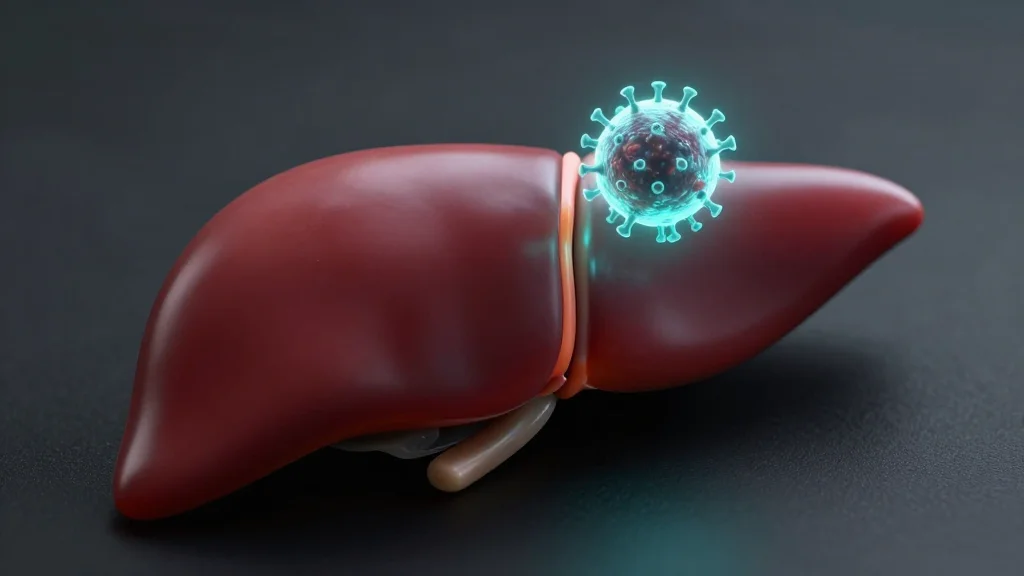
Nanoparticle Vaccine Approach Takes on a New Target: Hepatitis C Virus
Scientists at Scripps Research have engineered a native‑like, stabilized version of the hepatitis C virus E1E2 glycoprotein complex and displayed it on self‑assembling protein nanoparticles (SApNPs). The nanoparticle vaccine candidate elicited strong, virus‑specific antibody responses in animal models. This breakthrough overcomes...

The Right Drug for the Right Resident: 5 Practical Strategies for Long-Term Care Pharmacies to Improve Outcomes
The APEX Live panel outlined five practical strategies for long‑term care (LTC) pharmacies to improve resident outcomes. Structured medication regimen reviews (MRR/MMR) should trigger repeatable recommendation workflows that address high‑risk drugs, functional status, and preventive gaps. Safer therapeutic defaults—beta‑3 agonists...

We Must Close the 'Shocking' Knowledge Gap in Women's Health
Anita Zaidi calls for urgent research to close the knowledge gap in women’s health, highlighting the deadly impact of pregnancy complications like pre‑eclampsia. More than 700 women and 6,500 newborns die daily from these conditions, with the highest toll in...
The CorCMR Trial
The CorCMR Trial, discussed by Colin Berry and C. Michael Gibson, investigates the utility of stress cardiac magnetic resonance (CMR) imaging for patients presenting with angina but no obstructive coronary artery disease (CAD). The study compares stress CMR‑derived perfusion data...

Five Projects Share £100m UK-US Cancer Grand Challenges Fund
Five interdisciplinary teams will receive up to £20 million each from the UK‑US Cancer Grand Challenges, adding £100 million to the programme and raising total investment to £465 million since 2016. The five projects, spanning 34 institutions in nine countries, target unconventional angles...
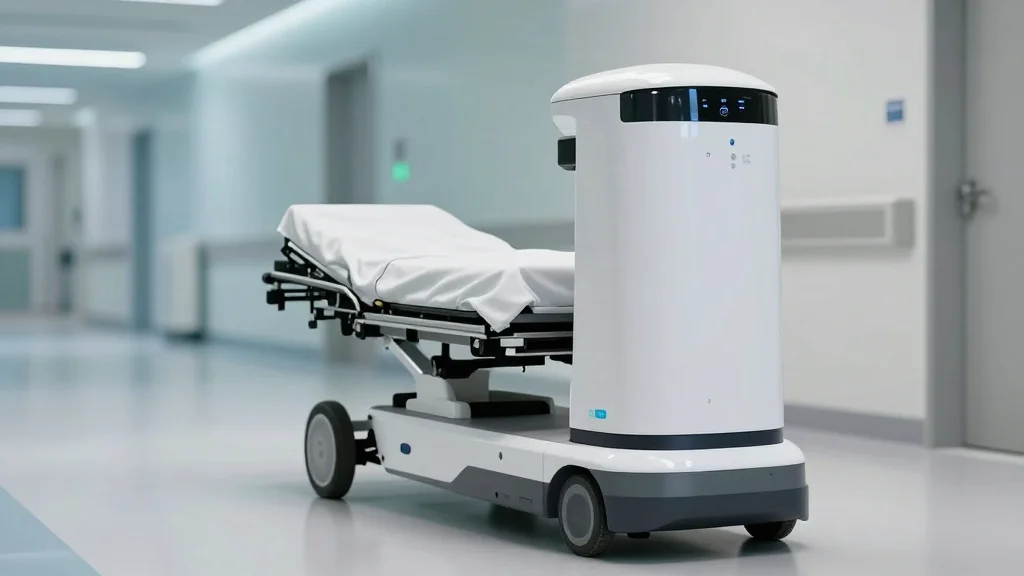
Canada’s Able Innovations Deploys Robotic System That Transfers Patients Between Beds at US Hospital
Able Innovations has installed its ALTA Platform robotic patient‑transfer system at Lahey Hospital & Medical Center, marking the first U.S. deployment of the technology. The system automates lateral moves between beds, imaging tables, stretchers and operating‑room tables, allowing a single...

A Year without USAID: In Kenya, the Shock Reaches Herders and Hospitals
A year after the Trump administration’s stop‑work orders halted U.S. development assistance, Kenya is feeling the loss of roughly $470 million per year that USAID had funneled into its economy, 80 % of it earmarked for health. The abrupt funding gap coincides...

Your Health System Was Not Built for You
A federal research team found that AI diagnostic tools are being applied to patients they were never designed for, often scoring cases before a doctor even enters the room. The study labeled the resulting errors as “catastrophic,” especially for patients...
National Drug Code Format
The FDA issued a final rule establishing a uniform 12‑digit National Drug Code (NDC) format effective March 7, 2033, replacing the current 10‑digit variants. A seven‑year window (2026‑2033) gives manufacturers, distributors, pharmacies and payors time to upgrade systems and labeling, followed by...

10 Hours of Brain Training Cuts Dementia Risk 25%
I spent years teaching neurology residents that once cognitive decline begins, nothing can reverse it. A 20-year NIH trial just proved me wrong. The ACTIVE study — the largest cognitive training RCT ever conducted — found that just 10 hours of "speed...
Video Wednesday
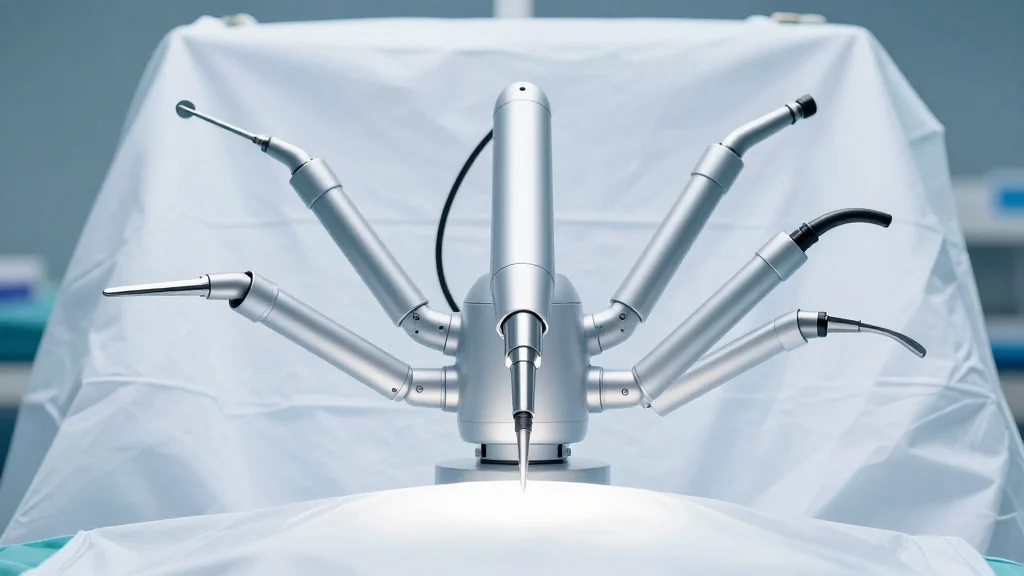
On November 20, 2020, Verb and Johnson & Johnson unveiled OTTAVA, a six‑armed robotic platform designed for minimally invasive procedures. The system combines advanced haptic feedback with AI‑driven motion planning to enhance surgeon precision. Early trials suggest OTTADA can reduce operative time...

UniQure’s Delay, REGENXBIO’s Rejection Explained, Sarepta’s Ingram Steps Down, More
The FDA issued a complete‑response letter to UniQure, requiring a randomized, double‑blind, sham‑surgery Phase 3 trial for its Huntington’s disease gene therapy, and similarly rejected REGENXBIO’s Hunter syndrome candidate over study design flaws. Regulatory experts warned that the agency’s decision‑making appears...

National Alliance: DOE Proposed Rule Would Exacerbate Hospice Workforce Shortages
The U.S. Department of Education has proposed reclassifying post‑baccalaureate nursing degrees as graduate degrees, slashing the borrowing cap for health‑care students from $200,000 to $100,000 and imposing a $20,500 annual aid limit. The rule also narrows the definition of "professional...

Inside CMR Surgical’s Big Pivot Before US Robot Launch
CMR Surgical’s new CEO, Massimiliano Colella, halted the planned U.S. debut of the first‑generation Versius robot, opting to wait for the upgraded Versius Plus platform. The second‑generation system secured FDA clearance for gallbladder‑removal surgery and is slated for a soft launch later...

The Wall Street Chameleon: Big Insurance at an Inflection Point | EP 1
In the debut episode of the Healthcare Uncovered Show, hosts Joe Rettino and veteran health‑policy insider Wendell Potter discuss the rapid rise of giant insurance conglomerates like UnitedHealth, CVS/Aetna, and Cigna, describing them as Wall Street‑driven "chameleons" that have taken...

Theolytics Awarded €8 Million Horizon Europe Grant to Fund Ovarian Cancer Study
Theolytics, an Oxford‑based biotech, secured an €8 million non‑dilutive Horizon Europe grant to fund its phase 2 OCTOPOD‑IV expansion trial of THEO‑260, a novel oncolytic therapy for advanced ovarian cancer. The grant, awarded after a rigorous review, will finance the phase 2a portion...

2025 Non-US Novel Large Molecule Drug Approvals
In 2025, Europe’s EMA, China’s NMPA, and Japan’s PMDA each granted first‑time approvals for novel large‑molecule therapeutics. Oncology accounted for the largest share of these approvals, while endocrinology—driven largely by GLP‑1‑based agents—was the second biggest category. The approvals span a...

WNBAs Erica Wheeler Lost Mom To Cervical Cancer, Urges More Screening
WNBA point guard Erica Wheeler, whose mother died of cervical cancer, has joined Hologic’s “Ultimate Defense” campaign to promote screening, especially among women of color. The campaign highlights that routine Pap and HPV testing have cut U.S. cervical cancer mortality...

VitalHub UK and CEMBooks Announce Partnership
VitalHub UK and CEMBooks have formed a partnership to deliver complementary digital tools for NHS operational insight and situational awareness. The collaboration combines VitalHub’s SHREWD system‑level platform with CEMBooks’ department‑focused management suite, allowing structured local capture alongside system‑wide oversight. Both...

Inside the Race to Thwart the Dramatic Rise in Early-Onset Colorectal Cancer
Early‑onset colorectal cancer now accounts for about 13% of U.S. cases, with roughly 20,000 new diagnoses each year in patients under 50. The disease is more aggressive, often presenting at later stages because routine screening starts at age 45. Researchers...

Private Equity Isn’t The Real Issue In Healthcare. Competition Is
Private equity’s expansion into health‑care has sparked a policy debate, but dentistry reveals a more nuanced picture. A recent study with the American Dental Association found that PE‑owned dental practices did not secure higher negotiated insurer rates. Instead, they raised...

The Blanket Sign: Recognizing Difficult Patient Encounters in the ER
In a candid ER column, Dr. George Issa describes the “Blanket Sign”—the tendency of adult patients who bring personal blankets to exhibit psychiatric or drug‑seeking behavior. He recounts a 42‑year‑old woman with chronic abdominal pain, opioid history, and a barrage...

Which Is The Best AI For Medical Questions? Here’s The Winner
A Stanford‑Harvard NOHARM study evaluated 31 AI systems on 100 real‑world physician consult cases, finding that AMBOSS LiSA 1.0 topped the leaderboard with a 62.3% match to expert‑approved actions. While the leading models outperformed board‑certified internists by over 15 points, all AIs...

Aspire Biopharma and Microsize Collaborate for Alprazolam Powder Formulation
Aspire Biopharma has teamed with particle‑engineering specialist Microsize to develop a sublingual powder formulation of alprazolam, aiming for faster anxiety relief than traditional tablets. The partnership leverages Microsize’s micronisation expertise and Pace’s excipient compatibility and stability services to accelerate development....

How Loneliness Hurts Your Health
The episode explores the health dangers of loneliness, citing research that shows people with few close friends face a 25% higher mortality rate over eight years. It references longitudinal studies from Harvard, China, and Sweden, and highlights the Surgeon General’s...

FDA's History with Complex Plants
The FDA issued its first botanical drug guidance in 2004 and updated it in 2016, yet only four complex plant‑derived drugs have been approved to date. Ajna Biosciences, led by Joel Stanley, has secured clearance to begin a Phase 2 trial...

AI Flags Alzheimer’s Risk Two Years Before Diagnosis
Earlier diagnosis can change the trajectory of Alzheimer’s. Yet thousands of people in the UK still live with dementia for years before receiving a formal diagnosis. The signals are often already present in clinical records, they are simply fragmented across...

UnitedHealth Slashes Disclosed Subsidiaries, Undermining Transparency Claims
Last year, UnitedHealth Group disclosed 3,100 subsidiaries. This year? Just 10. The health care giant is paring back transparency right as its executives say they are embracing it. https://t.co/Wp1TYSUKTa

Vocxi Health and Forj Medical Partner to Miniaturise MyBreathPrint Device
Vocxi Health has teamed with Forj Medical to shrink its MyBreathPrint breath‑analysis system from a tabletop prototype to a handheld device the size of a deck of cards. The platform leverages graphene‑based nano sensors and AI‑driven algorithms to detect disease‑linked...
Batch Effects Misclassified 162 Patients, Causing Unnecessary Chemo
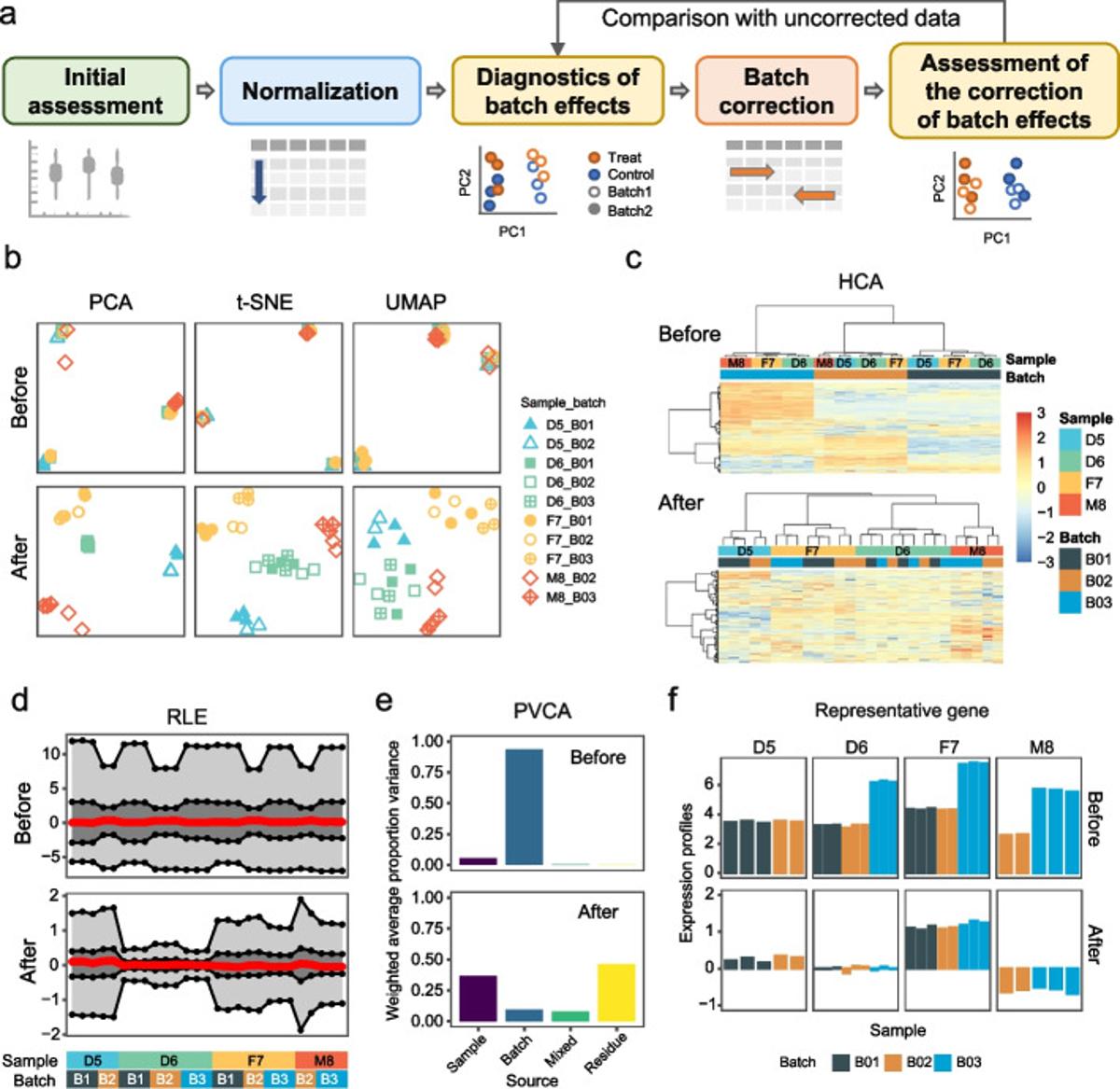
Batch effects once caused 162 patients to be misclassified. 28 of them received incorrect or unnecessary chemotherapy. The culprit? Contaminated RNA extraction that introduced technical artifacts into the data. https://t.co/WBBFKgvzVC

CognomIQ Launches Semantic Data OS for Healthcare AI
Healthcare AI ≠ just LLMs. CognomIQ unveils a semantic data operating system at ViVE 2026. One platform. End-to-end. From #ViVE2026 👇 https://t.co/HatKWPoOWo

Medtronic, GE HealthCare Expand Patient Monitoring Alliance
Medtronic and GE HealthCare have broadened a multi‑year partnership to embed Medtronic’s pulse oximetry, brain monitoring, capnography and regional oximetry technologies across GE’s bedside, telemetry and ambulatory monitoring platforms. The agreement accelerates integration of next‑generation Nellcor pulse oximetry and BIS...
Future Cancer Blood Tests May Accurately Screen High‑Risk Groups
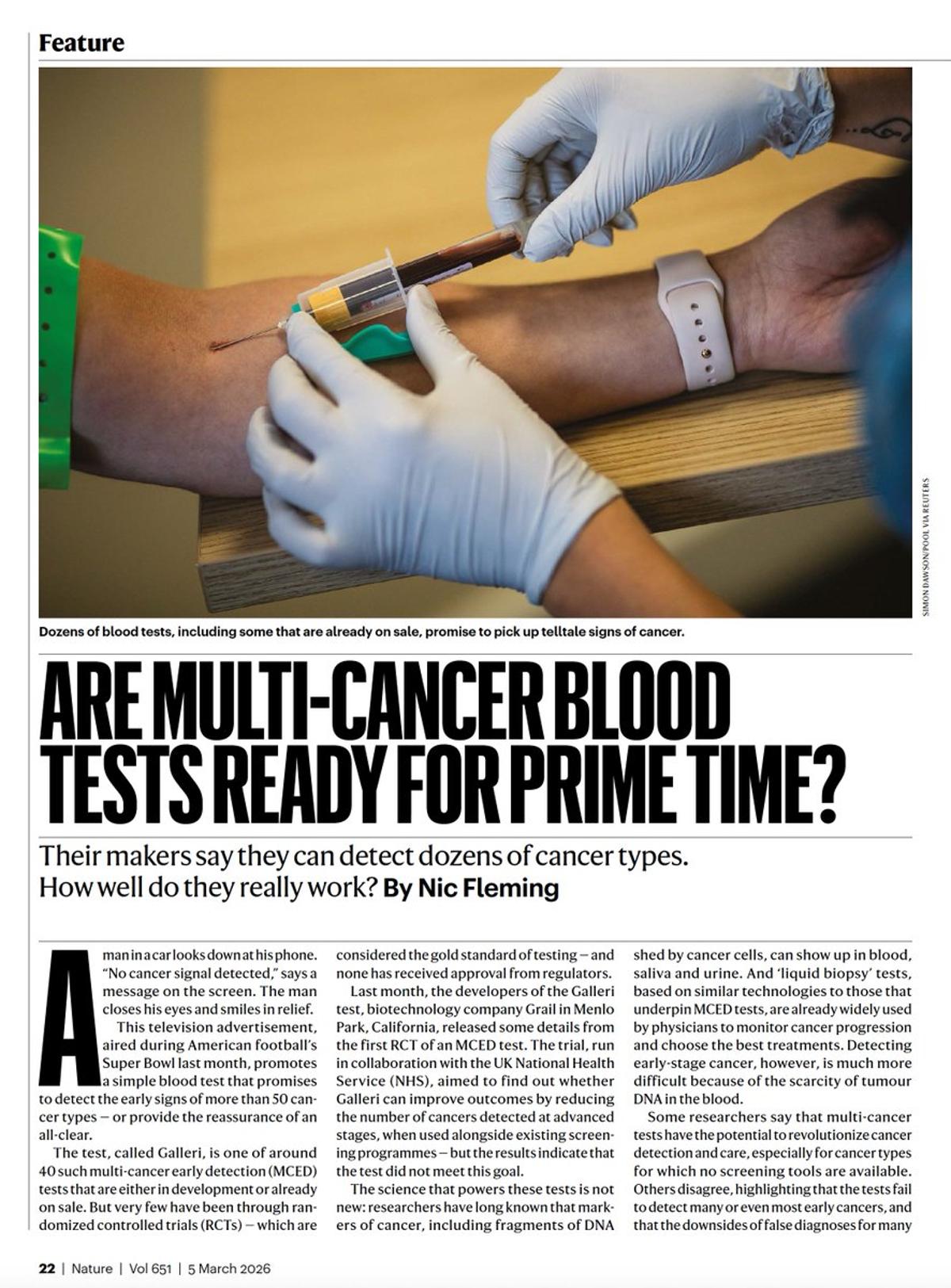
Cancer blood tests for screening? Not the way they've been studied to date (age 50+) A new feature @Nature “I’m confident we’re going to see more accurate tests going forward. In high-risk groups, such as those with a genetic predisposition,...
Extracellular Vesicles: The Next Frontier in Regenerative Medicine and Drug Delivery?
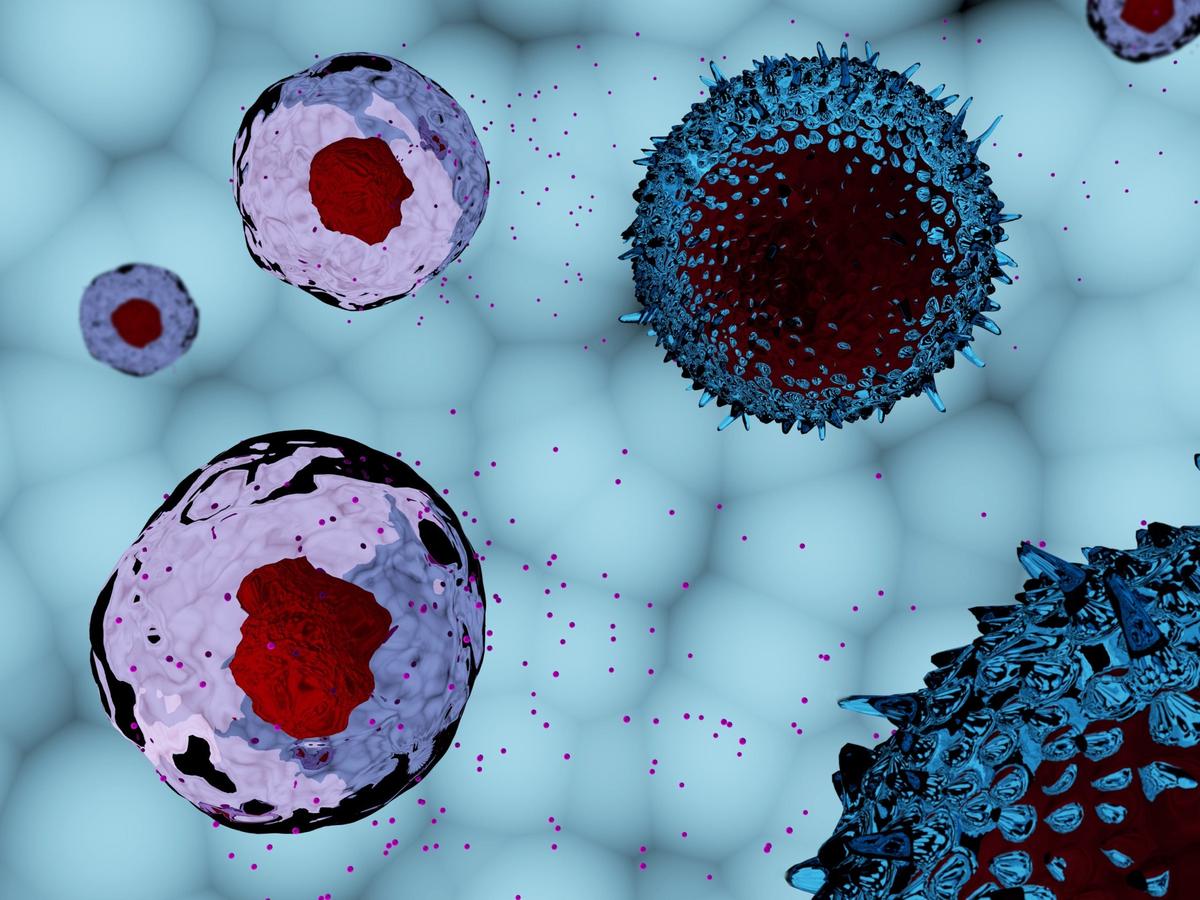
Extracellular vesicles (EVs) are emerging as a versatile platform for regenerative medicine and targeted drug delivery. Researchers highlight their ability to transfer proteins, RNA, and lipids between cells, mimicking natural signaling pathways. Recent advances in isolation, engineering, and loading techniques...

UK Puts £50m Behind Expanded Clinical Trials Drive
The UK government announced nearly £48 million in equipment funding to accelerate commercial clinical trials across the NHS. The money will equip 51 NHS trusts and 79 primary‑care organisations with diagnostic tools, scanners and mobile research vans, with 60 % directed to...

ETH Zurich-Led Study Produces Functional 3D Printed Ear Cartilage, Paving Way for Clinical Reconstruction
Researchers from ETH Zurich, the Friedrich Miescher Institute and the Cantonal Hospital of Lucerne have 3D‑printed elastic ear cartilage that closely replicates natural tissue mechanics. Using patient‑derived cartilage cells embedded in a bio‑ink, they produced ear‑shaped constructs that retained shape...

The Future of Digital Care: The Trends We’re Likely to See in Health Technology in 2026
The UK health‑care sector is rapidly replacing analogue telecare with cloud‑based, data‑driven platforms. In 2026, digital governance, AI‑powered predictive analytics and real‑time monitoring will become core to care delivery. Providers adopting these tools can spot early signs of decline, allocate...

Harrison.ai Continues to Grow Open Platform Ecosystem, Welcomes Four New AI Partners
Harrison.ai announced that four AI companies—AIRAmed, Koios Medical, Lunit and Nanox AI—are joining its Open Platform, expanding the catalog of imaging solutions across X‑ray, CT, MRI, mammography and ultrasound. The platform maintains a vendor‑neutral, zero‑mark‑up model, allowing healthcare organizations to...

Navigating Uncertainty and Building Resilient Supply Chains: The Case for US-Based CDMO Partnerships
Pharmaceutical firms are accelerating onshoring efforts, with more than $270 billion pledged for U.S. manufacturing since early 2025 and 80% of global producers weighing domestic or near‑shore options. Legislative moves such as the BIOSECURE Act and incentives like BARDA Project NextGen are...

Sequana Medical Reports Strong U.S. Progress of Alfapump System
Sequana Medical reported that five leading U.S. hospitals have implanted its alfapump System since its Q4 2025 launch, including Mount Sinai, University of Pennsylvania, Dartmouth Hitchcock, and University Medical Center of Southern Nevada. The company is actively pursuing approvals to expand...