
‘Magic Mushroom’ Derivative Could Heal without Hallucinations, Sparking Hope for New Therapies
Scientists at the University of Padova synthesized fluorinated psilocin derivatives, identifying compound 4e as a lead that retains serotonergic activity while markedly reducing hallucinogenic effects in mice. In vitro assays showed 4e is a selective partial agonist at 5‑HT2A and 5‑HT2C receptors, and pharmacokinetic studies demonstrated rapid oral absorption and brain entry. Behavioral testing revealed a muted head‑twitch response compared with psilocybin, suggesting lower psychedelic potency. The work proposes a pathway to develop non‑psychoactive psychedelic medicines for neuropsychiatric disorders.

Heru Showcases PretestPro™ for the Heru VR-Powered Diagnostic Headset at Vision Expo
Heru unveiled PretestPro™ at Vision Expo, a VR‑powered diagnostic headset that completes four essential eye‑pre‑tests in under two minutes. The wearable platform merges visual field, near cover test, extraocular motility and quantitative pupillometry into a single, AI‑guided workflow, replacing multiple...

Alkermes Announces Inaugural Alkermes Pathways APN Research Awards™ Program
Alkermes plc announced the inaugural Alkermes Pathways APN Research Awards™, a competitive grant program offering up to $10,000 per project to licensed psychiatric‑mental health nurse practitioners researching schizophrenia or bipolar I disorder. The application window runs from March 16 to...
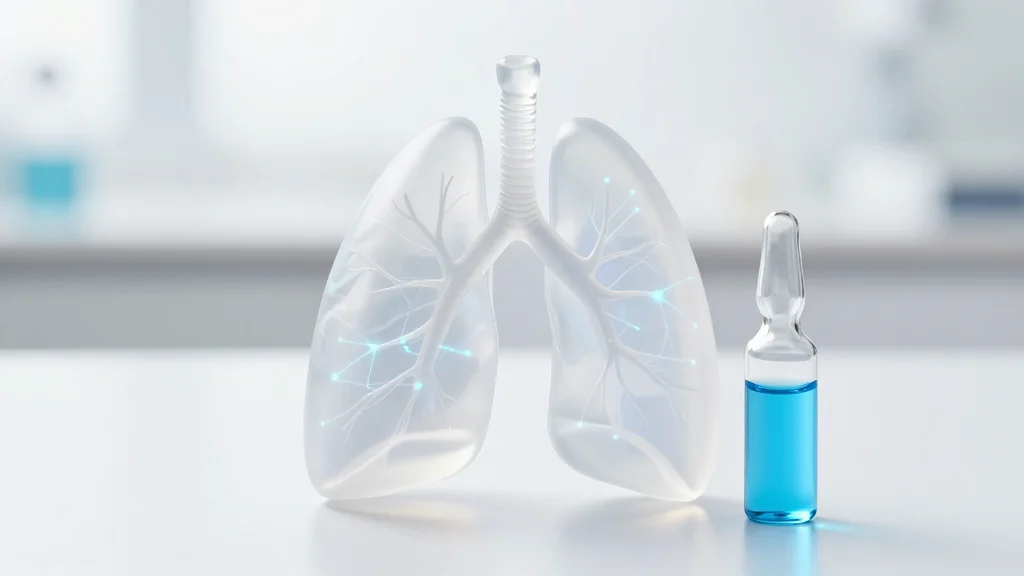
Baseimmune Announces Strategic Expansion Into Fibrosis with Lead Program Targeting Idiopathic Pulmonary Fibrosis (IPF)
Baseimmune announced a new fibrosis‑focused pipeline leveraging its computational protein design platform to create multi‑pathway immunotherapies, starting with idiopathic pulmonary fibrosis (IPF). The company aims to deliver proof‑of‑concept efficacy data for its lead IPF program in 2026‑2027, addressing the limitations...

I Lost 218 Pounds and My Ability to Walk: A Bariatric Surgery Regret
Stephanie Mojica lost 218 pounds after a duodenal‑switch bariatric surgery performed in Mexico, but severe post‑operative dehydration and nutrient deficiencies left her with permanent mobility loss and vision problems. She now relies on a walker and wheelchair, despite having shed the weight...

NHS England Image Reading Design Sprint: Two Weeks Inside Breast Screening Reporting
dxw conducted a two‑week design sprint with NHS England to overhaul reporting for breast‑screening image readers. The team mapped the end‑to‑end workflow, built a unified data model, and defined key performance indicators for readers, unit directors, and the Screening Quality...

Industry Investment Is Reshaping US Research: Roche’s Expansion at Harvard and the Additive Manufacturing in Pharma
Roche announced a three‑fold expansion of its footprint at Harvard University’s Enterprise Research Campus, increasing space from 30,000 to 100,000 square feet. The move is part of a broader $50 billion U.S. R&D investment plan that aims to add more than...

Hospitals Still Miss Half of Patient Harm Events — And the Reasons Why Should Trouble Us
The HHS Office of Inspector General’s July 2025 report found that hospitals failed to capture 49% of patient‑harm events among Medicare inpatients, a modest improvement from the 86% miss rate reported in 2012. Staff most often dismissed events as expected complications...

UnitedHealth at Barclays: Pricing for a New Baseline
UnitedHealth used its Barclays Healthcare Forum to lay out a cautious 2026 outlook anchored by a 10% Medicare cost trend and modest Medicaid rate gains, while flagging that 2027 should see the payoff from AI‑driven efficiency and OptumHealth margin recovery....

Night Shift Health Tips: How to Protect Your Circadian Rhythm
Night‑shift physicians experience circadian misalignment that raises fatigue, metabolic and cardiovascular risk. Dr. Oraedu presents evidence‑based tactics—steady sleep windows, strategic light exposure, timed nutrition, caffeine timing, brief exercise, health monitoring, and wind‑down rituals—to counteract these effects. Applying these habits can...

Generic GLP-1s Are Coming, but Americans Don’t Want to Wait
GLP‑1 drugs such as semaglutide have surged from diabetes treatment to a mass‑market weight‑loss solution, with roughly 12.4% of Americans now using them. Global sales are projected to climb from $50‑60 billion today to over $135 billion within a decade, driven largely...

Pharma Pulse: FDA Launches AEMS and the Rise of Direct-to-Employer Drug Purchasing
The FDA unveiled the Adverse Event Monitoring System (AEMS), a unified platform that shifts drug safety surveillance from quarterly updates to real‑time reporting and is expected to save roughly $120 million over five years. Simultaneously, a direct‑to‑employer drug‑purchasing model is gaining...

Rethinking Endocrine Therapy in ER-Positive Breast Cancer
Dr. Steven Quay, CEO of Atossa Therapeutics, highlighted a new focus on tolerability and prevention in estrogen‑receptor‑positive breast cancer, where five‑year survival now exceeds 90%. Atossa is developing a next‑generation SERM that aims to reduce side‑effects while maintaining efficacy and...
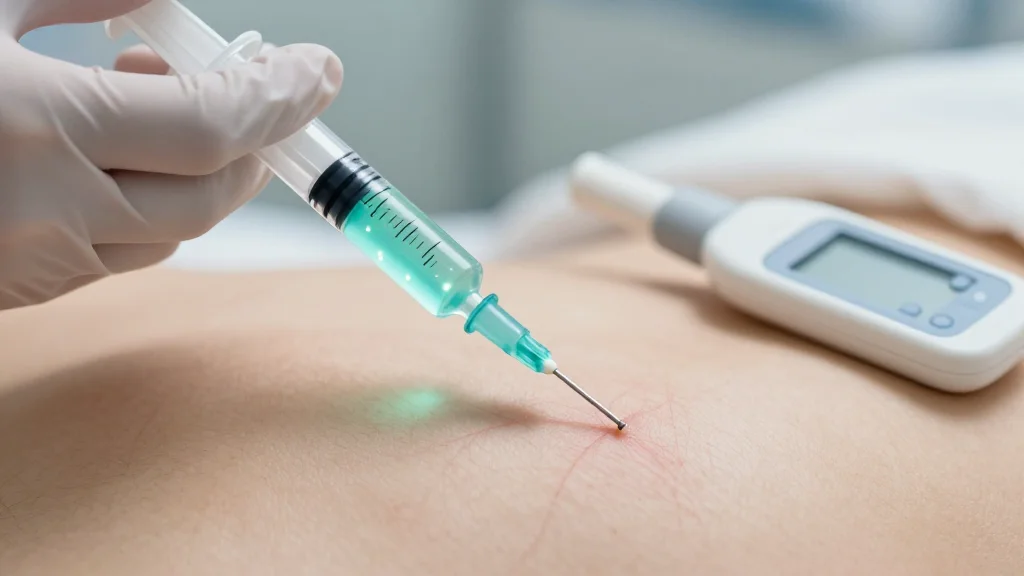
Injectable Mini-Livers as an Alternative to Liver Regeneration
Researchers have introduced INSITE, an injectable platform that combines primary human hepatocytes with hydrogel microspheres to form self‑assembling, vascularizable tissue ensembles in situ. Using ultrasound guidance, the scaffold is delivered to an ectopic site where it integrates with host vasculature...

Canada’s ‘SAME-DAY’ Euthanasia: Inside the Rapid Expansion of MAiD
Canada’s Medical Assistance in Dying (MAiD) program recorded over 16,500 deaths in 2024, with a growing number of same‑day euthanasia cases. In Ontario alone, more than 200 individuals were approved and injected within 24 hours in 2023, and a provincial...

Moving CAR-T Beyond Oncology
Researchers are expanding CAR‑T cell therapy beyond cancer to treat autoimmune diseases such as lupus and rheumatoid arthritis. Sail Biomedicine’s chief products and operations officer highlighted on the Pharmaceutical Executive podcast that the company has pivoted to RNA‑based CAR‑T platforms,...

Can Flexible Workspace Work For Healthcare? IWG Is Testing The Model With ‘Humanly’ Launch In The U.K.
International Workplace Group (IWG) has introduced Humanly, a flexible workspace concept tailored for healthcare and wellbeing practitioners in the United Kingdom. The inaugural 7,700‑sq‑ft site at Dockside Chatham Maritime offers private consultation suites, treatment rooms and gym studios on short‑term,...

The Trump Drug Deal Threatens the Very Purpose of the NHS
The UK government has negotiated a UK‑US pharmaceutical trade deal that raises NICE’s cost‑effectiveness threshold from £20‑30k to £25‑35k per QALY. The higher threshold will deem more expensive drugs cost‑effective, increasing NHS drug spend while reducing rebate rates from 22.9%...

How UK Can Adopt Digital-First Community Care to Provide Equitable Healthcare
The UK National Health Service faces widening health inequities driven by ageing demographics, workforce shortages, and funding gaps, especially in deprived regions. A digital‑first community care model—leveraging remote patient monitoring, telehealth, AI‑driven personalization, and integrated data analytics—offers a pathway to...

FDA Signals Potential Updates to SUPAC Guidances—Comments Due June 1, 2026
The FDA has opened a public docket to solicit comments on its long‑standing Scale‑Up and Post‑Approval Changes (SUPAC) guidances for immediate‑release solid oral, non‑sterile semisolid, modified‑release solid oral dosage forms and the manufacturing equipment addendum. The agency seeks feedback on...

The HIMSS Conference Nobody Actually Attended
The HIMSS conference, a cornerstone for health‑tech networking, is increasingly viewed as an inefficient sales funnel. In 2024, roughly 28,000 attendees generated only about 40 qualified conversations per exhibitor, costing $800‑$2,000 per meaningful lead. Advances in large language models and...

What Are Residential Mental Health Treatment Programs and How Do They Work?
Residential mental health treatment programs provide a 24‑hour, structured environment for individuals with moderate to severe mental health conditions who need more intensive care than outpatient therapy offers. Participants live on‑site for weeks to months, engaging in daily individual and...

Health Care Market Distortion: How Government Intrusion Hurts Medicine
Allan Dobzyniak argues that government‑driven monopsony and bureaucratic mandates have turned physicians into employees, eroding free‑market incentives in U.S. health care. He contends that centralized management and DEI‑focused professionalism distort clinical decision‑making and stifle innovation. The piece calls for a...

Governing Real-World Health Data as a Public Utility
The article proposes governing real‑world health data as a public utility, using federated, standards‑based, community‑driven models to overcome fragmentation, proprietary control, and weak oversight. It cites ARPA‑H’s interest in economic models and highlights existing distributed networks and research enclaves as...

COVID-19 Vaccine Injury: 3 Underlying Mechanisms Mainstream Medicine Still Misses
A new peer‑reviewed chapter in the IntechOpen volume *Vaccine Development – Lessons Learned and Future Trends* proposes a three‑pronged biological model for post‑acute COVID‑19 vaccination syndrome (PACVS). The authors identify metabolic dysfunction, autoimmunity, and vascular damage as distinct mechanisms driving...

How To Sell $3,000/Mo A.I Systems To Medspas and GLP-1 Clinics in 2026.
The post outlines a $3,000‑per‑month AI automation suite targeting U.S. medspas and rapidly expanding GLP‑1 weight‑loss clinics. It highlights how these practices lose $50‑$100 k annually due to broken front‑desk workflows and missed follow‑ups, and shows that AI‑driven lead response, patient...

Michael Dalton, Ovatient
Ovatient, led by CEO Michael Dalton, is a telehealth platform built directly on Epic’s electronic health record system. The service originates from health‑system partnerships such as the Medical University of South Carolina and Metro Health in Cleveland. By embedding in...
The Dangers of Vertical Integration in Health Care
U.S. health‑care is increasingly dominated by vertically integrated firms that own insurers, pharmacy benefit managers, drug distributors and provider networks, concentrating pricing power across the supply chain. The article highlights UnitedHealth’s Optum ecosystem and notes that other insurers such as...

Cost-Effective Mental Health: Is AI the Answer to the Therapy Affordability Crisis?
The United States faces a mental‑health affordability crisis, with typical therapy sessions costing $100‑$200 and annual expenses often exceeding 10% of a median household’s income. Patients encounter long waitlists, insurance hurdles, and time constraints that limit access to care. AI‑driven...

From Questions to Institutionalisation – How to Embed Women’s Health Priorities in EU Research and Policy
The Governance Lab and CEPS used the 100 Questions Initiative to move EU women’s‑health research from priority‑setting to implementation. They propose institutionalising question‑driven research, creating a public catalogue of women’s‑health questions, and framing the field as a competitiveness priority. Embedding...

Healthcare Organizations Are Using AI to Solve Real Problems
Dr. Ryan Ries outlines several AI deployments that are delivering tangible results in healthcare. At BreakAway Games, an Amazon Bedrock‑based virtual patient platform mimics real‑world patient variability, providing 24/7 training for nursing students and reducing reliance on standardized actors. Paynela’s...

From Insights to Impact: Rare Disease Therapies with UCB’s Dr. Kim Moran — Episode 246
UCB’s Senior Vice President Dr. Kim Moran discusses the company’s rare disease pipeline, including therapies for mitochondrial TK2 deficiency, on Xtalks Life Science Podcast episode 246. Moran, who pioneered UCB’s Insights‑to‑Impact function, explains how patient‑derived data informs strategy, digital transformation,...

Seven Ways to Skin KRAS: Emerging Approaches to Watch Out For
The article surveys seven early‑stage programmes tackling KRAS, each proposing a distinct therapeutic angle. While many firms still chase the classic model of deeper, longer, or more selective pathway blockade, these initiatives span elegant biochemical tricks to counterintuitive concepts that...

Brainomix Deploys AI Imaging Platform Across West Virginia University Health System Network
Brainomix has rolled out its AI imaging platform, Brainomix 360 Stroke, to all 25 sites in the West Virginia University Health System. The tool provides real‑time, automated analysis of stroke scans, helping clinicians decide on treatment and transfer. The deployment aims to...

Consultation on CE-Marked Medical Devices ‘Could Mark Major Boost to Both Patients and MedTech Growth Aims’
The UK Medicines and Healthcare products Regulatory Agency (MHRA) has launched a consultation on granting indefinite recognition to CE‑marked medical devices in Great Britain. Around 90% of devices used in the UK already carry CE marks, and the proposals aim...

MiniMed Expands Sensor Portfolio in Europe with CE Mark for MiniMed 780G
MiniMed Group, Inc. received CE Mark approval for its MiniMed 780G automated insulin delivery system to be used with Abbott's Instinct continuous glucose monitor, adding a 15‑day wear sensor to the existing 7‑day options (Guardian 4 and Simplera Sync). The Instinct sensor is...
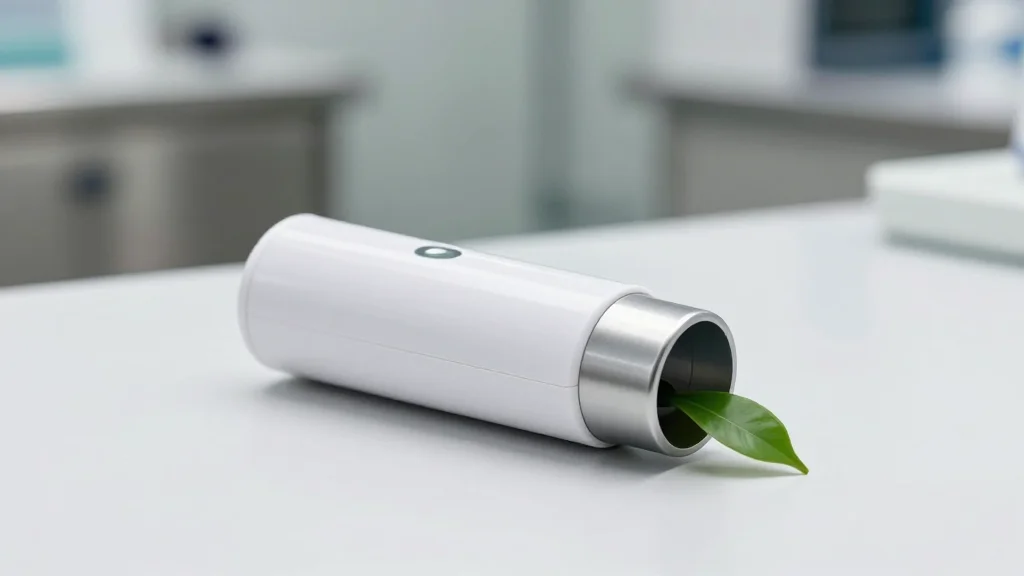
Chiesi and Bespak Partner to Advance Carbon Minimal Inhaler Production With UK Manufacturing Site
Chiesi Group and inhalation CDMO Bespak have expanded their long‑standing partnership by increasing pressurized metered‑dose inhaler (pMDI) manufacturing capacity at Bespak’s Holmes Chapel, UK site. The move supports Chiesi’s Carbon Minimal Inhaler (CMI) program, which targets up to a 90 %...

An Unimpressive Reiki Study
Steven Novella critiques a recent U.S. randomized trial that examined Reiki, placebo Reiki (feiki), mindfulness, and a waitlist for chronic knee osteoarthritis. The study found Reiki reduced symptoms compared to waitlist but not versus feiki, rendering the primary outcome statistically...

Gene Therapy for Duchenne Muscular Dystrophy: Genethon Confirms Two-Year Efficacy in Patients Treated with Its Drug Candidate GNT0004 at Therapeutic...
Genethon presented two‑year data from its dose‑escalation phase showing that GNT0004, administered at 3 × 10¹³ vg/kg, produced sustained functional gains and biomarker improvements in ambulatory DMD boys. Motor scores rose 9 points on the NSAA, the 6‑minute walk distance improved by...

Cera’s 300 Billion Data Points to Accelerate Global Medical Research and Healthcare AI
Cera, Europe’s leading digital‑first home‑healthcare provider, announced it has surpassed 300 billion data points collected from more than 2.5 million patient visits each month. The dataset records symptoms, mobility changes, medication responses, nutrition, mood and behavioural signals, creating one of the world’s...

The Evolution of Shared Care Records: From Documents to Conversations
Shared Care Records (SCRs) have progressed from simple document‑exchange portals to intelligent, conversational platforms that actively assist clinicians and patients. The first generation provided read‑only visibility, while the second introduced structured, longitudinal data enabling real‑time contributions. A third phase turned...

Dr Haus Dermatology Launches New Consultant-Led Weight Management Service
Dr Haus Dermatology has introduced a consultant‑led medical weight‑management service, headed by endocrinologist Dr Edson Nogueira. Initial consultations occur in person at its Harley Street clinic, with optional video follow‑ups and home delivery of prescribed treatments. The integrated pathway combines...

Navigating the Patchwork of CME Requirements by State
Physicians practicing across state lines face a fragmented landscape of continuing medical education (CME) mandates, with requirements ranging from zero hours in Montana to 200 hours in Washington over four years. License renewal deadlines also differ widely, tied to birthdays,...

Eurofins Biomnis Launches New Clinical LC‑MS/MS Method for the Detection of Cereulide Toxin in Stool Samples
Eurofins Biomnis has developed and validated a new LC‑MS/MS method to detect and quantify cereulide toxin in human stool samples. The assay meets ISO 15189 requirements, accounting for matrix effects, and delivers turnaround times suitable for routine clinical labs. Cereulide, linked...
Pharma Pulse: FDA Approval of Leucovorin Calcium for CFD and Persistent Inequities in OTC Naloxone Access
The FDA granted its first approval for a therapy targeting cerebral folate transport deficiency, an ultra‑rare neurological disorder, with Wellcovorin (leucovorin calcium) showing meaningful neurological improvements in 89% of patients. Meanwhile, over‑the‑counter naloxone prices have slipped by roughly $0.49 each...

Feds Raid Another Somali-Owned Biz Over Tax, Welfare Fraud Scheme in Lewiston
Homeland Security Investigations raided Bright Future Healthier You, a Somali‑owned behavioral health firm in Lewiston, after a federal probe uncovered a multi‑million‑dollar Medicaid interpreter fraud and tax scheme. The company billed MaineCare for interpretation services, receiving about $15.58 million between 2019...

Awards to Celebrate Healthcare AI Innovators
Health Tech World Awards 2026 will honor innovators across life sciences, medtech, and digital health, with a dedicated AI Innovation award recognizing breakthroughs that improve diagnosis, treatment, and research. Sponsored by international law firm Osborne Clarke, the award highlights AI applications...
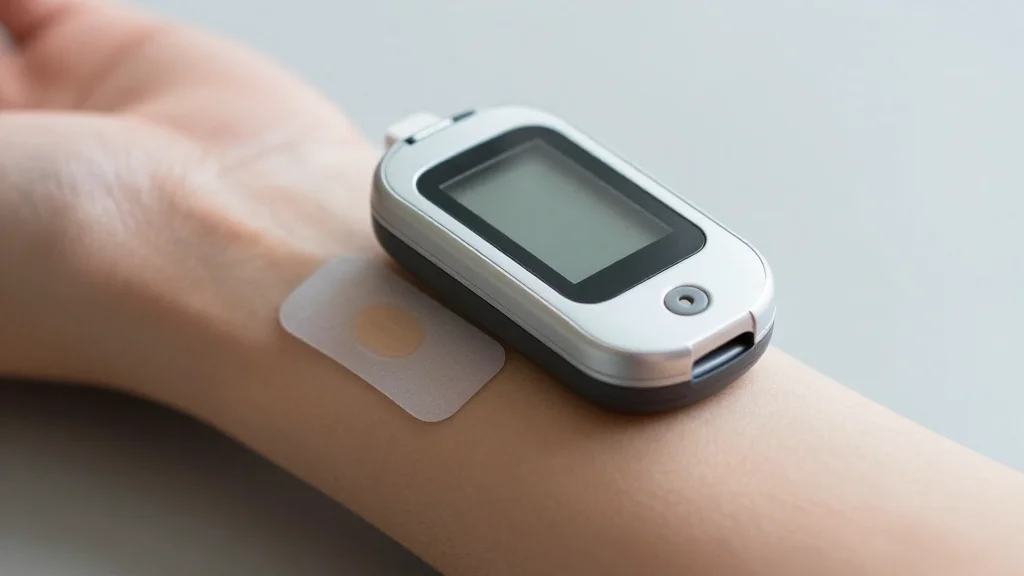
Dexcom Showcases Breakthrough Outcomes for People With Type 2 Diabetes and Product Roadmap at ATTD 2026
DexCom will unveil new real‑world evidence at ATTD 2026 showing its CGM improves HbA1c in non‑insulin‑treated Type 2 patients, reduces DKA‑related hospitalizations in Type 1 patients, and supports a safe Smart Basal insulin‑optimization system. The company also detailed a product roadmap featuring...

Out-Of-Pocket’s 2025 Predictions | Out-Of-Pocket
Out‑Of‑Pocket’s 2025 outlook forecasts a turning point for several health‑care segments. Obesity drugs such as GLP‑1s are expected to become cost‑effective as pricing pressure and outcomes‑based contracts expand access. AI models will split, with healthcare‑specific versions emphasizing explainability, security and...

23andMe, a Healthcare Fund Idea, and the NHS | Out-Of-Pocket
Digital‑health founders struggle with traditional venture financing, prompting a proposed three‑stage fund that blends early equity with royalty‑based repayment to limit dilution. The author suggests 23andMe should merge with or create a biobank to leverage its high‑participation genetic data for...