
Key Factors Contributing to Uncertainty in Moderna's mRNA Vaccine Review
The FDA initially refused to review Moderna’s mRNA‑based flu vaccine, prompting surprise among industry observers. After a White House meeting, the agency reversed course and granted Moderna a Type A meeting, effectively resetting the review process. Lanton notes this regulatory flip‑flop underscores lingering skepticism toward mRNA platforms beyond COVID‑19. The episode raises questions about the stability of the U.S. approval pathway for future mRNA therapies.

ENHERTU® Granted Priority Review in the U.S. as Post-Neoadjuvant Treatment for Patients with HER2 Positive Early Breast Cancer
Daiichi Sankyo and AstraZeneca have received FDA priority review for ENHERTU® as a post‑neoadjuvant therapy in HER2‑positive early breast cancer. The decision follows the DESTINY‑Breast05 phase 3 trial, which showed a 53% reduction in invasive disease‑free survival events versus trastuzumab‑emtansine (T‑DM1). Three‑year...

Scottish Ambulance Service Highlights Reservist Support
The Scottish Ambulance Service (SAS) does not maintain a central record of employees with Armed Forces ties, but it runs a voluntary internal network for veterans, reservists, and their families. Between 2022 and 2025, 166 staff members logged 12,976.5 hours...

An Rx for Loneliness
Charlotte’s Bechtler Museum of Modern Art, partnered with Novant Health, launched the Charlotte Art on Prescription pilot, providing free year‑long access to museums, ballet, theater, and pottery classes for socially isolated residents. Participants are referred by Novant’s 68 behavioral‑health specialists...

Don’t Miss Your Essential Update on Health Tech’s Progress
The March edition of Health Tech Tracker has been released, offering a concise monthly snapshot of the health‑tech ecosystem. It aggregates recent deals, emerging trends, regulatory challenges, and market opportunities observed over the past 30 days. The report also features...

Green Additive Manufacturing For Circular Medical Devices
Researchers propose a comprehensive green additive manufacturing (AM) cycle for medical devices, integrating circular‑economy principles into design, material selection, and process control. The roadmap emphasizes digital inventory, on‑site production, and validated reuse pathways while addressing strict sterilization and biocompatibility regulations....

RFK Jr. Is Definitely Coming for Your Vaccines (Part 8): “Massive Epidemic of Vaccine Injury,” ACIP, and a Prominent Oncologist
Robert F. Kennedy Jr., now HHS Secretary, is intensifying his anti‑vaccine campaign by supporting a MAHA Institute roundtable titled “Massive Epidemic of Vaccine Injury.” The event, held in Washington, D.C., features oncologist Dr. Wafik El‑Deiry alongside well‑known antivax activists such...

Why Many Americans Are Discovering a Healthier Life in Italy
Americans are increasingly relocating to Italy, drawn first by the low‑cost, universal health system that eliminates the fear of massive medical bills. Once settled, many discover a healthier lifestyle driven by the Mediterranean diet, walkable neighborhoods, and a slower daily...

Why Hospitals Shouldn’t Own Physician Practices: 6 Key Reasons
Hospital systems have accelerated acquisitions of physician practices, claiming cost savings and better coordination, yet evidence shows the opposite. Ownership reclassifies office visits as hospital outpatient services, adding facility fees that raise patient costs without improving outcomes. It also erodes...

What Happened to Boris Johnson's '40 New NHS Hospitals'?
Former Prime Minister Boris Johnson promised 40 new NHS hospitals by 2030, a flagship pledge of the 2019 Conservative manifesto. The ambition stalled as the COVID‑19 pandemic, successive ministerial reshuffles, and fiscal pressures halted the construction pipeline, leaving none of...

The First Payer Jumped
Clover Health announced it is the first payer to go live on a CMS‑aligned health information exchange network, marking a tangible step toward nationwide interoperability. The rollout enables Medicare Advantage members to retrieve claims and clinical data through FHIR‑based APIs,...

The Pipes Are Finally Moving: Why Clinical Event Streaming Is the Infrastructure Bet Nobody Took Seriously Enough
The healthcare data landscape is finally moving from three‑decades of batch ETL to event‑driven pipelines powered by Kafka, Flink and modern cloud services. Legacy systems were built around billing cycles, leaving clinicians without real‑time data for urgent decisions. Recent API...

Ivermectin & Fenbendazole - Bridging the Gap - Repurposed Drugs in Naturopathic Oncology
Amanda King ND’s recent post highlights the growing interest in repurposing ivermectin and fenbendazole as adjuncts in naturopathic oncology. She outlines pre‑clinical evidence suggesting anti‑cancer properties for both agents and discusses how they fit into an integrative treatment protocol. The...
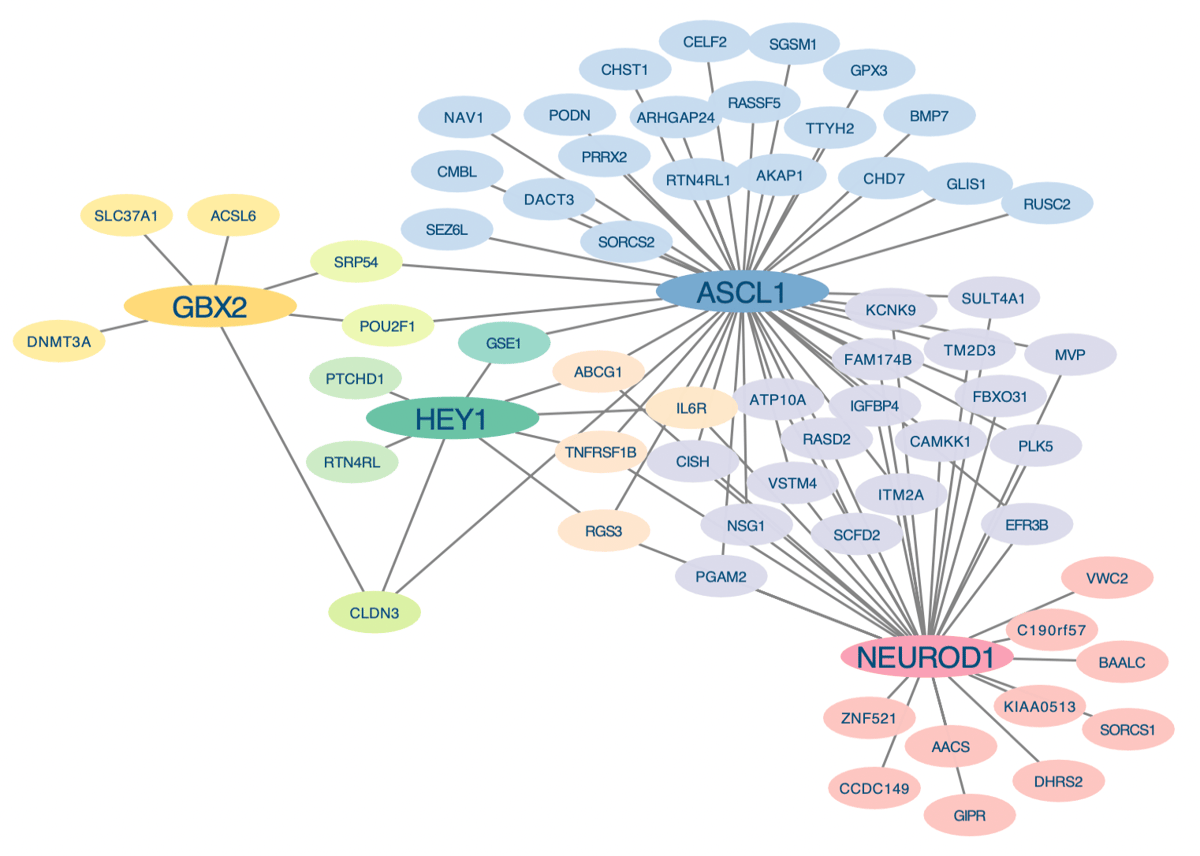
Weekly Reads: Support Brain Tumor Work, Prasad Is Out (Again), Genetic Conditions, Texas AG, Immunotherapy Paper, SCBEM
The newsletter urges donations to support a lab studying lethal childhood glioma, noting NIH grant success rates of only 4‑5%. It reports FDA biologics chief Vinay Prasad’s second departure, a rare leadership turnover that could affect approval stability. Additional highlights...
![Unregulated Botanical Products Pose Hidden Risks in Convenience Stores [PODCAST]](/cdn-cgi/image/width=1200,quality=75,format=auto,fit=cover/https://kevinmd.com/wp-content/uploads/Design-4-scaled.jpg)
Unregulated Botanical Products Pose Hidden Risks in Convenience Stores [PODCAST]
Convenience stores, gas stations and vape shops are flooding the market with unregulated botanical supplements such as kratom, 7‑OH, kava, gummies, shots and powders. Physicians report patients using these products for energy, focus or pain relief, often trusting store clerks...

Artificial Intelligence and the Future of Fetal Heart Rate Monitoring
The article argues that traditional electronic fetal monitoring (EFM) relies on outdated pattern‑recognition, contributing to high C‑section rates without reducing cerebral palsy. It highlights that 35 % of cerebral palsy cases are genetic, underscoring the limits of current monitoring. Advances in...

The Hidden Dangers of AI Voice Assistants in Elder Care
AI voice assistants are increasingly used to combat senior loneliness, but they can create an illusion of care that misleads older adults into believing they are interacting with a compassionate human. The article highlights research linking isolation to mortality comparable...

Bayesian Inferences and Frequentist Evaluations
Researchers Forster, Novelli, and Welch applied four frequentist and two Bayesian sequential designs to the COVID‑disrupted UK DISC clinical trial. All six approaches confirmed the trial’s original finding of treatment superiority but suggested different optimal points for restarting patient recruitment....

Kuva Labs to Acquire Lisata Therapeutics in a $21.38 Million Deal
Kuva Labs Inc. announced a $21.38 million acquisition of Lisata Therapeutics, offering $5 in cash per share plus one contingent value right (CVR) per share. The cash price reflects a 19.62% premium to Lisata’s last closing price. The CVR triggers an...
The Medicare Login Upgrade Nobody’s Talking About: Why Identity Infrastructure Is the Most Underrated Distribution Rail in Health Tech
On March 3 2026, CMS announced that Medicare.gov will accept CLEAR, ID.me and Login.gov as login options, effectively embedding federally‑backed IAL2 identity verification into the nation’s largest payer platform. The move addresses a $5 billion annual fraud problem and signals that verified digital...
![AI Could End the Administrative Nightmare for Doctors [PODCAST]](/cdn-cgi/image/width=1200,quality=75,format=auto,fit=cover/https://kevinmd.com/wp-content/uploads/The-Podcast-by-KevinMD-WideScreen-3000-px-3-scaled.jpg)
AI Could End the Administrative Nightmare for Doctors [PODCAST]
Anthropic’s Claude for health care, a large language model tailored to clinical workflows, can automatically generate prior‑authorization narratives and other documentation by pulling data directly from patient charts. In pilot demonstrations, the tool reduced the time required for insurance paperwork...

Norgine Announces £23 Million Investment to Expand Medicines Manufacturing in Wales
Norgine announced a £23 million injection to expand its Hengoed, Wales, manufacturing site, taking total investment at the location to more than £50 million since 2022. The upgrade will add high‑speed, energy‑efficient production lines and increase warehousing capacity, allowing the company to...
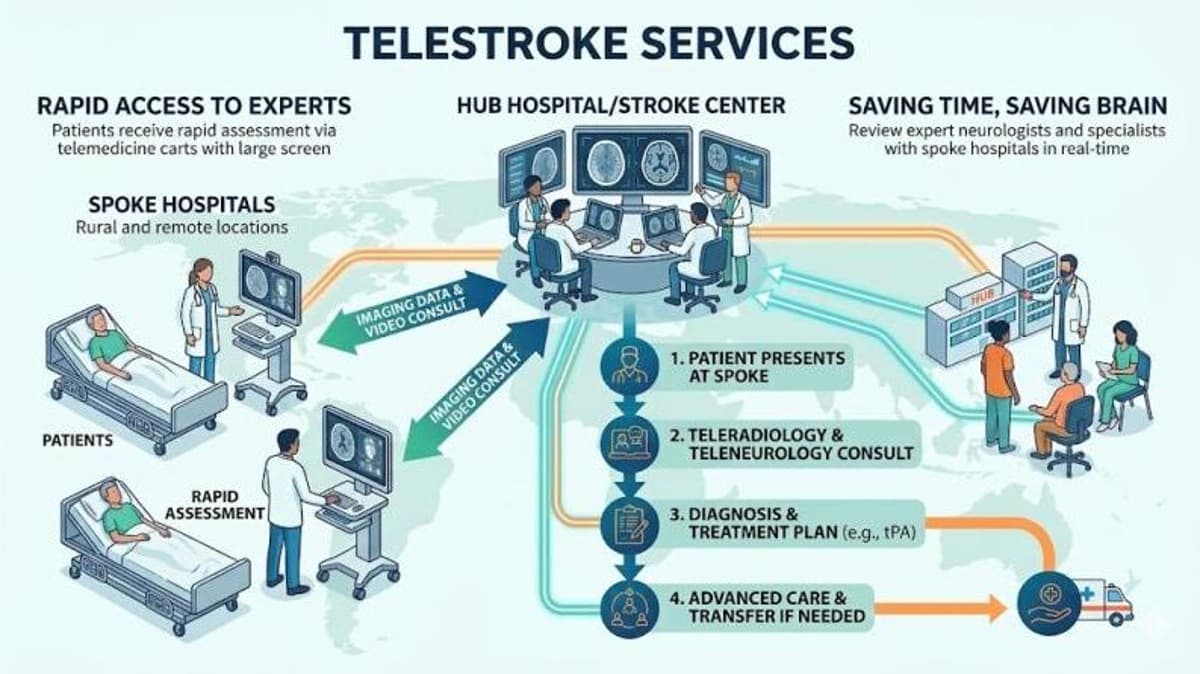
Telestroke Services Market Projected to Reach $7.2 Billion by 2033 as Stroke Rates Rise and Rural Access Gaps Widen
Stroke incidence in the United States is climbing, with an 8% rise overall and a 15% surge among adults under 65, while neurologist wait times exceed three months. These trends create urgent demand for telestroke platforms that connect remote specialists...
The Future of U.S. Medicine: 10 Health Care Trends in 2026
The Doctors Company’s 2026 outlook identifies ten health‑care trends reshaping U.S. medicine, from AI‑driven clinical workflows to a $1 trillion digital‑first migration. It flags mounting malpractice costs, hospital closures and widening access gaps that could push the uninsured rate above 11 percent....

Early Encouraging UC Davis Trial Data on Cell Therapy for Spina Bifida
A first‑in‑human phase 1 trial at UC Davis evaluated placental mesenchymal stem cells delivered intra‑uterinely to fetuses with myelomeningocele. Six pregnancies treated between June 2021 and December 2022 resulted in intact repair sites, no cerebrospinal fluid leaks, infections, or tumor formation, and MRI scans...
Artificial Intelligence in Clinical Care: Shaping the HHS Policy Landscape
The U.S. Department of Health and Human Services (HHS) has opened a public comment period on how regulation, reimbursement, and research policies can speed AI adoption in clinical care. Dr. Ido Zamberg argues that AI’s greatest value lies in improving...

Predictive Staffing in Health Care: Solving the Nurse Burnout Crisis
Hospitals’ traditional staffing models are driving nurse burnout and higher patient mortality, with 8:1 ratios linked to a 31% rise in 30‑day deaths. A meta‑analysis of 85 studies shows burnout correlates with infections, falls, medication errors, and lower patient satisfaction....

Open Source in Healthcare Is An Opportunity | Out-Of-Pocket
The author argues that open‑source software, a proven engine of innovation, is finally ready to disrupt the heavily proprietary healthcare IT landscape. By exposing code, licenses and community governance, open source can break the pay‑wall model that dominates clinical workflows...
Why Your Nonprofit Hospital System Is Spending Millions on Marketing
Jefferson Health reported a $201 million operating loss and cut roughly 650 jobs, then announced a multi‑million‑dollar naming‑rights deal with the Philadelphia Eagles. The move sparked outrage among clinicians who see the branding spend as contradictory to the nonprofit mission. The...

Servier to Acquire Day One Biopharmaceuticals in a $2.5 Billion Cash Deal
France‑based Servier announced a $2.5 billion all‑cash acquisition of U.S. biotech Day One Biopharmaceuticals. The tender offer prices Day One shares at $21.50, a 68.23% premium, equating to 8.34 times the company’s sales. Servier will fund the transaction with existing cash and...
The Dozortsev-Diamond Paradigm: Is Progesterone the True Ovulation Trigger?
A new ovulation model from Dmitri Dozortsev and Michael Diamond argues that a modest rise in progesterone, not estradiol, triggers the LH surge that leads to ovulation. The paradigm links follicle size‑induced cortical disruption to a switch from estradiol to...

Friday Radio Prep
The post notes three breaking headlines: the United States has launched military operations in Ecuador, Senate Republicans have blocked a resolution on Iran war powers, and there are rumors of a potential repo involving CNN. The Ecuador mission is framed...

Republican Budget Threatens Social Security and Medicare Solvency
Republican lawmakers passed a federal budget that slashes Medicare and Medicaid spending by up to $1 trillion over the next decade. The Congressional Budget Office estimates the cuts cut 12 years off Medicare Part A’s projected solvency and will push Social Security’s...
Administrative Workforce Stability: The New Clinical Metric for 2026
In 2025, health‑care providers grappled with chronic administrative staffing shortages that slowed billing, disrupted scheduling, and ate into clinicians' patient time. By 2026, industry leaders are converting workforce stability into a formal clinical metric, tracking turnover, fill‑time and continuity for...

From Approval to Access: 4 Steps to Rethinking Market Access Strategy in Specialty Pharma
The article outlines a four‑step framework for specialty pharma companies to redesign market‑access strategies as they move from approval to commercial launch. It stresses securing payer formulary placement, deploying a focused sales force, establishing a trusted pharmacy network, and centering...

Pharma Pulse: Eli Lilly’s Employer Connect Platform and Tandem Mobi Android Integration
Eli Lilly has introduced Employer Connect, a new platform that partners with more than fifteen independent administrators to provide cost‑transparent access to its obesity drug Zepbound for U.S. employees. The service is designed to close the insurance coverage gap affecting roughly...

Dr. James Barry
Margaret Ann Bulkley, born in 1789 Ireland, assumed the male identity of Dr. James Barry to pursue a medical career at a time when women were barred from formal practice. Graduating from the University of Edinburgh at seventeen, Barry served...

AI in Pain Assessment: Balancing Innovation with Patient Safety
Healthcare systems in Northern California are deploying AI tools to make pain assessment more objective, using facial analysis, wearables, and electronic health records. Early pilots show potential for consistent pain detection and predictive analytics, yet most evidence remains limited to...

What HCPs Across the Country Are Saying About Policy and Emerging Research and Why Your Voice Matters
InCrowd surveyed U.S. health‑care professionals about three hot topics: a proposed reclassification of nursing degrees, Massachusetts Bill S.2732 affecting direct primary care, and emerging research linking acetaminophen to autism. Seventy‑three percent of nurses felt the reclassification diminishes their professional standing...

Strategic Intelligence Report on Bladder Cancer
At the recent ASCO‑GU meeting, industry leaders highlighted that the greatest threat to emerging bladder‑cancer programs is strategic, not clinical. Phase‑2 candidates are poised to enter Phase‑3 trials, but shifting control arms, evolving endpoints, and changing patient demographics risk rendering...

Pharma Funding Roundup: Cognito Therapeutics Closes Oversubscribed $105 Million Series C Financing, Nexcure Launches $19 Million Series A Financing
Cognito Therapeutics closed an oversubscribed $105 million Series C round to fund its at‑home Alzheimer’s stimulation device, Spectris, targeting a 2027 market launch after a pivotal readout. NexCure raised $19 million in a Series A to build an outpatient platform that standardizes and expands...

How Much Will Your Long-Term Care Needs Cost? It Depends on How Average You Are
Milliman’s 2025 Long‑Term Care Index estimates that a typical 65‑year‑old should earmark $135,000 for high‑intensity care, but costs diverge sharply by gender, health status and geography. Women face an average $171,000 bill versus $98,000 for men, reflecting longer lifespans. State‑level...

How To: Measure Simpson's Biplane Accurately
Aram K.’s latest post walks clinicians through the step‑by‑step process for measuring left‑ventricular ejection fraction using the Simpson’s biplane method on 2D echocardiography. It stresses acquiring both apical four‑chamber and two‑chamber views, precise endocardial tracing at end‑systole and end‑diastole, and...

The Lead Untangles: Is the Greens' Drugs Policy Reckless or Responsible?
The Green Party’s surprise victory in the Gorton and Denton by‑election has thrust its proposal to legalise, regulate and control all drugs into the national spotlight. Party leader Zack Polanski framed the plan as a public‑health, evidence‑based approach, while the...

Pioneering ‘OSA Pacemaker’ to Prevent Airway Collapse During Sleep Now Available in the UK
Inspire Medical Systems has launched its implantable hypoglossal nerve stimulator, often called an OSA pacemaker, in the United Kingdom. The device offers a mask‑free alternative for moderate‑to‑severe obstructive sleep apnoea patients who cannot tolerate CPAP, delivering breath‑synchronised nerve stimulation to...

When No Two Spines Are Alike: Inside the First AI-Designed Cervical Implant
UC San Diego Health performed the world’s first fully personalized anterior cervical spine implant, combining high‑resolution imaging, AI‑driven design, and titanium 3D printing. The AI algorithm generated a patient‑specific geometry that matches the vertebral endplates, restores natural lordosis, and optimizes...

Pirtobrutinib
Late 2025 saw the FDA grant traditional approval to pirtobrutinib, an oral, reversible BTK inhibitor targeting multiple B‑cell malignancies. The drug demonstrated robust efficacy in BTK‑resistant chronic lymphocytic leukemia and small lymphocytic lymphoma, backed by positive Phase 3 data and early...

Cancer-Eating Bacteria Engineered to Consume Tumors From the Inside Out
University of Waterloo researchers have engineered the anaerobic bacterium Clostridium sporogenes to consume solid tumors from the inside out. The spores infiltrate the oxygen‑free tumor core, proliferate and break down cancerous tissue. By inserting an oxygen‑resistant gene and a quorum‑sensing...

Xtalks Featured Member: Giorgia Palano, Life Science Consultant, Knightec Group
Xtalks has spotlighted Giorgia Palano, PhD, a Life Science Consultant at Knightec Group, highlighting her expertise in validation strategies and regulatory compliance. Palano works with cross‑functional teams to ensure quality documentation and continuous improvement across complex life‑science operations. She emphasizes...

The Ongoing Impact of MFN Pricing
The pharmaceutical industry is grappling with evolving Most‑Favored‑Nation (MFN) pricing rules as the TrumpRx initiative clarifies administration expectations. Recent Supreme Court rulings on IEEPA tariffs, distinct from Section 232 tariffs used in MFN negotiations, add uncertainty to pricing strategies. Manufacturers must...