
Health Systems Save Millions by Eliminating IT Applications
Health systems are realizing significant cost savings by consolidating their IT application portfolios. Emplify Health eliminated over 30 applications, cutting $3 million in direct costs and $1.3 million in soft savings, while Providence reduced its portfolio by more than a third, saving millions and streamlining caregiver workflows. A recent CHIME survey shows 76 % of CIOs view application rationalization as critical, yet only one‑in‑five have formal programs. Organizations such as UVA Health and Sharp HealthCare are launching multi‑year “Smart Subtraction” initiatives to embed rationalization into their digital strategies.

AHA Urges DOE to Broaden Proposed Update to Definition of ‘Professional Degree’
The American Hospital Association (AHA) submitted comments on the Department of Education’s proposed rule that redefines “graduate student” and “professional student” for federal loan eligibility. The rule limits the new definition of a professional degree to 11 fields, granting up...

An Endangered Natural Pharmacy Hidden in Coral: Hundreds of Reef-Dwelling Microbes Reveal Untapped Potential
A new Nature study led by ETH Zurich researchers sequenced the genomes of 645 bacteria and archaea from over 800 coral samples, revealing that more than 99% of these reef‑dwelling microbes were previously unknown. The analysis showed that each coral...

CAB+RPV LA Is Versatile, Preferred in Treatment-Naive Patients
Long‑acting cabotegravir/rilpivirine (CAB+RPV LA) demonstrated strong virologic control and high patient preference in both treatment‑naïve and treatment‑experienced cohorts presented at CROI 2026. In the VOLITION trial, 85% of ART‑naïve adults switched early from DTG/3TC to a q2‑month injectable, achieving 95% overall suppression...

Clalit Probes Suspected Cyberattack After Iranian-Linked Hackers Leak Patient Files
Clalit Health Services, Israel’s largest HMO, announced it is probing a suspected cyberattack after the Iranian‑linked group Handala claimed to have breached its systems. The hackers released thousands of documents containing patients' personal and medical information on public platforms. Clalit...

Study: Nearly 6 in 10 Women Projected to Have Cardiovascular Disease by 2050
A new American Heart Association study released Feb. 25 projects that 60% of U.S. women will develop cardiovascular disease by 2050. The analysis shows rising rates of heart disease, heart failure, atrial fibrillation and stroke, driven by higher prevalence of...

Feds Extend a Telehealth Rule that Could Help Save More People From Opioid Overdoses
The DEA and HHS have extended the pandemic‑era telehealth rule that lets providers prescribe buprenorphine for opioid use disorder without an in‑person visit, now allowing up to six months of remote treatment. Effective Jan. 1, the rule also eliminates record‑keeping requirements...

Hawaii District Court Upholds State 340B Contract Pharmacy Law
A Hawaii district court has upheld the state’s 340B contract‑pharmacy law, ruling that it is not preempted by federal regulations. The decision aligns with recent rulings in Minnesota and Louisiana that support state authority over 340B contract arrangements. The law...

Avoiding the 'Tech Talk Trap' In Healthcare, AI and Health IT Communications
Terry Rubin, co‑founder of The Professional Communicators, will address the “Tech Talk Trap” at HIMSS 2026, highlighting how jargon, information overload, and rapid delivery can alienate healthcare audiences. He explains that experts often lose message control when they prioritize technical...

PFO Closure After Thromboembolism Linked to Strong 20-Year Outcomes
A new 20‑year follow‑up of 130 patients who received transcatheter patent foramen ovale (PFO) closure after a paradoxical embolism shows sustained safety and efficacy. The cohort, with a mean age of 46, experienced a recurrent stroke rate of 0.04 per...

Iron Nanoparticle Eliminates Tuberculosis in Mice and May Pave the Way for New Treatments
Brazilian researchers have shown that an iron‑based compound, ferroin, encapsulated in lipid nanoparticles, completely eradicated Mycobacterium tuberculosis from mouse lungs after a 30‑day course. The formulation, LNP@FEP, stabilizes the drug, enhances the activity of existing antibiotics, and targets bacterial cell‑wall synthesis....
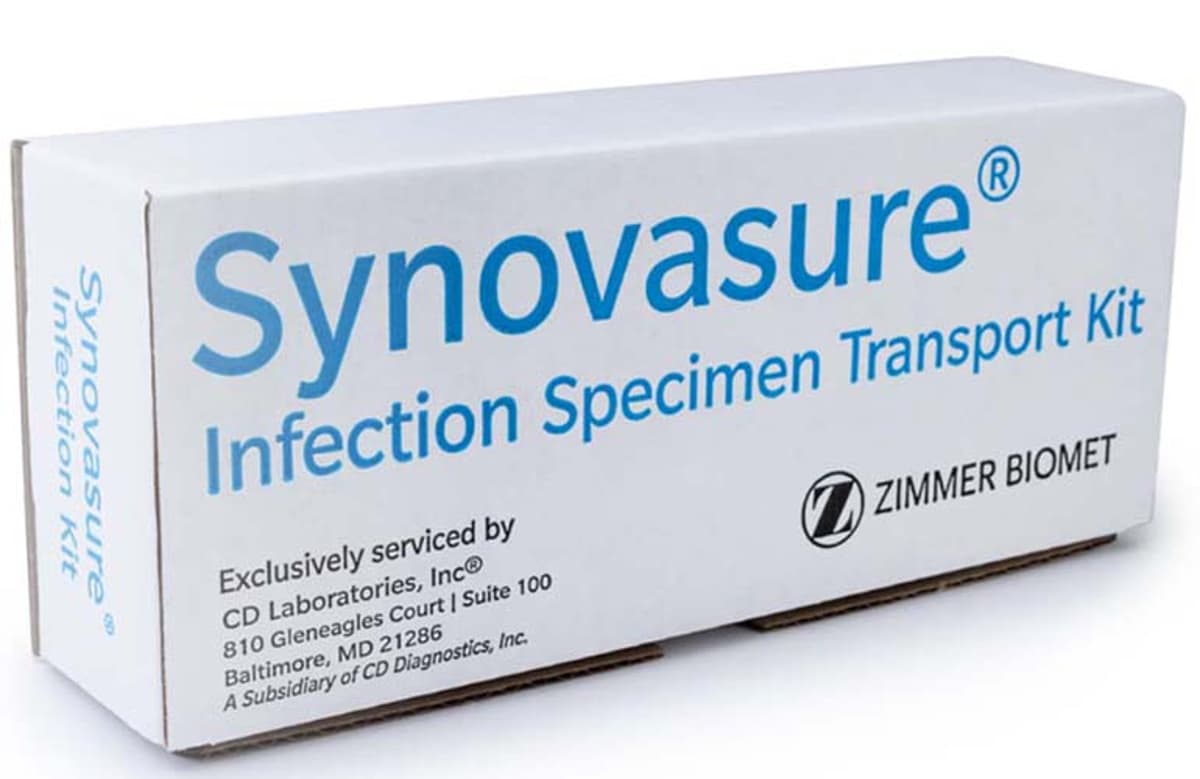
Zimmer Biomet Says Its SynTuition Algorithm Enhances Diagnostic Certainty
Zimmer Biomet announced that its machine‑learning tool SynTuition dramatically improves diagnostic certainty for periprosthetic joint infection (PJI). In a study of 274 real‑world cases, the algorithm matched expert diagnoses 96% of the time, outpacing a pooled physician group that achieved...

Soft-Robotic Glove Uses 37 Actuators to Cut Hand Swelling by up to 25%
Cornell researchers unveiled EdemaFlex, a soft‑robotic glove equipped with 37 shape‑memory‑alloy actuators that apply sequential pressure across all five fingers and the palm. In a small home‑use study of seven edema patients, a single 30‑minute session reduced hand volume by...

Housecall Providers to Affiliate With Chapters Health System
Oregon‑based Housecall Providers has signed a definitive agreement to affiliate with Chapters Health System, extending the nonprofit’s footprint in the Pacific Northwest. The transaction is slated to close in late spring or early summer 2026, subject to regulatory clearance. The...

Withdrawn | Non-Malignant Hematological, Neurological, and Other Disorder Indications Accelerated Approvals
The FDA has removed several accelerated approvals for non‑malignant hematological, neurological, and other disorder indications after post‑marketing requirements were withdrawn. These withdrawn indications are not reflected in official listings until a Federal Register notice or label update is issued. The...
Ongoing | Non-Malignant Hematological, Neurological, and Other Disorder Indications Accelerated Approvals
The FDA’s ongoing accelerated‑approval list details 30+ drugs for non‑malignant hematologic, neurologic and other rare disorders that remain contingent on post‑marketing requirements (PMRs). Each entry cites the indication, approval date, specific confirmatory trial design, and a projected completion date ranging...
Accelerated Approval Program
The FDA’s Accelerated Approval Program permits earlier market entry for drugs treating serious conditions by relying on surrogate endpoints that predict clinical benefit. Companies must later complete confirmatory trials; positive results convert the approval to traditional status, while negative outcomes...

Drive Strategic Growth with Smarter Workforce Planning
U.S. hospitals are pairing enterprise resource planning (ERP) systems with AI‑powered human capital management (HCM) platforms to tighten workforce planning as clinical services expand. Leaders at Johns Hopkins, Henry Ford and Rush describe multi‑year integrations that promise real‑time staffing visibility,...

FDA Shares New Warning About Johnson & Johnson Heart Pumps After 4 Injuries
The FDA issued an early‑alert notice on February 3, 2026, highlighting a leak risk in Generation 1 purge cassettes used with Johnson & Johnson MedTech’s Impella RP heart‑pump sets. A leak can trigger a low‑pressure alarm, potentially causing biomaterial ingress, pump stoppage, and loss...

Baba Emerges From Stealth with $6.5M to Launch Medicare Advocacy Platform
Baba, a patient‑advocacy startup for seniors, announced its emergence from stealth with a $6.5 million seed round led by General Catalyst. The platform blends dedicated nurses and social‑workers with an AI companion to resolve insurance denials, scheduling gaps, and other operational...
![[Comment] Managing Complex Antiretroviral Regimens](https://hixhlmpcokxhartfkpyi.supabase.co/storage/v1/object/public/images/thumbnails/b8eed98261dfc36d8f4d646ed514fe50.webp)
[Comment] Managing Complex Antiretroviral Regimens
Switching antiretroviral therapy (ART) in people with HIV who have achieved sustained virological suppression is now a routine part of modern care. Advances in drug formulation, tolerability, and the rise of single‑tablet regimens have expanded treatment objectives beyond viral control....
STAT+: A Rare Disease Drug Was Approvable, Then It Wasn’t. Inside a Surprise Rejection by the FDA
An experimental cell therapy for a rare post‑transplant blood cancer, developed by Atara Biotherapeutics and Pierre Fabre, was initially deemed approvable by FDA reviewers but was abruptly rejected in February 2026 over alleged clinical data deficiencies. The disease affects roughly...

How AI Is Transforming Dermatology Care in Austin
Artificial intelligence is now embedded in Austin dermatology clinics, where AI‑driven imaging tools assist physicians in diagnosing skin lesions, classifying conditions, and tracking treatment progress. Studies show deep‑learning models can match dermatologist accuracy for skin‑cancer detection, offering a secondary safety...

ViVE 2026: Change Management Is Key in Clinical Adoption of AI
At ViVE 2026, Tampa General Hospital highlighted that change management, not technology, is the primary barrier to clinical AI adoption among nurses. The hospital detailed its partnership with Microsoft to deploy an AI assistant that automatically populates custom nursing flow...

Q&A: Nemours Children’s Health Expands Pediatric Care at Home
Nemours Children’s Health launched the Advanced Care at Home program, a virtual, technology‑enabled service that lets medically stable pediatric patients recover at home while receiving 24/7 clinical support. The model leverages Epic MyChart and a centralized command center to deliver...

Bridging the Translation Gap for Regenerative Tissues
Muvon Therapeutics, a clinical‑stage company developing regenerative muscle treatments, is confronting the translation gap between academic discovery and commercial manufacturing. The firm highlights three core hurdles: co‑developing evolving regulatory frameworks, automating novel manufacturing processes, and recruiting personnel with GMP expertise....

Samsung Joins CEPI Vaccine Network to Prepare for Next Pandemic
Samsung Biologics has joined the Coalition for Epidemic Preparedness Innovations (CEPI) Vaccine Manufacturing Facility Network, committing to develop a ready‑to‑activate recombinant protein vaccine platform. Backed by a $20 million budget, Samsung will pre‑agree manufacturing processes, run simulated outbreak drills, and prepare...

United Unveils Newly Partnered Soft Mist Inhaler; Mannkind Sinks
United Therapeutics announced a partnership to launch a soft‑mist inhaler, targeting more efficient pulmonary drug delivery for its pipeline. The collaboration marks a strategic pivot away from traditional propellant‑based devices and positions United in the growing soft‑mist market. Investors reacted...

Alkermes’ Richard Pops to Step Down After Three-Decade Run as CEO
Richard Pops will step down as Alkermes CEO on July 31 after a 32‑year tenure, remaining as board chair. COO Blair Jackson will succeed him and join the board during the transition. Under Pops, Alkermes shifted from drug‑delivery to commercial...

Just Two Days of Oatmeal Cut Bad Cholesterol by 10%
A University of Bonn randomized trial published in Nature Communications found that a two‑day, calorie‑restricted diet consisting of 300 g of oatmeal per day reduced LDL cholesterol by about 10 percent in participants with metabolic syndrome. The oat‑rich group also lost roughly...

Music Beats Cancer Aims to Bring Everyone to the Stage
Music Beats Cancer, a nonprofit founded by former cancer researcher Mona Jhaveri, uses live music and a peer‑to‑peer platform to funnel public donations directly to early‑stage biotech firms tackling cancer. By turning song likes into dollars, the organization bridges the...

New Insights Into Hypertension and MACE Reduction in HIV: Steven Grinspoon, MD
A recent analysis of the REPRIEVE randomized trial shows that pitavastatin reduces incident hypertension by 17 % and cuts major adverse cardiovascular events (MACE) by 36 % in adults living with HIV. The findings extend statins’ benefit beyond LDL‑cholesterol lowering, highlighting a...

Colo. FD Launches Community Paramedic Program to Curb Repeat 911 Calls
The Grand Junction Fire Department has launched a Community Paramedic Program aimed at curbing repeat 911 calls by providing in‑home follow‑up for high‑utilization patients with chronic illnesses. Designated paramedics will visit residents within 24‑48 hours of an emergency call to...

Legionella Learnings: What the NY Outbreak Signals About a Growing National Vulnerability
The August 2025 New York Legionella outbreak was linked to contaminated cooling‑tower water across multiple buildings, exposing systemic infrastructure flaws. Traditional laboratory culturing can take up to ten days, allowing the bacteria to proliferate and spread. New rapid on‑site testing...

FDA Clears PCR Test that Detects 11 Gastrointestinal Pathogens
The FDA has cleared Cepheid’s Xpert GI Panel, a multiplex PCR test that identifies 11 gastrointestinal pathogens—including eight bacteria, two parasites and one virus—from a single stool sample. Results are available in just over an hour, dramatically faster than traditional culture...
Learning and Education to ADvance and Empower Rare Disease Drug Developers (LEADER 3D)
The FDA’s Center for Drug Evaluation and Research has launched the Learning and Education to ADvance and Empower Rare Disease Drug Developers (LEADER 3D) initiative under its Accelerating Rare disease Cures (ARC) program. LEADER 3D provides a suite of educational videos, downloadable...

How $50 Billion Can Help Transform Rural Healthcare
CMS has launched a $50 billion Rural Health Transformation Program aimed at overhauling care delivery in underserved areas. Founder Michael Dalton of Ovatient argues the initiative will only succeed if the funding fuels new value‑based, virtual‑first models that leverage telehealth and...

Antibacterial Effects of Crude Extracts From Tithonia Diversifolia and Solanum Torvum on Selected Shigella Species Demonstrated In Vitro
Researchers evaluated crude extracts from the African weed Tithonia diversifolia and the nightshade Solanum torvum for antibacterial activity against several Shigella strains. In vitro assays demonstrated clear zones of inhibition, with minimum inhibitory concentrations between 125 µg/mL and 250 µg/mL. Both extracts...

Engineered Nanoplatform with Dual Anti‐Inflammatory and Microbiota‐Modulating Actions for Targeted Therapy in Chronic Inflammatory Bowel Disease
The study introduces BG/SOD@ZIF‑zc, a multifunctional nanoplatform that encapsulates superoxide dismutase within a copper‑doped ZIF framework and coats it with bacterial ghosts for targeted delivery to the colon. The formulation retains SOD activity in the harsh gastrointestinal tract, efficiently scavenges...

Male Infertility Care to Shift Treatment Burden From Women
Infertility has long been framed as a women's issue, yet about half of cases stem from male factors. New treatments such as Igyxos' IGX12 monoclonal antibody, which enhances follicle‑stimulating hormone activity, aim to improve sperm production and reduce the physical...

Millions Are Overdue For Colon Cancer Screening
The death of 48‑year‑old actor James Van Der Beek underscores a surge in colorectal cancer among adults under 50, prompting the U.S. Preventive Services Task Force to lower the screening start age to 45 in 2021. A 2024 report estimates that roughly...
Division of Applied Regulatory Science
The Division of Applied Regulatory Science (DARS) operates within the FDA’s Office of Clinical Pharmacology and the Office of Translational Sciences. Its mandate is to translate emerging scientific advances into the agency’s regulatory framework, tackling complex questions that hinder drug...

Valo Health CEO: We Don’t Want Investors To Drive the Science
Valo Health is reshaping drug development by applying AI to human causal biology, aiming to raise clinical success rates from roughly 10% to 20%. The company leverages over 17 million de‑identified patient records and Mendelian randomization to pinpoint genetically validated targets....

Novo Nordisk Inks A $2.1 Billion Deal To Develop Next Generation Obesity Pills
Novo Nordisk has struck a deal with Boston biotech Vivtex worth up to $2.1 billion to develop next‑generation oral GLP‑1 obesity and diabetes pills. The partnership leverages Vivtex’s AI‑driven gastrointestinal‑on‑a‑chip platform that can boost drug absorption by orders of magnitude. Novo...

China’s Biopharma Advance Draws Financial Investment
Chinese biotech firms are moving beyond licensing deals as capital markets open, highlighted by a 64% rise in the Hang Seng Biotech Index in 2025. Reforms to listing rules since 2018 have unlocked public financing, enabling a record $138 billion in...

Patient Death Forces Partial Freeze on MacroGenics’ Gynecologic Cancer Study
A patient in MacroGenics' Phase 2 LINNET trial of the bispecific antibody lorigerlimab suffered grade 4 neutropenia and septic shock, leading to a fatality and prompting the FDA to place a partial clinical hold on the study. The company also reported three...

Proven Ways UKG Pro WFM Can Improve Healthcare Scheduling
UKG Pro Workforce Management (WFM) offers a structured, data‑driven approach to healthcare scheduling, tackling the sector’s chronic staffing volatility. By enabling early offers of open shifts through advanced scheduling, organizations can pre‑empt gaps, lower overtime, and align skill sets with patient...
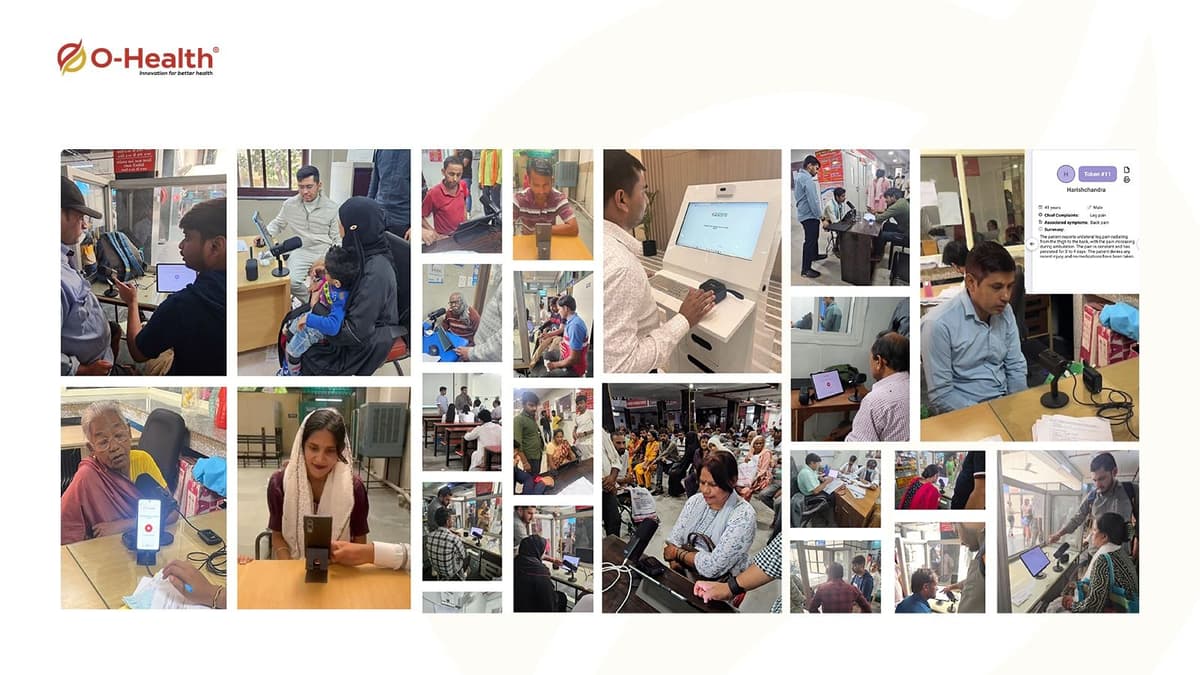
How This Startup Is Showing that Voice-First AI Can Scale in Clinical Care for Root Cause Analysis
O-Health, an 18‑month‑old clinical AI startup, has built a voice‑first operating system that turns doctor‑patient conversations into structured clinical intelligence in real time. The platform runs on an edge‑first, sovereign AI stack with in‑house medical ASR and small language models,...

Translating Single-Cell Research Into Routine Preventive Screenings
Researchers are exploring single‑cell omics as a next‑generation tool for preventive health screening. By profiling thousands of individual cells, the technology can detect subtle genetic mutations and immune‑cell shifts years before clinical symptoms appear. Early studies have identified driver mutations...

COVID-19: Federal Efforts to Support Behavioral Health Programs During the Pandemic
The Substance Abuse and Mental Health Services Administration (SAMHSA) led a massive federal response to keep behavioral health services operational during COVID‑19, awarding over $32 billion in grants from FY2020‑2023, including $8.3 billion in pandemic‑specific funding. SAMHRA provided grant extensions, telehealth prescribing...