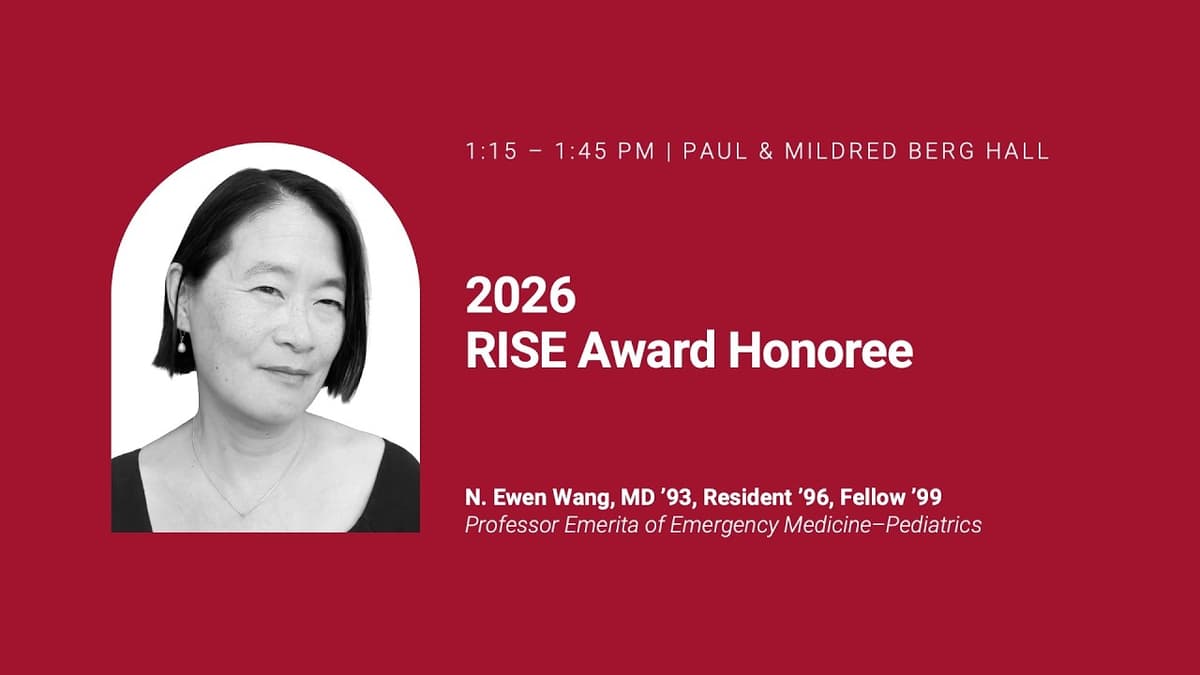
RISE Award Honoree N. Ewen Wang, MD
The video celebrates Dr. N. Ewan Wang’s receipt of Stanford Medicine’s 2026 RISE Award, honoring her lifelong dedication to pediatric emergency care, health‑equity research, and mentorship. RISE—Reach, Inspire, Serve, Engage—captures the values she embodies through pioneering program development, innovative fellowship creation, and relentless advocacy for underserved children. Key highlights include her establishment of Stanford’s pediatric emergency medicine department, the first social emergency medicine fellowship, and a research agenda targeting disparities in access to quality care. Dr. Wang’s work spans bedside care, local community outreach, and global health initiatives, illustrating a seamless blend of clinical excellence and systemic change. Colleagues and former mentees recount personal anecdotes—ranging from her generosity in providing plane tickets to students, to her unwavering support during personal crises—underscoring her reputation as a mentor who “pays it forward.” Notable quotes emphasize her belief that “global is local, local is global,” and that true impact requires proactive, equity‑focused action. The award signals Stanford’s recognition of a leader whose influence reshapes emergency medicine curricula, informs policy on social determinants of health, and cultivates the next generation of physician‑advocates. Her model of integrating clinical care with community engagement sets a benchmark for academic medicine worldwide.

James Zou, PhD: AI Agents to Accelerate Biomedicine
James Zou, a Stanford professor, unveiled a new generation of AI agents that function as independent scientists, marking a shift from using AI merely as a problem‑solving tool to letting it drive hypothesis generation, experiment design, and data analysis. His...
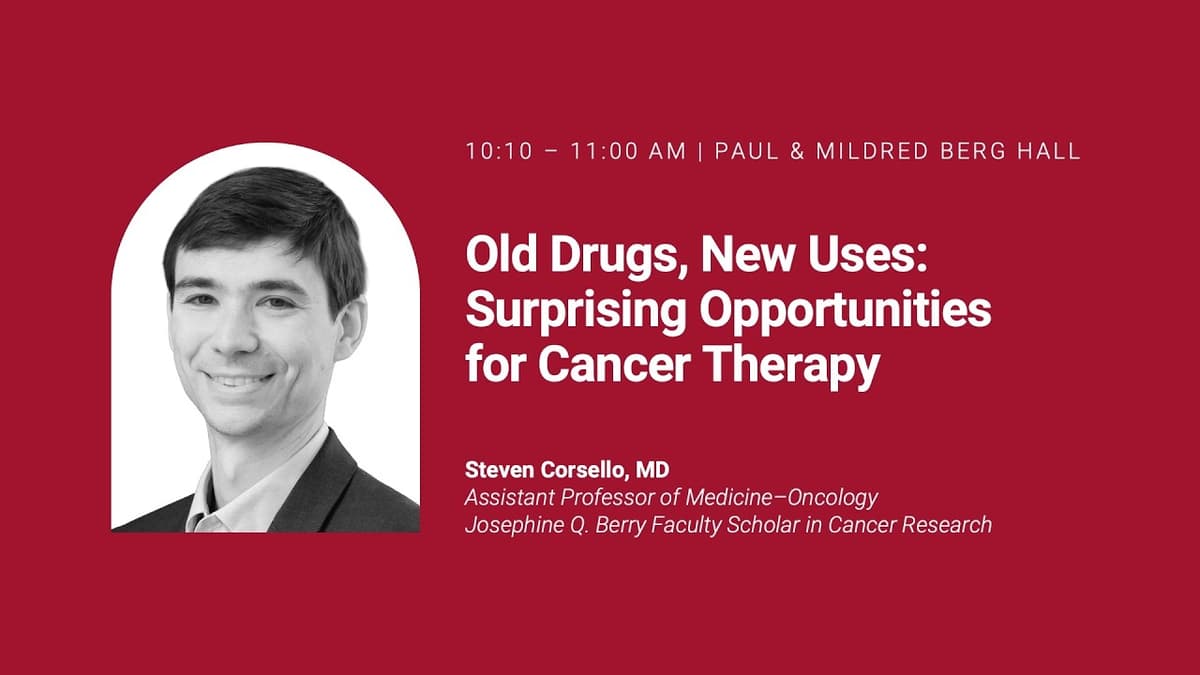
Steven Corsello, MD | Old Drugs, New Uses: Surprising Opportunities for Cancer Therapy
Dr. Steven Corsello presented a Stanford‑based program that systematically repurposes existing drugs for oncology by combining a curated drug library, high‑content cellular readouts, and a pipeline to uncover mechanisms of action. The centerpiece is the PRISM platform, which tags thousands...
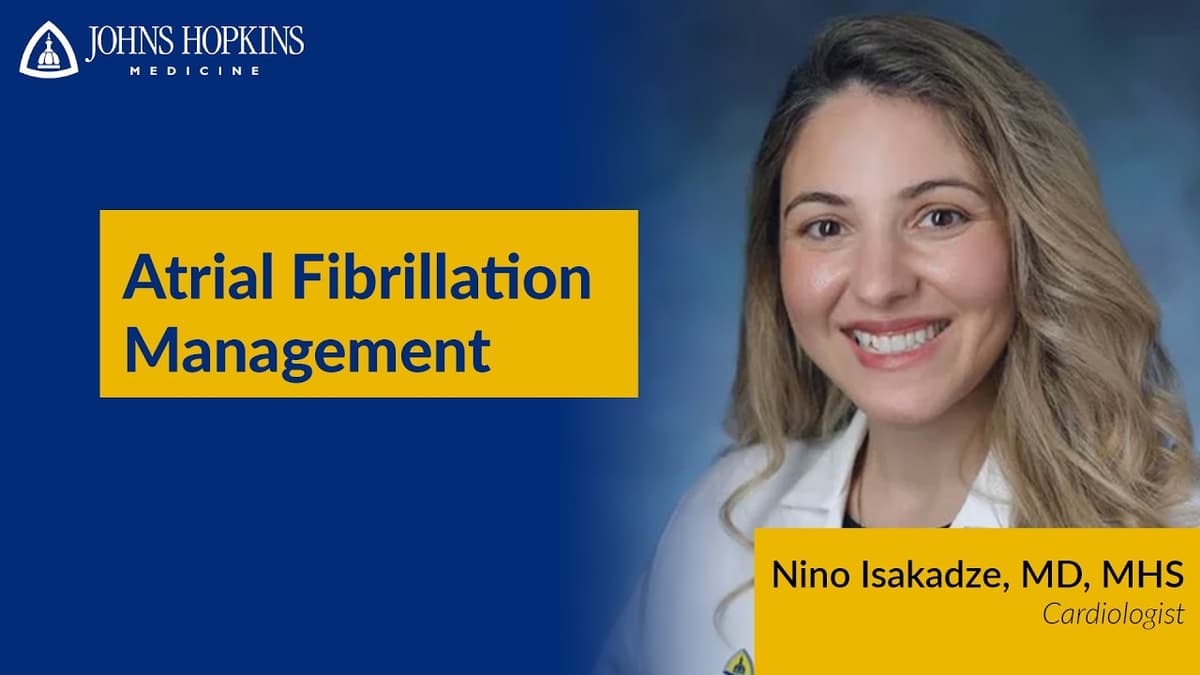
Atrial Fibrillation Management Webinar
The webinar, led by the director of Johns Hopkins’ atrial fibrillation clinic, provided a comprehensive overview of atrial fibrillation (AF) – the most common cardiac arrhythmia – its pathophysiology, risk factors, and the clinical pathways for diagnosis and treatment. Key points...
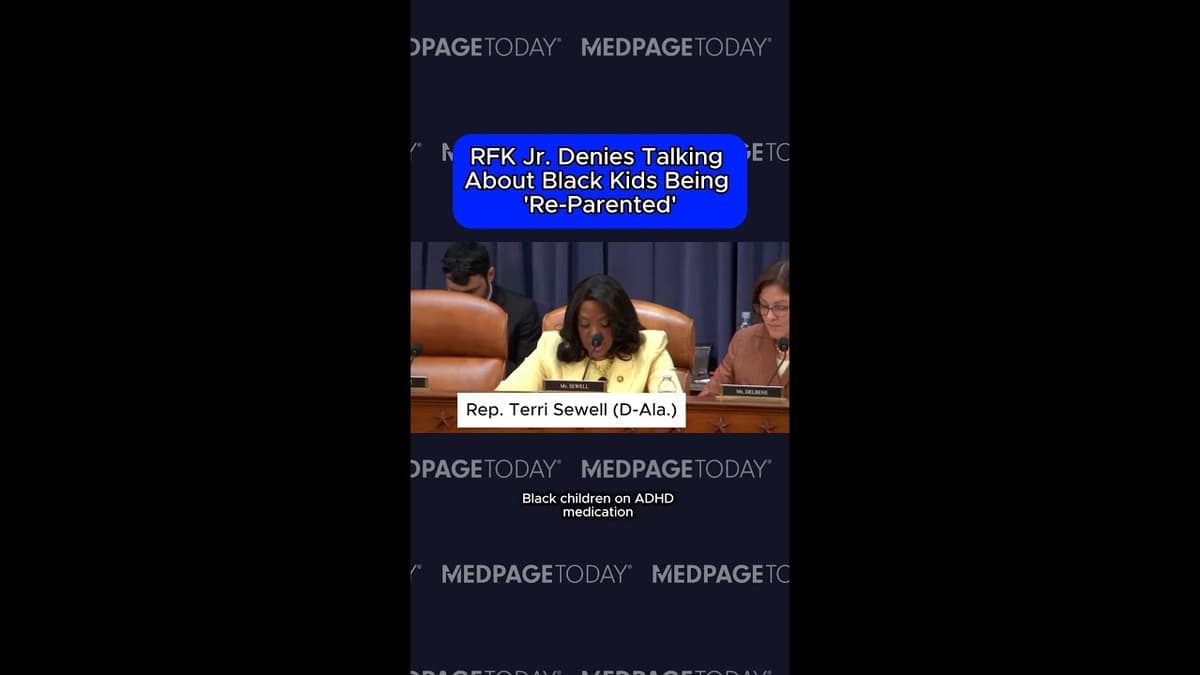
RFK Jr. Denies Talking About Black Kids Being 'Re-Parented'
In a recent podcast excerpt, Robert F. Kennedy Jr. was pressed about a comment suggesting that Black children on ADHD medication should be “re‑parented.” The host accused him of advocating federal removal of these children from their families and placing...
$67B Longevity Boom & Big Tech Health Partnerships | Longevity News Roundup — Week 16, 2026
The episode spotlights a rapidly expanding longevity economy, now projected to reach $67 billion by 2035, driven by consumer demand, expanding clinical pipelines, and a surge of venture capital. Hosts Nina Patrick and Phil Newman dissect how the sector now spans...
The FY 2027 HHS Budget Proposal: Changes, Cuts, and Investments
The White House unveiled its FY 2027 budget request for the Department of Health and Human Services, proposing a $111 billion discretionary allocation—12.5% lower than the FY 2026 level, roughly a $16 billion cut. The proposal signals a sharp shift toward defense spending while...
The 229 Podcast: Sarah Richardson Joins The 229 Podcast, and Flourish Comes Home
The episode announces that the 229 Podcast will absorb the Flourish channel, with Sarah Richardson joining as host. The hosts explain that maintaining multiple channels created operational overhead and confused listeners who couldn’t tell where to find Sarah’s, Drex’s, or Bill’s...
Leveraging Telehealth and Telecare for Broader Access and Sustainable Healthcare
The video argues that telehealth and telecare can become core pillars of a more accessible, low‑carbon healthcare system, urging public providers to embed remote‑service strategies into their long‑term plans. It highlights concrete benefits: patients avoid long trips, clinicians abroad can fill...
Understanding Congenital Diaphragmatic Hernia (CDH) Part 1 | Diagnosis
The video explains congenital diaphragmatic hernia (CDH), a birth defect where a gap in the diaphragm lets abdominal organs migrate into the chest, compromising lung development and post‑birth breathing. Diagnosis relies on prenatal ultrasound, typically identifying two‑thirds of cases by 20...
Understanding Congenital Diaphragmatic Hernia (CDH) Part 3 | Care Plan at Johns Hopkins
Johns Hopkins’ fetal therapy center outlines a comprehensive care pathway for infants diagnosed with congenital diaphragmatic hernia (CDH). The program begins with a detailed ultrasound, fetal anatomy review, and genetic risk assessment, followed by coordinated counseling with neonatology, pediatric surgery,...
Treating Heart Disease Behind Sudden Death in Young People | David Elsey
Cardiol Therapeutics used the interview to detail progress on its Maverick Phase III trial for recurrent pericarditis and the Archer Phase II study in myocarditis, while previewing its next‑generation drug CRD38 aimed at chronic heart‑failure inflammation. The Archer data, presented at the European...

Treating Colorectal & Rectal Cancer: Surgery, Radiation Therapy & Systemic Therapy
The session, held on the final day of National Colorectal Cancer Awareness Month, introduced the latest surgical advances for colon, rectal and anal cancers. Dr. Isabelle Lilionic, an NYU colorectal surgeon, outlined anatomy, treatment goals and the shift from traditional...
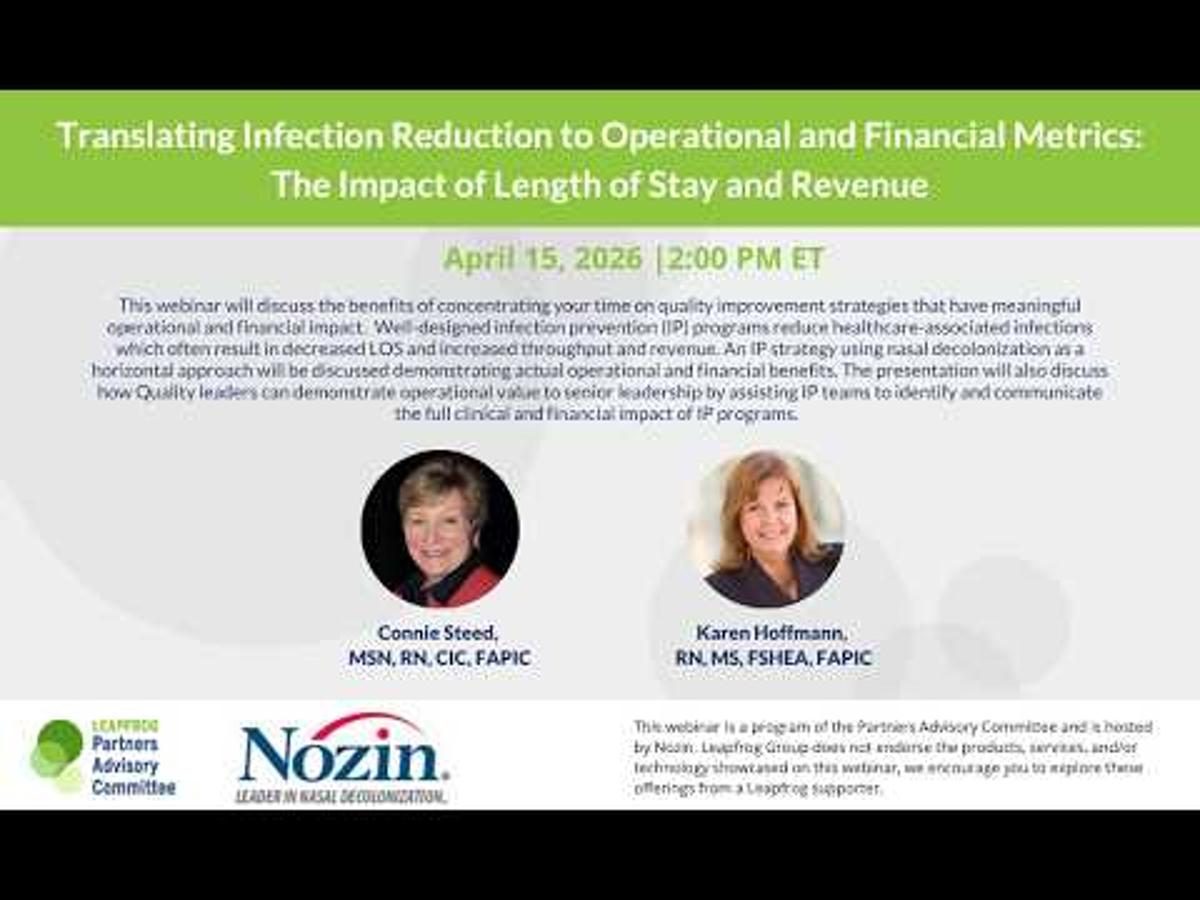
Translating Infection Reduction's Impact on Length of Stay & Revenue
The session led by veteran infection‑prevention consultants Connie Steed and Karen Hoffman focused on translating infection‑reduction efforts into concrete operational and financial metrics, especially length of stay (LOS) and revenue impact. They argued that infection control should be presented not...
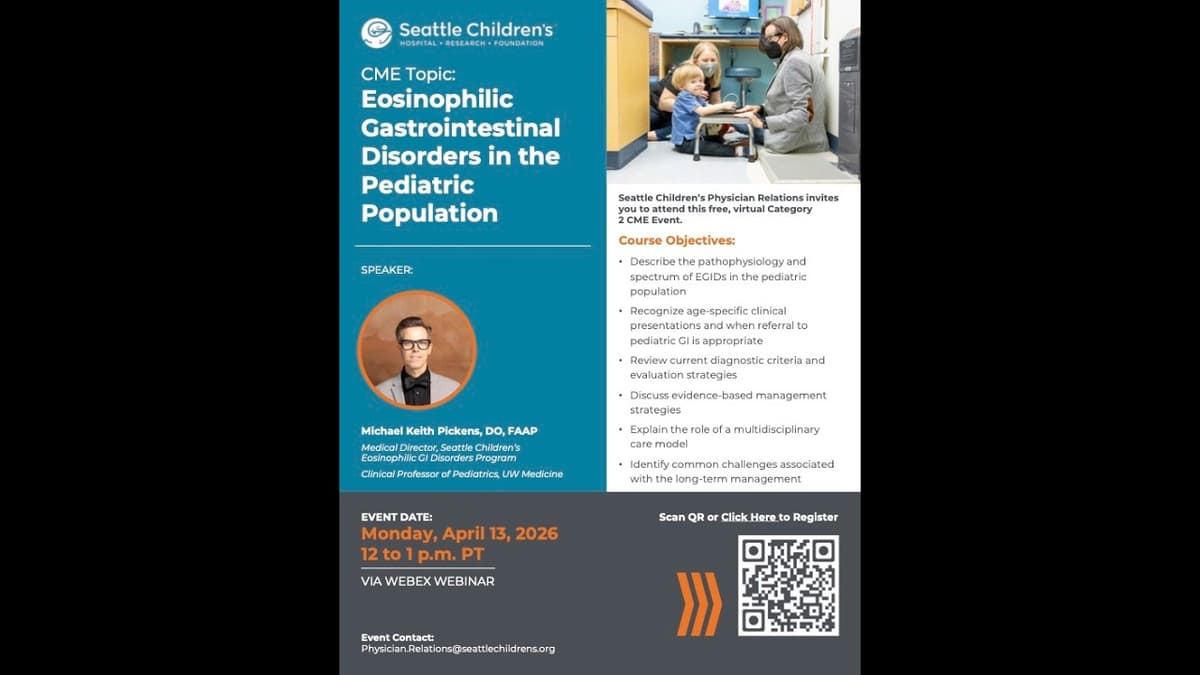
Eosinophilic Gastrointestinal Disorders in the Pediatric Population
Dr. Pickkins, a pediatric gastroenterology professor at Seattle Children’s, presented an overview of eosinophilic gastrointestinal disorders (EGIDs) in children, highlighting the launch of a dedicated EGID program at the hospital in August 2025. He emphasized that EGIDs are chronic immune‑mediated...
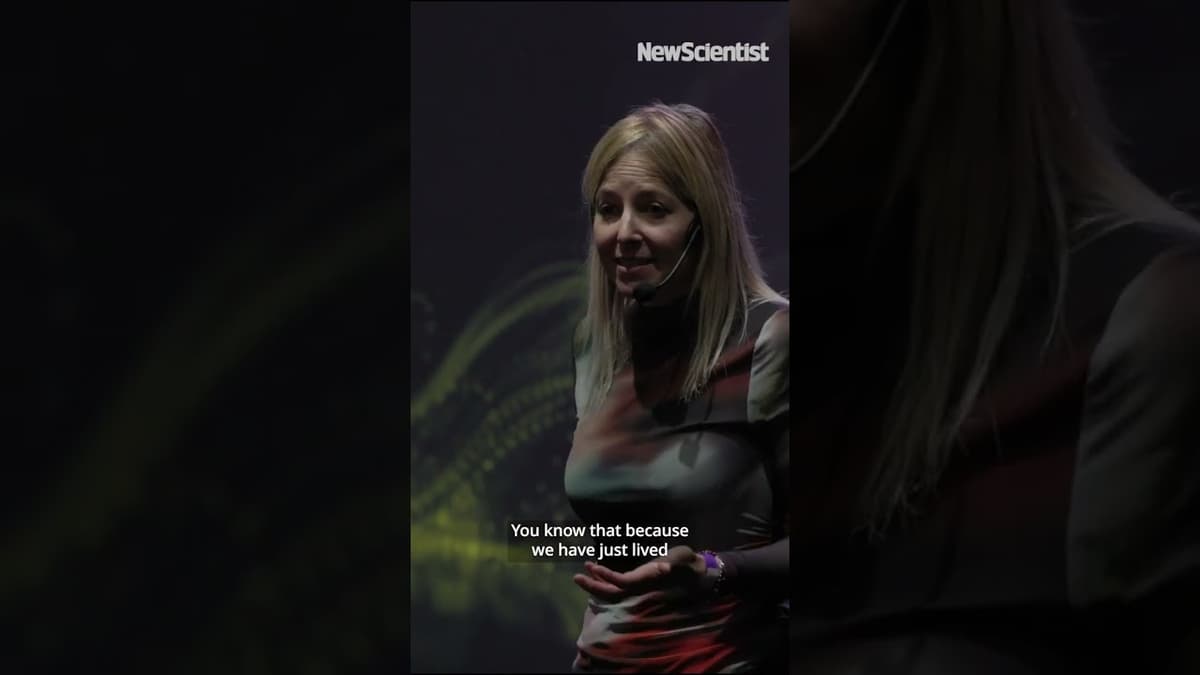
Eradicating Leprosy Using Genetics
The video links a 2007‑08 excavation at Magdalin Hill near Winchester, where paleopathologists identified unmistakable leprosy lesions in skeletal remains, to today’s fight against the disease. Leprosy still generates roughly 200,000 new infections annually, and the World Health Organization has set...
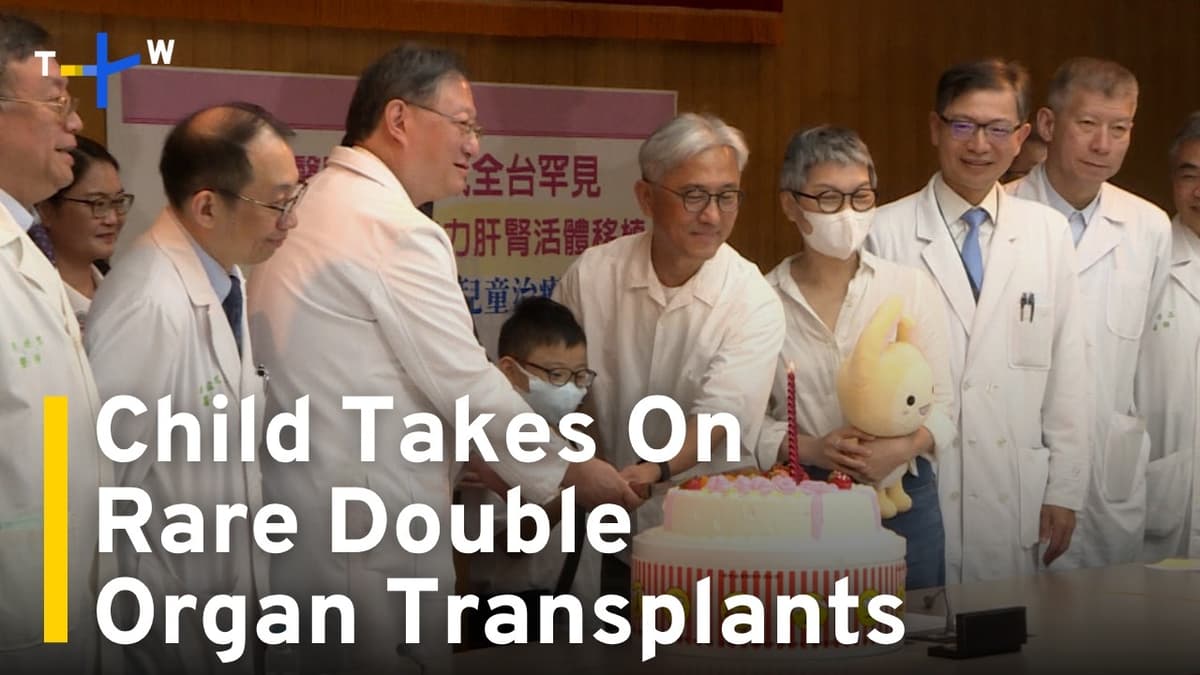
Doctors Complete Rare Double Organ Transplants on 12-Year-Old in Taiwan|TaiwanPlus News
Taiwanese surgeons performed a rare double live organ transplant on a 12‑year‑old patient suffering from a genetic disorder that required two organs. The operation, conducted by coordinated teams from two leading hospitals, marked the first successful dual transplant of its...
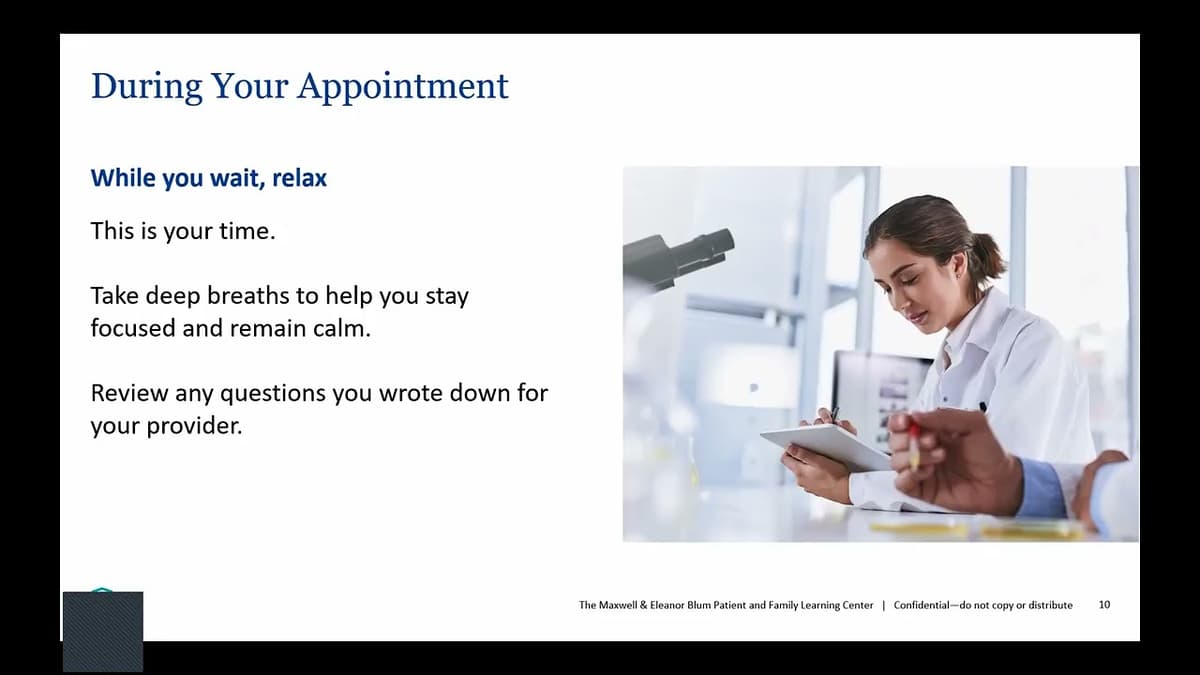
Blum Center Program: Preparing for Your Medical Appointments
In an April 8, 2026 webinar, RN Cara McNally outlines practical steps patients can take to maximize the value of primary‑care or specialist visits. She emphasizes reviewing health records, preparing focused questions, and ensuring necessary documents are on hand. The presentation also highlights...

Blum Center Program: Spill the STI Tea: A Conversation with the Mass General Sexual Health Clinic
The Blum Center’s "Spill the STI Tea" session brought together clinicians from Mass General’s Sexual Health Clinic to demystify sexually transmitted infections during STI Awareness Week. Program manager Eric Jakori introduced nurses, a community health worker, and an infectious‑disease...
Strategies for Health System Transformation: Creating a Learning Health System
Mount Sinai kicked off its first Learning Health System (LHS) Grand Rounds, a quarterly forum announced by CEO Dr. Brendan Carr. The event brings together clinicians, researchers, administrators and nurses to align the health system around a data‑driven, continuous‑learning model. Carr...
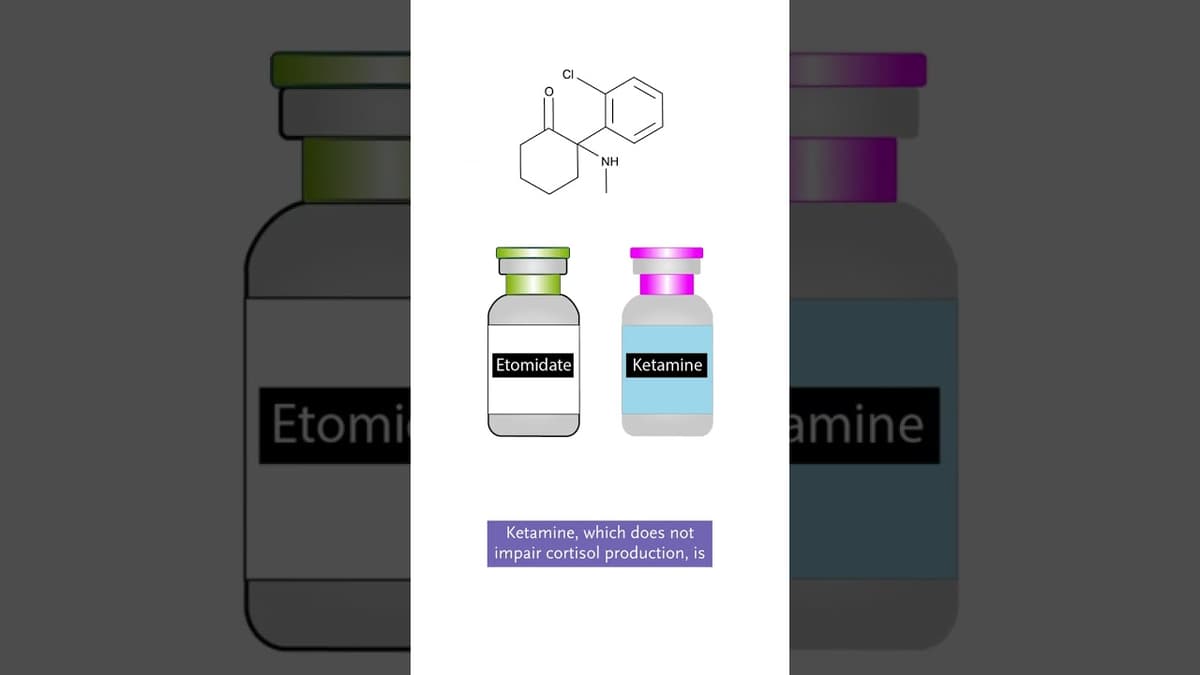
60-Second Journal Club: Randomized Trial of Sedative Choice for Intubation
The video reviews a multicenter, unblinded randomized trial that compared ketamine with etomidate as induction agents for emergency tracheal intubation in critically ill adults. Conducted across 14 emergency departments and intensive care units in the United States, the study enrolled...
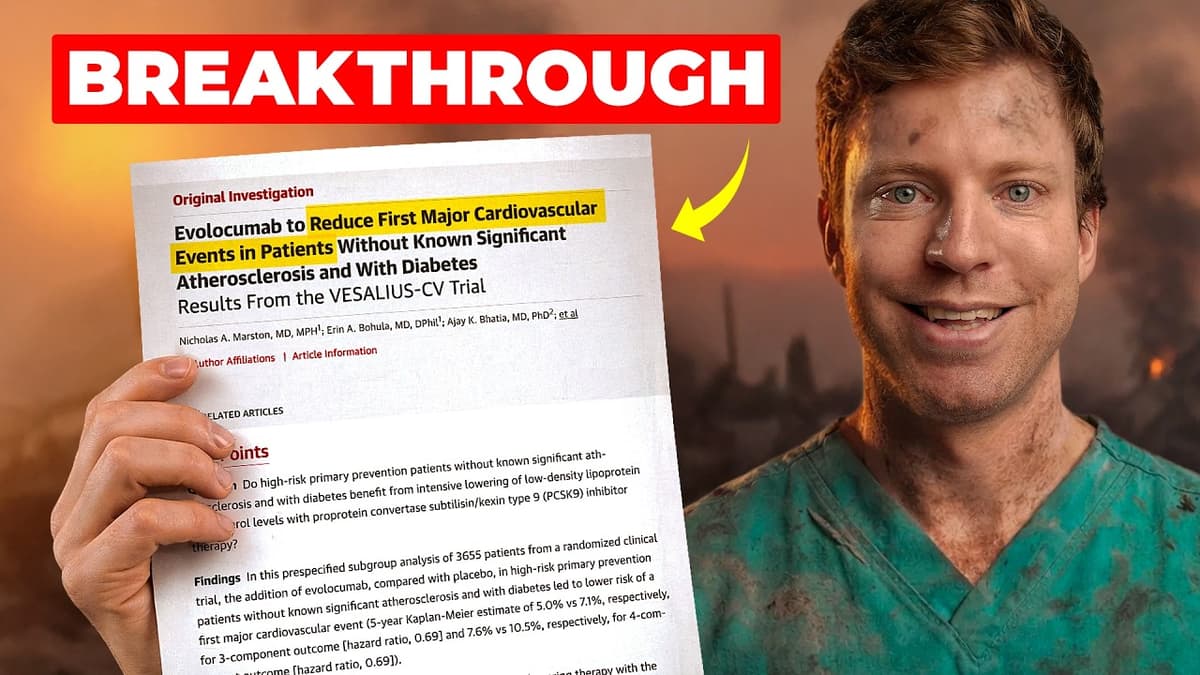
The 60-Year Cholesterol War Is Finally Over
The video chronicles the resolution of a six‑decade debate over cholesterol management, tracing its origins to a 2006 Dallas Heart Study discovery of a woman with an LDL of 14 mg/dL caused by PCSK9 loss‑of‑function mutations. Researchers realized that silencing PCSK9...
Why some Doctors Mess up a PCOS Diagnosis
The video clarifies that polycystic ovary syndrome (PCOS) is diagnosed using the Rotterdam criteria, which require any two of three clinical features: irregular menstrual cycles, hirsutism, or polycystic ovarian morphology on ultrasound. It emphasizes that PCOS is a diagnosis of...

Trauma Care During the Conflict
The WHO podcast "Frontline Shift" examines how Gaza’s health system has coped with an unprecedented wave of traumatic injuries since the conflict intensified in October 2023. Over 172,000 people have been wounded and more than 72,000 killed, straining a...
Your Gut Microbiome Could Be the Source of Colon Cancer | Here’s Why With Dr Emeran Mayer
The video features Dr. Emeran Mayer discussing how the gut microbiome may be a hidden driver of the recent surge in early‑onset colorectal cancer. While widespread screening programs have lowered overall adult incidence, cases are climbing among people in their...

NEJM Clinician: Catheter-Directed PE Treatment: Does It Deliver?
The New England Journal of Medicine reports a multinational randomized trial evaluating catheter‑directed fibrinolysis (CDT) versus standard anticoagulation in patients with intermediate‑risk (sub‑massive) pulmonary embolism. Over 500 participants were assigned to low‑dose, catheter‑delivered clot‑busting therapy or anticoagulation alone, with the...

INSEAD Business as a Force for Good (BFG) Practicum with MiracleFeet in Nepal
The video showcases INSEAD’s Business as a Force for Good practicum, where MBA students partner with the nonprofit MiracleFeet to tackle clubfoot—a congenital foot deformity in Nepal. Students work alongside local partners to diagnose five core obstacles: low awareness, geographic isolation,...

Held in Prayer with Nikki Mittal, DO
The Nocturnus Plus platform debuts as a subscriber‑only feed, offering a monthly "After Hours" series, exclusive merchandise discounts, and a centralized library of episodes. The launch is highlighted by Dr. Nikki Mittal’s powerful ICU story, where a grieving family’s prayer...

Strategy& Insider Podcast - Episode 45 with Nils Von Dellingshausen
The Strategy& Insider podcast episode spotlights BetterDoc, a German digital‑health platform founded by Nils von Dellingshausen, his brother, and his wife. The company tackles the chronic problem of patients navigating fragmented specialist care by using data‑driven matching tools. Key strategic moves include...

The Truth About the Achilles Tendon
In this briefing, orthopedic surgeon Bruno Lori explains the prevalence and mechanics of Achilles tendon ruptures, a common injury among both elite athletes and the general public. He describes the tendon’s role in bearing up to five times a person’s...

What Patients in Crisis Actually Need From the Healthcare System
The video spotlights what patients in crisis—particularly mothers navigating high‑risk pregnancies and special‑needs children—truly need from the healthcare system: authentic human connection beyond medical facts. The speaker emphasizes that isolation erodes coping ability, while peer support and mentorship provide a lifeline....

When No One's Watching
The podcast “When No One’s Watching” asks whether primary care is a problem to solve or a treasure to nurture, using Olympic figure‑skater Alyssa Lou’s self‑directed comeback as a metaphor for clinicians seeking agency and joy. Host Lisa Rosenbomb argues that...
Medical Mystery Solved — The Devil Is in the Details | NEJM
The video walks through a diagnostic odyssey of a 75‑year‑old woman who presented with night sweats, an eight‑kilogram weight loss and new‑onset renal dysfunction. Initial work‑up focused on common causes in seniors—malignancy, vasculitis, infection—while HIV was not on the radar. Laboratory...

Scaling Innovative Clinical Trial Approaches: Challenges, Progress, and Opportunities
The FDA’s Center for Clinical Trial Innovation (C3TI), together with the Duke‑Margolis Institute, convened a hybrid workshop to assess progress in clinical‑trial innovation. The event showcased the C3TI Demonstration Program, which is funded by a $5.19 million FDA/HHS award, and examined...

How Does the Acquisition of Automedica Fit This Broader Vision & the Announcement of Heidi Evidence?
Heidi Health announced the acquisition of AI‑driven diagnostics firm Automedica, positioning the deal as a cornerstone of its broader vision to transform care delivery. The purchase expands Heidi's data‑science capabilities and paves the way for the launch of Heidi Evidence,...

Aloe Blacc’s Fame Means Nothing in Biotech (and That’s the Point) | Equity Podcast
The Equity Tech Crunch podcast features Grammy‑nominated singer‑songwriter Aloe Blacc, who has transitioned from music to biotech entrepreneurship. He co‑founded Major Inc. and its spin‑off Pepto ID to develop novel cancer therapies, focusing on pancreatic cancer, a disease with a 90 %...

598 - Behind the Scenes of Medical Software in Australia: MSIA’s Role and Priorities
The Talking Health Tech podcast episode spotlights the Medical Software Industry Association (MSIA), the umbrella body for virtually all health‑software providers in Australia. Founded in the late 1990s to tame a fragmented market, MSIA now operates as a company limited...

Ep: 11 Decisions Your Loved Ones Shouldn’t Have to Guess | Medicine Made General
The Johns Hopkins GIM podcast episode focuses on advance care planning, clarifying the roles of palliative care versus hospice, and urging listeners to prepare legal documents before a crisis. Dr. Ivy Akid explains that palliative care aims to improve quality of...

Meet Pulmonary Critical Care Physician Shyoko Honiden, MD, MS
The video introduces Dr. Shyoko Honiden, a pulmonary critical‑care physician whose daily work centers on managing the most severely ill patients in the intensive care unit. She describes the ICU as a setting where patients arrive after events such as...

Statins and Strength: What the STOMP Trial Found
The video examines the STOMP trial, which evaluated whether high‑dose atorvastatin impairs resistance‑training adaptations. Researchers randomized 420 statin‑naïve adults to 80 mg atorvastatin or placebo for six months while they followed a standardized strength program. Results showed no significant difference in muscle...

More than 20 Families Push for Review of Maternity Services After Baby Deaths at Sussex Trust
The video details a growing campaign by more than twenty families urging a thorough review of maternity services at University Hospital Sussex after a series of infant deaths, most notably the stillbirth of baby Hazel. The families allege systemic failures,...

Ahan Hunter, M.D. | Gynecologist & Obstetrician
Dr. Ahan Lamar Hunter, an obstetrician‑gynecologist at Johns Hopkins, uses his own family experience to shape a patient‑first philosophy. He describes his practice as an extension of family, aiming to laugh, cry, and move forward together with each woman he...

The Long View: Harry Margolis - How to Confront Aging Challenges Head-On
The Long View podcast featured Harry Margolis, a veteran elder‑law attorney, who outlined how aging baby boomers must confront a looming care crisis. He traced his own path from a pro‑bono stint at Greater Boston Elderly Legal Services to founding...

Are Disconnected Food Systems Your Hospital’s Biggest Blind Spot? Illumia Has The Solution.
The video introduces Illumia, a newly branded merger of Transact and Seaboard, offering a unified software platform that connects food services, nutrition management, and cashless retail operations in hospitals. By replacing fragmented, siloed systems with a single, interoperable solution, Illumia...

Why Womens Heart Disease Rises After 40 | Dr. Christopher Davis
The video examines why women’s heart disease incidence spikes after age 40, highlighting microvascular disease that eludes standard angiograms, hormonal shifts during the menopause transition, and lifestyle factors that together elevate cardiovascular risk. Dr. Davis explains that declining estrogen reduces arterial...

Clinicians Aren’t the Barrier—Why MedTech Fails in Hospitals
The podcast with Andra of Evomet examines why many MedTech products stumble in hospitals, arguing that clinicians are not the obstacle; rather, mismatched design and workflow integration are. She describes chaotic ICU environments, staffing shortages, and the need for solutions that...
What Happens During Cataract Surgery? | NHS
The NHS video, presented by eye surgeon Badrul Hussain, walks viewers through what to expect when undergoing cataract surgery, the most common elective eye operation in the UK. After an initial specialist assessment, the procedure lasts 20‑45 minutes and is performed...
HVIVO: Beating the Odds in 2025 - and Why 2026 Looks Better Still
hVIVO PLC released its full‑year 2025 results, highlighting £47 million of revenue and a modest £1 million positive EBITDA—both in line with the guidance issued earlier in the year. The company closed the year with just over £40 million in cash, positioning it...
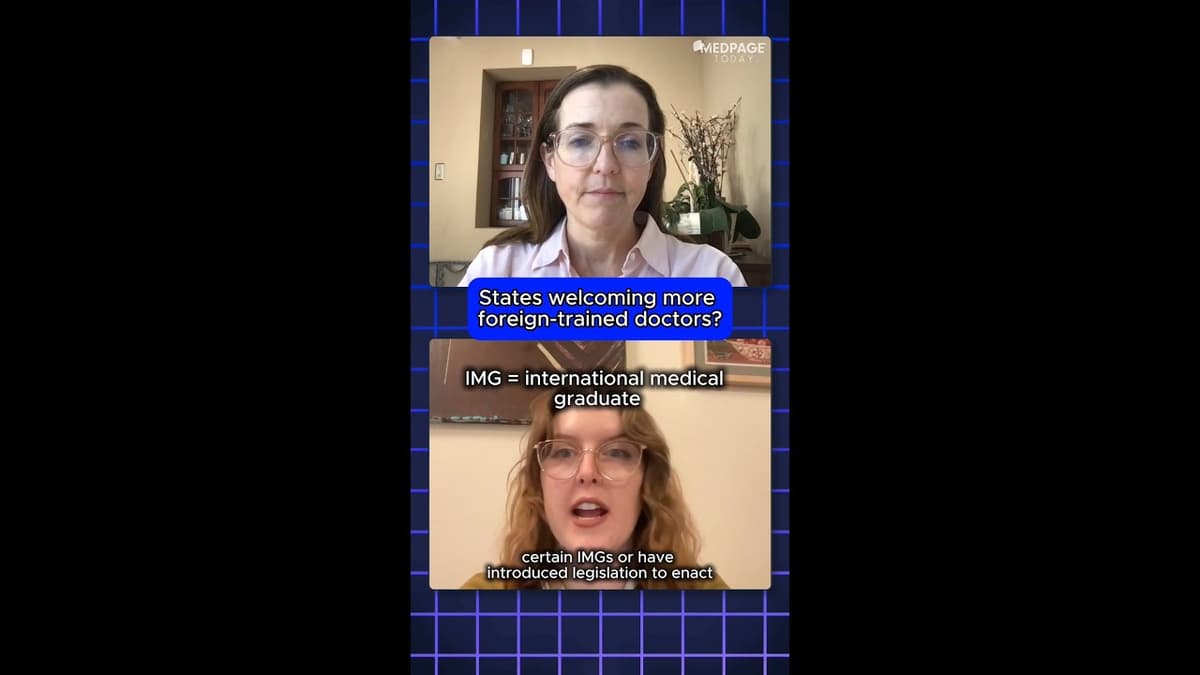
States Welcoming More Foreign-Trained Doctors?
States across the U.S. are loosening licensure rules for internationally‑trained physicians, creating alternative pathways to address chronic doctor shortages. Tennessee led the way in 2023, passing a law that mandated the medical board develop a non‑traditional licensing route, which opened...
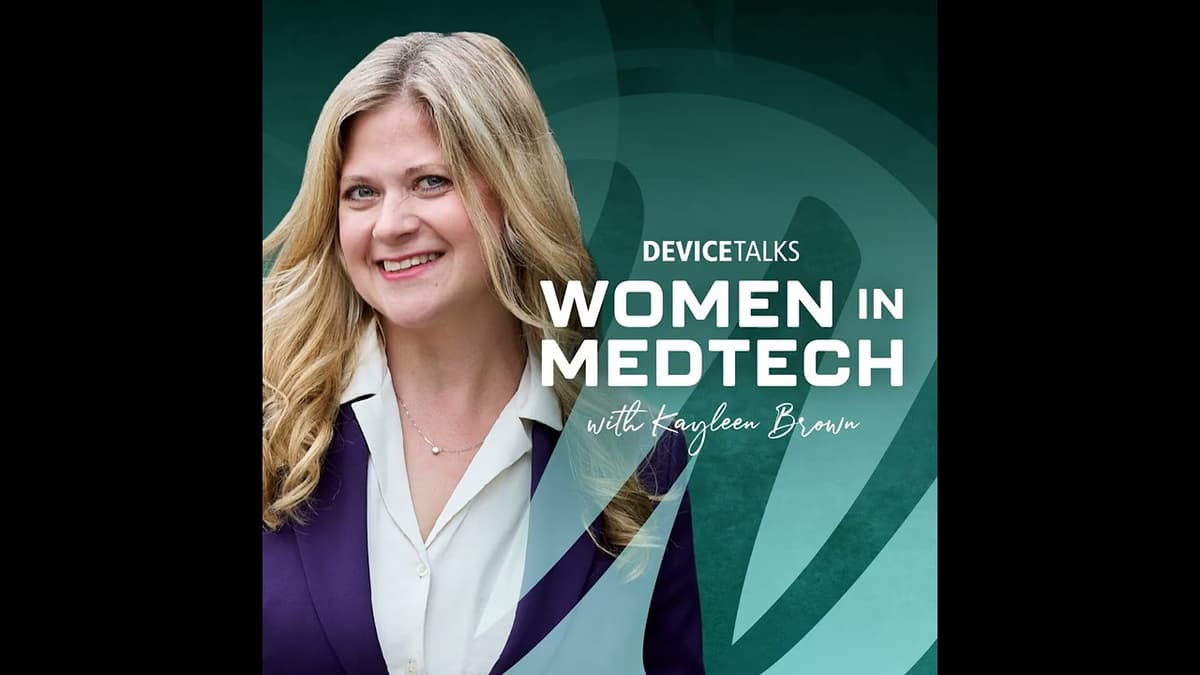
Patients Are the Co-Designer — Plexāā’s Gaele Lalahy
The Women in MedTech podcast episode features Gail Lalahy, COO of Plexa, discussing the company's 'patient as co‑designer' philosophy behind its Bloom device and how that approach reshapes product development. Plexa has institutionalized a rule that no decision proceeds without patient...