
Building Epic: Judy Faulkner on Leadership
In a candid Digital Health Unplugged interview, Epic Systems founder and CEO Judy Faulkner recounts how a basement‑startup in 1979 grew into one of the United States’ largest private health‑IT firms, now serving roughly ten percent of acute NHS trusts. She traces her path from a math‑obsessed student to a pioneering programmer, highlighting the university assignment that birthed the first longitudinal patient‑record system and the deliberate steps—legal, financial, and institutional—required to launch Epic as a privately held, founder‑led company. Faulkner emphasizes that Epic’s strategic compass points squarely at the customer, not shareholders. Employees are asked to prioritize clinicians’ needs, and product roadmaps emerge from “immersion trips” where developers live on‑site for months, observing real workflows—from pharmacy operations to OR hand‑washing routines—to design intuitive solutions. This customer‑first ethos fuels innovations such as real‑time medication alerts that prevented 170 million unsafe orders last year and a robust interoperability framework built after a tragic patient death due to missing records. Specific examples illustrate the company’s impact: the Cosmos data lake now aggregates 300 million de‑identified patient records to surface diagnostic suggestions, while AI‑driven note‑taking listens to clinician‑patient conversations and drafts documentation. Faulkner also describes patient‑facing tools like MyChart’s Care Companion, which provides preventive‑care checklists and education, aiming to shift care from reactive treatment to proactive health management. The interview underscores how Epic’s private structure enables long‑term, mission‑driven investment in technology that can scale across public systems like the NHS. By aligning product development with clinician workflow and leveraging AI for safety and efficiency, Epic positions itself as a catalyst for a more interoperable, data‑rich, and preventive health ecosystem.
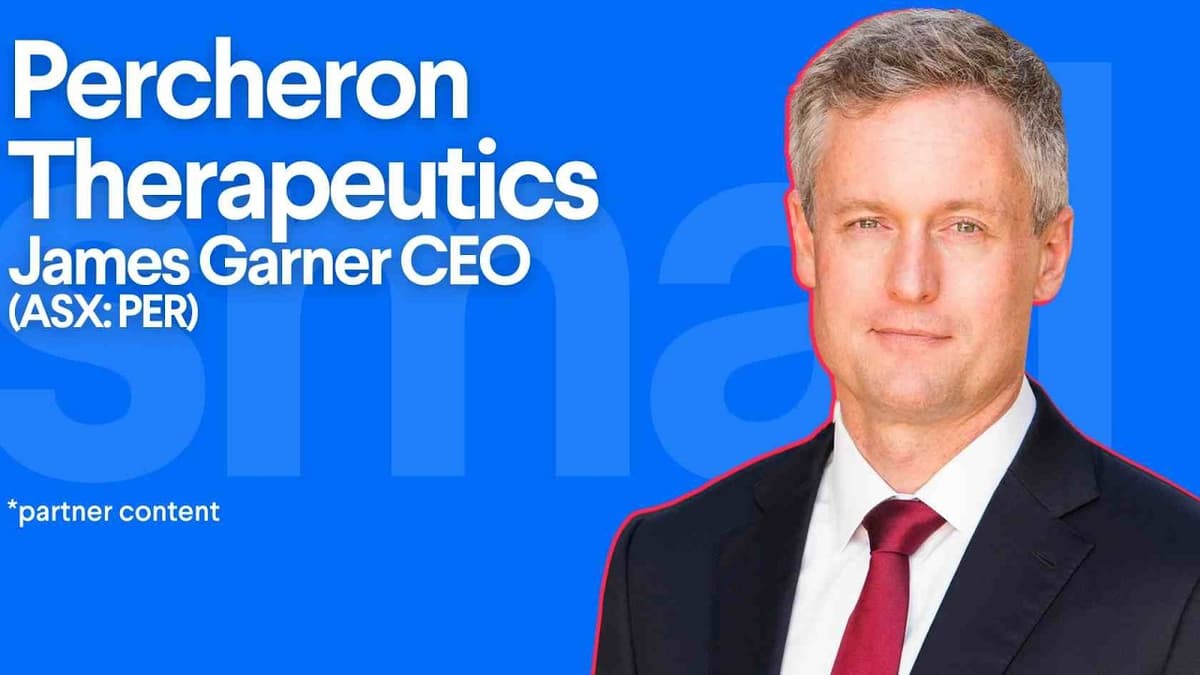
Phase 2 in Sight as Reinvention Reaps Rewards
Perseron Therapeutics announced a strategic shift from rare‑disease research to cancer immunotherapy, centering on its lead asset HMBBD2. The drug activates the newly identified Vista pathway, a departure from the PD‑1 axis that dominates current checkpoint inhibitors. The company reported that...
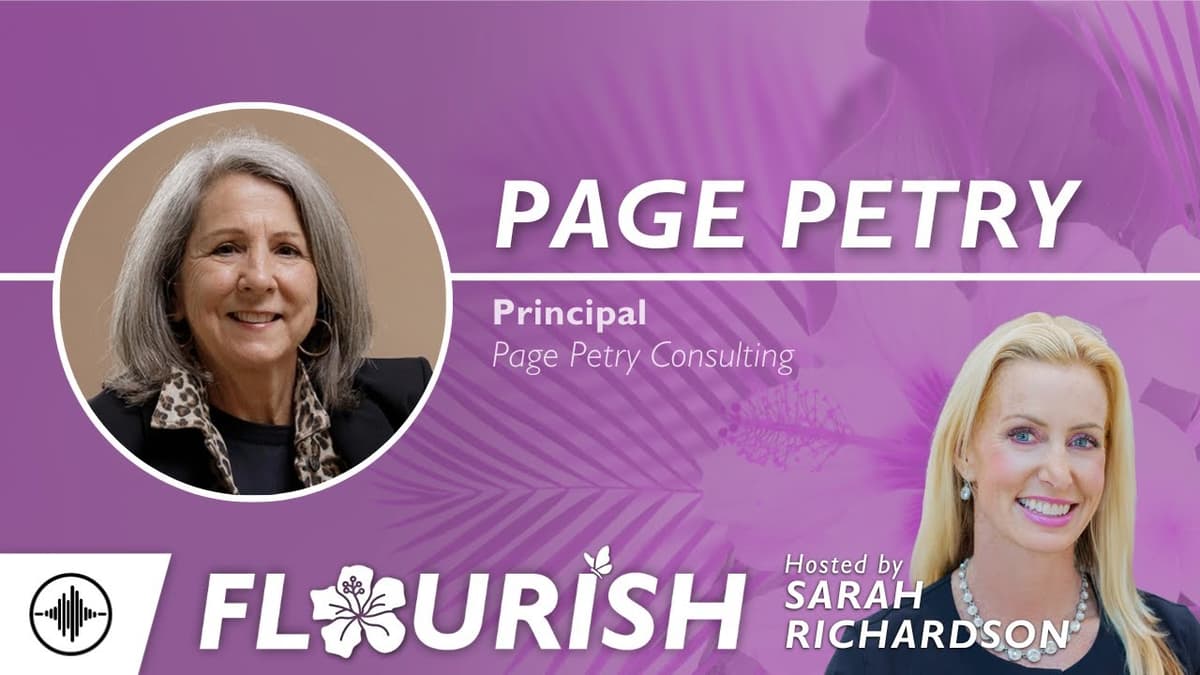
Flourish: Hospitality Isn’t About Luxury, It’s About Humanity with Page Petry
The Flourish episode features Paige Petri, a hospitality veteran, discussing how the core tenets of genuine care, anticipation, and experience design can transform health‑care delivery. Host Sarah Richardson frames the conversation around the idea that thriving people build thriving systems,...
Too Busy to Improve? How Leaders Make Time for Continuous Improvement
In a recent webinar, Mark Graban and Dr. Greg Jacobson dissect why leaders often claim they lack time for continuous improvement and argue that the issue is a matter of priority, not capacity. Drawing on Lean principles and behavioral science,...
Thinking Out Loud: Is It Possible To Manage Change Well?
The video asks whether change can be managed well, and argues that success hinges on leadership and communication. It highlights that a visionary leader who articulates a compelling future can rally early adopters, while acknowledging that politics—both macro and micro—must be...

Construction Workers Bond with 4-Year-Old Waiting for Heart Transplant #LoveYourHeart
The video captures a group of construction workers visiting a four‑year‑old boy who is waiting for a life‑saving heart transplant, part of the #LoveYourHeart campaign. The crew entered the pediatric ward, introduced themselves, and spent several minutes playing games, reading...
Oral GLP-1 Breakthrough - Arecor CEO on Improving Bioavailability for Obesity Treatment
The video centers on Arecor’s effort to develop an oral GLP‑1 formulation that overcomes the chronic low‑bioavailability problem plaguing peptide therapeutics, especially for obesity treatment. The CEO highlights that while more than a hundred peptide candidates are in development for...

The VapeScan Study, An Exemplary CUIMC Collaboration
The grand‑round presentation highlighted the VapeScan Study, a joint effort between Columbia University Irving Medical Center, the Mailman School of Public Health and multiple clinical departments, designed to assess early cardiovascular and pulmonary effects of e‑cigarette use in young adults....
HiNZ 2025: Daniel Ge - Founder, Rosterlab
The interview introduces Rosterlab, a SaaS platform that leverages artificial intelligence to automate and humanise the rostering of doctors, nurses, and allied health professionals across hospitals. Daniel Ge explains that the tool is designed to balance service coverage with individual clinicians’...
HiNZ 2025: Douglas Healey - Manager, Hauora ICT
During Digital Health Week in Christchurch, Douglas Healey, Manager of Hauora ICT at Te Whatu Ora, highlighted New Zealand’s fragmented oral‑health digital ecosystem and the urgent need for interoperable, co‑designed solutions. He outlined a nationwide project to capture dental encounter data,...
HiNZ 2025: Debbie Hughes - Chief Executive Officer, New Zealand Disability Support Network
Debbie Hughes, CEO of the New Zealand Disability Support Network, highlighted during Digital Health Week 2025 that inclusive AI design benefits all users. She argued that co‑designing technology with disabled people ensures accessibility, usability, and broader societal impact. Hughes emphasized...
HiNZ 2025: Travis Heaven - Founder & CEO, Duress.com
At Digital Health Week, Travis Heaven, founder of Duress.com, highlighted how visual deterrents embedded in wearable safety devices can reduce aggression by more than 50 percent. The company’s AI‑driven wearables monitor emotional cues and alert staff in real time, aiming...
HiNZ 2025: Will Reedy - NZ Health & Life Sciences Lead, Accenture
During Digital Health Week 2025, Accenture’s New Zealand Health & Life Sciences lead Will Reedy explained how a Waikato team built a smart rostering app in just two weeks to address sudden industrial action. The solution replaced chaotic Excel spreadsheets with...
HiNZ 2025: Sanja Sazdovska - State Advisor, Ministry of Health, North Macedonia
During Digital Health Week 2025, Sanja Sazdovska, State Advisor to North Macedonia’s Ministry of Health, detailed how the country digitised preventive healthcare to keep services accessible for women amid the COVID‑19 shutdown. By deploying a mobile‑first platform integrated with national...
HiNZ 2025: Darren Douglass - Chief Information Technology Officer, Health New Zealand
During Digital Health Week 2025, Acting CIO Darren Douglass outlined Health New Zealand’s 10‑year Health Digital Investment Plan. He emphasized that while data volumes are growing, data quality remains a barrier, and that stabilising legacy systems is as vital as...
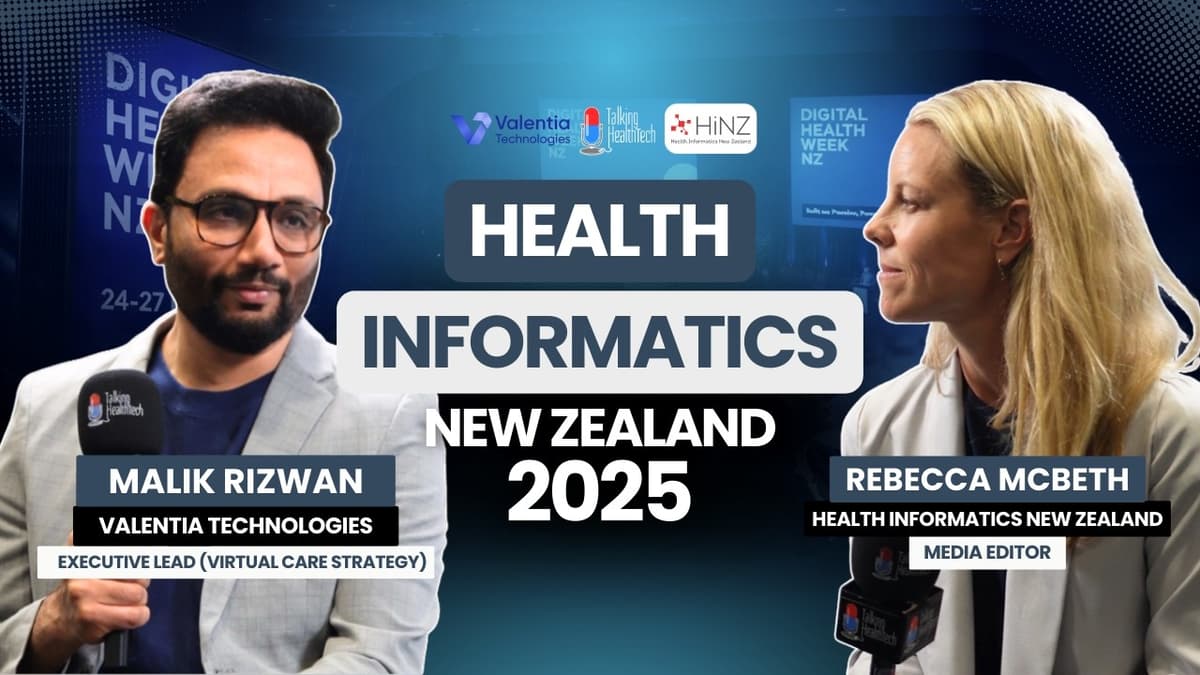
HiNZ 2025: Malik Rizwan - Executive Lead (Virtual Care Strategy), Valentia Technologies
At Digital Health Week in Christchurch, Health Informatics New Zealand featured Malik Rizwan, Executive Lead for Virtual Care Strategy at Valentia Technologies, discussing his patient‑centric approach to digital health. Rizwan emphasized building the user experience first and then aligning technology...
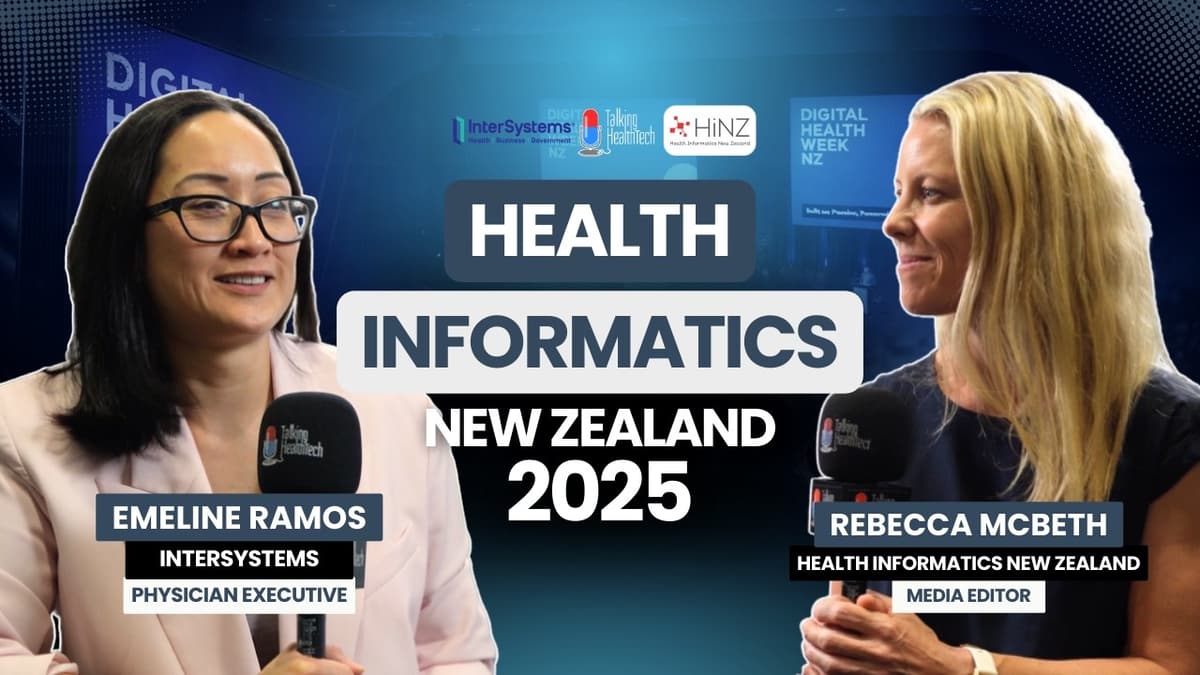
HiNZ 2025: Emeline Ramos - Physician Executive, InterSystems
Emeline Ramos, physician executive for InterSystems Asia‑Pacific, highlighted the deployment of a generative‑AI‑enabled electronic health record across eight Jakarta hospitals during Digital Health Week 2025. Clinicians are using the system as a conversational assistant, demanding instant, actionable answers rather than...
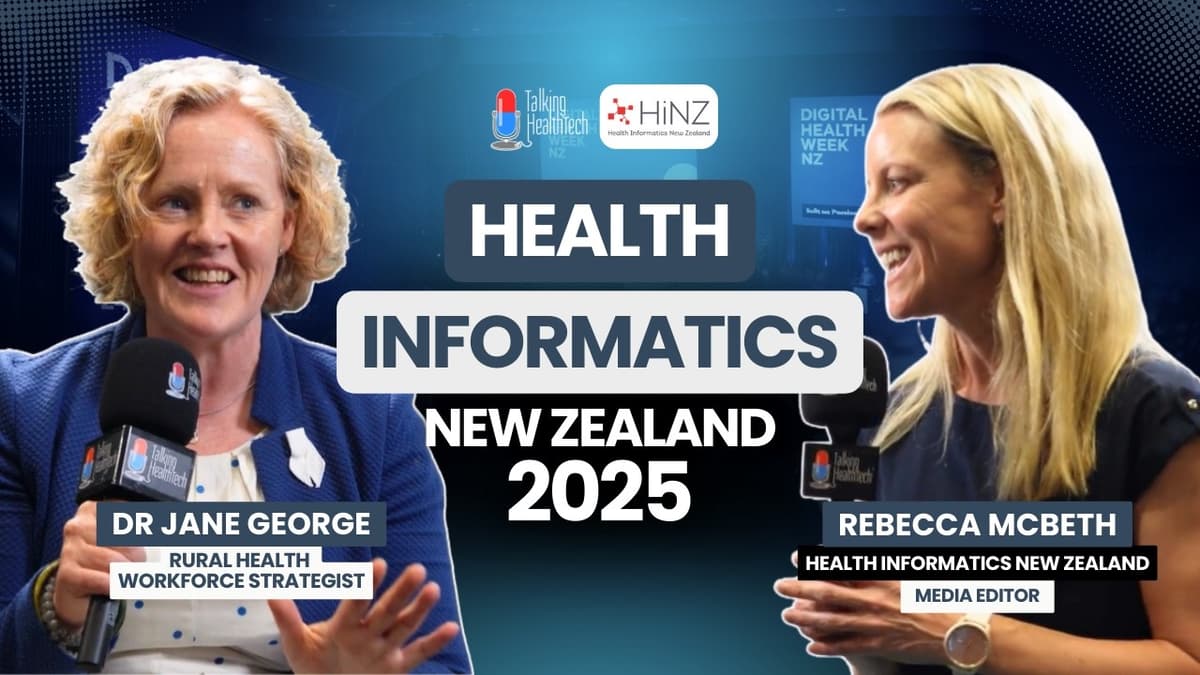
HiNZ 2025: Dr Jane George - Rural Health Workforce Strategist
At Digital Health Week 2025 in Christchurch, Dr Jane George, a rural health workforce strategist, argued that designing health services for the least‑served amplifies benefits for everyone. She highlighted how digital tools can knit together dispersed rural teams, but warned that...
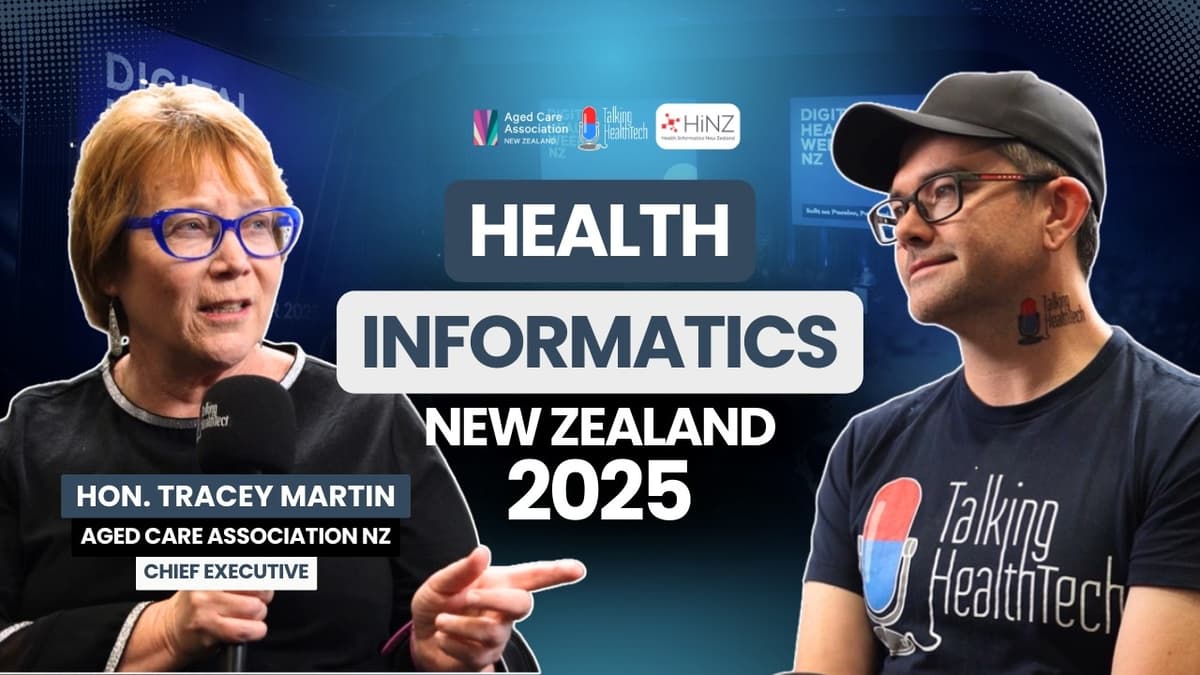
HiNZ 2025: Hon. Tracey Martin - Chief Executive, Aged Care Association NZ
Hon. Tracey Martin, chief executive of the Aged Care Association NZ, addressed Digital Health Week in Christchurch about the urgent need for technology that saves time in residential aged care. She highlighted the pressure on facilities, the necessity of shaping...

Day 2 Highlights | MedTech World Middle East Dubai 2026
Day 2 of MedTech World Middle East Dubai 2026 highlighted the convergence of public‑health agencies, academic institutions, med‑tech startups, venture capitalists and funders, underscoring the collaborative ecosystem needed to drive innovation. The event’s relatively small size fostered repeated, informal networking, allowing participants...
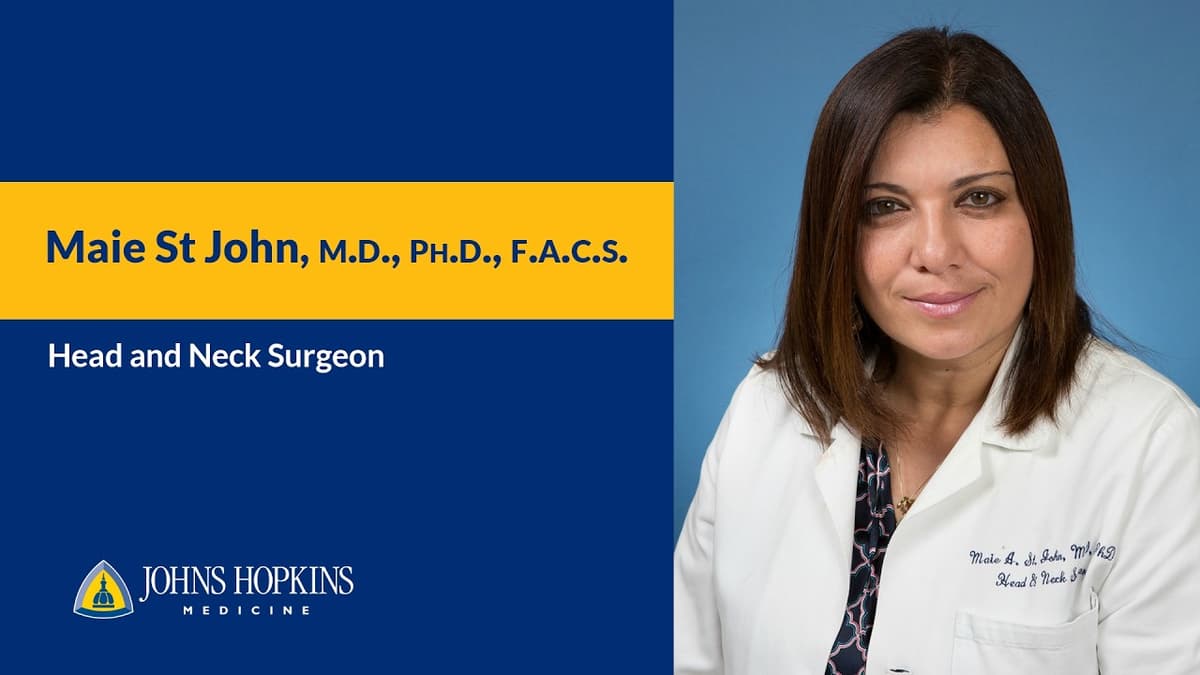
Maie St. John, M.D., Ph.D., F.A.C.S. | Head and Neck Surgeon
Dr. Maie St. John, professor and director of otolaryngology‑head and neck surgery at Johns Hopkins, recounts how a childhood encounter with a facial tumor set her on a path to become a head‑neck cancer surgeon. She describes a recent case of...

LIVE | Dr Tedros at the World Forum
Dr Tedros addressed the World Forum, reminding listeners that the recent Munich Security Conference highlighted a paradox: while nations ramp up defense spending, they overlook an "invisible enemy"—global pandemics. He quantified COVID‑19’s devastation, noting roughly 20 million deaths and a $10 trillion...

Sweeping Affordable Care Act Changes Proposed for 2027 (Katie Keith)
The Health Affairs podcast aired on February 13, 2026, unpacked a sweeping 577‑page proposed rule that would reshape the Affordable Care Act for the 2027 coverage year. Released unusually late in the rule‑making cycle, the proposal gives stakeholders just weeks...
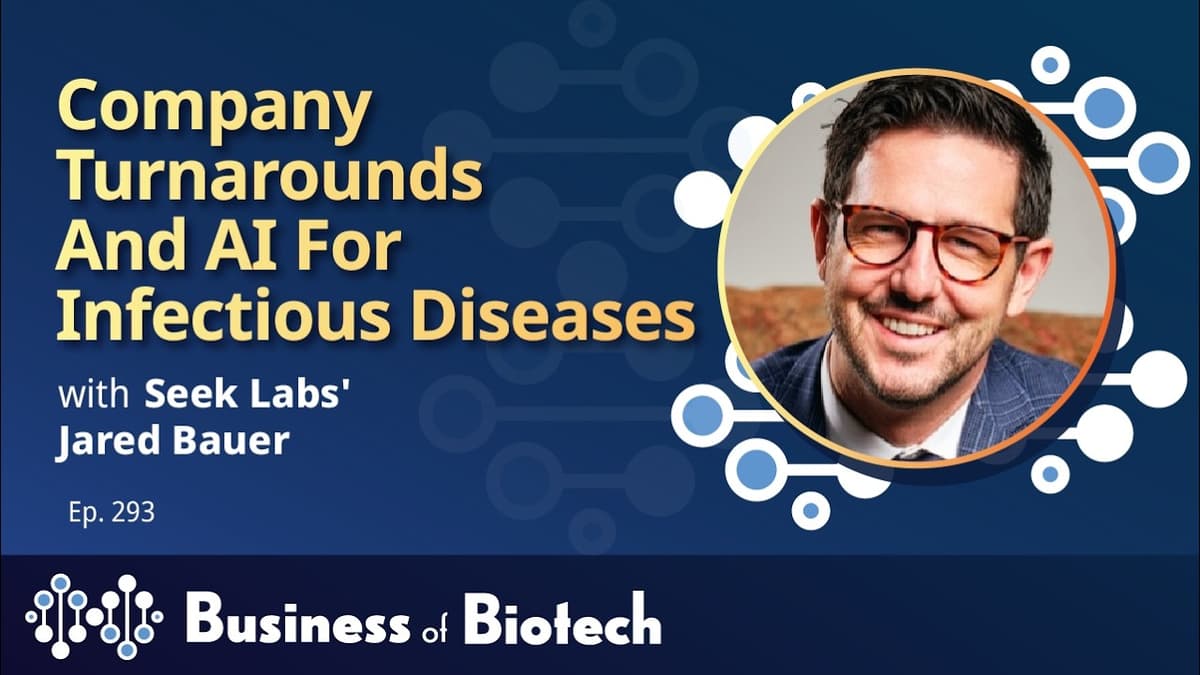
Company Turnarounds And AI For Infectious Diseases With Seek Labs' Jared Bauer
Jared Bauer, co‑founder and CEO of Seek Labs, detailed his experience turning around biotech firms and launching an integrated AI‑diagnostic and CRISPR‑therapeutics platform for infectious diseases. He highlighted a proof‑of‑concept study against African Swine Fever that markedly reduced viremia in...

Outdoor Physical Activity Is More Beneficial than Indoor Activity for Cognition in Young People
The video reviews a recent Physiology & Behavior paper that compared identical 30‑minute basketball sessions performed indoors and outdoors by 45 British adolescents aged 11‑13. Using a randomized crossover design, each participant served as his or her own control, allowing...
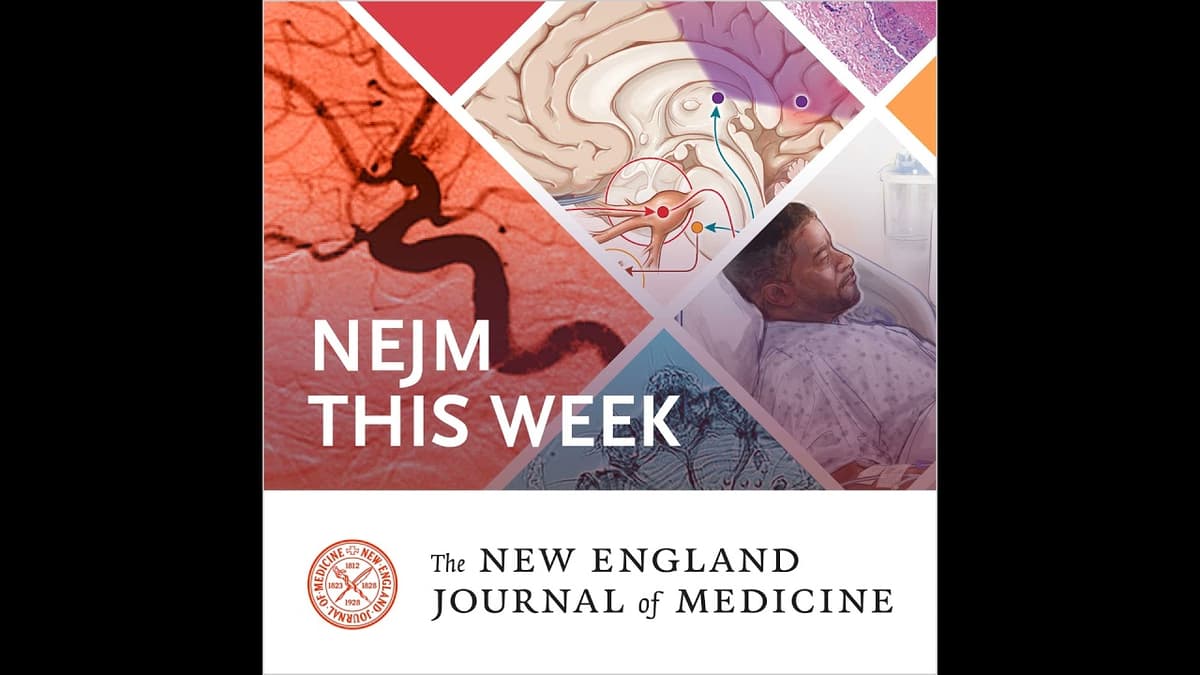
NEJM This Week — February 12, 2026
NEJM This Week (Feb 12 2026) highlights several pivotal studies, including promising phase‑III results for novel IgA nephropathy therapies and updated antithrombotic regimens after coronary stenting. Researchers identified the specific antigen driving rare vaccine‑associated clotting syndromes, while a case report underscored the...

Your Daily Dose: More than 80% of Children Can Survive when Cancer Is Found Early and Treated.
International Childhood Cancer Day highlights that early detection and treatment can enable more than 80% of children with cancer to survive. The video, narrated by a physician‑mother, underscores that while childhood cancer remains rare, the most common forms—leukemia, brain tumors,...
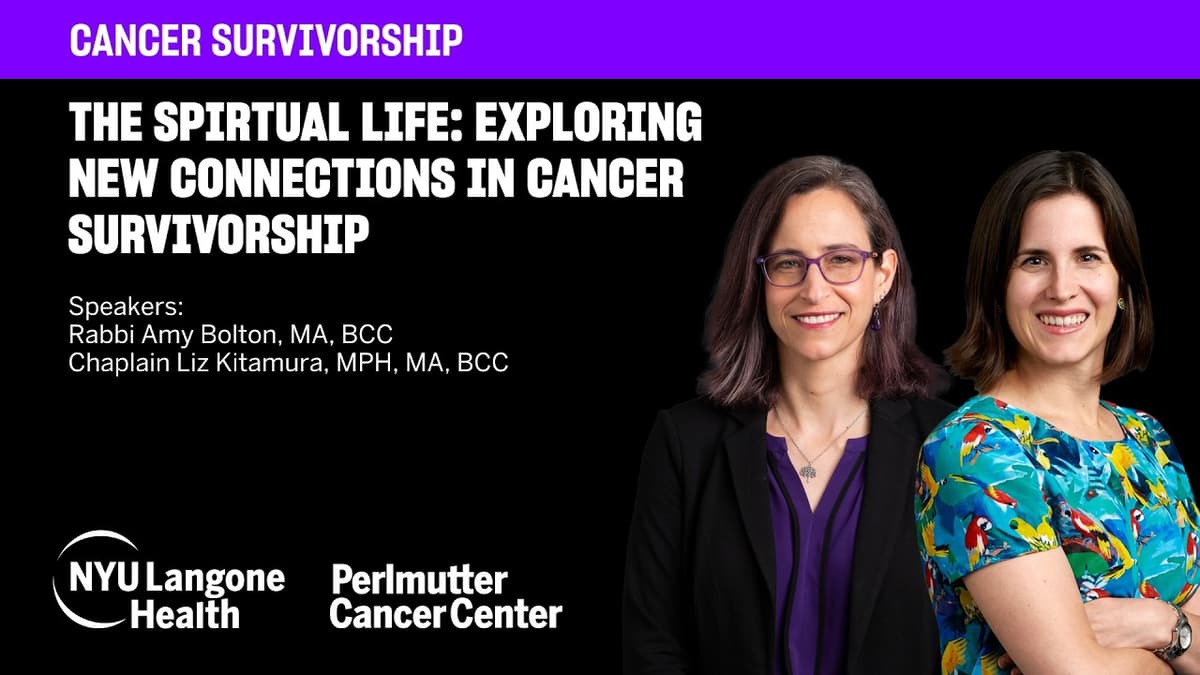
The Spiritual Life: Exploring New Connections in Cancer Survivorship
The presentation explored the role of spirituality in cancer survivorship, beginning with a grounding exercise that invited participants to focus on sight or sound. The speakers defined spirituality as a dynamic search for meaning, purpose, and connection, contrasting it with...
Pulsed Field Ablation Shows Early Promise for VT Treatment
The video discusses the first prospective trial of pulsed‑field ablation (PFA) applied to ventricular tachycardia (VT), a technique previously limited to atrial procedures. Published in Circulation: Arrhythmia and Electrophysiology, the study marks a milestone in expanding PFA to the ventricle. Results...

Cognitive Speed Training and Dementia | The ACTIVE Study
The ACTIVE study examined whether a brief cognitive speed‑training regimen can lower the incidence of dementia among older adults. Using Medicare claims data, participants who completed an hour‑long exercise twice a week for six weeks showed a 25 % reduction in dementia...
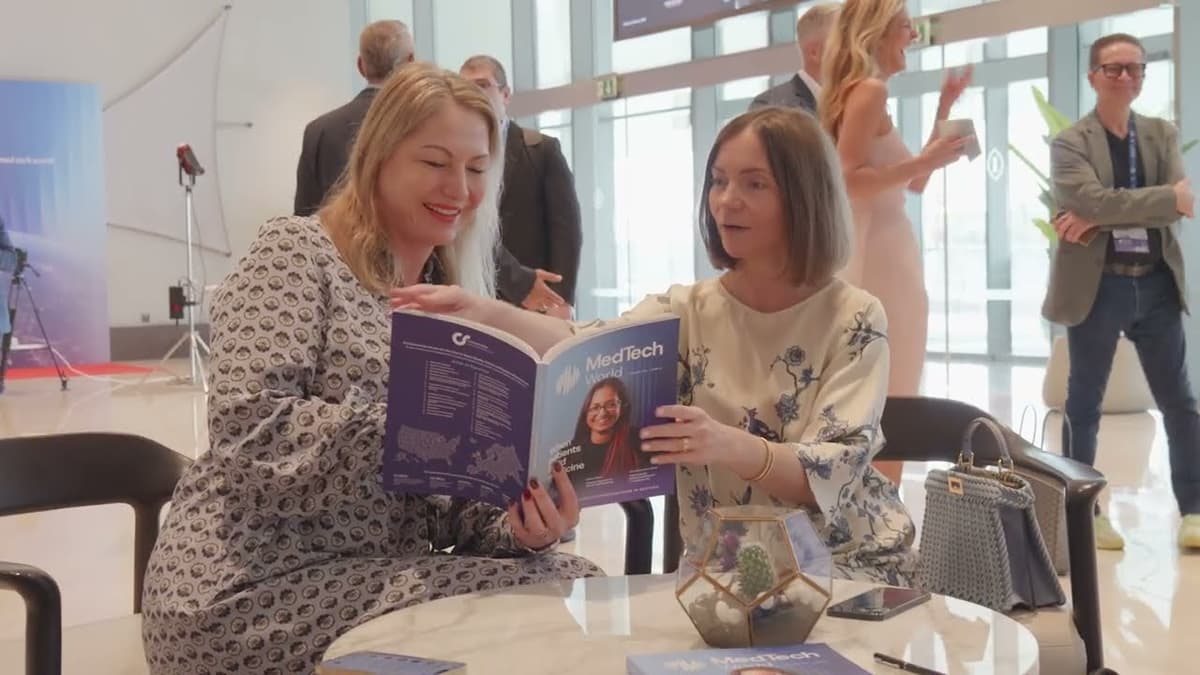
MedTech World Middle East 2026 | Day 1 Recap | Dubai
The MedTech World Middle East 2026 kicked off in Dubai with a vibrant Day 1 recap that underscored the event’s role as a catalyst for innovation and cross‑border collaboration across the Gulf Cooperation Council (GCC) health‑care ecosystem. Organisers highlighted how informal...

2025 Dietary Guidelines: Protein, Policy, and the Ultra-Processed Foods Problem
The Health Affairs interview dissects the 2025 U.S. Dietary Guidelines, which notably prioritize protein, tighten language around ultra‑processed foods, and soften alcohol recommendations. Host Jeff Buyers and registered dietitian Jenny Low examine how these shifts diverge from previous guidance and...
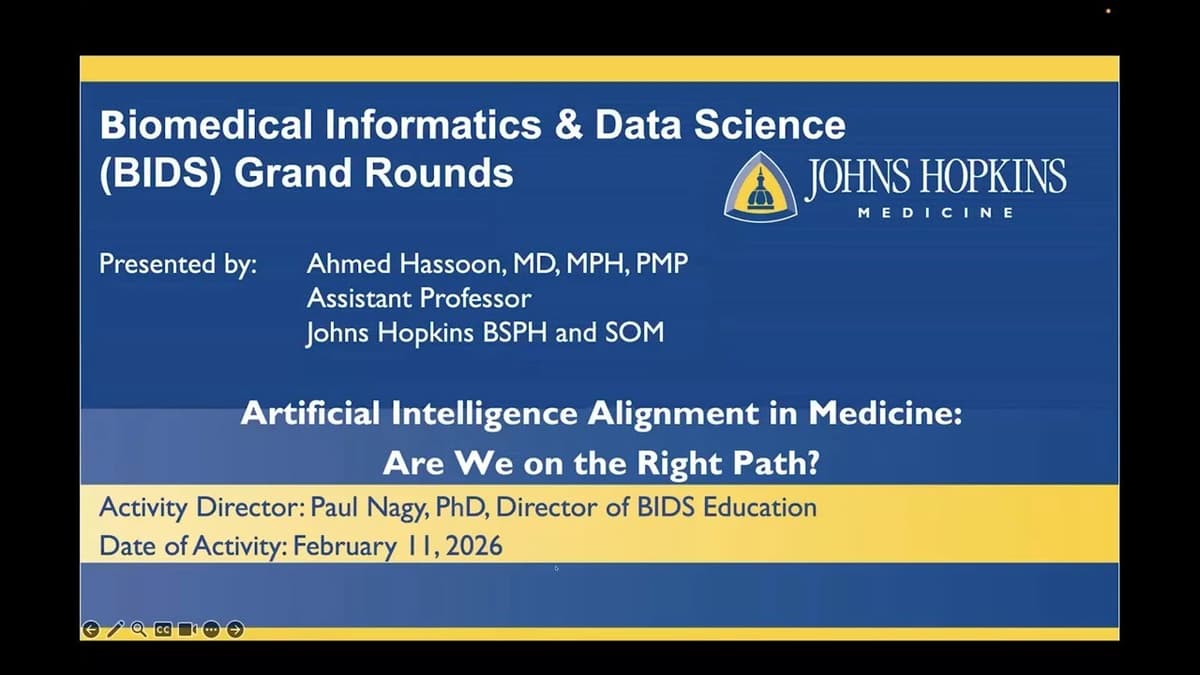
Informatics Grand Rounds with Dr. Ahmed Hassoon
The talk introduced a sweeping vision for AI alignment in medicine, emphasizing that today’s health‑care ecosystem is rapidly filling with autonomous agents—clinical decision‑support bots, patient‑facing assistants, insurance claim processors, and emerging regulatory AIs. Dr. Hassoon framed this proliferation as an...

LIVE Replay: Where Science Meets Strategy: Inside Life Sciences Consulting
Life sciences consulting sits at the crossroads of scientific innovation, commercial strategy, and healthcare delivery, as highlighted in a 2026 panel featuring leaders from Guidehouse, Clarkston Consulting, ClearView Healthcare Partners, and Roland Berger. The discussion identified key trends such as...

Guidance From The Sequoia Project on Computable Consent and Privacy
The Sequoia Project’s Privacy and Consent Work Group, co‑chaired by Kevin Day and Mel Sullies, is tackling the growing complexity of health‑data privacy. Their focus is on two pillars: computable consent—translating legal and patient‑specified permissions into machine‑readable rules—and data segmentation,...
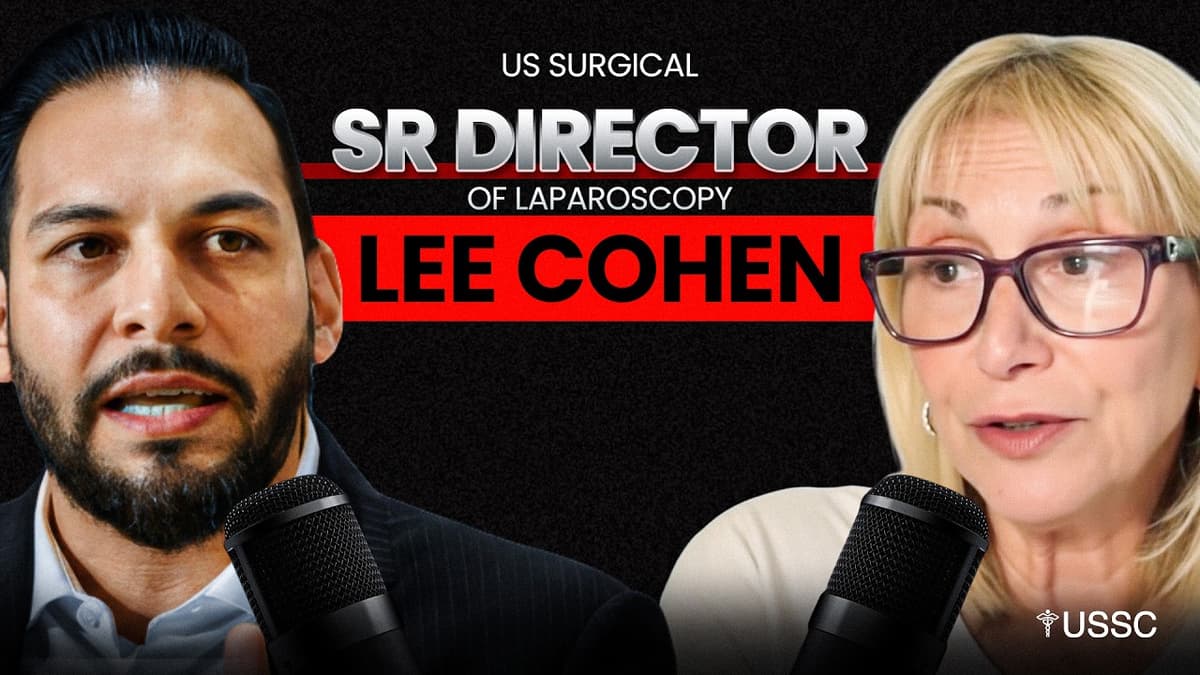
US Surgical's $1 Billion Lesson and the Laparoscopic Revolution of the 90s
US Surgical’s 1990s laparoscopic revolution was ignited when senior director Lee Cohen uncovered an illegal off‑label experiment and convinced CEO Leon Hirsch to stake the entire company on the technology. The bold "Green Beret" sales force trained roughly 40,000 surgeons,...

Americans Are Smoking Fentanyl More. Good News?
The video examines the growing trend of Americans smoking fentanyl instead of injecting it, and how harm‑reduction organizations are deliberately supplying glass pipes to facilitate that shift. Reporters Lev Facher and a STAT addiction reporter tour a distribution warehouse and...
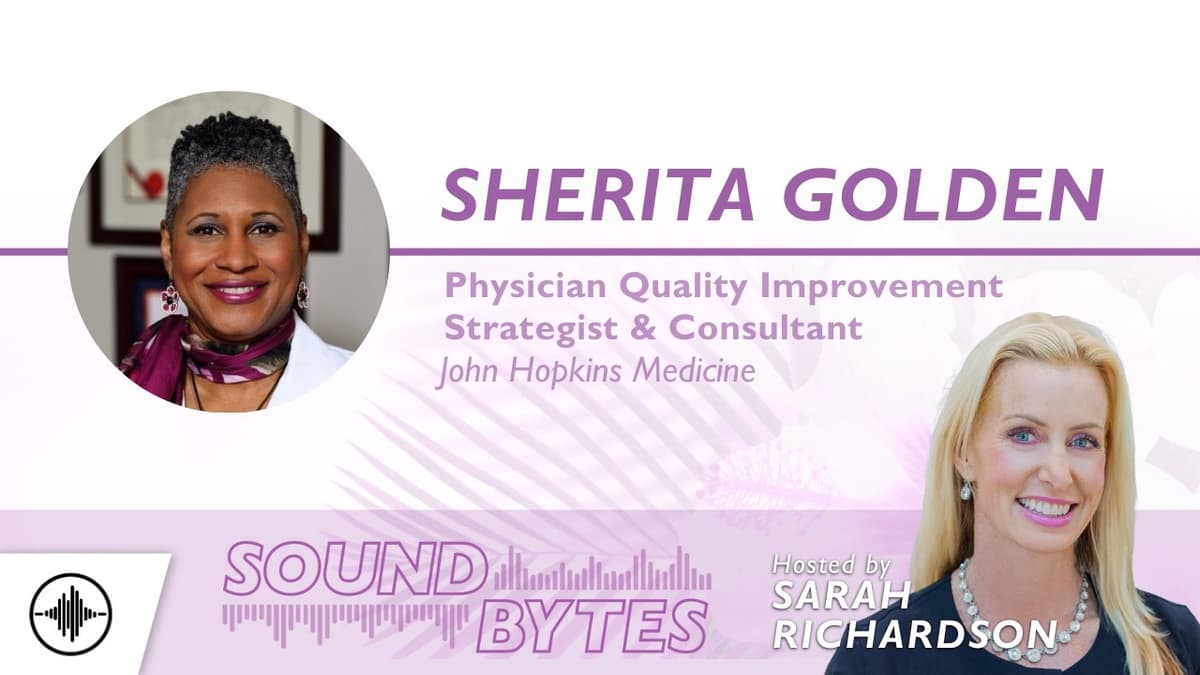
Flourish Sound Bytes: The Surprising Challenges of Diabetes Care with Sherita Golden
Dr. Sherita Golden, an expert in hospital-based diabetes care, warns that inpatient glucose management is uniquely high-risk due to acute illnesses, hospital-driven treatment changes (steroids, fasting, altered diets), and insulin’s potential to cause rapid hypoglycemia. Errors most commonly occur at...
Why Insulin Can Be Just as Dangerous as Opioids in Hospitals - FSB
Hospital glucose management is far riskier than outpatient care, as the video explains. Inpatients encounter multiple variables—steroids, fasting for procedures, and carbohydrate‑controlled meals—that can destabilize blood sugar levels. These factors, combined with sedating pain medications, create a volatile environment for...

Why This Health System Took Down Epic at 10 AM Without Warning - 229
The video explains why a major health system abruptly shut down its Epic electronic‑health‑record platform at 10 a.m., treating the event as an unannounced emergency drill rather than a routine maintenance window. Operators triggered a full emergency operations plan, opened a command...
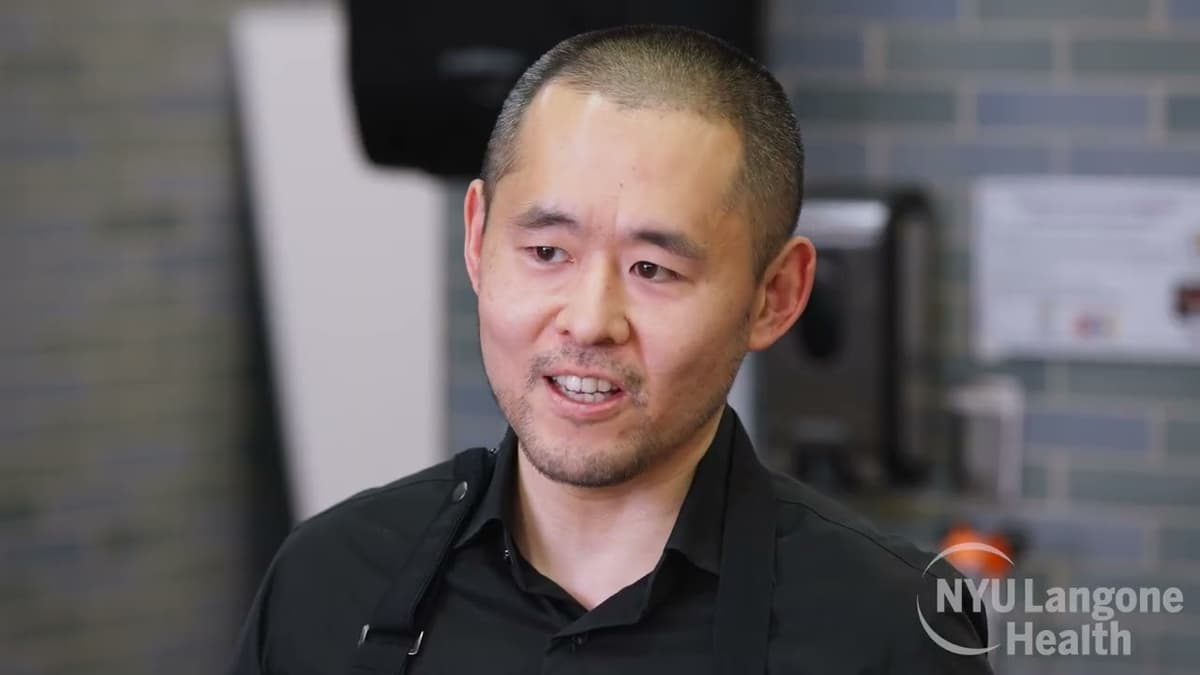
Japanese Curry with Chickpeas and Coconut Milk: Cooking for Wellness at NYU Langone
The video, part of NYU Langone Health’s "Cooking for Wellness" series, showcases a heart‑healthy Japanese curry prepared during National Heart Health Month. Chief cardiac surgeon Dr. Norrisugu Nito joins host to demonstrate ingredient swaps that align with cardiovascular nutrition guidelines. Key...
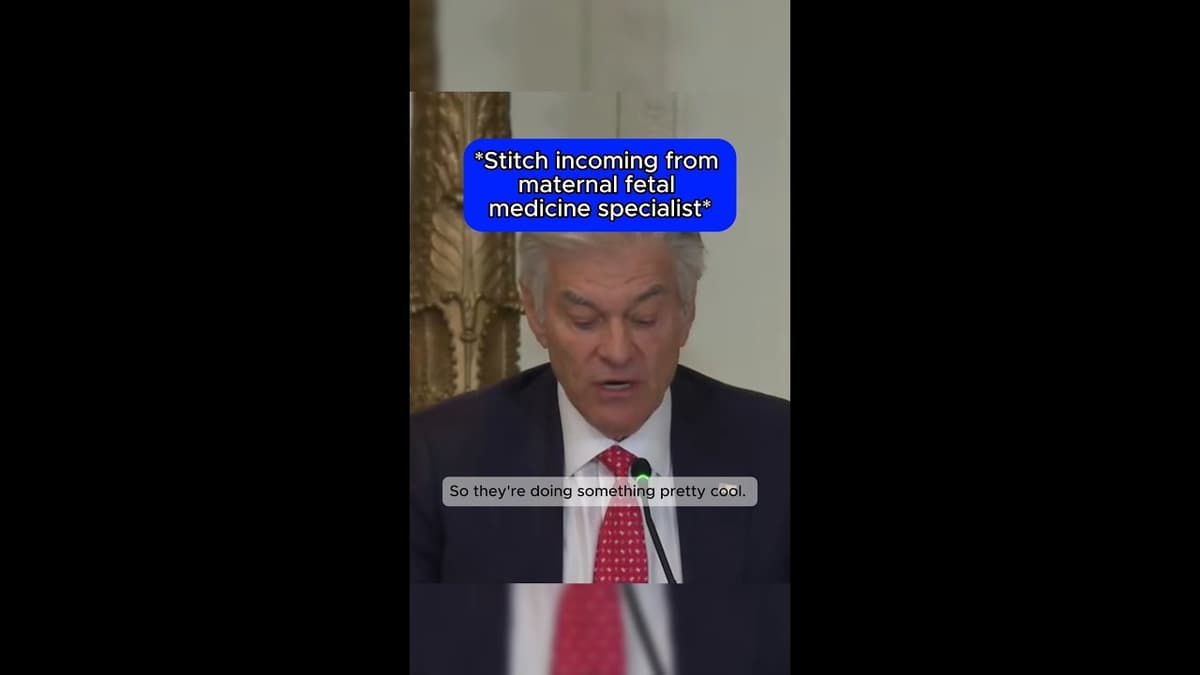
These Aren't the Ob/Gyn Droids We're Looking For
The video highlights Alabama’s acute shortage of obstetric‑gynecologists in many rural counties and the state’s experimental response: deploying robotic ultrasound systems to scan pregnant patients remotely. Ultrasound imaging is vital for high‑risk pregnancies—cervical‑length measurement, fetal growth monitoring, and still‑birth prevention—but traditional...

Exploring the Interoperability Conundrum
The podcast 'Exploring the interoperability conundrum' examines whether the NHS's shift from analog to digital, as outlined in its 10‑year health plan, is sufficient to create a truly interoperable, data‑driven system. The guests argue that sheer volume of digital records does...

Tiny Robot Fish Could Swim Through the Body Powered by Ultrasound
The video introduces acoustic robotics, where tiny polymer devices are powered solely by ultrasound‑induced bubble dynamics, eliminating wires, batteries, or magnets and opening the door to fully wireless medical microrobots. A thin polymer sheet is laser‑molded with thousands of sub‑millimetre cavities...
Data That's Timely and Insightful From PointClickCare
In this Healthcare IT interview, PointClickCare’s Director of Product Management Schweda Shambog discusses how timely, actionable data is reshaping post‑acute care. She explains the company’s evolution from a skilled‑nursing‑focused EHR to a platform that bridges acute and post‑acute settings, emphasizing...
Nakul S. Talathi, M.D. | Pediatric Orthopaedic Surgeon
Dr. Nakul S. Talathi, also introduced as Nick Totti, is a pediatric orthopedic surgeon at Johns Hopkins Medicine, specializing in hip, spine, and trauma care for children, adolescents, and young adults. He stresses a listening‑first philosophy, collaborates closely with families to...

What Really Happens When a Robot Draws Your Blood?
The video examines Vitestro’s robotic blood‑drawing system, which uses ultrasound to locate a vein, positions the arm, inserts the needle, collects the sample, retracts the needle and applies a bandage—all without human hands touching the needle. The device already carries...

IROS 2025 Keynotes - Medical Robots: Li Zhang
Li Zhang’s IROS 2025 keynote highlighted the rapid evolution of miniature biomedical robots, emphasizing magnetic actuation, bio‑hybrid materials, and modular architectures for safe, targeted therapy. He traced the concept back to Richard Feynman’s swallowable‑surgery vision and described how his team fabricates...
Roundtable on PMTA Submissions for ENDS Products
The FDA’s Center for Tobacco Products convened a roundtable to walk participants through the pre‑market tobacco product application (PMTA) process for electronic nicotine delivery systems (ENDS). Director Matthew Farley opened the session, emphasizing two goals: to clarify the scientific data...
Day in the Life: Stanford Med | Johnny Powell
Johnny Powell, a third‑year Stanford medical student, walks viewers through a typical day on his surgery rotation, beginning at 4:30 a.m. with hospital rounds and patient note reviews. He highlights the campus’s appeal and the rigorous schedule that defines Stanford Medicine. During...