
Reclassifying Cannabis? Implications for Recreational/Medical Marijuana Use, Research, Drug Policy
The Harvard‑hosted webinar examined the federal effort to move cannabis from Schedule I to Schedule III under the Controlled Substances Act. Panelists traced the historical attempts—legislative bills, lawsuits, and recent executive actions—highlighting President Trump’s 2025 executive order and Attorney General Merrick Garland’s pending rule, which would finally recognize a "currently accepted medical use" for marijuana. Key insights centered on the statutory criteria for scheduling: medical utility, abuse potential, and safety. A 2022 reinterpretation by HHS broadened the definition of medical use to include state‑level legalization and physician prescribing, overturning the earlier FDA‑approval standard that had blocked rescheduling. Experts noted that this shift, coupled with growing clinical experience and emerging research, underpins the push toward Schedule III. Panelists offered vivid examples: Dr. Peter Ginspoon contrasted cannabis’s relative safety with tobacco and alcohol, arguing that criminalization is a war‑on‑drugs artifact. Lawyer Hersh Jane quantified the economic impact, noting that Schedule III would repeal IRS Code 280E, lowering costs and curbing illicit market demand. Activist Epha Taio Harvey warned that rescheduling alone won’t resolve racial disparities, emphasizing the need for broader policy reforms. The implications are profound. Schedule III status would unlock banking services, enable tax deductions, and catalyze state‑level reforms, while also reshaping international drug‑policy dialogues. For investors, clinicians, and policymakers, the move signals a transition from prohibition to regulated medical market, with potential to accelerate research, reduce stigma, and address longstanding equity concerns.

How I Became a Biology Lecturer: Richard's Story
Richard describes how his master's at LSHDM launched a seven‑year malaria research stint in Tanzania, which formed the core of his PhD. He worked under Professor Mark Roland, trapping mosquitoes in rural villages, identifying species, and measuring infection rates to...
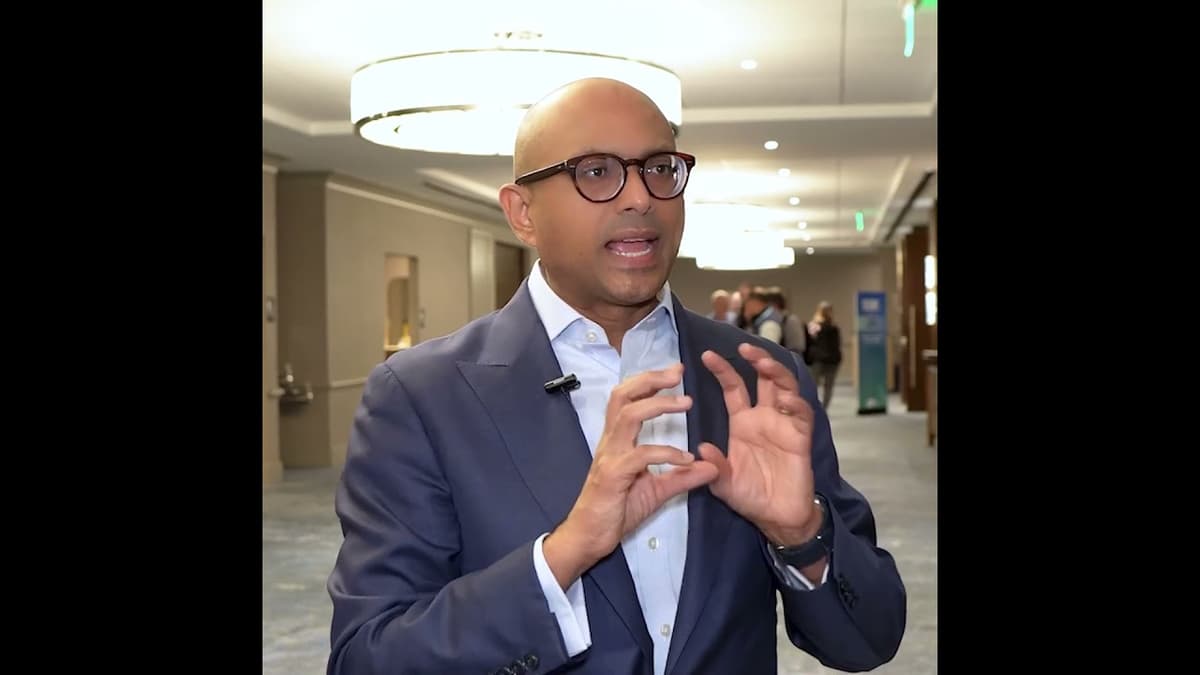
Insight From Srinivas Velamoor on Next-Gen Engagement...
Srinivas Velamoor outlined a two‑pronged strategy to modernize patient engagement, arguing that health‑care must move from a fragmented, step‑by‑step model to a holistic, whole‑person journey. He likened the shift to the way physicians now rely on AI‑assisted tools, proposing an...

The Case for NHS-Owned, Open Software
The episode of Digital Health Unplugged focuses on the NHS’s retreat from a publicly documented open‑source policy, highlighted by the sudden disappearance of policy pages after the NHSX merger into NHS England. Host Jordan Soloff and GP‑turned‑digital‑health advocate Marcus Bore...
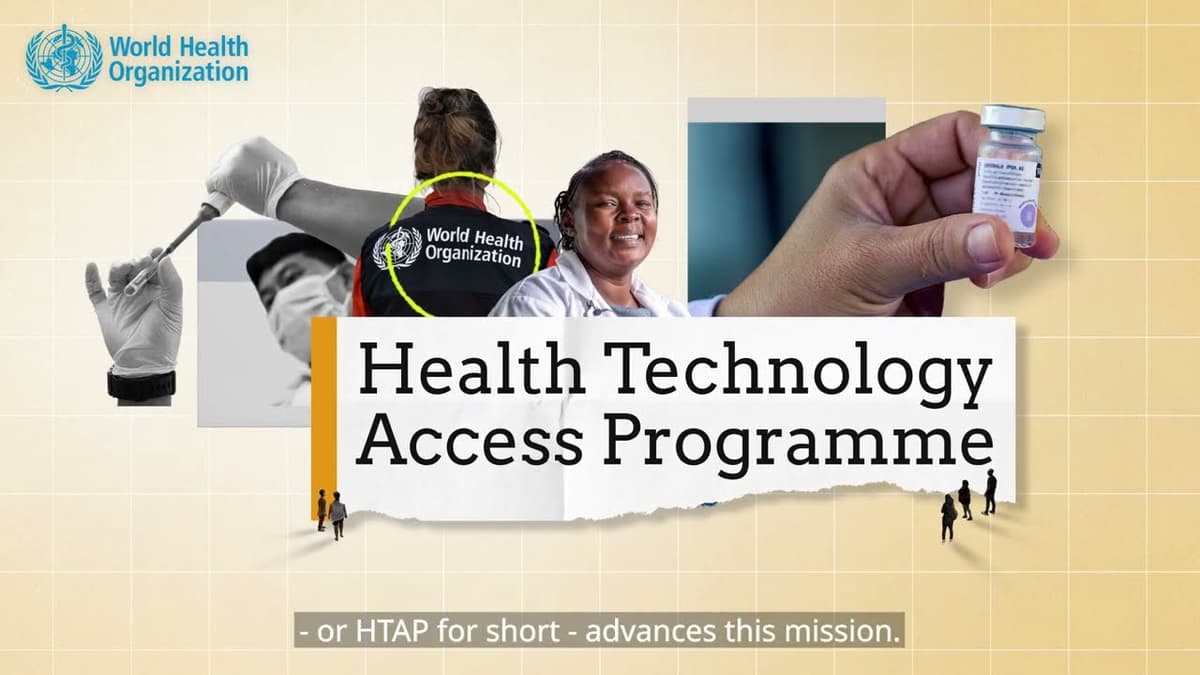
How the Health Technology Access Programme (HTAP) Operates?
The World Health Organization’s Health Technology Access Programme (HTAP) is designed to close the gap between high‑income manufacturers and low‑ and middle‑income countries that struggle with limited production capacity, skilled workforces, and costly health products. By convening technology owners, local...

FDA Direct: Combating Rare Diseases at the FDA
The FDA Direct town hall marked Rare Disease Day with a candid conversation between FDA leaders Jim and Elizabeth, who both have personal ties to rare‑disease advocacy. Their discussion highlighted the agency’s growing focus on rare‑disease patients, the establishment...
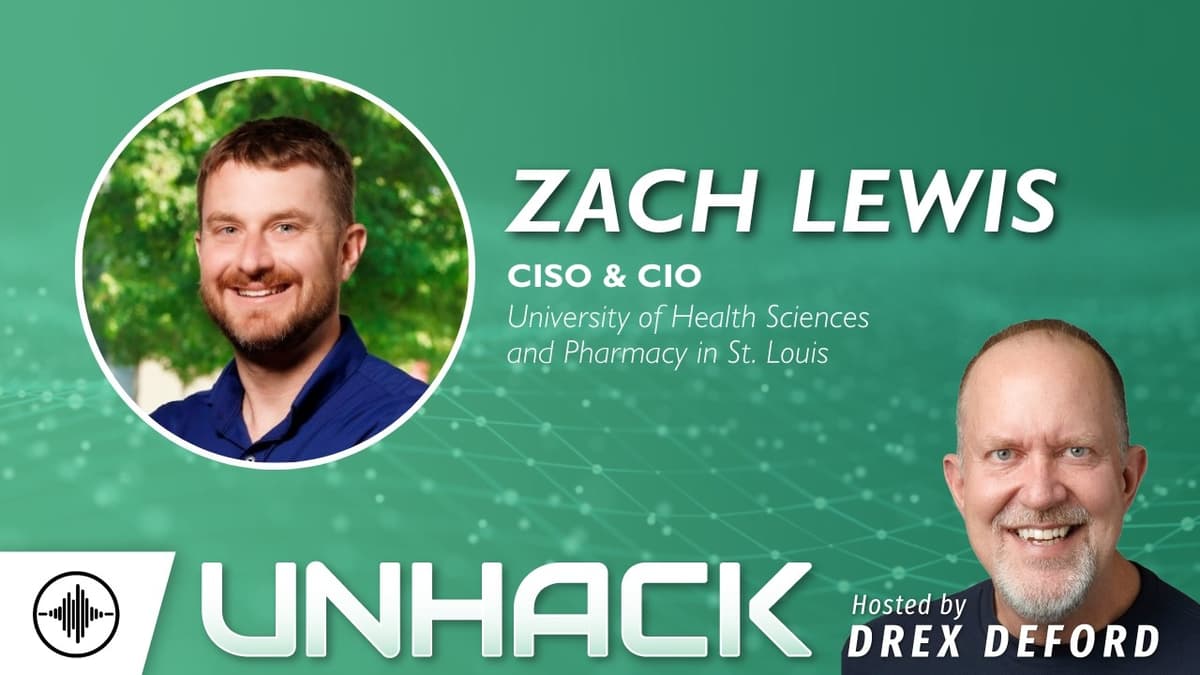
UnHack the Podcast Inside a Real LockBit Attack - Lessons From Fighting Ransomware with Zach Lewis
Zach Lewis, CISO and CIO at the University of Health Sciences and Pharmacy in St. Louis, answered a 3 AM outage call that revealed a LockBit ransomware intrusion. Despite an A‑minus security rating, regular board briefings, FBI connections, and established frameworks,...
Why This Organization Refused to Pay the Ransomware Demands - UNH
The video recounts how a university‑level organization chose not to pay a $1.25 million ransomware ransom after a protracted negotiation with the LockBit gang. Executives, including the president, CFO, and legal counsel, weighed the threat, the alleged data volume, and the...

Closing the Revolving Door in Severe Mental Illness | Insights on Psychiatry
The podcast examines NYU Belleview’s strategy to stop the revolving‑door cycle that traps patients with severe mental illness, homelessness, and addiction. By extending the hospital’s footprint into the community—through the Bridge to Home transitional housing program and assertive community treatment (ACT) teams—the...

The Hidden Link Between Inflammation and Cholesterol | Behind the Breakthrough
The video explains that atherosclerotic plaque is primarily driven by chronic inflammation rather than merely cholesterol accumulation, highlighting a paradigm shift in heart‑disease research. Researchers at NYU Langone discovered that macrophages ingest cholesterol using receptors meant for bacteria, which stalls the...

Johns Hopkins Medicine Cost Estimate Tool
Johns Hopkins Medicine launched an online cost estimate tool that lets patients preview the price of medical procedures before receiving care. The platform pulls data from the health system’s billing database and adjusts figures based on a user’s insurance information....
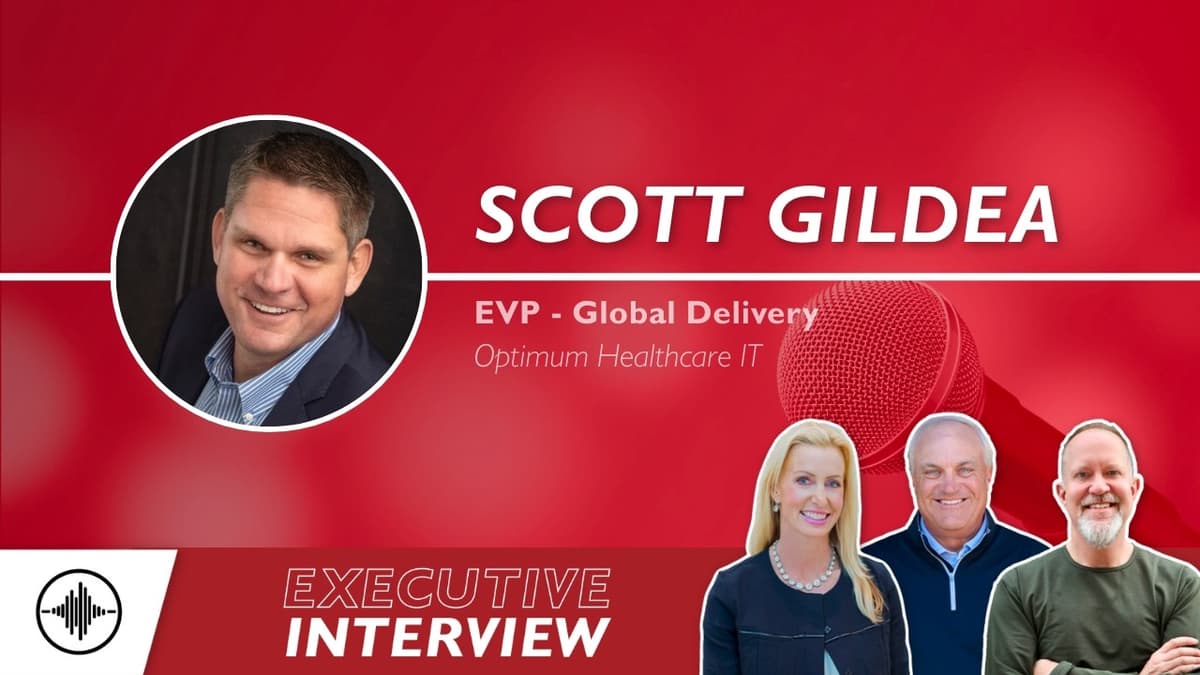
Optimum Healthcare's Bold Move Into Costa Rica - EXE
Optimum Healthcare announced a strategic expansion into Costa Rica, positioning the country as a hub for its healthcare IT talent pool. The move aims to tap into Costa Rica’s bilingual, technically skilled workforce to alleviate the chronic staffing shortages plaguing...
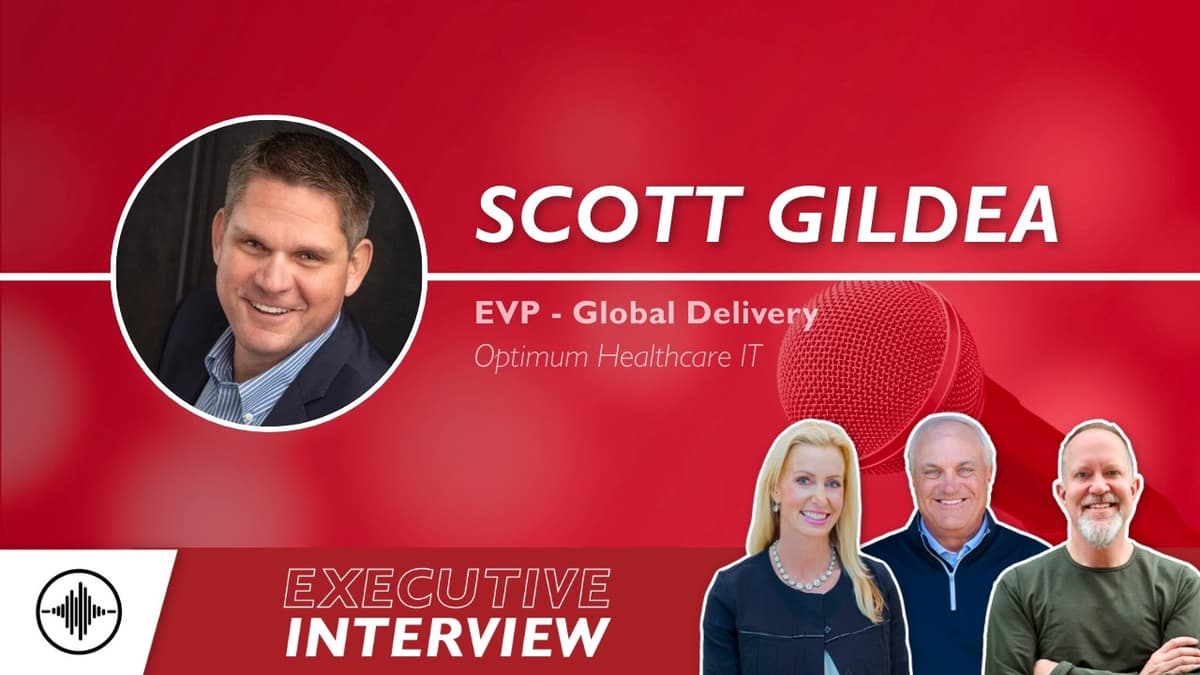
Executive Interview: How Costa Rica Could Solve Healthcare IT's Staffing Crisis with Scott Gildea
Optimum Healthcare IT announced a major expansion of its managed‑services operation into Costa Rica, positioning the Central American nation as a new hub to alleviate the chronic staffing shortage plaguing U.S. healthcare IT departments. The company cites Costa Rica’s growing pool...

Roy Vincent Shares How E-Check-In + Document Parsing Speeds Care and Improves Safety...
Roy Vincent, chief product officer at the company, outlines a new e‑check‑in platform that lets patients complete intake forms online before stepping foot in a clinic. He notes that most facilities still rely on paper and fax, with roughly 70 % of...
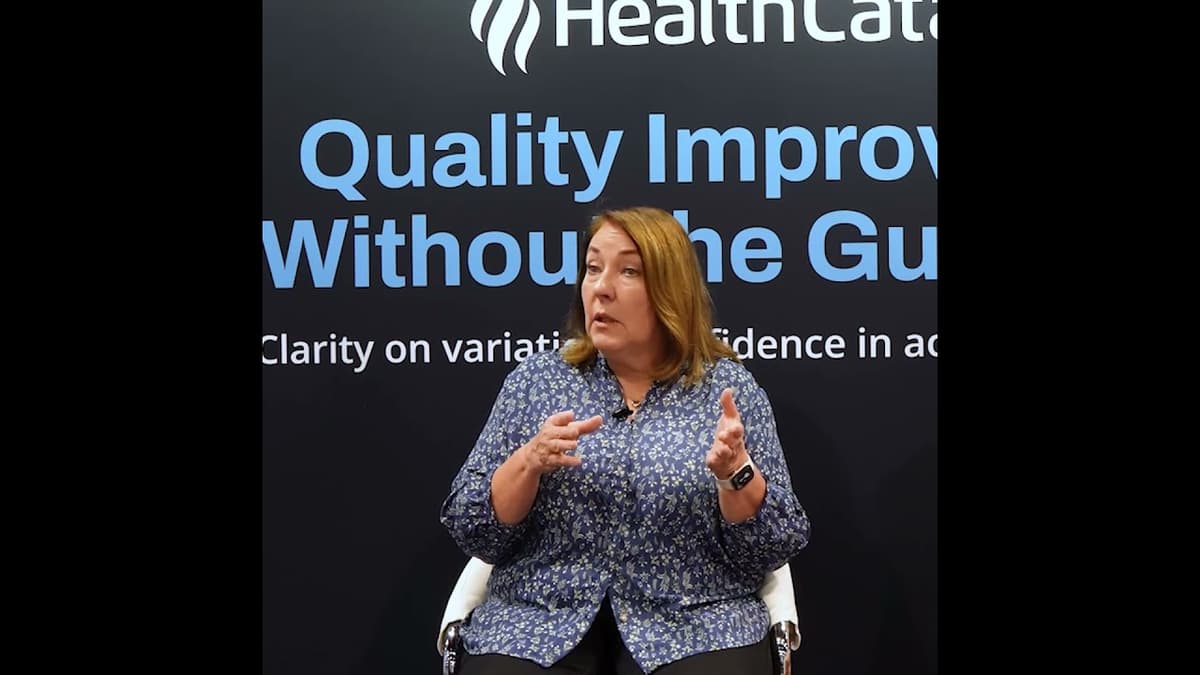
Clinicians Don’t Need More reports.They Need Answers They Trust.
Clinicians are overwhelmed by reports and crave reliable answers that directly inform patient care. The speaker emphasizes that data and analytics alone are insufficient; they must be coupled with best‑practice standards and adaptive workflows to translate raw numbers into actionable...
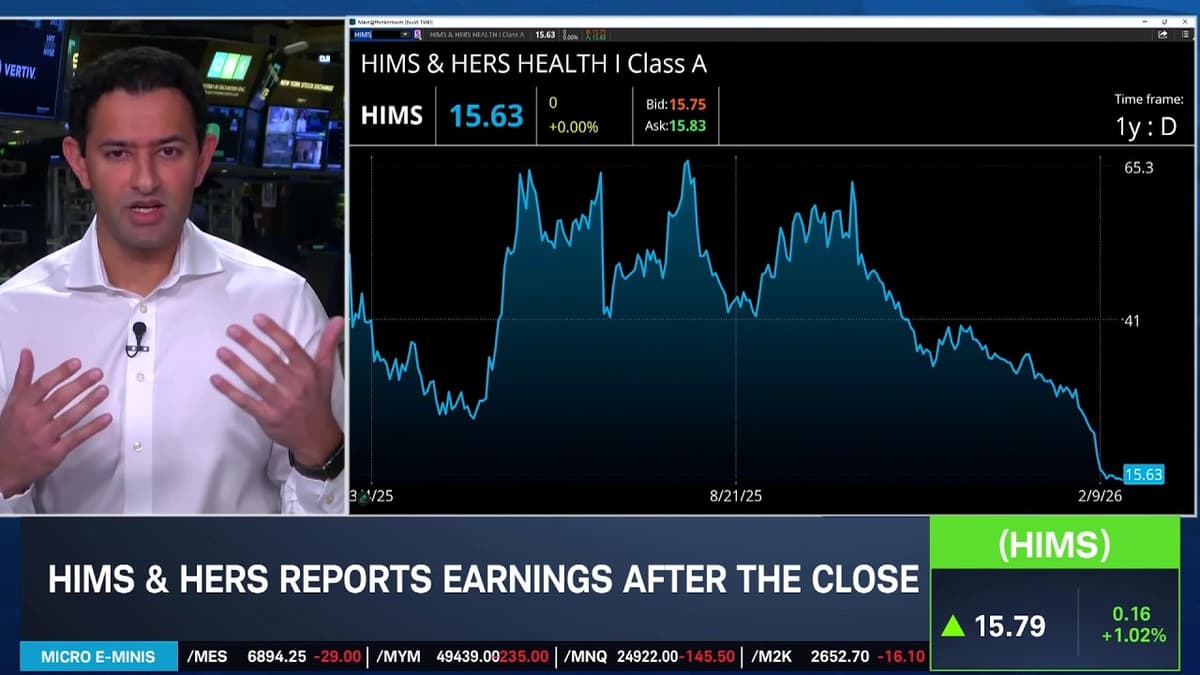
HIMS Headwinds Ahead of Earnings
Hims & Hers (HIMS) heads into earnings amid legal and product challenges. The company faces a lawsuit from Novo Nordisk over its semaglutide weight‑loss offering and heightened regulatory scrutiny. Analysts say the upcoming call will be critical for investors seeking...

Supporting Rehabilitation Needs
After two years of conflict, over 42,000 Gaza residents suffer severe injuries, including more than 5,000 amputations. Rehabilitation facilities are largely destroyed and many specialists have been killed or displaced, leaving a critical service gap. WHO and NORWAC are working...
The Empathy Problem: What Healthcare Can't Automate Away - NEW
The video argues that genuine empathy cannot be delegated to algorithms and must stay a human‑to‑human experience in clinical care. Speakers outline how natural‑language processing can listen to conversations, structure data, draft notes and even generate orders, linking those actions to...
As Software Becomes Cheaper, Who Controls Healthcare's Future? - NEW
The video examines how the near‑zero marginal cost of software is redefining value creation in healthcare IT. Rather than competing on individual features, vendors now vie to assemble comprehensive suites that cover every function a health system needs, turning integration...

The Art and Science of 3D Bioprinting (4 Minutes)
The four‑minute video demystifies 3D bioprinting, describing how engineers replace plastic filament with living bio‑ink to fabricate tissues and organs layer by layer. It explains the workflow: designers create detailed digital blueprints, custom bio‑ink mixtures supply cells and nutrients, printers deposit...

Longevity Medicine: Healthspan or Hype? And What I Recommend to My Patients | Felice Gersh, MD
Dr. Felice Gersh, an integrative OB/GYN, frames longevity medicine as a continuation of centuries‑old public‑health breakthroughs rather than a futuristic quest for immortality. She traces life‑expectancy gains from clean water, sanitation, antibiotics and vaccines, noting that these basic interventions have...

Mass General Brigham Image-Guided Therapy: Shaping the Future of Surgery
Mass General Brigham is showcasing its Image‑Guided Therapy platform, anchored by a multimodality suite that offers immediate MRI, CT, ultrasound and fluoroscopy access. The facility, operational since 2011, aims to make surgeries, radiation oncology and interventional radiology more precise, efficient...

US Surgical: VP of R&D Kurt Azarbarzin on Scaling Product and Innovation of a Billion Dollar Empire
The interview with Kurt Azarbarzin, US Surgical’s longtime VP of R&D, chronicles how the company grew from a modest stapler maker in the early 1980s into a multi‑billion‑dollar empire that helped define modern laparoscopic surgery. Azarbarzin describes the shift from open...

How MedTech Startups Navigate Regulation & Markets | MedTech World Middle East 2026
The MedTech World Middle East 2026 panel tackled the increasingly tangled relationship between regulatory compliance and market access for medical‑technology startups. Speakers emphasized that the traditional linear path—product development, then regulation, then market launch—is obsolete in a saturated, technology‑driven landscape....

Regulatory Evolution to Expedite Drug Development in Japan: A PMDA Initiatives
The video outlines PMDA’s latest regulatory reforms aimed at accelerating drug development in Japan. Since its 2004 inception, the agency has cut review cycles dramatically, yet a growing “drug loss” problem persists as 35% of drugs approved in the United...

Accelerating Accountable Care Through Rapid Learning
Accelerating accountable care through rapid learning was the focus of a recent webinar co‑hosted by West Health and Duke Margolis. Speakers highlighted the urgency created by shifting payment and delivery models and introduced the West Health Accelerator as a partnership that...

TIMS 2026 | Johns Hopkins Medicine
The video introduces TIMS – a Technology‑Enabled Interview Management System pioneered at Johns Hopkins Medicine by ICU chaplain Elizabeth Tracy during the COVID‑19 surge. Faced with patients isolated behind ventilators, Tracy designed a brief, four‑question interview to capture each person’s...

Shifting U.S. Vaccine Policy: Explaining Federal Actions and Exploring Public Opinion
The briefing examined the Trump‑era overhaul of U.S. vaccine policy, highlighting the federal government’s recent decision to trim the pediatric schedule from 13 routine vaccines to just seven and to reclassify six vaccines—including COVID‑19, influenza and rotavirus—under a shared clinical...

Growing Role of Chinese Pharmaceutical Firms in Global Supply Chains
The video highlights how Chinese biotech firms are reshaping global drug supply chains, with Shanghai’s “Pharma Valley” emerging as a hub. Goldman Sachs data show that 46% of new drug molecules entering human trials in the first half of 2025...
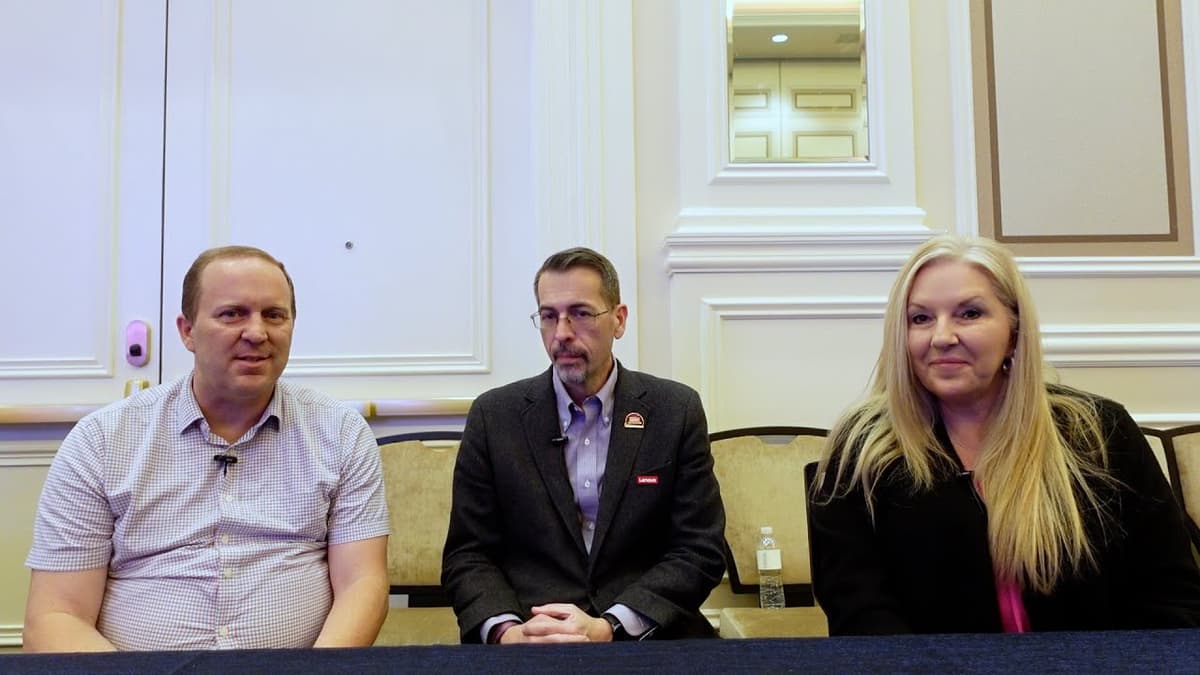
Lenovo and Duke Health Consider the Hospital of the Future
The interview spotlights a joint effort by Lenovo and Duke Health to design a "hospital of the future" in Cary, North Carolina, slated to open in three years. Rather than a static build, Duke frames the new facility as a...

Strategy& Insider Podcast - Episode 43 with Dr. Kahina Lang
Dr. Kahina Lang, head of NextGen Drug Delivery at Merk Group, describes building an agile, startup-style international research unit of 40+ experts across three continents focused on organ- and cell-specific mRNA delivery using nanoparticle carriers. The team aims to direct...

The 229 Podcast: The Golden Retriever Problem - AI Agents That Won't Stop Digging with Drex DeFord
The 229 podcast episode dives deep into the rapid evolution of AI agents, spotlighting OpenAI’s recent hire of OpenClaw’s founder and the broader push to embed autonomous agents across industries, especially healthcare. Bill Russell and Drex Ford unpack how OpenClaw’s...
The Impact of Care Plans on Teamwork and Practice Success
The video explains how care plans serve as more than just paperwork; they are strategic tools designed to improve planning, coordination, and collaboration within primary‑care practices. By creating a single, comprehensive document that outlines patient needs, care plans enable GPs,...

Consolidation and Integration in Health Care: What It Means for Patients, Payers, and Policy
Speakers outlined how decades-long consolidation in U.S. health care has accelerated into new forms of vertical integration: hospitals acquiring physician practices, insurers buying providers and PBMs, and conglomerates building end-to-end platforms. While companies argue these moves improve coordination and efficiency,...

Cost-Cutting Consulting Case Interview: AI in Healthcare (W/ BCG & EY Consultants)
Consultants advised Kaiser on a pilot to use AI-enabled workflow redesign in medical imaging to address rising labor costs driven by nursing shortages and expensive agency staffing. They focused on mapping FTEs and fully loaded labor costs, decomposing imaging workflows...

Epic’s Approach to AI with Seth Hain
In this NEJM AI Grand Rounds episode, Epic’s senior vice president of research and development, Seth Hain, outlines the company’s strategic approach to artificial intelligence. Central to the discussion is Cosmos, Epic’s de‑identified data repository that now contains over 300 million...

Building Resilient, Innovative Supply Chains Across Africa
The Supply Chain Now episode spotlights DHL Global Forwarding’s Middle East and Africa CEO Toby Meyer as he outlines a bold vision for building resilient, innovative supply chains across the continent. The conversation frames the shifting global trade landscape—U.S. tariffs...
NHS Urges Nine Million People to Get Therapy
The National Health Service has rolled out a nationwide campaign urging nine million Britons to access talking‑therapy services, zeroing in on six anxiety‑related conditions – social anxiety, panic disorder, PTSD, OCD, body‑dysmorphic disorder and specific phobias. The push comes as...

The Medicaid ‘Ghost Doctor’ Problem Explained (Jane Zhu)
The podcast examines a new Health Affairs study led by Dr. Jane Zhu that uncovers a hidden "ghost doctor" problem in Medicaid. While 70‑90% of physicians across specialties are formally enrolled as Medicaid providers, a substantial share never treat Medicaid...

Multiple Sclerosis (MS) Diet | Mass General Brigham
The video explains that while disease‑modifying drugs are essential for multiple sclerosis (MS), dietary choices can also influence inflammation and symptom severity. It emphasizes that no single scientifically proven MS diet exists, but adopting anti‑inflammatory eating patterns—particularly a Mediterranean‑style regimen—offers...

How I Became a Director of Education in Global Health and Social Medicine: Deborah's Story
Deborah Hersync, director of education at McMaster’s Mary Hersync School of Global Health and Social Medicine and assistant professor, recounts her journey from Latin‑American fieldwork to a leadership role in global health education. She chose the London School of Hygiene & Tropical...

Does Your Radiology AI Actually Work Here? HOPPR Has an Answer
The video introduces Hopper’s AI Foundry, a platform that lets radiology departments create and deploy hyper‑localized AI models instead of relying on generic, vendor‑wide solutions. Dr. Khan Sadiki explains that imaging techniques, scanner hardware, and patient demographics vary widely between...

The Power of One Team at Mass General Brigham Cancer Institute
The video announces the merger of Mass General Hospital and Brigham Women’s Hospital into the Mass General Brigham Cancer Institute, positioning the combined entity as a single, cohesive force against cancer. By uniting two top‑ranked academic medical centers, the organization...

Dr. Nino Chiocca Discusses Dynamics of a Top Cancer Team
Dr. Nino Chiocca praises his cancer center as a collaborative, world‑class environment where surgeons, oncologists and radiologists operate as a cohesive team of experts. He chose the institution for its renowned teaching and stayed for its strong research and ability...
Knowing How Injection Volumes Impact Delivery Options
The panel discussed how the volume that can be self‑administered determines whether a therapy is delivered via a pre‑filled syringe (PFS), an autoinjector, or an infusion system. Speakers emphasized that the deciding factor is the drug’s pharmacokinetic profile. Antibodies that merely...
Relying On Human Factors Clinical Data For Regulatory Approvals
The discussion centered on the growing regulatory focus on human‑factors engineering in medical‑device submissions, especially within the FDA’s Center for Devices and Radiological Health. Participants noted that the agency’s human‑factors experts have become more visible over the past decade, and...
Monitoring Patient Preferences And Post-Market Safety
The Drug Delivery Leader Live panel highlighted the growing emphasis on patient‑centric post‑market surveillance for injectable, infused, and implanted therapies. Shannon Hoste explained how manufacturers now track patient preferences and safety outcomes after product launch. Real‑world data and digital tools...

Selecting Injection Devices And Platforms
During the Drug Delivery Leader Live webcast, chief editor Tom von Gunden asked panelist Fran DeGrazio how dosing considerations drive the choice of injection devices and platforms. DeGrazio explained that dose volume, drug viscosity, and administration frequency are the primary...

Confirming Study Approaches For Clinical Bridging
During the Drug Delivery Leader Live event, Chief Editor Tom von Gunden prompted panelist Beate Bittner to discuss patient‑centric considerations as drug and delivery products transition to clinical trials. Bittner emphasized that leveraging established platforms and data from previous studies...

Determining Dosing For IV Or Subcutaneous Delivery
In a Drug Delivery Leader Live session, panelist Beate Bittner discussed early‑stage formulation decisions from a patient dosing perspective, comparing intravenous (IV) and subcutaneous (SC) routes. She highlighted how drug stability, bioavailability, administration frequency, and patient convenience shape the choice...