
Morning Headlines 3/10/26
Medhost unveiled Medhostone, an AI‑driven platform aimed at streamlining clinical workflows and data analytics. The product’s branding—capitalizing the “one” suffix—draws attention to its unified approach. Meanwhile, Epic Systems intensified its legal offensive against patent trolls, signaling a broader push to protect its market position. The article also flags growing concerns over AI‑generated headshots used in professional profiles, raising authenticity questions.

Hong Kong: Tech Centre Fosters AI-Driven Healthcare Innovation
The Hong Kong Productivity Council has opened the Future Life and Health Tech Centre, a research‑development hub designed to fast‑track AI‑driven innovations across medical technology, biotechnology, functional foods and modernised traditional Chinese medicine. The facility offers an end‑to‑end platform that...

Australia: Digital Health System Strengthens NSW Rural Healthcare
Australia’s Western NSW Local Health District has deployed a virtual support service that continuously monitors patient data across 35 rural hospitals. Algorithm‑driven early warning scores flag clinical deterioration in real time, allowing clinicians at a central hub to alert frontline...

CRISPR-Based Technique Unlocks Healing Power of Mitochondria for Heart Failure Therapy
Researchers at Rice University and Baylor College of Medicine used a non‑editing CRISPR system to activate the PPARGC1A gene, boosting mitochondrial production in human cardiomyocytes. The technique safely increased cellular energy output, as shown by higher oxygen consumption in cell...

HIMSS26 Executive Summit: The ROI of AI – CIO Vs. CFO
At HIMSS26 Executive Summit, senior leaders from Parkland Health and AltaMed debated how to quantify AI’s return on investment in healthcare. They highlighted the difficulty of measuring hard financial gains while acknowledging that AI can free clinicians from documentation and...

Hyde County (NC) to Trial Pivotal eVTOL Emergency Medical Response Operations
Pivotal is piloting a proof‑of‑concept with Hyde County, N.C., and Code Blue Resources to deploy FAA Part 103 ultralight eVTOL aircraft for emergency medical response. Flight‑trained paramedics will serve as volunteer pilots, delivering rapid advanced care to high‑acuity scenes without needing...

Next-Generation Guide Extension Catheter Delivers Value During Complex PCI
A new guide extension catheter, CrossFAST, received FDA clearance in December 2024 and has shown improved efficiency and safety in complex percutaneous coronary interventions. Early clinical experience with four patients demonstrated rapid, deep coronary intubation without balloon‑assisted tracking, reducing dissection risk...

New Technology Unlocks More Autism Gene Varients
Researchers at UC San Diego used long‑read whole‑genome sequencing (LR‑WGS) on 267 autism families, uncovering 33% more structural variants and 38% more tandem repeats than short‑read methods. By pairing the genomic data with DNA‑methylation profiles, they could directly observe how...

HIMSS26 Panel Will Examine AI Tools' 'Attitude'
At HIMSS26, CEO Hal Wolf will host a panel examining AI tools' "attitude." Leaders will discuss why understanding both the data provenance and the designer's identity, values, and goals is critical. The session aims to guide healthcare organizations in evaluating...

March Healthcare Trends Signal Consolidation, Telehealth Gaps, and AI-Driven Patient Engagement
U.S. health‑care spending nears $5 trillion, while hospital markets become increasingly consolidated under a few large systems. Telehealth, despite high eligibility, is billed for only about 3.8% of services, indicating a behavioral adoption gap. Fee‑for‑service still dominates, covering roughly 40% of...
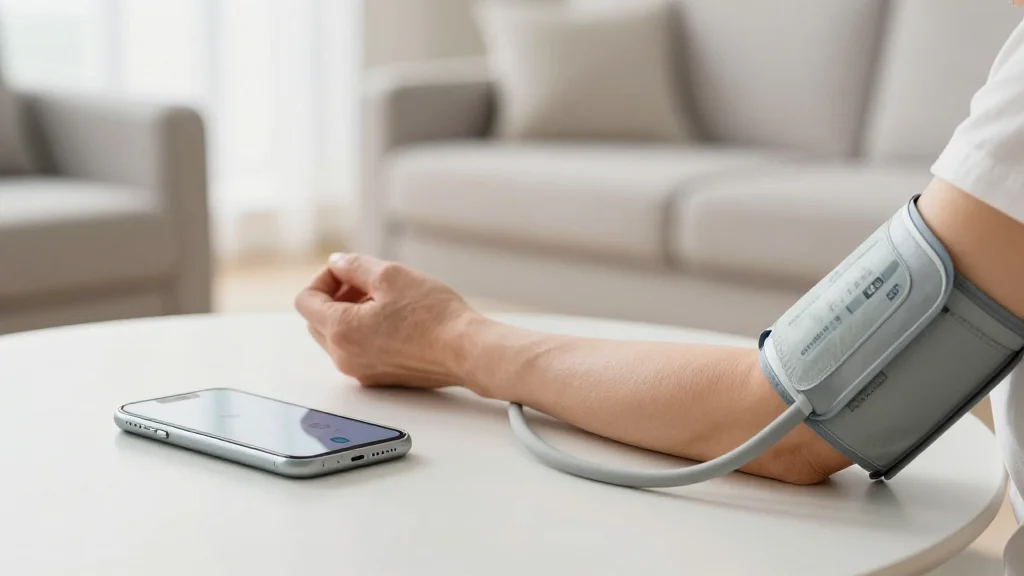
Cost-Effectiveness of Implementing a Home Blood Pressure Telemonitoring Program
Kaiser Permanente Southern California evaluated a home blood pressure telemonitoring (HBPT) program over 12 months in 3,067 patients. The intervention lowered systolic blood pressure by 1.42 mm Hg and diastolic by 1.58 mm Hg, while shifting care from in‑person visits to virtual encounters. Enrollment...

Moderate Valve Oversizing During TAVR Boosts Survival—Too Much May Be Less Beneficial
A recent study of over 1,800 TAVR patients (2020‑2025) found that moderate valve oversizing of 10 %‑20 % independently reduced all‑cause mortality, while minimal (<10 %) and severe (≥20 %) oversizing showed no survival benefit. Procedural outcomes, including stroke and vascular complications, were similar...

Standardized Data Critical to Scaling AI, Healthcare Benefits
At HIMSS 2026, Intermountain Health’s chief strategy officer Dan Liljenquist warned that today’s health‑system model cannot survive mounting workforce shortages and rising demand. He urged leaders to treat interoperability and artificial intelligence as strategic engines, not mere technical check‑boxes. Intermountain...

ECRI Releases 2026 Top 10 Patient Safety Concerns Highlighting AI, Rural Health, and Workforce Shortages
ECRI released its 2026 Top 10 Patient Safety Concerns, placing AI diagnostic dilemmas at #1. The report warns that unchecked AI tools can cause missed or incorrect diagnoses due to automation bias and biased training data. Rural healthcare access ranks...

Safe AI Scaling Key for Healthcare Leaders in 2026
Kyndryl’s Healthcare Readiness Report finds a widening gap between AI ambition and safe, compliant scaling in the sector. While 55% of providers worry about keeping up with evolving regulations, only 30% feel prepared, and 76% have more AI pilots than...

MDClone Launches ADAMS Copilot, GenAI-Powered Healthcare Data Assistant
MDClone introduced ADAMS Copilot, a generative‑AI‑powered data assistant embedded in its ADAMS platform. The tool lets clinicians, researchers, and operational staff ask natural‑language questions and receive validated analytics, visualizations, and insights without needing data‑engineering expertise. It runs securely behind each...

HIMSS26: Verily and Samsung Partner to Integrate Galaxy Watch 8 Into Precision Health Platform
Verily Life Sciences and Samsung Electronics have announced a partnership to embed the Galaxy Watch 8 into Verily’s precision health platform, PRE. The FDA‑cleared wearable will stream continuous biometric data—such as SpO2, sleep‑apnea scores, and AFib alerts—directly into Verily’s Viewpoint...
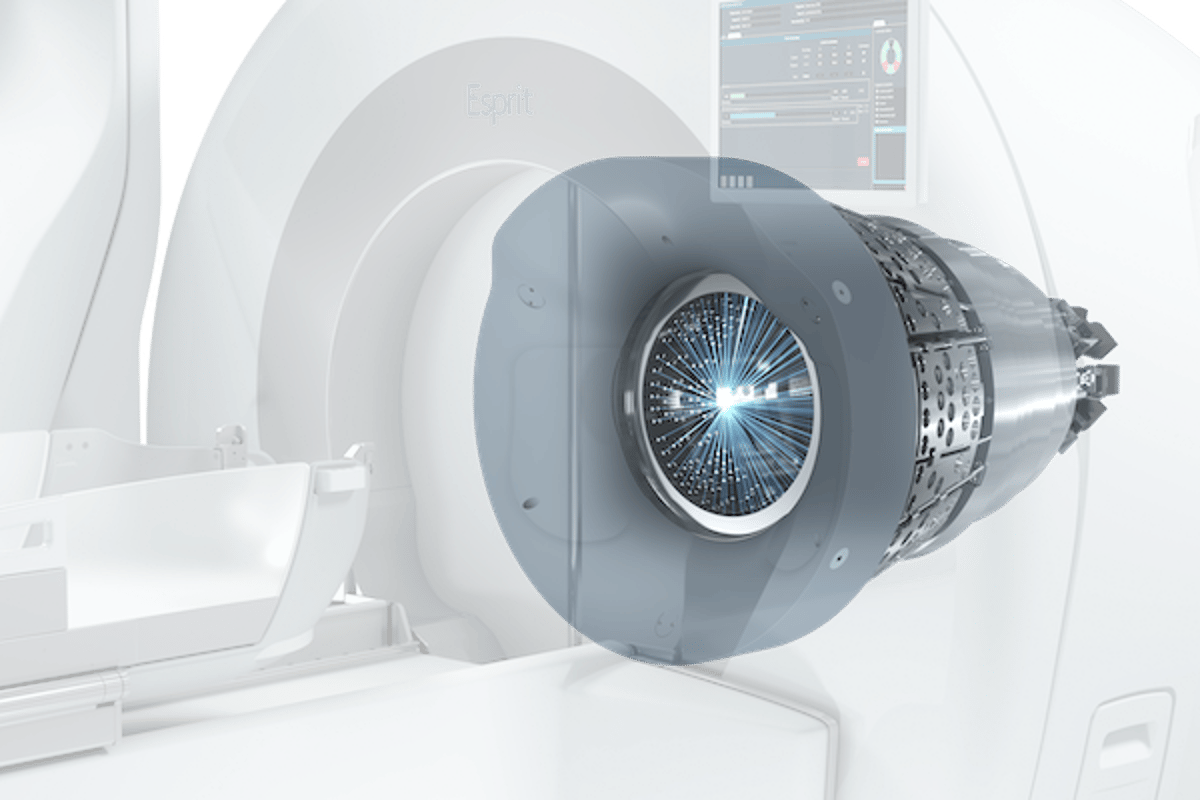
A New Standard of Care
The Elekta Gamma Knife Esprit, featuring 192 simultaneous beams and millimeter‑level precision, is cementing radiosurgery as a first‑line therapy for brain tumors, vascular lesions, and emerging functional disorders. Advances in high‑resolution MRI, functional imaging, and AI‑driven contouring have streamlined planning and...

VisualVault to Showcase Healthcare Solutions at HIMSS
VisualVault, a digital information management firm, will exhibit at HIMSS Global Health Conference 2026 in Las Vegas from March 9‑12, occupying booth 6424 in the Carahsoft Pavilion. The company will highlight a suite of solutions—including Digital Patient Intake, AI‑Enabled Document Workflow, Legacy Data Archive,...

Digital Data May Sway Intensive BP Treatment in the Elderly
Physicians are more likely to choose intensive blood‑pressure targets for elderly patients when digital health data—home BP readings and wearable mobility metrics—are available. A discrete choice experiment with 197 Australian doctors showed an odds ratio of 2.7 for intensive treatment...

Medidata, CRIO Boost Clinical Trials with Integration
Medidata, a Dassault Systèmes brand, has partnered with eSource specialist CRIO to automate clinical data flow from site systems into the Medidata Platform. The plug‑and‑play integration now serves over 2,500 research sites in roughly 30 countries, delivering near‑100% data accuracy and...

WellSpan Health Launches 24/7, AI-Powered Robotic Kitchen with RoboEatz and ABB Robotics
WellSpan Health has opened “Fresh Take Eatery,” a 24/7 AI‑powered robotic kitchen at its York Hospital. The system uses RoboEatz’s Autonomous Robotic Kitchen (ARK) platform with ABB Robotics’ articulated arms, occupying just 400 sq ft. It runs four cooking modules, stores up...

Natus Launches autoSCORE AI for EEG Analysis
Natus Medical has launched autoSCORE™, the first AI model that delivers comprehensive clinical EEG interpretations with accuracy comparable to top neurologists. The deep‑learning tool, trained on 30,000 expertly labeled recordings, received FDA 510(k) clearance for routine, long‑term monitoring and ambulatory...

Walgreens Launches $49 Pay-Per-Visit Weight Management, Expanding Virtual Healthcare Platform
Walgreens has launched a $49 per‑visit weight‑management program within its Virtual Healthcare platform, offering clinician‑guided GLP‑1 prescriptions for adults 18‑64. Patients complete an online video consult, after which licensed doctors or nurse practitioners can prescribe FDA‑approved drugs such as Wegovy....
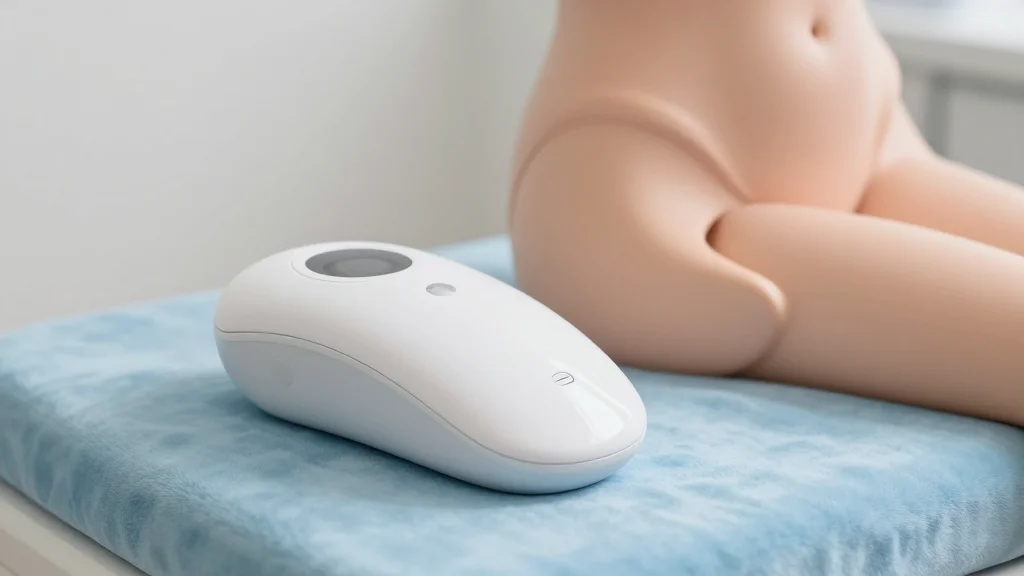
New Real-World Evidence Study Shows Leva® Pelvic Health System Significantly Improves Fecal Incontinence Symptoms in Women
Axena Health announced that its Leva Pelvic Health System achieved clinically meaningful improvements in fecal incontinence symptoms among women, according to a real‑world evidence study published in Diseases of the Colon & Rectum. The study demonstrated statistically significant reductions in...

Cloudcure Launches Companion App to Close Clinical Adherence Gap in Metabolic Health
Cloudcure has introduced a companion weight‑management app that serves as a clinical anchor for patients using GLP‑1 therapies in Canada. The platform blends clinician‑led messaging, evidence‑based behavioral curricula, and real‑time medication titration to address the adherence gap created by transactional...

HIMSS26: GE HealthCare’s Genesis Radiology Workspace ‘View’ Receives FDA 510(k) Clearance
GE HealthCare has secured FDA 510(k) clearance for View, a zero‑footprint, cloud‑native diagnostic viewer that anchors its Genesis Radiology Workspace. Radiologists currently spend up to 44% of their time on non‑interpretive tasks, a bottleneck View aims to eliminate by removing...

GLP-1: Amazon Pharmacy Adds Zepbound KwikPen to Its Same-Day Delivery for $299
Amazon Pharmacy has launched Eli Lilly’s Zepbound KwikPen, a multi‑dose GLP‑1 weight‑loss injector, on its platform with a self‑pay price of $299 per month. The KwikPen delivers a full month’s dose in a single pen, cutting waste and easing patient...

Eyes on the Future: How Retinal Imaging Is Reframing Preventive Medicine
Retinal imaging is transitioning from a niche eye‑disease tool to a non‑invasive platform for systemic health assessment. Recent studies show that microvascular patterns in the retina can predict cardiovascular events, diabetes, kidney disease, and even early cognitive decline. AI‑driven analysis...

Novo Nordisk Expands U.S. Patient Access to FDA-Approved Semaglutide Medicines Through Hims & Hers
Novo Nordisk announced a partnership with telehealth provider Hims & Hers, allowing U.S. consumers to purchase FDA‑approved Ozempic and Wegovy at the same self‑pay prices as other digital platforms. The agreement eliminates compounded GLP‑1 offerings and enables patients to transition...

Hopkins Funds AI Research Across the Country to Support Aging Patients
Johns Hopkins’ Artificial Intelligence and Technology Collaboratory for Aging Research (JH AITC) has distributed $20 million in National Institute on Aging funds to 45 states, D.C., Puerto Rico and the U.S. Virgin Islands, spawning 42 peer‑reviewed papers, seven market‑ready products and $11.7 million...

Photothermally Triggered Intratumoral In Situ Drug Synthesis: A Smart Nanoplatform for NIR‐Controlled Precise Activation of Antitumor Precursors
Researchers have engineered an iron‑doped mesoporous silica nanoplatform (FOBA) that, when exposed to 808 nm near‑infrared light, uses the Y6 photothermal converter to heat and trigger a PEG gate, creating a transient solvent that enables in‑situ synthesis of the cytotoxic agent...

A Recyclable Magnetic Nanosystem Enable Circulatory Antibacterial Strategy for Static and Dynamic Blood Disinfection
Researchers have engineered a recyclable magnetic nanosystem (Fe3O4/CeO2@BP) that integrates black phosphorus with iron oxide and cerium oxide to achieve rapid, ROS‑driven antibacterial activity in blood. The material can be magnetically retrieved, enabling repeated use across at least 20 disinfection...
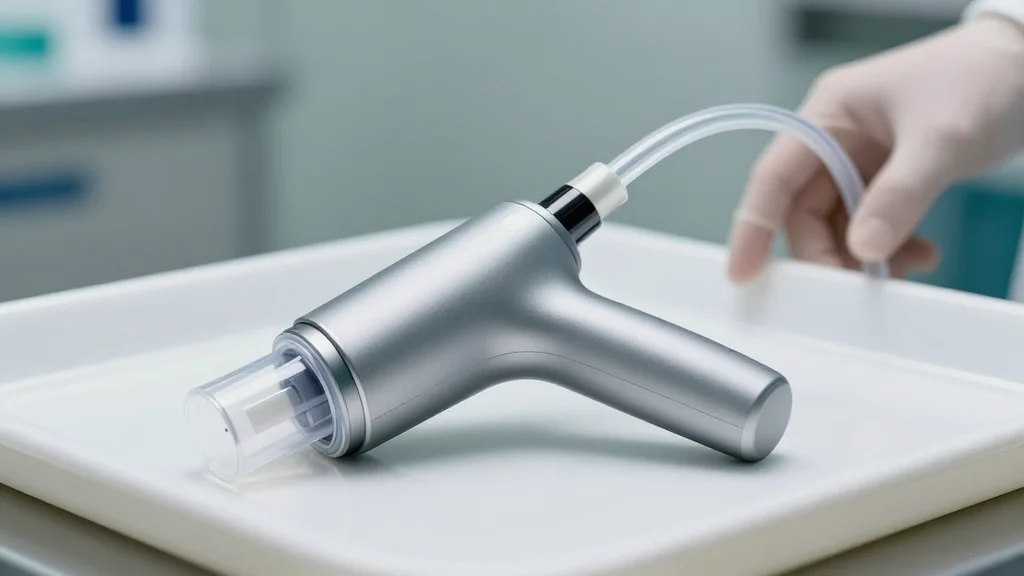
LifeVac Receives FDA De Novo Classification for Anti-Choking Device
LifeVac has secured FDA De Novo classification, designating its suction anti‑choking device as a Class II medical device for second‑line treatment after failed basic life support protocols. The clearance confirms the device as a single‑use, non‑powered, non‑invasive tool suitable for adults and...

AOK Bayern Transforms Healthcare Service for 4.5 Million Members with NiCE’s CXone CX AI Platform
AOK Bayern, one of Germany’s largest statutory health insurers serving 4.5 million members, has migrated its contact‑center operations to NICE CXone on the EU Sovereign Cloud. The move replaces legacy on‑premises systems with a unified, cloud‑native platform that integrates voice, chat, email...

Blood Test Using P-Tau217 Biomarker Predicts Alzheimer’s Symptom Onset Within 3–4 Years
Researchers at Washington University have created a blood‑test model using plasma p‑tau217 that can predict the onset of Alzheimer’s symptoms within three to four years. The model, validated on 603 participants, shows age‑dependent timelines, with younger individuals experiencing longer asymptomatic...

How Healthcare Leaders Are Building Procurement Interoperability
Healthcare providers, suppliers, and distributors are tackling fragmented IT systems that impede supply‑chain data sharing. Leaders at Nebraska Medicine, Heartland Dental, and Sinceri Senior Living have implemented procurement interoperability solutions—primarily through Amazon Business integrations—to automate purchase orders, gain real‑time spend...

The Strategic Evolution of Patient Engagement in the NHS: The Post Wayfinder Era and Consolidation of the 'Digital Front Door'
The NHS is moving from a fragmented, market‑led patient‑engagement model to a centrally managed "digital front door" anchored in the NHS App. Funding for the Wayfinder programme will cease in March 2026, saving an estimated £11 million annually and shifting integration directly...

Hesta Health Opens Early Access for Postnatal Recovery Assessment
Hesta Health has opened early access to its postnatal health‑check programme, Recovery, for women in the first six months after birth. The service combines a clinically designed online questionnaire, an at‑home blood test that measures 51 biomarkers across eight domains,...

Exeter Leads Major New Project to Advance AI-Enabled Platform for Early Detection of Hospital Acquired Infections
The NIHR HealthTech Research Centre in Exeter and Sanome have secured a £300,000 Innovate UK SMART grant to advance MEMORI, an AI‑driven clinical decision support platform that predicts hospital‑acquired infections up to seven days before symptoms appear. Early trials show...

Predictive Preventive Care Among 3 New Initiatives Announced to Strengthen Healthcare Affordability in Singapore
Singapore’s Ministry of Health unveiled three new measures to curb rising healthcare costs as the nation becomes a super‑aged society. From 2027, MediSave withdrawal limits will rise to S$700 for basic chronic care and S$1,000 for complex cases, while the...
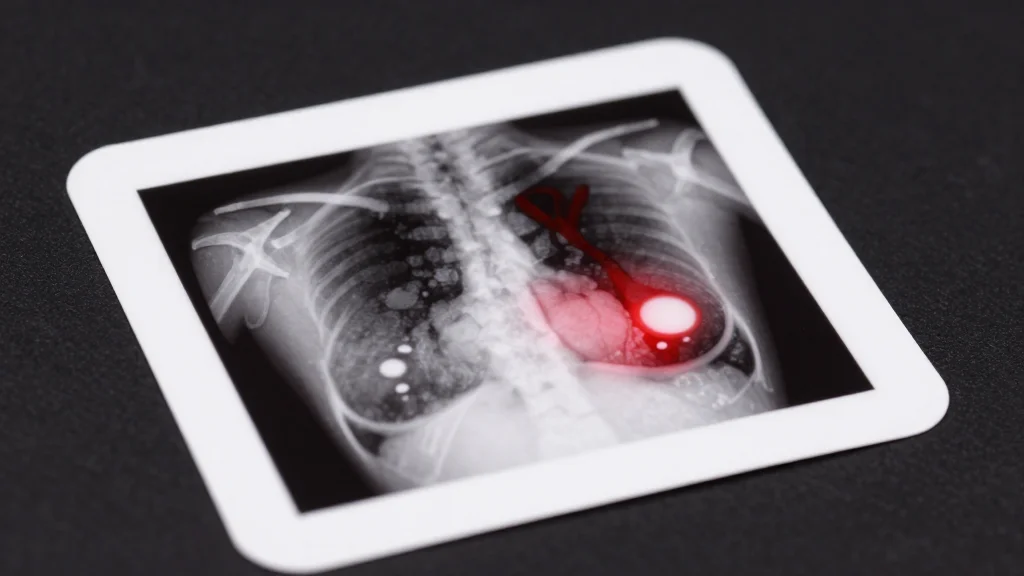
AI Can Predict Risk of Serious Heart Disease From Mammograms
Researchers at Emory University used artificial intelligence to evaluate arterial calcium visible on routine mammograms, linking it to future cardiovascular events. The study examined 123,762 women without prior heart disease and found that mild, moderate, and severe breast arterial calcification...
Morning Headlines 3/9/26
Epic Systems has launched a series of lawsuits targeting patent trolls and other entities it deems harmful to the healthcare software ecosystem. The company’s legal offensive seeks injunctions and damages to safeguard its multi‑billion‑dollar portfolio. Simultaneously, industry observers note a...

Why This Rural Health System Is Scaling AI for Point-of-Care Decision Making
Presbyterian Healthcare Services in New Mexico is expanding its use of GW RhythmX’s AI‑powered precision‑care platform, now deployed with 200 primary‑care clinicians across its nine‑hospital system. The tool, embedded in the Epic EHR, surfaces clinical insights and evidence‑based recommendations at...

Digital Summary Integrated in Healthdirect Australia’s Video Calls Nationwide
Healthdirect Australia has launched a Patient Consult Summary (PCS) application within its video‑call platform, which handles more than 150,000 virtual consultations each month. The tool lets clinicians create and share concise, plain‑English summaries instantly via typing, speech‑to‑text, or copy‑paste, and...

Hong Kong, Canada to Create Testbed for Agetech
The Hong Kong Polytechnic University and the University of Toronto have signed a memorandum of understanding to launch a Joint Research Centre on Healthy Ageing and AgeTech. The centre will conduct cross‑border pilots in hospitals, long‑term care homes and community...

AND Logic Nanoparticle for Precision Immunotherapy of Metastatic Cancers
Researchers have engineered a dual‑stimuli‑responsive nanoparticle that activates the STING pathway only when both acidic pH and hypoxic NQO1 activity are present, creating an AND‑logic release of the agonist MSA‑2. In preclinical models of lung carcinoma, triple‑negative breast cancer and...

Hong Kong: AI-Enhanced Ultrasound for Faster, Safer Diagnostics
University of Hong Kong researchers unveiled SonoMeta, an AI‑powered ultrasound system that uses engineered metamaterials to steer sound waves around rib bones. The meta‑lens design improves imaging depth, allowing clear visualization of cardiac valves up to 10 cm behind the ribcage...

ChatGPT Provided Wrong Advice In Over 50% Medical Emergencies Tested
A peer‑reviewed study from Icahn School of Medicine evaluated ChatGPT Health across 60 clinical scenarios and 960 interactions. The model delivered correct advice for just 35.2% of non‑urgent cases and 48.4% of true emergencies, often down‑triaging serious conditions like asthma...

Brain-Controlled Assistive Robots Work Best when They Share the Workload with Users
A Frontiers in Human Neuroscience study examined three autonomy levels for brain‑robot interfaces in a virtual kitchen, ranging from Assisted Teleoperation to Full Automation. While Full Automation was fastest and required the least mental effort, users felt a loss of...