
New Cancer Radiotherapy Machines Arrive at Mpilo Hospital
AT MPILO HOSPITAL, Old Radiotherapy Machines are being decommissioned & the newly procured machines are being installed. These are the “Cancer Machines” Zimbabweans have been talking about. President @edmnangagwa DELIVERED. ED2030🔥🔥🔥🔥 https://t.co/uoDZihr6L6

China's AI Hospital Makes Patients the Care Hub
China just defined what an AI Hospital is! It is a new type of smart healthcare model in which AI is embedded into the system itself, linking offline medical expertise with the broader reach of online services to deliver more...
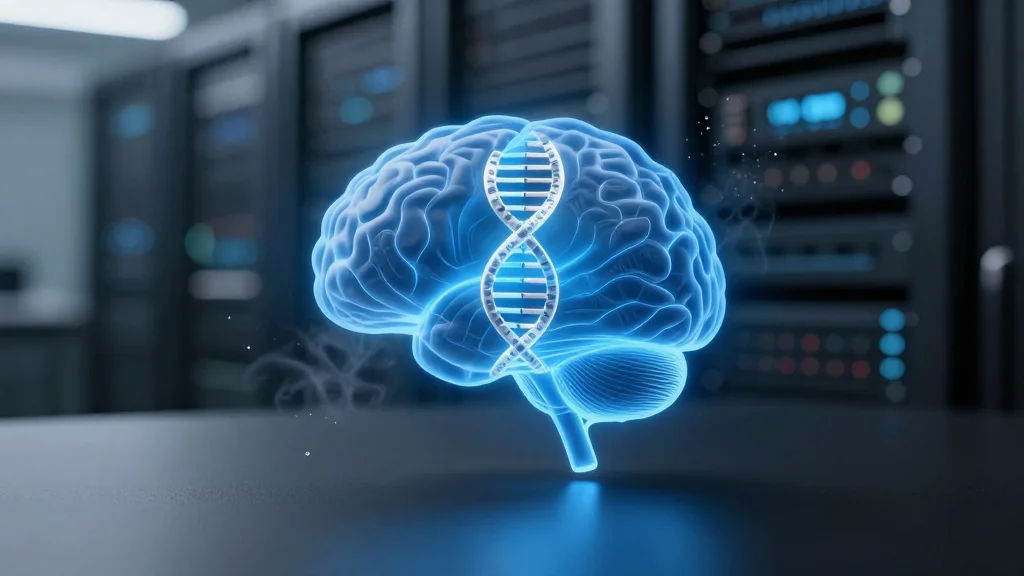
AI, Not Data Center Bans, Will Cure Cancer
If we are going to cure cancer in my lifetime, it’s going to be AI that does it. Think about that when you’re trying to ban data centers because they use less water than one crappy golf course

Advanced Biotech Delivers Precise Disease Detection
Accurate Disease Detection with Advanced Biotech Diagnostics by @antgrasso #MedTech #Healthcare #HealthTech #Tech #TechForGood https://t.co/71nTNGOdDQ

Three AI Tools Should Power Every Mammogram—Free, Proven, Ignored
Every mammogram should be supported by 3 different AIs for improved detection of cancer, prevention, and risk of heart disease. At no cost to patients. My new @TheLancet essay reviews the evidence and the lack of implementation https://t.co/AslAZroL73 https://t.co/znfjtV04HB

Modest LLM Matches Specialized Aging Clocks Across Modalities
The End of Aging Clocks: Training Foundation Models to Reason in Aging and Longevity 🤔 “These results demonstrate that a single modestly sized LLM can match or replace purpose-built aging clocks across data modalities.” https://t.co/WkOvpxDBiU @biogerontology https://t.co/Knb0368KN4
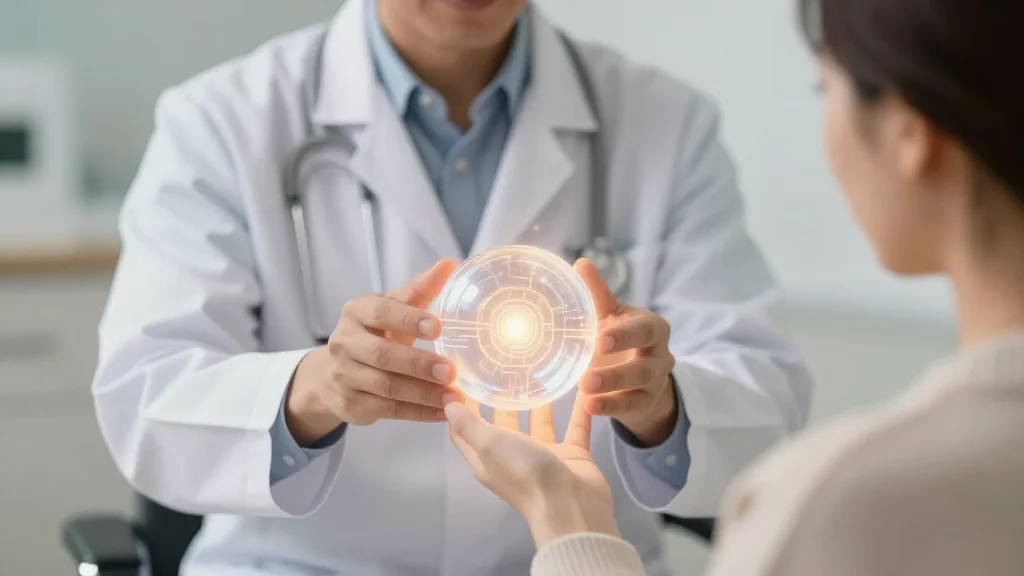
CMS Partners with Innovators to Empower Patients and Streamline Care
“CMS is teaming up with innovators to give patients control of their data, reduce burdensome paperwork, and harness AI to deliver faster, smarter, more compassionate care.” ‼️
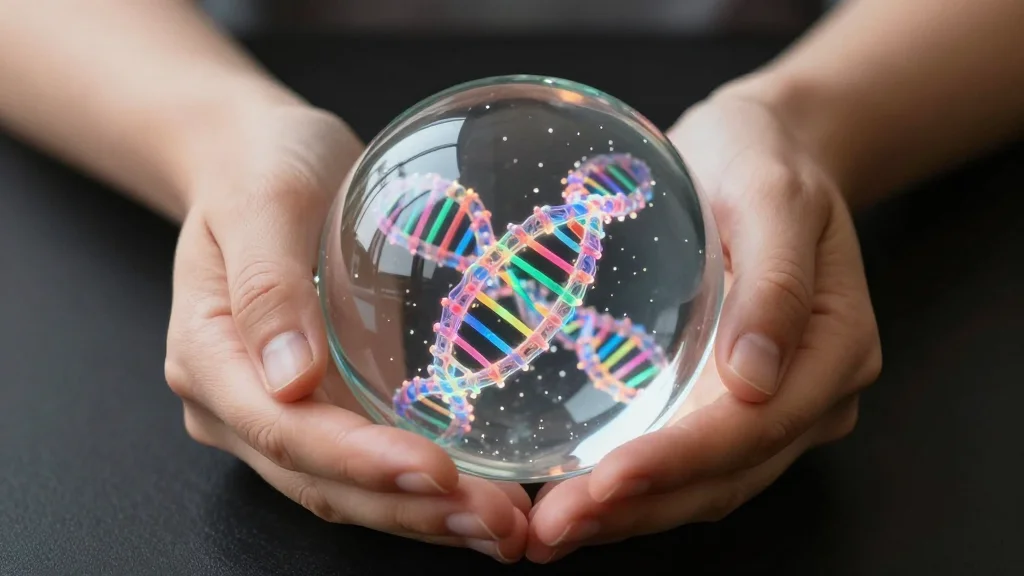
Polygenic Scores Make Parental Genetic Choices More Intentional
Parents already make genetic decisions about the traits of their kids when they select a partner. Now those choices are becoming more conscious. @herasight is building polygenic scores that predict traits and diseases across diverse ancestries. Looking forward to hearing @JonathanAnomaly...
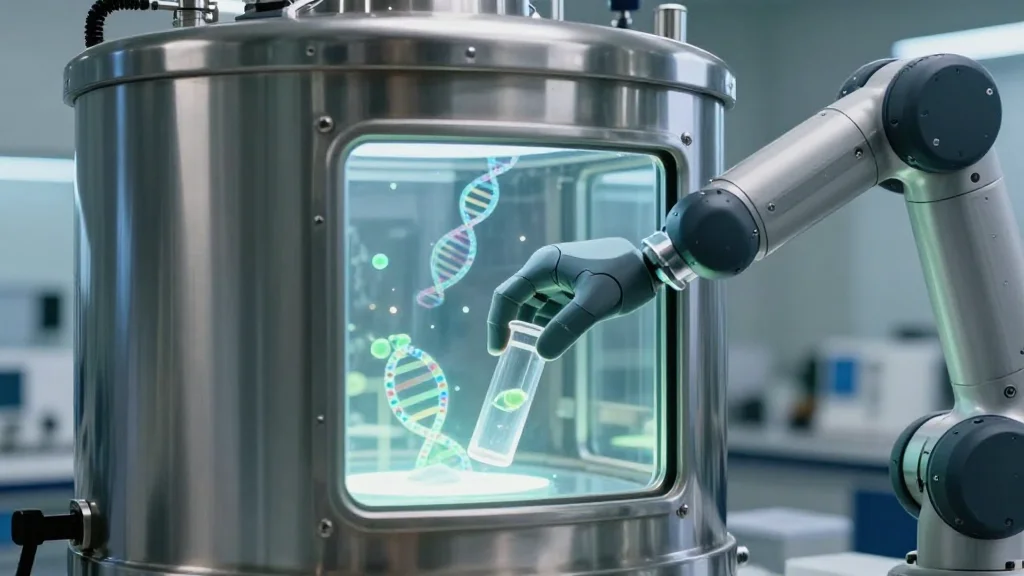
AI Creates Hypotheses; Medra Builds Factories to Test Them
AI is generating hypotheses, Medra is building the factories that test them and deliver the life-changing discoveries:

AI Poised to Transform Healthcare Into Supercharged General Practice
.@peteratmsr on why AI could shift healthcare away from subspecialties, and toward a supercharged version of general practice. Catch my episode with Peter (President of Microsoft Science) on Lifers: Apple: https://t.co/e5WslnfSee Spotify: https://t.co/TaqlqEsE3f YouTube: https://t.co/eAaMF0XEiB

3D-Printed Scaffold + Vesicles Boost Bone Regeneration
Reprogramming of cells via a 3D printed scaffold and extracellular vesicles substantially enhances bone regeneration https://t.co/w6AyvguUjS https://t.co/R32ULM1Rzt

Meta AI Predicts Brain Activity More Accurately than Scans
Meta's new AI can predict your brain better than a brain scan. TRIBE v2 is a foundation model trained on 1,000+ hours of brain imaging data from 720 people. You feed it a video, sound clip, or text, and it predicts: > Which...

From Rubik’s Cubes to AI‑Powered Hospital Fax Automation
.@Luminai helps large health systems move operational workflows from people to computers, turning unstructured data like faxes into structured data and building AI agents to automate critical processes. The company recently raised a $38 million Series B. In this episode of...
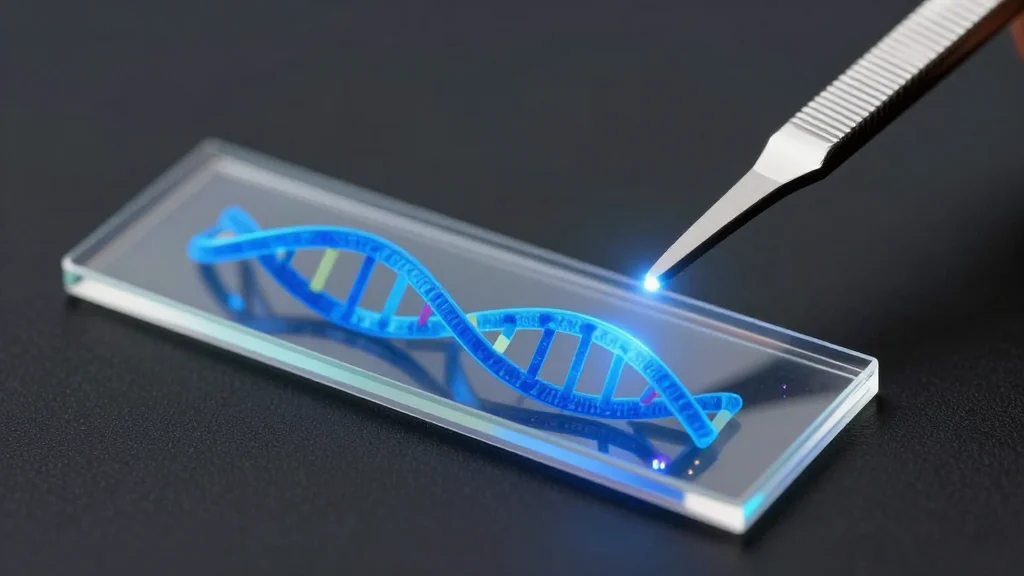
View mRNA‑CRISPR as Molecular Surgery, Not Drugs
What if we started thinking of mRNA-CRISPR gene editing as molecular surgery, not as a pharmaceutical product? Excellent @nytimes guest essay ⤵️ https://t.co/S61XwNRVZF

Durable Bionic Prosthetic Ready for Real-World Use
A Durable and High-Performance Bionic Prosthetic Built for Real-World Use by @COVVI #Robotics #Innovation #EmergingTech #TechForGood #Technology https://t.co/9XKhPrkA8c

Genomics Predicts Individual Weight Loss From GLP‑1 Drugs
Genomics of GLP-1 drug response and side effects With genomic and demographic data it's possible to predict magnitude of weight loss response @23andMe https://t.co/iAS2Fjjxig https://t.co/AXsWnZw2Ub
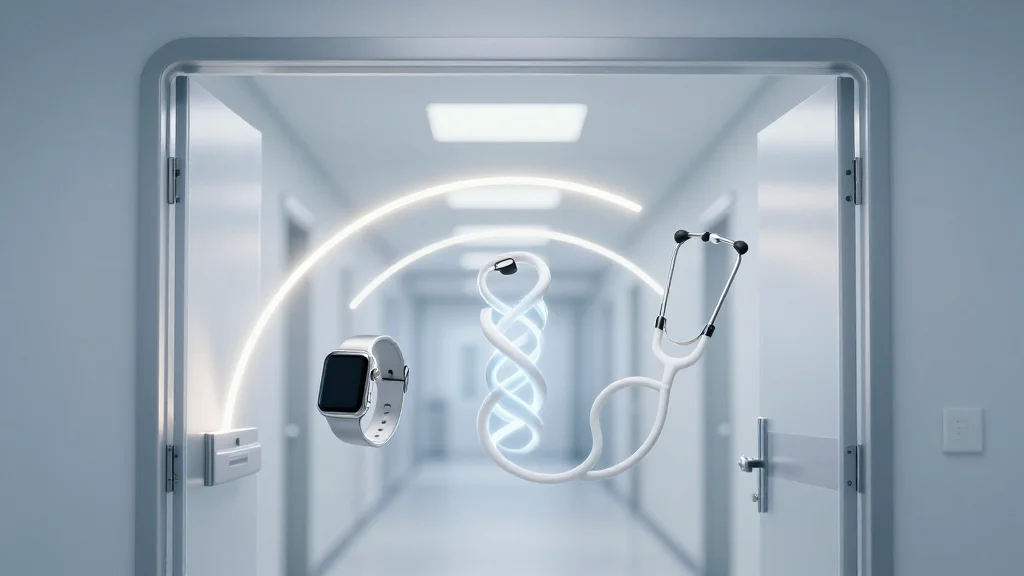
Consumer Health as Front Door: Seamless Care Integration Wins
I don’t think consumer health replaces traditional providers - I think it becomes the front door. The winners will be those who figure out how to connect consumer platforms, primary care, and specialty care seamlessly https://t.co/44LrXpyrx3
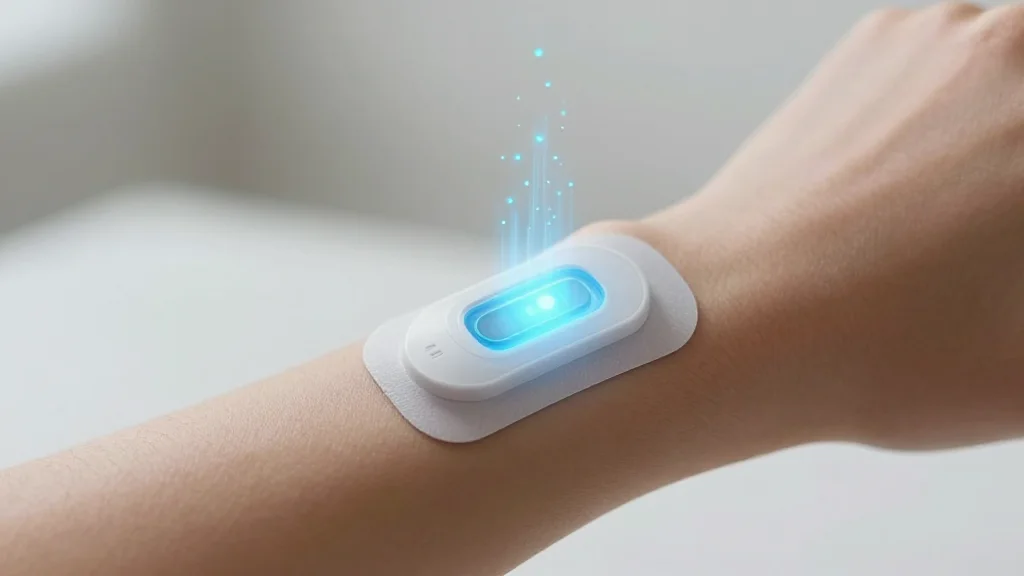
DIY Glucose Monitoring Revealed Hidden Liver Disease and Tech Limits
I spent over a year testing over-the-counter CGMS (also known as glucose biosensors) as a non-diabetic. The process helped me get an official MAFLD diagnosis. It also highlighted the shortcomings of wearable tech, data overload, and how mental health remains...
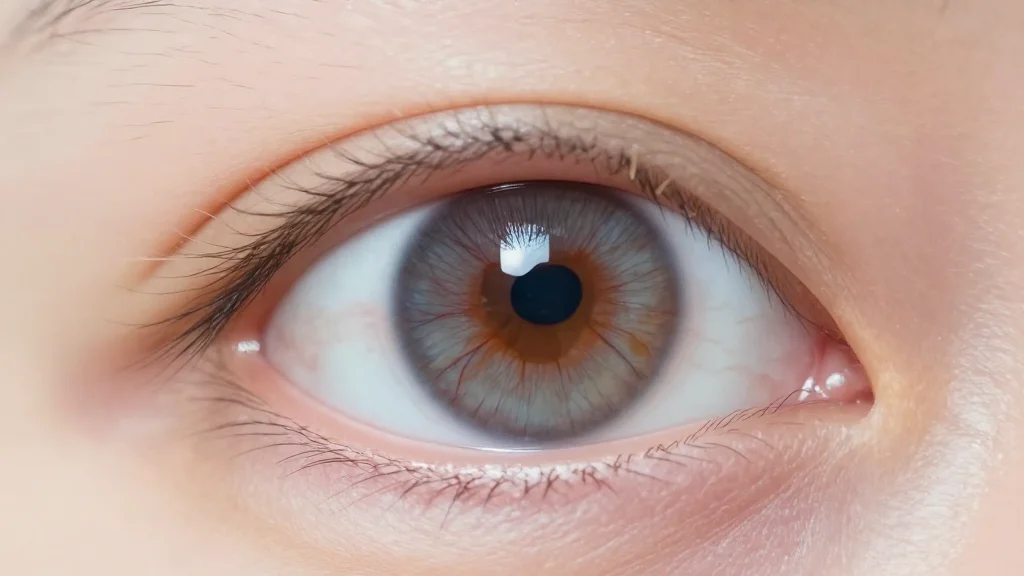
AI Eye Scans Reveal Heart Risk, Yet Care Pathway Lags
My eye doctor gave me a cardiovascular risk score from my retinal scan. New data from ACC.26: an AI system analyzing routine eye exam images identified elevated heart disease risk with 91% sensitivity. Matched the standard cardiologist risk calculator. One in...
Tiny AI Startup Outpaces Big Labs, Accelerates Discovery
I met with the founders of https://t.co/VDKFa8U1Su today. Building an AI scientist. About to launch something new that is beating all the evaluations. Their AI is next level. Evolves faster than competition that got a lot more money. Has a better memory. And...

Next‑Gen Mask Promises 50× Protection Over N95
#WhatsNext? This mask could replace the traditional N95. Claims to provide 50X the protection of current masks. (GiGadgets) #Innovation #HealthTech https://t.co/IjU2xp2eW8

New Bath Tub Eliminates Lifts and Discomfort in Care Settings
#WhatsNext? Bath tub #Innovation takes the lifting and patient discomfort out of the bathing process at retirement homes and hospitals. (GiGadgets) #HeatlhTech https://t.co/aeuSly4tb2

Sharing Recovery Journey Fuels New Eating-Disorder Support App
Thank you for not only sharing about your eating disorder, but for creating a platform to help other people who are struggling. Check out @CavinderHaley & @CavinderHanna’s app TWOgether. To hear more, don’t miss the latest #whatsyourstory. @WWE @Fanatics...
AI Hallucinates Fake Diseases, Undermining Medical Trust
🚨 For nearly two years - and even now depending on the day and model - AI models could tell you all about bixonimania, a totally made-up disease in a paper funded by “the Professor Sideshow Bob Foundation". My @Nature...

One in Three Turn to AI for Therapy
A recent survey found that 1 in 3 people use AI programs like Claude and ChatGPT as therapists. I get why. They’re available 24/7 and much cheaper than a licensed therapist. https://t.co/zoWznpgdCK

Integrations Only When Customers Demand, Not Startup Pitch
Recently more than one person called my Health Tech startup @SeamlessMD the “incumbent”. While we’ve been around 13+ years, it feels strange to call ourselves that - probably because we view the EHR as the incumbent. That said, there are...
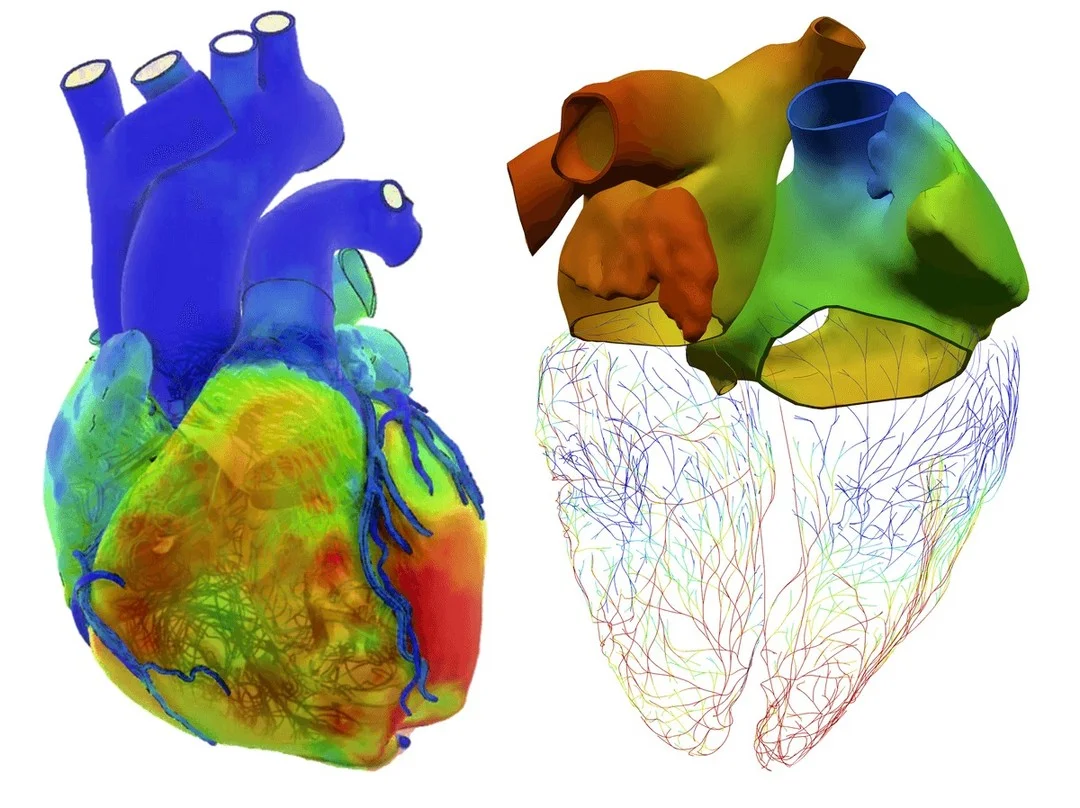
Virtual Twins Guide Nearly 2,000 Surgeries and Growing
Nearly 2,000 procedures have been guided by virtual-twin modeling, where a dynamic digital replica is used for practice surgery, and it keeps getting better. https://spectrum.ieee.org/living-heart-project-virtual-twins

AI Docs Integrated Into EHR Let Doctors Focus on Care
No one becomes a doctor to click boxes on a drop-down menu. By bringing AI-powered documentation directly into Southwest General Health Center’s EHR, we’re turning conversations into structured notes and helping clinicians focus on patient care. https://t.co/1hep681ixQ

X7 Humanoid Robot Streamlines Hospital Medication Dispensing
Meet X7: The Humanoid #Robot Helping Dispense Medicines in Hospitals by @CyberRobooo #Robotics #MachineLearning #ArtificialIntelligence #Innovation #Technology #AI #ML https://t.co/XwQfzq5NNf

Tech Revolution Will Redefine Some Medical Specialties More Than Others
Every medical specialty will transform differently due to the technological revolution. In certain fields, such as nursing, psychiatry, obstetrics and gynecology, innovation will have much less impact than on dentistry, cardiology or pathology. In this e-book, we specify in detail how...
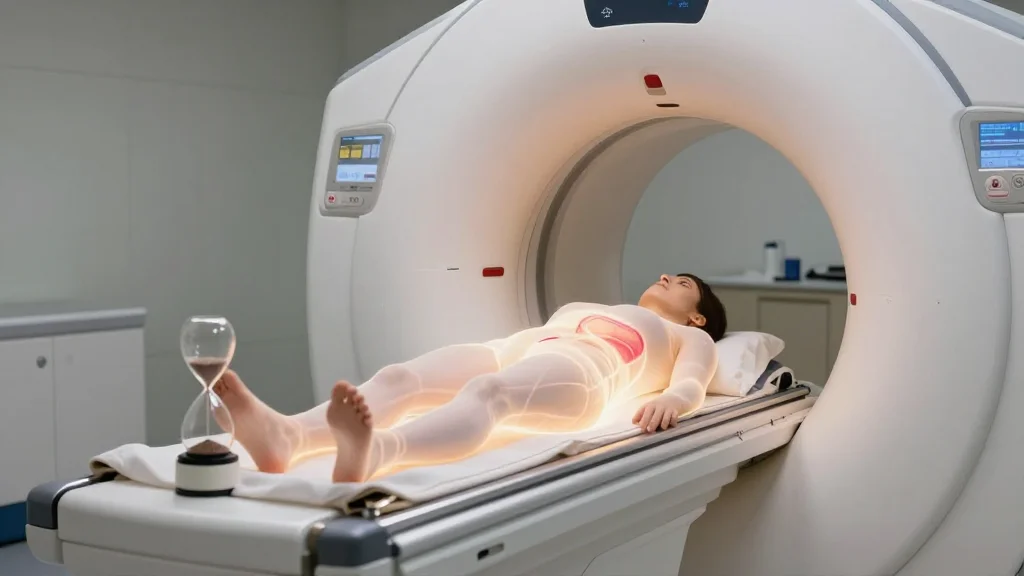
AI Halves MRI Scan Time with Synthetic Image Interpolation
A new AI software that essentially fills in the blanks between image slices with synthetic images, enables 2x MRI acceleration ! 👇 “Scans of the abdomen that previously took around 23 minutes now are finished within just nine minutes.” 👏...

Bootstrapped Cryo‑AI: LLMs Power Life‑Saving Freeze Tech
Meet Dr. Mark Woodward, undergrad and grad from Stanford, PhD from Harvard, Many years at Google as part of Google brain. One day he realizes that we need the enabling technology to pause biological time for patients that are about...

Digital Twins Simulate Psychedelic Effects for Consciousness Disorders
Digital twins allow virtual clinical trials of psychedelics for disorders of consciousness 🧠↔🧠 | Innovation | Tech for Good. 💬 Using magnetic resonance imaging (MRI), scientists have developed personalized, whole-brain computational models of patients with disorders of consciousness. Using these...

Humanoid Robots Set to Transform Hospitals and Homes
Humanoid #Robots Designed to Enhance Daily Life in Hospitals and Homes via @ZappyZappy7 #EmergingTech #Technology #Innovation #TechForGood https://t.co/Mbb3aFNNLo

3D‑Printed Spanlastics Directly Target Tumors, Cut Side Effects
3D-printed spanlastics, microscopic carriers for cancer drugs, show potential to target tumors directly and reduce side effects by concentrating therapy at the tumor site rather than throughout the body. nanotechnology
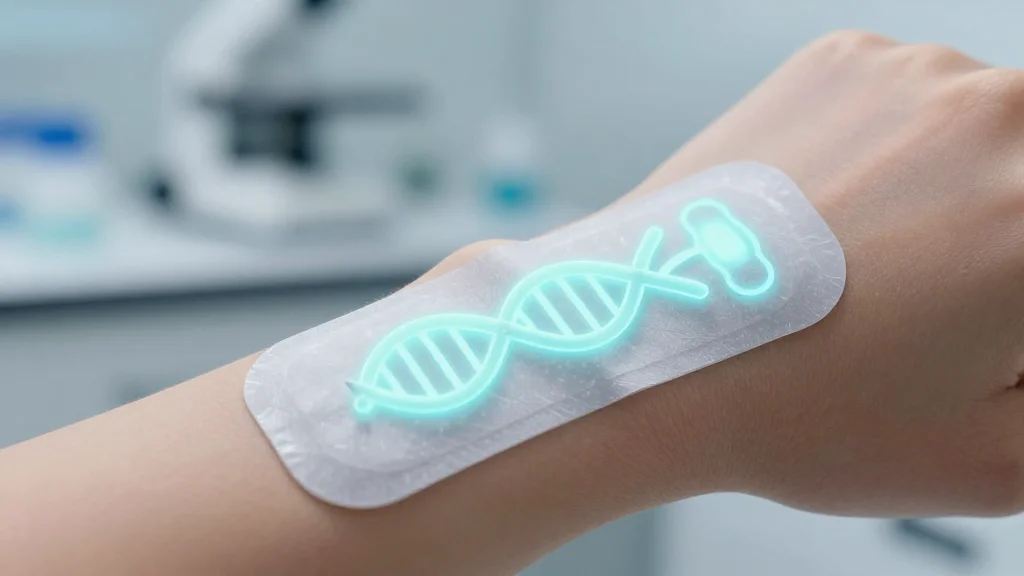
Creating Autonomous Health via Real-Time Multi‑Omic Monitoring
I've measured my body a lot. I'm about to dwarf what we've done by building real-time continuous multi-omic monitoring and intervention. Cars drive themselves. Software writes itself. I'm building Autonomous Health. First for me, then for you. > Peptides...
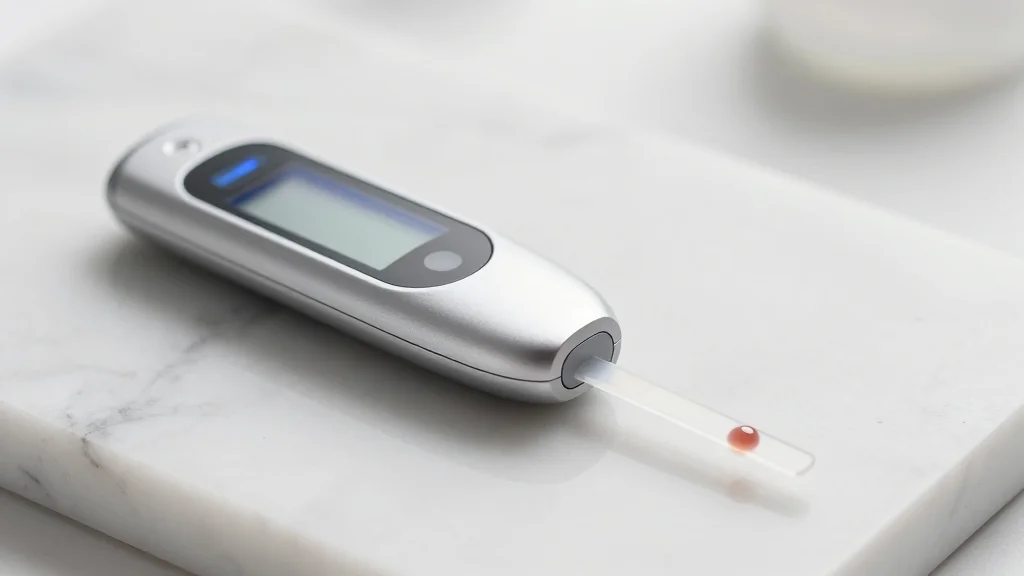
Experts Weigh Pros and Cons of At‑home Biological Age Tests
What's your biological age? Experts explain the benefits and risks of at-home tests https://t.co/NSr8O4EGnU via @nbcnews

Automating Chart Retrieval Transforms Record Requests Into Workflow
Manual record requests still drain time from practices. David Cohen explains how Greenway Health is working with Moxie to automate provider-to-payer data transparency — turning chart retrieval from a task into a workflow. 🔗https://t.co/Nb90e3GrsC @greenway #EHRstrategy #HITSM https://t.co/c3HJsXikz6

Swallowable Robot Camera Redefines Future Endoscopy
PillBot: The Swallowable #Robot Camera Transforming the Future of Endoscopy by @pascal_bornet #HealthTech #Tech #Technology #EmergingTech #TechForGood https://t.co/FnSO96W0A0

Smart Drones Transform All-Weather Medical Delivery
Jedsy X #Drone Revolutionizes Medical Deliveries with Smart, All-Weather #Logistics via @WevolverApp #MedTech #HealthTech #TechForGood #Tech https://t.co/lzfmUqxUcT
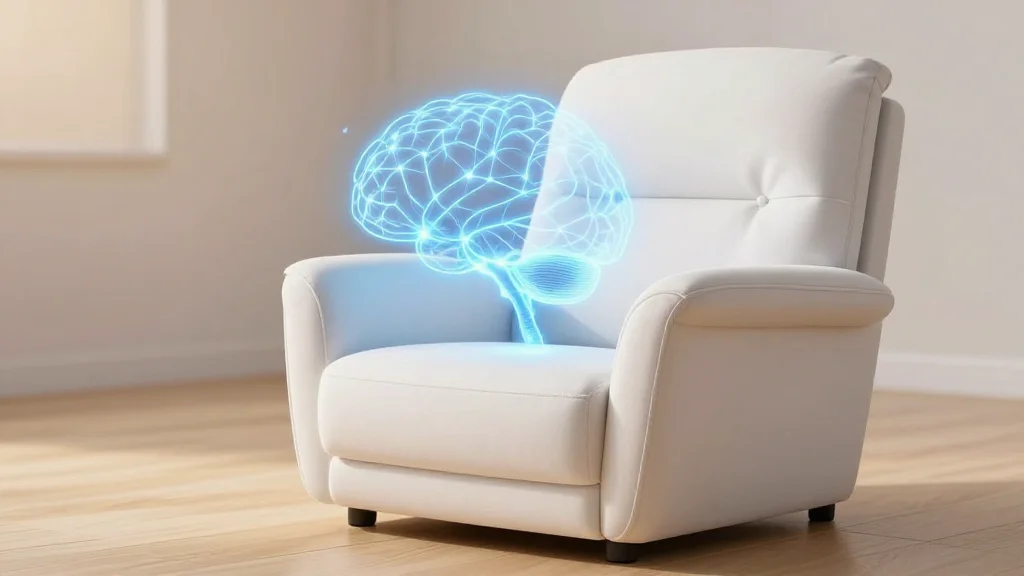
AI Will Serve as First-Line Support, Not Replace Therapists
Simply put, #AI won't replace therapists, but it will absolutely become the first line of support for many people who otherwise would have no access to care—so governance and guardrails matter more than ever. #health #healthcare https://t.co/aCaFxLV5kI
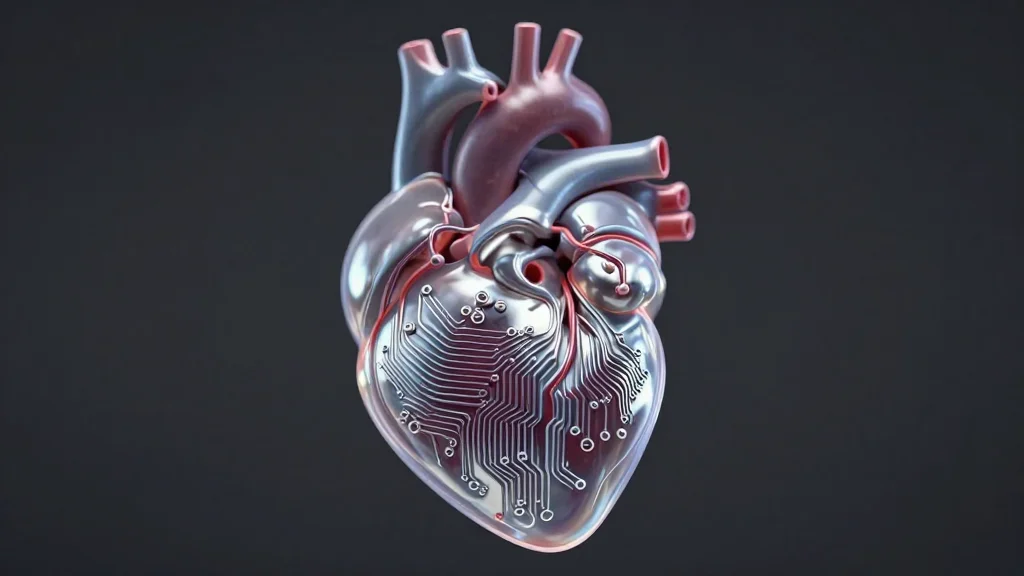
AI Turns Specialists Into Scalable Generalist‑Specialists in Healthcare
In @Health_Affairs Scholar, @bobkocher, Siobhan Nolan Mangini (both of @Venrock) and I argue that – by scaling specialist-level knowledge – AI will create, in essence, the "generalist-specialist." We explore the far-reaching implications for healthcare. https://t.co/FozKzBoINd

AI-Powered Full-Body Scan Gives Me a Pocket Doctor
I did a prenuvo full body scan and function blood test and now I have a doctor in my pocket I have seen friends and peers pass early so wanted to be proactive vs reactive like most of the US...
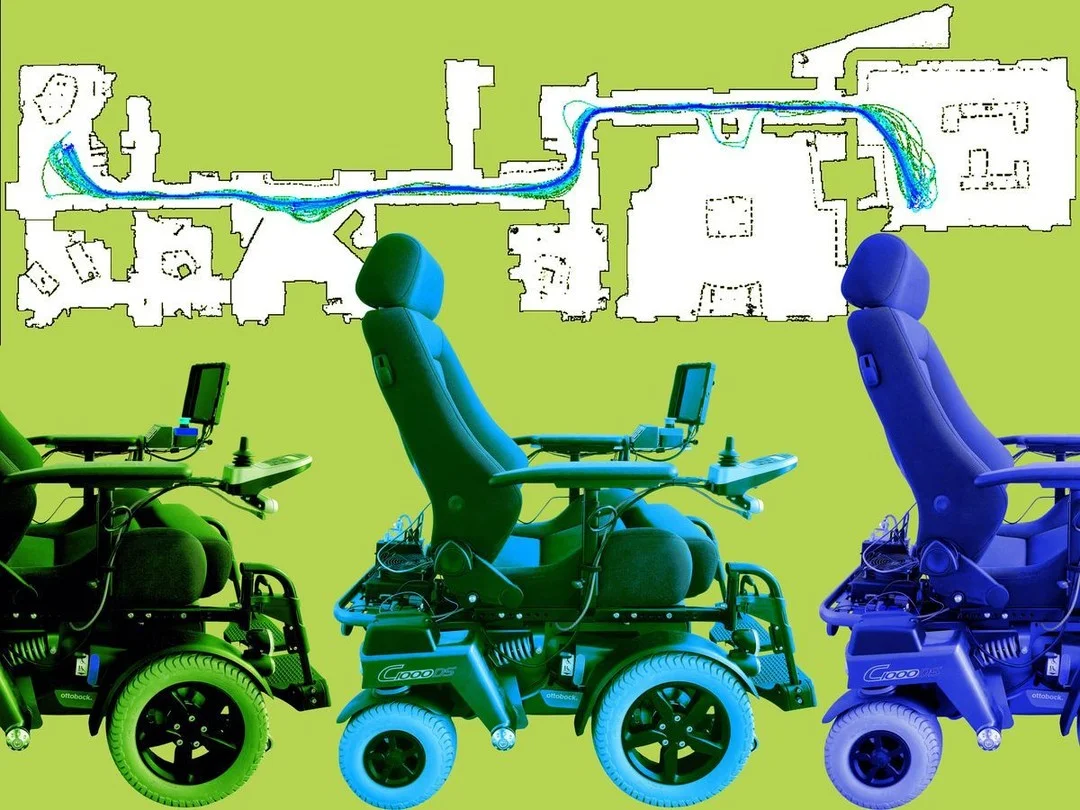
Affordable Autonomous Wheelchairs Aim for Everyday Reliability
Smart wheelchairs are being developed that can navigate their users through an environment. The focus remains on keeping them affordable and reliable for everyday users. https://spectrum.ieee.org/autonomous-smart-wheelchair
UnitedHealth's $3 B AI Bet Promises Patient Benefits
UnitedHealth Group + AI +Polk winner @caseymross = A must read. $UNH is making a $3 billion bet on AI. What does it mean for patients? https://t.co/irkyZi8Wj6

From Prenatal DNA Test to $4B Cancer Detection Promise
1 in 11 babies born in America this year will be screened by a genetic test that didn't exist a decade ago. Biotech startup @BillionToOneInc turned a simple but radical idea—detecting rare fragments of fetal DNA in a mother's blood—into one...

New Baby Bed Soothes Colic, Boosts Infant Comfort
A New Baby Bed Aims to Calm Colic and Improve Infant Comfort by @Realnitesh945 #TechForGood #EmergingTech #Technology #Innovation #Tech https://t.co/wewbYJUTDA
AI Can't Replace Human Empathy in Healthcare
The big issue here surely is the lack of true empathy and therapeutic relationship. Care is not just diagnosis and treatment-it involves emotional support, motivation, and reassurance that AI cannot fully replicate. #AI #health #healthcare #aichatbot https://t.co/ImuiD51Vna
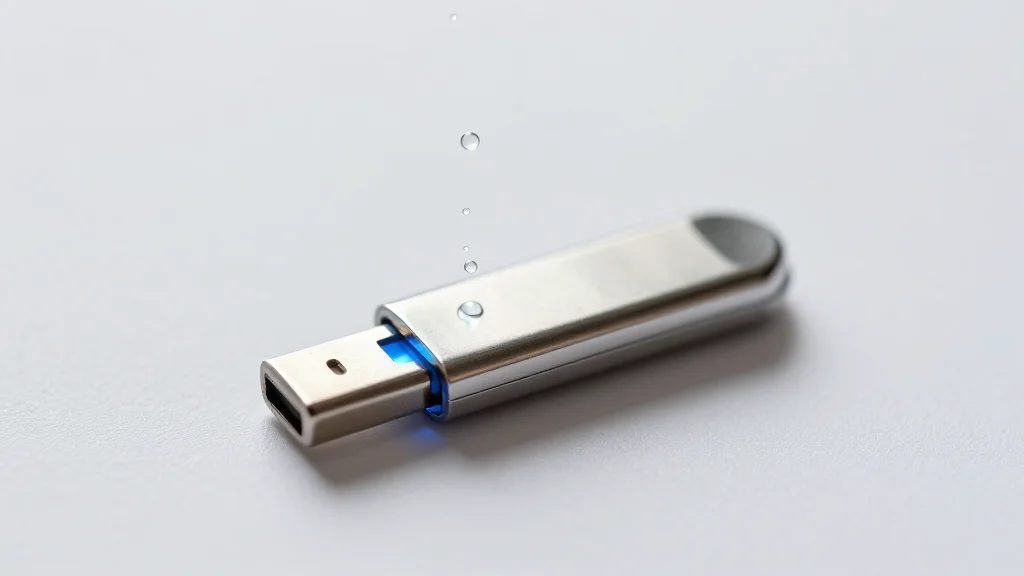
Wireless Oxygen Implant Powers Engineered Cells Inside Body
What happens when you give engineered cells their own wireless oxygen supply inside a thumb-drive-sized implant? https://spectrum.ieee.org/biologic-drugs-implant-bioelectronics-medicine?share_id=9322774
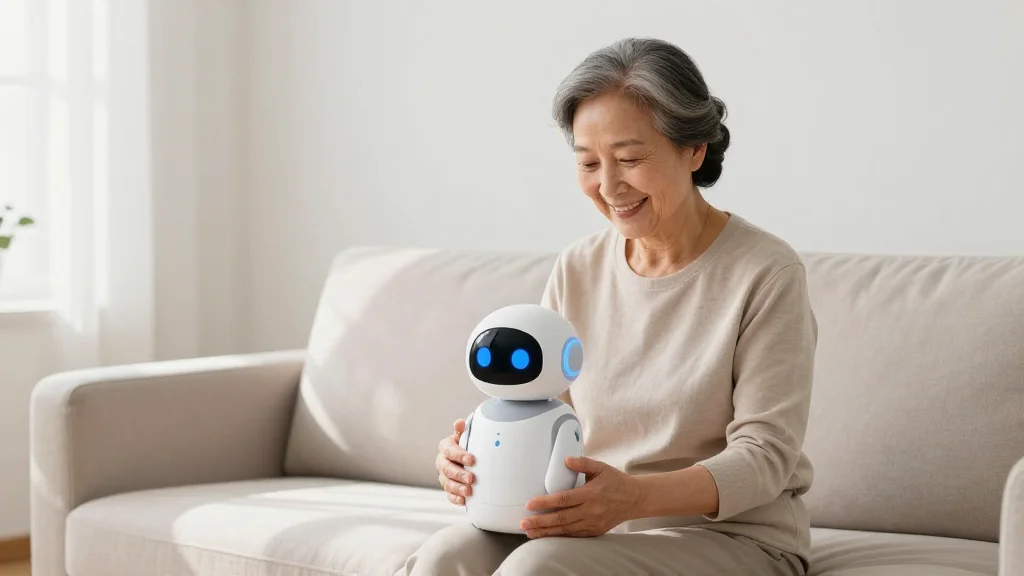
AI Companions Bridge Elderly Care Gaps in South Korea
AI is stepping into a growing gap in elderly care. In South Korea, AI-powered companion devices are being used to reduce loneliness and support aging populations as social care systems come under strain. It is a human use case. Technology is not...