LTH Product Briefing - Wexler 2026 Update
The LTH briefing introduced Wexler’s 2026 product update, highlighting its Fact Intelligence platform that transforms raw document sets into a structured, queryable fact database. CEO Greg Mustard explained how the system ingests up to 250,000 files—including emails, PDFs, images—and automatically extracts dates, events, entities, and relevance tags without requiring users to be prompt engineers. Key capabilities include a high‑capacity ingestion pipeline, automatic relevance scoring based on user‑supplied issues, and an AI assistant named Kim that iteratively refines outputs using the underlying fact bank. The platform supports chronology building, inconsistency reporting, and source‑backed answers, allowing lawyers to locate critical facts across thousands of documents in seconds. Mustard emphasized that “facts have no frontier,” underscoring the product’s jurisdiction‑agnostic design. A partner cited the inconsistency function as a game‑changer, saving three to four days of manual review. Users ranging from senior partners to paralegals can leverage the tool to free up strategic thinking time. The update positions Wexler as a differentiator in the legal‑tech market, promising faster case assessments, higher accuracy, and cost efficiencies for high‑stakes litigation. Its scalability and ease of use could accelerate adoption among large firms and boutique practices alike, reshaping how legal teams manage massive document troves.
LTH Product Briefing - LEGALFLY 2026 Update
LegalFly, a Belgian‑origin legal‑tech startup founded in 2023, showcased its AI‑driven platform during a Legal Tech Hub briefing. The company, now operating out of London and Dubai, claims to serve more than 150 clients in 20 countries with an end‑to‑end...

CodeX FutureLaw 2026: Beyond Efficiency
The CodeX FutureLaw 2026 panel examined how artificial intelligence is reshaping courtroom practice from the perspectives of judges, lawyers and litigants. Speakers highlighted AI’s promise—speedier docket management, richer legal research, and assistance for self‑represented parties—while warning of emerging dangers such...
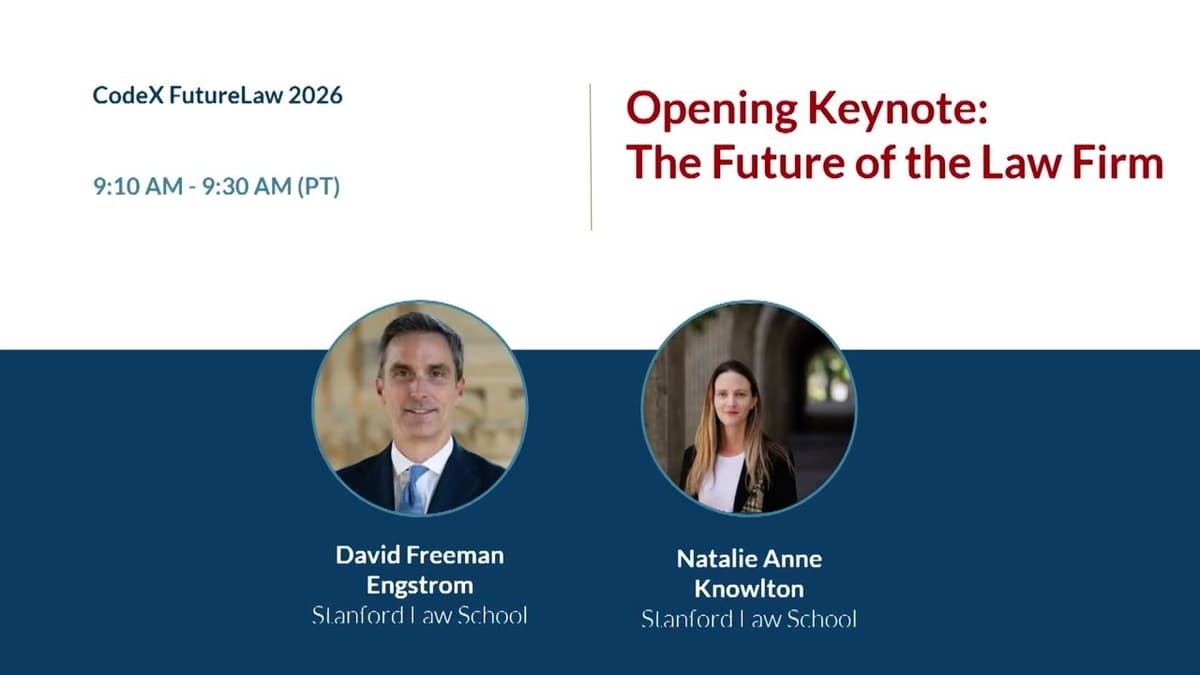
CodeX FutureLaw 2026: Opening Keynote - The Future of the Law Firm
In the opening keynote of CodeX FutureLaw 2026, Stanford Law professor David Freeman‑Engstrom announced a new, ambitious research project called “Future of the Law Firm.” The initiative, housed in the Deborah L. Rhode Center, CodeX, and the LiftLab, aims to...
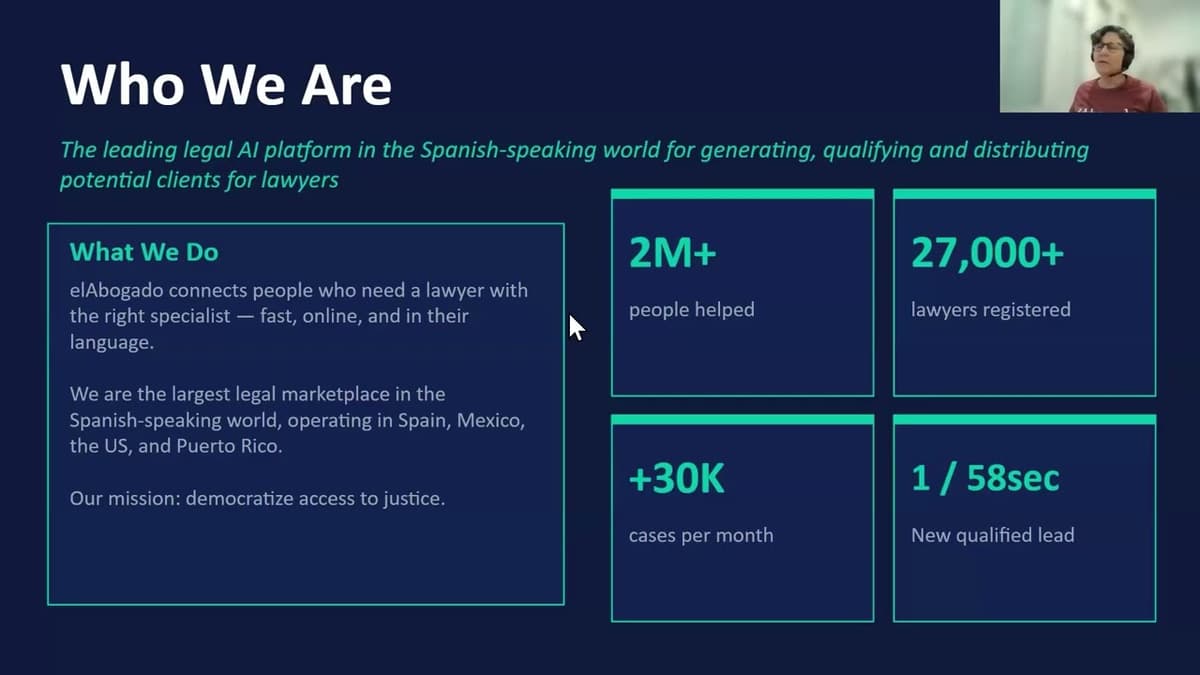
ElAbogado - CodeX Group Meeting - April 23, 2026
At the CodeX Group meeting on April 23, 2026, Martí Manent, founder of elAbogado, and data scientist Veronica presented the platform’s latest AI‑driven legal‑lead management system. The talk followed the FutureLaw conference and highlighted how the Spanish‑origin startup is scaling...
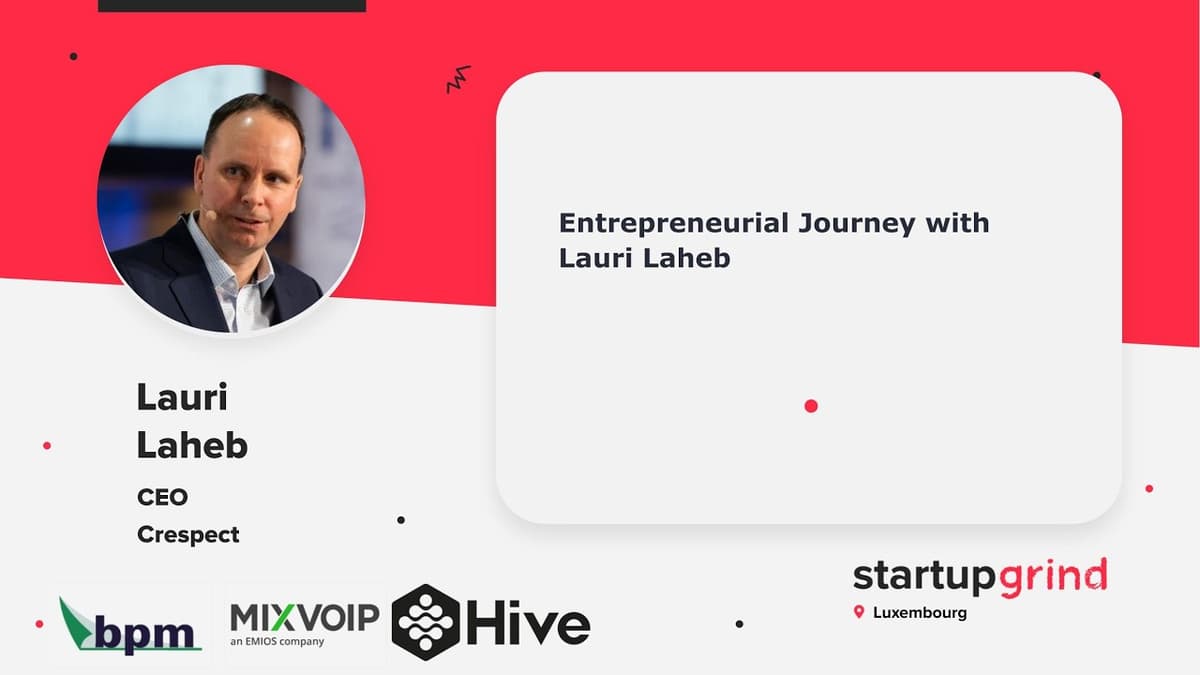
Lauri Laheb (Crespect) : Entrepreneurial Journey of a Startup Grind Pitch Battle Winner
The Startup Grind fireside chat featured Larry Lahab, co‑founder of Crespect, a cloud‑based platform that streamlines core law‑firm workflows—from client onboarding and compliance to time‑tracking, billing, and AI‑driven business‑development insights. Crespect emerged as a spin‑off from the in‑house software...

Third-Party Risk Management Agent
The video demonstrates how Hojun builds TRO, a third‑party risk‑management AI agent, using ChatGPT’s no‑code interface. By feeding a single prompt that outlines the vendor‑risk workflow, required tools, and the finance team’s best‑practice skill, the system automatically configures the agent’s...
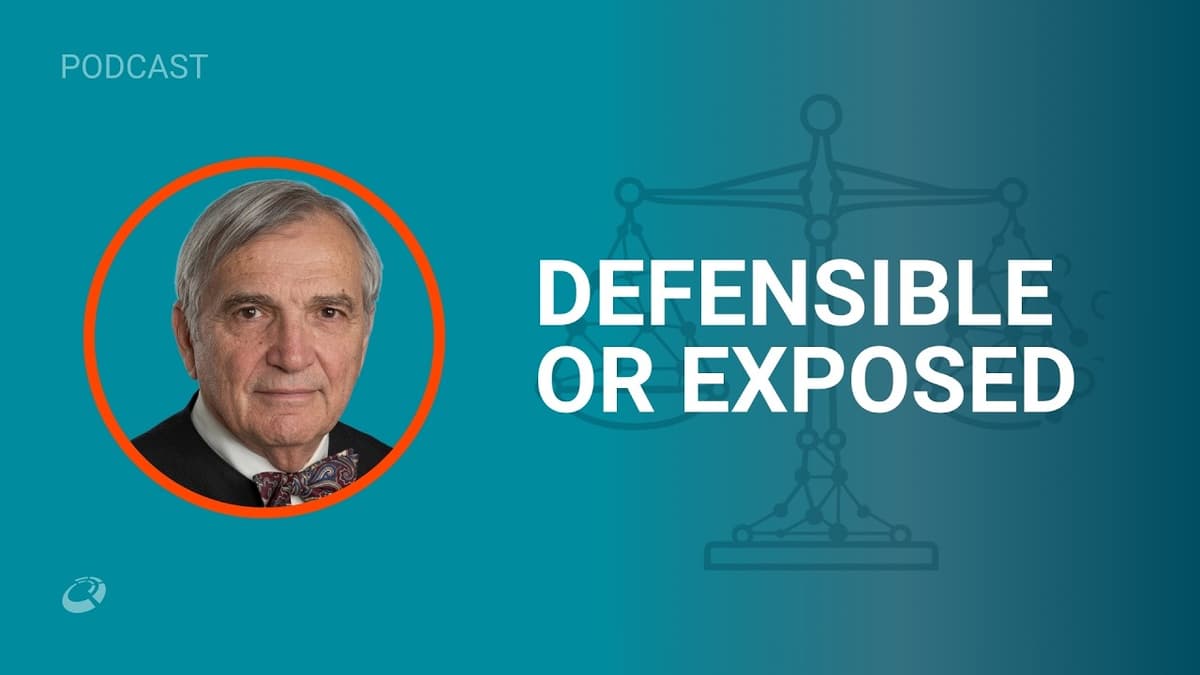
Is Your eDiscovery Data Court-Ready? What Leaders Miss
The discussion centers on whether corporate eDiscovery data is ready for courtroom scrutiny, featuring U.S. Magistrate Judge John Paciola. He stresses that without a robust, enforceable records‑management policy, companies create a "perfect storm" of unnecessary data that inflates costs and...
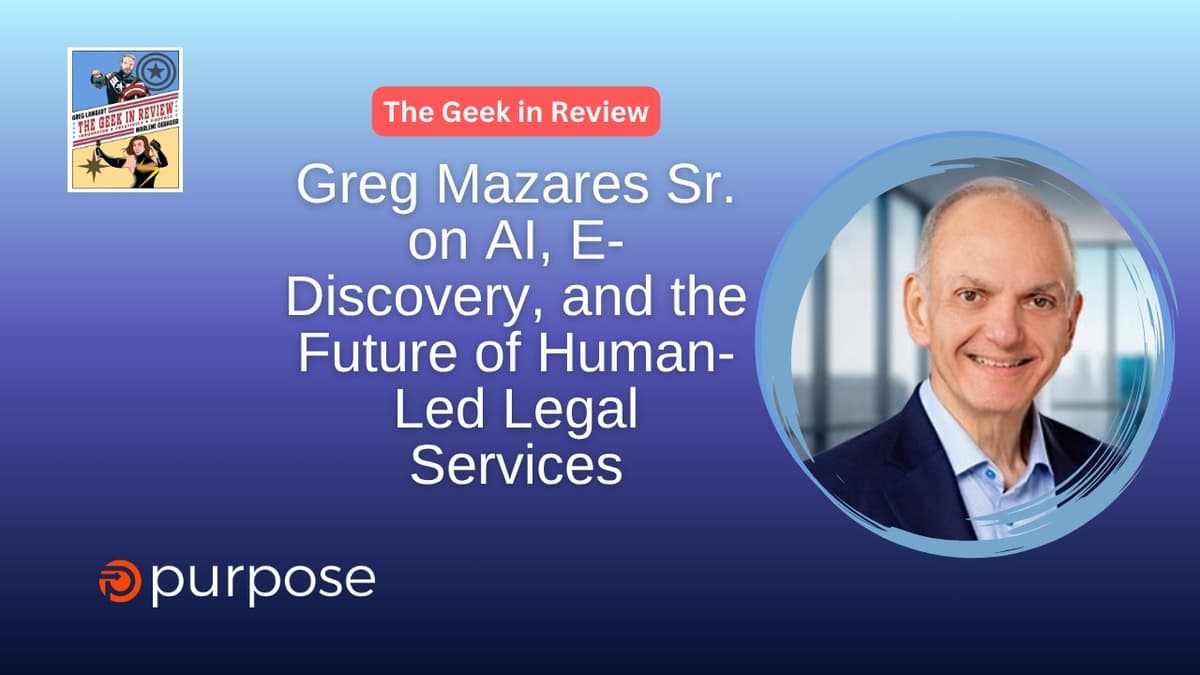
Greg Mazares Sr. On AI, E-Discovery, and the Future of Human-Led Legal Services
The podcast explores how legal firms are moving beyond hype to structured AI adoption, featuring Sam Moore’s AI‑enablement advisory model and Greg Mazares’s strategic view at Purpose Legal. Moore describes sprint‑based assessments that map a firm’s AI readiness, surface early...

04/17/26: Jude Law Enters... The Law, Claude Legal, and More
The Legal Talk Week panel opened with the headline that Legora, a fast‑growing legal‑tech platform, has signed Oscar‑winner Jude Law as its new face. The move is part of a broader global expansion, pairing the star’s name with high‑profile sports...

Artificial Intelligence Usage in Criminal Cases....
A federal judge, Judge Rakoff, ruled for the first time that a defendant’s queries to an AI service seeking legal advice are not protected by attorney-client privilege in a criminal case. The court rejected arguments that such communications constituted privileged...
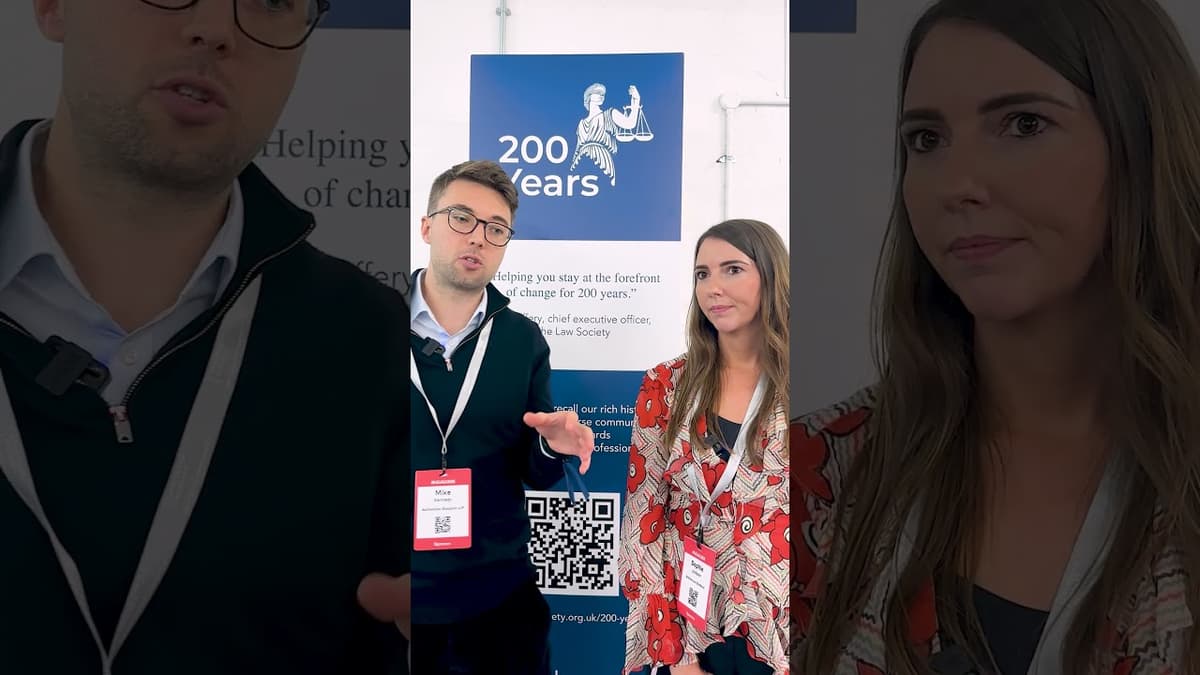
Advice From a Qualified Solicitor: Are Lawyers Getting Left Behind by AI and Tech?
The video features a qualified solicitor discussing whether lawyers are being left behind by AI and technology. He argues that the one thing lawyers excel at—building trusted relationships—cannot be replicated by machines, and this remains the core value proposition for...
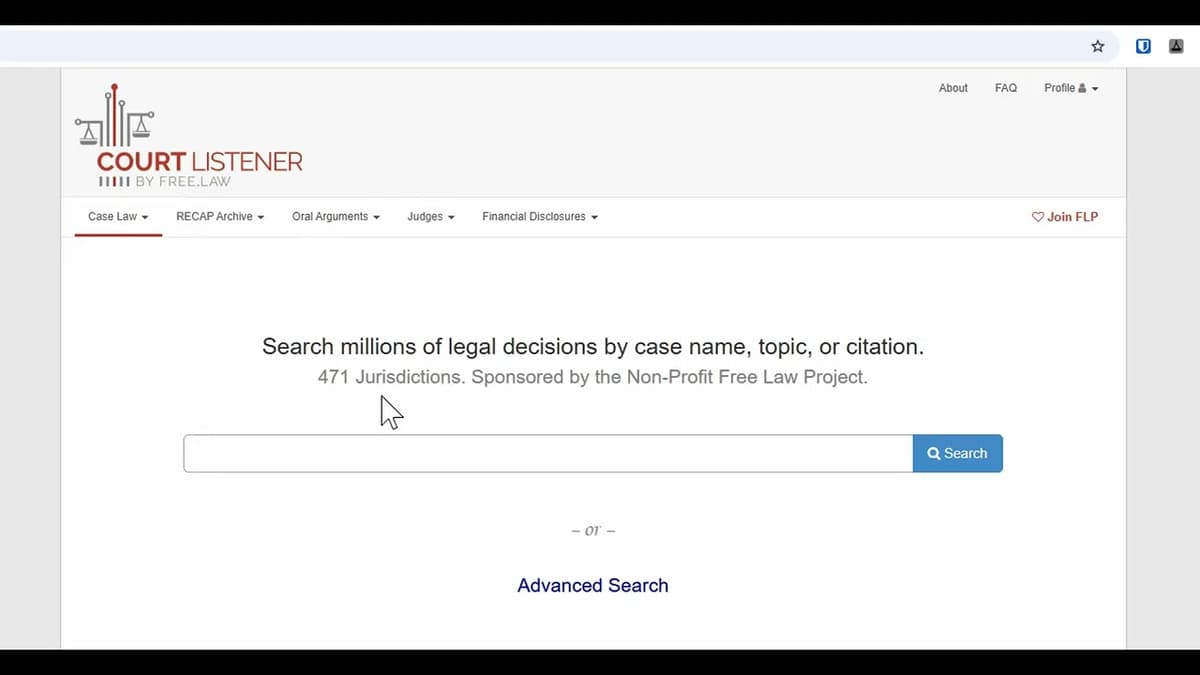
Practical Uses of Free Law Project Tools for Legal Research (Law Student Edition)
The video introduces Free Law Project’s suite of open‑source tools, especially CourtListener, as a cost‑free alternative to commercial legal research platforms. Targeted at law students and interns, the presenter—an attorney with 15 years in legal tech—walks viewers through the site’s...
Access to Justice, But Make It Scalable, with Zach Zarnow
The Lawyers Podcast featured Zach Zarno, executive director of Scale Justice, a nonprofit that re‑brands the former probono.net to emphasize scaling legal services through technology. Scale Justice collaborates with courts, legal‑aid agencies, and community groups to co‑design tools that make...

Built on a Weekend: Damien Riehl and Mike Bommarito Show What Vibe Coding Can Really Do
The Law Next episode spotlights "vibe coding," a rapid AI‑driven development approach used by Damien Riehl and Mike Bommarito. By leveraging generative‑AI coding assistants, they create functional legal‑tech tools over a single weekend, turning concepts into production‑ready software without traditional...

04/10/26: Help for Self-Represented Litigants, No Consensus on Privilege of AI Materials, and More
The Legal Tech Week episode focused on two intertwined developments: the unsettled legal landscape surrounding attorney‑client and work‑product privilege for AI‑generated materials, and the emergence of AI‑driven platforms aimed at helping self‑represented litigants. Panelists highlighted three recent U.S. federal decisions...

LTH Product Briefing - Clarilis 2026 Update
Clarilis, a drafting‑automation platform for law firms, unveiled its 2026 update, blending rule‑based workflows with generative AI drafting. The upgrade introduces AI‑driven clause suggestions, deeper cross‑document dependency handling, and native integrations with major cloud storage services. Early adopters report up...
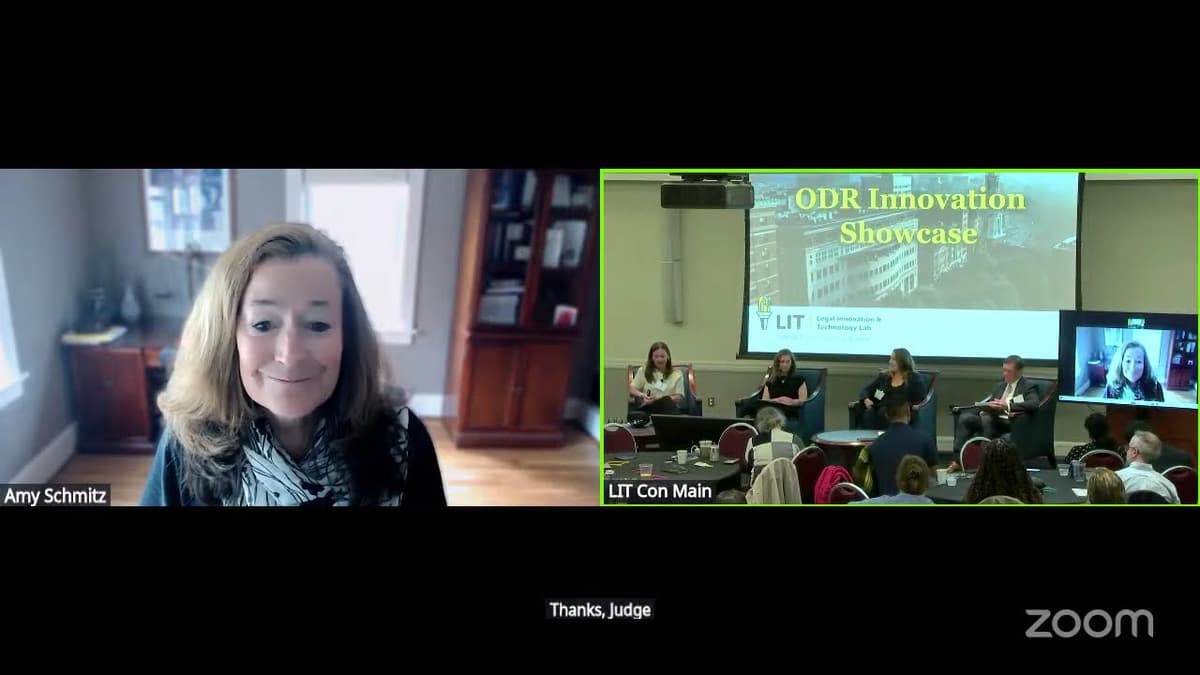
LIT Con 2026 - ODR Innovation Showcase
The LIT Con 2026 “ODR Innovation Showcase” brought together scholars, judges, and technologists to explore how online dispute resolution (ODR) can expand access to justice beyond traditional courts. Panelists defined ODR as digital tools that let parties resolve conflicts without face‑to‑face...

AI, Justice and the Rule of Law #ai #justice #law
The UNESCO‑Oxford initiative launches a free, globally accessible course aimed at judges and justice‑sector professionals confronting the rapid rise of artificial intelligence in the courtroom. Building on twelve years of collaboration with over 38,000 judges across 160 nations, the...
CounselLink’s Kris Satkunas on Rising Legal Spend, Law Firm Rates, and Value-Based Pricing
The podcast episode dives into the accelerating rise in corporate legal spend, examining why law‑firm billing rates are soaring and how value‑based pricing is gaining traction. Host Greg Lambert and data strategist Chris Sukunis blend objective invoice data from CounselLink—covering...

LTH Product Briefing - IPDAS by AutoDocs
The Legal Tech Hub briefing introduced Autodocs’ IPDOS, a specialized platform for patent‑prosecution practitioners. The demo highlighted its core strength—citation management—built on a quarter‑century of experience and positioned as a “perpetual magnifier” for IP teams. IPDOS syncs directly with docketing...

ACEDS Midwest Chapter Series: Foundations in AI for Legal Professionals—Buckle In!
The Midwest ASIDS 2026 series opened with a deep dive into artificial intelligence’s role in legal e‑discovery, featuring an industry update from Doug Austin and a panel of practitioners. The session highlighted a record‑high survey of 559 respondents, revealing that...

Agentic AI Is Like a Junior Associate You Train
The video highlights a rapid shift toward “agentic” artificial intelligence—systems that go beyond answering questions to actually executing tasks in a manner that reflects a user’s specific instructions. By leveraging built‑in capabilities such as Claude’s Skills, these models can be “trained”...

Rekha Automated Authority Activation. An Entrepreneurs Approach to Assuring Legacy.
The video introduces Rekha’s “Eternal Walls,” a software platform that automates the activation of authority when a principal becomes incapacitated or passes away, addressing a long‑standing blind spot in traditional estate‑planning processes. Rekha explains that while trusts, powers of attorney and...
Webinar Replay: Security and Compliance – Preparing for the Inevitable
The webinar, hosted by Legal IT Insider’s Caroline Hills, examined why cyber‑security and regulatory compliance are no longer optional for law firms. Tom Holay, head of cyber security at Red Centric, warned that attacks on the legal sector have surged 77% in...

Webinar Replay: MCP Explained – How to Bring Your CLM Into ChatGPT and Claude
The webinar, hosted by Legal IT Insider’s Caroline Hill, introduced Concord’s Model Context Protocol (MCP) – a connector that links contract‑life‑cycle management (CLM) platforms to large language models such as ChatGPT, Claude, and Google Gemini. Zach Heights, Concord’s head of sales,...

Learned Hand’s Shlomo Klapper on Why Courts Are the Next Frontier for Legal AI
On Law Next, Shlomo Klapper, CEO of Learned Hand, explains his startup’s mission to build a reasoning engine for courts. The company just announced a pilot partnership with the Los Angeles County Superior Court, the nation’s largest trial court, to test...

04/03/26: AI Experience Becomes Firm Career Selling Point, NFL Partners with Legaltech Brand, & More
The April 3 episode of Legal Tech Week highlighted three major developments shaping the legal‑technology landscape. First, firms are increasingly valuing AI experience, treating it as a core credential that can differentiate candidates in a competitive hiring market. Second, a new partnership between...

Complex Case Law eDiscovery: Is Predictive Coding a Panacea? I CIO Talk Network
The CIO Talk Network episode focuses on the practical limits of predictive coding—often called technology‑assisted review—in complex eDiscovery cases. Host Sanjog interviews Shannon Krypton, eDiscovery counsel at Ropes & Gray, to dissect when the technology delivers value and when it...

@Filevine Released Their 2026 AI Legal Index Survey at ABA Techshow, and Discusses on LawNext PR
Filevine unveiled its 2026 AI Legal Index at the ABA Techshow, highlighting how legal professionals feel about and employ artificial intelligence. Madison Doyle, representing Filevine, framed the survey as a barometer of current adoption rates and future expectations, noting that...

CEO Aniket Sawant Shares @Threadeo ‘S Newest Updates Live at ABA Techshow
At the ABA Techshow 2026 in Chicago, Tredeo co‑founder and CEO Aniket Salant unveiled a suite of product upgrades aimed at court reporting firms and law firms. The announcement focused on enhancements to Tredeo’s deposition sync platform, including AI‑driven file...

How to Set up a Free, Open-Source, Local AI Assistant Using Ollama, Granite, and Open-WebUI
The Suffach Legal Innovation and Technology Labs workshop, hosted by IBM developer advocate JJ Asgar, walked participants through installing a free, open‑source AI stack on a personal computer. The tutorial focused on three components: Ollama, a Docker‑style container manager for...

Webinar Replay: Inside Harvey’s AI Agents & Shared Spaces
The webinar explored Harvey’s new AI agents and Shared Spaces, positioning them as the next evolution of legal‑tech automation. Panelists from Harvey, a legal‑engineer, and Densu’s global ops head discussed how the platform moves beyond simple chat‑based assistants toward agentic...

Charting Change in Legal: The Realities of AI Adoption, and an Inflection Point
Caroline Hill and Ari Kaplan reflect on Legalweek New York, noting a clear shift from speculative AI chatter to pragmatic adoption across law firms. The discussion highlights real‑world ROI, evolving client relationships, and the rising importance of orchestration, data quality,...

From Pilots to Playbooks: AI in Practice Management
The IL fireside chat explored how law firms are transitioning AI from experimental pilots to embedded practice‑management tools. Panelists from Troutman Pepper, Loenstein, and a legal‑training startup discussed the cultural, technical, and governance shifts required for AI to become a...

Inside View Podcast: Fusion’s Spin‑off From Webber Wentzel and some AI Home Truths
The podcast discusses the recent full spin‑off of Fusion, the legal‑tech arm of South African firm Weber Wentzel, into a wholly‑owned subsidiary. Host Caroline Hill and partner Alia Mani explain why the move was made and how it positions Fusion...

28th Annual BTLJ-BCLT Spring Symposium: (Day 2, Panel 4)
The second panel of the 28th BTLJ‑BCLT Spring Symposium examined the rapidly evolving AI governance landscape in the United Kingdom and the European Union, highlighting legislative shifts, emerging regulatory frameworks, and their practical consequences for technology firms. Michael Veale outlined how...

GSA Looks to Follow DOD’s Lead with New AI Clause for Lawful Government Use
The General Services Administration unveiled a draft amendment to its Multiple Award Schedule that would embed a new AI‑specific clause, echoing the Department of Defense’s recent policy after the Anthropic‑Pentagon dispute. The language sets four core requirements: government‑wide data use rights,...

LTH Product Briefing - Harvey 2026 Update
The Legal TechHub briefing introduced the 2026 iteration of Harvey, the firm’s AI‑powered legal assistant, highlighting a suite of new capabilities aimed at turning the platform into a fully integrated, end‑to‑end workflow engine for law practices. Hosted by CEO...

You're Using AI Wrong If You're Just Editing Emails With It
The video argues that most firms treat generative AI as a reactive editing tool—primarily to polish emails—rather than rebuilding processes around its capabilities. True strategic value emerges when organizations redesign workflows from the ground up, using AI as a thought partner...

Email-Based AI Agents for Law Firms: Mixus CEO on Human-in-the-Loop Legal AI | Stanford CodeX
At Stanford CodeX, Mixus co‑founder and CEO Elliot Katz introduced an email‑centric AI platform designed to embed artificial intelligence into law‑firm workflows while preserving human oversight. The solution, dubbed Mixus agents, operates entirely through a firm‑level email address, allowing attorneys...

CEO Steals Company with ChatGPT - Subnautica 2 Lawsuit Explained by a Lawyer
The video dissects the fallout from Crafton’s 2021 acquisition of Unknown Worlds Entertainment, the studio behind Subnautica, which included a $500 million upfront payment and an earn‑out clause worth up to $250 million through the end of 2025. CEO Changhan Kim quickly...

#CaseoftheWeek: PharmacyChecker.com LLC V. Nat'l Ass'n of Bds. Of Pharmacy
In PharmacyChecker.com LLC v. National Association of Boards of Pharmacy, the court sanctioned the plaintiff’s counsel for failing to preserve granular web‑traffic data essential to calculating damages. The sanctions were narrowly tailored to address the specific prejudice caused by the...

#LawNextPR Hears From @QueriousAI on Innovator of the Year Award Live From #LegalWeek
Curious AI was named Innovator of the Year at Legal Week’s 2026 Tech Law Awards, a recognition that spotlights the startup’s rapid growth in the legal‑technology sector. The firm announced a collaboration with Wisconsin Lawyers Mutual, the state’s legal malpractice insurer,...

Webinar Replay: Why, and How, Your Data Will Make or Break AI Success in 2026
The webinar focused on why data readiness will make or break AI initiatives in law firms by 2026, emphasizing that intelligent assistance and agentic workflows can only succeed on a solid, well‑organized data foundation. Speakers highlighted fragmented document repositories, inconsistent metadata,...

LTH Product Briefing - Jigsaw 2026 Update
Legal Tech Hub’s product briefing introduced Jigsaw, a six‑year‑old legal‑tech startup that builds AI‑driven diagramming software for lawyers. Co‑founders, both attorneys, created the tool to replace cumbersome PowerPoint and Word workflows for corporate structures, timelines, and other visual deliverables. The platform...

03/13/2026: Legalweek Post-Mortem, Clio Launches Clio Capital Law Firm Financing, and More
Legal Tech Week’s post‑mortem focused on Legalweek’s first move from the New York Hilton to the Javits Center and the debut of Clio Capital, a new financing arm for law firms. Panelists praised the new exhibit hall’s natural light and...

Webinar Replay: The State of Legal Tech – An End to the Status Quo
The webinar, hosted by Caroline Hill and featuring Cleo’s senior director Robin Chesterman, unpacked findings from Cleo’s new "State of Legal Tech" report, which surveyed more than 2,000 legal professionals across the UK and Australia. The discussion centered on persistent...

Anthropic’s Matt Samuels and Den Delimarsky - Claude & MCP: Building the USB-C for the Legal Tech
The podcast introduces Anthropic’s Model Context Protocol (MCP) as the "USB‑C" moment for legal‑tech stacks, positioning it as a universal, open‑source standard that lets AI models securely access data spread across disparate systems such as iManage, Slack, and LexisNexis. Key...

Group Alpha - AI Risk Decoder
Group Alpha introduced the AI Risk Decoder, a platform that translates sprawling terms‑of‑service and privacy policies of popular AI services into concise, user‑friendly risk summaries. Recognizing that most users lack the time or expertise to parse legal jargon, the team...