
Yuviwel Gets FDA Greenlight as First Once‑Weekly Treatment for Dwarfism in Children
Ascendis Pharma’s Yuviwel (navepegritide) received FDA approval as the first once‑weekly therapy for achondroplasia in children aged two and older. The drug, a TransCon CNP formulation, showed a 1.5 cm greater annual height gain versus placebo in a 52‑week trial and maintained growth in a second‑year extension. Approval came through the FDA’s Accelerated Approval pathway and includes a Rare Pediatric Disease Priority Review Voucher. Commercial launch in the U.S. is slated for early Q2 2026.

Parkinson's Disease
Recent preclinical and early clinical studies explore a range of nutraceuticals and repurposed drugs that target oxidative stress, metal homeostasis, and gut integrity in Parkinson’s disease. Benfotiamine combined with methylcobalamin showed symptomatic improvement in a case series and activates Nrf2...

Snailing Colorectal Cancer Drug Delivery, Once and for All
University of Manchester researchers have secured roughly $1.27 million from UKRI to develop snail‑inspired soft‑robotic carriers for colorectal cancer drugs. The project aims to create centimeter‑scale, peptide‑based robots that travel through the gastrointestinal tract and release protein kinase inhibitors directly at...

Wegovy HD Now Available in the U.S.
Novo Nordisk launched Wegovy HD, a 7.2 mg semaglutide injection, across the United States. Clinical data from the Phase III Step Up trial showed an average 21% weight loss under ideal conditions and 19% in real‑world adherence, with nearly one‑third achieving ≥25% loss....

TNO155
TNO155, also known as batoprotafib, is an oral, allosteric SHP2 inhibitor that stabilizes the phosphatase in its inactive conformation. Developed by Novartis in Cambridge, MA, it emerged from a 1.5 million‑compound high‑throughput screen combined with structure‑based drug design, becoming the first...

Lest We "Off" Ourselves (Cautionary Examples)
Investigative videos reveal that wellness influencers Mark Hyman and Jordan Peterson suffered severe sepsis after undergoing experimental stem‑cell and regenerative‑medicine procedures at Dr. Adil Khan’s unregulated clinics. The series links spinal injections and intravenous therapies to bacterial infections, highlighting the...

University of Arizona Launches $12 Million Rapamycin Clinical Trial
The University of Arizona’s R. Ken Coit College of Pharmacy is launching a double‑blind, randomized Phase 3 clinical trial to test low‑dose rapamycin’s ability to boost resilience and immune function in adults aged 65 and older. The six‑year study, funded by a $12 million...

The Role of Class of Trade Research in Pharmaceutical Market Access
Manasi Salgaonkar highlights that class of trade (CoT) research is essential for precise pharmaceutical pricing, contract eligibility, and regulatory compliance. Accurate CoT classification links dispensing settings—retail, hospital, specialty, mail‑order, and IDNs—to specific pricing tiers and rebate agreements. Continuous updates are...

University of Arizona Launches $12 Million Rapamycin Clinical Trial
University of Arizona’s R. Ken Coit College of Pharmacy is launching a double‑blind, randomized Phase 3 clinical trial to test low‑dose rapamycin’s ability to improve resilience and immune function in adults 65 and older. The $12 million study is fully funded by...
Dr. Kaeberlein's Optispan Podcast Series - Rapamycin and More
AI modeling compares 6 mg rapamycin taken with grapefruit juice versus berberine 1000 mg daily. Grapefruit juice irreversibly destroys intestinal CYP3A4 and P‑gp, boosting rapamycin AUC 3‑4× and Cmax 2.5‑3.5×, effectively tripling the dose for up to three days. Berberine provides reversible...

BCL-2 and Cellular Senescence in Pulmonary Fibrosis
Researchers identified BCL-2 as a key blocker of fibroblast apoptosis in idiopathic pulmonary fibrosis (IPF). Conditional over‑expression of BCL‑2 in PDGFRα‑positive fibroblasts generated senescent, pro‑fibrotic myofibroblasts that persisted in mouse lungs. Spatial transcriptomics confirmed BCL‑2‑positive senescent myofibroblasts in human IPF...

UPAR Targeting to Enable CAR T Cell Therapies to Treat Solid Cancers
Researchers at Memorial Sloan Kettering demonstrated that CAR T cells engineered to target the urokinase plasminogen activator receptor (uPAR) can eradicate solid‑tumor cells and metastases in multiple preclinical models. uPAR was found elevated in 12 of 14 examined cancer types,...

How Many GLP-1 Users Must Seek Medical Care for Side Effects?
Recent Phenomix and Mayo Clinic data reveal that 50‑60% of GLP‑1 users experience significant side effects, far higher than earlier estimates. About 10% of patients incur $5,000 in out‑of‑pocket expenses, while many spend roughly $1,000 managing symptoms. The high cost...

The Hollow Promise of Protection
A Singapore study led by Wee et al. examined thousands of cancer patients who were fully vaccinated with mRNA COVID‑19 shots. Despite high vaccination rates, most participants contracted COVID‑19 and developed long‑COVID symptoms such as fatigue, dyspnea, and cognitive impairment....

Canagliflozin - Another Top Longevity Drug
Canagliflozin and other SGLT‑2 inhibitors are gaining attention as potential longevity agents due to their ability to cut cardiovascular events, renal decline, and COPD exacerbations in patients with type‑2 diabetes. Recent meta‑analyses show reduced emergency‑room visits and lower mortality among...
An Opinionated Take on NEJM Highlights for Q1 of 2026
The first quarter of 2026 NEJM featured several disruptive studies, including a Canadian‑Australian dialysis trial where fish‑oil supplementation halved myocardial infarctions and cut strokes by two‑thirds. Merck’s oral PCSK9 inhibitor enlicitide achieved a 57% LDL reduction, positioning it for a...

New Federal Market Access Restrictions: Optimizing Manufacturer Strategies as PBMs Gain Power
The 2026 Consolidated Appropriations Act forces pharmacy benefit managers (PBMs) to pass 100% of rebates, fees and discounts through to employer‑sponsored health plans, ending spread‑pricing and increasing transparency. To protect revenue, PBMs will lean on more aggressive formulary tiering, expanded...

Academic Clinical Trials for Rapamycin to Answer Questions on Dosing for Anti-Aging Use
Researchers at UT Health San Antonio have launched a multi‑phase academic clinical trial to evaluate rapamycin’s biological effects in older adults. The program begins with a younger‑cohort benchmark study, then seeks the optimal dose that restores immune and metabolic markers...

Tozorakimab Scores Double Win in Phase III COPD Trials
AstraZeneca announced that its IL‑33 monoclonal antibody tozorakimab achieved its primary endpoints in two Phase III COPD trials, Oberon and Titania. The drug significantly reduced the annual rate of moderate‑to‑severe exacerbations versus placebo across former and current smokers. AstraZeneca positions tozorakimab...
The Fatal Conceit of Cheap Drugs
The U.S. Supreme Court granted certiorari in Hikma v. Amarin, a dispute over whether a generic maker can be liable for inducing patent infringement when it markets a “skinny‑label” version that omits a patented use. The case spotlights the broader...

Glaukos to Present Multiple Scientific Abstracts at the 2026 American Society of Cataract and Refractive Surgery (ASCRS) Annual Meeting
Glaukos Corporation will present a slate of scientific abstracts at the 2026 American Society of Cataract and Refractive Surgery (ASCRS) meeting in Washington, D.C., and will exhibit at booth #407. The company is also sponsoring an educational symposium on Epioxa™,...

From Noncovalent Fragment to (Non)covalent Leads Against PLPro
Researchers at Vanderbilt have leveraged a protein‑observed NMR fragment screen to revive interest in SARS‑CoV‑2 papain‑like protease (PLPro), an essential viral enzyme with few existing inhibitors. From 13,824 fragments, 77 hits were confirmed, leading to a non‑covalent series that progressed...

Quemliclustat
Quemliclustat (AB680) is a highly potent (5 pM) selective CD73 inhibitor that completed a Phase I trial in healthy volunteers, demonstrating a pharmacokinetic profile suitable for biweekly intravenous dosing. Early clinical data showed promising activity, prompting a successful Phase II study in pancreatic...

Module 3, Section 2: Quality Not Quantity
The article emphasizes a shift in high‑throughput screening toward curated, high‑quality compound libraries rather than sheer volume. It cites literature on global pharmacological mapping that shows enhanced hit relevance when nonspecific inhibitors are minimized. Phenotypic versus target‑based discovery is highlighted...

The Dangerous Trap of “One-Drug Cancer Cures”
Recent commentary warns against the allure of one‑drug cancer cures, arguing that such reductionist approaches echo past failures in oncology. While repurposed agents like ivermectin and fenbendazole demonstrate laboratory activity, the author cites severe side effects, including a patient death,...

Bringing the Bayesian Method to Clinical Trials: Q&A with Dr. Stacy Lindborg
The FDA issued a January 2026 draft guidance formally recognizing Bayesian methods for drug and biologic trials, offering sponsors a clear regulatory pathway to incorporate prior data and adaptive designs. Imunon CEO Dr. Stacy Lindborg explains how the guidance could...

Shining a Blue Light on an Overlooked Posttranslational Modification
Rice University chemist Zachary Ball unveiled a photochemical technique that selectively tags the often‑overlooked post‑translational modification pyroglutamate. By irradiating a protein mixture with 350‑400 nm blue light, a nickel‑based catalyst binds to the pyroglutamate ring and attaches a reporter tag. The method...

Viewpoint — ‘Miracle’ Peptides: Regulatory Greyzone and RFK, Jr. Propaganda Opens the U.S. to a Perilous Biohacking Experiment
Robert F. Kennedy Jr. announced on Joe Rogan’s podcast that the FDA plans to move roughly 14 experimental peptide compounds from a restricted status to availability through compounding pharmacies. While over 100 peptide drugs are FDA‑approved, the compounds marketed by...

The Peptide Economy vs the Healthcare AI Economy: Which Side of the Trade Matters More
The essay contrasts the rapidly expanding peptide economy—led by GLP‑1 and next‑generation obesity drugs—with the burgeoning healthcare‑AI sector, arguing they are interdependent rather than competing. Peptide revenues are projected to surpass $200 billion annually by 2030, while AI revenues sit at...

Weekly Reads: 1st FDA-Approved CIRM Supported Therapy, Asymmetric Histone Inheritance, Stem Cell Retraction
The FDA has granted approval to KRESLADI, a gene‑editing therapy from Rocket Pharmaceuticals that treats severe leukocyte adhesion deficiency‑I (LAD‑I) in children without a matching bone‑marrow donor. This marks the first FDA‑approved product directly funded by California’s Institute for Regenerative...
Dr. Vinay Prasad Said He Would Deliver New COVID Vaccine RCTs. He Failed and Should STFU.
Pfizer and BioNTech announced they are halting a U.S. phase‑III trial of their updated COVID‑19 vaccine aimed at adults 50‑64 because enrollment fell far short of the planned 25,000‑30,000 participants. The companies said the decision was unrelated to safety or...

The Competitive Fiction of a “Best” Obesity Treatment
Novo Nordisk issued a press release claiming its Wegovy (semaglutide) tablets outperform the newly approved orforglipron (Foundayo) tablets, basing the claim on a simulated treatment comparison to be presented at the Obesity Medicine Association meeting. The article warns that such...

RA/QA News Roll: Late March 2026
The late‑March FDA Group news roll highlights mounting political pressure on HHS officials after a POLITICO MAHA poll showed mixed support for President Trump’s health agenda, while the agency grapples with internal turnover that could impede reform. FDA leadership announced...

Soquelitinib
Corvus Pharmaceuticals announced soquelitinib (CPI‑818), an oral covalent inhibitor that irreversibly engages ITK at Cys442 while sparing the related kinase RLK. The selectivity addresses the broader off‑target activity seen with earlier covalent ITK agents such as ibrutinib. Soquelitinib is currently...
Agenus Announces Data From Phase II Study of BOT+BAL in Combination with Agent-797 in PD-1 Refractory Gastroesophageal Cancer to Be...
Agenus announced that data from an investigator‑initiated Phase II trial of its multi‑mechanistic immunotherapy combo—botensilimab (BOT), balstilimab (BAL) and the allogeneic iNKT cell therapy agenT‑797—will be presented at the AACR Annual Meeting in April 2026. The study targets patients with PD‑1‑refractory gastroesophageal...

Pharma Pulse: Shionogi’s $2.5B Radicava Acquisition and the Industry Monitors U.S.-Iran Conflict for Supply Disruptions
Shionogi has completed a $2.5 billion purchase of global rights to the ALS drug Radicava from Tanabe Pharma. The deal adds a rare‑disease asset and an established U.S. commercial platform, projecting roughly $700 million in revenue beginning fiscal 2026. Simultaneously, the escalating...

100% Pharma Tariffs, Lilly's Oral GLP-1 Approval, and a $12B Week in Biotech M&A – This Week in Biotech #94
The White House announced 100% tariffs on branded drug imports from countries lacking trade agreements, prompting biotech firms to reassess supply‑chain and pricing strategies. Eli Lilly secured a rapid FDA approval for Foundayo, the first oral small‑molecule GLP‑1 for chronic weight...
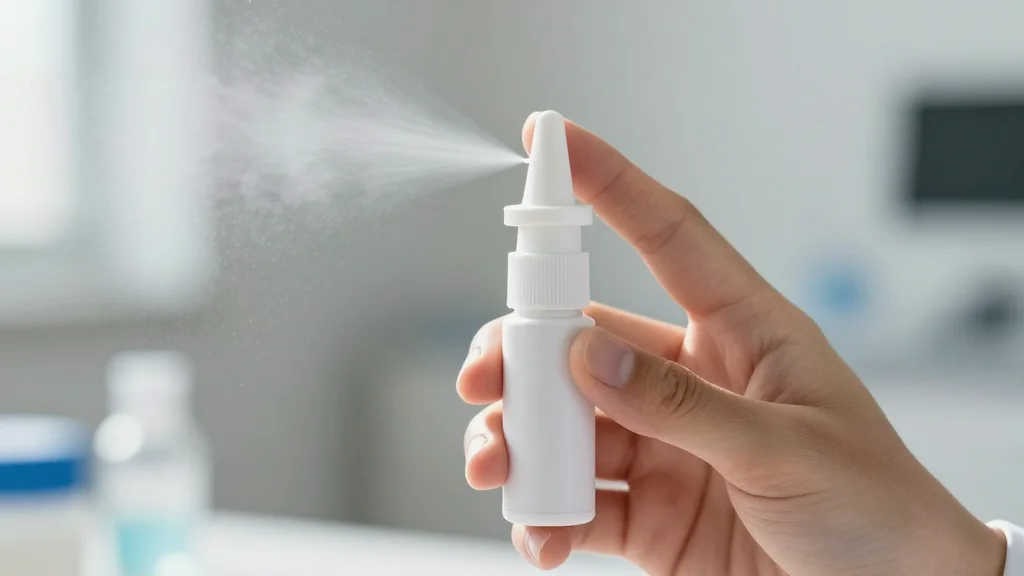
Researchers Develop Nasally Delivered DNA Vaccine for Tuberculosis
Johns Hopkins researchers have created an intranasal DNA vaccine that fuses the relMtb and Mip3α genes to target drug‑tolerant tuberculosis persisters. In mouse models the vaccine accelerated bacterial clearance, lowered lung inflammation and prevented relapse when combined with standard therapy....
PTSD Is Almost Incurable. Psychedelics Can Help — but only in Three U.S. States and Australia
Australia has opened a regulated pathway for MDMA‑assisted psychotherapy to treat post‑traumatic stress disorder, making it one of the few countries where the drug can be used medically. Early data from Dr. Ranil Gunewardene’s practice show more than 50 % of...
Vedanta Biosciences Announces the Phase 3 RESTORATiVE303 Study of VE303 for the Prevention of Recurrent C. Difficile Infection Will Continue...
Vedanta Biosciences announced that the independent Data Monitoring Committee has completed the first prespecified interim analysis of its Phase 3 RESTORATiVE303 trial and recommended the study continue unchanged. The interim data showed efficacy surpassing the futility threshold with no new safety...

SV Health Investors Acquires EpiVax
SV Health Investors (SVHI) announced the acquisition of EpiVax, a Providence‑based bioanalytical CRO that specializes in immunogenicity risk assessments for pharma and biotech firms. The deal adds a proven scientific platform, including the ISPRI predictive software and cell‑based assays, to...

Boston University to Apply Machine Learning to Alzheimer’s Biomarker and Cognitive Data
Boston University, leading the AI for Alzheimer’s Disease (AI4AD) consortium, is coordinating 11 research institutes to apply machine learning to massive genomic, biomarker and cognitive datasets. The team is building the PreSiBO database, which tags predictor, signature, biomarker and outcome...

Pharmaceutical Giant Pfizer Forced To Shut Down Updated COVID Vaccine Trials
Pfizer announced it is halting development of its updated COVID‑19 vaccine candidates, ending ongoing Phase 2/3 trials that targeted newer variants. The decision follows mixed efficacy data and waning commercial demand as the pandemic recedes. Pfizer will redirect resources toward...
Which Pharma Jobs Will Be Most In Demand Over the Next 5 Years?
The pharmaceutical sector is reshaping its workforce as AI, precision medicine, tighter regulations, and global manufacturing scale become central to drug development. Companies are seeking talent that can harness data‑driven discovery, navigate complex clinical trials, and ensure compliance across jurisdictions....

Accelerating Drug Discovery with “Paradigm Shifting” AI Model
A multi‑institution team led by Michigan State University unveiled GPS, a machine‑learning platform that predicts how a compound will alter gene expression from its chemical structure. Trained on millions of transcriptomic measurements across more than 70 cell lines, GPS screened...
Pfizer Halts COVID Shot Trial Because They Can’t Find Enough Test Subjects Willing to Take Another Booster Shot
Pfizer and BioNTech have halted a large U.S. clinical trial of an updated COVID‑19 booster after failing to enroll enough healthy adults aged 50‑64. The study required tens of thousands of participants, but recruitment stalled amid a sharp decline in...

Asundexian
Bayer’s oral factor XIa inhibitor asundexian (BAY 2433334) has delivered positive Phase 3 data in the OCEANIC‑STROKE trial, positioning it as a potential first‑in‑class therapy for secondary stroke prevention. The drug aims to block pathological clot formation while minimizing the bleeding complications common...

Shionogi Enters $2.5 Billion Agreement to Acquire All Rights to Radicava
Shionogi completed a $2.5 billion acquisition of global rights to Radicava from Tanabe Pharma, adding an approved ALS treatment to its portfolio. The deal transfers all intellectual property, sales rights and the existing commercial team, delivering an estimated $700 million in annual...
Pharma Pulse: Foundayo’s FDA Approval and the Strategic Risk of Pharmacy Data Consolidation
Eli Lilly’s Foundayo became the first new molecular entity approved under the FDA’s National Priority Voucher pilot, clearing in a record 50 days. It is the only GLP‑1 weight‑loss pill that can be taken without food or water restrictions, aiming to...

What Will Approval of Foundayo GLP-1 Tablets Bring?
The FDA has approved Foundayo (orforglipron), the first non‑peptide oral GLP‑1 tablet for obesity. As a small‑molecule drug, it sidesteps the manufacturing complexities that plagued peptide injectables like semaglutide and tirzepatide. Daily oral dosing promises easier adherence compared with weekly...