
Eve Advances eVTOL Program After 59 Successful Test Flights
Eve Air Mobility announced the completion of a major test‑flight phase for its electric vertical‑takeoff and landing (eVTOL) aircraft. The program logged 59 uncrewed flights, totaling 2 hours 27 minutes 33 seconds, at Embraer’s Gavião Peixoto facility in Brazil. The data validates the vehicle’s performance envelope and moves the project closer to a manned‑flight transition. Eve plans to begin crewed tests later this year as it targets commercial launch in 2027.

Varda CEO Foresees Space-Based Medicine Moving From Research Novelty to Manufacturing Mainstream
Varda Space Industries announced its first public pharma partnership with United Therapeutics, aiming to fly a microgravity‑manufactured drug in 2027 and begin production the following year. CEO Will Bruey framed the deal as proof that space‑based manufacturing is moving from...

Exploring Next Steps for On-Orbit Data Centers
At ASCEND, Aerospace Corporation’s Kelley Litzner highlighted the growing need for orbital data centers to process the surge of space‑generated data. He argued that latency‑critical missions to the Moon, Mars, and deep‑space destinations will require on‑orbit compute and storage. While...

VLEO Gains Momentum as Space Force, Industry Weigh Dual-Use Potential
Very low Earth orbit (vLEO), ranging from 180‑250 km, is emerging as a dual‑use layer for defense and commercial missions, offering sharper imagery, lower latency, and efficient spectrum use. The U.S. Space Force is actively scouting a “killer app,” emphasizing low‑power...

ISS National Lab Provides Fresh Lens on Aging and Health, Sparking Space Medicine Programs Nationwide
The International Space Station National Lab is turning its 26‑year microgravity research platform into a catalyst for new health breakthroughs on Earth. At Cedars‑Sinai, stem‑cell‑derived heart cells grown in space are being leveraged for scalable regenerative therapies. The University of...
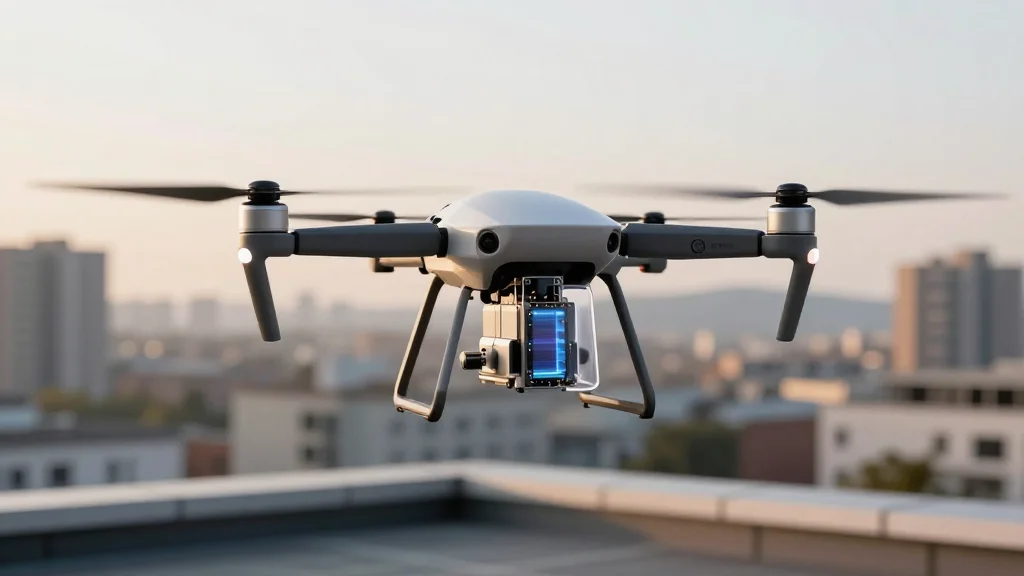
New Silicon Battery Partnership Targets Longer-Range Drone Delivery
Amprius Technologies and Matternet have formed a strategic partnership to embed Amprius’s silicon‑anode lithium‑ion cells into Matternet’s autonomous M2 delivery drones. The collaboration has already seen the new batteries installed in the M2 platform, which operates in several urban drone...

Space Force Seeks More Innovations to Characterize Space Threats, General Says
The U.S. Space Force is urging industry to accelerate development of space‑domain‑awareness tools that can identify a satellite’s behavior, ownership and threat potential. General Nick Hague warned that low‑Earth orbit is becoming crowded while adversaries field anti‑satellite missiles, GPS jamming...
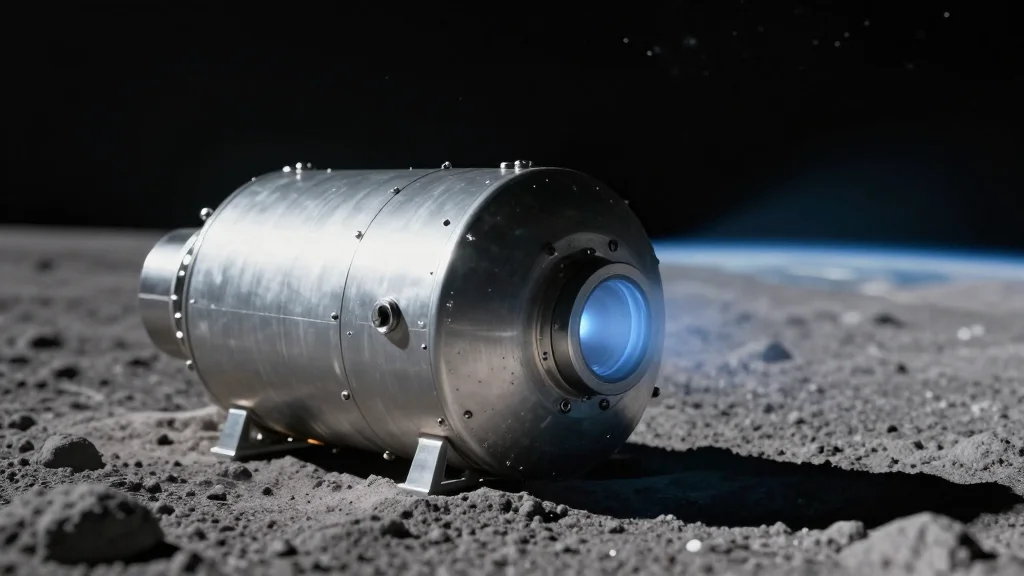
Experts Warn: Without Nuclear Power and National Will, America’s Lunar Future at Risk
Policy experts from the University of Central Florida and Arizona’s space commissioner debated America’s lunar strategy at ASCEND 2026, stressing that sustained moon operations hinge on advanced nuclear power. While bipartisan support for Artemis remains, panelists argue NASA’s pace is...
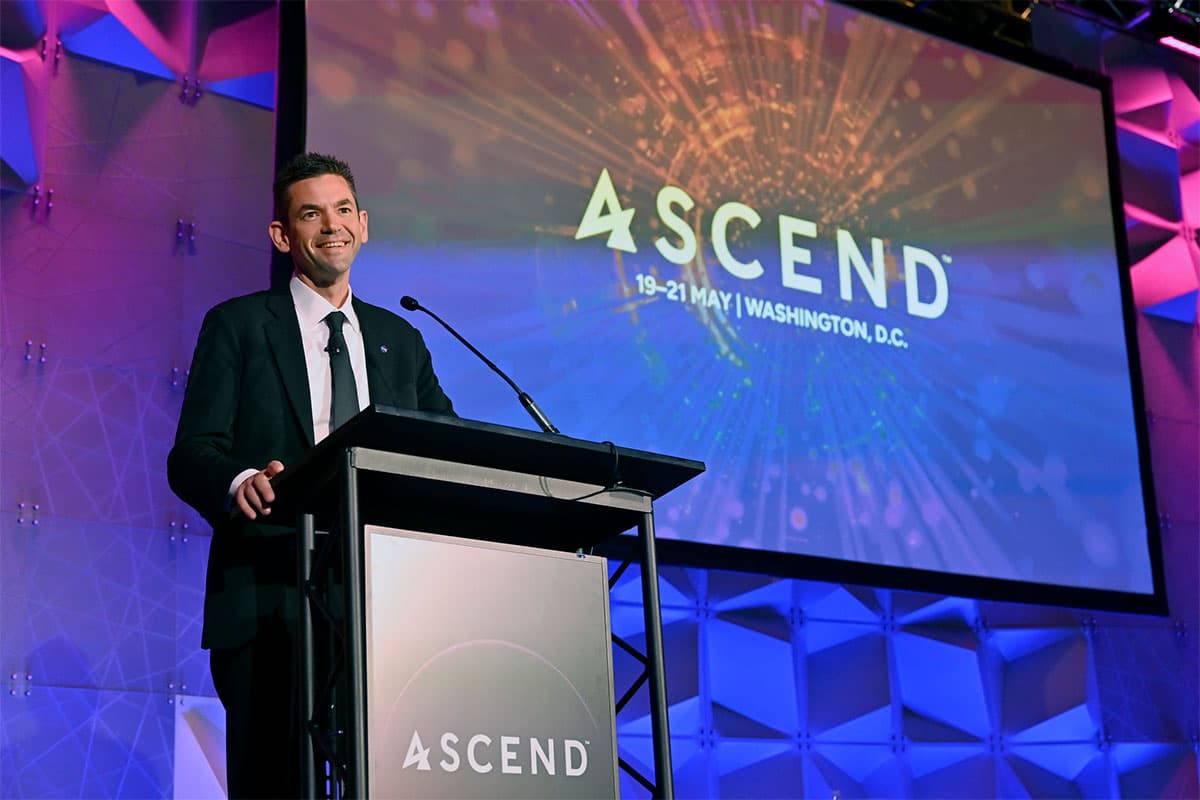
Isaacman Predicts Chinese Crewed Lunar Flyby by 2027
Jared Isaacman, head of NASA’s commercial crew program, warned at the ASCEND conference that China is on track to launch a crewed lunar flyby by 2027. The prediction suggests the Chinese space agency could achieve the first human orbit of...

SGx Delivered Real-World Insights for Rising Space Professionals
The Space Generation Advisory Council’s SGx event co‑located with ASCEND gathered over 500 students and early‑career professionals from more than 30 countries for a day‑and‑a‑half of industry‑focused sessions. Attendees heard keynotes from Blue Origin, Airbus U.S. Space & Defense, NOAA,...

SpaceX Targets May 21 Launch for Most Powerful Starship Yet
SpaceX is targeting Thursday, May 21, for the launch of its most powerful Starship variant, the SN24. The launch will occur within a 90‑minute window that opens at 6:30 p.m. EDT from Boca Chica. SN24 incorporates upgraded Raptor engines and structural...

Astrolab’s Debut Lunar Rover to Deliver Four NASA Payloads to the Moon
Astrolab announced that its first lunar rover, the FLEX Lunar Innovation Platform (FLIP), will carry four NASA payloads to the Moon. The rover will be delivered aboard Astrobotic’s Griffin‑1 lander, with a launch targeted for later this year. Agreements have...
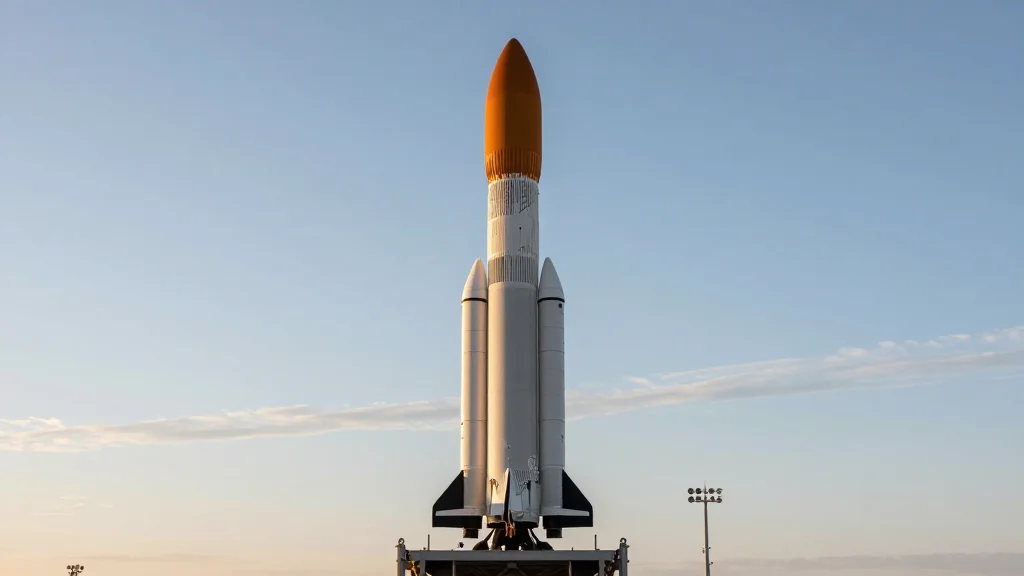
SpaceX Sends 6,500 Pounds of Cargo and Science Equipment to Space Station
SpaceX launched an unpiloted Dragon cargo spacecraft on a Falcon 9 rocket, carrying 6,500 pounds of supplies to the International Space Station. The payload includes nearly a ton of research equipment and samples supporting about 50 distinct scientific investigations. The launch continues...
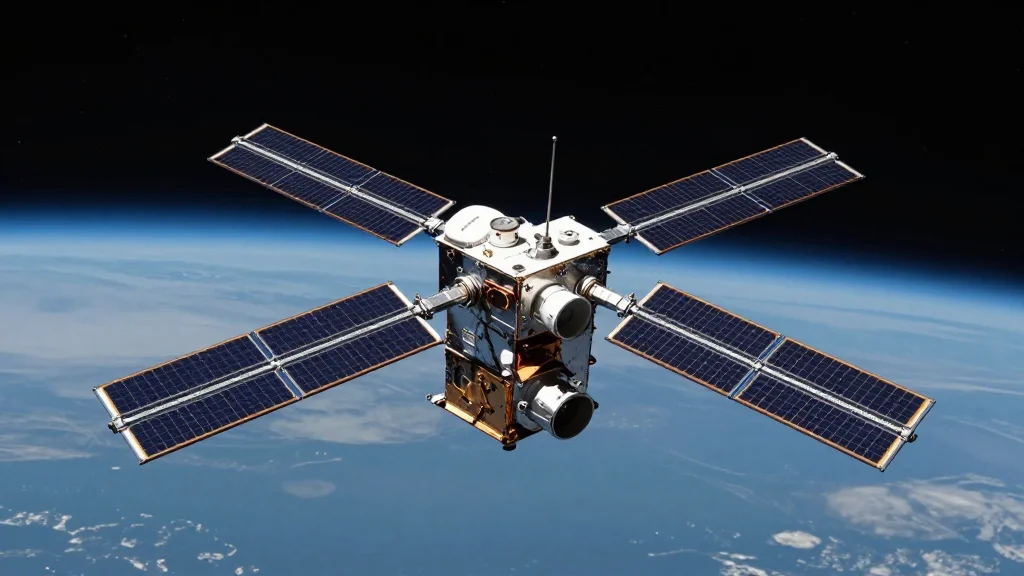
AIAA, Amazon Leo, Eutelsat, Iridium, and SpaceX Release Reference Guide: “Satellite Orbital Safety Best Practices 3.0”
On May 18, 2026, the American Institute of Aeronautics and Astronautics (AIAA) and leading low‑Earth‑orbit operators—including Amazon Leo, Eutelsat, Iridium and SpaceX—released the third edition of their reference guide, “Satellite Orbital Safety Best Practices 3.0.” The updated guide expands the...

Region V Student Conference Brings Together a Community to Share Ideas and Celebrate Innovation
The AIAA Region V Student Conference convened March 26‑27 at Iowa State University, drawing high‑school, undergraduate, graduate, and team participants. Professional AIAA members delivered talks on the value of continued society involvement after graduation. Over 30 technical presentations showcased cutting‑edge research, from...
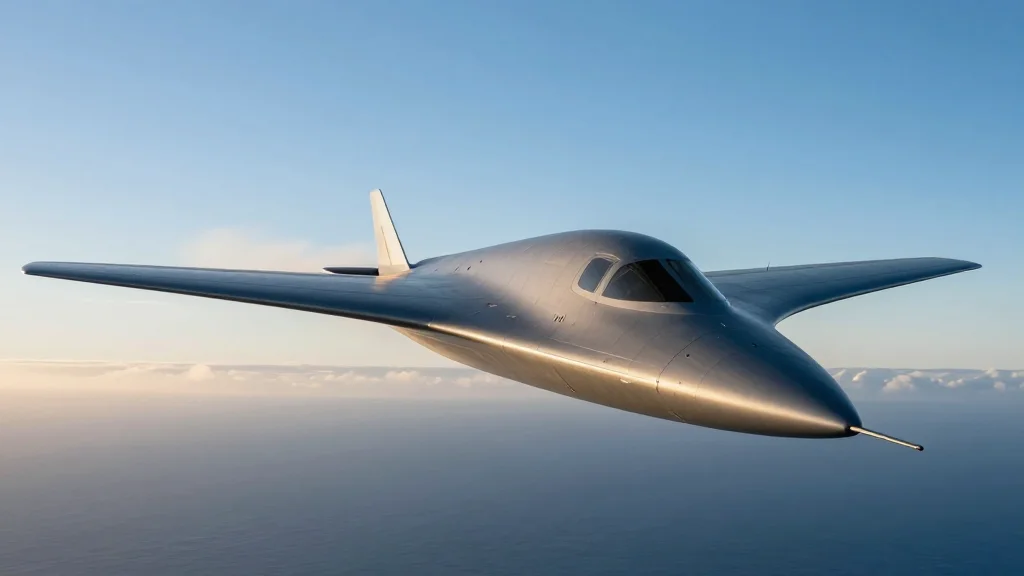
NASA Accelerates X-59 Flight Campaign Ahead of First Supersonic Test
NASA is accelerating the flight test campaign for the X‑59 low‑boom supersonic demonstrator as it nears its first Mach 1 flight. The Lockheed Martin Skunk Works‑built aircraft has accumulated roughly 19.6 flight hours over 16 missions, with eight flights conducted in...

ASCEND 2026 Puts “Need for Speed” At the Center of National Security Space
ASCEND 2026 places the “need for speed” at the heart of U.S. national‑security space, featuring a U.S. Space Force keynote, a full‑day Space Transformation Track hosted by The Aerospace Corporation, and a first‑ever Classified Day for cleared participants. The program...

Digital Engineering Helps Restore B-1B Bomber in Record Time
The U.S. Air Force leveraged digital engineering tools to refurbish a B-1B Lancer bomber in record time, slashing the typical restoration cycle by roughly half. This rapid turnaround coincided with the retirement of 17 B-1B aircraft, the first step toward...
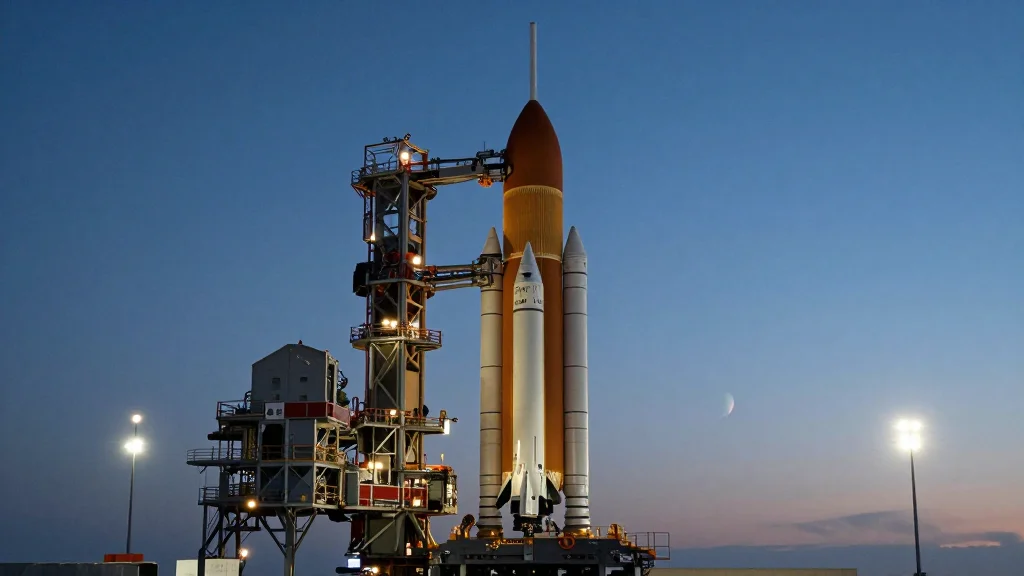
NASA Alters Artemis 3 Launch Vehicle Configuration
NASA announced that Artemis 3 will launch on the Space Launch System without its Interim Cryogenic Propulsion Stage. Instead, an inert spacer built at Marshall Space Flight Center will occupy the ICPS interface, preserving the vehicle’s dimensions. The change reflects a...
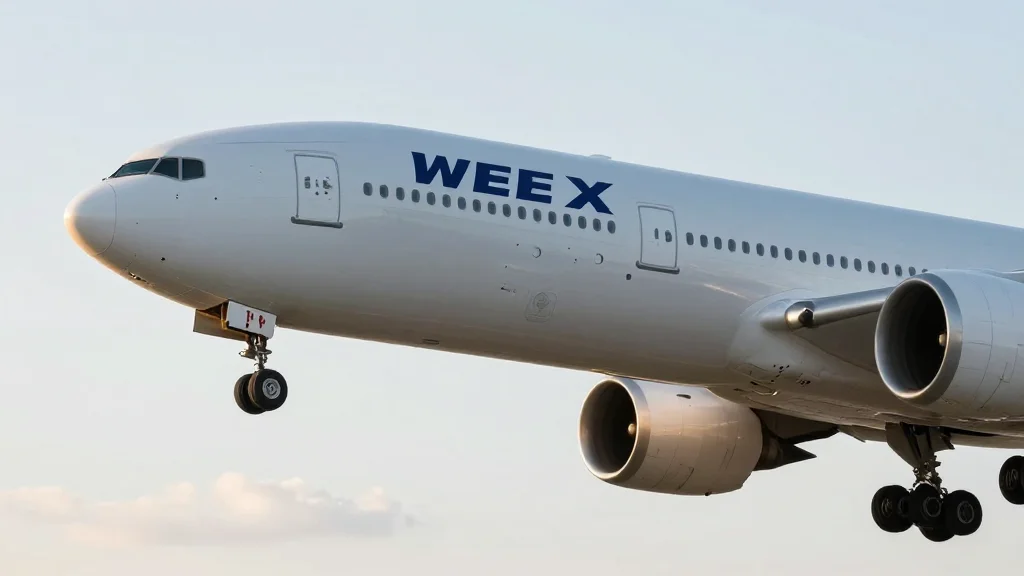
Boeing Reports Strong April With 57 Widebody Orders
Boeing announced on May 12 that it received 109 orders in April, including 57 widebody jets. The widebody commitments consist of 28 777X, 29 787 Dreamliner, and 52 737 MAX deliveries. The orders were disclosed in the company’s monthly orders...
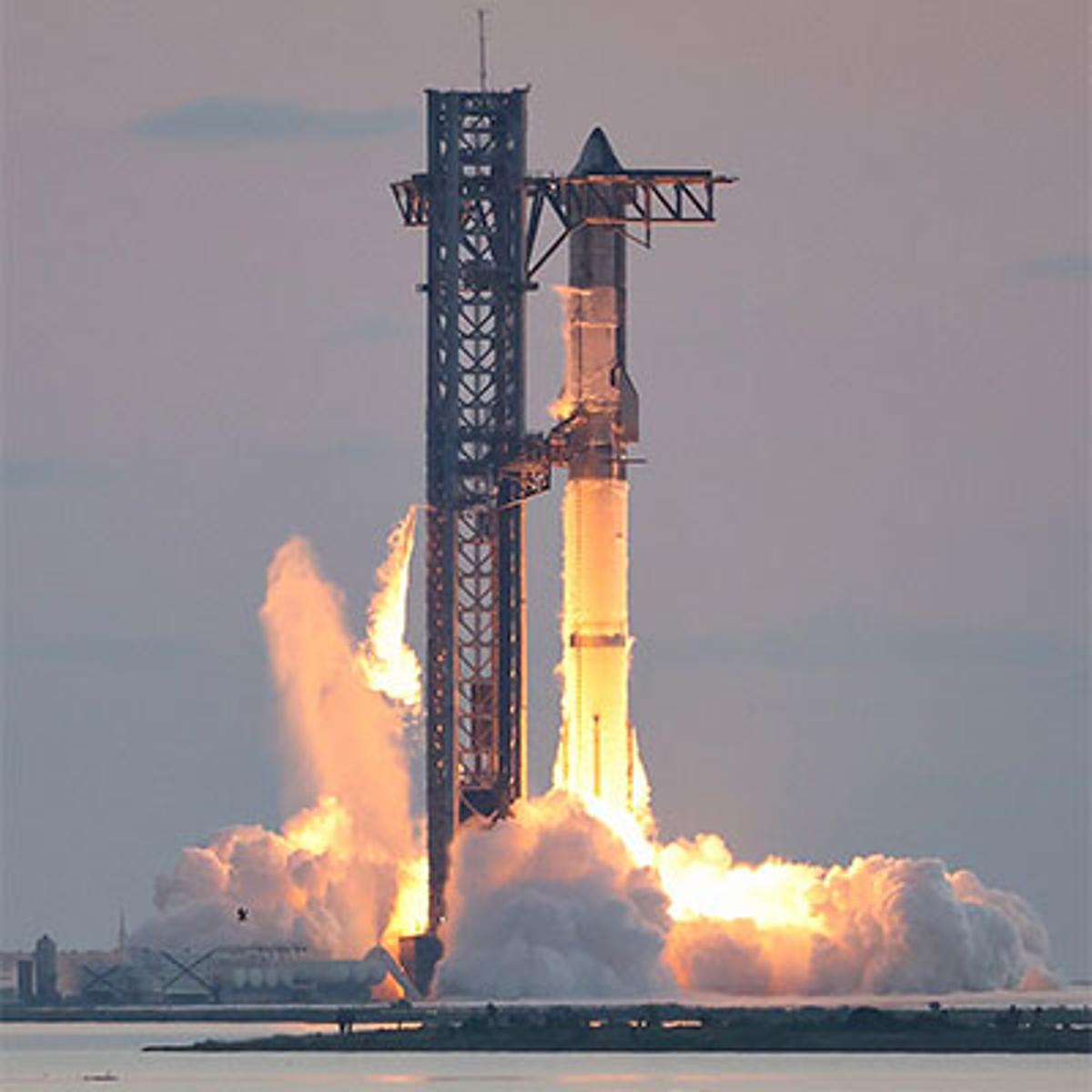
Starship V3 and Launch Pad 2 Set for Debut Mission May 19
SpaceX has set May 19, 2026 as the earliest date for the debut of Starship V3, its third major iteration, launching from the newly constructed Launch Pad 2 at Boca Chica. The flight will evaluate a suite of upgrades, including higher‑thrust Raptor engines, revised...
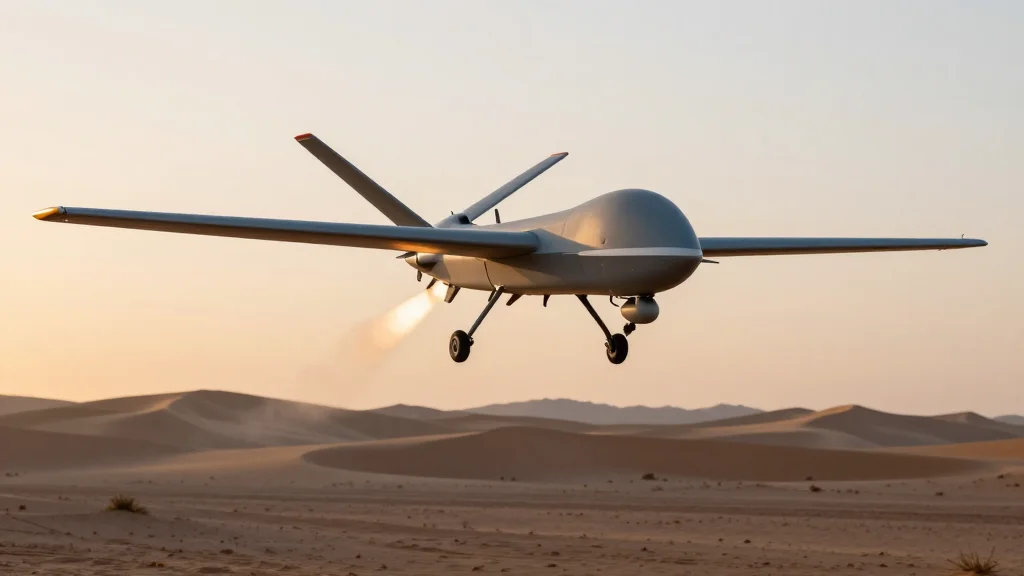
MQ-9 Reaper Demonstrates Precision Rocket Strike Capability
General Atomics and the U.S. Air Force demonstrated that the MQ‑9 Reaper can fire BAE Systems' Advanced Precision Kill Weapon System (APKWS) II rockets. In a test on the Nevada Test and Training Range, the unmanned aircraft launched multiple rockets at...
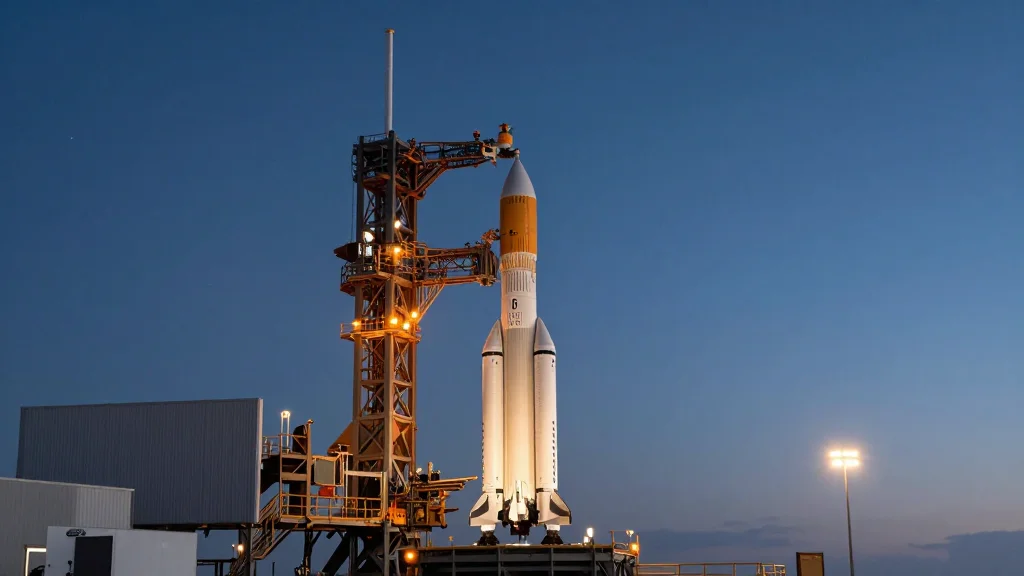
SpaceX Launches New Wave of NRO Reconnaissance Satellites
SpaceX successfully launched the National Reconnaissance Office’s NROL-172 mission on May 11, marking the agency’s 13th deployment of its “proliferated architecture” reconnaissance constellation. A Falcon 9 lifted off from Vandenberg Space Force Base’s SLC‑4E at 7:13:50 p.m. PDT (10:13:50 p.m. EDT). The...
BryceTech to Steer Investment and Innovation Conversation at ASCEND 2026
BryceTech will curate a two‑day track at ASCEND 2026 in Washington, D.C., designating May 19 as Investors Day and May 20 as Innovators Day. The program will showcase the firm’s 10th‑year Start‑Up Space Report, which documented $10.9 billion in start‑up space investment in 2025,...
NFL Veteran Joshua Dobbs Pursues Aviation Dreams in a Cirrus SR22
NFL quarterback Joshua Dobbs, entering his 10th season, has added a private pilot license to his résumé. The 31‑year‑old, who holds an aerospace engineering degree from Tennessee and previously interned at NASA, earned the license in a Cirrus SR22. He...
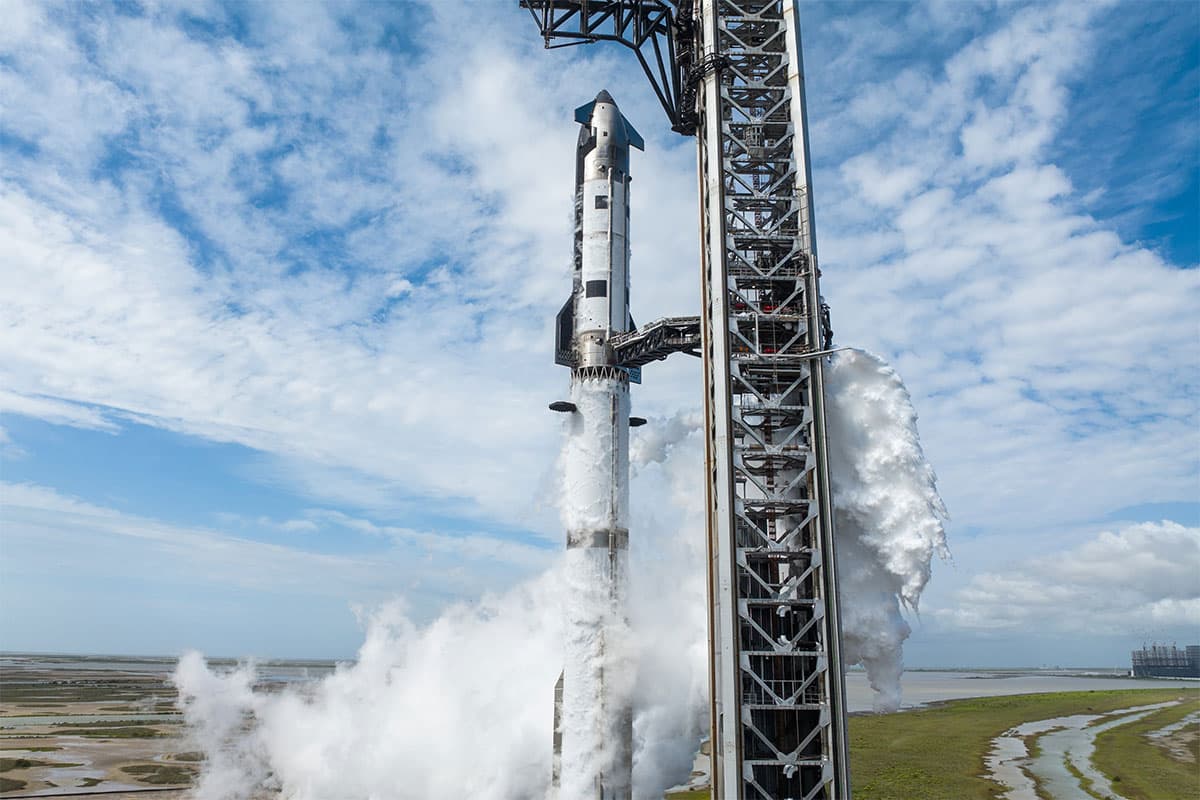
Starship V3 Booster Roars to Life in Major SpaceX Test
SpaceX performed a full‑duration static fire of the Starship V3 Super Heavy booster, igniting all 33 Raptor engines on its Texas launch pad. The test, lasting about six seconds, demonstrated the integrated propulsion system’s performance and confirmed that the vehicle’s...
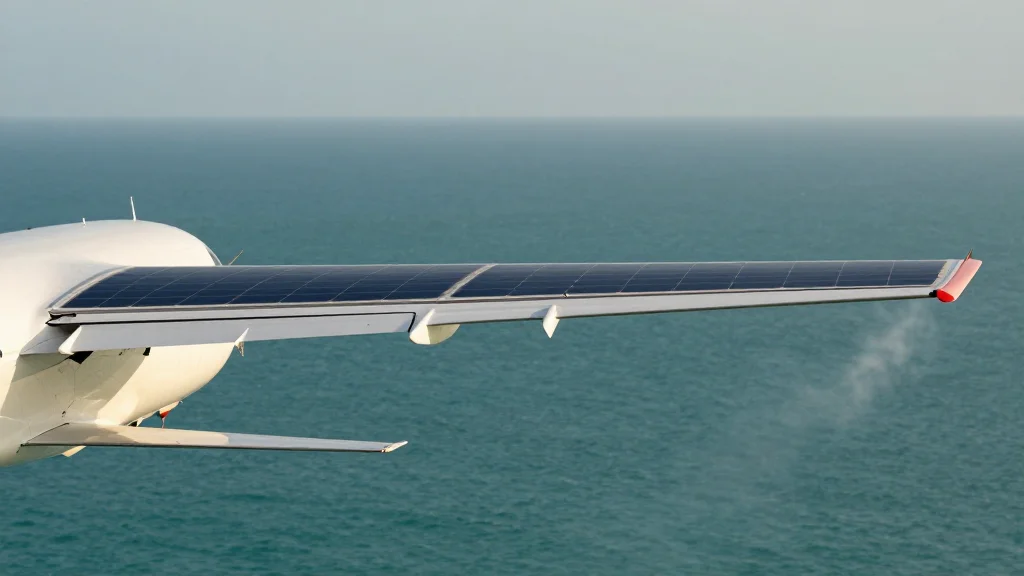
Solar Impulse 2, Famous for Around-the-World Flight, Crashes Into Gulf Waters
Solar Impulse 2, the solar‑powered aircraft that completed a historic 2016 circumnavigation, crashed into the Gulf of Mexico off Mississippi on May 4, 2026. The aircraft, owned by Skydweller Aero since 2019, had been converted into an unmanned test platform for long‑endurance surveillance...

Embraer Reaches All-Time First-Quarter Revenue High in 2026
Embraer reported a record first‑quarter 2026 revenue of $1.4 billion, a 31 percent year‑over‑year increase. The growth was driven primarily by its Defense & Security segment and a resurgence in Commercial Aviation orders. The result marks the highest Q1 revenue in the...

Rocket Lab Enters Golden Dome Missile Defense Program with Raytheon
Rocket Lab Corp., in collaboration with defense contractor Raytheon, has been chosen by the U.S. Space Force to demonstrate advanced capabilities for the Space Based Interceptor (SBI) program, a cornerstone of the Golden Dome missile‑defense architecture. The selection positions Rocket...

Take Advantage of Discount AIAA AVIATION Forum 2026 Registration Rates by 11 May
The AIAA Aviation Forum 2026 is offering a discounted registration rate that expires on May 11, encouraging early sign‑ups. The three‑day event will explore aviation innovation, with a focus on AI and autonomy, advanced air mobility (AAM), hydrogen propulsion, fluid dynamics,...
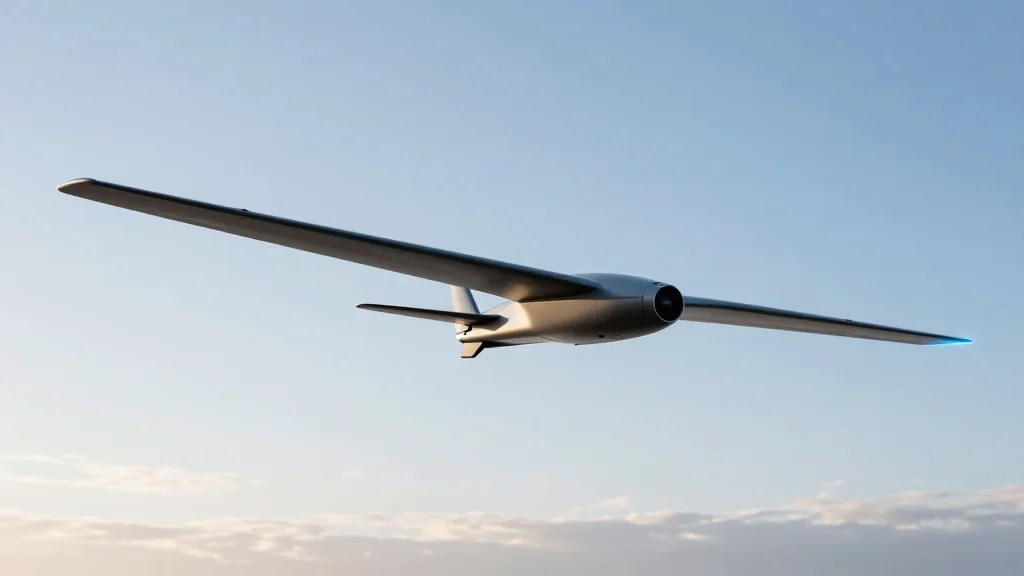
Northrop Flies XRQ-73 SHEPARD Hybrid Flying Wing for First Time
Northrop Grumman’s XRQ-73 SHEPARD hybrid‑electric experimental drone performed its inaugural flight test at Edwards Air Force Base, following a maiden flight in April. The aircraft combines a conventional turbine engine with battery‑powered electric motors, creating a flying‑wing platform designed for...

ASCEND 2026 Program to Launch with NASA Administrator Jared Isaacman
ASCEND 2026 launches on May 19 with NASA Administrator Jared Isaacman delivering the opening keynote. The week‑long event features more than 200 speakers from commercial space firms, national‑security agencies, NASA, and international partners. New event partners add a Classified Day with NRO...

Human Judgment in the Age of Autonomous Warfare: Why Congress Must Keep Human Oversight in Military Decisions
A coalition of defense analysts and legal scholars is urging Congress to codify human‑in‑the‑loop requirements for any U.S. weapon system that can deliver lethal force. The paper highlights how AI is already reshaping intelligence, logistics, and autonomous platforms across air,...
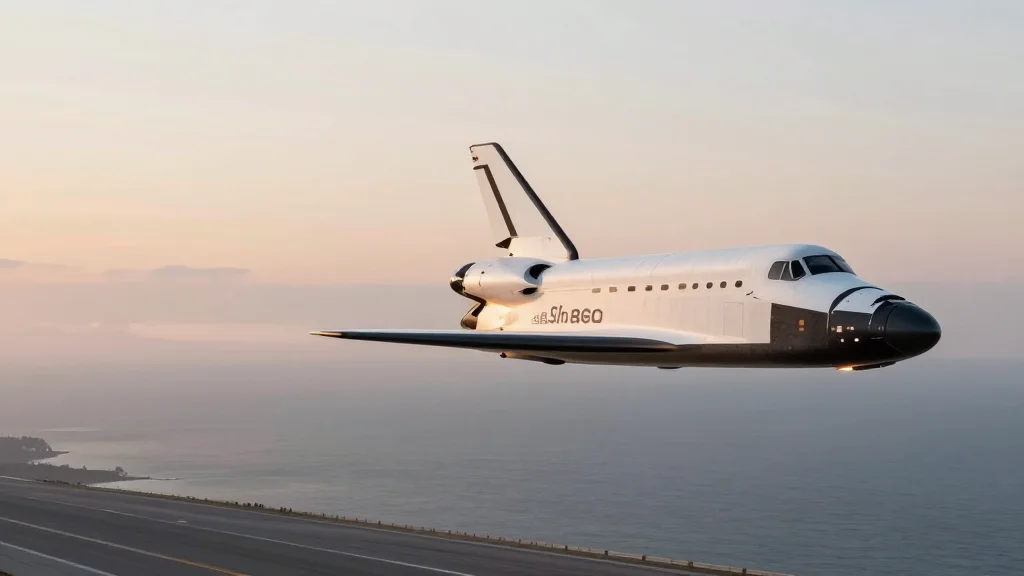
ESA’s Space Rider Passes Critical Hurdles on Path to Spaceflight
European Space Agency’s Space Rider, its first reusable spacecraft, has cleared two pivotal milestones: a high‑temperature reentry test and a precision autonomous landing demonstration. The tests validate the vehicle’s thermal protection system and guidance, navigation and control software, bringing the...
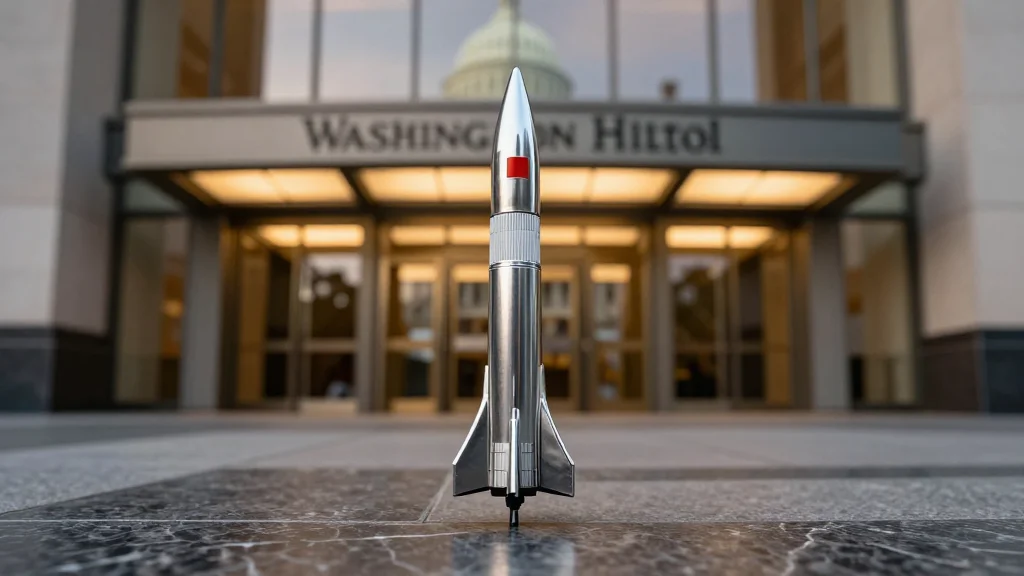
NASA Administrator Jared Isaacman to Open ASCEND 2026
NASA Administrator Jared Isaacman will reopen the AIAA ASCEND conference on May 19, 2026, at the Washington Hilton in Washington, DC. Isaacman, who first addressed ASCEND in 2021 after commanding the Inspiration4 civilian orbital flight, returns to highlight the agency’s...

Voyager Optimistic About Starlab as NASA Reconsiders Commercial Station Plans
Voyager Technologies says it is prepared to support NASA if the agency alters its Commercial Low‑Earth‑Orbit Destinations (CLD) strategy. In March, NASA signaled doubts that a standalone commercial station market has materialized and is weighing a procurement of a new...

The Space Station’s Past and Future Converge at ASCEND 2026
The International Space Station National Laboratory will host a full day of programming at ASCEND 2026, featuring nearly 60 technical papers on ISS utilization and a showcase of microgravity research that underpins medical breakthroughs. A highlight is the Orbital Edge Accelerator,...

Don’t Miss the Premier Aviation Technical Event of the Year
The AIAA Aviation Forum 2026 will take place in San Diego, gathering aerospace executives, government policymakers, and academic researchers. The three‑day event focuses on next‑generation propulsion, autonomous flight, and sustainable aviation technologies. Attendees can expect keynote sessions, technical panels, and...
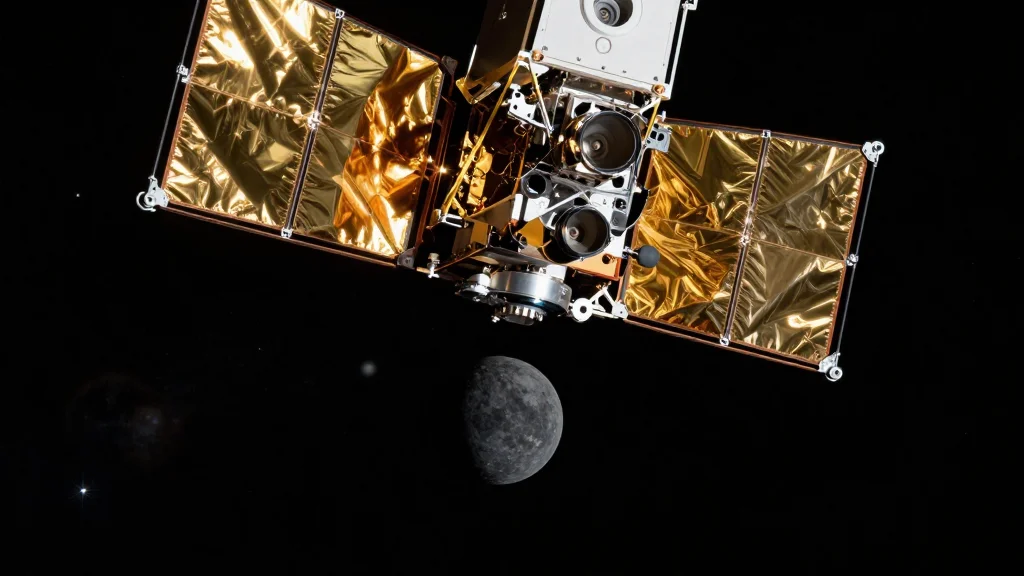
Webb Telescope Captures First Direct Look at Distant Exoplanet’s Surface
Astronomers using the James Webb Space Telescope have, for the first time, directly observed the surface of a distant super‑Earth, LHS 475b, located about 40 light‑years from Earth. The planet appears dark and airless, resembling a Mercury‑like rocky world with surface...
AIAA, Aerospace Corporation Launch ASCEND 2026 Classified Day
The American Institute of Aeronautics and Astronautics (AIAA) is hosting its first ASCEND 2026 Classified Day on May 18 at The Aerospace Corporation’s Chantilly, Virginia headquarters. The closed‑door session will feature a keynote by NRO Director Chris Scolese and senior leaders from...

AIAA Launches 30/30 Program to Spotlight Top Aerospace Young Professionals
The American Institute of Aeronautics and Astronautics (AIAA) has launched the 30/30 recognition program, inviting nominations through June 15, 2026 to honor 30 early‑career aerospace professionals in their 30s. Winners will be showcased in the October‑December issue of Aerospace America...

Don’t Miss SGx 2026, Part of ASCEND – Washington D.C. | 17–18 May
SGx 2026: Inventing New Orbits will convene students, young professionals, and senior leaders from NASA, Blue Origin, Airbus, Northrop Grumman and other aerospace firms on May 17‑18 in Washington, D.C. The two‑day program blends TEDx‑style talks, hands‑on workshops, a National Geographic...
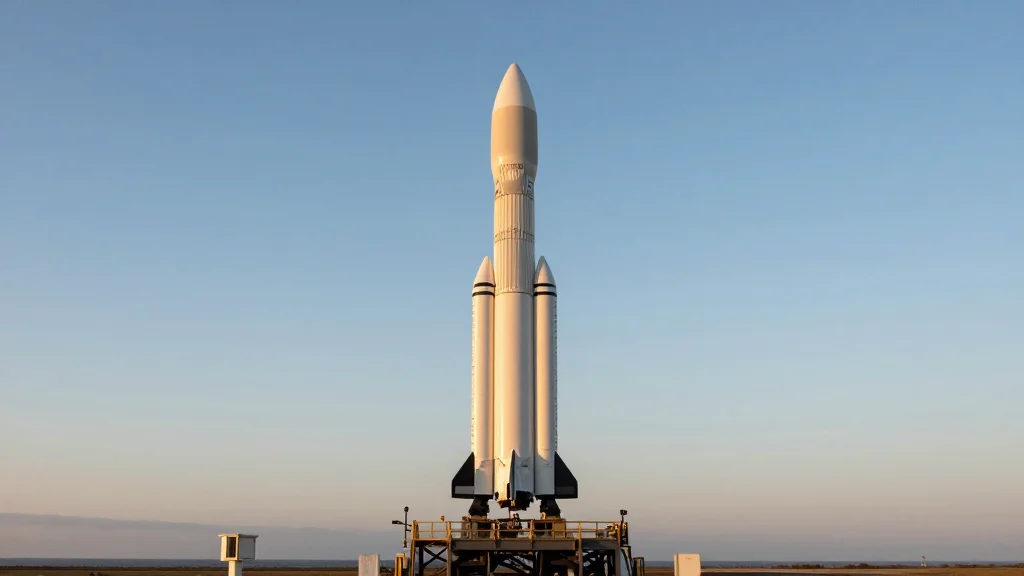
SpaceX Sends South Korean Imaging Satellite, 44 More Payloads to Orbit on Falcon 9
SpaceX successfully lifted off a Falcon 9 from Vandenberg Space Force Station, delivering 45 payloads into low‑Earth orbit. The mission, designated CAS500‑2, carried South Korea’s Compact Advanced Satellite 500‑2, the second unit in KAI’s Phase 1 CAS500 Earth‑observation program, along with 44...
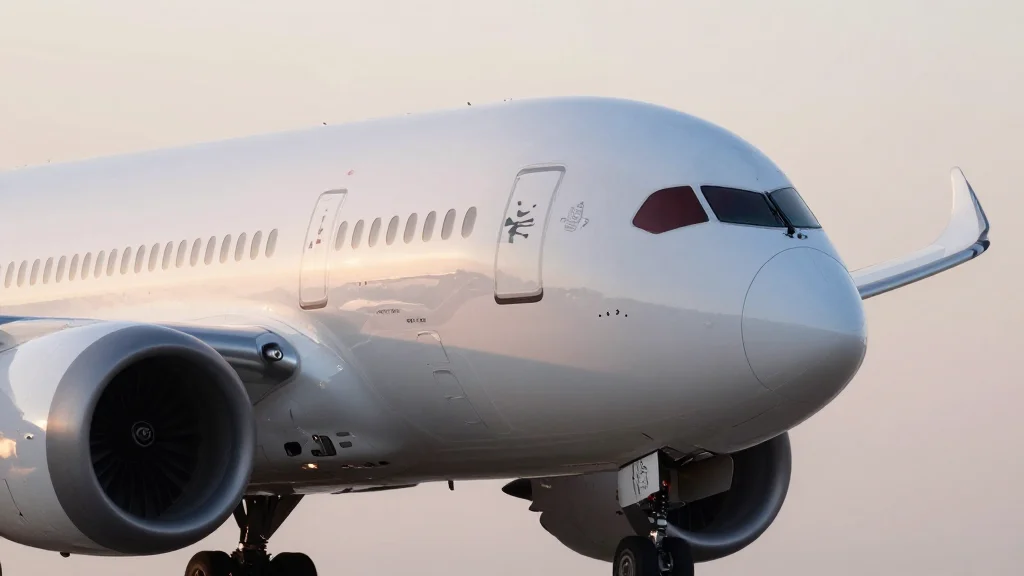
Boeing Lands Record Order From Biman Bangladesh for 787 and 737 MAX Jets
Boeing announced a record order from Biman Bangladesh Airlines, the carrier’s biggest purchase to date. The deal includes eight 787‑10 Dreamliners, two 787‑9s, and four 737 MAX 8 jets. Signed on April 30, 2026, the order expands Biman’s long‑haul capability and modernizes...
Commercial Space Federation Brings Space Policy Summit to ASCEND 2026
To mark its 20th anniversary, the Commercial Space Federation (CSF) will anchor space‑policy programming at ASCEND 2026 in Washington, D.C., on May 19‑20. The organization has folded its long‑running Space Policy Summit into the conference, delivering a two‑day agenda of 14 panels...
Gulfstream Aerospace Hits Record First-Quarter Jet Deliveries
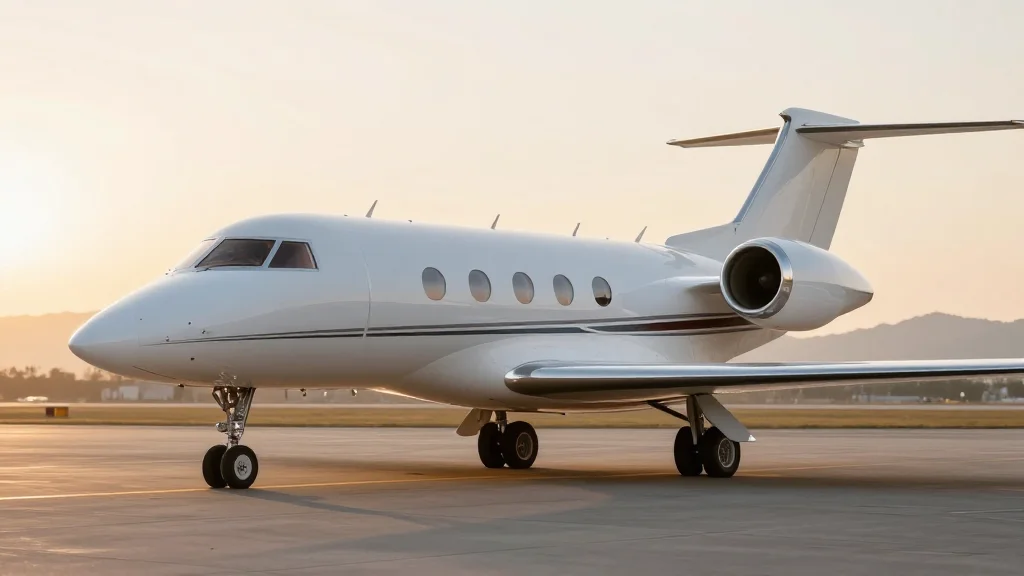
Gulfstream Aerospace announced a record first‑quarter delivery total of 38 business jets, including 31 large‑cabin models and seven G280 super‑midsize aircraft. This surpasses the 36 deliveries made in the same period last year. The figures were disclosed by Danny Deep,...
Falcon Heavy Returns to Flight with ViaSat-3 Mission
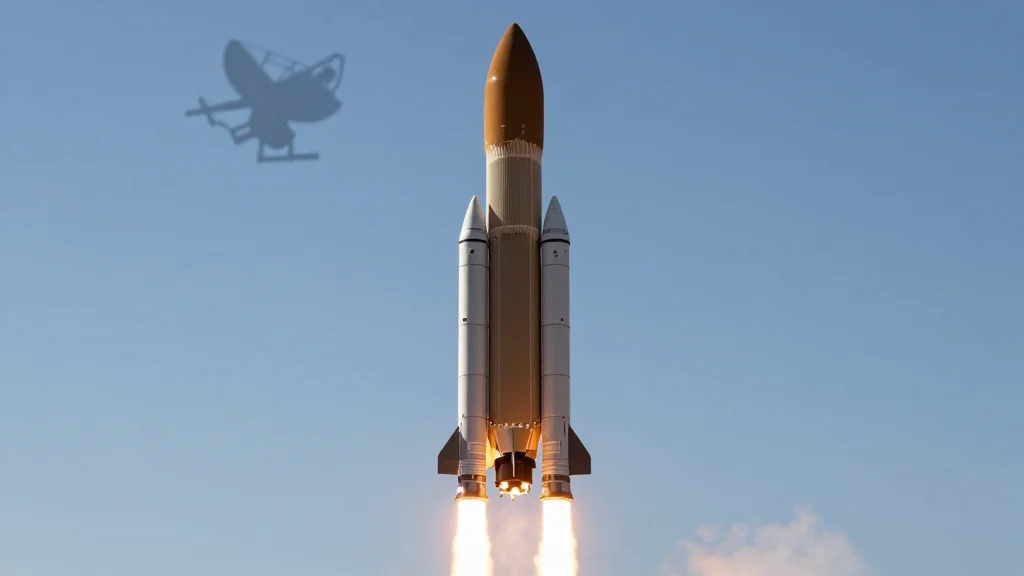
SpaceX’s Falcon Heavy returned to flight on April 29, launching the third and final ViaSat‑3 terabit‑class broadband satellite toward geostationary orbit. The launch marked the rocket’s first mission in more than 18 months, lifting off from Kennedy Space Center at 10:13 a.m. ET....
AIAA Announces 2026 Regional Student Conference Winners
The American Institute of Aeronautics and Astronautics (AIAA) announced the winners of its 2026 Regional Student Conferences across six U.S. regions, covering high school, undergraduate, graduate, and team categories. More than 1,100 students and professionals attended, presenting a record‑breaking 389...
SGx 2026 Registration Is Open
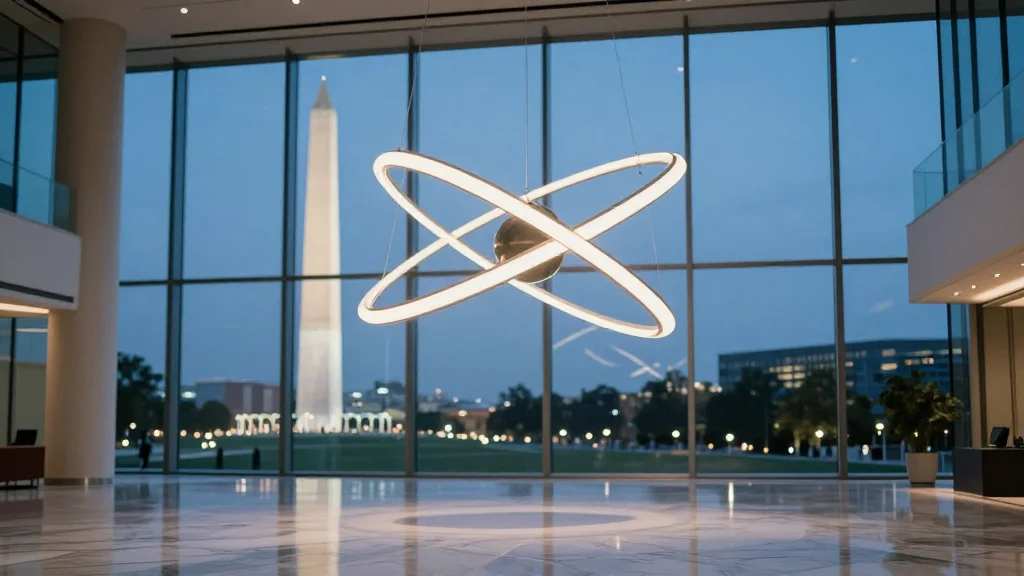
The Space Generation Advisory Council (SGAC) has opened registration for SGx 2026, a two‑day conference titled “Inventing New Orbits: Leading the Next Space Era.” The event will take place in Washington, D.C., on May 17‑18 and is co‑hosted with ASCEND and...
U.S. Air Force Eyes Major Expansion of KC-46A Pegasus Fleet
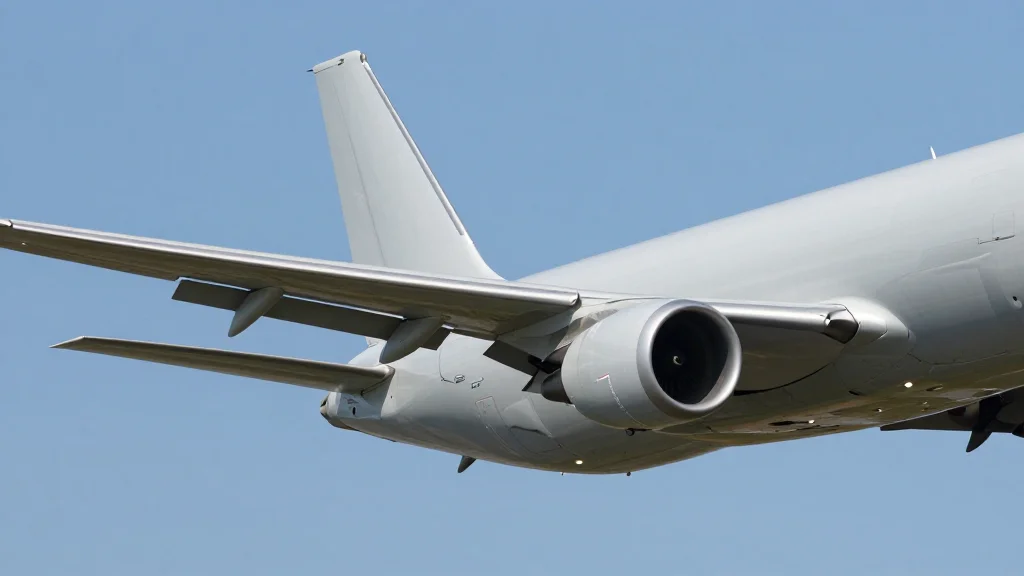
The U.S. Air Force currently operates about 100 Boeing KC-46A Pegasus tankers and is planning to grow the fleet to roughly 319 aircraft over the coming years. The expansion could eventually allow the service to retire the legacy KC-135 fleet,...