Podcast Ep269: Hidden Cost of Agile, 20 Perspectives From ERP Lessons, Agentic AI Landscape in 2026
Episode 269 of Transformation Ground Control tackles three intertwined themes: the hidden costs of applying agile methods to ERP projects, insights gathered from twenty ERP‑implementation interviews, and Oracle’s launch of agentic AI‑driven Fusion applications that signal a shift toward autonomous enterprise systems. The host argues that agile’s appeal—speed and reduced bureaucracy—can backfire in ERP contexts because the inevitable “messiness” of process documentation and end‑to‑end integration must be addressed early. Deferring this work merely postpones higher costs and technical debt. A hybrid model that blends agile flexibility with waterfall‑style upfront planning is presented as the most pragmatic path. The discussion also highlights systemic failures stemming from misaligned incentives among clients, vendors, and system integrators, creating a perfect‑storm environment for project overruns. A notable quote underscores the three‑fold problem: “It’s a people problem, a vendor problem, and a structural problem.” The episode promotes the host’s upcoming book, *Welcome to the Machine*, which dissects these dynamics. Oracle’s recent layoff of 30,000 staff to fund AI investments and the rollout of 22 new agentic Fusion applications illustrate how vendors are repositioning ERP from a passive record‑keeping system to an active, AI‑orchestrated workflow engine. For CIOs and transformation leaders, the takeaway is clear: prioritize comprehensive, early‑stage process mapping, adopt a balanced methodology, and monitor the evolving AI‑centric ERP landscape. Ignoring these signals risks inflated budgets, prolonged timelines, and missed opportunities as the industry moves toward autonomous, agent‑driven operations.

Your Amazon Profit Is Wrong | Here's The Proof
The video warns Amazon sellers that the sales figures shown in Seller Central are not profit, and many entrepreneurs mistakenly treat revenue as earnings, turning their business into a gamble against Amazon’s fees. It outlines the myriad charges—referral, fulfillment, storage, fuel...

I Made $10,000 on Substack in 4 Months — Here's Exactly How
The video explains how the creator earned $10,000 in four months on Substack by leveraging the platform’s simple, short‑form publishing model. Substack treats each post as a concise, skimmable note—typically one to six sentences under 250 characters—allowing writers to deliver...

CoSN 2026: When Legislators Talk ‘Safety,’ Schools Hear ‘Restriction’
The CoSN 2026 session warned that new state bills are blurring the line between online safety and student privacy, prompting lawmakers to draft regulations that could unintentionally limit lawful digital content for K‑12 learners. Speakers highlighted KOSA’s language, which may...
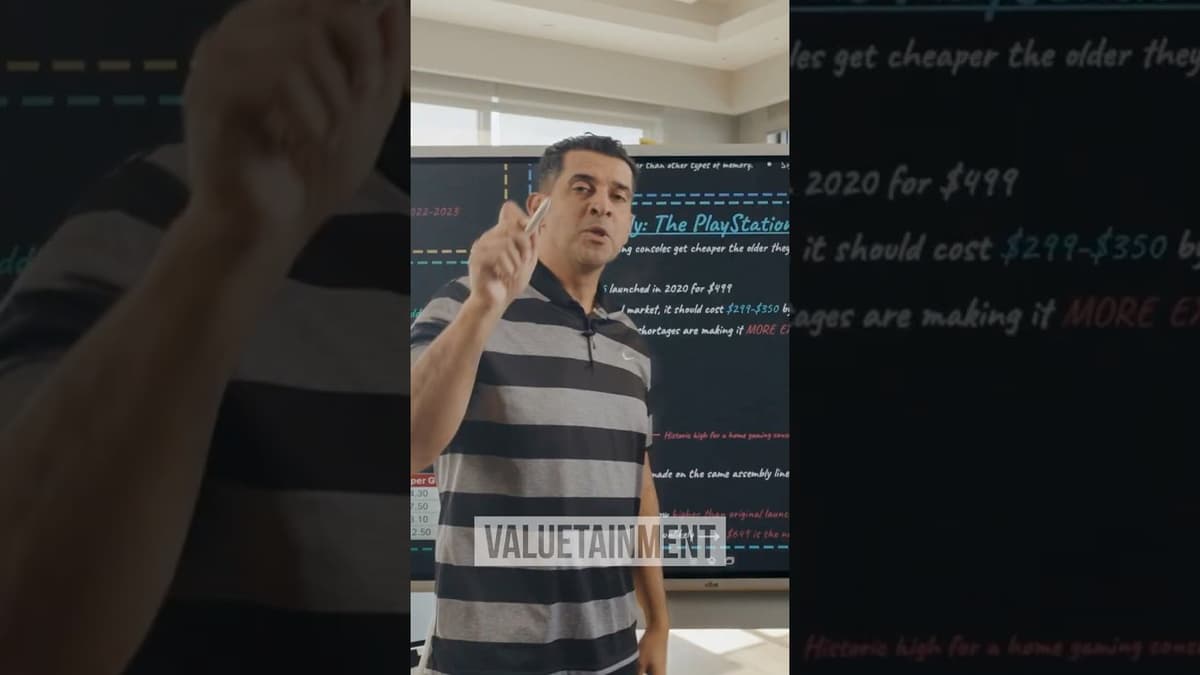
Why Computer Chips Are So Expensive Right Now
The video explains why computer chips, especially memory modules, have surged to record‑high prices, using the recent resale price jump of a 2020 PlayStation as a concrete illustration. A confluence of factors is driving the spike: a pandemic‑triggered demand boom for...

Myth-Busting if Sprout Actually Works (From a Hiring Manager) 👀💡 #SHORTS
A hiring manager posted a short video testing Sprout, an AI‑powered platform that promises instant job applications. He swiped through 80 sales‑focused listings in a single day, letting the app generate a tailored resume for each role, then waited a...
Stanford CS25: Transformers United V6 I From Representation Learning to World Modeling
The Stanford CS25 lecture introduced Joint Embedding Predictive Architecture (JEPA) and its causal extension as a new paradigm for world modeling, emphasizing latent‑space prediction over raw pixel reconstruction. Speakers highlighted how JEPA treats future prediction as an energy‑based compatibility score,...
Stanford CS25: Transformers United V6 I Overview of Transformers
Stanford’s CS 25 “Transformers United” returns for its sixth iteration, a graduate‑level seminar that demystifies the transformer architecture that underpins today’s AI boom. Co‑instructors Steven, a fourth‑year CS PhD, and Karan, a third‑year EE PhD, frame the course as a bridge...
Stanford Robotics Seminar ENGR319 | Spring 2026 | Mechanical Intelligence in Locomotion
The seminar introduced recent work on mechanical—or morphological—intelligence for locomotion, emphasizing the largely unexplored mesoscale robot class (≈1 kg) that bridges micro‑robots (10 kg). The speaker argued that at this scale robots interact with about ten terrain elements simultaneously, creating a noise‑dominated regime...

Anonymous Competition Drives Executives
The video explains how a company added anonymous leaderboards to its learning platform, targeting senior executives’ compliance training. After launch, the C‑suite’s completion rates jumped sharply; executives who saw themselves in the bottom 25% rushed to improve scores, demonstrating a powerful...
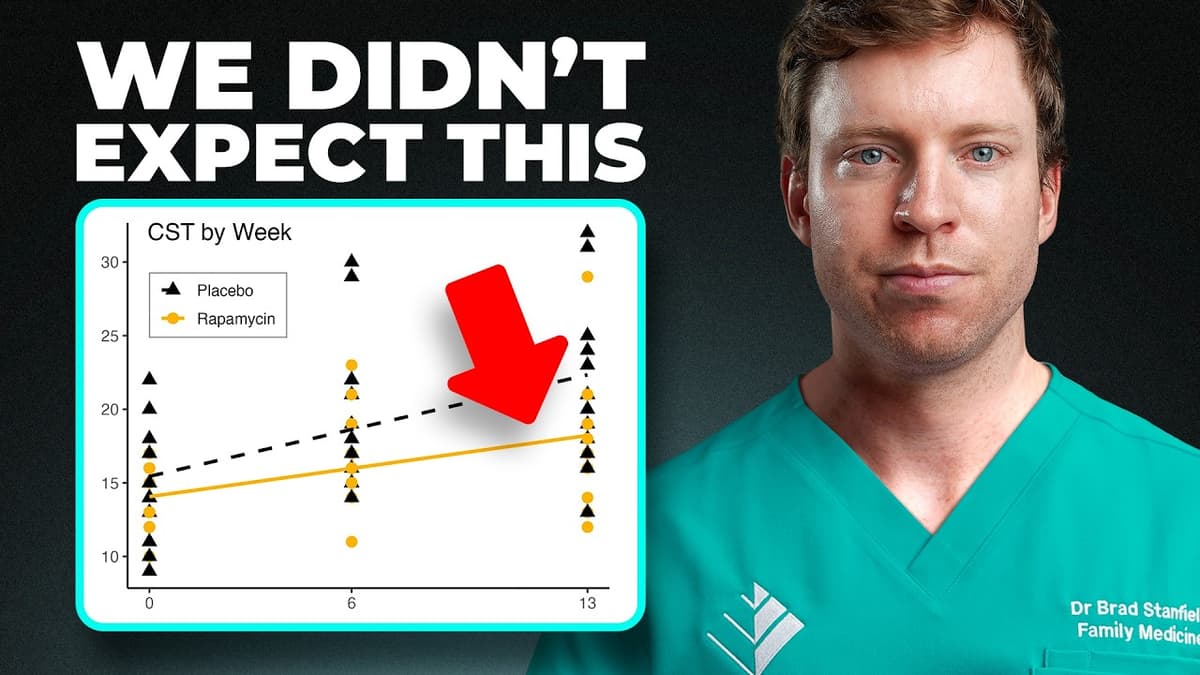
We Spent $724,637 Testing Rapamycin. What We Found Shocked Us.
The video details a five‑year, $724,637 crowdfunded clinical trial that tested whether weekly rapamycin, combined with home‑based cycling exercise, could improve muscle performance in adults aged 65‑85. Results were published in the Journal of Cexia Psychopenia and Muscle, and the...

The Secret to Fixing Britain's Railways | #Railnatter 305
The video argues that Britain’s rail modernization has been hampered by a focus on large, one‑off projects, using the Transpennine Route Upgrade (TRU) as a case study. It proposes shifting to a programme‑based model where numerous small, incremental upgrades replace...

TSMC Earnings, Cerebras S1, Custom Semi Rumors, Apple CEO Change
The episode opens with Ben Bajarin and Jay Goldberg dissecting TSMC’s latest earnings release. The Taiwanese foundry posted revenue and margin beats for the March quarter, lifted its capital‑expenditure outlook, and announced a second N3 fab in Tainan and a...

California Lawsuit Accuses Amazon of Price Fixing
California's Attorney General filed an antitrust suit accusing Amazon of pressuring third‑party sellers to maintain higher prices on rival platforms, alleging the e‑commerce giant uses marketplace rules to curb price competition. The complaint cites internal 2022 documents showing Amazon’s “Buy Box”...
Late to Retail Media Means Right on Time: Ace Hardware's Molly Hjelm
Ace Hardware, a cooperative of 5,200 independently owned stores, announced the rollout of its own retail media network last year, positioning itself as a late entrant that can learn from early adopters. The network draws on Ace’s extensive loyalty program and...

Protecting Your Google Ads Account with the Security Agent
The video introduces Google’s Security Agent, an autonomous governance service built into Google Ads to protect accounts from hacking and financial loss. Unlike static rule‑based tools, the agent leverages AI to scan for “security debt” such as dormant user accounts, over‑privileged...
Lecture: 3.0.1: Clinical Note Structure & De Identification
The lecture introduces the anatomy of clinical notes and the challenges of processing noisy electronic health record (EHR) narratives. It emphasizes the SOAP structure—Subjective, Objective, Assessment, Plan—as the foundational format for documenting patient encounters, and outlines common sources of textual...
Lecture 1.2.5.D | Data Validation & Pydantic in Python | Health Data Science
The lecture introduces data validation fundamentals and demonstrates how Pydantic streamlines validation in Python, especially for health‑data pipelines. Hamza explains why raw inputs from users, APIs, or databases must be vetted to prevent downstream errors, security risks, and poor machine‑learning...

Jensen Huang on Why Nvidia Passed on Anthropic the First Time
Jensen Huang, Nvidia’s CEO, explained why the chipmaker passed on a multi‑billion‑dollar investment in Anthropic, the AI startup behind Claude. At the time, Nvidia’s balance sheet and corporate policy prevented it from committing capital outside its core business, leaving the...
Ultimate Generative AI Interview Guide 2026 | Python, ML, RAG & Agentic AI Interview Questions
The video serves as an all‑in‑one interview preparation guide for data‑science and generative-AI roles in 2026, walking viewers through Python fundamentals, core statistics, machine‑learning concepts, deep‑learning foundations, Retrieval‑Augmented Generation (RAG), and emerging agentic‑AI topics. It systematically reviews Python basics—data types, mutability,...

Weekly Metrics Reporting Agent
The video demonstrates how to build a lightweight reporting agent that automatically generates a weekly metrics readout for a team. By linking the agent to a Google Drive data source, it can directly access spreadsheets where the raw data resides,...

Third-Party Risk Management Agent
The video demonstrates how Hojun builds TRO, a third‑party risk‑management AI agent, using ChatGPT’s no‑code interface. By feeding a single prompt that outlines the vendor‑risk workflow, required tools, and the finance team’s best‑practice skill, the system automatically configures the agent’s...
Lead Outreach Agent
Matthew introduces Spark, a workspace agent that lets SMB sales teams turn inbound leads into meetings faster through automated research, qualification, and personalized outreach. By typing a natural‑language prompt, the agent translates the request into a sequence of steps, attaching...

What's up with Airbnb's Coachella Chaos?
The video examines a wave of viral TikTok posts claiming that Airbnb rentals booked for Coachella’s second weekend were abruptly cancelled, then re‑listed at substantially higher rates. It asks whether these incidents reveal a deeper vulnerability in the short‑term‑rental ecosystem...
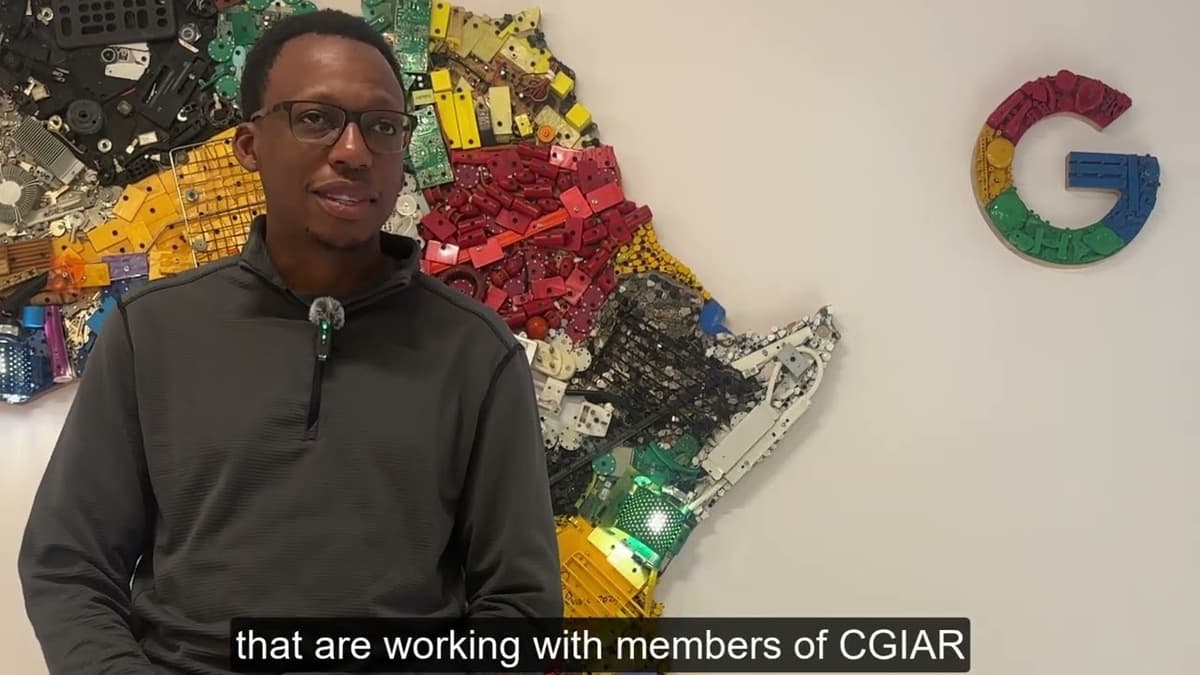
CGIAR & Google Leverage AI to Develop the Crops the World Needs the Most
The video announces a strategic partnership between CGIAR, the global agricultural research consortium, and Google’s AI labs to embed artificial intelligence into crop breeding. The collaboration, anchored by the Google.org ORC project, focuses on digital phenotyping—using computer‑vision and machine‑learning to...

600 - Clinical Evidence at Your Fingertips: AI, Scribes, and the Future of Medical Documentation
The Talking Health Tech episode chronicles Heidi Health’s journey from a 2020 AI‑driven history‑taking platform to today’s documentation‑focused scribe solution. Founder Thomas Kelly explains how the original "HX‑to‑DX" concept aimed to triage patients and generate differential diagnoses before the rise...

This Design Shouldn’t Exist...
DJI unveiled the Romo P, a transparent robot that merges vacuuming and mopping into a single unit, and pairs it with a matching see‑through charging base. The Romo P features dual robotic arms for edge coverage, a 25,000 Pa suction motor, and an integrated...

The Era Of Fossil Fuel Unreliability Has Begun | Ep 254: Jennifer Granholm
The conversation with former Energy Secretary Jennifer Granholm centers on the growing unreliability of fossil‑fuel supplies, especially as geopolitical tensions threaten key maritime chokepoints such as the Strait of Hormuz, Malacca and Bab el‑Mandeb. Granholm argues that these disruptions are accelerating...

Authentication No Longer Means Safe
The video highlights a regulatory pivot toward "in‑use" encryption and intent‑based authentication for financial transactions. After a brief bulletin about encrypting data while it is being used, banks scrambled, signaling the emergence of a new market segment. New standards for...

Does AI Coaching Work?? #cycling #coaching #TrainerRoad #GetFaster
The video investigates whether artificial‑intelligence coaching can genuinely boost cycling performance, focusing on TrainerRoad’s proprietary AI workout generator. By analyzing 2½ months of data from over 5,500 cyclists who train 3‑8 hours weekly, the study compares athletes using TrainerRoad AI‑selected...
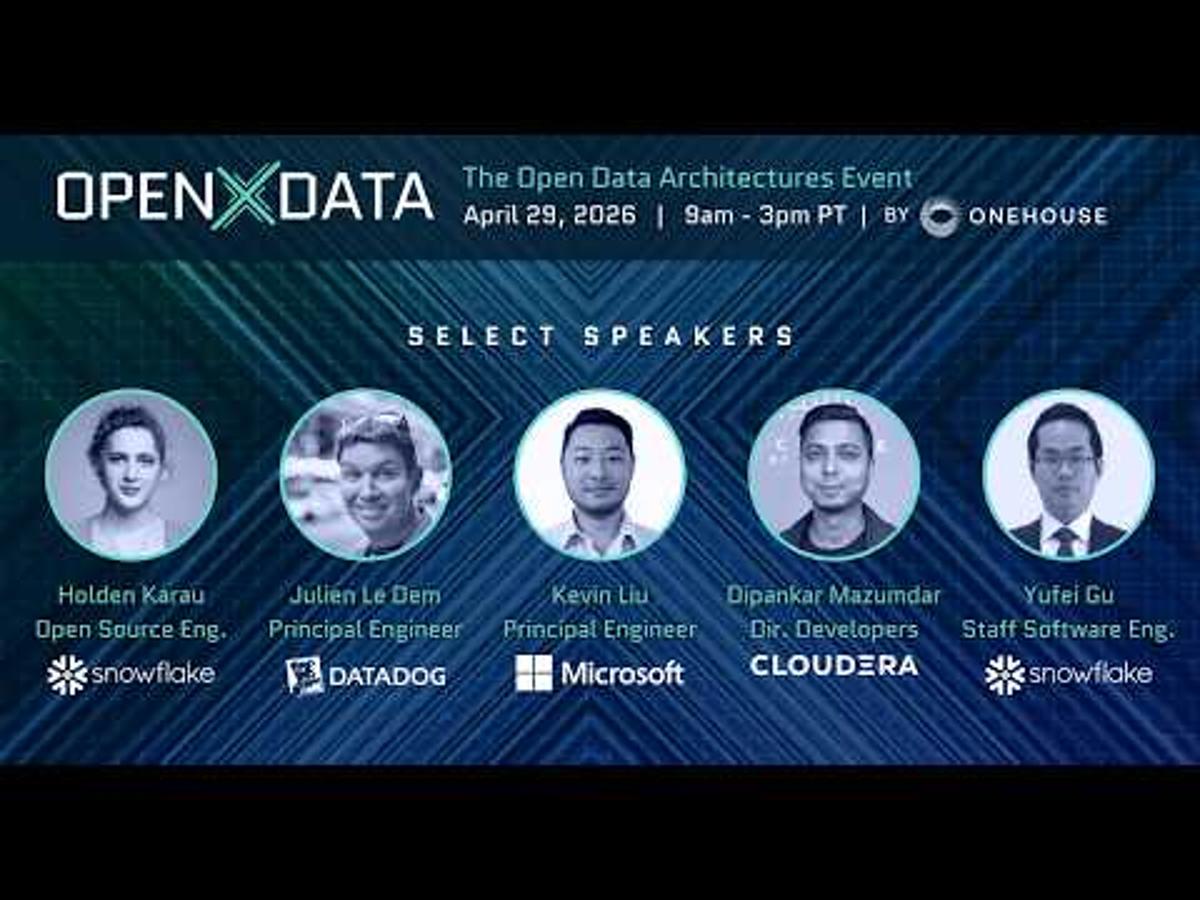
OpenXData Conference
OpenXData is hosting a full‑day conference on April 29, 2026 featuring two parallel tracks that explore AI‑native data platforms, data engineering for AI, and large‑scale cost‑performance optimization. Speakers include senior technologists from Uber, Snowflake, Microsoft, IBM, Anthropic, Walmart, Booking.com, and other industry...

Are Humanoid Robots Ready for the Real World?
The video examines whether humanoid robots are ready for real‑world deployment, emphasizing a shift toward devices that can be operated by anyone, not just engineers. It argues that the next wave of robotics must be intuitive, leveraging cognitive interfaces so...

Meet Oncologist Michael Hurwitz, MD, PhD
The video introduces Dr. Michael Hurwitz, MD, PhD, an oncologist who focuses on urogenital malignancies—including prostate, kidney, bladder, and testicular cancers—and heads a solid‑tumor cellular immunotherapy program. Hurwitz explains that his team harvests patients’ own immune cells or donor cells, engineers...
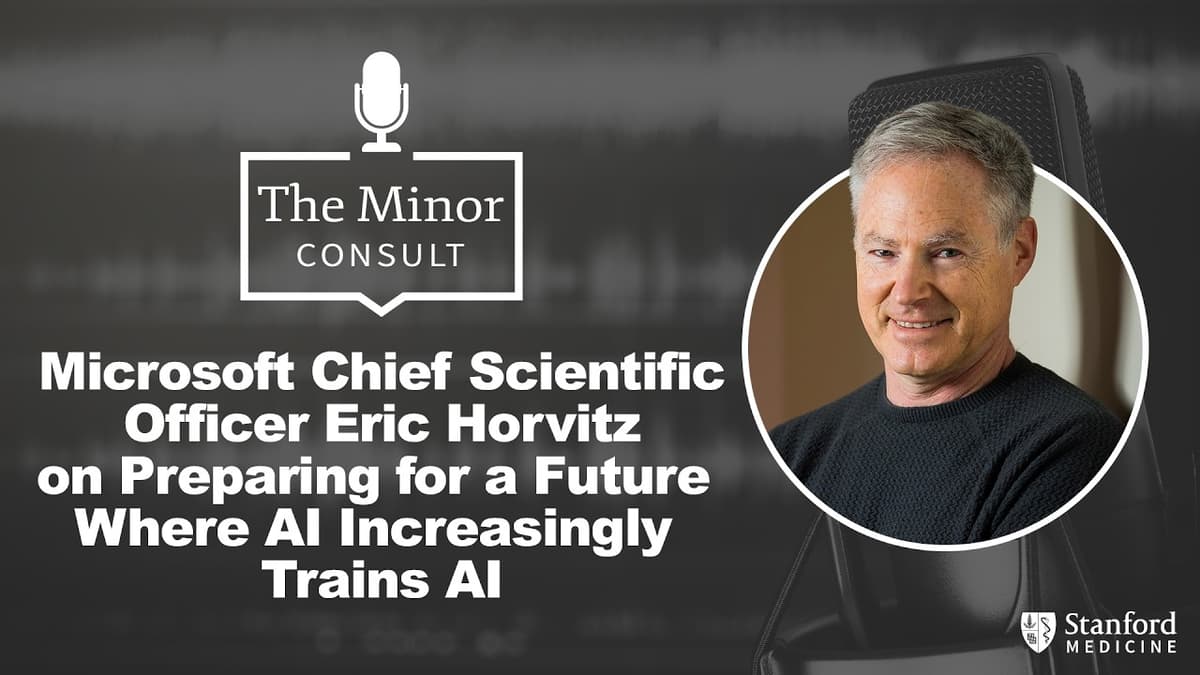
Microsoft's Eric Horvitz on Preparing for a Future Where AI Increasingly Trains AI
In a candid interview, Microsoft’s chief scientific officer Eric Horvitz frames today’s AI landscape as a phase‑transition from task‑specific tools to broadly capable, "polymathic" systems that can reason, communicate and collaborate across domains. He distinguishes the rapid, visible "surface waves"—breakthroughs...
"45,000 Prompts Within the Engineering Cycle" 🌀
The video highlights a brand’s practice of issuing roughly 45,000 AI prompts during each engineering cycle, emphasizing testing as a non‑negotiable component of modern product development. Iterative testing is presented as the engine for uncovering the specific triggers—paid, organic, PR, and...

They Beat My Dropshipping Challenge And Won $5,000 (You Can Too)
The video promotes the Auto Ecom $100,000 Challenge, a 90‑day competition where anyone can build an AI‑generated Shopify store and compete for cash prizes. Two complete beginners earned $5,000 after constructing niche stores in just a few days, and a...
AI That Explains Why You Said “Yes” In Hiring #saas #podcast #shorts #ai #elly
The discussion centers on a new AI system that explains why recruiters say “yes” to candidates by analyzing unstructured interview conversations. Unlike legacy reporting tools, which struggle with conversational data, this technology can ingest and interpret the nuanced dialogue that...
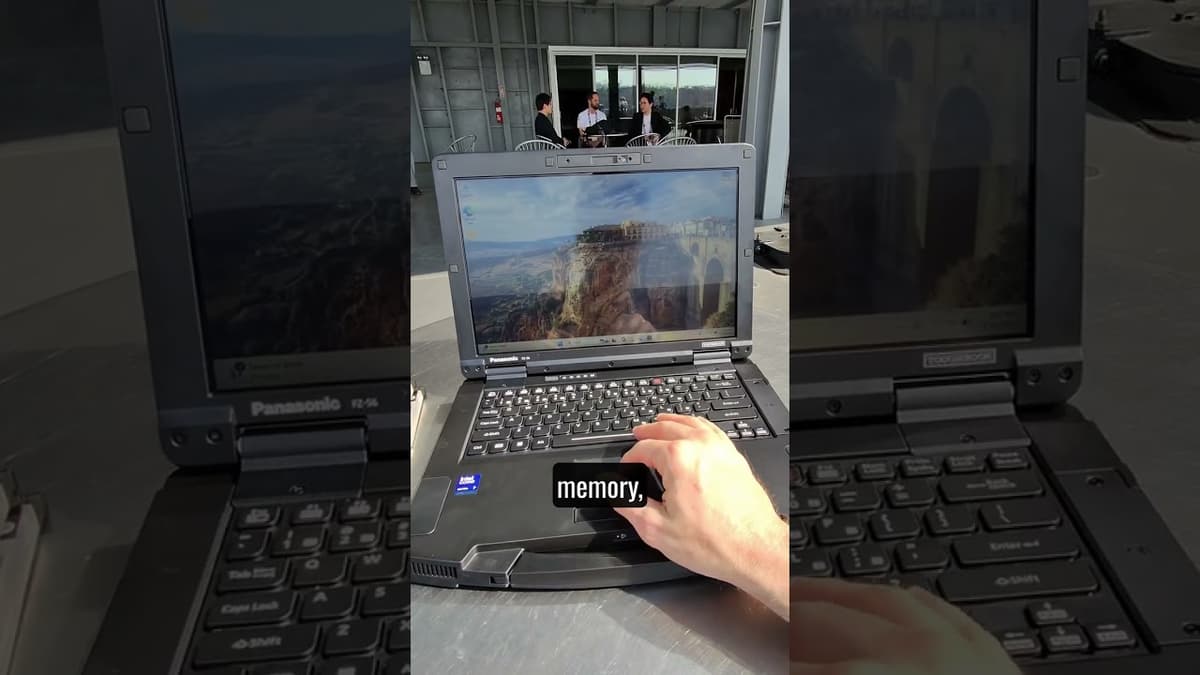
A Laptop You Can Swap Parts Like Legos and Can Survive Almost Anything?
The Panasonic Toughbook 56 is marketed as a truly modular rugged laptop, letting users swap components—storage, memory, GPU, batteries, ports—much like Lego bricks. Its six modular zones enable over 5,700 possible configurations, targeting first‑responders, field technicians, and any professional who needs...

Is ChatGPT Images 2.0 the Best Image Generation Model?
OpenAI unveiled ChatGPT Images 2.0, a major upgrade to the native image‑generation engine inside ChatGPT, positioning it as a visual‑thinking partner rather than a simple picture generator. The new model introduces a smarter workflow that can follow complex instructions, reason about...

Creative Destruction Lab: The Future of Computing Won’t Be Built on Software Alone
The Creative Destruction Lab (CDL) highlighted that the next generation of computing is being held back by a critical hardware manufacturing bottleneck. To address this, CDL has forged a partnership with X Compass, a firm dedicated to providing the industrial infrastructure...

AI-Powered Dental Screening Expands for Young Children in Singapore
Singapore’s health ministry has launched an AI‑powered teledentistry program to conduct remote dental screenings for up to 400 preschoolers over the next three years. The initiative focuses on children from vulnerable families, who face higher risks of untreated cavities and...
FDA Grand Rounds: Clinical Omics Biomarker Discovery and Validation in Precision Medicine
The FDA Grand Rounds session featured Dr. Richard Beger discussing clinical omics biomarker discovery and validation for precision‑medicine applications. He outlined the breadth of systems‑biology omics—genomics, transcriptomics, proteomics, metabolomics, lipidomics—and described a structured workflow that stresses early sample‑type decisions, rigorous...

Taught at Fuqua: The AI Footprint #shorts #ai
The Fuqua School of Business has launched a new course called “The AI Footprint,” aimed at examining the massive environmental and social consequences of artificial‑intelligence systems. The class frames AI development as perhaps the largest infrastructure undertaking of our...
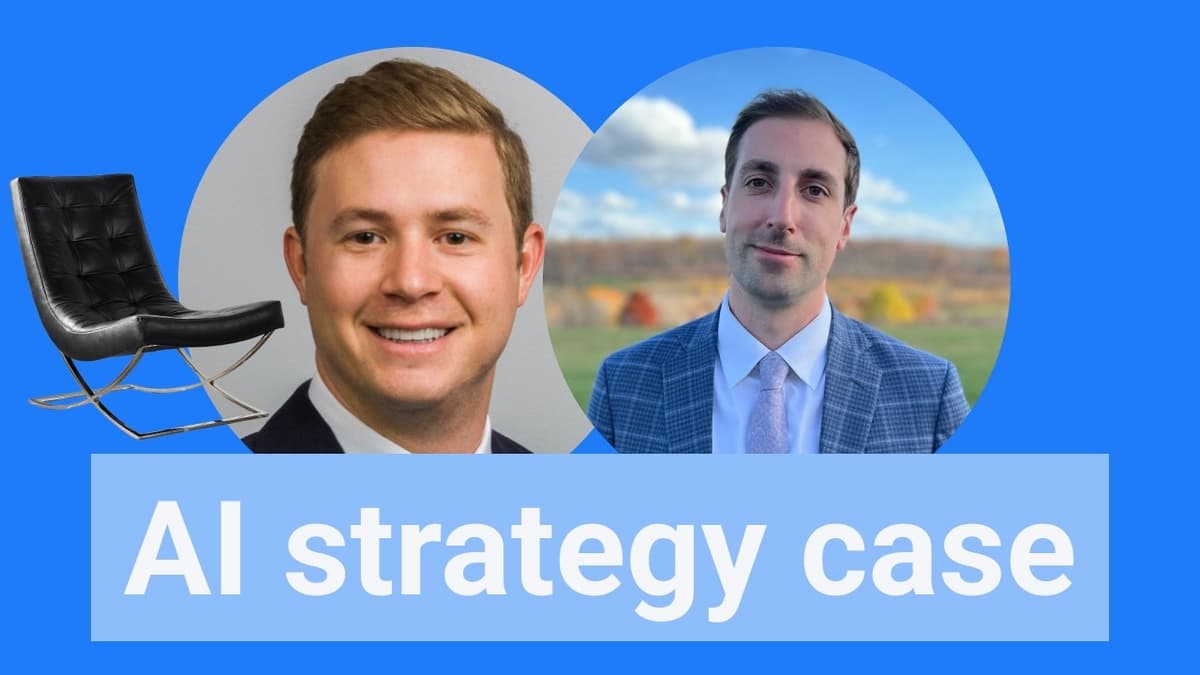
Consulting Case Interview: AI Strategy Case (W/ BCG and A&M Consultants)
The video walks through a mock consulting case where William Sonoma, an $8 billion home‑goods retailer, is deciding whether to introduce AI agents and, if so, whether to build, buy, or partner for the technology. The discussion centers on the urgency of...
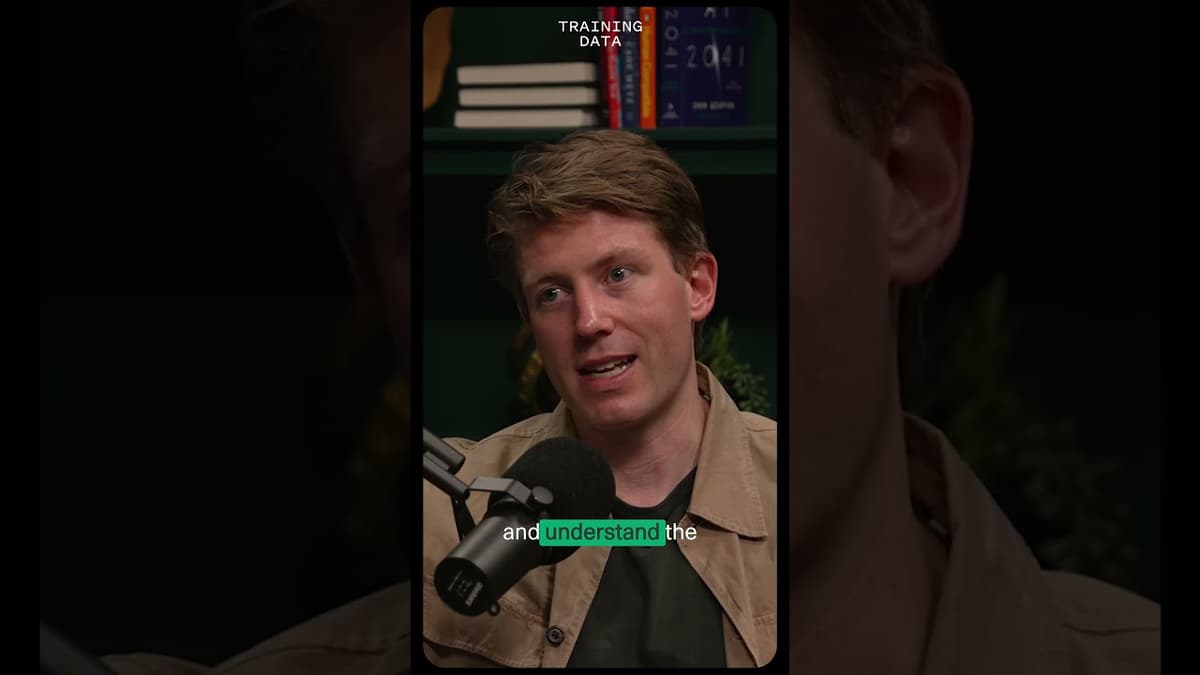
"If You Are Just Going on Vibes, You Will Fail" | Profound CEO James Cadwallader #ai #podcast
James Cadwallader, CEO of Profound, argues that marketers can no longer rely on gut feelings; they must harness AI‑powered platforms to stay visible in the emerging AI‑first ecosystem. He stresses that understanding how large language models cite sources and mention a...
The AI Threshold Has Been Crossed. Now What?
The video explains how a new “mobile micro‑factory” model is reshaping residential construction by partnering with local developers rather than selling the plants outright. The company forms joint‑venture agreements with off‑takers, typically midsize home builders who plan to produce about 200...
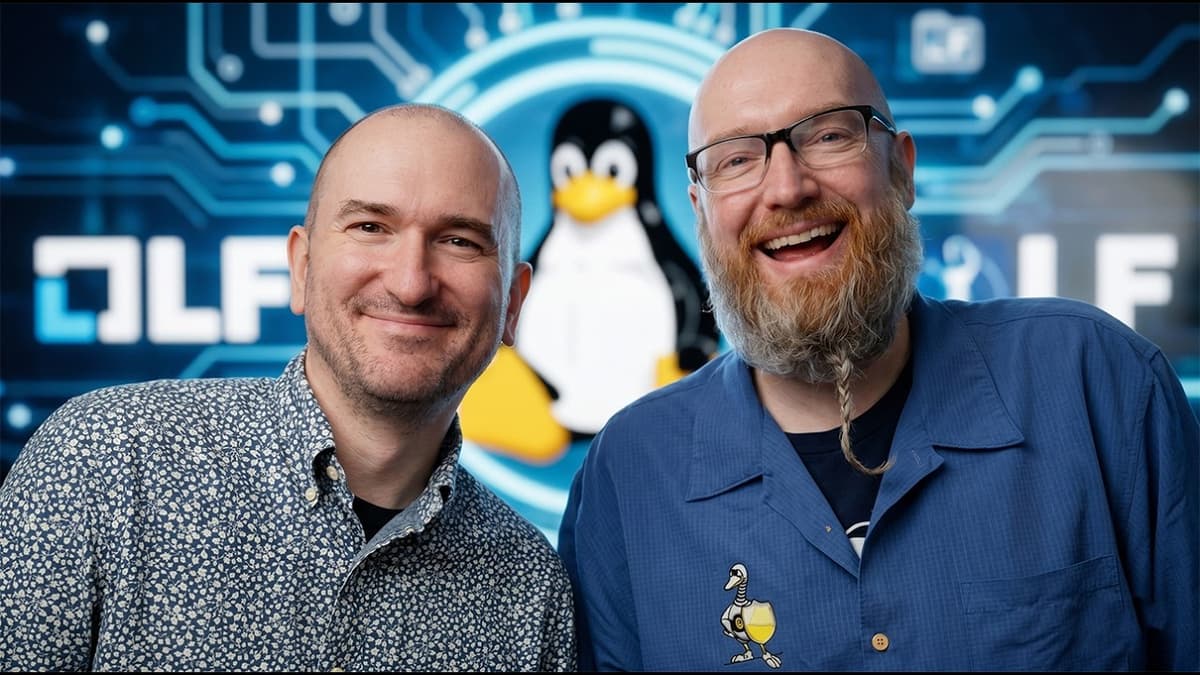
AI Code Floods Open Source: How Kusari Inspector Filters Malicious PRs | CRob & Michael Lieberman
The video announces Kusari Inspector, a new free tool for CNCF and Open SSF projects, designed to tame the flood of AI‑generated pull requests that are overwhelming open‑source maintainers. Michael Lieberman explains that AI bots now submit code at scale, often...
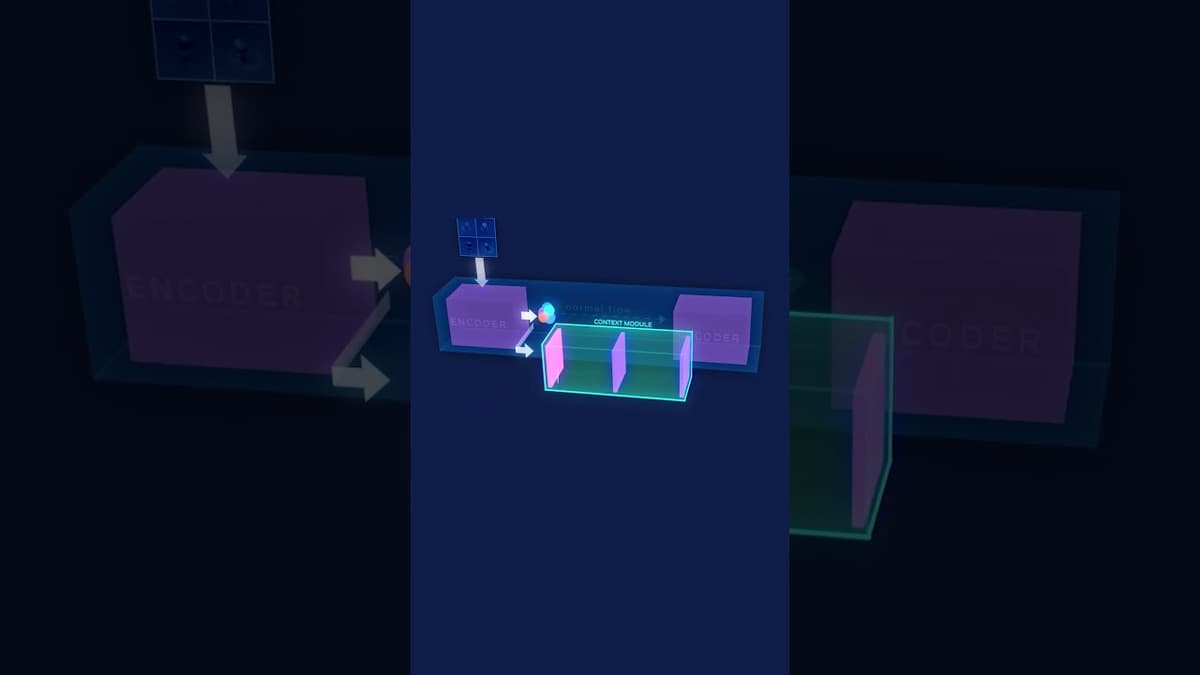
How to Fix the AI Black Box Problem #shorts
The video introduces a research breakthrough from Chicago Booth’s Byron Aragorn and colleagues, who propose a “context module” that sits between an encoder and decoder to render black‑box AI models more interpretable. The approach first encodes an image into a high‑dimensional...

📉 Turn Your Multimodal Data Into Something You Can Actually Query
Snowflake and AI expert Gilberto Hernandez have launched a new online course, Building Multimodal Data Pipelines, aimed at turning images, audio, and video into searchable, LLM‑ready text. The curriculum covers OCR for images, automatic speech recognition for audio, and Vision...
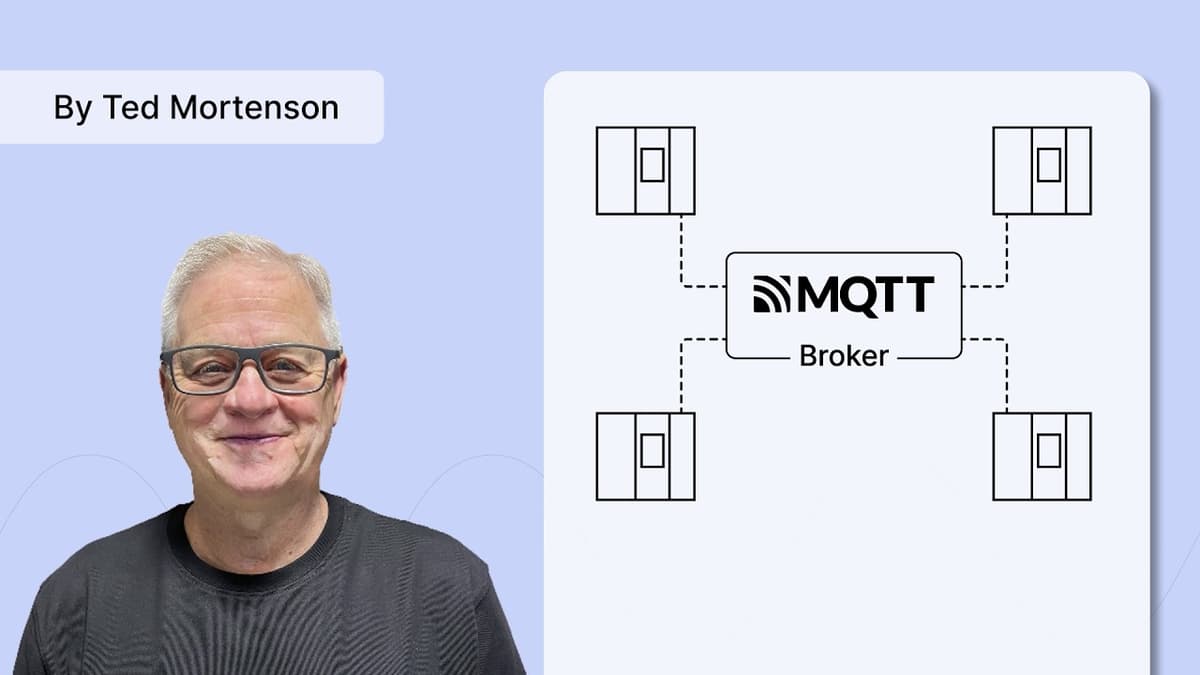
MQTT Basics for Industrial IoT Applications
The video introduces a hands‑on course that teaches the fundamentals of MQTT for Industrial Internet of Things (IIoT) deployments. Learners install the Mosquitto MQTT broker on a Windows PC, configure it as a service, and use the MQTT Explorer client...