Today's AI Pulse
Odyssey lands $310M Series B, valued at $1.45B
Odyssey announced a $310 million Series B round that values the AI lab at $1.45 billion. The round was led by Natural Capital and included backers such as Amazon, AMD Ventures, GV, EQT and IQT. In parallel, Odyssey struck a preferred‑cloud deal with AWS to use Trainium silicon for large‑scale model training.
Also developing:
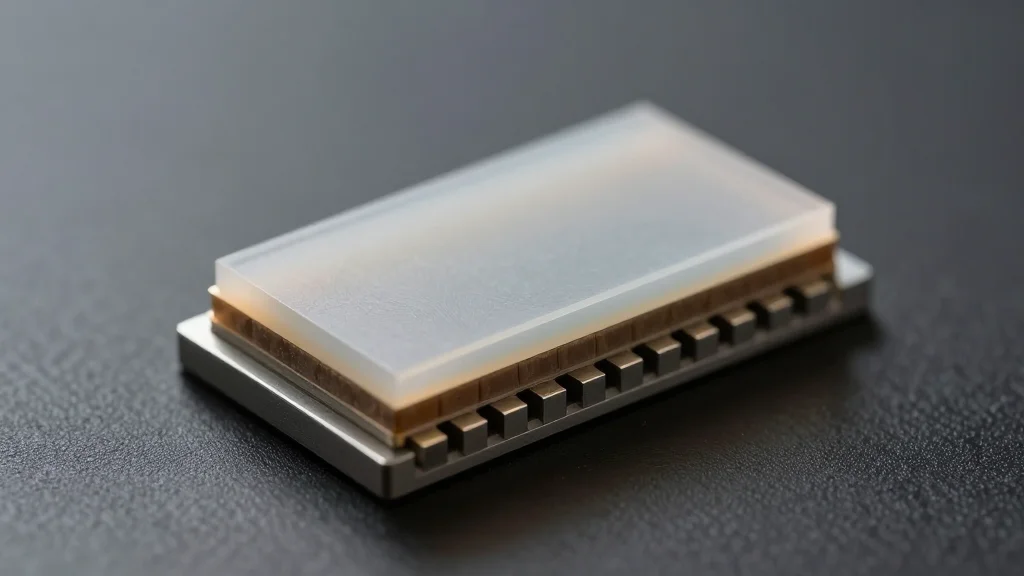
25‑nm Ferroelectric Memory Chip Beats Power‑Loss Limits, Paving Way for Cooler AI Devices
Scientists at the Institute of Science Tokyo have demonstrated a 25‑nanometer ferroelectric tunnel junction memory cell that consumes less power as it gets smaller. The breakthrough overturns a long‑standing belief that miniaturization inevitably raises energy cost, opening a path to ultra‑dense, low‑heat chips for AI, wearables and sensors.
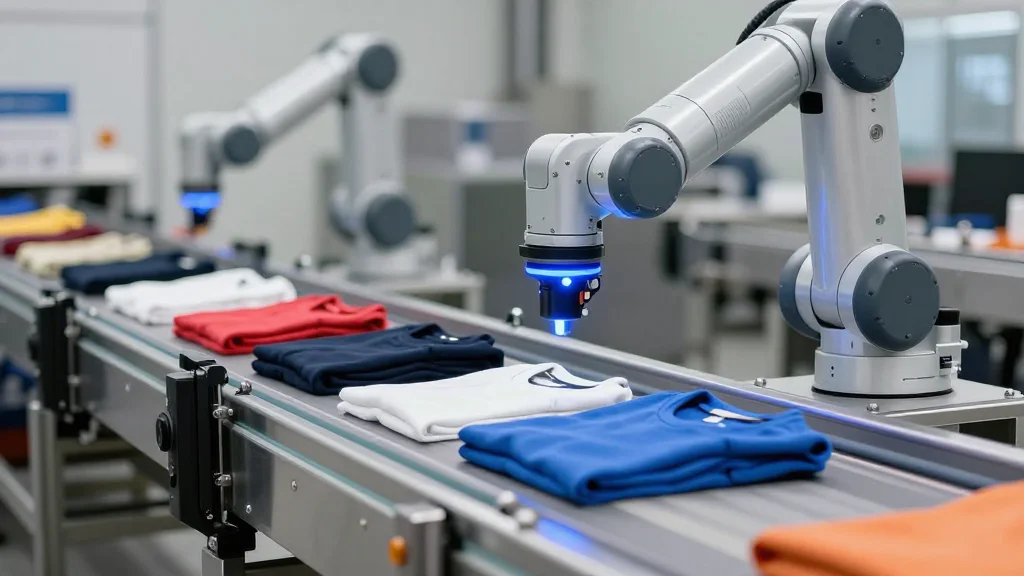
Zalando Attributes 24% Q1 Revenue Jump to AI Boost From ABOUT YOU Deal
Zalando posted a 23.8% rise in first‑quarter revenue to €3bn ($3.2bn), saying AI‑driven personalization and logistics improvements from its ABOUT YOU acquisition powered the growth. The German‑based fashion marketplace also lifted GMV 21.7% and adjusted EBIT 38.7% year‑on‑year.

Codex's GPU Slowdown Makes Tasks Take Ages
I want to love Codex, but holy mother of god did they cover the GPUs in molasses? I swear to god it takes 25 min to do something that Claude Code could do in 5 minutes (and yes, I'm using...
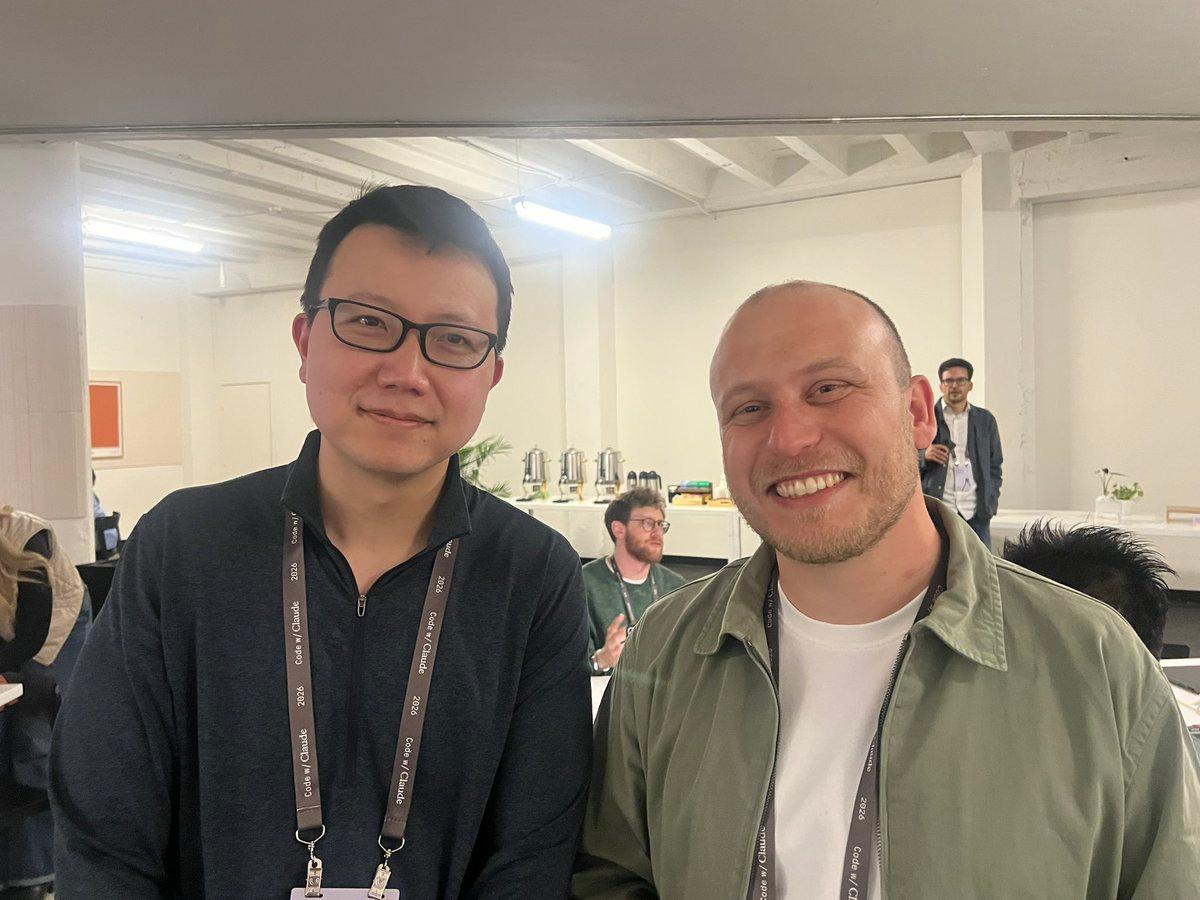
Claude Feels Like a Trusted AI Friend, Now Scalable
Met some legends and friends today at Code with Claude. Of all the AIs, Claude still feels the most like a trusted friend and I’m glad that now @AnthropicAI has the compute to scale. https://t.co/MpADxwZ06D

Sierra Secures $950 Million Funding, Valued at $15 Billion to Scale AI‑Driven CX Platform
Sierra, the San Francisco‑based AI startup, announced a $950 million financing round that lifts its post‑money valuation above $15 billion. The round, led by Tiger Global and Alphabet’s GV, is earmarked for expanding its enterprise AI customer‑experience platform and accelerating global adoption.

AI Web Clicks Cost 45× More Tokens than APIs
Using AI to click around on a website burns 45x as many tokens as just using APIs https://t.co/plSUDqrslx https://t.co/x9aNER0B7g

White House Weighs Pre‑Release Reviews After Anthropic’s Mythos Triggers Security Alarm
The White House is evaluating a pre‑release review process for high‑risk AI models after Anthropic’s newly released Mythos model raised security alarms. Officials say the move aims to curb potential misuse while preserving innovation, marking a rare federal step into...

Google Adds Multimodal Support and Page‑level Citations to Gemini API File Search
Google announced three upgrades to its Gemini API File Search: multimodal data handling, custom metadata filtering, and page‑level citations. The changes let developers build retrieval‑augmented generation (RAG) systems that process text and images together while providing precise source references.

Kodiak AI Inc (KDK) Q1 2026 Earnings Call Transcript
Kodiak AI reported Q1 2026 results, announcing a $100 million equity PIPE that lifts cash to roughly $185 million and funds its scaling plan. The company expanded its driverless fleet to 28 trucks, delivering 15,600 loads and 23,500 paid driverless hours, while...

Seeing MCP
The author highlights a rapid wave of MCP (Machine‑Centric Platform) API expansion that dwarfs earlier REST, GraphQL, gRPC, and Kafka growth. Existing documentation and discovery tools lag, leaving enterprises without clear visibility for governance. A prototype called “See” now generates...

As Execution Becomes Commoditised, Trust Becomes the Differentiator
As AI tools make media execution faster and cheaper, agencies risk becoming interchangeable. Industry leaders argue that the decisive edge now lies in trust, strategic alignment, and deep partnership rather than price or speed. By focusing on big‑picture objectives and...

Unity Software Inc (U) Q1 2026 Earnings Call Transcript
Unity Software reported a 35% year‑over‑year revenue increase in Q1 2026, propelled by an 80% surge in Vector AI revenue and strong growth in both Grow and Create segments. Adjusted EBITDA rose 65% to $138 million, delivering a 27% margin—the best...

Does Kazakhstan’s Power-Generating Capacity Match Its AI Ambitions?
Kazakhstan’s Ministry of Artificial Intelligence and Digital Development signed an MOU with the JMOT04 consortium to build a Tier IV data center costing up to $1.5 billion, plus a 250 MW gas‑fired power plant estimated at $400 million. The project is a cornerstone of...

Infrastructure for AI Agents: What Platform Teams Need to Build Now
AI agents are moving from code‑assistant roles to autonomous platform citizens, demanding infrastructure that operates at machine speed. Traditional cloud platforms built around human‑centric ticketing and manual approvals become bottlenecks, causing delays that AI‑driven workflows cannot tolerate. The article advocates...

Rewiring Europe: Turning Pressure Into Performance
Europe is at a productivity inflection point, pressured by energy shortages, US tech advances, and Chinese competition. McKinsey partners Jan Mischke and Ruth Heuss argue that only a handful of firms are delivering meaningful productivity gains, with AI adoption still...
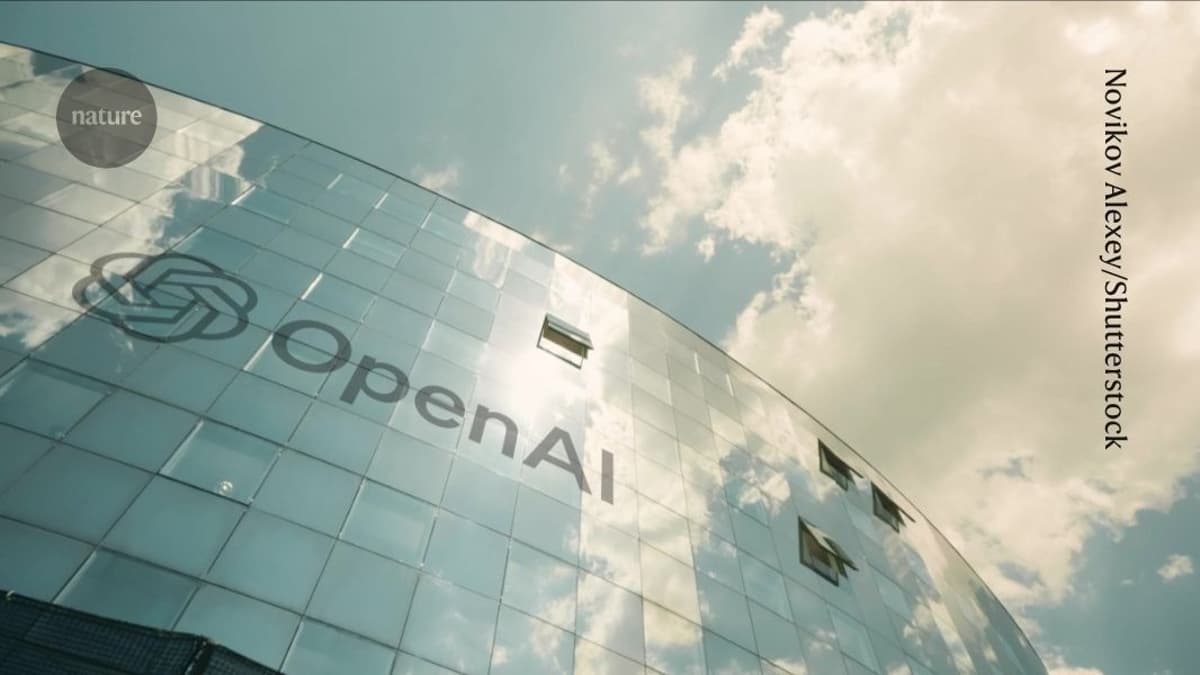
OpenAI Is Under Criminal Investigation — Why Chatbots Don’t Always Follow the Law
Prosecutors in Florida have launched a criminal investigation into OpenAI after a murder suspect allegedly used ChatGPT to plan a mass shooting at Florida State University. While no charges have been filed against the company, the probe highlights the difficulty...

Why Developer Portals Matter More in the Age of AI Agents
Internal developer portals (IDPs) are not obsolete; they are evolving into infrastructure that serves both human developers and AI agents. While AI assistants can answer queries, they lack the enterprise context that IDPs provide, such as service catalogs, compliance policies,...
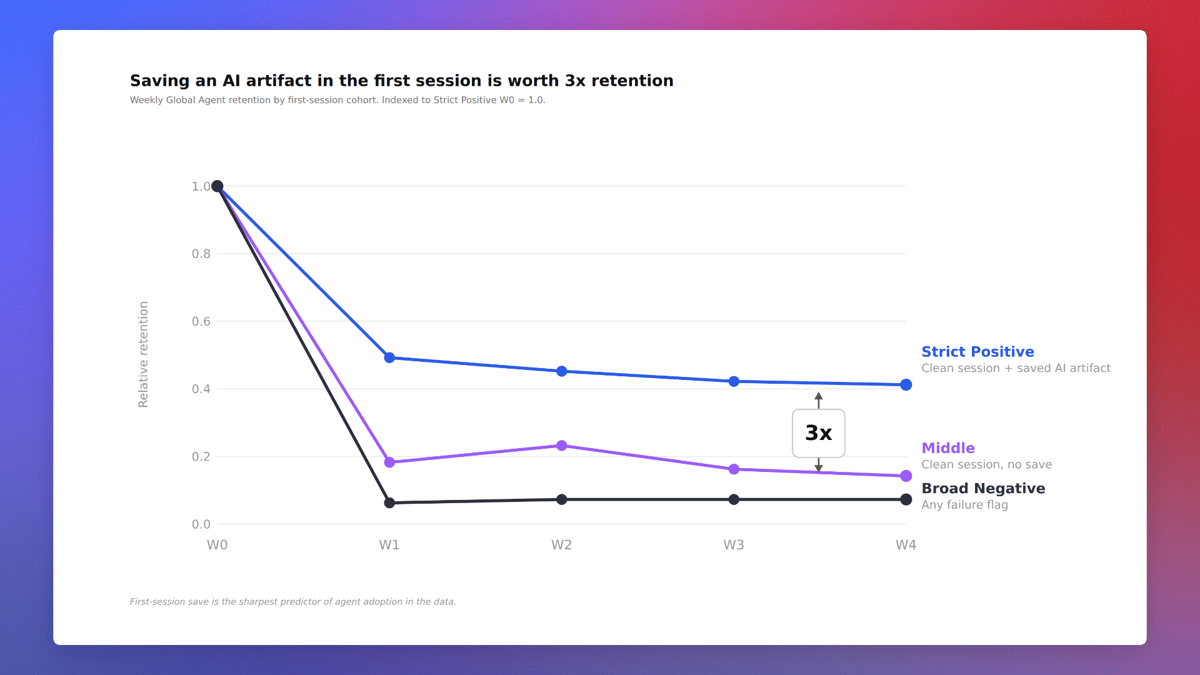
The Eval Signal That Predicts 3x Agent Retention
Amplitude analyzed 20K+ power users of its Global Agent and discovered that early agent experiences drive dramatically different retention outcomes. For new users, a positive first‑week session—especially when the user saves the agent’s output—triples long‑term retention, while established users retain...

Google Preps ‘Gemini Agent’ as Your ’24/7 Digital Partner’
Google is upgrading its Gemini Agent, an experimental AI feature introduced with Gemini 3, into a 24/7 digital partner dubbed “Remy.” The new version can perform multi‑step actions such as sending emails, sharing files, and making purchases by leveraging personal context,...

AI-Generated Spencer Pratt Ad Sees Gavin Newsom Eat Cake and Competitor Karen Bass as The Joker | Video
Conservative creators released a 99‑second AI‑generated ad supporting Los Angeles mayoral hopeful Spencer Pratt, portraying Gov. Gavin Newsom eating cake, former Vice President Kamala Harris drinking vodka, and Mayor Karen Bass as the Joker. The video, built with ByteDance’s Seedance generative‑AI...

Estate Agency Leads to Be Contacted by AI Voice System
Estate‑Agents.ai has launched an AI‑driven prospecting platform that uses synthetic voice calls to reach homeowners in an agency’s existing database. The system engages former enquiries and dormant contacts in natural‑language conversations to gauge intent to sell within six months. Responses...

AI Isn’t Taking Graduate’s Jobs, but It Will Reshape Entry-Level Roles
AI is set to reshape, not eliminate, entry‑level graduate roles, with 87% of employers expecting changes to tasks and skill requirements. About 40% of firms anticipate no graduate positions will be replaced in the next three years, while another 40%...
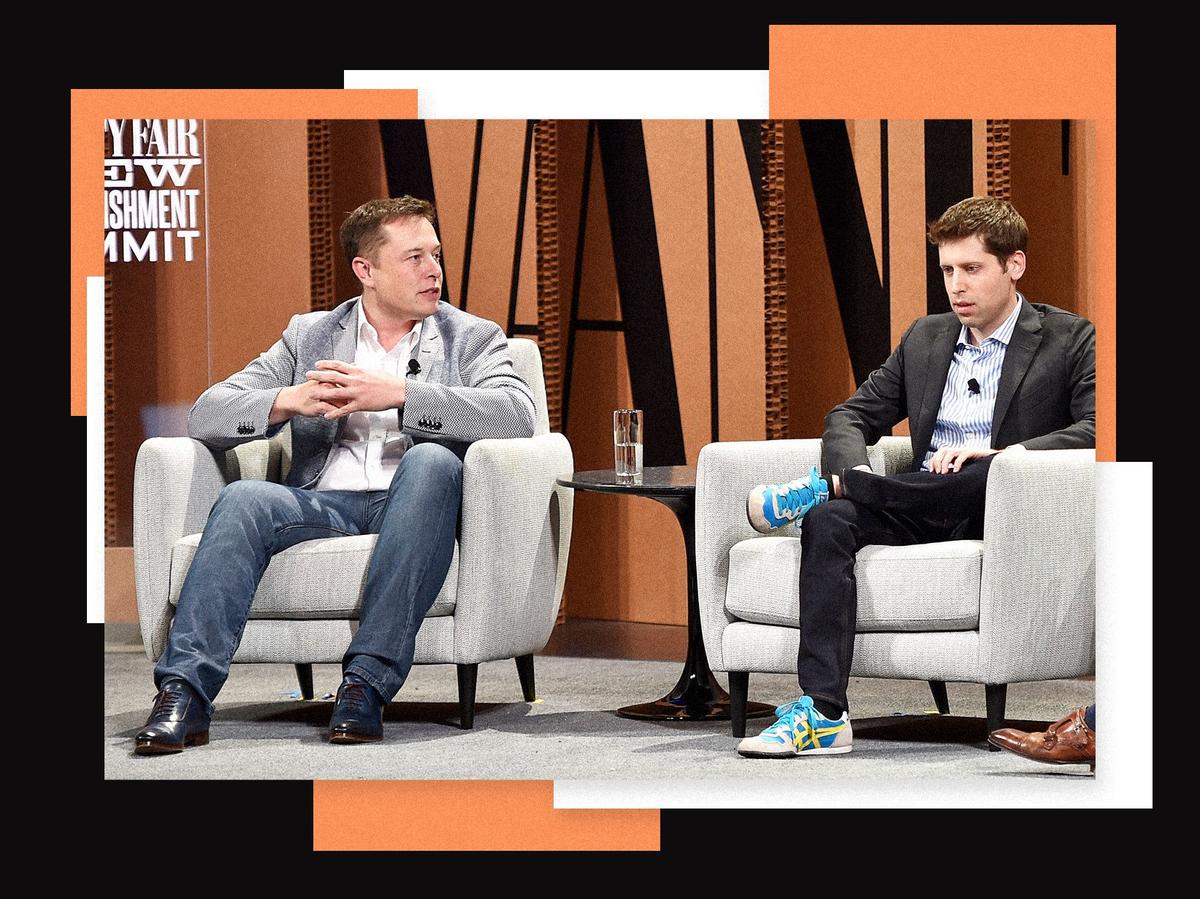
Elon Musk’s Last-Ditch Effort to Control OpenAI: Recruit Sam Altman to Tesla
Elon Musk tried to lure OpenAI CEO Sam Altman to Tesla in early 2018, offering him a seat on Tesla’s board and the chance to lead a "world‑class AI lab" within the automaker. The recruitment pitch surfaced during the Musk...

‘Tokenmaxxing’: Is Your Company Measuring AI the Wrong Way?
Employers are increasingly tracking AI "tokens" – the basic units of language‑model processing – as a proxy for employee productivity. Experts warn that "token‑maxxing" merely measures tool intensity, not work quality, and can drive hidden costs as token prices remain...
How AI Coding Is Driving Efficiency Gains for Datacom
Datacom is integrating AI‑powered coding assistants such as GitHub Copilot, Cursor and Augment, achieving 20‑30% productivity gains across its digital engineering and SaaS teams. By embedding AI agents that act as business analysts, developers and QA testers, the firm reports...

Law Firm’s AI Tool Translates Legalese Into Gen Z or ‘Sassy’ English
Manak Solicitors launched the Legalese Translator, an AI‑driven tool that rewrites contracts, tenancy agreements and court rulings into plain English using five distinct tones—including Gen Z slang, Boomer, sassy, corporate speak and TL;DR. Built on a siloed ChatGPT model, the service...

Enterprise AI Is Consolidating Fast and Most Companies Are Unprepared #161b
Anthropic’s Claude is shifting from a chatbot to enterprise infrastructure, requiring new operating models like prompt version control, spend telemetry, narrow permissions, and human‑review gates. Reuters cites that about 80 % of Anthropic’s revenue now comes from enterprise customers, with a...

Enterprise AI Cultivates Development Application for Blacktown City Council
Blacktown City Council has deployed Enterprise AI’s Development Application Information System (DAISY), an AI‑driven platform built on Microsoft Azure, to streamline its planning workflow. The solution combines DAISY Assist, which offers site‑specific guidance to applicants, and DAISY Assess, which automates...

A Groq-Powered Agentic Research Assistant with LangGraph, Tool Calling, Sub-Agents, and Agentic Memory: Lets Built It
The tutorial demonstrates how to build a Groq‑powered, agentic research assistant using LangGraph and LangChain. By configuring Groq’s free OpenAI‑compatible endpoint, the workflow runs the 70B Llama‑3.3‑versatile model for multi‑step tool reasoning. It integrates web search, file handling, Python execution,...

When AI Meets Local Debt
Two recent studies examine how AI investment reshapes local borrowing costs, finding opposite effects in the United States and five OECD countries. In U.S. counties, higher AI‑related job postings are linked to lower municipal bond yields, especially for longer‑maturity and...

AI Token Black Market Fuels Chinese Labs’ Data Harvest
Good article on AI tokens black market and how Chinese labs could be getting their training data from US models https://www.chinatalk.media/p/how-to-buy-cheap-claude-tokens-in

AI-Powered Robot Hands Ready to Cook Breakfast
Ever wanted a robot chef? Right in your kitchen. Right in your house. I sure have. Now we just might have hands that are good enough to make that a reality, & the AI to drive them. >> These Robot Hands Can Literally Make...

Jim Cramer Says Big Tech Cannot Afford to Be Cheap on AI Spending
Jim Cramer warned that big‑tech cloud providers can’t skimp on AI‑related capital spending because the demand for compute power already exists. He highlighted Amazon Web Services’ $200 billion capex plan as proof that AI infrastructure is no longer speculative. Cramer argued...

Chatbots Need Guardrails to Prevent Delusions and Psychosis
Chatbots such as ChatGPT, Claude, and specialized AI companions are increasingly used for friendship, therapy, and romance, but research links them to amplified delusions and even suicides among vulnerable users. Clinicians and computer scientists propose four guardrails—clear identity reminders, distress...

SpaceX to Rent Data Centre Capacity to Anthropic
SpaceX announced it will lease data‑centre capacity at its Starlink ground stations to AI start‑up Anthropic. The agreement gives Anthropic access to low‑latency, high‑bandwidth compute resources for training large language models. Details suggest the partnership will start later this year...

Fubo Unveils AI Assistant for Improved Search of DVR & More Coming to Roku & Apple TV
Fubo TV announced an AI Assistant that lets subscribers search DVR recordings using natural language. The tool can locate specific sports moments by describing plays, players, or events, cutting down on manual scrubbing. The assistant will launch this fall on...

NASCIO 2026 Midyear: States Shift From AI That Assists to AI That Acts, Tennessee CTO Says
Tennessee’s chief technology officer says the state put AI governance and structure ahead of scaling, creating a statutory advisory council and review committee to vet projects. Pilot programs now span public‑records automation, a statewide chatbot, IT ticket analysis and AI‑assisted...

Google's AI Search Results Will Now Turn To Reddit For 'Expert Advice'
Google is expanding its AI Overviews and AI Mode with a new "Expert Advice" feature that surfaces quotes from Reddit, blogs, forums and other public discussions directly within AI-generated answers. The rollout will display creator names, handles or community identifiers...
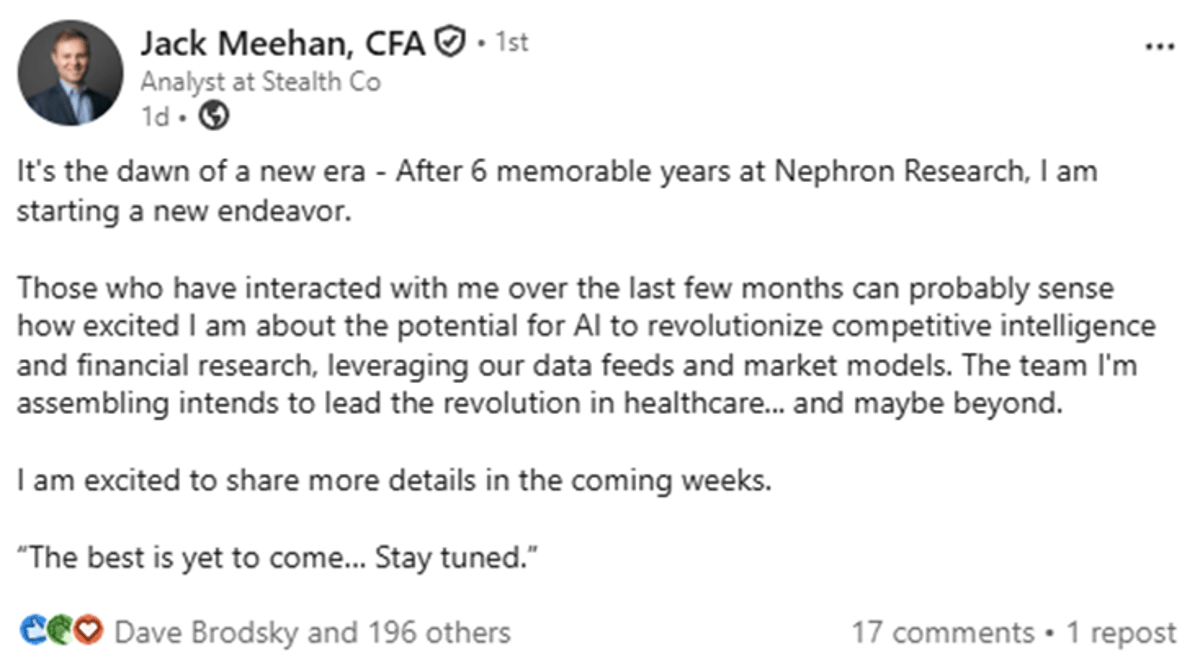
Top Talent Shifts to AI Agents, Elevating Institutional‑Grade Insight
One of many reasons I am so bullish on agents in the investment process is the trajectory of talent building in this space right now. Just one of many examples: Jack Meehan from Nephron (one of if not the top healthcare...

Memory & Architecture Design Crucial for Inference Era
Good discussion here with @MicronTech Chief Business Officer Sumit Sadana, @AMD CTO Mark Papermaster on memory and architecture design needs in the inference era. https://t.co/H5d1zt1KbM

36 Claude Cowork Commands, Workflows & Automations Most Users Still Don’t Know
Claude Cowork transforms Anthropic’s Claude from a chat assistant into a file‑aware work engine. By assigning a clear goal, a dedicated folder hierarchy, and specific rules, users can have Claude read, edit, and generate real documents on their local machine....

One Click in Claude Unlocks Vast Data Insights
this is super cool. one click in Claude and you get a ton of fascinating data

5G Advanced Fuels AI, US Leads 6G Future
Awesome time with @CTIA sharing how 5G Advanced is already enabling new AI-powered experiences and why continued US leadership in spectrum and AI-native infrastructure will shape the future of 6G and intelligent connectivity. https://t.co/nBex3bIVcA
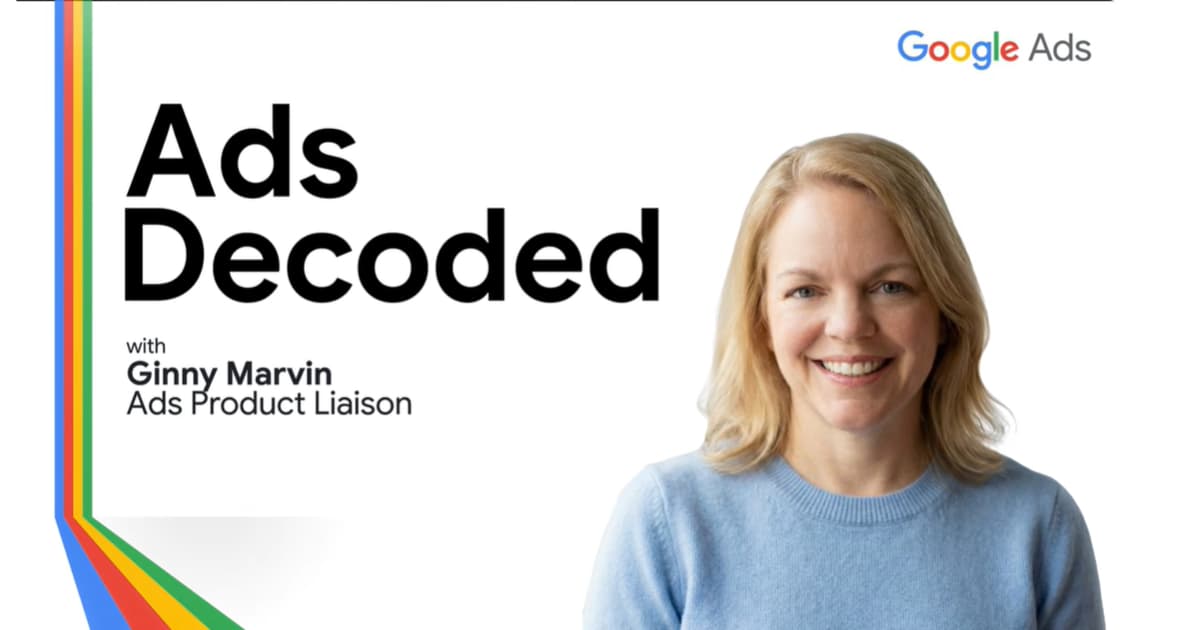
Google Shares How Brands Should Use AI Creative To Stand Out via @Sejournal, @Brookeosmundson
Google highlighted its AI‑creative suite on the Ads Decoded podcast, emphasizing tools that expand creative variation while keeping advertisers in the loop. New controls—text guidelines, AI briefs, and Asset Studio—let brands steer AI‑generated assets, supporting up to 40 custom rules...
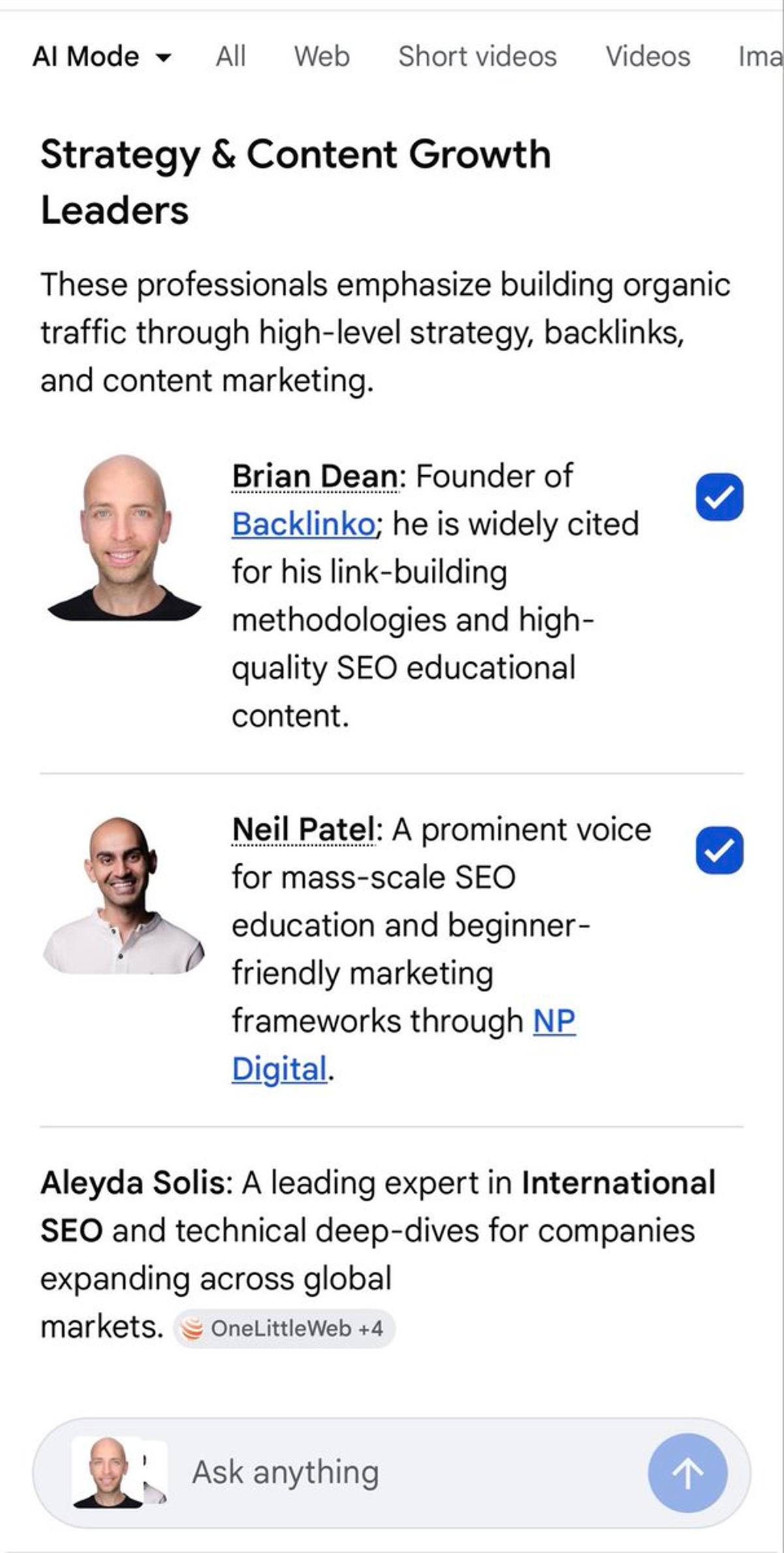
AI Mode Adds Entity Filter Checkboxes for Refined Searches
AI Mode now has these checkboxes to modify your search with the entities displayed https://t.co/pEw3uxl68l

XAI Overspends on Compute; OpenAI Balances Demand and Supply
xAI is in the trap Dario tried to avoid years ago, over-spending on compute capacity while AI demand didn't keep up. The only company that got it right seems to be OpenAI - aggressive compute acquisition AND a great model...
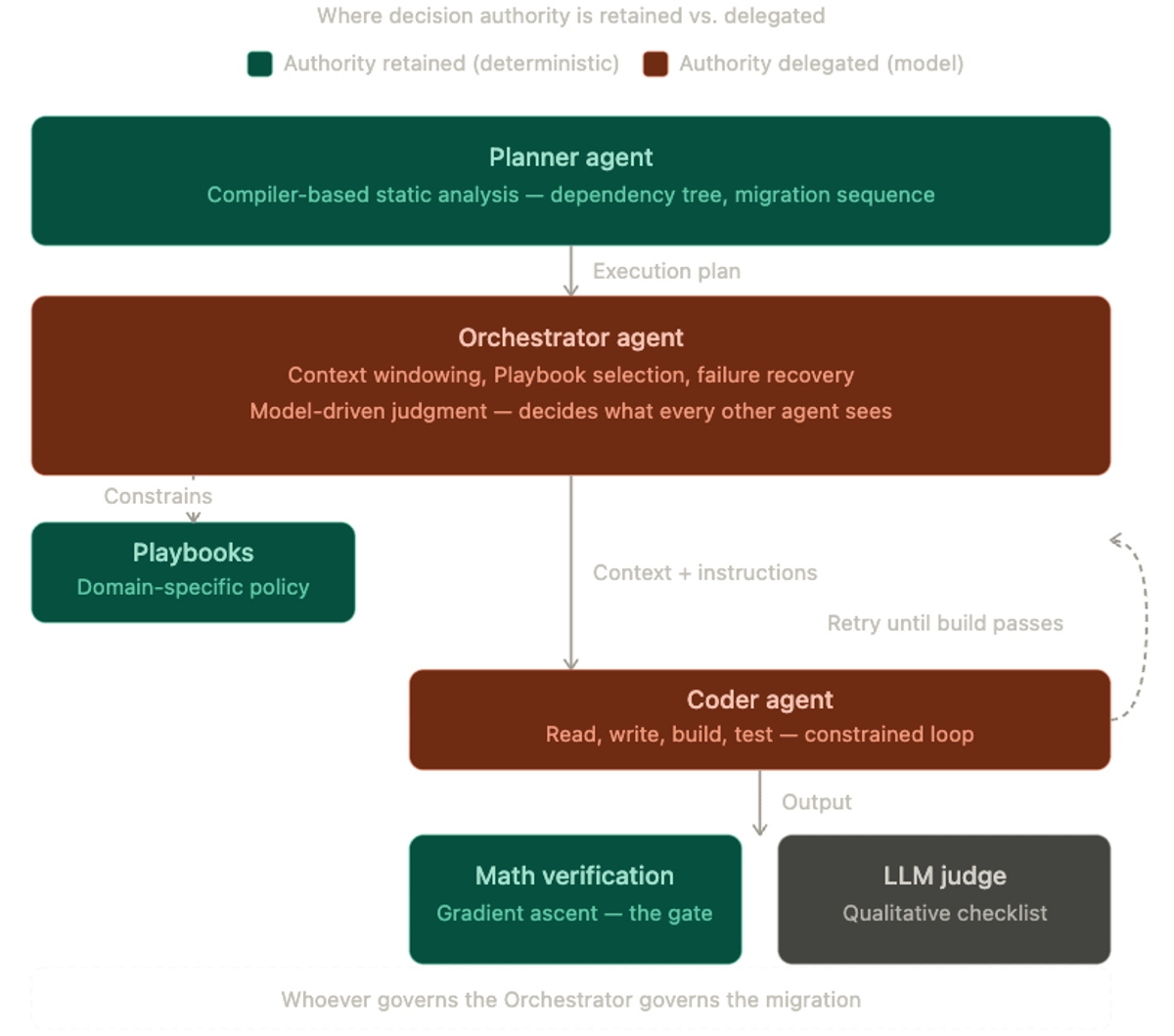
AI-Driven TensorFlow-to-JAX Migration Mirrors Deterministic Coding Loop
That post today about how Google did an AI-assisted code migration from TensorFlow to JAX? https://t.co/EcyofYfoPB The Planner-Orchestrator-Coder pattern we applied looks a lot like what @CTOAdvisor calls "deterministic coding in a loop." https://t.co/gkGb07wQnq https://t.co/IMxYmPjS5J

Trust Irrelevant as AGI Approaches, Says Diller
Barry Diller trusts Sam Altman. But ‘trust is irrelevant’ as AGI nears, he says. https://t.co/b5xGokriwT

Compute Scarcity Hits Frontier Models Harder than Weaker Ones
This only applies when 1) the price increase is the same for both products in absolute terms and 2) the products are direct substitutes. Frontier models generally consume materially more inference compute than weaker models. Compute scarcity doesn’t affect all models...

How to Remove Unnecessary AI Watermarks From Images
While it's good to be able to differentiate AI-created photographs from real photos, there are many images that don't need the AI mark. Here's how to remove it, as needed, and how it all works behind the scenes: https://t.co/m8yBJd6f5V #ai...