10X GPU Revenue Our Strategy to $200M ARR
HIVE Digital Technologies announced a $100 million oversubscribed financing round to accelerate its AI hardware push. CEO Aydin Kilic outlined a target of $200 million in GPU‑driven revenue by 2026, anchored by rapid infrastructure expansion. The plan hinges on deploying NVIDIA’s upcoming Blackwell GPUs and scaling the fleet to roughly 11,000 units. HIVE expects the added capacity to capture a larger share of the booming generative‑AI market.
The Non-Deterministic Computing Shift
The video outlines a fundamental paradigm shift in computing, moving away from the long‑standing deterministic model—where identical inputs always produce identical outputs—toward a non‑deterministic framework driven by generative AI and agentic systems. In deterministic computing, the “garbage in, garbage out” rule...

Little Caesars, Dairy Queen and Chicago’s Tip Credit
The episode spotlights rapid AI integration in quick‑service restaurants and a looming labor‑cost shift in Chicago. Little Caesars rolled out a ChatGPT‑powered ordering interface, while Dairy Queen began testing AI voice bots in drive‑thrus, joining peers like Taco Bell and...
VC Dealmaking Sets Record, But Nearly All Funds Go to AI
The video highlights a record‑breaking venture‑capital fundraising year, but the surge is overwhelmingly concentrated in artificial‑intelligence startups. Data shows that 91% of the capital was allocated to deals of $100 million or more, with five AI companies alone absorbing 73% of...
HIVE Digital Technologies Secures $100M Raise to Accelerate AI and HPC Expansion
Hive Digital Technologies announced a $100 million private placement, up from an initial $75 million target, with a 0 % coupon reflecting strong investor conviction. The capital raise is intended to fund the company’s aggressive expansion in artificial‑intelligence (AI) and high‑performance computing (HPC)...
What Happens to Software When Proof Is Cheap?
In July 2025 three AI systems earned gold‑medal scores at the International Math Olympiad, with Harmonic’s Aristotle generating formal proofs in the Lean proof assistant. Six months later collaborative AIs used Lean to solve an open problem posed by Paul...
How to Prove Who's Human Online (Ft. Ben Horowitz and Alex Blania)
The discussion centers on the growing need to prove that an online participant is a real human rather than an AI‑driven bot. Alex Blania and Ben Horowitz explain that current verification methods—government IDs, facial recognition, or simple device checks—cannot scale...
James Zou, PhD: AI Agents to Accelerate Biomedicine
James Zou, a Stanford professor, unveiled a new generation of AI agents that function as independent scientists, marking a shift from using AI merely as a problem‑solving tool to letting it drive hypothesis generation, experiment design, and data analysis. His...
![Seeing if Opus 4.7 Sucks [LIVE]](/cdn-cgi/image/width=1200,quality=75,format=auto,fit=cover/https://i.ytimg.com/vi/JyvKwKMS6SU/maxresdefault_live.jpg)
Seeing if Opus 4.7 Sucks [LIVE]
The livestream titled “Seeing if Opus 4.7 sucks” was a real‑time demo where creator Matthew Berman tested the latest Opus 4.7 language model. The video interspersed the demo with promotional links for AI resources, newsletters, and social channels. While the transcript...
AI Scams Just Cost Americans $21 BILLION… and That’s only the Beginning. #Shorts #Cybersecurity #AI
The video highlights a surge in AI‑powered fraud, noting that Americans lost $21 billion in 2025 to scams that employ synthetic voices, deep‑fake videos and crypto‑payment traps, and ties this to a broader shift in how government services respond. It explains that...
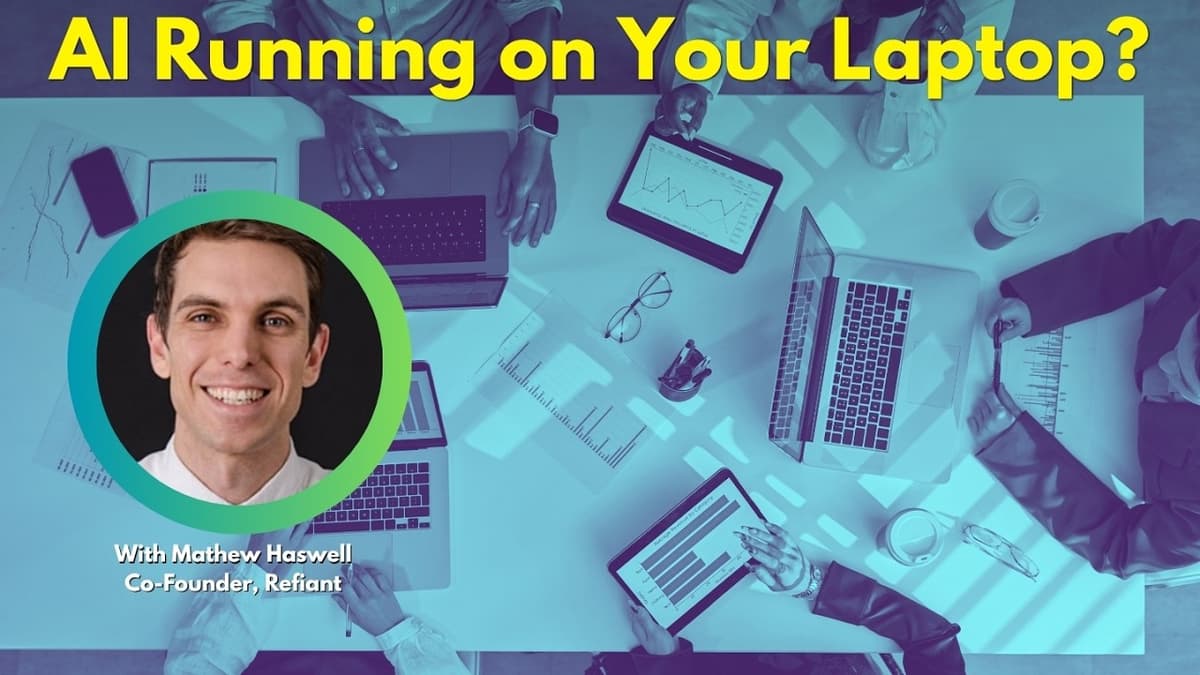
Tech Breakthrough: Running AI on Your Computer Uses 80% Less Energy
Refined AI announced an algorithmic breakthrough that lets large language models run on standard laptops while slashing energy use by roughly 80 percent. The startup demonstrated the technique by running a 120‑billion‑parameter ChatGPT‑style model on a MacBook Pro inside a...

Which of the Five AI Leaders Is the Most Dangerous? | The Economist
The Economist’s video asks a provocative question: which of the five AI titans – Elon Musk, Sam Altman, Demis Hassabis, Dario Amodei and Mark Zuckerberg – poses the greatest civilizational danger. The discussion frames the debate around safety culture, motivations...

VLLM Vs. Kronk: Choosing the Best AI Engine for Your App
The video contrasts two local model inference engines—VLLM and Kron—explaining their distinct design philosophies and target use‑cases. VLLM is presented as the leading production‑grade server for deploying large language models at scale, engineered to handle thousands of concurrent users and...
OpenAI Just Solved the Wrong Problem in Cybersecurity #ai #cybersecurity #openai
OpenAI announced a new program called Trusted Access for cybersecurity, a framework that restricts powerful AI capabilities to verified users rather than imposing functional limits. The initiative requires identity verification and grants advanced model access only to trusted researchers, enterprises,...
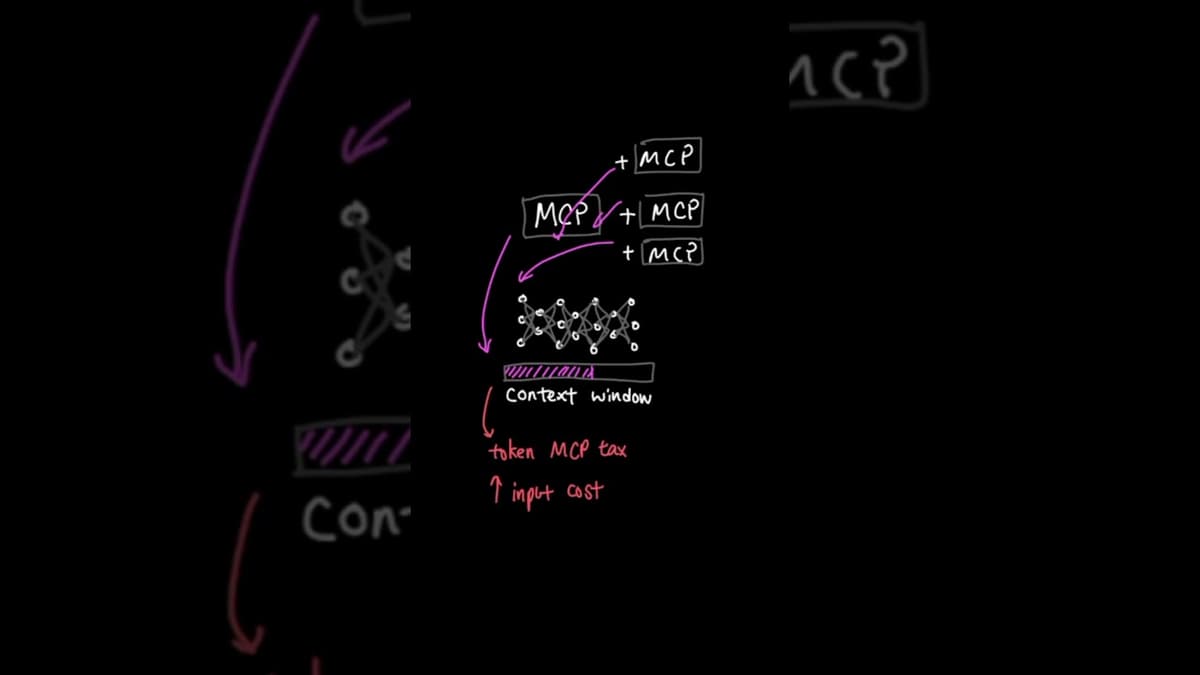
Everyone's Quitting MCP… Here's What They're Using Instead #shorts
The video highlights a shifting sentiment among AI developers: the once‑popular Model Control Protocol (MCP) is being abandoned in favor of leaner CLI and API‑only solutions. Recent posts from industry figures, including Y Combinator’s Gary Tan and the CTO of Propexity,...
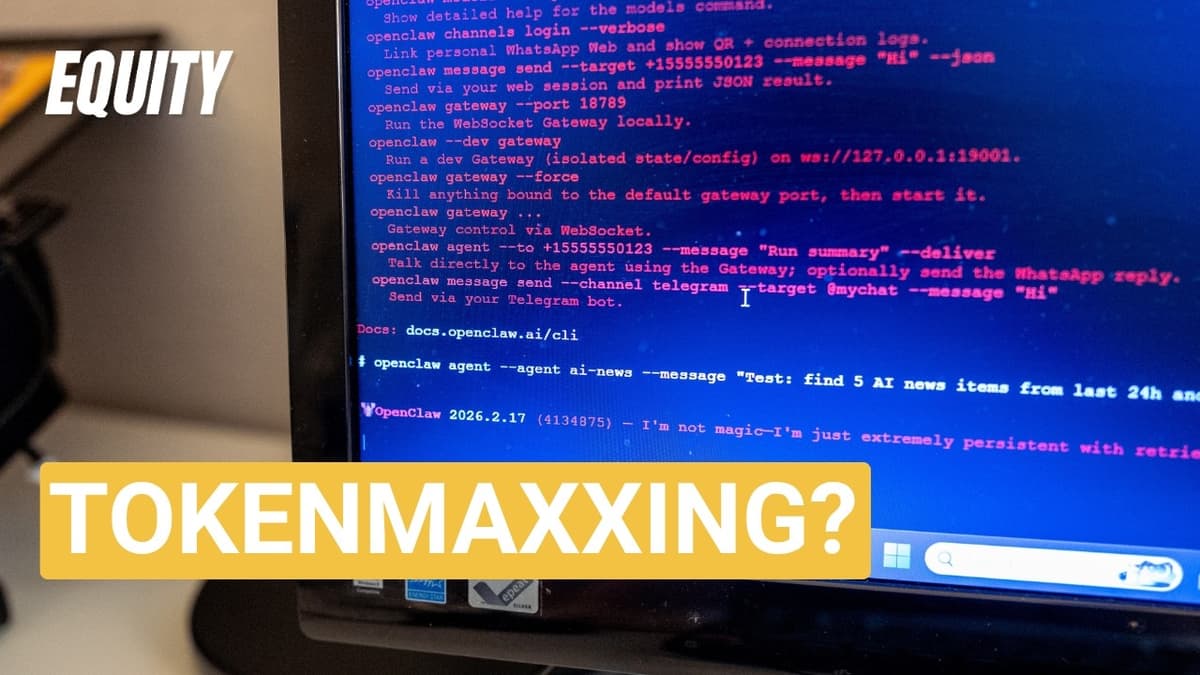
Are We Tokenmaxxing Our Way to Nowhere? | Equity Podcast
The Equity Techrunch podcast examined a wave of pivots and massive funding in AI‑driven startups. It highlighted Newbird AI’s rebrand from a shoe business to an AI‑infrastructure play, seeking $50 million, and discussed the broader phenomenon of "token‑maxing" hype that echoes...
Claude's 29,000-Word Rulebook Wasn't Enough
Anthropic, the San Francisco‑based AI lab behind Claude, held a two‑day summit with roughly 15 clergy, ethicists and scholars to scrutinize the 29,000‑word “constitution” that governs the chatbot’s behavior. Despite the length, the document left unanswered questions on how the model...
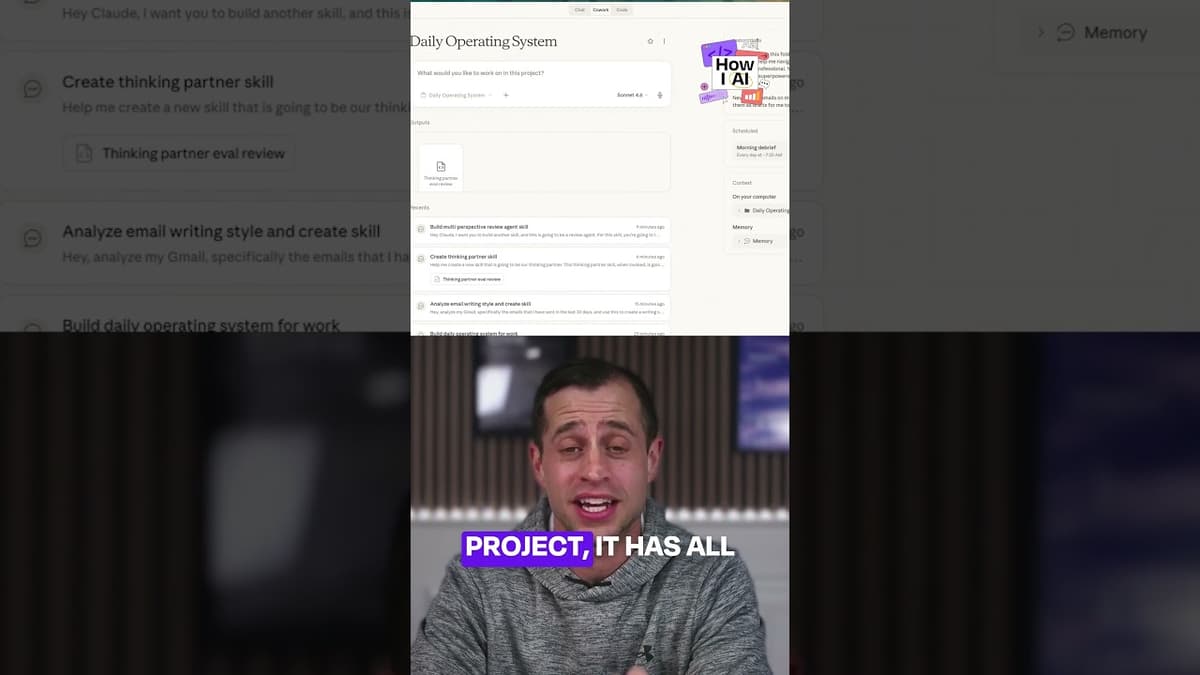
Scheduled Tasks Let You Run AI Agents on Autopilot at Specific Times
The video introduces scheduled tasks as a way to run AI agents on autopilot at predefined intervals—hourly, daily, weekly, or on custom schedules. By embedding these tasks within a project, the AI inherits the project's skills, connectors, and context, enabling...
Moving Beyond Data: Connecting Cognition
The video introduces a shift from traditional data‑centric networking toward a "cognition layer," where MCP and A2A provide the syntactic foundation for communication between intelligent agents. While the classic seven‑layer OSI model has proven effective for moving bits, it does...
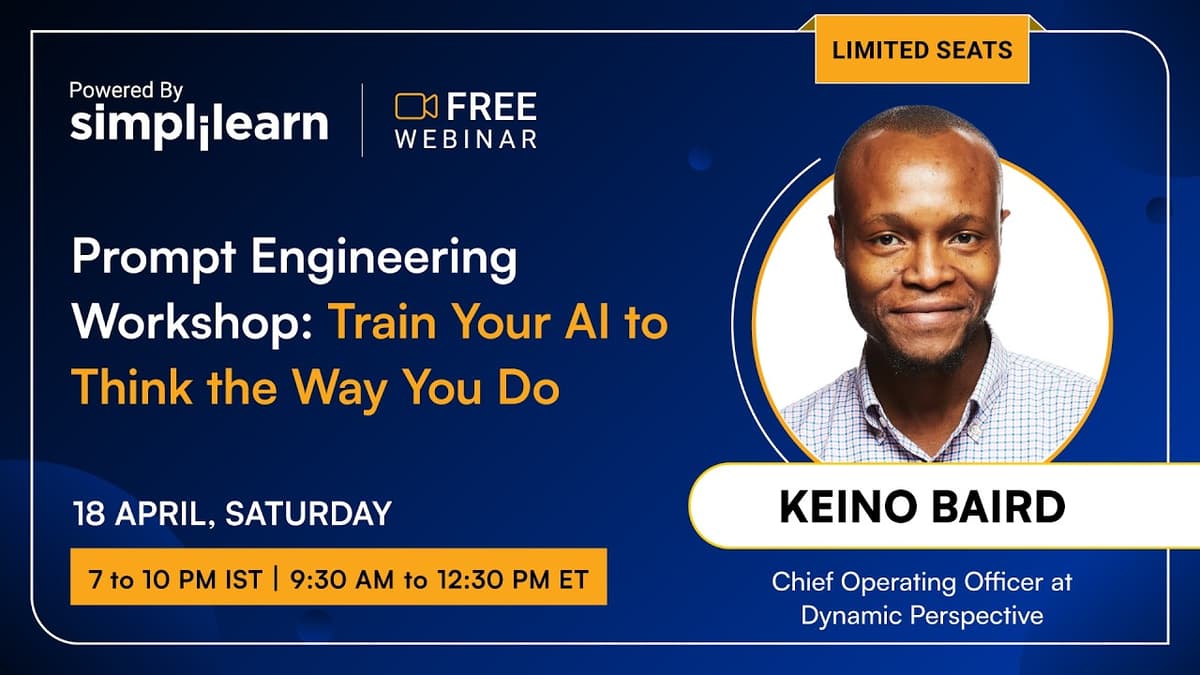
Prompt Engineering Tutorial For Beginners | Learn How To Train AI to Think Like You | Simplilearn
Simplilearn released a free webinar titled “Prompt Engineering Tutorial For Beginners,” led by AI trainer Keino Baird. The session explains how precise prompting transforms generic large‑language‑model output into job‑ready results. It positions prompt engineering as the new differentiator between casual...
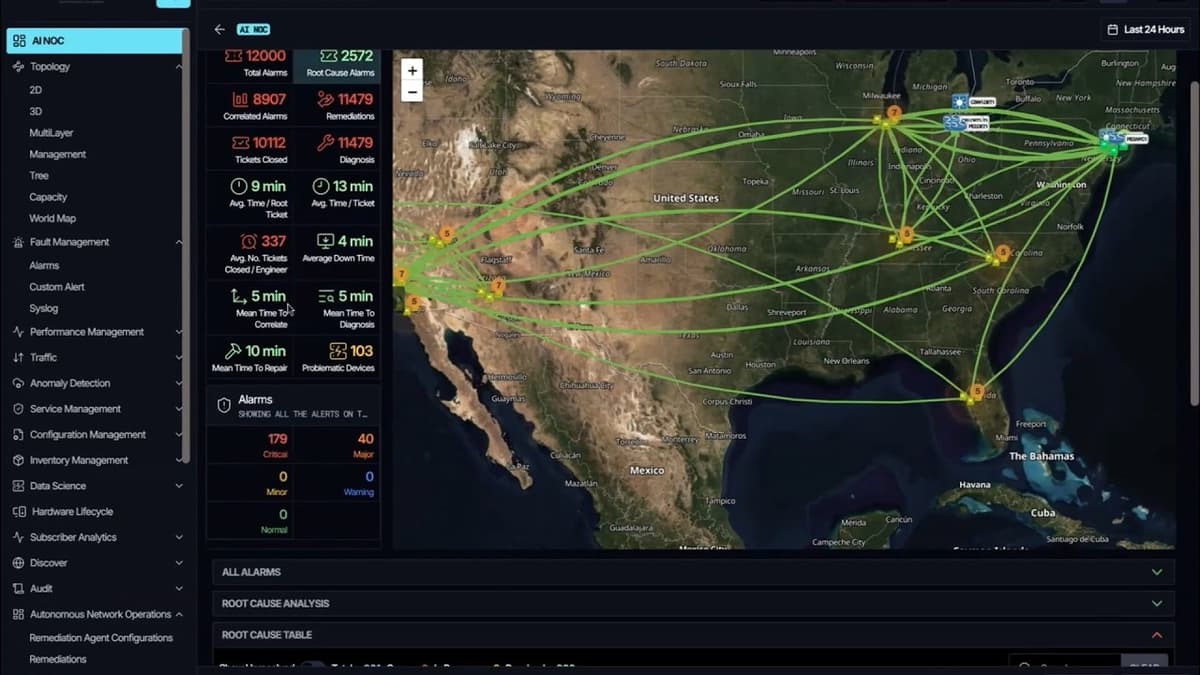
NetAI GraphIQ Demo with Irfan Lateef
The video showcases NetAI’s GraphIQ platform, a next‑generation AI‑ops solution that stitches together device‑level data—CLI configs, SNMP traps, gNMI streams, and even cloud telemetry—into a unified graph model. Van Latif walks through the functional architecture, highlighting how the platform builds...

Sue Woodard Joins Sarah Wheeler on the HousingWire Daily Podcast!
The HousingWire Daily podcast featured Sue Woodard discussing how mortgage lenders are moving from planning to action. Woodard highlighted that today’s market pressures are compelling lending leaders to execute bold, innovative strategies rather than merely debating them. Key insights include a...
Data Science and AI for Executives | LSE Executive Education
The London School of Economics offers an executive‑level, week‑long program that demystifies artificial intelligence and data science for senior managers. It positions AI literacy as a non‑negotiable skill for anyone shaping strategy in today’s fast‑moving business and policy environment. The...

AI Review Checkpoints, Runtime Guardrails & Identity Management | Techstrong Gang
Enterprise AI is shifting from hype to practical governance, emphasizing control layers such as cross‑model review checkpoints, runtime guardrails, and identity management. In the Techstrong Gang session, Mike Vizard, Jon Swartz, Tracy Ragan, and Jeff Reich discuss how operational discipline...
Lecture 1.2.5.A | Python Environments Explained (Venv & Conda) | Health Data Science
The video introduces Python environments, explaining they are isolated spaces that contain a specific Python interpreter and required libraries for each project. Hamza contrasts three environment types—global, virtual (venv) and Conda—highlighting that global installs cause version clashes, while virtual environments prevent...
Anthropic’s Mythos: What It Is and What It Is Capable Of
The video introduces Anthropic’s Mythos, a next‑generation AI model that goes beyond chat and code generation to autonomously locate, exploit, and chain together cyber‑kill‑step attacks. Its creators claim the system can run a full offensive operation without human intervention, a...
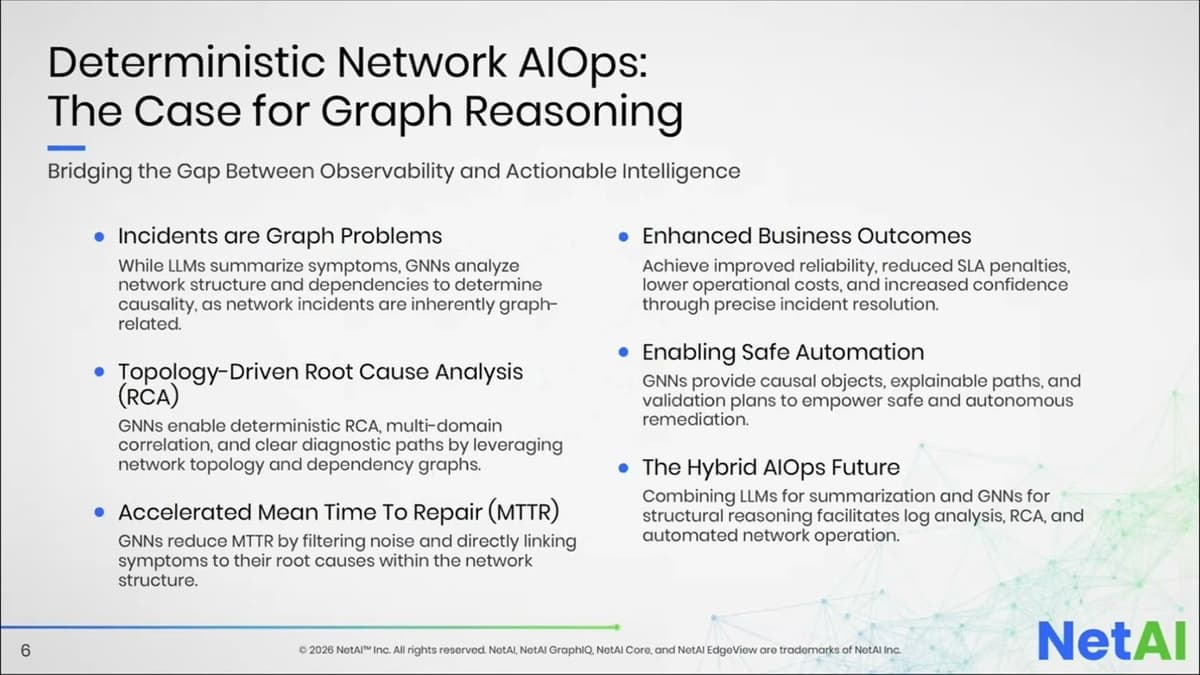
NetAI Deterministic Root Cause for Autonomous Network Operations
The video introduces NetAI’s deterministic, operator‑verifiable root‑cause engine as the missing link between observability and true autonomous network operations. Founder Mike Hoffman argues that without provable fault identification, AI‑Ops cannot move beyond reactive, manual troubleshooting. He contrasts NetAI’s graph neural network...
Techstrong TV - April 17, 2026
Techstrong TV featured four leaders highlighting emerging security challenges in AI‑driven enterprises. Jeff Williams of Contrast Security explained that AI can now locate every vulnerability in a codebase, yet organizations still need an average of six months to remediate them,...

UNO Q EchoGlow Workshop - Part 2
The second part of the UNO Q EchoGlow workshop walks participants through preparing the hardware and deploying a keyword‑spotting AI model to turn the board into a smart lamp. It begins with updating Arduino boards, installing the pre‑packaged EchoGlow brick...
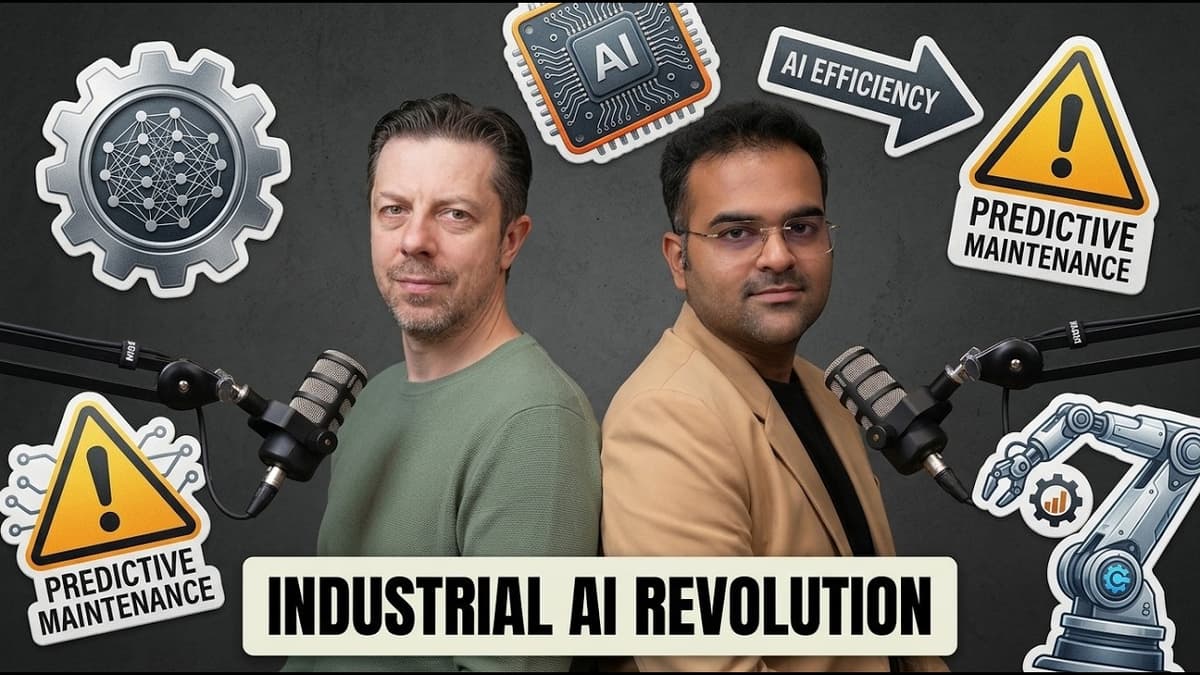
Future of Industrial AI Is Here - Interview with Algo 8 CEO
In a recent interview, Algo 8 CEO Nanda Mishra outlined how his company’s AI‑driven operating system, dubbed Plant Brain, is reshaping heavy‑industry operations. The platform ingests real‑time data from machines across refineries, steel mills and semiconductor fabs, then uses advanced analytics to...
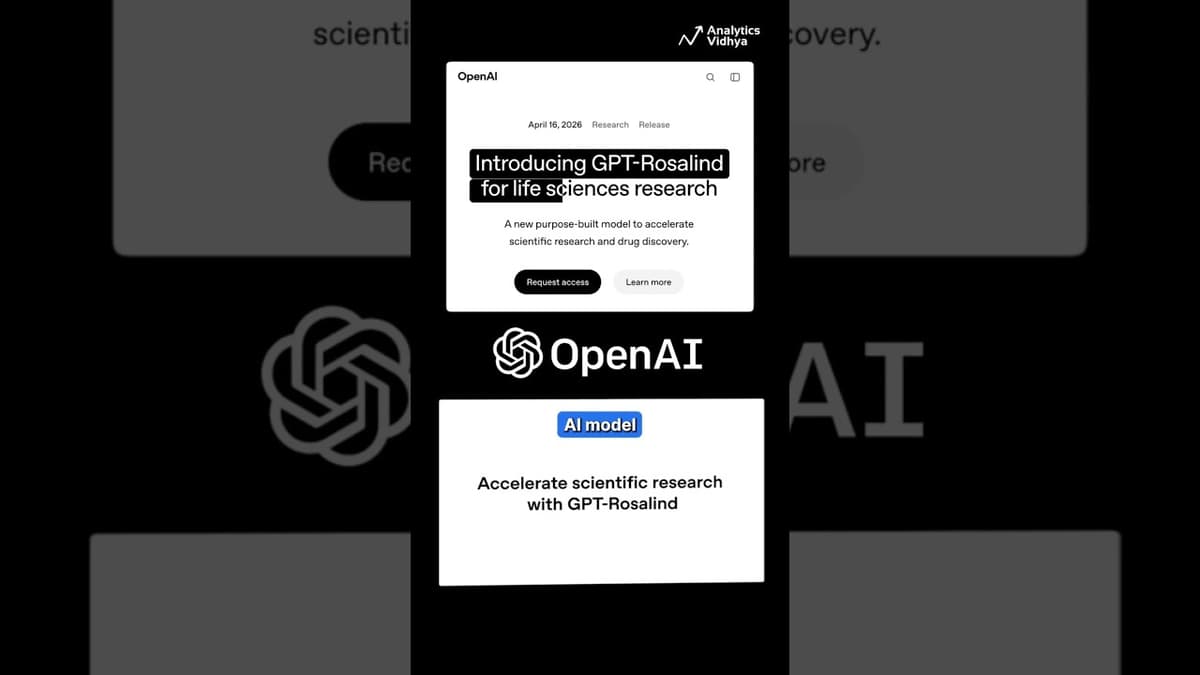
GPT-Rosalind: The AI Scientist Changing Drug Discovery 🧬🚀
OpenAI unveiled GPT‑Rosalind, a frontier‑reasoning model built specifically for live scientific research in biology, drug discovery and translational medicine. Unlike a generic chatbot, it is engineered to think like a scientist, parsing complex protein, gene, chemical reaction and disease biology...
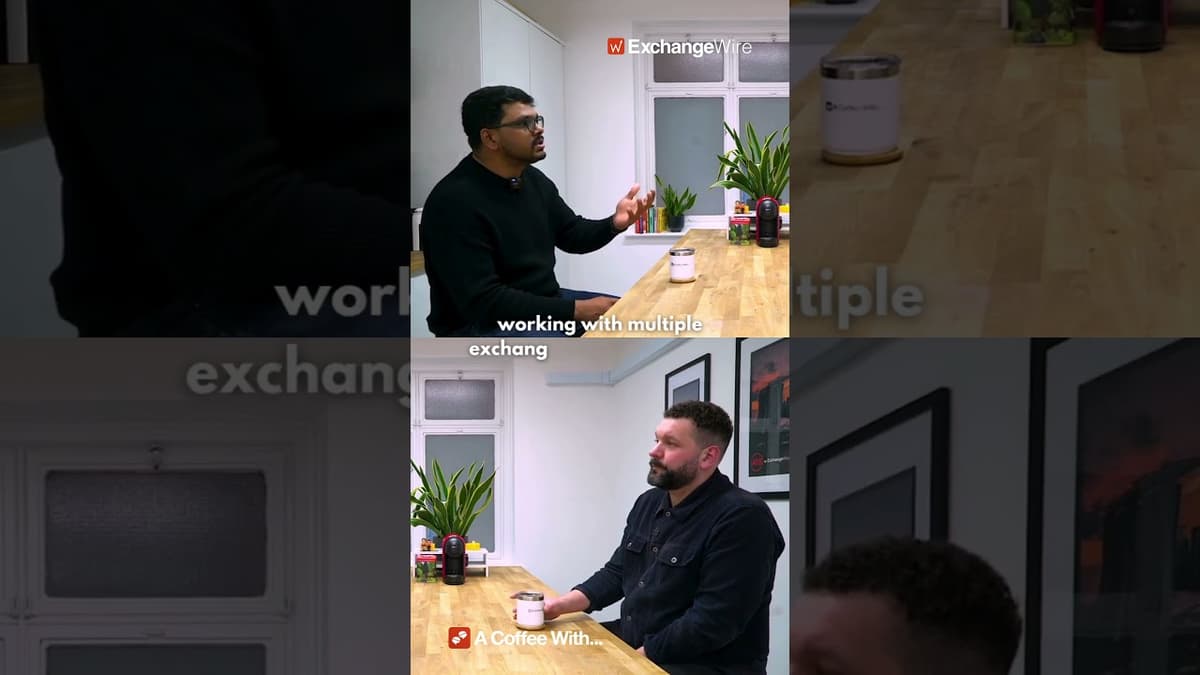
"ML Algorithms to Optimise for Outcomes"
The video explains that the final stage of programmatic advertising—sending bid requests to exchanges, reseller partners, and demand‑side platforms (DSPs)—cannot be optimized manually. Instead, machine‑learning algorithms drive every decision, tailoring bids to each participant’s specific goals. Upstream actors each pursue distinct...
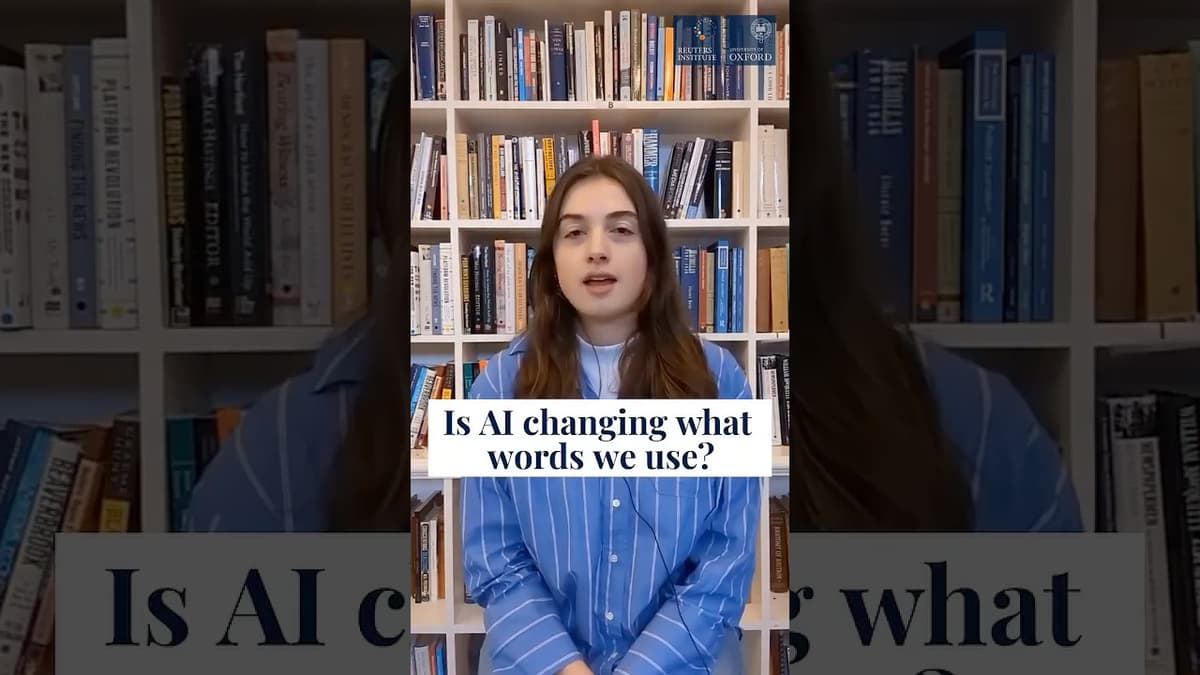
Is AI Changing What Words We Use
The video examines whether large‑language models are reshaping everyday English, focusing on a handful of “AI‑buzz” words such as “delve,” “nuance” and “navigate.” Researchers confirm LLMs use these polished terms disproportionately, and recent corpora show a parallel rise in human writers’...

Hostinger Horizons Tutorial 2026 (Step-by-Step for Beginners)
The video is a step‑by‑step walkthrough of Hostinger Horizons, Hostinger’s AI‑driven website builder that lets beginners launch a full‑featured site or app without writing code. Khalb explains how to sign up, choose the Beginner plan (70 AI credits, free domain, up...
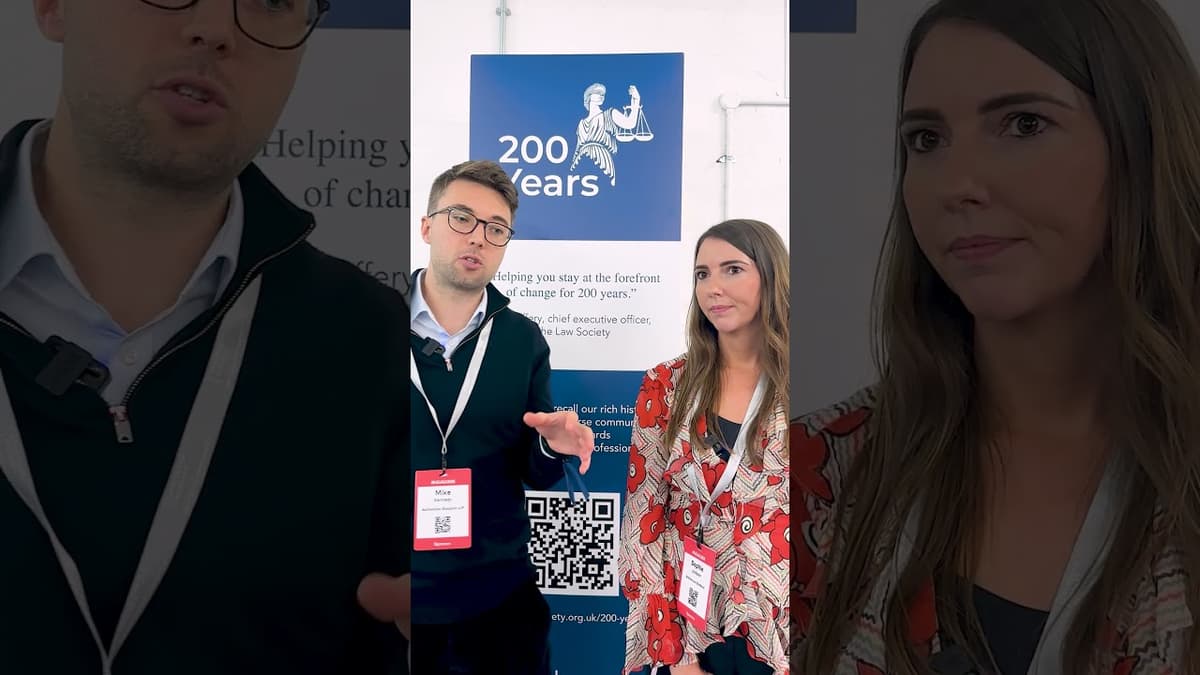
Advice From a Qualified Solicitor: Are Lawyers Getting Left Behind by AI and Tech?
The video features a qualified solicitor discussing whether lawyers are being left behind by AI and technology. He argues that the one thing lawyers excel at—building trusted relationships—cannot be replicated by machines, and this remains the core value proposition for...
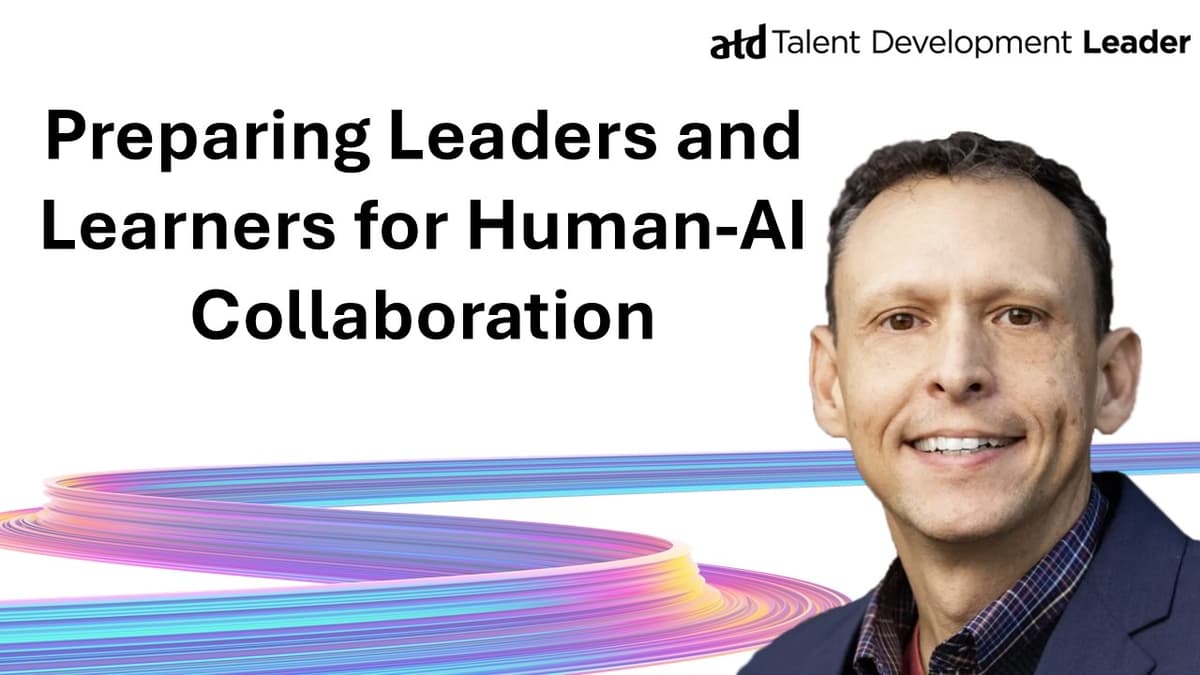
Managing Both Humans and AI "Coworkers" With Patrick Lynch
The ATD Talent Development Leader podcast featured Patrick Lynch, a leading thinker on human‑AI collaboration, to explore how organizations should prepare for the inevitable shift from job loss to job transformation as AI becomes ubiquitous. Lynch emphasized that managers will soon...

Testing ChatGPT Ads—What Brands Need to Know About AI Strategy, with Asa Hiken
The video examines OpenAI’s nascent ChatGPT advertising product, its early‑stage challenges, and how it fits into the broader AI‑driven marketing landscape. It outlines the limited ad inventory, steep entry thresholds—initially $200,000, now trimmed to roughly $100‑150 K—and a steady $60 CPM...
Claude Opus 4.7: Smarter AI Isn’t Enough Anymore 🔐🚀
The video introduces Claude Opus 4.7, Anthropic’s newest widely available model, underscoring a strategic pivot from merely smarter AI to safer, scalable AI that enterprises can trust. Opus 4.7 delivers notable upgrades: it tackles complex software engineering tasks, manages large codebases,...

UNO Q EchoGlow Workshop - Part 1
At Edge AI San Diego 2026, Qualcomm, Arduino, Edge Impulse, and Supplyframe DesignLab hosted a hands‑on workshop featuring the new Arduino UNO Q. Attendees collected voice data, trained an on‑device AI model with Edge Impulse, and built a custom LED...

Reinforcement Learning for 5G: Resource Allocation & Handover Optimization Explained | TelcoLearn
The video showcases how reinforcement learning (RL) can tackle two core 5G challenges: dynamic radio‑resource allocation across the three service slices (eMBB, URLLC, mMTC) and intelligent handover decisions for mobile users. Using a Deep Q‑Network (DQN) to allocate PRBs and...
REAL TALK: AI + Google Ads (Enterprise Advertising Strategy)
In a candid ten‑minute video, Michael Natalin of Marketle Lead warns that the current frenzy around AI‑driven Google and Meta ad management is largely hype. He draws on eleven years of agency experience, overseeing millions of ad dollars, to separate...

Avoiding “AI Washing” When Investing Around Tech
The video opens with a market roundup: global equities hit fresh highs as a cease‑fire between Israel and Lebanon lifts sentiment, while oil prices climb on lingering Middle‑East risk. U.S. indices, led by the S&P 500 and Nasdaq, extended record closes,...
![How Capital One Delivers Multi-Agent Systems [Rashmi Shetty] - 765](/cdn-cgi/image/width=1200,quality=75,format=auto,fit=cover/https://i.ytimg.com/vi/SUE1L3XugiQ/maxresdefault.jpg)
How Capital One Delivers Multi-Agent Systems [Rashmi Shetty] - 765
The TWIML AI podcast episode features Rashmi Shetty, senior director of Capital One’s enterprise generative AI platform, explaining the bank’s transition from traditional machine‑learning pipelines to large‑language‑model (LLM) driven systems that can actually execute actions. She outlines how the organization...

Chris Casey: Which Software Companies Will Survive AI? #Stocks #Software #AI
The video examines which software firms will endure the AI wave, arguing that the battle hinges on the depth of integration and industry specificity of their products. Chris Casey stresses that large enterprises move at a glacial pace, with committees...

Everyone Talks About AI’s Potential. But Are We Ignoring the Danger that Comes with It?
The video explores whether existing AI systems exhibit any degree of consciousness and how that intersects with creativity and existential risk. The speaker argues that some AI may already have rudimentary subjective experience, noting that digital minds evolve faster than biological...

Opus 4.7 Just Dropped... And I'm Confused.
Claude Opus 4.7 was released today, marking a sizable performance boost over its predecessor and narrowing the gap to the unreleased Mythos preview. Anthropic highlighted a 10‑point rise on the Swebench coding benchmark (53.4 → 64.3) and notable gains on...

Iran War, AI Energy Crisis, and the $500B Supercycle Converging Right Now
The episode frames three converging forces – the de‑escalation of the Iran conflict, an accelerating AI infrastructure boom, and a looming energy crunch – as the backdrop for what the hosts call a $500 billion supercycle. With the cease‑fire holding and...
Episode 16: Building AI for Life Sciences
The OpenAI Podcast’s Episode 16 spotlights the company’s new biochemistry‑focused model series, designed to embed advanced AI directly into life‑science research pipelines. Joy Jiao and Yunyun Wang explain how the models extend beyond text and code, offering mechanistic insights in...

From Masters Victory to Motion Data: Golf’s Analytical Evolution
The Wharton Moneyball podcast opened with a deep dive into the recent Masters, where Rory McIlroy captured his second green jacket, becoming only the fourth player ever to win back‑to‑back titles at Augusta. The hosts highlighted the rarity of such...

4 Levels Of Using AI
The video outlines a four‑tier framework for how individuals and organizations engage with artificial intelligence, ranging from simple query‑based interactions to fully engineered AI‑powered systems. The first two tiers—using AI as a search engine and as a writing assistant—capture the majority...