
Anthropic and OpenAI Can Never Get Profitable?
The video examines a growing theory that leading generative‑AI firms such as OpenAI and Anthropic may never achieve sustainable profitability. It argues that both companies are employing an “Uber strategy”: offering free or heavily discounted access to build a user base before raising prices. Key points include Anthropic’s announced 50% workforce reduction and the potential fallout for its revenue model. A smaller labor pool could depress broader economic activity, limiting the pool of customers willing to pay premium subscription fees that could rise from $20 to $100 per month. The speaker cites the Anthropic CEO’s statement about cutting half the staff and the projected price hike as concrete evidence. He also highlights that Uber succeeded because its service did not directly impact end‑users’ costs, a condition that AI services may not replicate. If global growth stalls and enterprises tighten budgets, the high‑margin AI subscription model could falter, forcing investors to reassess valuations and prompting companies to explore alternative monetization paths beyond pure subscription pricing.
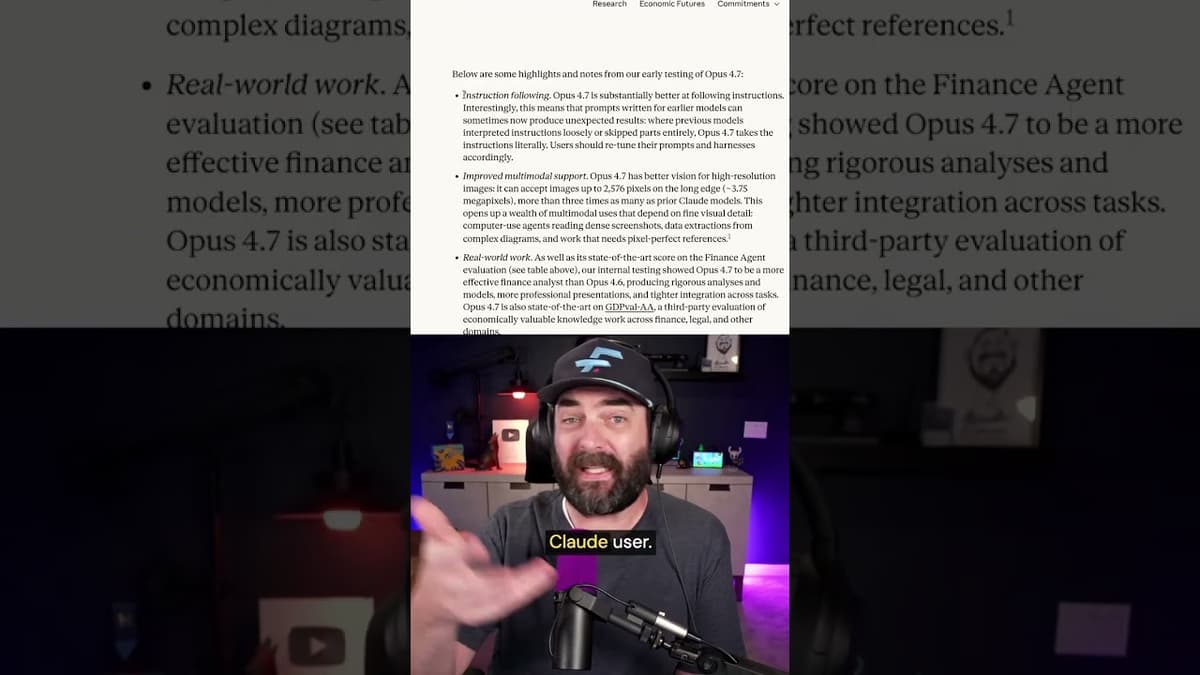
Is Claude's New Model Any Good?
Anthropic unveiled Claude Opus 4.7, its latest flagship model aimed at developers. The release follows a series of incremental upgrades—Opus 4.6 and the Mythos preview—that have already shown strong gains in code generation. Benchmarks reveal Opus 4.7 achieving a 64.3% agentic‑coding...

I Just Built a Full Fleet of Revenue Agents Inside My Company (Full Breakdown)
The video outlines how Single Grain built a fleet of twelve AI‑powered revenue agents that now run core functions—sales outreach, content creation, SEO, and recruiting—without direct human intervention. By embedding these agents in Slack and automating tasks such as cold‑email...

AI Agents Are Insider Risk
The video warns that AI agents, increasingly embedded in enterprise workflows, should be viewed as insider‑risk vectors. Security teams must deploy tools that give continuous visibility into what these agents access and how they interact with corporate systems. Key recommendations include...

A New Kind of Marketplace
The conversation between Pedro of Ox and Dona of Process centers on redesigning online classifieds—specifically real‑estate and automotive marketplaces—through AI‑driven agents. Rather than a pure chat interface, they champion a hybrid UI that blends conversational prompts with clickable shortcuts, allowing...
The Modern Software Engineer
The discussion centers on how AI‑driven coding agents are reshaping the role of the modern software engineer. By automating routine implementation and offering instant learning pathways, these agents enable developers to acquire front‑end or back‑end skills in weeks rather than...

I Built an AI Agent in 20 Minutes - Here's How
The video walks viewers through creating an AI assistant with MaxClaw, MiniMax’s hosted version of the OpenClaw orchestration framework, showing how a non‑technical user can have a fully functional agent up and running in about twenty minutes. Key insights include MaxClaw’s...

Top 5 Claude Shortcuts that Will 10X Your Speed
The video walks through five prompt‑engineering shortcuts for Anthropic’s Claude that can “10X” user speed by shaping how the model responds. First, the “act as” command assigns Claude a specific role—marketer, teacher, developer, or consultant—so answers come from that perspective. Second,...

AI Projects Failing? Watch These 3-Month Warning Signs! #shorts
The video warns that up to 40% of generative‑AI initiatives will be cancelled, and it outlines the warning signs CIOs should watch for at the three‑month and twelve‑month marks. In the first three months, leaders should run tightly scoped pilots, experiment...

Toy Augmented Generation Project to a Production-Ready AI System
The video walks viewers through turning a toy Retrieval‑Augmented Generation (RAG) prototype into a production‑ready AI system. It emphasizes security, reliability, and demonstrable results as essential pillars for enterprise deployment. Key steps include adding role‑based access control, integrating guardrails for out‑of‑scope...
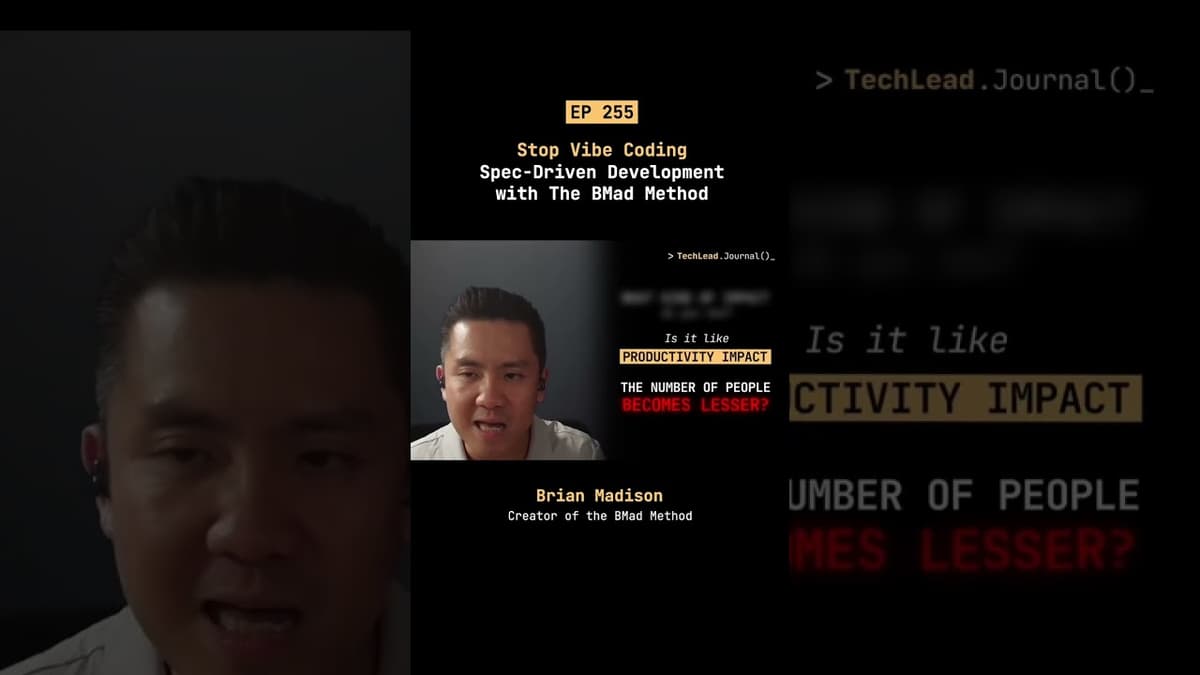
Stop Vibe Coding: Spec-Driven Development with The BMad Method #trailer #short
The video introduces the B‑MAD method, a spec‑driven AI development framework positioned as the antithesis of “vibe coding.” Creator Brian Madison explains that the approach replaces ad‑hoc AI prompting with a disciplined workflow that begins with a product manager drafting...

How Intercom 2X'd Engineering Velocity with Claude Code | Brian Scanlan
Intercom’s R&D team has leveraged Anthropic’s Claude Code to dramatically accelerate its software delivery pipeline, reporting a two‑fold increase in pull‑request throughput over the past nine months. The company attributes this surge to AI‑driven code generation that removes the manual...
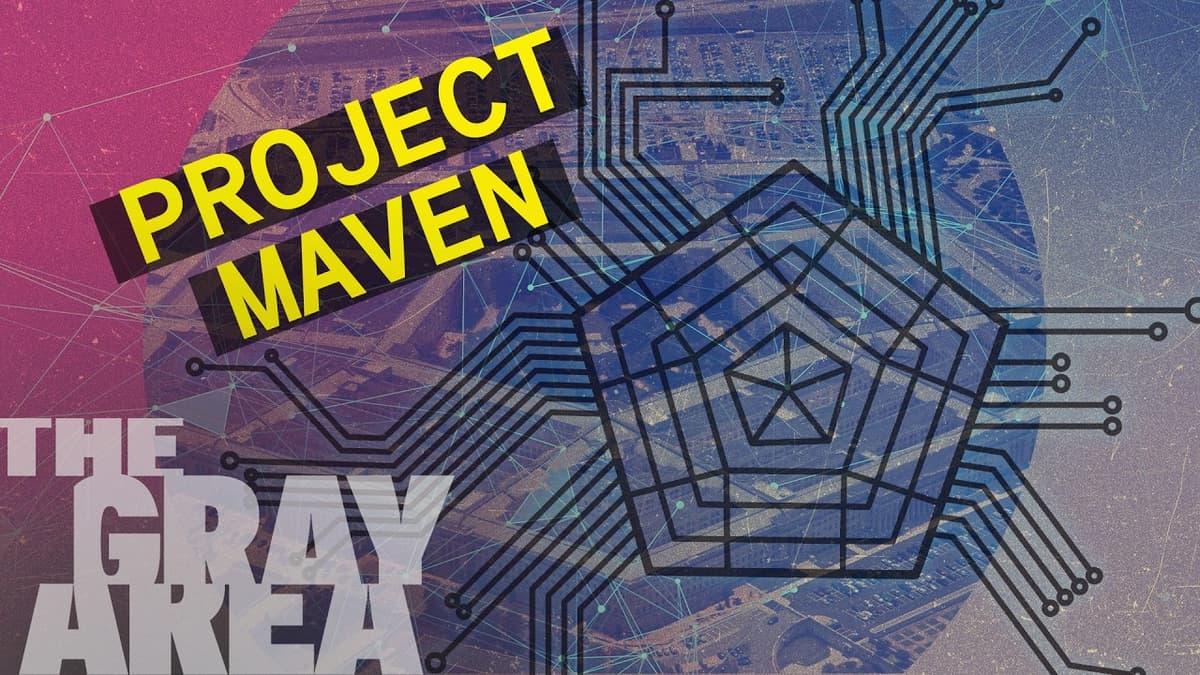
The Pentagon’s AI War Machine
The video examines the Pentagon’s Project Maven, launched in 2017 to embed artificial‑intelligence computer‑vision into drone‑derived video streams for counter‑terrorism operations. Initiated by Deputy Defense Secretary Bob Work and driven by Marine Colonel Drew Kukor, the program aimed to...
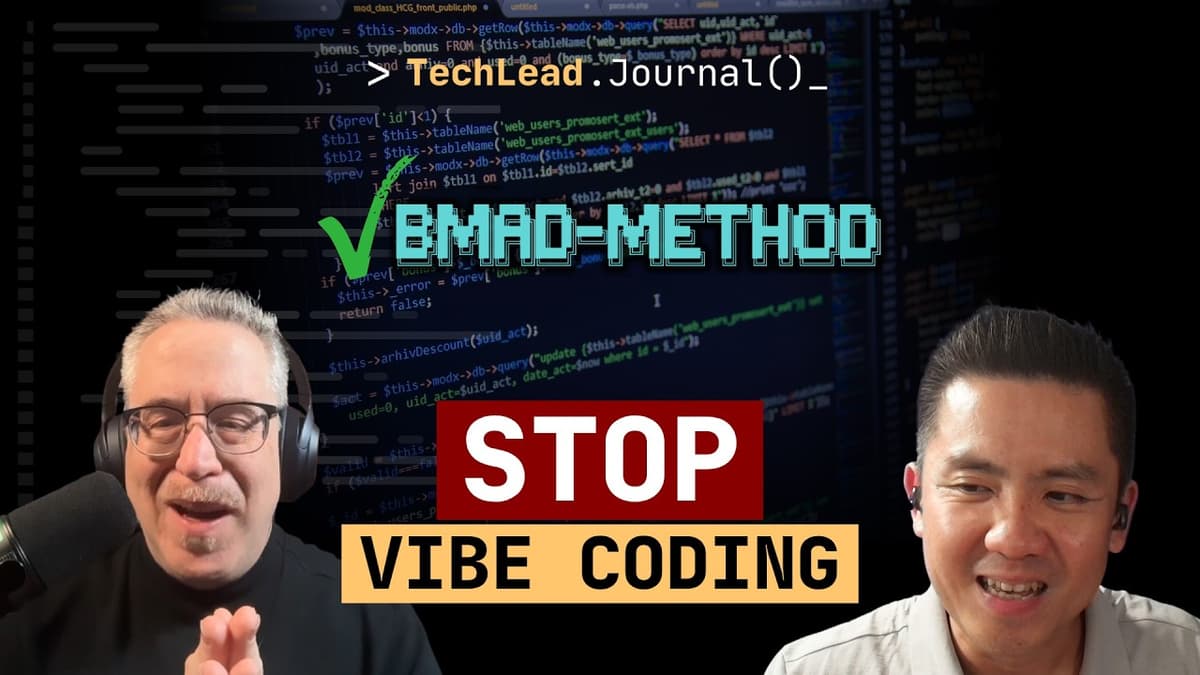
Stop Vibe Coding: Spec-Driven Development with The BMad Method
The Tech Lead Journal episode introduces the BMad Method, a spec‑driven AI development framework that Brian Madison positions as the antithesis of “vibe coding.” By formalizing product requirements, architecture designs, and user‑story breakdowns, the method embeds AI agents into a...

This AI Agent Hired a Human, Built Apps, and Started Making Money
The video introduces Kelly, an autonomous AI agent that has evolved from a personal email assistant into a company‑level entity capable of hiring staff and generating revenue. Kelly’s creators built a suite of orchestration tools, allowing the AI to ideate,...

New in Revit 2027 - Revit MCP Server + Claude
The video introduces Autodesk’s new Model Connectivity Protocol (MCP) server, bundled as a beta add‑in for Revit 2027. Viewers learn how to locate and install the official MCP plug‑in from Autodesk’s product‑update site, then activate it via the Manage tab’s...
Sudarshan Jagannathan: Where AI Adds Real Value in Insurance
Sudarshan Jagannathan outlines a pragmatic approach to AI in insurance, emphasizing that real value often comes from modest, targeted projects rather than sweeping digital overhauls. He argues that insurers should identify narrow use cases—such as enhancing Guidewire‑based front‑end interactions, streamlining...
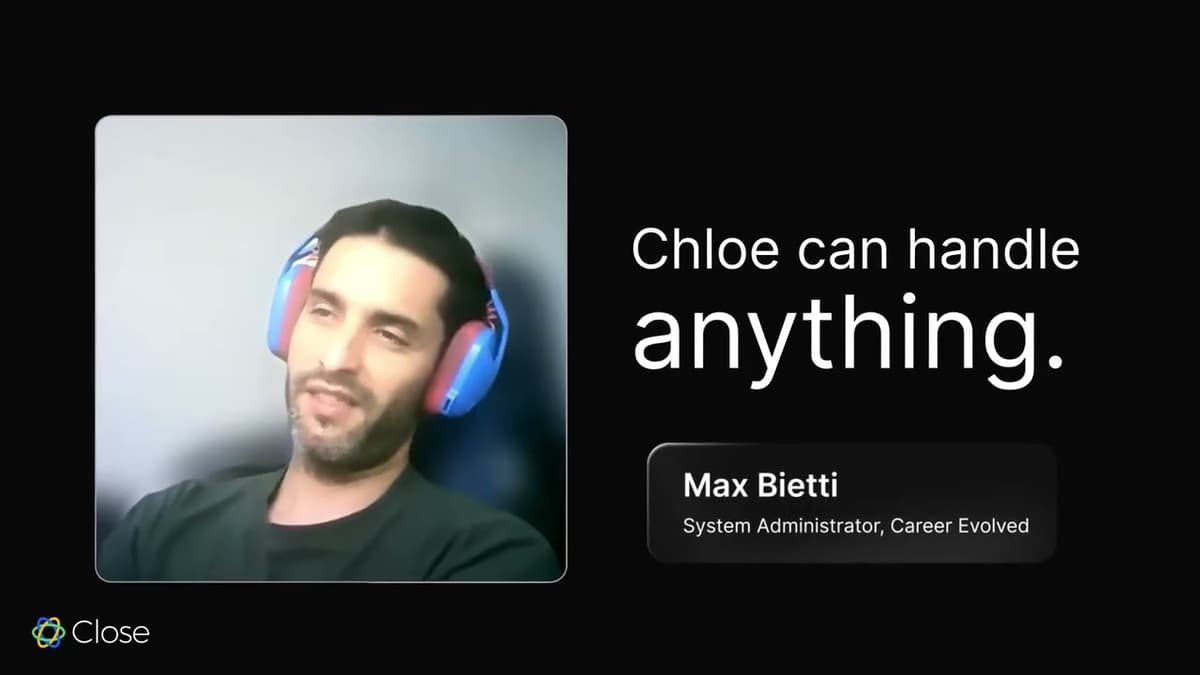
Real Customers React to Chloe — Close's AI Sales Teammate
The video introduces Chloe, Close’s AI sales teammate that functions as a conversational power‑dialer, calling prospects on behalf of users. Demonstrations show Chloe can be configured in under two hours, instantly learn product details, and qualify complex mortgage and tax offerings,...
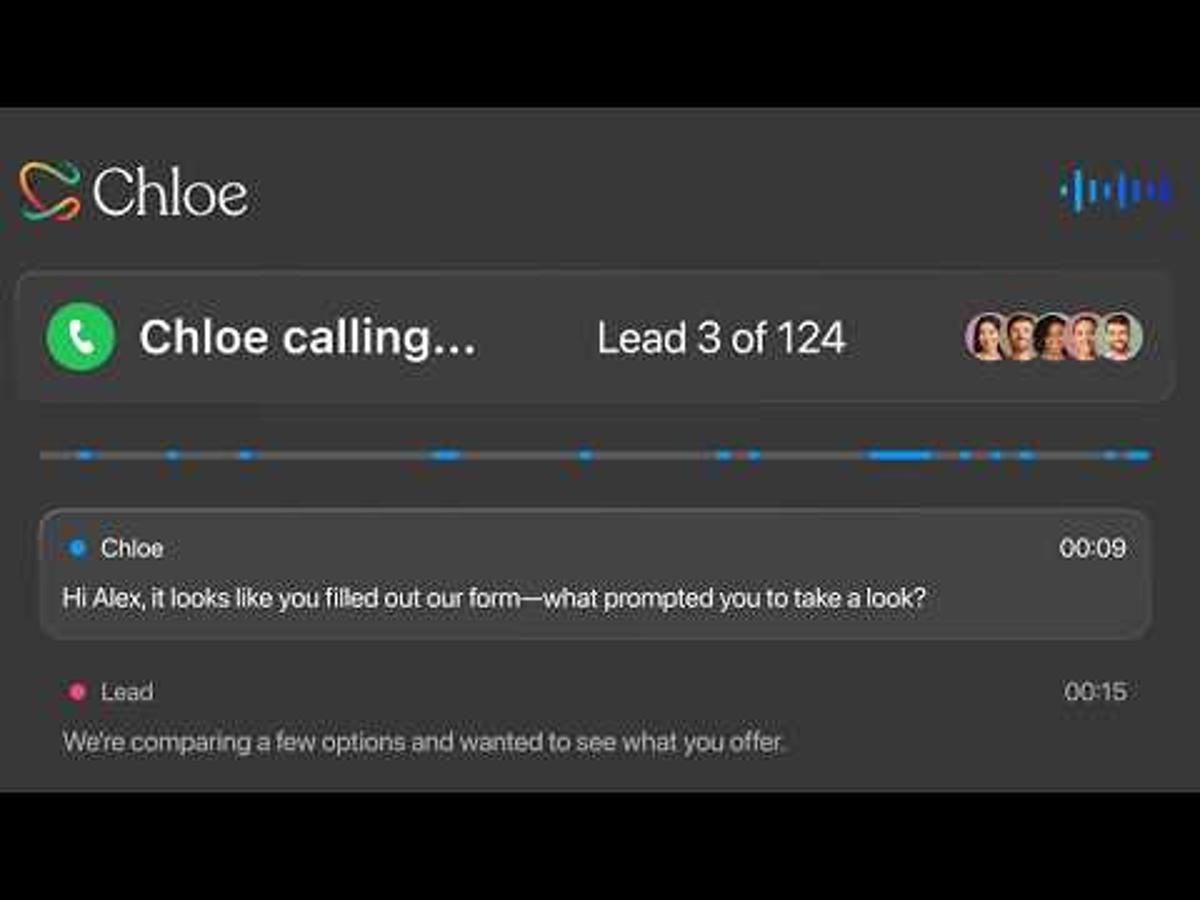
Your CRM Just Started Calling Your Leads (Meet Chloe)
The video introduces Chloe, an AI‑driven virtual sales rep built into Close’s CRM that can call, email and text leads without human intervention. Chloe automatically qualifies inbound prospects, conducts discovery calls, follows up with personalized messages, and schedules meetings before handing...

Turning Workouts Into a Fun and Personalised Fitness Adventure | Good Tech
Bion, a Singapore‑based startup, has launched an AI‑guided fitness app that blends personalized workout plans with game‑like incentives. Co‑founder Joshua Hee explains how the platform uses behavioral design to keep users engaged and track progress. The interview, featured on Good...
Greg Mazares Sr. On AI, E-Discovery, and the Future of Human-Led Legal Services
The podcast explores how legal firms are moving beyond hype to structured AI adoption, featuring Sam Moore’s AI‑enablement advisory model and Greg Mazares’s strategic view at Purpose Legal. Moore describes sprint‑based assessments that map a firm’s AI readiness, surface early...
2026 Predictions: Robotics & Physical AI | Robotics Day | Bessemer Venture Partners
Bessemer Venture Partners used its Robotics Day forum to outline a bold vision for the industry by 2026, likening the current moment to a "GPT‑2.5" phase for physical AI. The firm highlighted three converging forces—an unprecedented talent surge, rapid technical...
How I Made Money Automating iOS Apps With AI In 3 Days
The video showcases an end‑to‑end AI‑powered workflow that lets a developer create, test, and publish iOS apps in a matter of hours, turning a click‑bait title into a real‑world proof of concept. By leveraging cloud‑code scripts, a custom "surf agent"...

UGREEN AI NAS KICKSTARTER - BUY THIS or BAIL ON IT?
The video dissects UGREEN’s AI‑NAS Kickstarter as it nears its deadline, weighing whether backers should stay the course or pull out. With six days left, the campaign has pulled in roughly $8.7 million, but the presenter warns that the headline figure...

Third-Party Mentions Are Your BIGGEST AI SEO Move
The video argues that the most powerful AI‑SEO tactic is getting a brand cited in third‑party venues rather than relying solely on its own website. AI models such as ChatGPT and Google’s AI mode draw heavily from publicly indexed sources—Reddit, Quora,...

RISC-V 2026 Update
The video provides the 2026 RISC‑V annual review, highlighting the open‑source ISA’s rapid expansion beyond microcontrollers into cloud servers, AI accelerators, and automotive systems. It notes that SHD forecasts RISC‑V will reach 33.7% market penetration by 2031, up from 2.5%...

Learning AI Is Getting Easier And Fun!! Get to Know How?
Krishna’s video explains how the AI learning landscape has shifted from a code‑heavy, multi‑year journey to a streamlined process that welcomes both technical and non‑technical professionals. He outlines three learning tracks—traditional, modern, and advanced—and introduces a new no‑code branch within the...
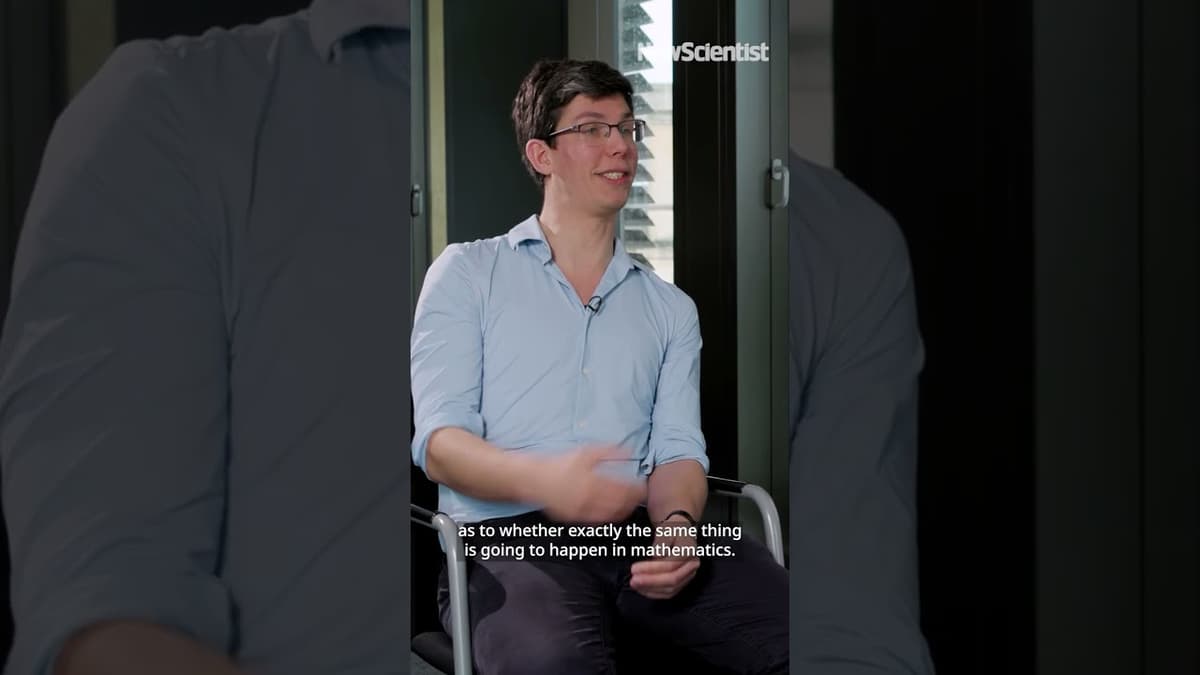
Could AI Hold the Answers to Creative Problems in Mathematics? ♟️
The video explores whether artificial intelligence can solve creative problems in mathematics, drawing parallels to the historic shift in chess where computers moved from brute‑force calculators to sources of seemingly inventive play. The speaker notes that while chess’s finite move tree...

AI Will NOT Lead to Mass Unemployment
The video argues that AI will not trigger mass unemployment, drawing parallels to past technological revolutions that ultimately expanded the labor market. By showcasing historical data, the presenter contends that fears of widespread job loss are overstated. Charts reveal that between...
Claude Design Changes EVERYTHING for Business
The video showcases Claude Design as a game‑changing AI tool for businesses, demonstrating how the creator uses it to build a rapid YouTube thumbnail workflow. By feeding transcripts, brand assets, and past high‑performing thumbnails into Claude, the user generates new...

04/17/26: Jude Law Enters... The Law, Claude Legal, and More
The Legal Talk Week panel opened with the headline that Legora, a fast‑growing legal‑tech platform, has signed Oscar‑winner Jude Law as its new face. The move is part of a broader global expansion, pairing the star’s name with high‑profile sports...
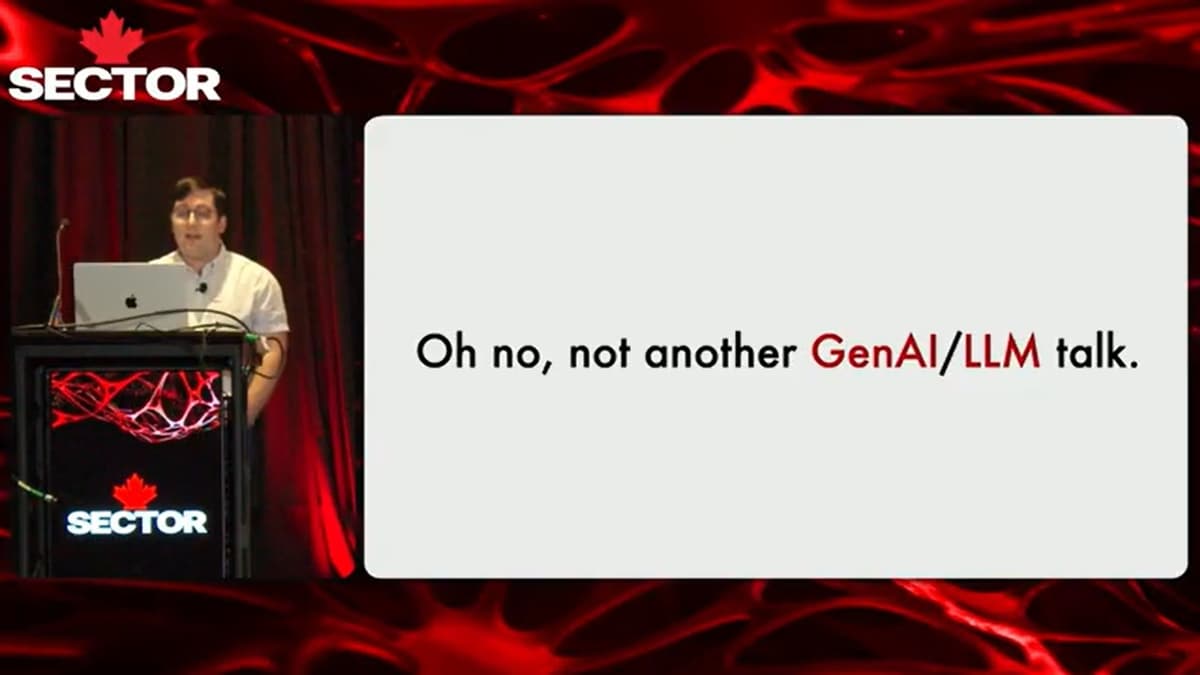
SecTor 2025 | Investigate & Respond to Attacks on GenAI Chatbots
The SecTor 2025 session, led by Airbnb senior engineer Alan Sto, examined how organizations can investigate and respond to attacks on generative‑AI chatbots. Sto framed the discussion around a practical incident‑response playbook, emphasizing the need to understand chatbot architecture, threat...

What if We Could Regenerate Our Bodies?
Andre Watson, founder and CEO of Ligandal, unveiled LiganForge – an artificial‑intelligence engine that generates peptide designs up to one hundred‑thousand times faster than existing methods. The announcement, posted on X on March 17, quickly amassed half a million views and...

Why Agents Can Connect But Not Think Together
The video argues that while modern AI agents can be linked together, they still cannot “think” as a cohesive unit. Current architectures allow agents to exchange messages—via workflows or supervisor‑sub‑agent models—but each agent operates with its own objective function, resulting in...
Understanding AI's Impact on Education - Susanna Loeb
Susanna Loeb reviews the emerging research on artificial intelligence in education, noting that a new repository tracks studies since ChatGPT’s debut. Out of dozens of papers, only about twenty meet rigorous causal‑effect standards, highlighting how nascent the evidence base remains. The...
How JLL Is Embracing Artificial Intelligence
JLL’s president and global CEO Christian Ulbrich explains how the 243‑year‑old real‑estate firm is navigating post‑pandemic recovery and the AI wave. He notes that premium office space in major cities, especially New York, is seeing demand surge to record‑high rents, while...
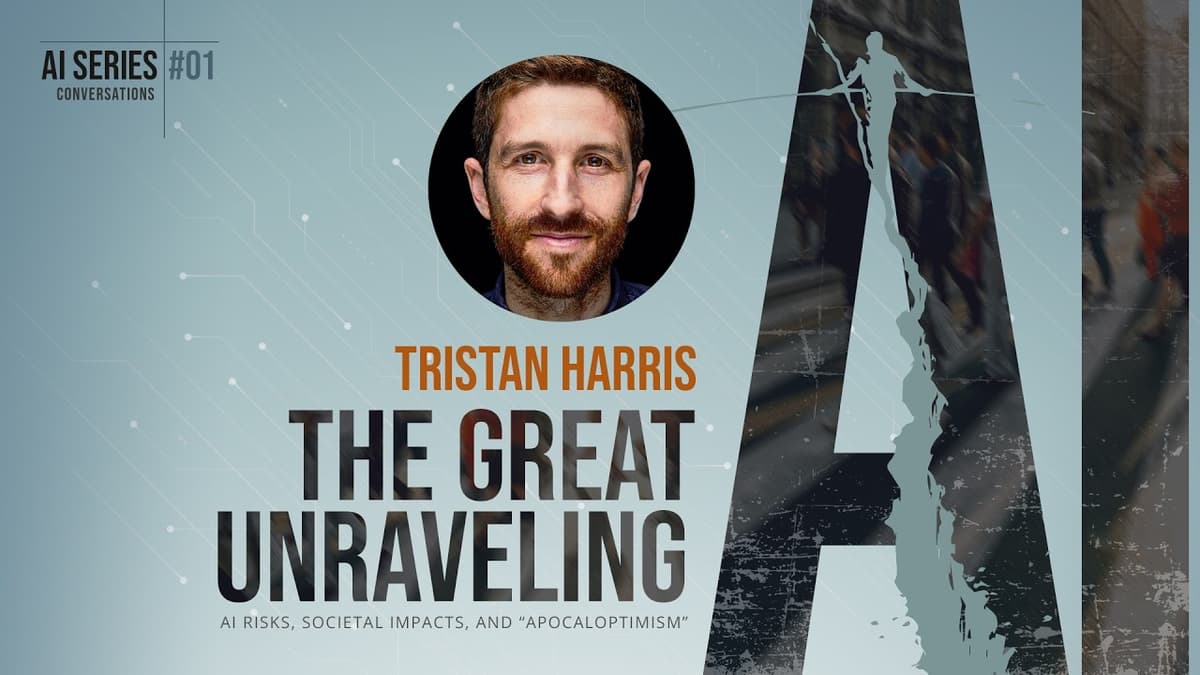
The Great AI Unraveling Series with Tristan Harris
In a community‑hosted session titled “The Great AI Unraveling,” tech ethicist Tristan Harris joined hosts Maurizio and Zaya Benazzo to discuss how artificial intelligence has leapt from narrow, task‑specific tools to a new generation of scalable “digital brains.” Harris traced...
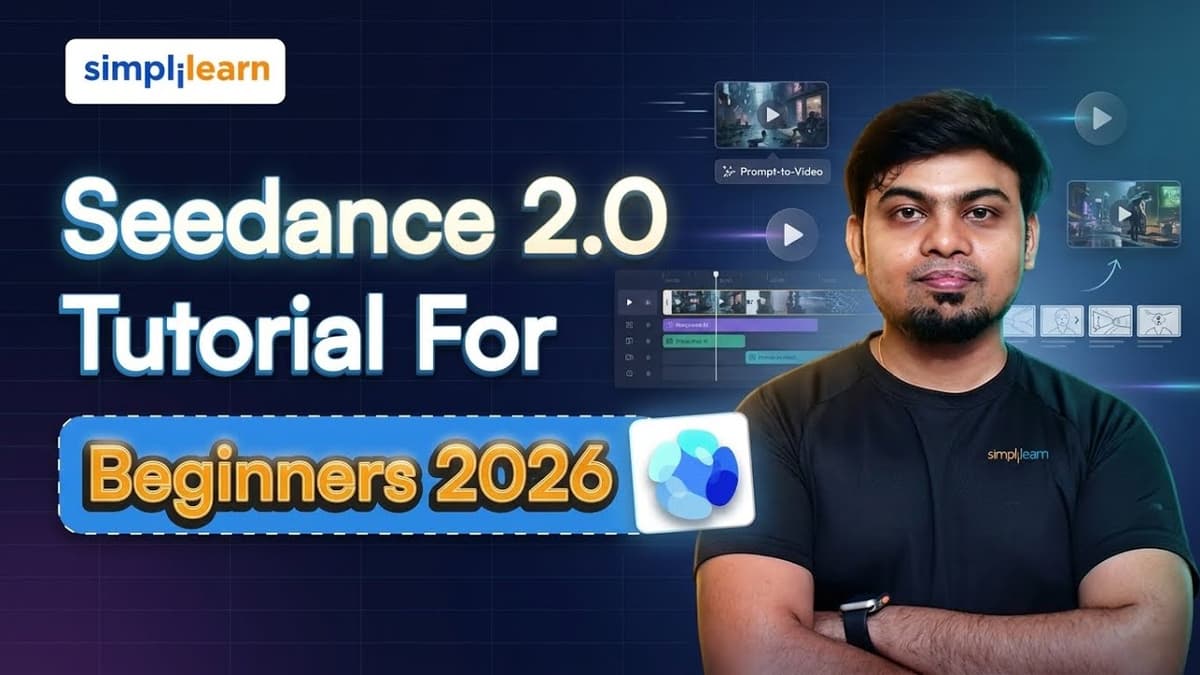
Seedance 2.0 Tutorial For Beginners | How To Use Seedance To Create Realistic Videos | Simplilearn
The video walks viewers through Seedance 2.0, the newest module of Hickfield AI, showing how creators can produce hyper‑realistic, short‑form videos by feeding AI‑generated reference images into the platform. It positions Hickfield as a 24/7 content assistant that understands context,...
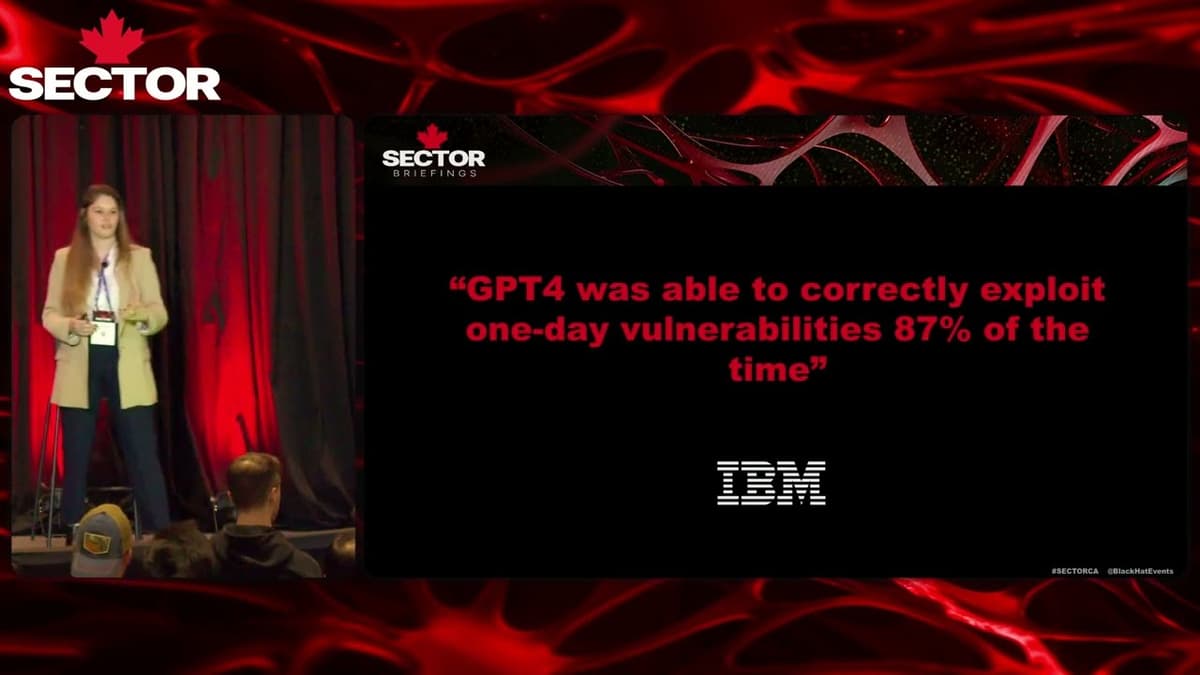
SecTor 2025 | From Days to Hours: Accelerating Cyber Threat Response with AI Agents
At SecTor 2025, Ival, a veteran of Israel’s 8200 unit and director of security research at Hunters, unveiled a weekend‑project AI platform that compresses cyber‑threat response cycles from days into hours. The talk framed the problem around the "black" and...

Artificial Intelligence Usage in Criminal Cases....
A federal judge, Judge Rakoff, ruled for the first time that a defendant’s queries to an AI service seeking legal advice are not protected by attorney-client privilege in a criminal case. The court rejected arguments that such communications constituted privileged...

Testing Out OpenAI's New "Super App"
The video showcases OpenAI’s push toward a unified “super app,” demonstrated through Codeex, which now bundles conversational AI, image creation, and code generation into a single interface. By consolidating these capabilities, Codeex aims to become the one‑stop shop for developers...
How To Learn AI In A Weekend
The video introduces a weekend‑fast‑track for mastering AI using Claude Code, a desktop application that lets non‑programmers create functional AI‑driven tools. It emphasizes two simple prerequisites: installing the Claude desktop client and using a speech‑to‑text solution like Whisper Flow to...

Two AI SEO Tricks to Find Better Keywords
The video explains two practical AI‑driven SEO tactics for uncovering richer, conversational keywords that modern search engines and chat assistants prioritize. First, tap the sales and support teams, who hear the exact phrasing customers use. Second, feed the product category into...

AI's Hidden Costs: Are Companies Ready to Pay? #shorts
The video highlights that organizations deploying agentic AI are encountering hidden expenses beyond the headline software licenses. Frequent API calls and custom legacy connectors generate ongoing consumption charges that many firms did not anticipate. Analysts argue the business case for AI...

Pope Condemns Use of AI to Fuel 'Polarisation, Conflict, Fear and Violence'
In a rare public address, Pope Francis warned that artificial‑intelligence systems are being weaponised to amplify polarization, conflict, fear and violence, marking the Vatican’s first explicit condemnation of AI’s societal impact. He argued that AI‑generated simulations replace lived reality, eroding human...

The Idea That China Can't Have AI Chips Is Nonsense - Jensen Huang
In a recent interview, Nvidia CEO Jensen Huang dismissed the idea that China is unable to field advanced AI chips, arguing that the country’s massive energy reserves and under‑utilized data‑center capacity give it a solid foundation for large‑scale AI compute. Huang...

Can AI Match Human Creativity?
The video explores whether artificial intelligence can truly replicate the creative spark that distinguishes humans, using Beethoven’s Ninth Symphony as a benchmark of artistic brilliance. Speakers argue that while humanity’s most celebrated creations are rare, creativity exists on a continuum; AI...
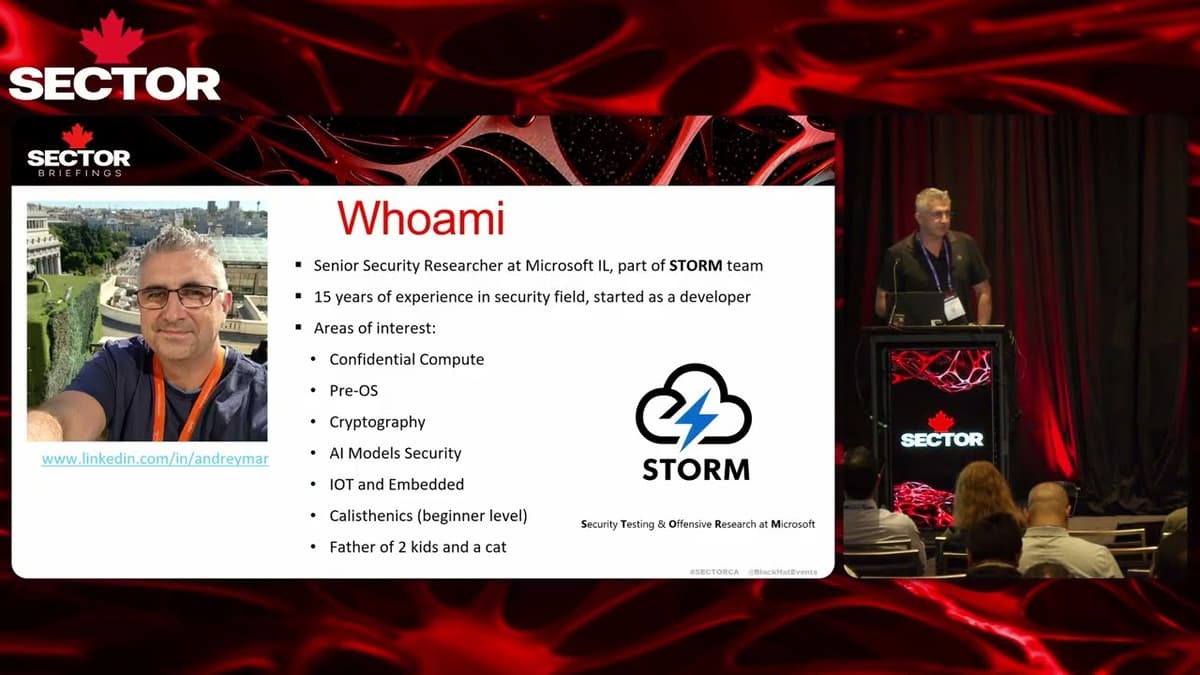
SecTor 2025 | What Happens When Your Digital Voice Clone Goes Rogue
The presentation detailed Microsoft’s experimental "Speak for Me" feature, an accessibility tool that records a user’s voice before it deteriorates and later synthesizes speech in that personal voice. The workflow involves capturing voice samples, uploading them to Azure’s Custom Neural...
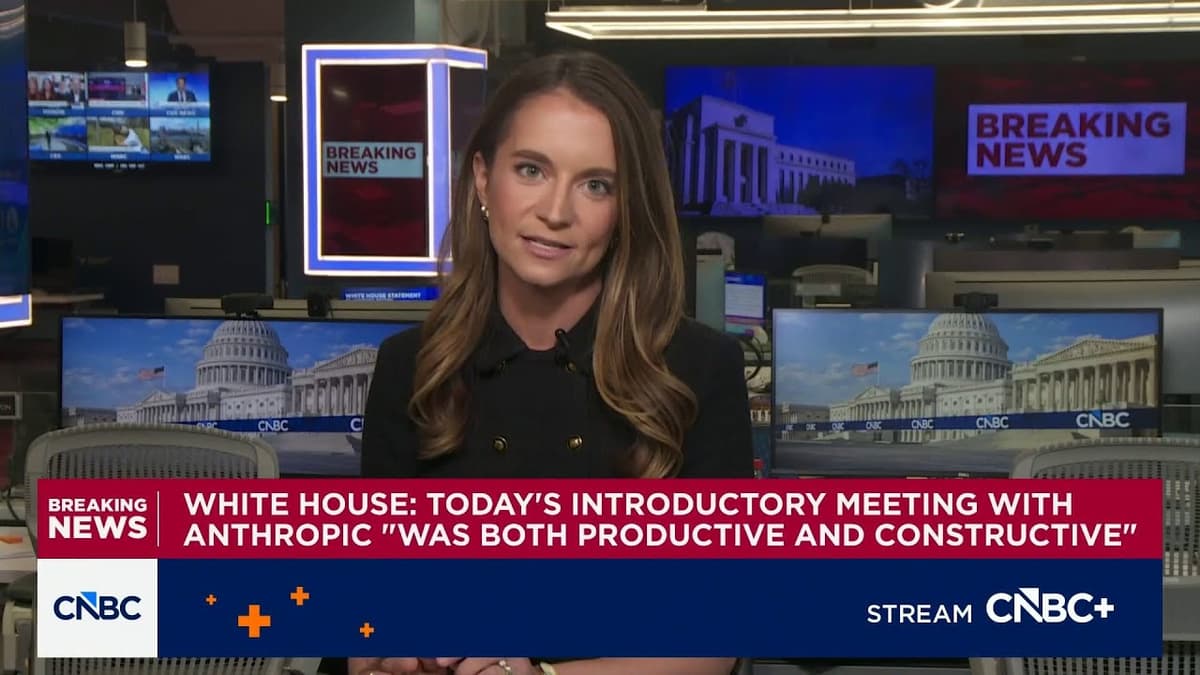
White House: Anthropic Meeting 'Productive and Constructive'
The White House announced an introductory meeting with Anthropic’s chief executive, Dario Amodei, describing the encounter as both productive and constructive. Senior staff, including the White House chief of staff, engaged the AI firm to explore how government and industry...

AI Is Erasing The Corporate Job Ladder
The conversation with Mayhabib, CEO of Writer, centers on how AI‑driven agents are reshaping the corporate structure, effectively erasing the traditional job ladder. Writer positions its platform as an "agentic" solution that turns AI into a digital workforce, offering secure,...