
French AI: 20 Million Funding for Generare to Find Better Data in Nature
Generare, a Paris‑based tech‑bio startup, raised €20 million in Series A funding to expand its proprietary library of evolution‑derived small molecules. The company tackles the data bottleneck in AI‑driven drug discovery by decoding microbial genomes to uncover cryptic chemistry, having identified over 200 novel compounds in 2025. Its high‑throughput wet‑lab platform aims to increase output tenfold by 2027, positioning the firm as a new source of unique chemical datasets for pharma and agro‑chemical partners.

Generare Raises $23.2M to Discover Unknown Molecules and Advance New Drugs
Generare Bioscience, a Paris‑based biotech, announced a €20 million (≈$23.3 million) Series A round led by Alven and Daphni. The company is constructing the largest proprietary library of previously unknown small‑molecule structures extracted from microbial genomes. In 2025 it identified over 200 novel...

Future Biotech Expo 2026 | June 02-03 | Hilton Houston North, TX, USA
The Future Biotech Expo 2026 will take place June 2‑3 at the Hilton Houston North in Texas. It is an international red biotechnology exhibition and conference aimed at accelerating breakthroughs in healthcare. Over 3,500 industry pioneers will attend, with exhibitions,...
Inductive Bio on a Winning Streak With ADMET Predictions
Inductive Bio captured first place in the OpenADMET‑ExpansionRx blind challenge, beating over 370 competitors including Merck‑NVIDIA and EMD Serono. The AI‑driven platform accelerates ADMET prediction for diseases such as myotonic dystrophy, ALS and dementia, compressing traditional four‑year drug‑discovery cycles to nine‑12...

Nasal Dantrolene Nanoparticles Curb Inflammation‑induced Depression, Anxiety
Intranasal dantrolene nanoparticles inhibit lipopolysaccharide-induced depression and anxiety behavior in mice [Context: Dantrolene is a skeletal muscle relaxant used for malignant hyperthermia and chronic spasticity from spinal cord injuries, MS, or stroke. It inhibitings calcium release in muscle cells. Common side...

Biopharma Catalysts in Q2 2026 Signal High-Profile Approval Decisions and Rising Competition
The Q2 2026 catalyst slate highlights several high‑profile FDA decisions that could reshape the breast‑cancer and obesity markets. Replimune plans a BLA resubmission for vusolimogene oderparevec with a PDUFA date of April 10, 2026, while Arvinas expects a June 5, 2026 decision on vepdegestrant, which showed...

Kimchi Bacteria Bind Up to 87% of Nanoplastics, Study Finds
Researchers have identified a strain of lactic‑acid bacteria common in kimchi that binds up to 87% of nanoplastics in lab tests. In mouse trials, the probiotic doubled the excretion of these particles, suggesting a dietary route to mitigate microplastic accumulation.
FLAV‑27 Reverses Cognitive Decline in Early Alzheimer’s Trials, Raising Biohacker Hopes
A research team announced that FLAV‑27, an experimental compound targeting the epigenome, restored memory function in mice and nematodes with early Alzheimer’s pathology. The finding shifts focus from amyloid‑beta plaques to gene‑regulation mechanisms, a development that resonates with longevity‑focused biohackers.

NUS Unveils Wearable Sensor that Tracks Fatigue and Stress with 92% Accuracy
Researchers at the National University of Singapore, led by Prof. Ho Ghim Wei, introduced a metahydrogel‑based wearable that continuously monitors fatigue and stress. The device boosts peak‑detection accuracy to 93% and identifies fatigue levels with 92% accuracy, far outpacing commercial...

Vibecoding Streamlines Transcriptome to Pfam to NCBI Workflow
Amazing how far you can push vibecoding if you know what you need and the general theory behind the tool chains needed to get your result. I can now load a transcriptome dataset, find the pfam associated with that transcript,...

STAT+: Trump Administration Prepares 100% Tariffs on some Imported Drugs
The Trump administration is poised to issue an order that would levy a 100% tariff on imports of patented medicines and their active pharmaceutical ingredients. A draft of the order suggests the tariffs could be announced as early as Thursday,...

Bioelectric Reprogramming Repairs Birth Defects, Sparks Rejuvenation Hope
Fixing Birth Defects With Bioelectrical Reprogramming (Featuring Michael Levin, PhD) Aging and rejuvenation next? https://t.co/CHaRqozCph
Fluvoxamine Cuts Long COVID Fatigue Risk by 99% in International Trial
Researchers from Canada, Brazil and the United States reported that fluvoxamine dramatically reduced fatigue in long COVID patients, achieving a 99% probability of benefit in the 399‑person REVIVE‑TOGETHER trial. The low‑cost antidepressant could become a first‑line option for a condition...

Mix-and-Match Synthesis of 3D Small Molecules
A new chemistry reported in Nature enables modular, iterative construction of C_sp³–C_sp³ bonds while precisely controlling the three‑dimensional arrangement of attached atoms. The approach leverages interchangeable building blocks to assemble 3D small‑molecule scaffolds, a bond type that is pervasive in...
New Approach Methodologies for Drug Discovery
Traditional animal‑based drug discovery suffers a 90 % failure rate, prompting regulators and scientists to adopt human‑centric new approach methodologies (NAMs). Recent policy shifts—including the FDA Modernization Act 2.0 that removes mandatory animal testing and the NIH’s 2025 Organoid Development Center—create...

‘Treasure Trove’ of Antiviral Proteins Could Inspire Powerful Molecular Tools
Two independent studies published in Science used deep‑learning models to scan thousands of bacterial genomes, uncovering a massive pool of previously unknown antiviral proteins. The analyses estimate that about 1.5% of bacterial genes encode immunity functions—three times higher than earlier...

Excelsior Sciences: Automating Small Molecule Chemistry
Excelsior Sciences, backed by Deerfield, unveiled an automated platform for small‑molecule discovery that leverages modular "smart blocs" and generative AI. The system integrates iterative carbon‑carbon bond formation, robotic synthesis, and in‑vitro assays into a continuous make‑test‑learn loop. By translating chemical...
Lilly Weight-Loss Pill First Novel Drug Approved Under CNPRV
Eli Lilly’s anti‑obesity pill Foundayo (orforglipron) became the first new molecular entity approved under the FDA Commissioner’s National Priority Voucher (CNPRV) pilot. The FDA granted approval just 50 days after Lilly filed the NDA, well ahead of its 294‑day target deadline. Foundayo’s...
AI-Driven Biology Could Slash Drug Trial Failures Dramatically
AI for biology will have bigger near term wins. The ability for AI to learn from experiments and predict human biology will have very broad impacts in predicting targets, clinical trials, and precision medicine. Tackling the biggest challenge in Pharma (80%...
What Didn’t Exist Three Years Ago
The American Association for Cancer Research (AACR) annual meeting highlighted the latest direction of early‑stage drug development. This year’s sessions featured two prostate‑cancer candidates using mechanisms that were not in the clinic just eighteen months ago. The preview spotlights a...

Digital Heart Twins Can Guide a Lifesaving Procedure
Researchers at Johns Hopkins created patient‑specific digital heart twins that simulate electrical activity to plan ventricular tachycardia ablations. By converting high‑resolution MRI scans into 3‑D models, physicians could test virtual ablations and identify optimal targets before entering the operating room....

Frequently Requested or Proactively Posted Drug-Specific and Other Records
The FDA has published a curated list of frequently requested and proactively released drug‑specific records, spanning from 2016 to 2026. The collection includes letters on hemp‑derived cannabidiol research, a tirzepatide injection shortage resolution, the JAYPIRCA approval package, and numerous REMS...

North Carolina Foster Care Health Plan Blocks CAR T Therapy for 8‑Year‑Old Cancer Patient
Ollie Super, an 8‑year‑old foster‑care child with recurrent neuroblastoma, was denied enrollment in a CAR T‑cell clinical trial because North Carolina’s new specialized Medicaid plan for foster children will not cover the treatment. The decision highlights systemic gaps in the...

Olezarsen Doesn’t Lower Plaque Volume: Essence-TIMI 73b
Olezarsen, an antisense drug targeting APOC3, dramatically lowered triglycerides (‑64 %) and remnant cholesterol (‑72 %) in the Phase III Essence‑TIMI 73b trial, yet a 12‑month coronary CTA subanalysis showed no significant reduction in non‑calcified plaque volume versus placebo. The study involved 468 patients...
University of Michigan Shows Protein Nanoparticles Can Deliver Gene Therapy Without Viruses
Scientists at the University of Michigan engineered protein‑based nanoparticles that delivered DNA and mRNA into human liver, kidney and immune cells without using viral vectors. The proof‑of‑concept experiment showed successful gene activation and could lower the risk of immune reactions...

Novel Therapeutic and Trial Approaches for Lysosomal Storage Disorders with Polaryx’s Alex Yang — Episode 249
In episode 249 of the Xtalks Life Science Podcast, Alex Yang, JD, LLM, CEO of Polaryx, discusses the company’s mission to develop disease‑modifying small‑molecule therapies for rare pediatric lysosomal storage disorders. Yang leverages more than 25 years of experience across...
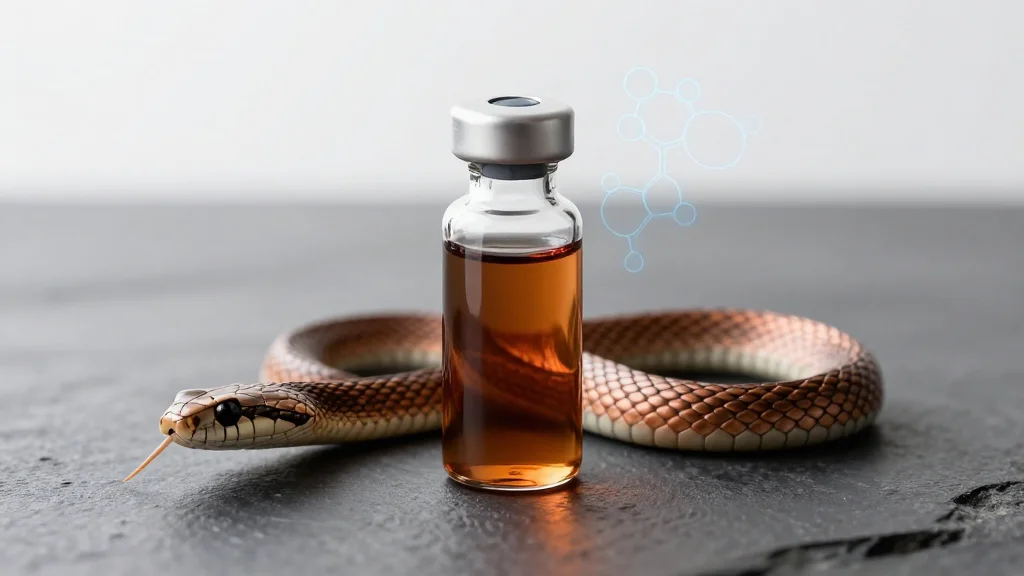
The Man Who Let Deadly Snakes Bite Him for 20 Years—And the Universal Antivenom Hiding in His Blood
A Wisconsin man, Tim Friede, let venomous snakes bite him for two decades, building a unique repertoire of antitoxin antibodies. Researchers at biotech firm Centivax isolated two of these antibodies and combined them with the toxin‑blocking drug varespladib, creating a...

To Counter China, FDA Chief Wants to Speed New Drug Trial Process
FDA Commissioner Marty Makary said the agency will slash the amount of non‑safety data required to launch new drug trials in the United States. The streamlined approach aims to eliminate redundant paperwork, focusing only on safety‑related information. Makary framed the...

Tobacco Plant Altered to Produce Five Psychedelic Drugs
Scientists at Israel's Weizmann Institute have engineered tobacco (Nicotiana benthamiana) to produce five psychedelic compounds—including psilocin, psilocybin, DMT, bufotenin and 5‑methoxy‑DMT—using agroinfiltration, a transient gene‑delivery method that does not integrate DNA into the plant genome. The approach leverages nine introduced...
Pfizer, BioNTech to Pause COVID Vaccine Study Due to Low Enrollment
Pfizer and BioNTech announced the suspension of a FDA‑mandated post‑marketing study of their COVID‑19 vaccine due to insufficient participant enrollment. The trial, aimed at 25,500 adults aged 50‑64, was designed to assess safety, immune response, and efficacy against infection. Companies...
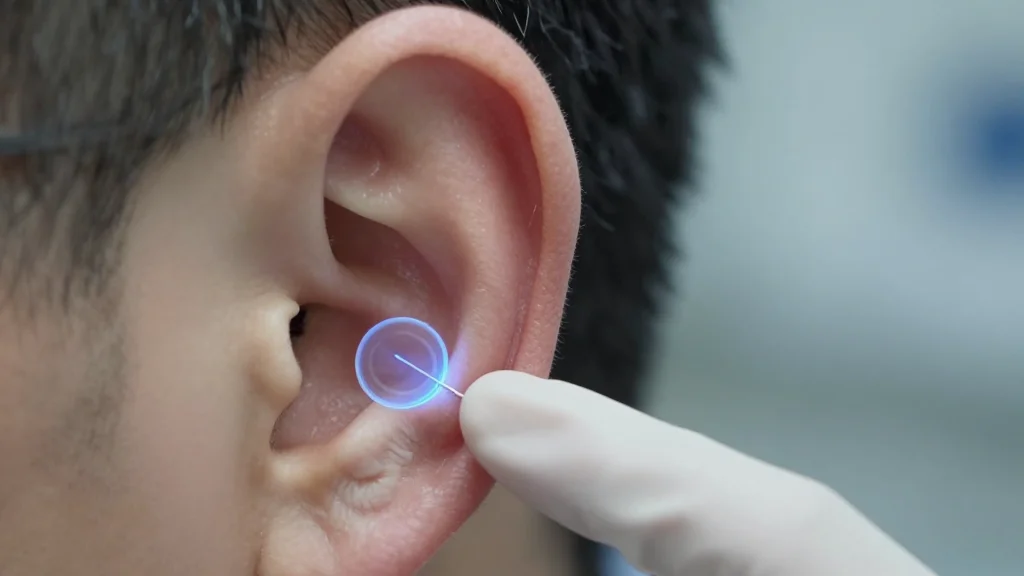
They Thought Their Hearing Was Gone Forever—Until Doctors Tried Something Radical
A 2025 Nature Medicine study showed that delivering a functional OTOF gene via an adeno‑associated virus dramatically improves hearing in patients with genetic deafness. Ten participants aged 1 to 24 across five Chinese hospitals experienced a reduction in hearing threshold...
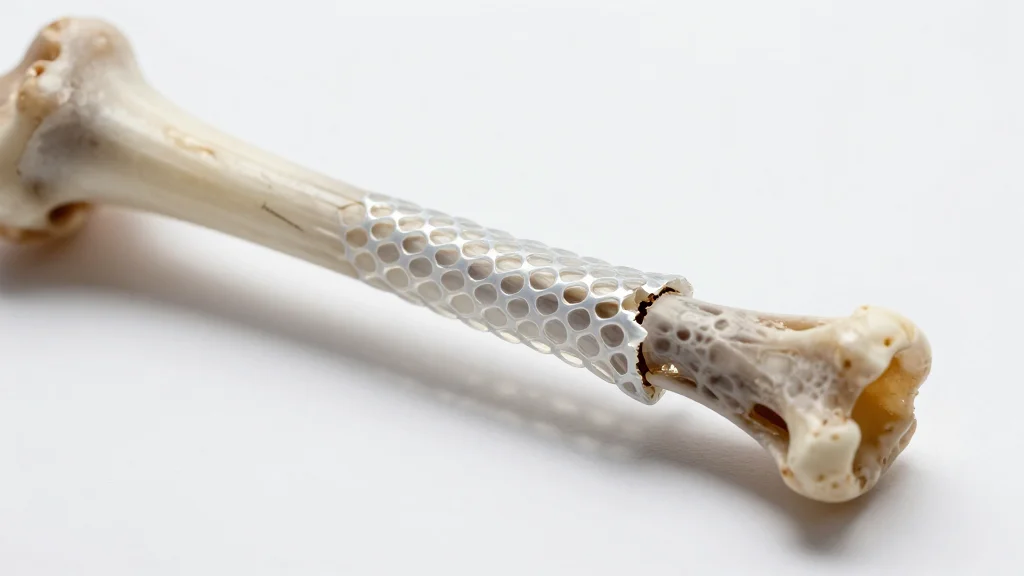
Graphene 'Scaffold' Recruits Bone Cells and Helps the Body Regenerate Fractures
Researchers in Brazil have created a graphene‑based scaffold that repaired nearly 90% of bone fractures in rats within a month, outperforming existing biomaterials. The scaffold combines graphene with chitosan‑xanthan polymers derived from waste black liquor, a pulp‑and‑paper by‑product. Acting as...
Kailera Plots IPO to Fuel Obesity Pipeline
Kailera Therapeutics, after raising $1 billion across a $400 million Series A and $600 million Series B, is preparing an IPO to fund its obesity drug pipeline. Its lead candidate, ribupatide, has delivered up to 23.6% weight loss in Phase 3 injectable trials and 12.1% loss...

Phage Sequencing Uncovers Germ Cell Tumor Signature
Researchers used high‑throughput phage display sequencing to map the protein landscape of germ cell tumors, uncovering a distinct molecular signature that differentiates malignant from benign testicular tissue. The study, led by a collaborative team from NYU Abu Dhabi and the...
20/20 BioLabs Expands Longevity Test with Kidney Risk Tech
20/20 BioLabs announced an exclusive U.S. license with South Korea’s ROKIT Healthcare to embed its chronic kidney disease (CKD) prediction algorithm into the company’s OneTest for Longevity platform. The addition expands the test beyond inflammation biomarkers to provide early kidney...

Enlivex Clears Pivotal FDA Hurdle in Knee Osteoarthritis
Enlivex has secured FDA Investigational New Drug (IND) clearance to launch a global Phase 2b trial of its immunotherapy Allocetra for moderate‑to‑severe age‑related knee osteoarthritis. The study will be randomized, double‑blind, and placebo‑controlled, building on promising Phase 1/2a data from 134 patients....

Loargys (Pegzilarginase) Wins FDA Nod for Ultrarare Metabolic Disorder After Earlier Setbacks
The U.S. FDA granted accelerated approval to Loargys (pegzilarginase‑nbln) for treating arginase‑1 deficiency (ARG1‑D), an ultrarare metabolic disorder affecting roughly 250 Americans. Loargys, a recombinant human arginase‑1 enzyme, is the first therapy shown to lower plasma arginine levels, achieving about...

FDA Open To More Data On Rare Disease Drug Ersodetug Despite Missed Phase 3 Endpoint
Rezolute announced that the FDA remains open to reviewing additional data from its Phase 3 trial of the rare‑disease hypoglycemia drug ersodetug, despite the study missing its primary efficacy endpoint. The agency’s willingness suggests the experimental therapy could still move toward...

Scientists Create Plant That Produces Ayahuasca, Shrooms, and Toad Psychedelics All At Once
Scientists have genetically modified tobacco plants to biosynthesize five distinct psychedelic compounds typically sourced from psilocybin mushrooms, ayahuasca vines, and the Sonoran Desert toad. The engineered pathway, detailed in a Science Advances paper, yields measurable amounts of psilocybin, DMT, 5‑MeO‑DMT...
New GLP‑1 Pill Approved: Orfoglipron Offers Easier Dosing
New GLP-1 pill approved Foundayo (orfoglipron). Not as much weight loss as oral wegovy but no issues with food or more liquid around taking it. Same price. Not April fools joke.

NEJM Review Overlooks Inflammation in GLP‑1 Drugs
A new review of the GLP-1 receptor drugs @NEJM https://t.co/PK03jApZWB surprisingly, the word inflammation only appears once, in this diagram https://t.co/1PeBakBAQb

Unraveling Sleep Genetics via Wearable Device Data
Researchers have conducted the largest genome‑wide association study (GWAS) to date using objective sleep metrics captured by accelerometer‑based wearables. By harmonizing millions of device‑derived sleep measurements with genotyping data, they identified dozens of novel genetic loci tied to duration, efficiency,...
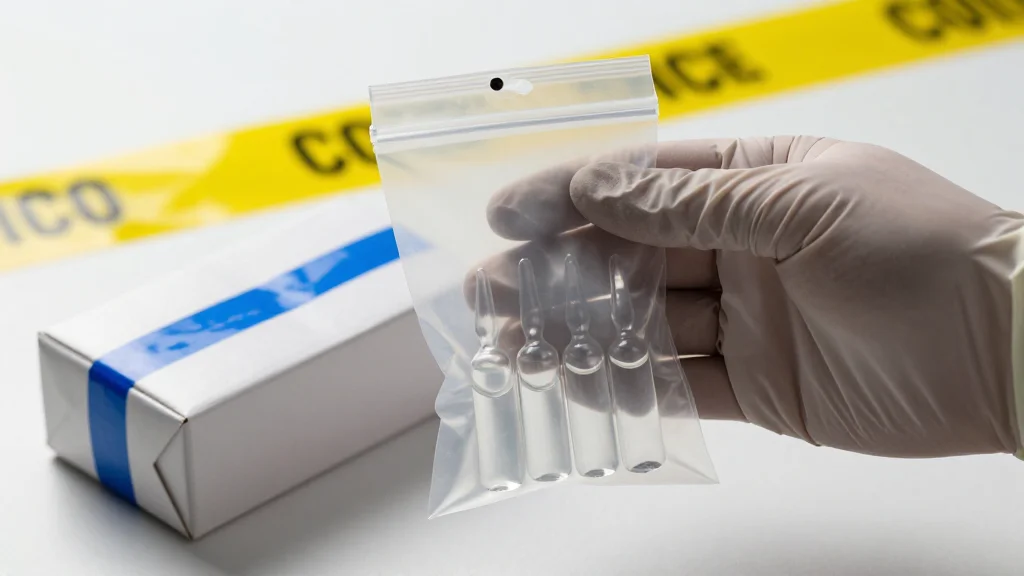
CBP and FDA Seize 5,000 Peptide Packages, Including GLP‑1 Drugs
5000 packages of peptides seized by CBP and FDA “The seized materials included several GLP-one medications such as retatrutide, semaglutide, and tirzepatide. Officers also found various other peptides prohibited by the U.S. Food and Drug Administration, including MOTS-C, TB10, semax, and...

Vitamin B3 May Undermine Pancreatic Cancer Chemotherapy
Title and header via the @cwru press release: New research reveals dangers of ‘anti-aging’ supplements in cancer protection Vitamin B3 could be making chemotherapy less effective in pancreatic cancer patients https://t.co/vIfcvuiS6P Discussion + thoughtful debate welcome👇👨⚕️ https://t.co/aHewoWeIle

Genome Editing Shows Promise for Sickle Cell, Β‑Thalassemia
3 new trial results for genome editing of sickle cell disease and β-thalassemia @NEJM https://t.co/qGGdjgKqP5 (with summary Table below) https://t.co/RdiM3urCKJ https://t.co/W15cPAfMoS https://t.co/F3PHKuktPx https://t.co/t6Z35S8L7h

New Early-Stage Cancer Drugs Emerge at AACR26
A look at some promising early stage drug developments coming down the pike at #AACR26. A few of these concepts were not on the radar a couple of years ago: https://t.co/w6oD4CEckq https://t.co/kfR1AXG41K

NAD+ Decline Drives Cardiac Aging; NR Restores Rhythm
NAD+ controls circadian rhythmicity during cardiac aging https://t.co/NNVx94IIC8 Fig. 2: Cardiac NAD+ decreases with aging, with restoration by supplementation with nicotinamide riboside. https://t.co/z4uSqKrYjR

IVNS1ABP Mutation Triggers Premature Aging and Neurodegeneration
A mutation in the IVNS1ABP gene causes a new disease combining premature aging and severe neurological decline by disrupting cell scaffolding, leading to DNA damage and “zombie-like” senescent cells. https://t.co/xtDrjy72h4
Reprogramming Caps at ~75% Epigenetic Age Reversal
🤣 That’s why we make sure the reprogramming technologies we develop can’t take cells back in epigenetic age more than ~75%

Light Therapy Eases Fatigue in Hashimoto’s Patients
The effect of photobiomodulation therapy on fatigue and behavioural status in patients with Hashimoto’s thyroiditis https://t.co/AJx5dvqHyw