Why Diverse Thinking Builds Better AI | Biotech Leadership with Fernando Bardella
In this episode, host Steve Swan talks with global biotech executive Dr. Fernando Bardellá about how diverse cultural and disciplinary backgrounds drive better AI and technology strategies in life sciences. Bardellá shares insights from moving from France to Boston, highlighting how French precision and Boston’s speed complement each other when balanced, and how his scientific curiosity—from nuclear research to entrepreneurship—shapes his advisory firm that helps companies scale globally while respecting local regulations and ethics. He emphasizes that diversity of thought is a multiplier, enabling more innovative, human‑centric AI solutions that serve patients worldwide.

Molecular Hydrogen as a Treatment for Chronic Fatigue Syndrome
Molecular hydrogen is emerging as a potential therapy for chronic fatigue syndrome (ME/CFS) by protecting mitochondria from oxidative damage and restoring cellular energy production. Pre‑clinical and early‑stage human trials show hydrogen‑rich water and inhalation improve endurance, lower blood lactate, and...
Regenerative Medicine Needs Data Over Hype
I recently had the opportunity to sit down with Scott Carney for a wide-ranging conversation on regenerative medicine, stem cells, peptides, and the growing gap between scientific promise and clinical reality. In the conversation, we dig into: – Why stem cell therapies...

This “Rotten Egg” Brain Gas Could Be the Key to Fighting Alzheimer’s Disease
Johns Hopkins researchers, funded by the NIH, identified the enzyme cystathionine γ‑lyase (CSE) as a critical source of hydrogen sulfide—a brain‑derived gas that supports memory formation. Mice lacking CSE displayed progressive spatial‑memory loss, oxidative stress, DNA damage, and blood‑brain‑barrier breakdown,...
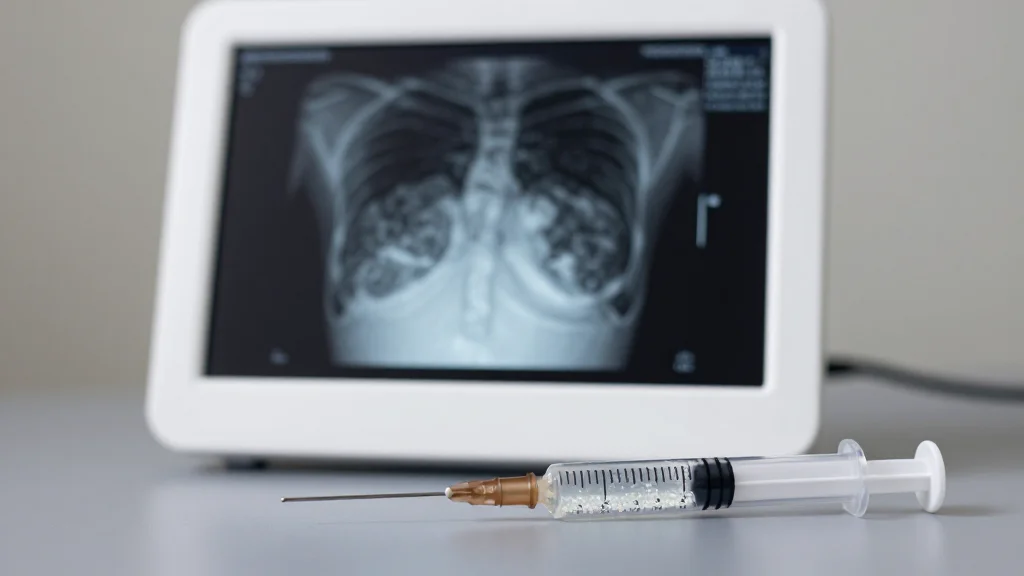
Dermal Filler Recently Approved by FDA Could Skew Breast Imaging Results, Experts Warn
The FDA approved Merz Aesthetics' Radiesse dermal filler for use in the décolleté area of adults 22 and older. Radiesse contains hydroxyapatite microspheres that can be visible on medical imaging, raising concerns that it may obscure breast tissue on mammograms....

Metformin Raises Exercise‑Mimic Molecule Lac‑Phe in Prostate Cancer Patients
Researchers at the University of Miami Miller School of Medicine reported that metformin increased blood levels of N‑lactoyl‑phenylalanine (Lac‑Phe) in 29 men with prostate cancer, a molecular signal normally triggered by intense exercise. The finding positions the inexpensive diabetes drug...
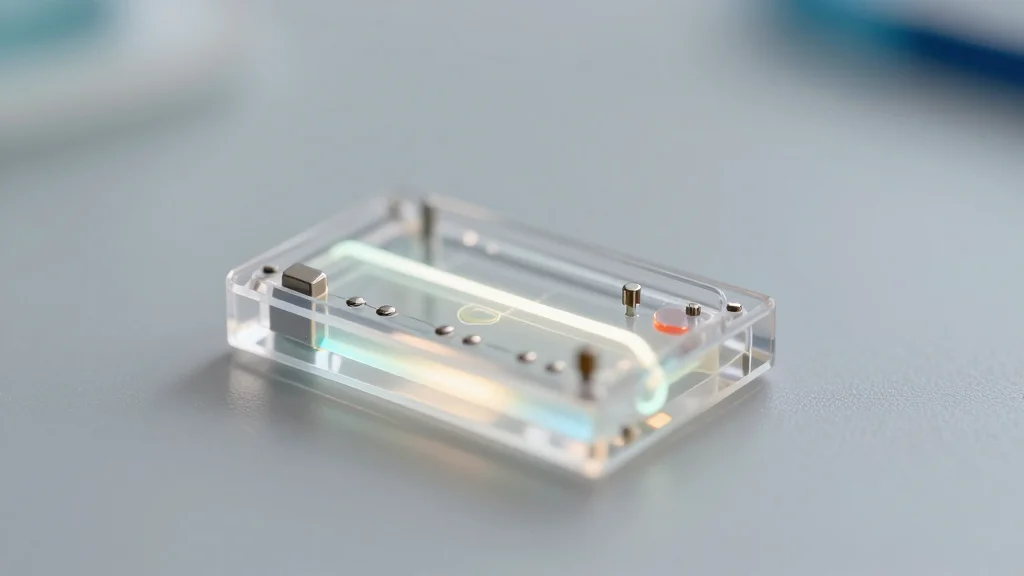
Joint‑on‑Chip Multi‑Sensor Platforms Enable Real‑Time Disease Monitoring
Researchers led by Mantegazza have integrated optical, electrical, mechanical and biochemical sensors into joint‑on‑chip (JoC) platforms, moving beyond endpoint analyses to continuous, real‑time monitoring of disease dynamics. The breakthrough promises more accurate models of osteoarthritis and rheumatoid arthritis and could...
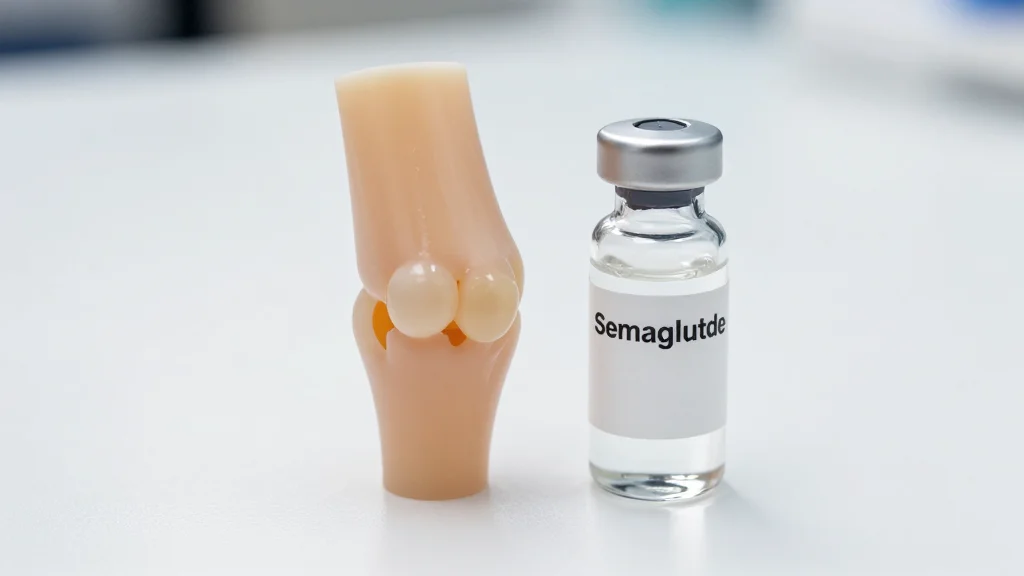
GLP-1 Drugs Shown to Fight Arthritis Independent of Weight Loss
A Chinese study found that semaglutide, a GLP‑1 drug best known for diabetes and weight‑loss treatment, can halt cartilage degradation and even thicken cartilage in osteoarthritis patients, independent of weight loss. In mice, only the semaglutide‑treated group showed reduced joint...
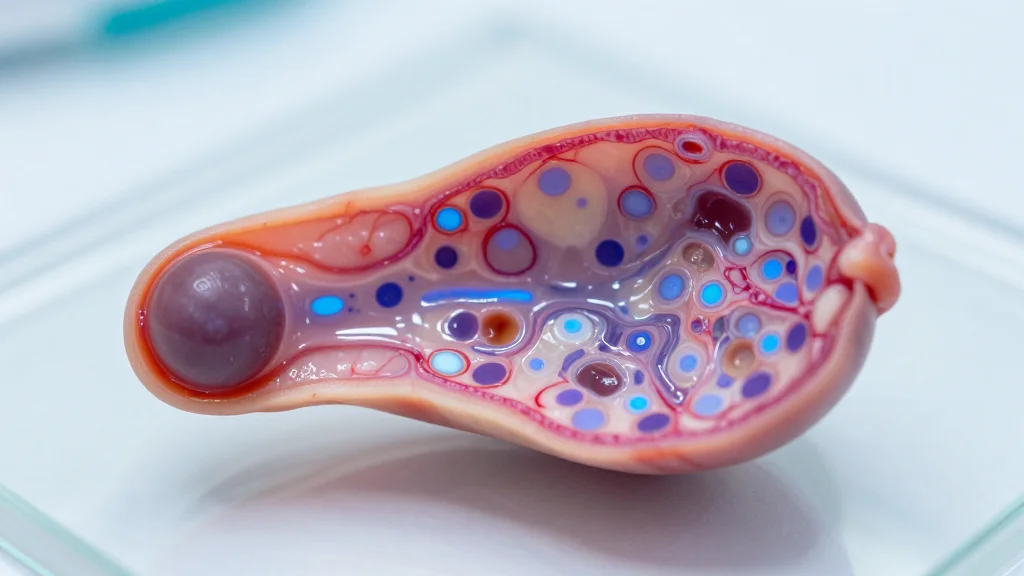
Single-Cell Atlas of Maternal–Fetal Interface Sheds Light on Pregnancy Complications
Scientists at UCSF have produced a comprehensive single‑cell atlas of the human maternal–fetal interface, analyzing about 200,000 cells from early gestation to term. The study combined single‑nucleus transcriptomics, chromatin accessibility, spatial transcriptomics and multiplex protein imaging to map cell types...
Long-Term Follow-Up Results of Topical Imiquimod for High-Grade Cervical Intraepithelial Neoplasia in Young Women: An Original Research
A retrospective single‑arm cohort studied topical imiquimod in nulliparous women under 35 with CIN 2/3 to avoid cervical excision. After eight weekly applications, 96% of lesions regressed to at least CIN 1 and 47% cleared high‑risk HPV. Long‑term follow‑up showed 81.6% complete...

GLP‑1 Drugs Cut Heart Events 20% as Health Systems Scramble to Adapt
Researchers and clinics in the UAE and the UK report that GLP‑1 medicines such as Wegovy and semaglutide reduce serious cardiovascular events by roughly 20%, while U.S. endocrinologists warn that health systems are unprepared for the surge in demand and...
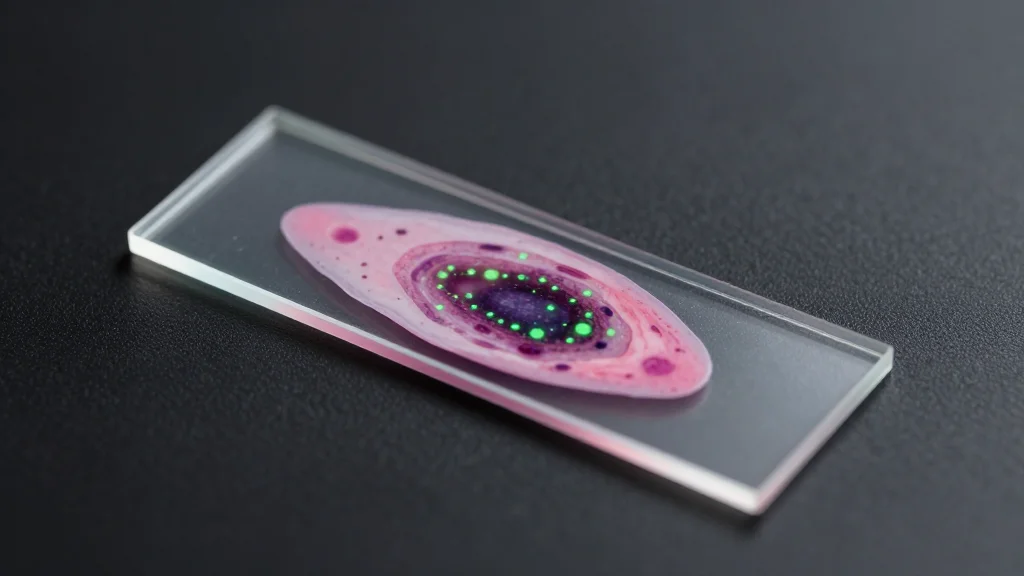
Engineered Bacteria Consume Tumor Core, Overcoming Drug Barriers
JUST IN: Scientists built bacteria that EATS cancer from the inside out. The future of cancer treatment isn't a drug. It's a living organism that devours tumors from the inside. Here's how it works: Solid tumors have a dead center. No oxygen. No...

World’s First Lab‑Grown T‑Rex Leather Handbag Debuts in Amsterdam
A collaboration of VML, The Organoid Company and Lab‑Grown Leather Ltd. unveiled the world’s first handbag made from lab‑grown T‑Rex leather at Amsterdam’s Art Zoo Museum on April 2, 2026. Designed by techwear label Enfin Levé, the piece demonstrates a...

SIRT6 Gene Therapy Remains Safe, Effective in Aged Beagles
Genflow sees sustained safety and efficacy in SIRT6 beagle trial 🐶 “Genflow Biosciences reported that three-month follow-up data from its SLAB trial in aged beagles show sustained safety and efficacy of its SIRT6 centenarian gene therapy, with no adverse events and...

USP Researchers Use Nanofibers to Speed Soybean Germination in Brazil
Researchers at the University of São Paulo have created an electrospun cellulose‑acetate nanofiber system loaded with zinc oxide nanoparticles and gibberellic acid that accelerates soybean seed germination. Laboratory tests showed faster root growth and higher seedling vigor over a seven‑day...
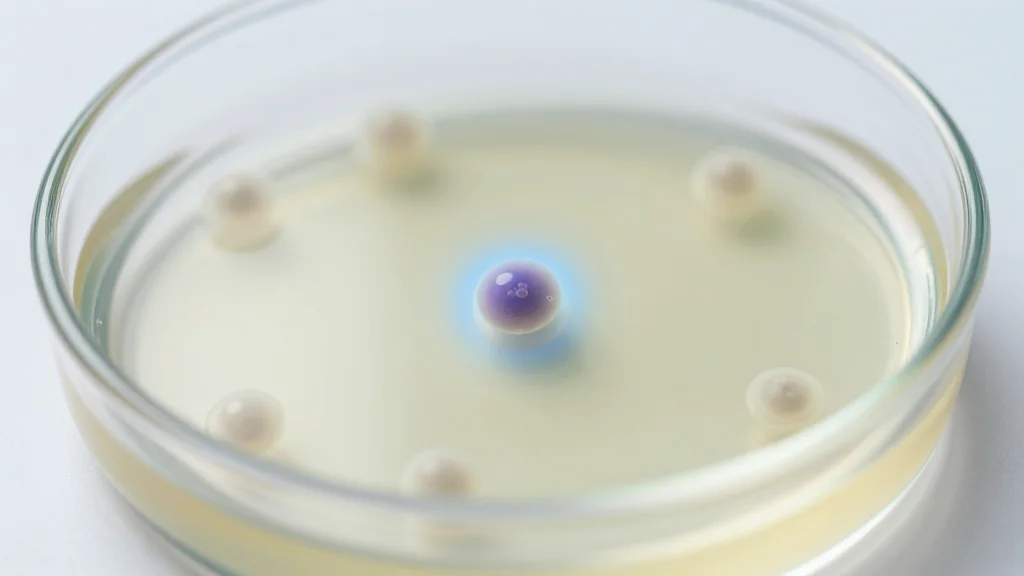
A 'Stemness Checkpoint' Helps Control Stem Cell Identity
Researchers from USC and the NIEHS have identified the protein GSK3α as a universal "stemness checkpoint" that governs differentiation across multiple stem‑cell types. Inhibiting GSK3α allowed mouse embryonic stem cells and epiblast stem cells to retain their distinct identities even...

Daily Briefing: A Treatment to Reverse Cellular Ageing Is About to Be Tested in People
Researchers are preparing the first human trial of a "partial reprogramming" therapy that uses targeted protein expression to reverse cellular ageing. The approach, derived from stem‑cell reprogramming techniques, has shown organ‑level rejuvenation in mice and could, if safe, reshape how...

One Woman, Three Autoimmune Diseases: CAR-T Therapy Vanquishes Ultra-Rare Disease Trio
German researchers used a single dose of engineered CAR‑T cells to treat a 47‑year‑old woman suffering from three ultra‑rare autoimmune diseases—autoimmune haemolytic anaemia, immune thrombocytopenia, and antiphospholipid syndrome. After previous failures with steroids and nine other therapies, her own T...
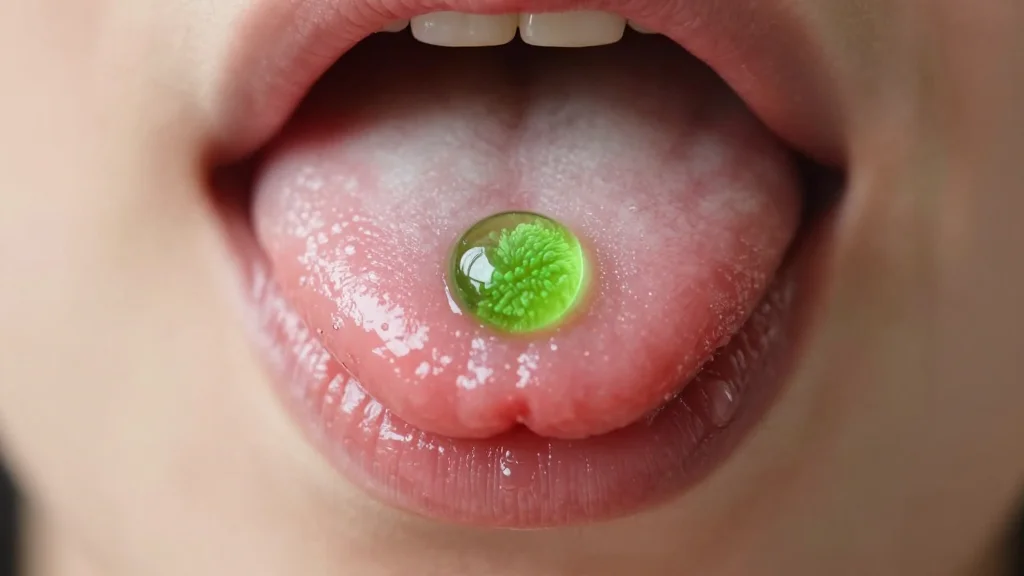
The Cognitive Benefits of Nitrate in Patients with Alcohol Use Disorder: Unraveling the Oral Microbiome Ectopic Colonization Pathway
A 2025 clinical trial found that dietary nitrate supplementation improves cognitive performance in patients with alcohol use disorder (AUD). The benefit was traced to a reshaping of the oral microbiome, which increased nitrate‑reducing bacteria and limited ectopic colonization of oral...

Nxera Pharma Achieves Second Development Milestone in Collaboration with Eli Lilly Targeting Metabolic Diseases
Nxera Pharma announced it has reached a second development milestone in its multi‑target collaboration with Eli Lilly, triggering an undisclosed payment. The achievement validates Nxera’s NxWave™ GPCR structure‑based platform for identifying small‑molecule binders. Under the 2022 agreement, Lilly will now lead...

Singapore: Smart, Personalised and Data-Driven Healthcare
Singapore is channeling a S$37 billion (≈US$27 billion) investment through its Research, Innovation and Enterprise 2030 plan to cement its status as a global biomedical hub. The plan’s first Grand Challenge, Maximising Healthy and Successful Longevity, targets ageing‑related health issues with a...

Hong Kong: Leading the Way in Smart Biopharmaceutical Innovation
The University of Hong Kong has signed a strategic research agreement with a leading pharmaceutical company to fast‑track drug discovery in Hong Kong. The partnership centers on anti‑infective therapies, leveraging advanced synthetic chemistry and chemical biology to create novel candidates...

Organ-on-Chip Integrated Into Preclinical Glioblastoma Research
German biotech Dynamic42 and oncology firm EPO have formed a strategic partnership to embed organ‑on‑chip technology into preclinical glioblastoma research. The collaboration merges Dynamic42’s human‑based blood‑brain barrier‑on‑chip platform with EPO’s tumor models and translational expertise, targeting more predictive drug testing....

Malaysia, Australia Empower Women to Lead in Biotechnology Innovation
Malaysia and Australia launched an inaugural biotechnology session aimed at boosting women’s leadership in high‑growth sectors such as vaccine manufacturing and bioprocessing. The partnership aligns with Malaysia’s 2021‑2030 STI policy and Biotechnology Policy 2.0, leveraging Australia’s life‑science expertise and Malaysia’s strong...
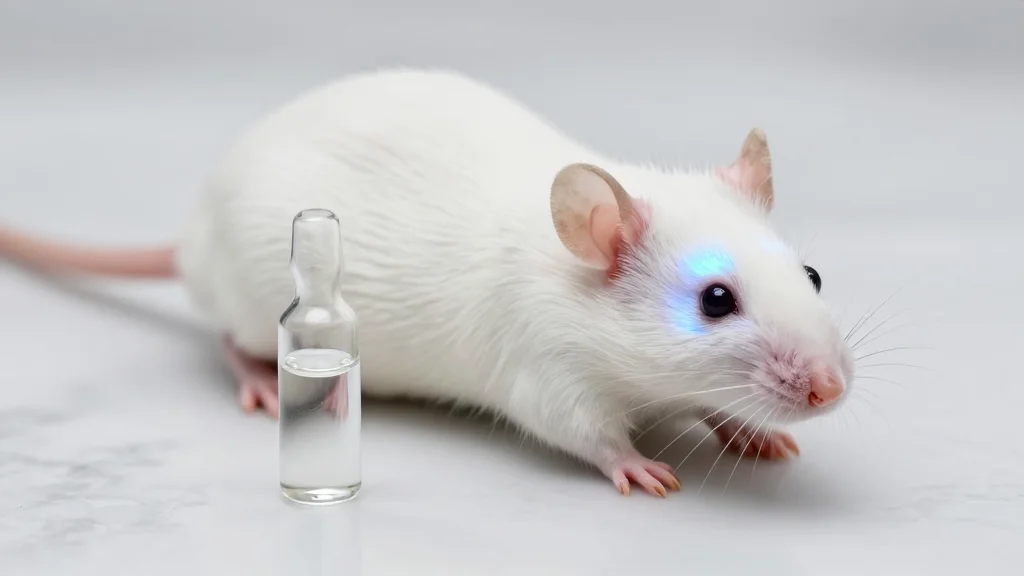
Single Gene Therapy Dose Eradicates Brain Tumors in Mice
GENE THERAPY SAFELY ERADICATES BRAIN TUMOURS IN MICE A single dose of an innovative gene therapy could eliminate hard-to-treat brain tumours and prevent them from coming back, according to a pre-clinical trial in mice, reported in Nature. “More than 80 per cent...

Blaine Labs, Inc Issues Voluntary Nationwide Recall of Wound Care Gel Products Due to Microbial Contamination
Blaine Labs, Inc. announced a voluntary nationwide recall of three lot numbers of its Revitaderm® and Tridergel™ wound‑care gels after detecting the environmental bacterium Lysinibacillus fusiformis. The affected products, 1‑oz and 3‑oz bottles containing 0.1% benzalkonium chloride, were distributed to...
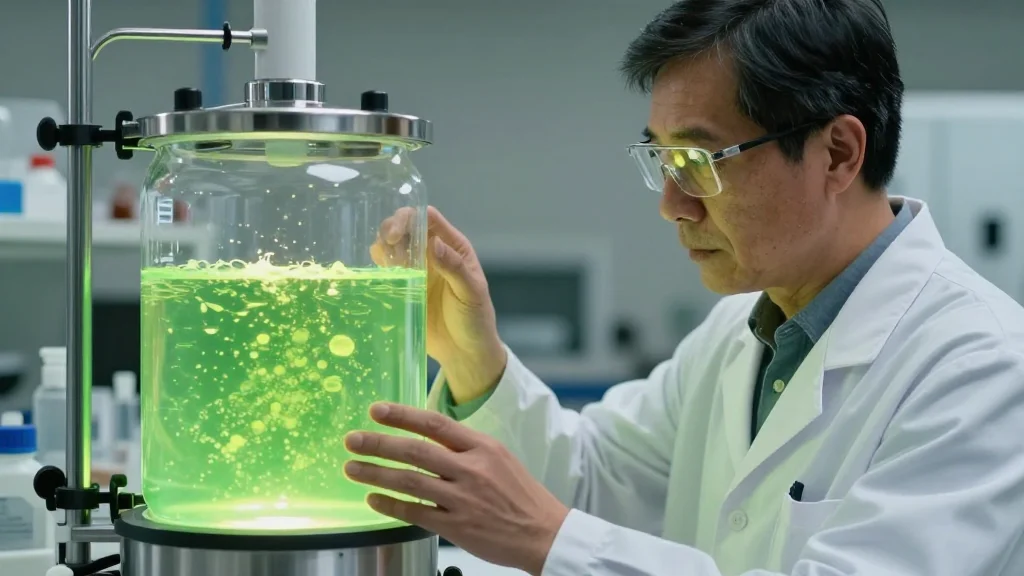
Tackling Translation: The Parker Institute Model
The Parker Institute for Cancer Immunotherapy marks its tenth anniversary by spotlighting a deliberate approach to translating scientific discoveries into medicines. Founder Karen Knudsen notes that while U.S. discovery remains strong, the nation struggles with moving breakthroughs through development pipelines....

Tumor-Inspired Microparticles Reprogram Fat Cells and Improve Insulin Sensitivity
Researchers have engineered injectable silica microparticles that mimic the nanoscale surface roughness of invasive cancer cells, stripping away all biological material. When cultured on these tumor‑inspired topographies, mouse adipocytes rapidly lose their mature phenotype, become multipotent stem‑like cells, and exhibit...

'No One Knows What They Are': Researchers Discover New Type of Cell That's Seen only During Pregnancy
Scientists at UCSF have produced a comprehensive single‑cell atlas of the human placenta and uterus, analyzing roughly 1.2 million cells from weeks 5 to 39 of gestation. The study uncovered a previously unknown cell subtype, decidual stromal cell 4 (DSC4), which appears only during...
Imaging AI Targeting Parkinson's Earns FDA's De Novo Classification
Neuropacs Corp. received FDA De Novo classification for its AI‑driven MRI software that differentiates Parkinson’s disease from atypical parkinsonian syndromes. The tool quantifies MRI patterns of multiple system atrophy Parkinsonian variant and progressive supranuclear palsy, achieving a 96% AUC in...

Life Bio’s Trial: Is the FDA Warming to Rejuvenation?
Life Biosciences received FDA clearance for its ER-100 investigational new drug, marking the first human trial of a cellular reprogramming therapy aimed at the eye. The Phase 1 study will enroll patients with glaucoma or non‑arteritic anterior ischemic optic neuropathy, emphasizing...

AI Drug Discovery: Hype Overwhelms Real Clinical Success
AI Drug Discovery – Revolution or Expensive Illusion? | Ep. 978 https://t.co/YLQ8QNlnWv [ 00:34 ] Billions into AI drug discovery [ 01:04 ] AI doesn’t cure diseases [ 01:38 ] Expensive illusion vs reality [ 02:23 ] Original pitch inefficiency problem [ 03:48 ] Only 10...
Fish Oil Supplement May Heighten CTE Risk After Brain Injury, Study Finds
Researchers at Cold Spring Harbor Laboratory and the Medical University of South Carolina discovered that eicosapentaenoic acid (EPA), a key component of fish oil, disrupts the brain’s repair mechanisms after traumatic injury in mice, potentially raising the long‑term risk of...
Lynavoy (Linerixibat) Wins FDA Approval for Rare Liver Disease After Alfasigma-GSK Licensing Deal
Alfasigma secured FDA approval for Lynavoy (linerixibat), the first U.S. therapy specifically indicated for cholestatic pruritus in primary biliary cholangitis (PBC). The approval follows a March licensing agreement with GSK that could be worth up to $690 million, including a $300 million...
Gilead to Acquire Germany's Tubulis for Up to $5 B, Boosting ADC Portfolio
Gilead Sciences agreed to buy German biotech Tubulis for $3.15 B in cash, with up to $1.85 B in contingent payments, expanding its antibody‑drug conjugate pipeline. The deal comes as Organogenesis shares jump 6.5% after a successful diabetic foot ulcer trial, underscoring...
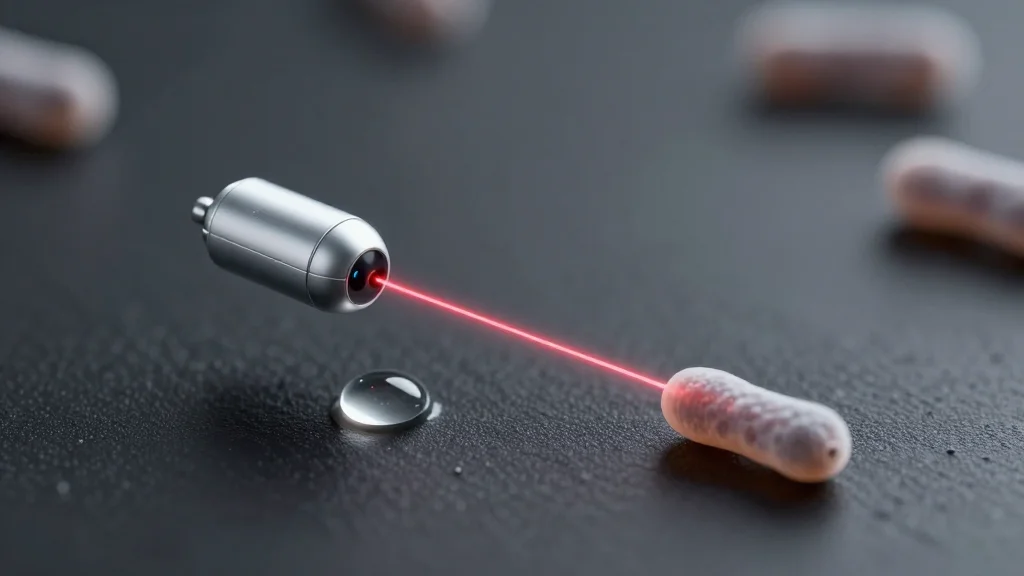
Researchers Unveil Sub‑micron Light‑driven Nanorobots that Capture and Remove Bacteria
A team of scientists announced the creation of sub‑micrometer nanorobots powered by a 980 nm laser that can capture and transport bacteria. The bots, 920 nm in diameter and weighing 0.26 pg, reach speeds of 50 µm/s and demonstrate precise, programmable trajectories, marking a...

Synthetic Biology Platform Outpaces De‑extinction Hype
Most people hear “bring back the woolly mammoth” and say, “impossible.” Colossal might be considered a de-extinction company, but Ben Lamm is actually building a synthetic biology platform with consequences that could be much bigger than bringing back mammoths. -- $10B...
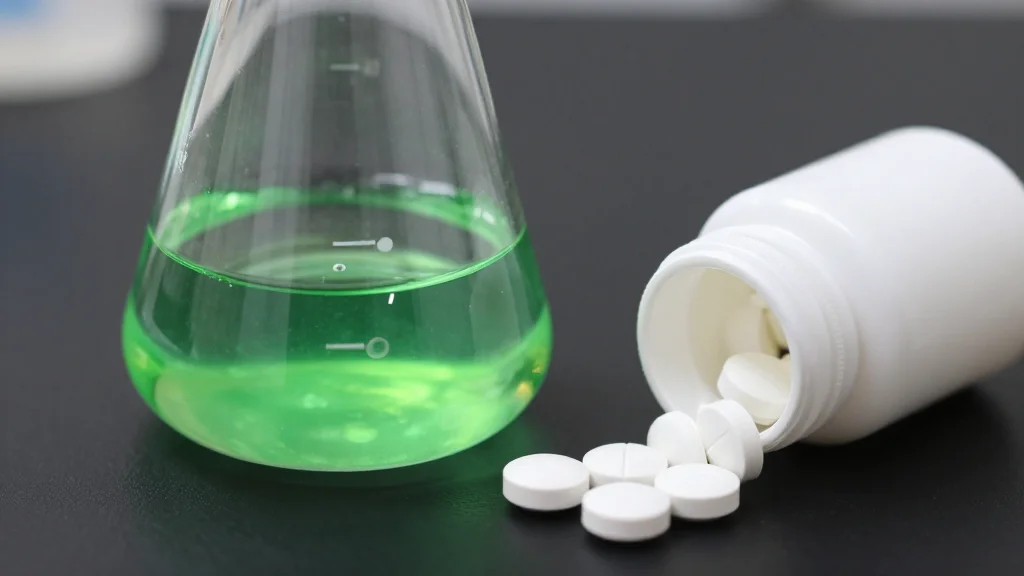
Key Differences Between Biotechnology and Pharmaceutical Industries
The article clarifies that biotechnology firms develop medicines using living organisms, while pharmaceutical companies rely on synthetic chemical processes. It highlights the rapid growth of the biotech sector, projecting a global market of $6.34 billion by 2035, and notes that biotech...
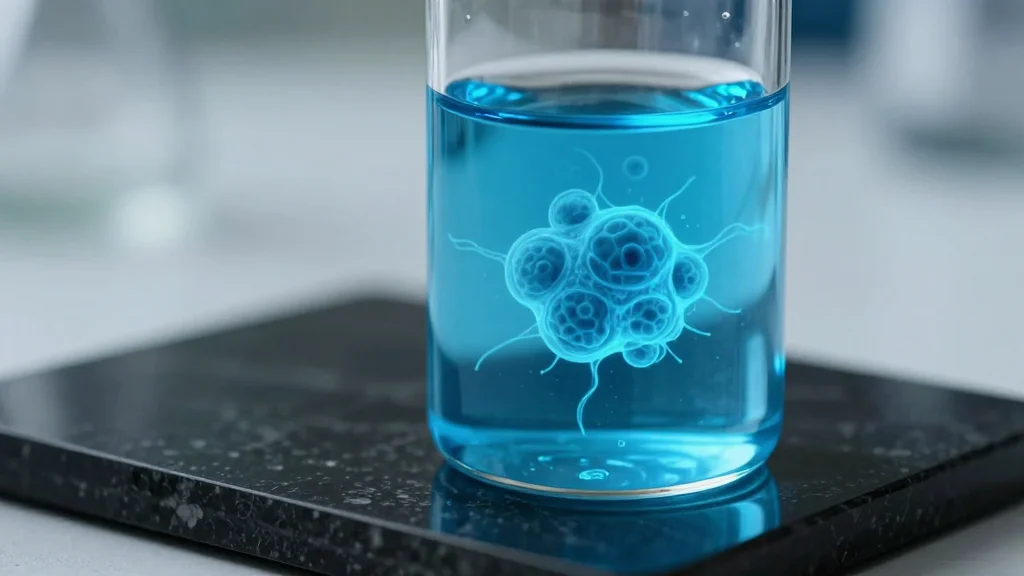
Neuroblastoma Tumor Growth in Mice Suppressed by Blocking Enzyme to Inhibit mTOR Signaling
Researchers at The Hebrew University of Jerusalem identified neuronal nitric oxide synthase (nNOS) as a driver of neuroblastoma growth and showed that its inhibition suppresses mTOR signaling. Using the selective inhibitor BA-101 and siRNA knock‑down, they reduced nitric oxide production,...

New Catalyst Quickly Builds Complex Molecules for Drug Discovery
A new catalytic method enables rapid, selective synthesis of branched molecules from simple, inexpensive reagents, streamlining early drug discovery and expanding access to complex molecular architectures. drugdiscovery

New Trial Compares Dara‑Bor‑Dex vs Cy‑Bor
EAA241 - Ph 2 RCT Dara-Bor-Dex vs Cy-Bor-Dex in the treatment of Newly Diagnosed Multiple Myeloma with Light Chain Cast Nephropathy (LCCN) [Study activated 8/11/25] @keruakous https://t.co/1NgvVZ3fTA #NCT07085728 #mmsm @eaonc https://t.co/18HJ5kRuNj
Life Biosciences Secures $80 Million Series D Financing
Life Biosciences announced the close of a fully‑subscribed $80 million Series D financing. The capital will fund operations through the second half of 2027, enabling the company to complete its Phase 1 trial of ER‑100. It also supports further development of the Partial...
Phase
#EAOnc EQUATE EAA181 Effective Quadruplet Utilization After Tx Evaluation: Ph3 RCT NDMM Not Intended for Early ASCT [Activated: 10/27/20] PI= @myelomaMD https://t.co/qD26HMx3J8 #NCT04566328 #mmMRD #mmsm @eaonc @mweissmdphd @VincentRK @LynneWagnerPhD Wei Snyder Kostakoglu @mtmdphd

Dietary Amino Acid Restriction Shows Promise Against Pediatric Brain Cancer
Can rebooting the diet, eliminating 2 essential amino acids, help treat an aggressive brain cancer in children? mechanism and potential established from experimental model https://t.co/wmAFM2ErRB https://t.co/PAOr5SL30y

Biotech M&A Spree Helps Lead SBIO to March Gains
Biotech merger‑and‑acquisition activity surged in March, with 22 deals worth about $36 billion, propelling the ALPS Medical Breakthroughs ETF (SBIO) up 8.4% for the month. Two of SBIO’s top holdings—Day One Biopharmaceuticals and Apellis Pharmaceuticals—became acquisition targets in transactions totaling $8.1 billion,...

Trust, Not Software, Drives GLP‑1 Startup Success
If anyone can build a GLP-1 company for $50K, what actually separates the winners? I asked Josh Tauber and @keatonbedell on Lifers, their answer: not software. Trust. WATCH/LISTEN: Spotify: https://t.co/hrs0ZbILVz Apple: https://t.co/e8IxsoZ2bB Youtube: https://t.co/ORjNyzcOli

Keratin May Act as a 'Brake' For Skin Inflammation, Pointing to Potential Treatments
Researchers at the University of Michigan discovered that keratin 16, a structural protein in skin, acts as a molecular brake on inflammation. Mutations or loss of the KRT16 gene caused a surge in type I interferon signaling, leading to severe skin inflammation...
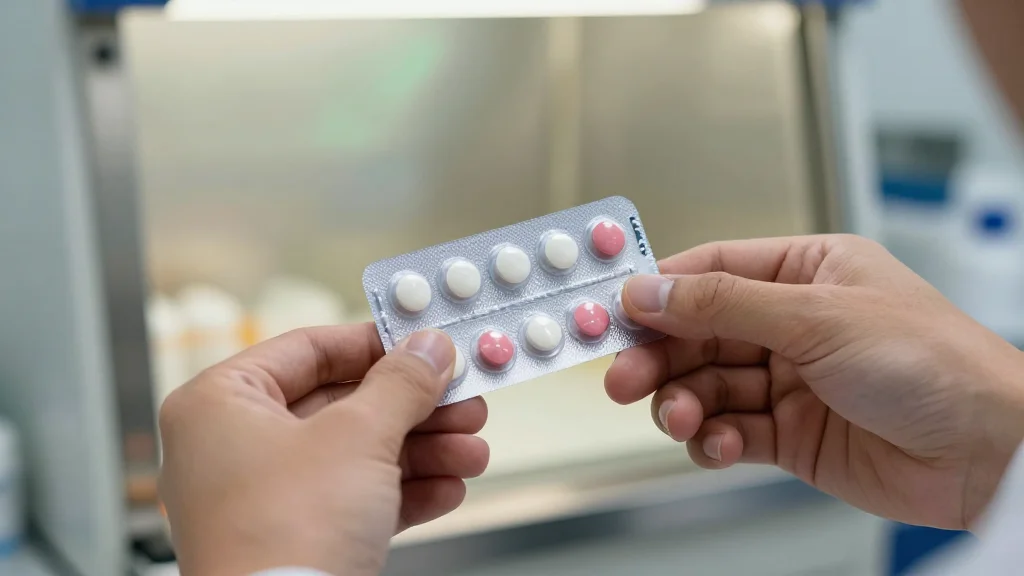
Lupin Shares to Be in Focus on Thursday as USFDA Approves Dapagliflozin and Metformin Tablets
Lupin announced U.S. FDA approval of its dapagliflozin and metformin hydrochloride extended‑release tablets, covering four dosage strengths and matching the brand Xigduo XR in efficacy. The approval follows the company’s recent acquisition of European eye‑care specialist VISUfarma, which contributed roughly $58 million...

CorTec Becomes First German BCI Company to Get FDA Breakthrough Designation
The U.S. FDA granted Breakthrough Device designation to CorTec GmbH’s Brain Interchange, a fully implantable brain‑computer interface aimed at stroke rehabilitation. The system combines cortical signal recording with adaptive electrical stimulation in a closed‑loop platform to restore motor function. CorTec...
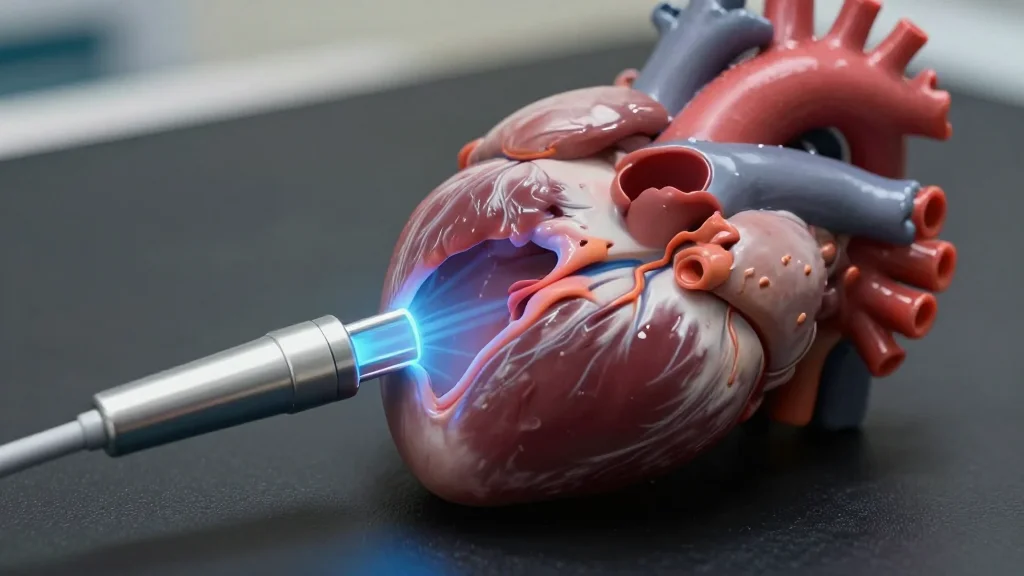
First Patients Treated in New PFA Trial
Pulse Biosciences has begun treating the first U.S. patients in the NANOPULSE‑AF pivotal trial using its nPulse nanosecond pulsed field ablation system for drug‑resistant paroxysmal atrial fibrillation. The device delivers five‑second, non‑thermal lesions without catheter repositioning, achieving a median 21‑minute...