
Extracellular Vesicles: A Growing Pipeline Still Searching for Validation
Extracellular vesicles (EVs), once hailed as natural delivery vehicles, have generated a sizable pipeline but no approved therapeutics yet. More than 90 clinical studies are evaluating both native MSC‑derived vesicles and engineered platforms for regeneration, gene editing, and vaccines. Companies such as Aegle Therapeutics, Evox Therapeutics, and Capricor are advancing phase 1/2 or phase 3 trials, yet technical, manufacturing, and regulatory challenges persist. The field now splits into three models—regenerative EVs, engineered delivery EVs, and EV‑based vaccines—each seeking a clear path to validation.
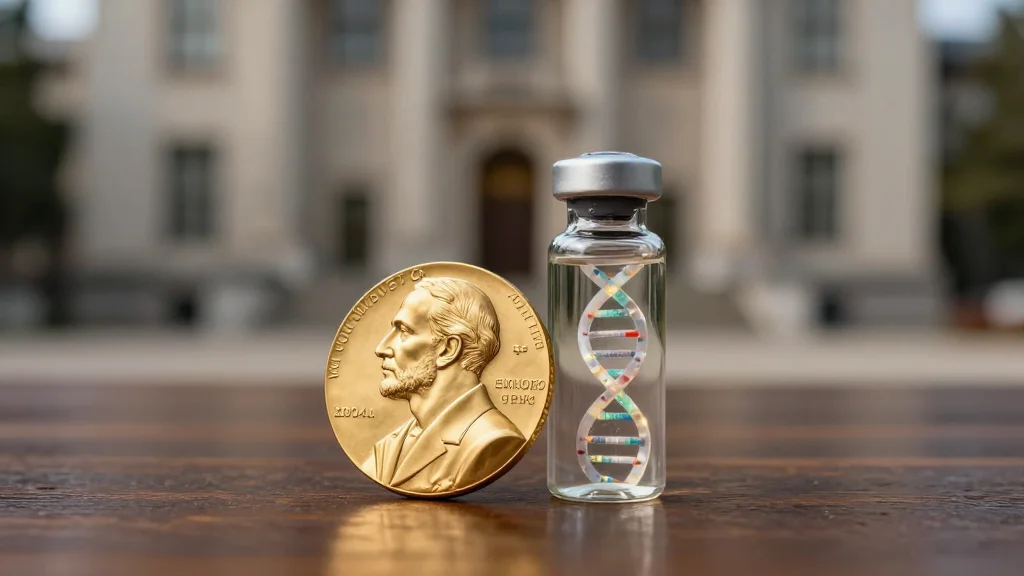
MRNA Pioneer Katalin Karikó to Give Johns Hopkins Commencement Address
Nobel laureate Katalin Karikó will deliver the commencement address at Johns Hopkins on May 21. Karikó, whose mRNA work underpins the Pfizer/BioNTech and Moderna COVID‑19 vaccines, will receive a Doctor of Humane Letters. Her career, marked by early setbacks and decades‑long...

SLAS Announces the Cohort for Innovation AveNEW at SLAS Europe 2026
SLAS announced the twelve startups selected for its Innovation Ave NEW program at the SLAS Europe 2026 conference in Vienna. The cohort, representing companies from seven countries, will showcase new laboratory‑automation and discovery technologies on a dedicated exhibition floor. SLAS will cover...

Insmed Scraps Skin Plans for Lung Disease Drug as Competitors Make Headway
Insmed announced it will drop development of its lung‑disease drug Brinsupri for hidradenitis suppurativa after the Phase 2b CEDAR trial showed no efficacy, with placebo outperforming both tested doses. The study also missed secondary endpoints, prompting the company to cease the...

Asthma Exacerbations Drop with Medium-Dose ICS to Biologic Switch
A recent analysis of 2016‑2023 Optum claims data shows that asthma patients who switched from a medium‑dose inhaled corticosteroid (ICS) directly to a biologic experienced markedly larger reductions in exacerbations and systemic corticosteroid fills than those who escalated to high‑dose ICS....

Nuvalent Reports the US FDA’s NDA Submission for Neladalkib to Treat ALK-Positive NSCLC
Nuvalent has submitted a New Drug Application to the U.S. FDA for neladalkib, an ALK‑selective inhibitor intended for patients with advanced ALK‑positive non‑small cell lung cancer (NSCLC) who have progressed after prior tyrosine‑kinase inhibitor (TKI) therapy. The filing is backed...

Women Have Awaited a Revolution in Menopause. It Hasn’t Arrived.
The menopause market has surged to roughly $17 billion, driven by celebrity awareness and telehealth startups, yet scientific backing lags behind demand. Only about 6 % of private healthcare funding is allocated to women’s health, leaving many treatments unproven and clinical guidance...

Lilly’s Foundayo Nod Launches New Battle With Novo, M&A Mania Continues, Tariffs Hit Pharma
Eli Lilly received FDA approval for its oral obesity drug Foundayo (orforglipron), sparking a direct rivalry with Novo Nordisk’s Wegovy pill, which posted a modest efficacy edge in Phase 3 trials. The drug’s convenience—no water required—could differentiate it in a crowded market. Meanwhile,...

New Orexin‑Mimicking Agents Promise Disease‑Modifying Narcolepsy Therapy
Researchers announced a new class of orexin‑mimicking agents that directly address the neuropeptide deficiency underlying Type 1 narcolepsy. Highlighted in Nature Biotechnology, the drugs aim to replace missing orexin signaling, offering a potential disease‑modifying alternative to stimulant‑based symptom control.
Google Teams with Singapore’s AMILI to Launch $584 Gut‑Microbiome Nutrition App
Google and Singapore‑based microbiome firm AMILI announced the rollout of AMILI Optimise, a personalized nutrition app that blends gut‑microbiome analysis, continuous glucose monitoring and AI. The eight‑week program will cost SGD 750 (≈US $584), with a launch‑promotion price of SGD 400 (≈US $312).

First Human Data for Rubedo Life Sciences' Senolytic Drug RLS-1496
Rubedo Life Sciences reported preliminary Phase 1 data for RLS‑1496, the first topical GPX4‑modulating senolytic tested in humans. The double‑blind, vehicle‑controlled study in the EU evaluated safety, tolerability and early efficacy in plaque psoriasis, atopic dermatitis and photo‑aged skin. Results showed...
A High Dose of Wegovy Will Cost $50 Less than Zepbound
Novo Nordisk introduced Wegovy HD, a high‑dose GLP‑1 injection priced at $399 per month, $50 less than Eli Lilly’s Zepbound at $449. The new 7.2 mg dose triples the previous 2.4 mg maximum, aiming to boost weight‑loss efficacy. Novo’s shares jumped 2.7% following...
Holivita’s AI Platform ‘Our Bodies Speak a Language’ Targets Preventive Health and Aging Research
Holivita’s AI-driven platform, dubbed “Our Bodies Speak a Language,” combines foundational biological data with large‑scale clinical records to uncover hidden health patterns. Scientist Dmitry Chebanov says the system could shift medicine from reactive treatment to proactive prevention, especially in aging...

Insmed Shelves Brinsupri in Skin Disease After Mid-Stage Flop
Insmed announced it is discontinuing development of Brinsupri for hidradenitis suppurativa (HS) after a Phase 2b trial failed to meet its primary endpoint. The drug, originally pursued for sinus inflammation, had already been shelved in that indication last year. The...

Prodrug‑Tethered Lipid Nanoparticles Deliver Dual mRNA‑Drug Therapy for Solid Tumors
Researchers in Michael Mitchell’s lab at the University of Pennsylvania have engineered lipid nanoparticles that simultaneously carry mRNA and a linked drug, creating a combined immunotherapy platform for solid tumors. The new prodrug‑tethered LNPs aim to activate immune cells while...

Evotec Posts 103% Q4 EBITDA Jump as Investors Press for U.S. Listing of Just Biologics
Evotec SE reported a 103% rise in Q4 adjusted EBITDA to €58 million and a 14% revenue increase, driven by a €65 million Sandoz license payment. At the same time, activist investor MAK Capital is urging the firm to spin off its...

Falling Out of Love on Obesity Medicines?
Recent media stories claim experimental obesity drugs like retatrutide cause people to lose romantic feelings and could trigger a divorce surge. The Guardian and Telegraph pieces rely on TikTok anecdotes and indirect data from bariatric surgery, not clinical evidence. Experts...
Nurix Therapeutics Reports First Quarter 2026 Financial Results and Provides a Corporate Update
Nurix Therapeutics reported Q1 2026 results, highlighting ongoing enrollment in the Phase 2 DAYBreak CLL‑201 trial and plans to launch a global Phase 3 DAYBreak CLL‑306 confirmatory study by mid‑year. The company also advanced a new tablet formulation of bexobrutideg to support an...

Bridging the Precision Gap: Accelerating Clinical Adoption of Companion Diagnostics in Oncology
Companion diagnostics (CDx) are central to precision oncology, yet clinical adoption lags due to lengthy evidence generation, regulatory hurdles, and reimbursement challenges. The article outlines three core bottlenecks—clinical validation, workflow integration, and payer coverage—that can stretch implementation timelines to a...

Jeito Capital Raises Record US$1.2bn to Bankroll European Biopharma’s Next Generation
Jeito Capital closed its second biopharma fund, Jeito II, at a record $1.2 bn (about €1 bn), making it the largest raise for an independent European biotech‑focused PE firm. The fund will back 15‑20 clinical‑stage companies, allocating roughly $162 m per position across obesity,...

Hemispherian Initiates Phase 1/2a Clinical Trial of GLIX1 in Glioblastoma
Hemispherian AS announced the initiation of a first‑in‑human Phase 1/2a trial of GLIX1 in patients with recurrent glioblastoma and other high‑grade gliomas. GLIX1 is an oral, first‑in‑class small‑molecule TET2 activator that induces tumor‑selective DNA damage and has demonstrated potent preclinical efficacy,...
RoosterBio and MineBio Team up to Expand MSC Solutions Access in China
RoosterBio has signed an exclusive distribution agreement with MineBio Life Sciences to bring its research‑grade and cGMP‑grade mesenchymal stem cell (MSC) and exosome bioprocessing media to China. MineBio has already secured import clearance, allowing rapid fulfillment of orders for both...

FDA Seeks Input on Digital Health Technologies in Clinical Investigations for Drugs and Biological Products
The FDA has issued a Federal Register notice seeking stakeholder input on the use of digital health technologies (DHTs) in clinical investigations for drugs and biologics. The agency asks for comments on regulatory challenges, guidance needs, and topics for future...

Foray Bioscience and Z’s Nutty Ridge Partner to Scale Hazelnut Trees With Fabricated Seed Technology
Foray Bioscience has entered a three‑year partnership with New York‑based Z's Nutty Ridge to develop fabricated seeds for the nursery’s proprietary hybrid hazelnut varieties. The deal includes a multi‑million‑dollar forward purchase agreement that aims to accelerate the rollout of cold‑hardy,...

Controlling Diabetes without Insulin Injections Thanks to New Implant
MIT researchers unveiled an implantable device that houses insulin‑producing islet cells, shielding them from immune attack and supplying oxygen via an on‑board generator. In mouse studies the encapsulated cells survived at least 90 days, continuously secreting enough insulin to maintain...

Sequencing Method Exposes Hidden Gaps in Immune Signaling by Tracking RNA and Protein Together
University of Miami researchers unveiled CIPHER‑seq, a single‑cell platform that simultaneously profiles RNA and protein within individual immune cells. The method captures cytokine transcripts and their corresponding proteins, revealing the precise timing of immune activation. Compared with conventional workflows, CIPHER‑seq...

First Patient Dosed in CatalYm’s Phase IIb Visugromab Trial
CatalYm announced the first patient has been dosed in its Phase IIb GDFATHER‑HCC‑01 trial, evaluating visugromab as a second‑line therapy for unresectable or metastatic hepatocellular carcinoma. The blinded, randomized study combines visugromab with the PD‑1 inhibitor nivolumab and the tyrosine‑kinase inhibitor...
Halozyme and Vertex Sign Deal for Hypercon Technology
Halozyme Therapeutics’ Hypercon unit has inked a global exclusive licence with Vertex Pharmaceuticals to apply its Hypercon microparticle platform to up to three drug targets. Vertex will pay Halozyme an upfront $15 million plus potential milestones and royalties on any resulting...

STAT+: A Decade Ago, These Drugs Tore Apart the FDA. Today, They Might Be some Patients’ Best Hope
Exon‑skipping therapies for Duchenne muscular dystrophy, once a source of controversy at the FDA, are now delivering unexpected clinical benefits. A recent trial involving 39 patients, including 5‑year‑old Hawken Miller, showed functional improvements that have surprised leading experts. The drugs,...
Clarity Signs Manufacturing Supply Agreement for Copper-64 With Theragenics
Clarity Pharmaceuticals has signed a large‑scale manufacturing supply agreement with Theragenics to produce copper‑64 (Cu‑64) at Theragenics’ 134,000‑sq‑ft facility near Atlanta. Theragenics can generate about 100 Ci (3.7 TBq) of Cu‑64 per day per cyclotron, enough for roughly 2,000 patient doses. The...

Startup Pitches Brainless Human Clones for Organ Harvesting
Big news about a startup called R3 Bio that plans to create brainless human clones for the sole purpose of harvesting organs when people need them. They are just pitching the idea to investors now, but it is pretty wild (if...

Tiny AI Startup Outpaces Big Labs, Accelerates Discovery
I met with the founders of https://t.co/VDKFa8U1Su today. Building an AI scientist. About to launch something new that is beating all the evaluations. Their AI is next level. Evolves faster than competition that got a lot more money. Has a better memory. And...

Mint Explainer | Anthropic’s $400-Million Biotech Bet: What It Means for India’s Pharma Industry
Anthropic, the creator of the Claude AI model, has acquired stealth biotech startup Coefficient Bio for $400 million in an all‑stock transaction. Coefficient, founded by former Genentech computational drug discovery scientists, brings expertise in AI‑driven molecule design. The purchase underscores a...
Controversial Drugs Once Feared, Now Offer Hope
A decade ago, these drugs tore apart the FDA. Today, they might be some patients’ best hope Another wonderful piece from @Jasonmmast https://t.co/zOvLrdAPKi via @statnews

Know the FDA Process: Key to Biotech Investing
Investors should understand the #FDA regulatory process well. Here is a quick summary At each step investors should ask themselves if the company is developing things in a way that will satisfy the FDA Until a drug is approved the FDA is...

The Push for Artificial Inheritance
A Berkeley Genomics gathering of roughly 100 scientists, investors and futurists highlighted a growing commercial push to edit human embryos using CRISPR technology. Startups such as Bootstrap Bio, Manhattan Genomics and Preventive are courting parents and investors despite U.S. bans...
GSK's Depemokimab Gains Chinese Approval for Nasal Polyps
#GSK Exdensur (depemokimab) approved in China for treating Chronic Rhinosinusitis with Nasal Polyps, following the ANCHOR trials.

European VC Jeito Gets $1.2B to Help Private Biotechs Control Their 'Destiny'
Jeito Capital, a Paris‑based venture firm, closed its second fund at $1.2 billion (over €1 billion, roughly $1.08 billion). The capital will be deployed to a dozen or so European drug‑development startups seeking to advance pre‑clinical and early‑stage clinical programs. By providing sizable,...

Lithium Reverses ApoE4 Cellular Deficits, Merits AD Trials
https://t.co/r6JzHA1RxM with ApoE4/E4 from a sporadic Alzheimer's disease patient "Given the drug's demonstrated efficacy in reversing ApoE4-driven cellular vulnerabilities, lithium salt warrants further investigation for the treatment of AD." https://t.co/r6JzHA1RxM https://t.co/v2lE0XhN7n
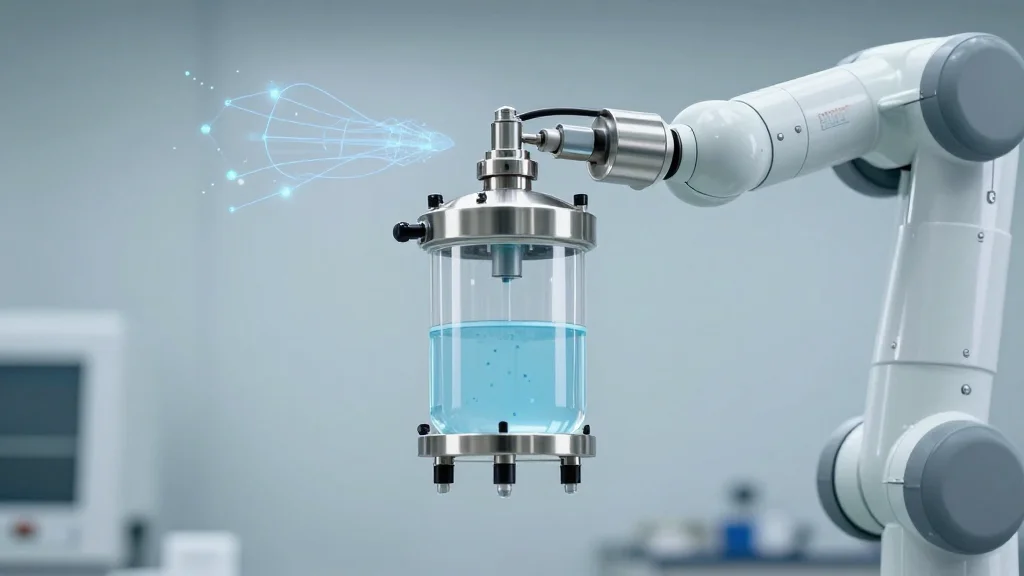
As CGT Manufacturing Scales Up, Automation and Collaboration Become Essential
Cell and gene therapy manufacturing faces a scalability crunch as single batches cost over $500,000 and skilled labor shortages drive high turnover. Companies are turning to robotics, AI, and digital dashboards to automate processes, cut contamination risk, and harness real‑time...

Intercepting Cancer When DNA Surveillance Fails
In this episode, Daniel Levine talks with Marina Udier, CEO of Newscom, about the company’s innovative cancer‑interception strategy that targets tumors arising from microsatellite instability (MSI) and deficient DNA mismatch repair, such as those seen in Lynch syndrome. Udier explains...

Siemens Healthineers Partnership Seeks to Boost Supply of Novel PET Imaging Agent
Siemens Healthineers has signed a clinical supply agreement with Australian biotech Radiopharm Theranostics to manufacture and distribute the novel PET imaging agent RAD101 in the United States. The fluorine‑18‑labeled small molecule targets suspected recurrent brain cancer that has metastasized and...

EU Launches PsyPal Project to Test Psychedelic‑Assisted Therapy for Palliative Care Distress
On April 13, 2026, the European Union’s Directorate‑General for Health and Food Safety unveiled the EU‑funded PsyPal project, a research programme that will test psychedelic‑assisted therapy for psychological distress in palliative‑care patients. The initiative signals a policy‑driven push to examine...
Cedars‑Sinai Launches SMAD Platform to Profile 1,300 Proteins in Under Five Minutes
Researchers at Cedars‑Sinai Medical Center introduced SMAD, a single‑injection multi‑omics analysis by direct infusion that captures more than 1,300 proteins and 9,000 molecular features from a single sample in under five minutes. The speed and breadth of the platform could...

Experimental Weight‑loss Drug Retatrutide Sparks TikTok Alarm over Relationship Side‑effects
A TikTok video alleging that experimental obesity drug retatrutide dulls love and libido has gone viral, prompting users to share similar experiences. Researchers and clinicians warn that the drug’s impact on the brain’s reward system could have broader emotional consequences,...

Akeso Reports 7‑month Median PFS for Cadonilimab Combo in PD-(L)1‑resistant NSCLC
Akeso presented updated Phase Ib/II results at ELCC 2026 showing a 7.0‑month median progression‑free survival and a 95.2% disease‑control rate for its cadonilimab‑anlotinib‑docetaxel regimen in patients whose advanced NSCLC progressed after PD-(L)1 therapy. The data suggest a viable second‑line option...
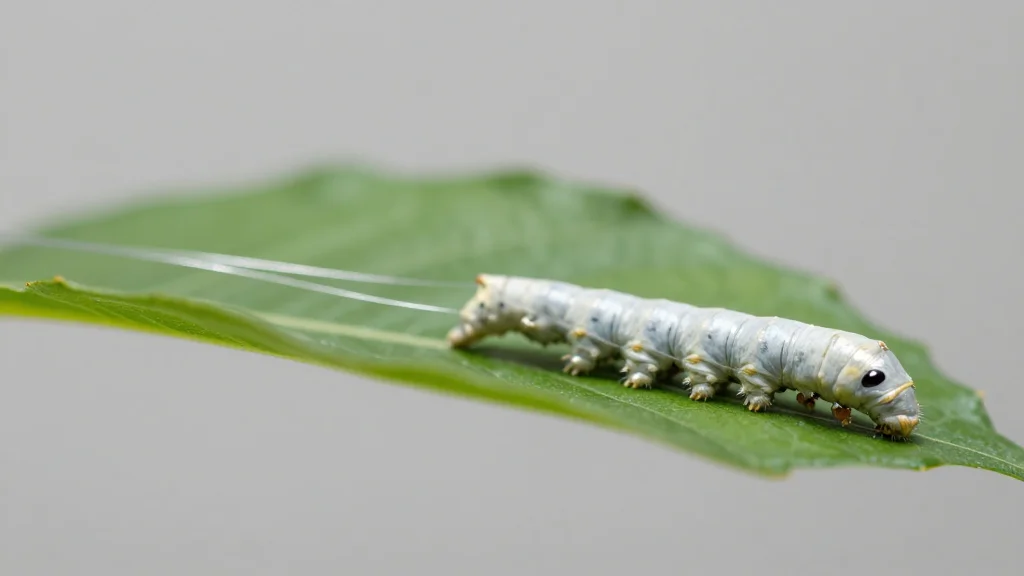
Genetically Engineered Silkworms Spin Spider Silk, a Material Five Times Stronger Than Steel
Researchers have successfully re‑programmed silkworms to spin spider‑silk protein, a fiber five times stronger than steel. The breakthrough, highlighted in National Geographic, could reshape the $6 trillion chemical industry and open high‑strength biomaterial markets in medicine, textiles and sustainable manufacturing.

Scientists Map the Brain’s Hidden Wiring Using RNA Barcodes in Major Breakthrough
Researchers at the University of Illinois Urbana‑Champaign unveiled Connectome‑seq, a novel technique that tags neurons with unique RNA barcodes to map synaptic connections. The method charted over 1,000 neurons in a mouse pontocerebellar circuit, revealing previously unknown links and achieving...

Prediction Markets Could Overtake Biotech Stocks for Phase‑3 Bets
I think that one day soon that prediction markets are going to replace biotech stocks for how investors play key readouts...especially wrt larger companies. For example, if Novartis has a big phase 3, isn't it more interesting and efficient to...

Targeting Liver ApoE Boosts Bone Healing in the Elderly
Neutralizing hepatic apolipoprotein E enhances aged bone fracture healing "Our work here identifies novel liver-to-bone cross-talk and a noninvasive, translatable therapeutic intervention for aged bone regeneration" https://t.co/KSzvkKOzZt https://t.co/1p0cXQlalT