
Natural Peptides From Cyanobacteria Offer Eco-Friendly Solution to Marine Biofouling
A study by CIIMAR and Portuguese universities shows natural cyclic peptides from marine cyanobacteria can be incorporated into anti‑fouling coatings, effectively delaying macrofouling without releasing toxic biocides. Laboratory and field tests demonstrated inhibition of bacterial biofilms and mussel larval settlement, achieving performance comparable to the commercial biocide Econea. The technology meets EU biocidal product regulations and offers an eco‑friendly alternative for the maritime, aquaculture and coastal‑infrastructure sectors. The proof‑of‑concept brings the solution to a pre‑industrial stage, paving the way for scalable production.

Rewrite Identification of an Allosteric Site on the E3 Ligase Adapter Cereblon as a Headline for a Science Magazine Post,...
The submission contains only navigation links and no substantive article text about the cereblon allosteric site. Consequently, no scientific details, data, or conclusions can be extracted. The request highlights the need for the full manuscript—including title, author, date, and body—to...

A Brief Tour of Metabolites Shown to Modestly Slow Aging in Animal Studies
A recent open‑access review catalogs several endogenous metabolites—taurine, betaine, α‑ketoglutarate, oxaloacetate, hydrogen sulfide, NAD+, and methionine—that modestly extend lifespan or improve healthspan in animal models. The paper highlights how up‑regulating these compounds, or restricting methionine, can mitigate age‑related decline in...
PraxisPro Grabs $6M Seed Round
PraxisPro, a data‑intelligence startup focused on life‑sciences, announced the close of an oversubscribed $6 million seed round on Jan 21, 2026 in Houston, Texas. The round was led by AlleyCorp and attracted participation from Flybridge, South Loop Ventures, Zeal Capital Partners, True Ventures,...
New Method Creates Acinar Cells Involved in Formation of Pancreatic Cancer
Researchers at the Max Planck Institute created a high‑content image‑based screening platform using human pancreatic progenitor organoids. Screening 538 compounds identified GSK3A/B inhibitors that activate WNT signaling, prompting acinar‑specific gene expression. By removing the growth factor FGF, the organoids self‑organized...
Soft Nanoparticles Exploit Membrane Stiffness to Deliver mRNA Selectively Into Cancer Cells
Researchers at Xidian University have engineered soft‑membrane nanoparticles (PGC@FM) that fuse selectively with cancer cells, exploiting the lower membrane stiffness of tumors. The particles deliver mRNA directly to the cytoplasm, bypassing lysosomal degradation that plagues conventional lipid nanoparticles. In mouse...
When Scientists Build Nanoscale Architecture to Solve Textile and Pharmaceutical Industry Challenges
Scientists from CSMCRI, IIT Gandhinagar, NTU Singapore and S N Bose have created ultra‑selective crystalline membranes called POMbranes, featuring permanent 1 nm pores. The membranes achieve ten‑fold higher separation performance than conventional polymer filters while remaining flexible, chemically stable and scalable. Laboratory tests show...

J&J Praises New FDA Guidance to Speed Development of Multiple Myeloma Drugs
The FDA released a draft guidance aimed at accelerating the development of multiple myeloma therapies by clarifying the use of surrogate endpoints and adaptive trial designs. Johnson & Johnson, which already markets several approved MM drugs, welcomed the guidance as...

Cell Lines That Make Their Own Amino Acids
Researchers at the Technical University of Denmark have engineered Chinese Hamster Ovary (CHO) cell lines that can produce the essential amino acids threonine and histidine, eliminating the need for these nutrients in culture media. The same team created a CHO...

Biosynthesis of Medicarpin in Engineered Yeast
Scientists in China have engineered Saccharomyces cerevisiae to biosynthesize the antitumor isoflavonoid medicarpin, achieving peak titers of over 157 µg/L in the GlaN26 strain. The effort required constructing 26 yeast variants and rewiring glycolysis, the pentose phosphate, shikimate, and isoflavonoid pathways....

Manufacturing Science Matters in Biosimilar Retinal Biotherapeutics
Rapid growth of biosimilars is reshaping retinal therapeutics, with ranibizumab biosimilars already market leaders and aflibercept biosimilars poised to follow. The two drugs differ fundamentally in manufacturing: ranibizumab is produced in Escherichia coli, requiring complex refolding of inclusion bodies, while...

Additive Manufacturing as a Flexible Option for Bespoke Bioreactors
A recent study highlights additive manufacturing as a flexible alternative for producing bespoke bioreactors used in cell and gene therapy. Unlike traditional injection‑molded single‑use devices, 3D printing allows unlimited shape and size changes without new molds. Although per‑part costs are...

ACG Introduces SuperPod for Drug Protection and Sustainability
At Pharmapack 2026, ACG Packing unveiled SuperPod™, a new cold‑form blister laminate that reduces cavity size by up to 39% and triples the number of blisters per shot. The multi‑layer construction enables deeper draws without compromising the aluminum barrier, cutting material...

Johnson & Johnson Brushes Off MFN Impact, Sees Strong Growth for 2026
Johnson & Johnson downplayed the impact of the new Most‑Favored‑Nation (MFN) pricing clause on its earnings, asserting that existing contracts and a diversified portfolio cushion any downside. The company projected a robust growth trajectory through 2026, driven by its oncology...

Key Protein Can Restore Aging Neural Stem Cells' Ability to Regenerate
Researchers at NUS Medicine identified the transcription factor DMTF1 as a key driver of neural stem‑cell function in the aging brain. Experiments using human‑derived and telomere‑dysfunctional stem cells showed that DMTF1 levels drop with age, and restoring its expression revives...

Tanabe Pill Delays Blood Disorder; enGene Adds up to $100M From Loans
Tanabe Pharma announced that its oral melanocortin‑1 receptor (MC1R) agonist achieved its primary endpoint in a Phase 2 trial for a rare blood disorder, delivering a 60% response rate among patients. The pill offers a non‑injectable option that could reduce transfusion...

IntraBio Says Rare Disease Drug Passes Phase 3, Will Seek FDA Approval
IntraBio announced that its experimental therapy for ataxia‑telangiectasia (A‑T) achieved statistically significant improvement in motor function in a pivotal Phase 3 trial. The study met its primary endpoint and demonstrated a favorable safety profile across a genetically defined patient cohort....

J&J Eyes $100B in Sales Amid Gains for Cancer, Immune Drugs
Johnson & Johnson reported a 9.1% rise in fourth‑quarter sales to $24.6 billion and projected full‑year revenue of $100‑101 billion for 2026, up from $94.2 billion. The company’s growth is driven by strong cancer and immune‑therapy sales, offsetting a steep decline in its...

Quantum-Enabled Proteins Open a New Frontier in Biotechnology
University of Oxford engineers quantum‑enabled proteins, creating magneto‑sensitive fluorescent proteins (MFPs) that respond to magnetic and radio‑frequency fields when illuminated. Published in Nature, the study demonstrates deliberate design of quantum mechanical processes inside biomolecules, moving beyond observation of natural quantum...

Finding New Targets on the Surface of Misfolded Proteins
In this episode of The Bio Report, host and guests discuss Immuto Scientific’s novel approach to drug discovery that targets disease‑specific protein conformations rather than genetic sequences. CEO Faraz Choudhury explains how the company’s AI‑driven structural surfaceomics platform maps the...
Engineered Nanobodies Improve Respiratory Defenses in Preclinical Study
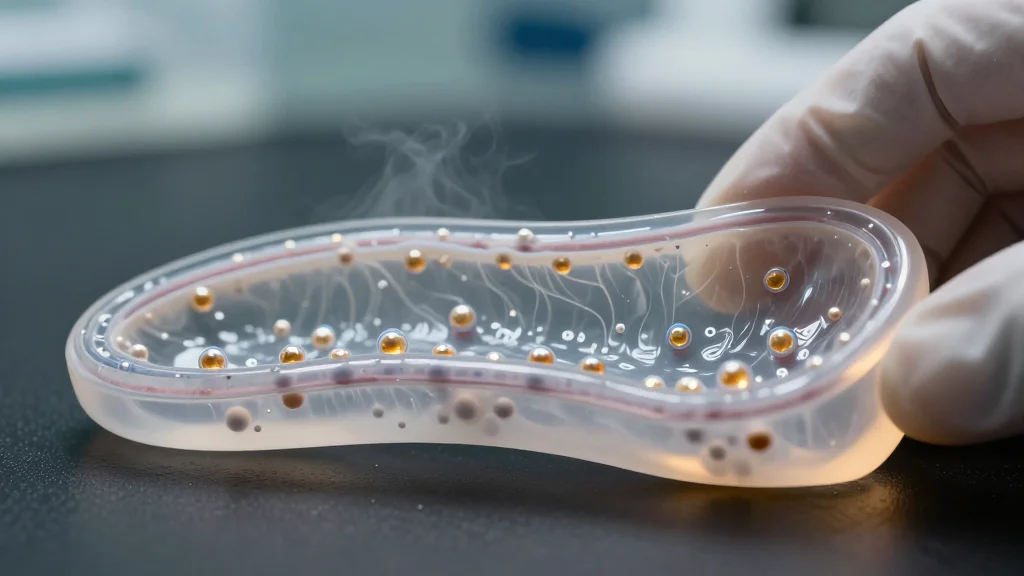
Researchers at MD Anderson and Stanford engineered bispecific nanobodies that anchor viral particles to the respiratory mucus, boosting the airway’s first‑line defense. In preclinical mouse models the nanobodies reduced infection rates for influenza and SARS‑CoV‑2 and cut viral transmission. The...

JPM26: Filling C-Suites, Union Square—And Elevators—With Pink
The Biotech CEO Sisterhood’s pink‑themed gathering at the J.P. Morgan Healthcare Conference drew up to 1,000 participants, underscoring a growing movement to spotlight women executives in biopharma. Since its 2022 launch, the group has expanded to about 350 members and...

STAT+: Novo Strikes Deal for Diabetes Cell Therapies
Novo Nordisk announced a strategic deal to acquire Aspect Biosystems, a 3‑D bioprinting company specializing in cell‑based therapies. The acquisition aims to accelerate Novo's development of encapsulated beta‑cell products for type 1 diabetes, leveraging Aspect's platform to scale manufacturing. Financial terms...

JPM26: KalVista’s HAE Win Is a ‘Tale of Two Markets’
KalVista secured FDA approval for its oral on‑demand hereditary angioedema drug Ekterly after a delayed PDUFA review and reported political pressure. The pill is positioned as the only oral option in a market dominated by injectable therapies, targeting the $3.8‑6.5 billion...

#JPM26: Regeneron, Lilly, Summit on Rivals Crowding Into Same Targets
Drug makers Regeneron, Eli Lilly and Summit Therapeutics are converging on identical biological targets, intensifying competition for potential megablockbuster therapies. The firms are pursuing treatments for diseases lacking effective options, hoping to capture large market share. Their pipelines reveal overlapping...
Ziftomenib
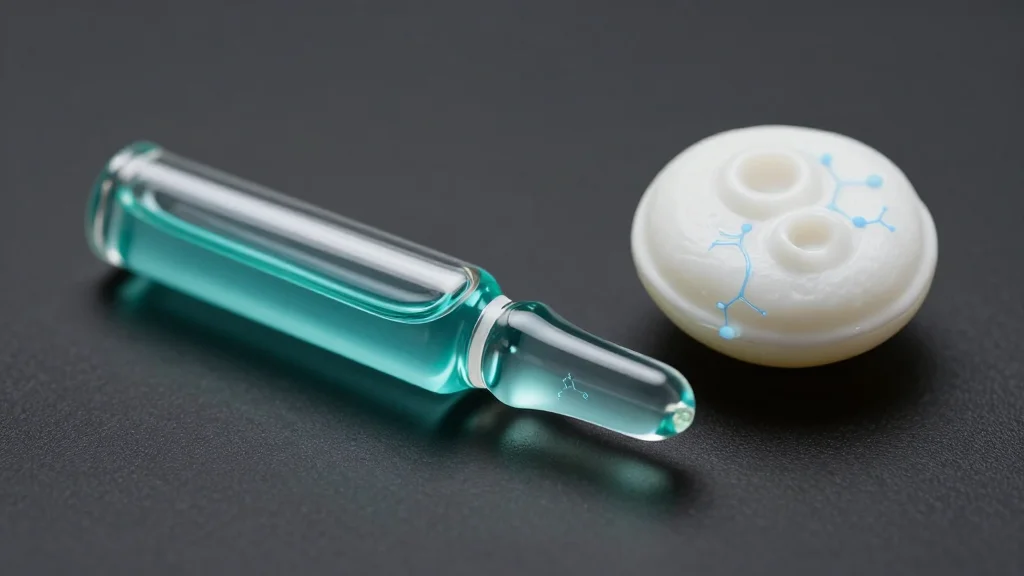
Ziftomenib (Komzifti®), an oral menin‑KMT2A inhibitor, received FDA approval in November 2025 for adults with relapsed or refractory acute myeloid leukemia (AML) harboring NPM1 mutations. The drug blocks the menin‑KMT2A protein interaction, disrupting leukemogenic transcription programs. In the Phase 1/2 KOMET‑001...
EU Approves Otsuka's Long-Acting HAE Drug Dawnzera
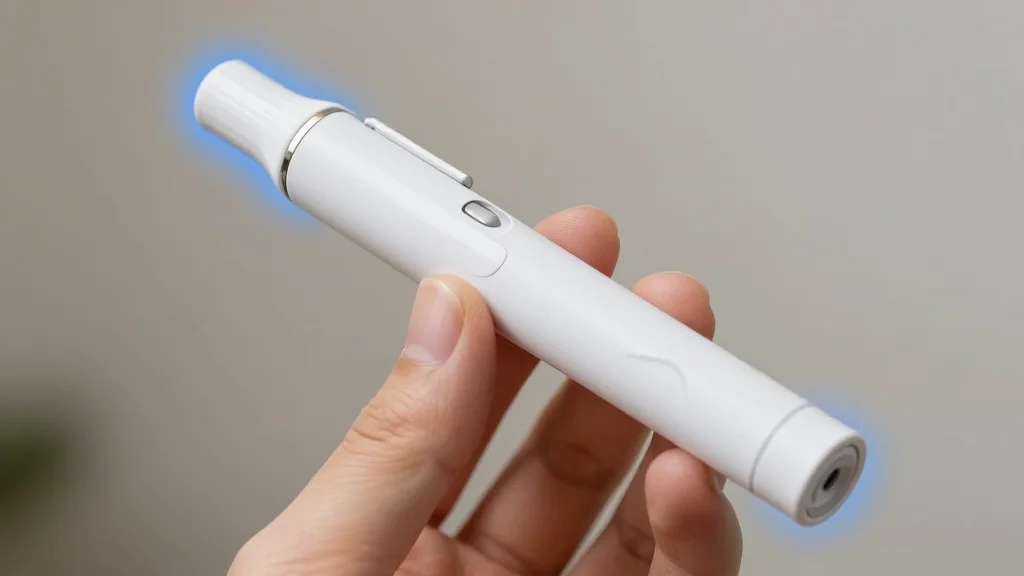
European Commission approved Otsuka’s Dawnzera, a first‑in‑class antisense RNA therapy, for prophylaxis of hereditary angioedema in patients 12 and older. Clinical data showed an 81% attack‑rate reduction with four‑weekly dosing and up to 94% reduction after one year. Otsuka secured...

Roche Raises NC Manufacturing Investment to $2B To Support Obesity Challenge
Roche, through Genentech, is boosting its North Carolina manufacturing commitment from $700 million to roughly $2 billion to expand a 700,000‑square‑foot facility in Holly Springs. The plant, slated to be operational by 2029, will add about 100 jobs, bringing total staffing to over...

GSK Joins Growing PD-1 SubQ Push With Alteogen Alliance Worth up to $285M+
GSK has committed $20 million upfront and up to $265 million in milestones to partner with South Korea’s Alteogen, aiming to create a subcutaneous version of its PD‑1 cancer drug Jemperli. Alteogen will supply its Hybrozyme recombinant hyaluronidase (ALT‑B4) to enable under‑skin...

Hopstem Maps Course to Bring Stem Cell Stroke Therapy to US
Hopstem Biotech received FDA clearance to begin US clinical trials of its iPSC‑derived stroke therapy, hNPC01, under an accelerated development pathway. The company completed a Phase 1 study in China showing sustained motor improvements over 18 months without safety concerns. The...
Think Bioscience Gets $55M to Unearth New Drug Pockets
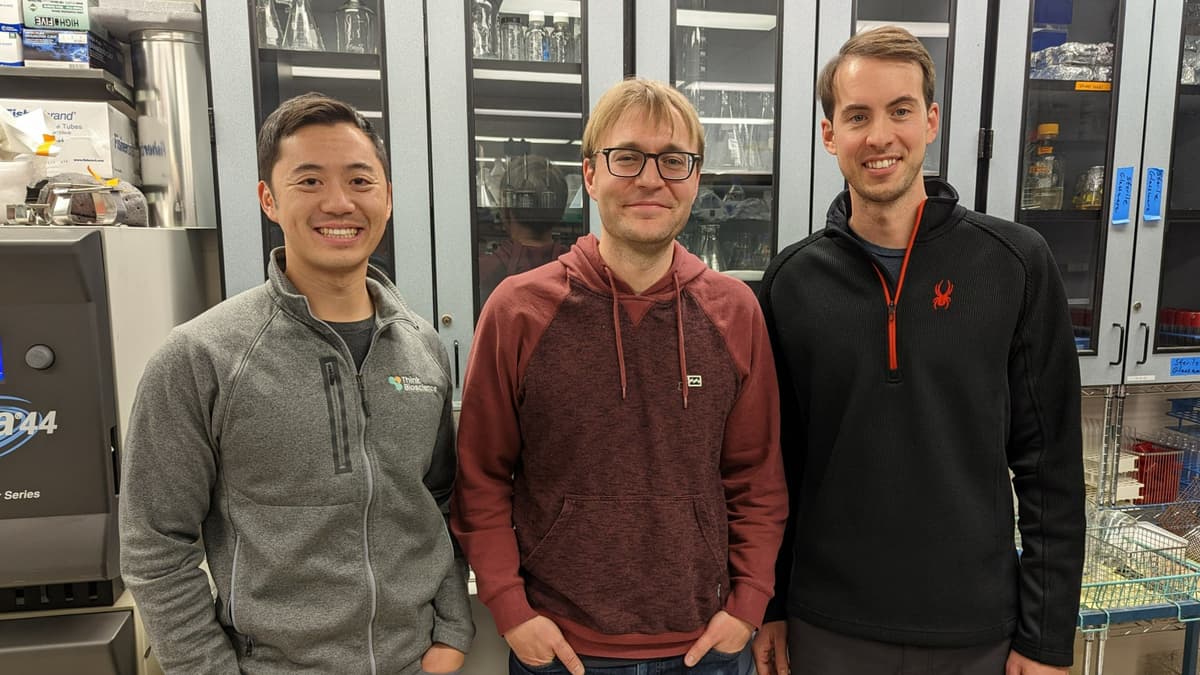
Think Bioscience, a Boulder‑based biotech, announced a $55 million Series A round that was oversubscribed by investors. The capital will fund its platform that seeks previously hidden binding pockets on proteins and other molecules. By targeting these cryptic sites, the company aims...

ImmunityBio Rises as Route Opens to Broader Anktiva Label
ImmunityBio announced an FDA pathway to refile for Anktiva in papillary‑only NMIBC after an initial rejection. The IL‑15 agonist, already approved for BCG‑refractory CIS, generated $113 million in sales last year. Data from the QUILT‑3.032 trial show a 58.2% 12‑month disease‑free...

Researcher Finds Way to Predict Whirling Disease with Almost No Data
University of Calgary researchers have developed an AI‑driven early‑warning system that can predict whirling disease in trout and salmon using minimal data. By training a hidden Markov model on a single confirmed outbreak and leveraging readily available environmental metrics such...

Exercise Reduces Immunosenescence
Regular physical activity mitigates immunosenescence, restoring immune competence in older adults. Exercise improves insulin sensitivity, modulates mTOR/AMPK pathways, and reduces chronic inflammation. Metabolic remodeling, myokine release, and gut microbiota shifts enhance both innate and adaptive immunity, increasing naive T‑cell output....

Reversing Loss of Titin Elasticity to Improve the Function of Aged Hearts
Heart failure with preserved ejection fraction (HFpEF) is driven in part by stiff titin isoforms. Researchers showed that partially inhibiting the splicing regulator RBM20 with antisense oligonucleotides shifts titin expression toward more compliant N2BA‑N isoforms. In a mouse model mimicking...

JPM26 Recap, Novo’s Oral Wegovy Soars as Lilly’s Orforglipron Is Delayed, IPOs Return
At the JPMorgan Healthcare Conference, Novo Nordisk’s oral Wegovy quickly reached roughly 3,100 patients within its first week, underscoring strong demand for oral obesity therapies. Eli Lilly’s competing oral candidate, orforglipron, saw its FDA decision pushed back to April 10, despite...

Autonomous Labs Enable Diverse Overnight Experiments, Not Just Repeats
What’s exciting now with autonomous labs is you can get the closer to the flexibility of the bench but automated. So you could design 200 different experiments to run overnight and read out for you in the morning. ...

Highly Cited Cancer AI Models Rarely Reach Patients
1/ Your cancer prediction model has 1,000 citations, but It's never been used on a patient. "Some models are wrong, yours are useless." A Cambridge researcher analyzed why most clinical AI tools die in academic journals instead of helping people. https://t.co/mIXS32qDr3
Call Goes Out for Type 1 Diabetes Screening in UK
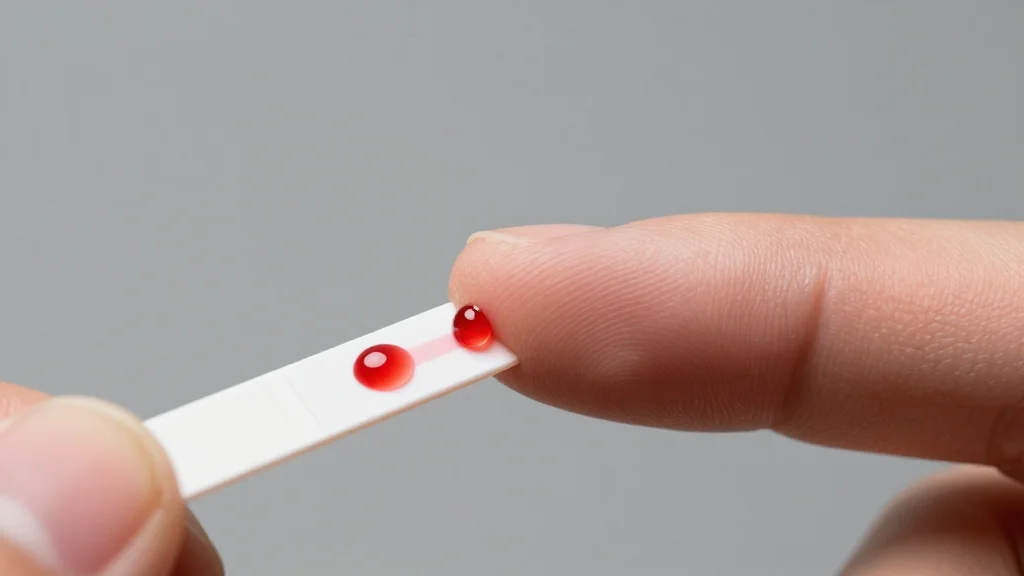
Researchers from the University of Birmingham reported that the ELSA feasibility trial screened roughly 17,000 UK children aged three to 13 using a finger‑prick autoantibody test, identifying early‑stage type 1 diabetes before symptoms appear. The study found 75 children with...
Record-Breaking Audience of Bacterial Cellulose Experts at Chulalongkorn Seminar
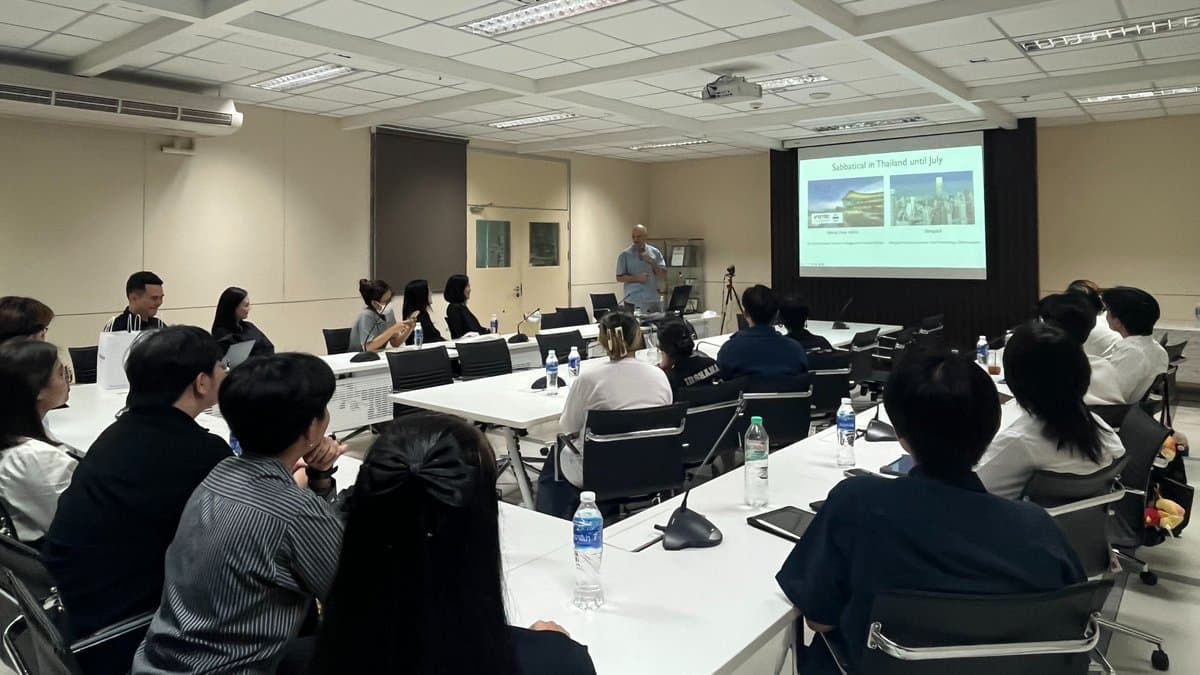
Was great to give a seminar today to the Dept. Food Technology at @ChulalongkornU University, Bangkok 🇹🇭 I present regulary on our lab's work on engineered materials based on bacterial cellulose (BC), but I think today breaks the record for the...

Bristol Myers Squibb Announces Collaboration with Microsoft to Advance AI-Driven Early Detection of Lung Cancer
Bristol Myers Squibb has teamed with Microsoft to embed FDA‑cleared AI radiology algorithms into Microsoft’s Precision Imaging Network, aiming to spot lung nodules earlier and streamline radiology workflows. The collaboration leverages a platform already used by more than 80% of...

Going With the Flow: Finding Success in Academic and Biotech Research Cultures
The piece contrasts academic and biotech research cultures, highlighting how each handles uncertainty. Academic labs prioritize deep exploration and iterative validation, treating ambiguous results as opportunities for further inquiry. Biotech startups focus on data that can drive decisions quickly, balancing...
Mansoor Amiji: Rare Gem and Modern-Day Polymath
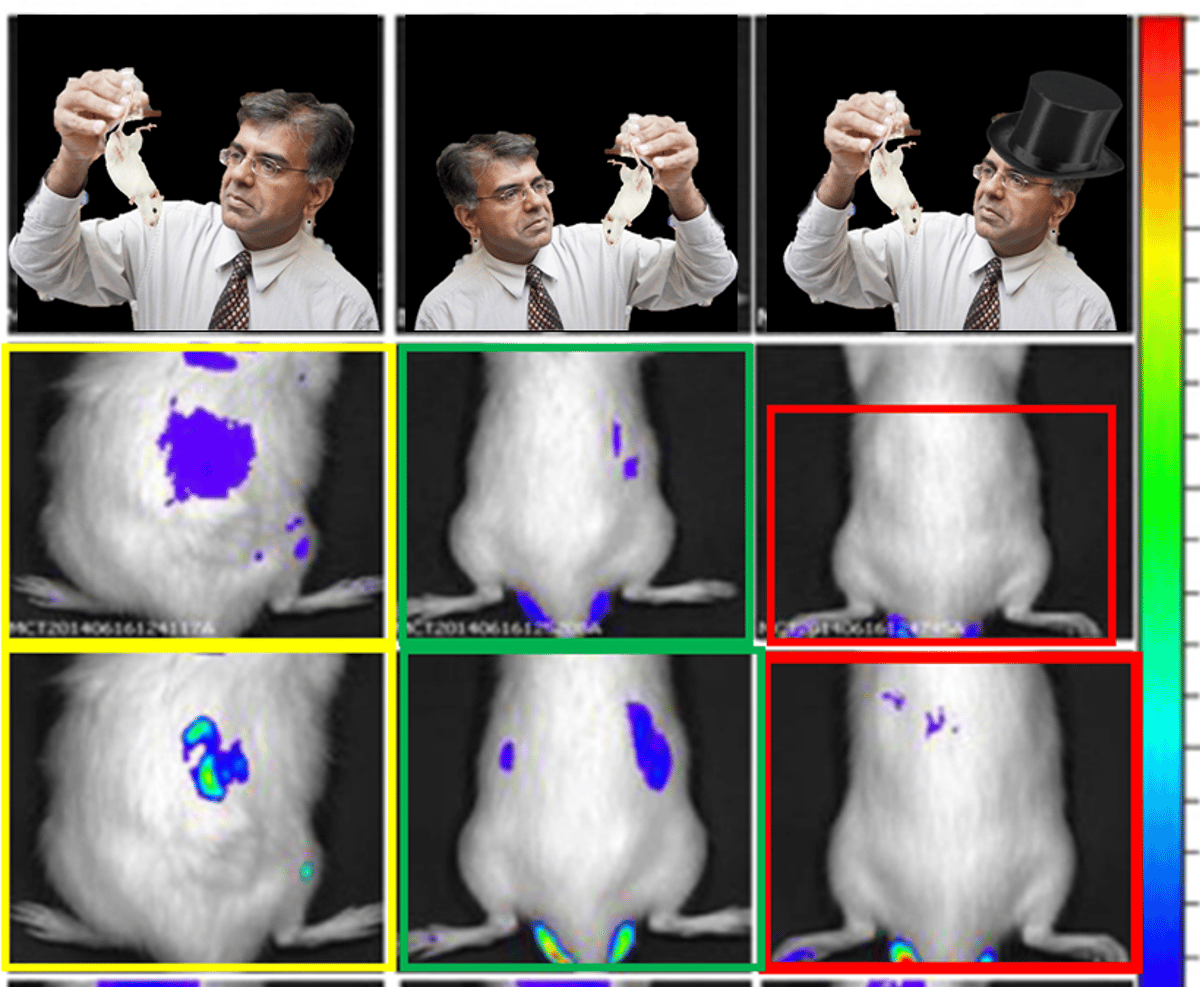
Mansoor Amiji, a Tanzanian‑born nanomedicine researcher, was named a Fellow of the National Academy of Inventors in December 2025, recognizing three decades of vaccine and drug‑delivery innovations. Simultaneously, a deep‑dive review reveals 31 of his publications flagged on PubPeer for image...
TAC to the Future. Plus: GSK’s Rapt Deal, Codifying MFN — a BioCentury Podcast
Next‑generation targeting chimeras (TACs) are moving from research labs to early clinical programs, signaling a new wave of induced‑proximity therapeutics beyond PROTACs. GSK’s $2.2 billion acquisition of Rapt Therapeutics adds a China‑origin allergy platform to its pipeline, highlighting strategic biotech buyouts....

Microglia Activity in the Brain Drives Infantile Amnesia in Young Mice
Scientists at Trinity College Dublin discovered that microglial activity in the brain drives infantile amnesia in young mice. By pharmacologically suppressing microglia during a critical post‑natal window, the researchers observed heightened memory retention of a fearful task. Suppressed microglia led...

4Q25 Wrap: Megacaps Surge in 4Q as All Boats Rise for the Year
In the fourth quarter of 2025, biotech megacap companies—those valued at $10 billion or more—delivered a median stock price increase of 10%, adding $138.4 billion in market value. Over the full year, these megacaps posted the strongest performance, with a median gain...

Nanoparticles that Shrink over Time Deliver Eye Drugs to the Retina without Injections
Researchers at Wenzhou Medical University have engineered size‑evolving nanoparticles that can be administered as eye drops to deliver the anti‑VEGF protein bevacizumab to the retina. The particles begin at roughly 214 nm, linger on the ocular surface, and shrink to about...

New AI Tool Removes Bottleneck in Animal Movement Analysis
Researchers at the University of St Andrews have released PoseR, an AI plug‑in that automatically reads animal movement from video and generates human‑readable behavior descriptions. The tool leverages graph neural networks to model animal shapes, dramatically reducing the time required for...

E201: The Small Molecule Revolution: ProPhet's Tom Shani on AI-Powered Drug Discovery
In this episode, Tom Shani, CEO and co‑founder of ProPhet, explains how AI—particularly machine learning models, transformers, and novel molecular representations—is transforming small‑molecule drug discovery by tackling slow timelines, high failure rates, and massive R&D costs. He shows how AI...

Engineered Mucus-Tethering Bispecific Nanobodies Enhance Mucosal Immunity Against Respiratory Pathogens
Researchers engineered bispecific nanobodies that tether to airway mucus, creating a localized barrier against respiratory viruses. In mouse models, the mucus‑anchored nanobodies dramatically lowered H1N1 influenza titers in nasal passages, trachea and lungs. In a hamster cohousing experiment, a single...