
Battery-Free Nano-Sensors Could Pave the Way for Next-Generation Wearables
Researchers at the University of Surrey have created battery‑free nano‑sensors that generate power from tiny human motions. The ultra‑thin borophene‑embedded nanofiber mat, tested with 16 sensors, can monitor sleep patterns and subtle body movements without charging. The self‑powered triboelectric devices produce enough electricity to run low‑energy electronics, opening paths for continuous, unobtrusive health monitoring. The technology underpins spin‑out Z‑Pulse, targeting home‑based dementia and sleep‑disorder care.
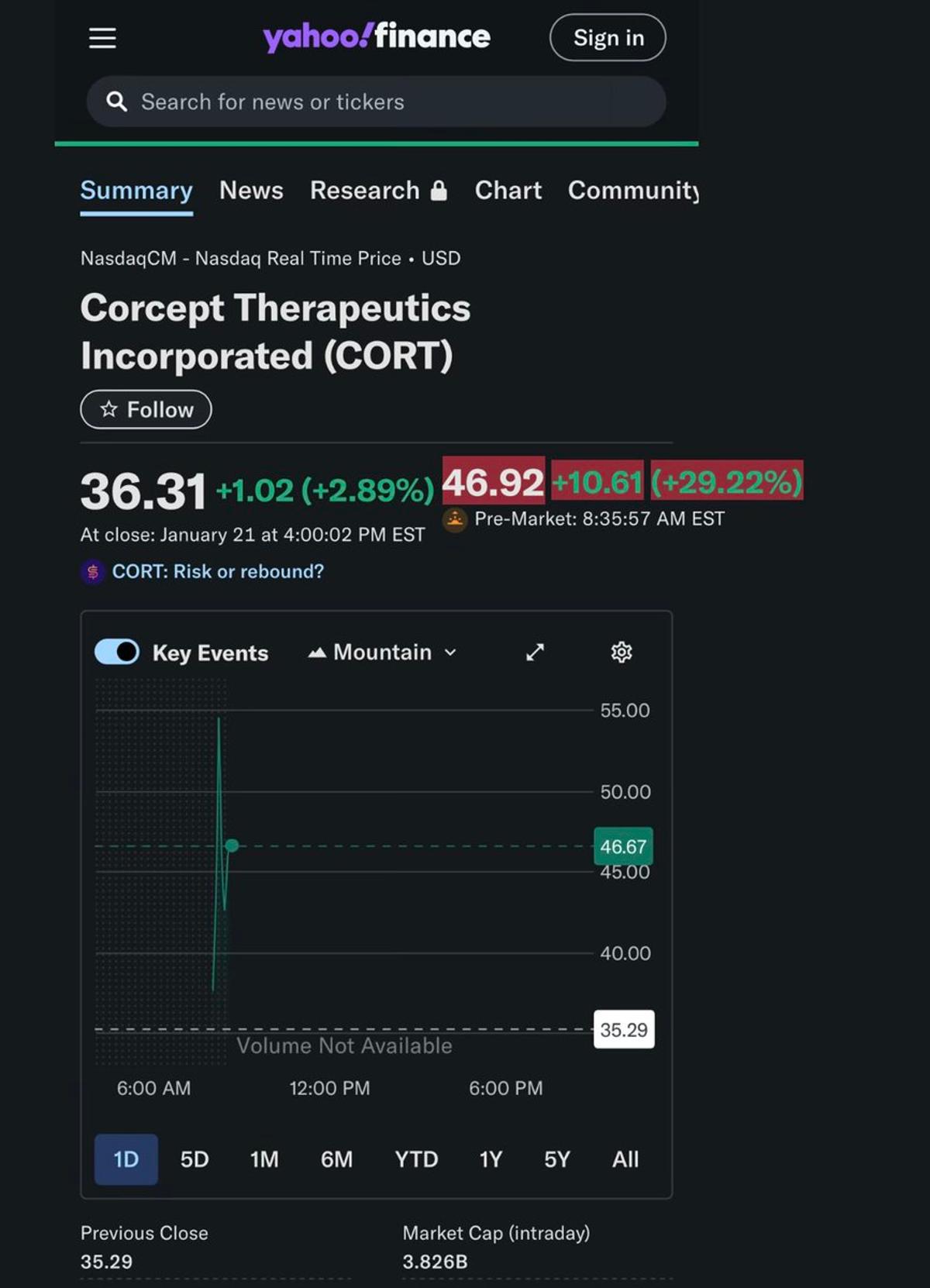
CORT Shows 30% Pre‑market
$CORT +30% pre-market Still room to run? >OS met: HR 0.65 (-35% death risk), mOS 16.0 vs 11.9 mo (+4.1) >PFS (prior): HR 0.70 (-30%) >n=381, safety ≈ control, no biomarker needed What’s next: full dataset at a med meeting; FDA PDUFA Jul 11, 2026...

GLP Podcast: Everybody’s Wrong About RFK, Jr.’s Dietary Guidelines
In this episode, Dr. Liza Lockwood and Cameron J. English dissect the new Dietary Guidelines for Americans, which promote "real food"—full‑fat dairy, fruits, vegetables, and more protein—while still limiting saturated fat to under 10% of calories. They explain how media...

BMS Bets $850M on Janux’s Tumor-Activated Drugs, Deepening Cancer Investments
Bristol Myers Squibb has signed a partnership with San Diego‑based Janux Therapeutics, committing up to $850 million in upfront payments and milestone funding to co‑develop a tumor‑activated immunotherapy. The investigational drug targets an undisclosed solid‑tumor antigen and employs a proprietary masking...

FDA Sets Feb. 1 Launch Date for PreCheck Pilot To Strengthen Domestic Supply Chain
The FDA will begin accepting applications for its PreCheck pilot on Feb. 1, 2025, with a one‑month window to submit proposals for new domestic drug‑manufacturing facilities. The program, slated for a June 30 selection deadline, offers early regulatory feedback and a streamlined...

Lexicon Opens Path to $1B+ Opportunity as FDA Greenlights Phase III for Non-Opioid Pill
Lexicon Pharmaceuticals received FDA clearance to advance its non‑opioid analgesic pilavapadin into Phase III trials for diabetic peripheral neuropathic pain, following a smooth end‑of‑Phase II meeting. The agency raised no additional study requirements and agreed on a 12‑week, placebo‑controlled design using a...

‘Almost Like a Religion’: Pfizer CEO Slams RFK Jr.’s 'Anti-Science' Vaccine Policies
Pfizer CEO Albert Bourla publicly denounced U.S. Health Secretary Robert F. Kennedy Jr. as "anti‑science" for his vaccine rhetoric, a remark made at the World Economic Forum in Davos. Since Kennedy assumed the HHS role in February 2025, he has questioned...

Pharmapack Expands to Singapore Event; Presents Award Winners
Pharmapack announced that its flagship pharma packaging and drug‑delivery event will debut in Singapore in November 2026, extending the Europe‑based format to the Asian market. The expansion was revealed during the Pharmapack Europe 2026 awards ceremony held in Paris. The...

NTLA Rises Despite FDA Hold; Hy’s Law Remains Core Risk
Reminder that at $14 $NTLA is *already* trading higher than when the FDA hold was put in place. Novice retailers getting this twisted. There’s no “take backs” on a Hy’s Law case. That is the real problem...

KNN in scRNA‑seq: More Art than Science
Everyone talks about KNN (K nearest Neighbor) like it’s a simple algorithm. But in practice, especially in single-cell RNA-seq—it’s art, not science. https://t.co/BCreDmtKwZ

Leveraging Next-Gen Therapies, Advanced Purification, and Strategic Collaborations in Pharma Production
In a 2026 industry outlook interview, Laine Mello, director of Marketing at Ecolab Life Sciences, said the pharmaceutical sector is under margin pressure and is shifting toward next‑generation therapies such as biologics and advanced modalities. To support these complex products,...
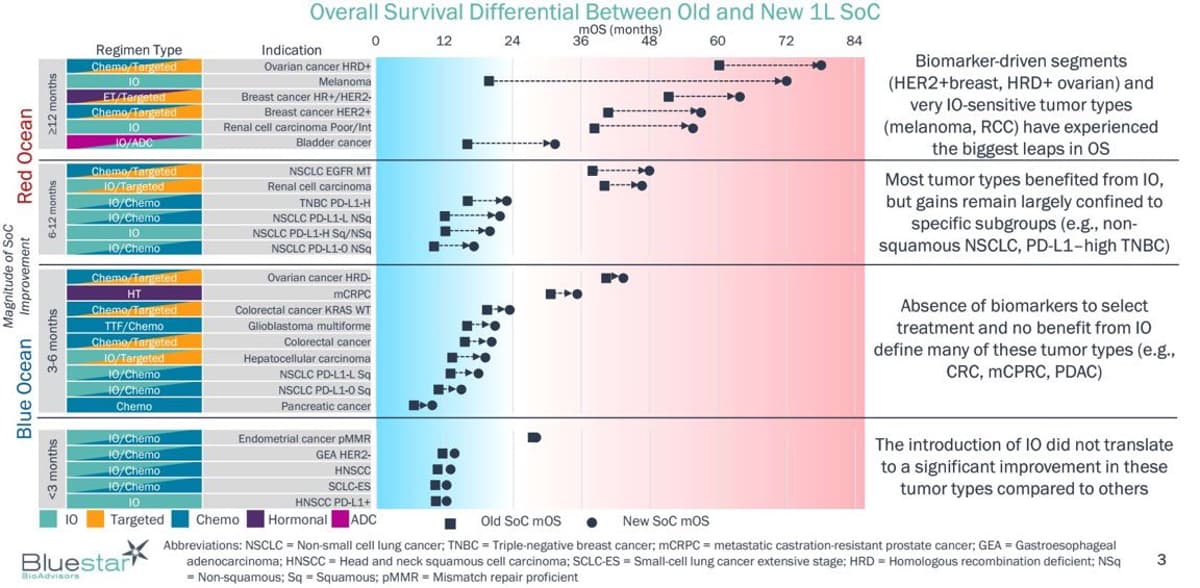
Progress in Cancer Fight, Yet GBM, Colorectal, Liver
Great progress update on the war on cancer “GBM, colorectal and liver still look very challenging...” See below for detail point down 👇🏼 https://t.co/UTFZSsDVcX

New AI Method Revolutionises the Design of Enzymes
Researchers at TU Graz and the University of Graz unveiled Riff‑Diff, a novel AI‑driven platform that builds enzyme scaffolds directly around a chosen active centre. The method combines generative models like RFdiffusion with atomistic refinement, achieving angstrom‑level precision and producing enzymes...

#JPM26: Hua Medicine Plots Diabetes Drug Expansion in China and Beyond
Shanghai‑based Hua Medicine announced a strategic push to broaden its diabetes drug portfolio, aiming to capture a larger slice of the global market. The company is developing an oral GLP‑1 alternative that promises lower dosing and cost advantages over existing...

NICE Backs Roche Lupus Drug that Supports Kidney Function
NICE has issued a draft recommendation approving Roche’s anti‑CD20 antibody Gazyvaro for lupus nephritis patients in England and Wales, making the therapy available to roughly 12,000 people with kidney‑damaging systemic lupus erythematosus. The drug is administered intravenously twice yearly alongside...

Mutations From Space Might Solve an Antibiotic Crisis
A University of Wisconsin‑Madison team sent 1,660 pre‑engineered bacteriophage variants to the International Space Station, letting microgravity and radiation drive co‑evolution with E. coli. In space, bacterial membranes flipped phospholipids outward, prompting surviving phages to acquire hydrophobic receptor‑binding proteins. When...
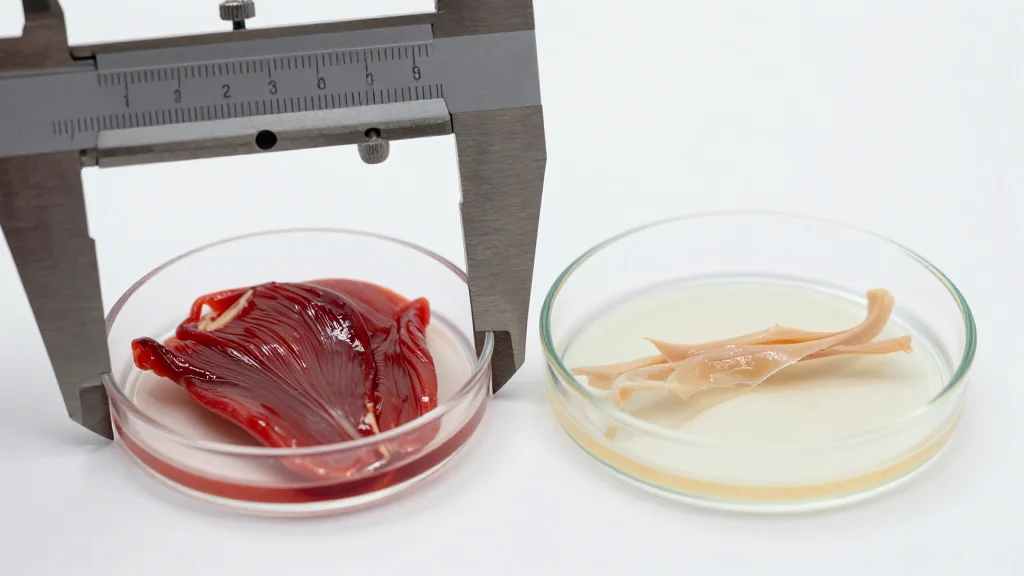
Is Ferroptosis Important in Muscle Aging?
Recent research highlights ferroptosis—a form of iron‑dependent, lipid‑peroxidation cell death—as a potentially pivotal driver of age‑related muscle loss and weakness. Evidence of ferroptotic signatures appears across cellular, animal, and limited human studies, yet causality remains unproven. The authors propose that...

From Sound Bites to Signals: Editors Parse Executive and Investor Chatter at JPM
BioSpace’s Denatured podcast released a post‑JPM episode where senior editor Annalee Armstrong and news editor Dan Samorodnitsky dissect conversations with pharma and biotech executives and investors. Hosted by Jennifer Smith‑Parker, the discussion highlights emerging industry themes and offers forecasts for...
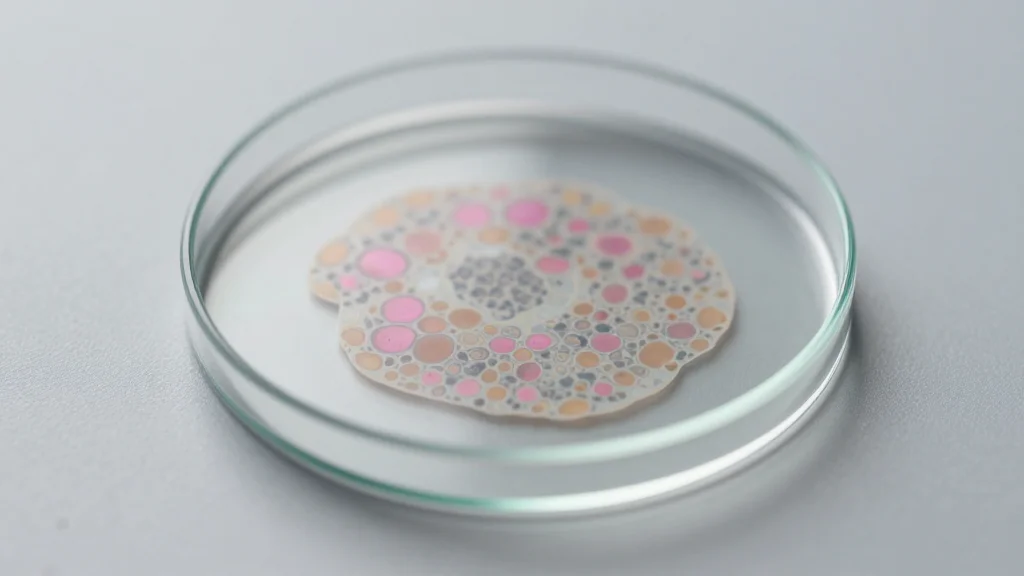
An Approach to Measuring Somatic Mosaicism in Solid Tissues
Researchers introduced single‑cell Genotype‑to‑Phenotype sequencing (scG2P) to quantify somatic mosaicism in solid tissues. Applying scG2P to esophageal samples from six older adults, they identified driver mutations in more than half of over 10,000 cells. NOTCH1 mutations were most prevalent, promoting...
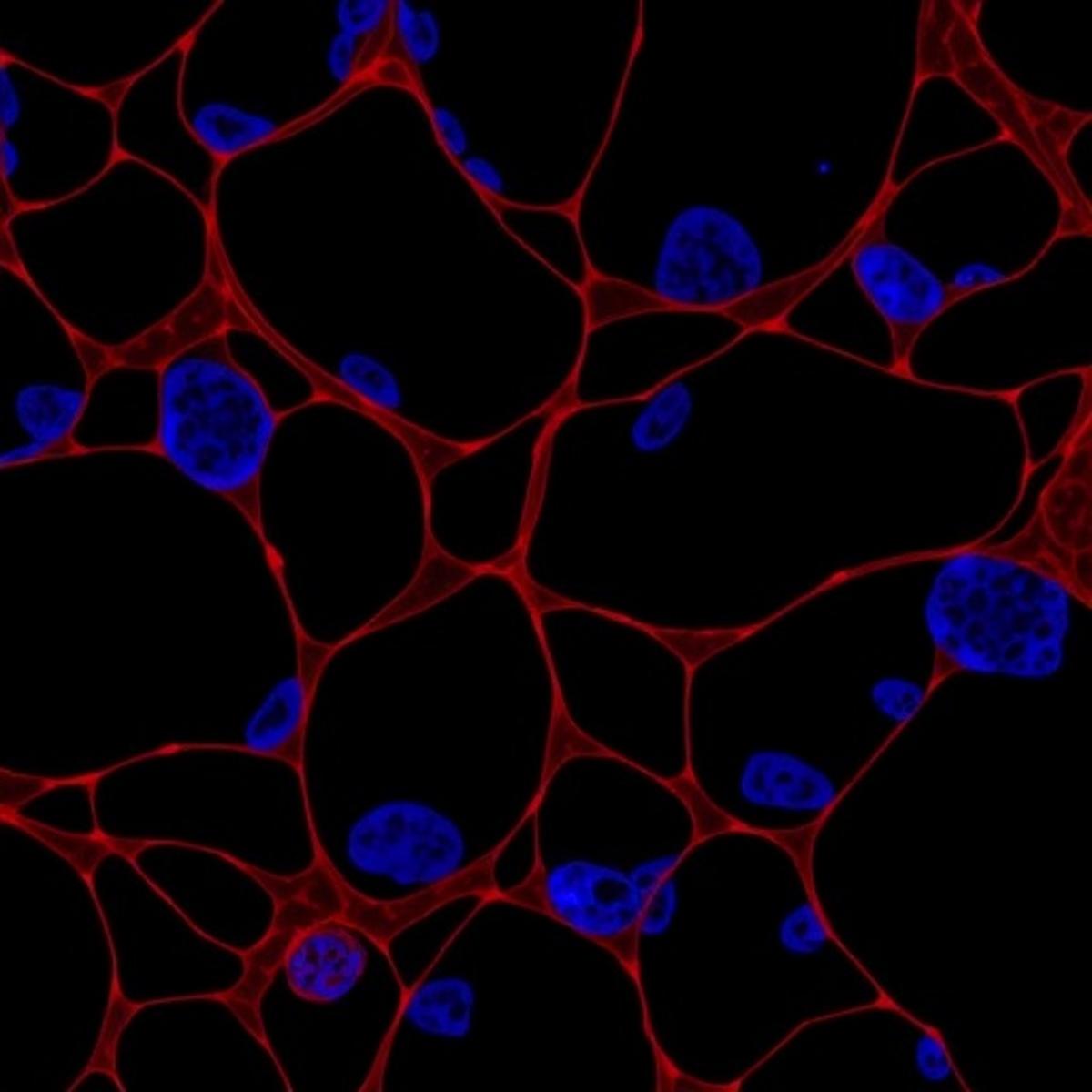
GPR182 Impedes Angiogenesis by Modulating CXCL12-CXCR4 Signaling
Researchers have identified the orphan receptor GPR182 as a potent inhibitor of angiogenesis, acting through modulation of the CXCL12‑CXCR4 signaling pathway. Experimental data show that GPR182 activation curtails endothelial cell migration and reduces VEGF secretion, leading to diminished vessel formation...

Machine Learning Assessing Fall Risk in Sarcopenic Seniors
A new machine‑learning model has been validated to assess fall risk in seniors with sarcopenia, achieving roughly 85% predictive accuracy. The algorithm integrates gait analysis, muscle‑mass measurements, and balance metrics collected via wearable sensors. Researchers report that the tool can...

Assessing HyperSperm: Efficacy and Safety in Semen
Researchers Martinez‑Vallejo, Carrasquel‑Martínez, and Artigues report that HyperSperm, a novel therapeutic cocktail, significantly improves key sperm parameters in human semen samples while maintaining a favorable safety profile. The study, soon to appear in the Journal of Translational Medicine, evaluated multiple...

Cancilico Raises €2.5M in Seed Funding
Cancilico, a Dresden‑based AI diagnostics startup, secured €2.5 million in seed funding led by a consortium that includes High‑Tech Gründerfonds, TGFS, GEDAD GmbH and ROI Verwaltungsgesellschaft. The capital will accelerate the rollout of its AI‑driven software MyeloAID and fast‑track digital biomarker...

The Hidden Microbial Communities that Shape Health in Space
A new perspective article in npj Biofilms and Microbiomes outlines a roadmap for studying biofilms during long‑duration spaceflight, emphasizing their dual role in human and plant health. Researchers from the University of Glasgow, Maynooth University and UCD, working within NASA’s...

Targeted Therapy Shows Promise Against Aggressive Brain Tumors
A national Alliance trial reported that the CDK4/6 inhibitor abemaciclib slowed growth in aggressive grade 2‑3 meningiomas harboring NF2 or CDK‑pathway mutations. In the first genomically‑selected study of its kind, 58% of the first 24 patients achieved six‑month non‑progression, with a...
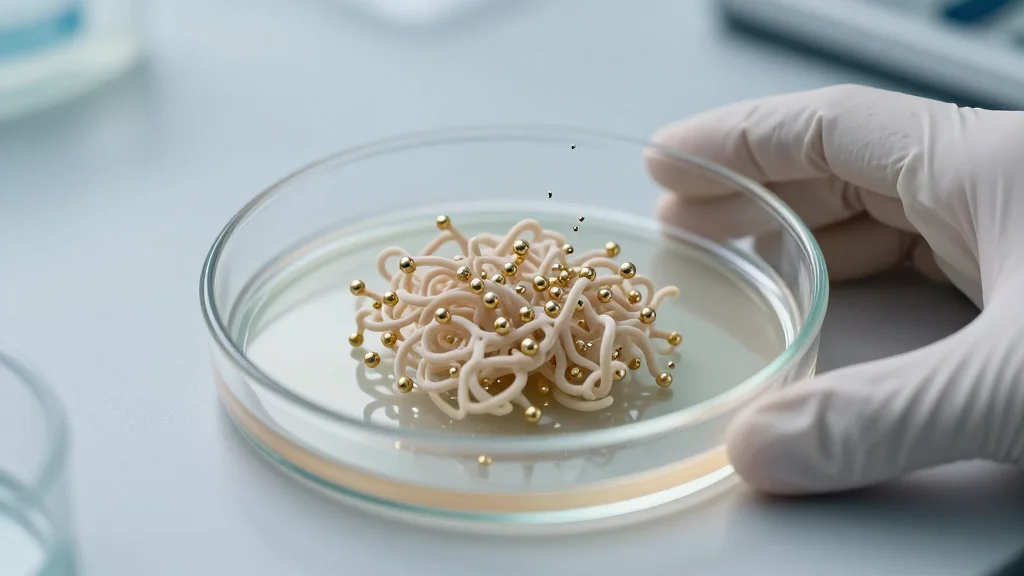
New Nanoparticle Technology Offers Hope for Hard-to-Treat Diseases
A team led by Prof. Bingyang Shi at UTS has unveiled nanoparticle‑mediated targeting chimeras (NPTACs), engineered particles that bind and degrade disease‑causing proteins both inside and outside cells. The technology can cross the blood‑brain barrier, enabling precision treatment of hard‑to‑reach...

Increasingly Competitive Job Market Worries, Frustrates Biopharma Professionals
BioSpace’s 2026 U.S. Life Sciences Employment Outlook reveals a sharp rise in job‑search activity among biopharma professionals. In the latest survey, 52 % of employed or contract respondents are actively looking, up from 46 % in 2024, while 93 % of the unemployed...

The New Gold Rush in Brain Science
Venture capitalists are aggressively targeting the brain, with billions flowing into CNS drug development and neurotechnology after breakthroughs in biomarkers, imaging and patient stratification. Big‑pharma deals—Johnson & Johnson’s $14.6 billion acquisition of Intra‑Cellular Therapies and Sanofi’s $470 million purchase of Vigil Neuroscience—signal...
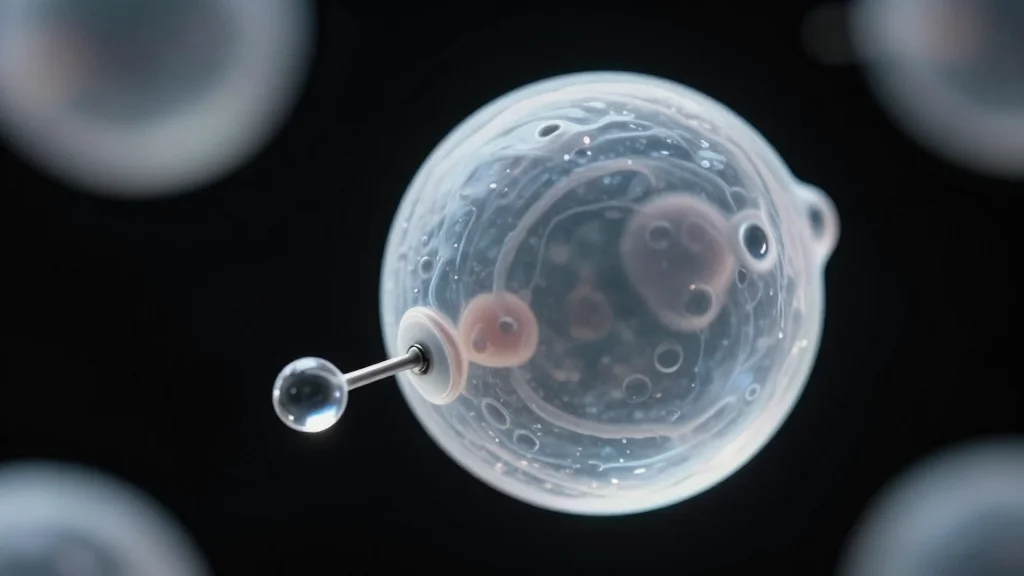
Unveiling Novel Biomarkers: Ferroptosis and M1A in the Progression of Nanographene‐Induced Lung Fibrosis
The study demonstrates that inhalation of graphene nanomaterials induces pulmonary fibrosis accompanied by ferroptotic cell death. Dose‑ and time‑dependent exposure leads to organ‑specific damage, especially in the lungs and immune system. Researchers identified 1‑methyladenosine (m1A) as a responsive biomarker, whose...

Subtle Hydrophobicity‐Triggered Vesicle Modulation for Label‐Free Rapid Detection of Native Fatty Acids and Steroids
The researchers present a gemini lipidoid that self‑assembles into vesicles only when exposed to hydrophobic molecules, creating a label‑free optical sensor for fatty acids and steroids. This platform distinguishes chain length, degree of unsaturation, and even cis‑trans isomers without any...
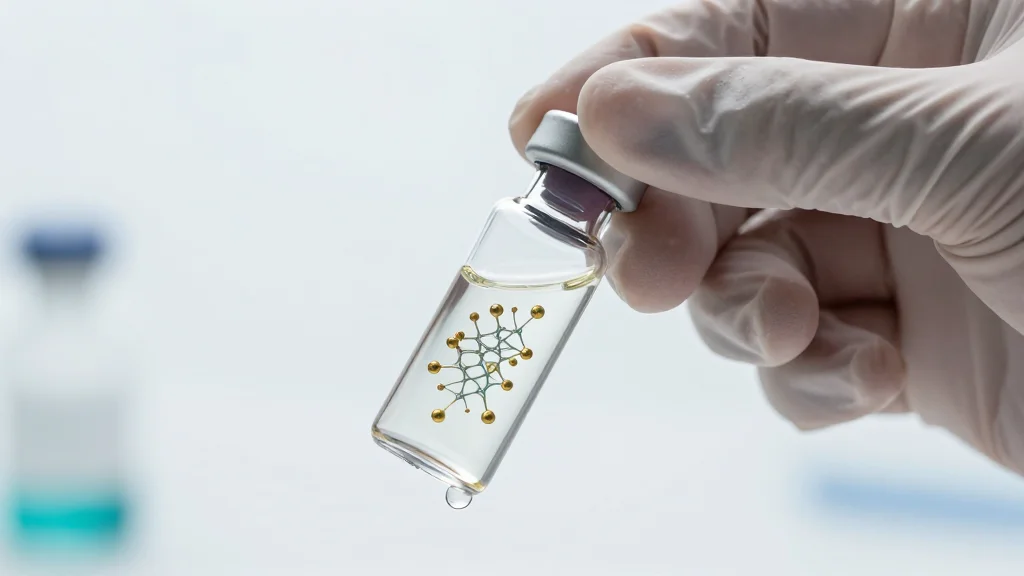
Magnetic Nanocomposites with Cell Membrane Cloak for Electrochemical Profiling of Cancer‐Related MiRNAs
Researchers have engineered magnetic nanocomposites cloaked in cell membranes to serve as carriers for DNA probes targeting cancer‑related microRNAs. Upon binding miRNA, duplex‑specific nuclease triggers cyclic cleavage, releasing labeled signal strands that bind to a tetrahedral DNA interface on an...

Advanced Encapsulation Technologies for Extracellular Vesicles: From Single Units to Macroscale Packaging
The review categorizes extracellular vesicle (EV) encapsulation into nanoscale, microscale and macroscale approaches, detailing how each tier shields vesicles and modulates release. It highlights recent material innovations that improve EV stability, targeting precision, and therapeutic payload capacity. The authors discuss...
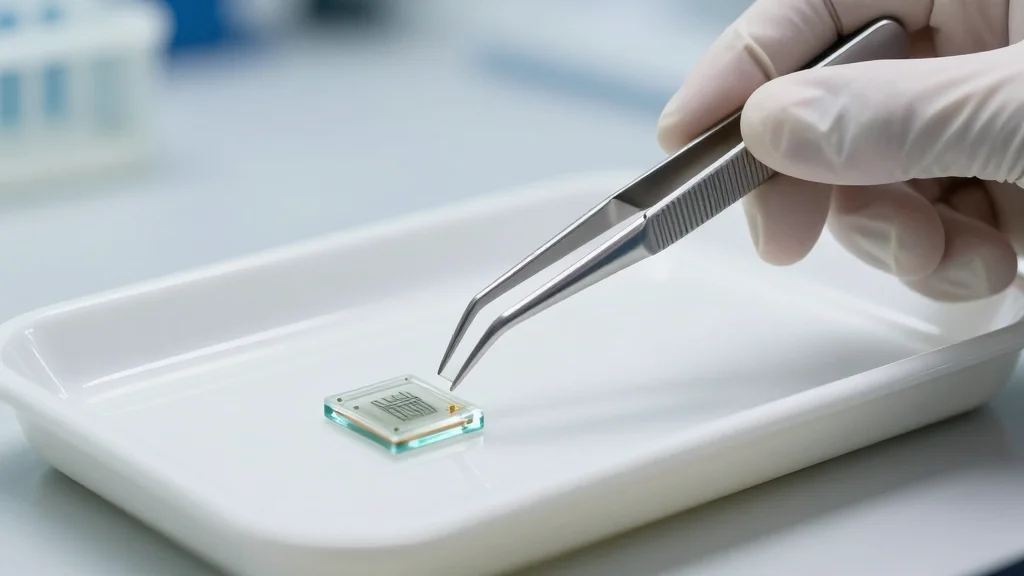
Intratumoral Synthesis of Two‐Photon NIR‐I Activated Photosensitizer Undergoing Oxygen‐Free Photo‐Redox Cycle for Hypoxic Tumor Phototherapy
Researchers have engineered an intratumoral prodrug, AICST, that converts to the photosensitizer AICST‑SO3 when exposed to two‑photon NIR‑I (800 nm) light. The activated compound operates via an oxygen‑free photo‑redox cycle, producing cytotoxic hydroxyl radicals that kill cancer cells even in hypoxic...
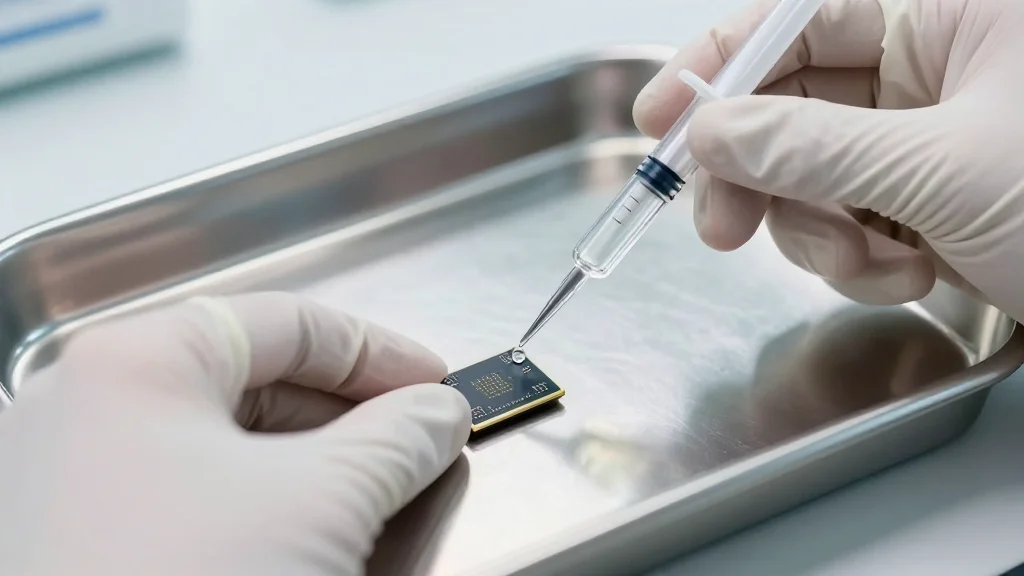
Multifunctional Nanoparticles Inhibit HSPs Expression and Improve Pyroptosis Through ROS Amplification in Mild Photothermal Therapy of Oral Squamous Cell Carcinoma
Researchers have engineered folate‑acid‑modified polydopamine nanoparticles loaded with copper peroxide (PDCF NPs) to treat oral squamous cell carcinoma. The nanocarriers generate high levels of reactive oxygen species, which promote Gasdermin D palmitoylation and trigger robust pyroptosis while simultaneously downregulating heat‑shock...

Bacterial Armory: Engineering Dual Photosensitized Bacteria for a Triple‐Modal Therapy on Tumors
Researchers engineered a probiotic E. coli strain by coating it with polydopamine and a cationic BODIPY photosensitizer, creating the E@PB platform that combines photothermal, photodynamic, and immune therapies. The dual‑laser system (808 nm and 660 nm) induces localized hyperthermia and reactive oxygen...

Enhancement of Antibacterial and Osteogenic Properties in Novel Ti‐Mo‐Hf‐Cu Medium Entropy Alloys (Small 5/2026)
Researchers have designed a Ti‑Mo‑Hf‑Cu medium entropy alloy that spontaneously forms nanoscale acicular (Ti,Hf)2Cu precipitates. The precipitates generate localized micro‑area potential differences, delivering strong antibacterial activity while simultaneously promoting osteogenic cell growth. Additionally, the alloy’s low elastic modulus closely matches...
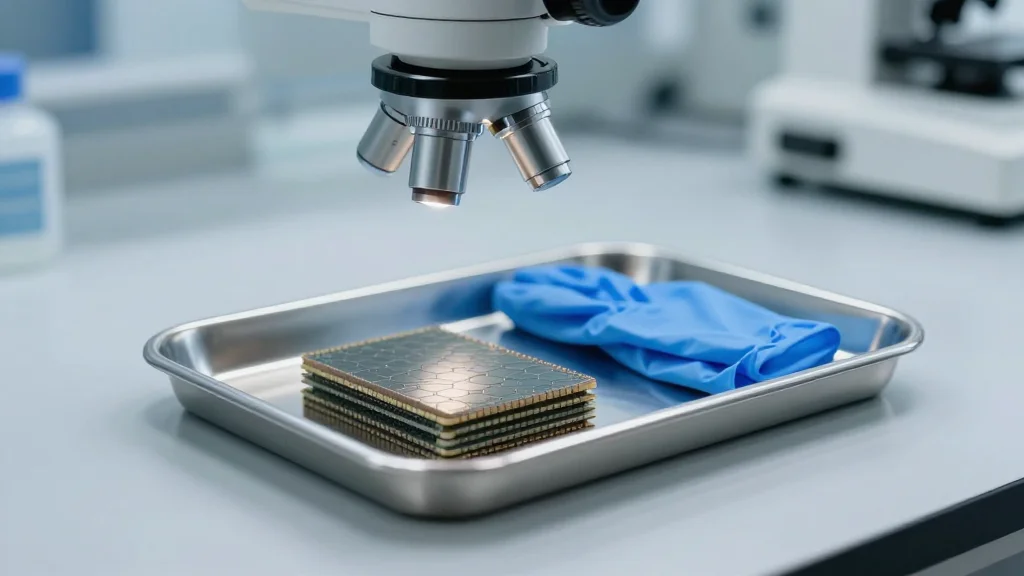
Enhancement of Antibacterial and Osteogenic Properties in Novel Ti‐Mo‐Hf‐Cu Medium Entropy Alloys
Researchers have engineered a new class of Ti‑Mo‑Hf‑Cu medium entropy alloys (MEAs) that combine antibacterial activity with enhanced bone‑forming capability. By adding copper and hafnium to Ti‑Mo, nanoscale (Ti,Hf)₂Cu precipitates form without heat treatment, delivering 97% bacterial kill rates against...
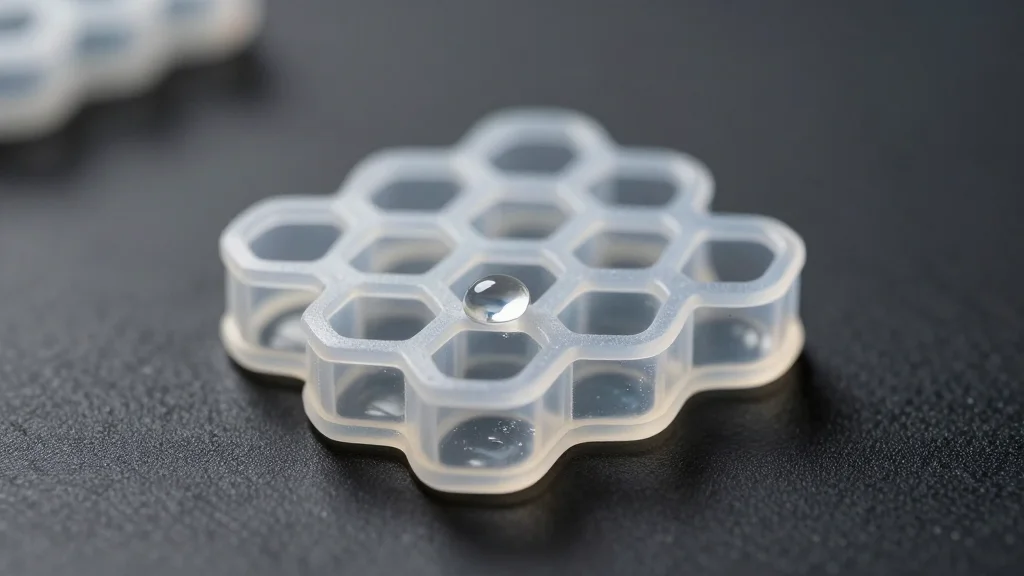
Bacterial Membrane Vesicles: Next‐Generation Nanoscale Antibacterial Biomaterials
Researchers are positioning bacterial membrane vesicles (MVs) as next‑generation antibacterial biomaterials. Their natural lipid bilayer enables encapsulation and protected delivery of antimicrobial agents, while intrinsic bioactivity can stimulate immune responses. Functionalization strategies improve biosafety, targeting specificity, and cargo loading, turning...

Functionalizing Nucleic Acids: Synthesis and Purification Strategies for Bioconjugates as Biomaterials
The review outlines how DNA and RNA can be chemically linked to polymers, peptides, proteins, lipids, and saccharides to create hybrid biomaterials. It details synthesis routes and matches each to appropriate purification techniques such as chromatography, membrane filtration, and electrophoresis....

Species‐Specific Antibacterial Materials: From Design to Application
Traditional broad‑spectrum antibiotics fuel resistance and disrupt the microbiome, prompting a shift toward species‑specific antibacterial materials that target only pathogenic microbes. These agents exploit unique bacterial signatures to preserve beneficial flora while eliminating disease‑causing strains. The review outlines selective mechanisms,...

Entropy‐Engineered HEO/Fe, N‐CNT Bioanode via Flash Joule Heating: Accelerated Electron Harvesting and Directed Geobacter Enrichment for High‐Power Microbial Fuel Cells
Researchers used ultrafast flash Joule heating to fabricate an entropy‑engineered bioanode that anchors high‑entropy oxide (HEO) nanoparticles onto Fe‑ and N‑doped carbon nanotubes. The hybrid HEO/Fe,N‑CNT electrode delivers a record 3.76 W m⁻² power density in microbial fuel cells, a 9.6% gain...

Monash-Led Team Secures Funding to Develop Graphene Oxide Sensor for Early Cancer Detection
Monash Health and Monash University have secured a $100,000 grant from the Love Your Sister Foundation to develop a graphene‑oxide biosensor that detects circulating tumor DNA for early cancer diagnosis. The interdisciplinary team will engineer a functionalised GO surface that...

Little Étoile Mothers’ Care: Raising the Standard in Maternal Wellbeing
Little Étoile Mothers’ Care, launched by Max Biocare, introduces a science‑led skincare line for pregnant, breastfeeding and postpartum women. The range is formulated in a GMP‑licensed Australian facility and vetted through a proprietary “inscreen” safety protocol that screens for reproductive...
Scaling RNA Therapeutics Sustainably Using the ECO Synthesis Manufacturing Platform
Codexis unveiled its ECO Synthesis™ Manufacturing Platform, a fully aqueous, enzymatic process for producing siRNA at scale. The platform demonstrated a 10‑gram laboratory synthesis and can deliver up to 100 grams of GLP‑grade RNA for toxicology studies, positioning it to surpass traditional...

FDA Takes Step Toward Innovation-Supporting Endpoints with MRD Negativity Guidance
The FDA released draft guidance endorsing measurable residual disease (MRD) negativity as a surrogate endpoint for accelerated approval in multiple myeloma. The guidance implements the unanimous 2024 recommendation from the Oncologic Drugs Advisory Committee. By formalizing MRD negativity, the agency...

Biotech’s Bull Is Back — and Investors Think It Can Stick
After more than four years of a biotech bear market, investors are now seeing a genuine bullish turn. Lower interest rates, clearer policy signals and strengthening fundamentals are aligning to revive capital flows. BioCentury’s survey of 15 buyside investors and...

How Bird Retinas Function Without Oxygen May Inform Future Stroke Therapies
Researchers have shown that bird retinas operate in permanent oxygen deprivation, relying on anaerobic glycolysis rather than blood‑borne oxygen. Direct measurements revealed that the inner retina of species like the zebra finch is fully anoxic, overturning the long‑standing belief that...

Stem Cells for Stroke Hype Awardee 10 Years Ago Now Tells a Cautionary Tale
A decade‑old, sensational headline claimed Stanford stem‑cell therapy helped a stroke patient walk, sparking false hope. The product, SB623, showed modest signals in an early open‑label study but failed to meet endpoints in a Phase 2b stroke trial, leading to its...

AI Helps Find Trees in a Forest: Researchers Achieve 3D Forest Reconstruction From Remote Sensing Data
Researchers at Purdue University and Kiel University unveiled TreeStructor, an AI‑driven system that can isolate and reconstruct individual trees within full forest point‑cloud datasets, delivering complete 3‑D models. The approach builds a dictionary of geometric tree parts and uses neural...

The Status of EU Drug Price Talks Depends on Who You Ask
European drug price negotiations for 2026 are at a crossroads, with member states and the EU Commission offering conflicting perspectives. U.S. policymakers are lobbying for tighter price alignment to curb American market spillover, while European regulators stress sovereign health budgets....