
ORIC® Pharmaceuticals Announces Preclinical Rinzimetostat (ORIC-944) Presentations at the 2026 American Association for Cancer Research (AACR) Annual Meeting
ORIC Pharmaceuticals announced that two preclinical abstracts on its PRC2‑targeting agent rinzimetostat (ORIC‑944) have been accepted for poster presentation at the 2026 AACR Annual Meeting. The data show rinzimetostat, an allosteric EED inhibitor, maintains potency against EZH1‑overexpressing complexes and key resistance mutations (EZH2 Y666N, EED‑H213R) where EZH2 or dual EZH1/2 inhibitors lose activity. In combination with androgen‑receptor (AR) inhibitors, the compound produced antitumor effects across prostate cancer models, including castration‑resistant and AR‑pathway inhibitor‑resistant settings. A global phase 1b trial with AR inhibitors (NCT05413421) is currently enrolling.

ArriVent to Present Two Preclinical Posters on the EGFR Inhibitor Firmonertinib and on the Novel Dual-Target MUC16/NaPi2b Tetravalent ADC ARR-002...
ArriVent BioPharma will showcase two preclinical posters at the 2026 AACR Annual Meeting, highlighting its EGFR inhibitor firmonertinib and the dual‑target tetravalent ADC ARR-002. Firmonertinib demonstrates high‑potency inhibition of both classical EGFR mutations and exon‑20 insertion variants, with strong brain...

Graphene Sensors Stay Stable in Liquids, Boosting Sensitivity up to 20 Times
Researchers at Penn State have unveiled a dual‑gate graphene field‑effect transistor that remains stable in liquid environments, eliminating the signal drift that hampers conventional sensors. By pairing a high‑capacitance top gate with a low‑capacitance bottom gate and adding a feedback...

Webinar: Operationalizing AI in Drug Development: Inside DIA’s Global AI Consortium
The Drug Information Association (DIA) has launched a public‑private AI Consortium that unites regulators, biopharma, academia, and technology firms to shape AI governance in drug development. The group is developing a seven‑step classification framework that aligns AI use‑cases with risk‑proportionate...

AI's Real Bottleneck: Accelerating Human Processes, Not Tech
Our bottleneck for some of the biggest change ahead may be humans. I shared the story of Paul Conyngham and his dog Rosie on my Instagram when it broke. When I read the coverage, my shock was less that ChatGPT...

Clinical Trial Results Support Use of Weekly Extended-Release Buprenorphine for Treatment of Opioid Use Disorder During Pregnancy
A NIH‑backed multicenter trial of 140 pregnant adults found that weekly injectable extended‑release buprenorphine achieved significantly higher rates of illicit opioid abstinence than daily sublingual buprenorphine, while also reducing serious maternal adverse events. The study, published in JAMA Internal Medicine,...

Engineered Anhydrobiotic Cells Detect Odors After Years of Dry, Room-Temperature Storage
Researchers at Japan’s National Agriculture and Food Research Organization engineered an anhydrobiotic Pv11 cell line to express the fruit‑fly odorant receptor Or47a and calcium‑sensitive reporter GCaMP6f. The resulting Pv11‑00443‑Or47a cells kept the insect’s extreme desiccation tolerance, enabling dry storage at...

Transient but Transformative: Sanofi’s mRNA CAR-T Enters in Vivo Race
Sanofi unveiled pre‑clinical data for an in‑vivo CAR‑T platform that delivers mRNA via lipid nanoparticles (LNPs) and a CD8‑targeting VHH nanobody, eliminating the weeks‑long ex‑vivo manufacturing step. The approach achieved tumor suppression in mice with less than 5% liver uptake...

GIP Drives Subcutaneous Fat Storage; Tirzepatide Leverages This
GIP preferentially enhances glucose storage and triglyceride deposition in healthier subcutaneous fat, particularly under conditions of hyperinsulinemia and hyperglycemia. Tirzepatide contains a GIP agonist. https://doi.org/10.2337/db10-0098 https://www.gatlan.com/ @GatlanHealth

They’ve Revived Dead Brains. And Now We Might Finally Get Some Cures
In this episode, host Volime Vesela, a physician‑scientist and CEO of Bexerg, discusses his startup’s groundbreaking work reviving dead human brains to create an intact human brain lab for drug testing. He explains how his Croatian co‑founder, Dr. Josep "Joe"...

Bicycle to Lay Off 30% of Staff, Pivot Away From Padcev Challenger
Biotech firm Bicycle Therapeutics announced it will lay off roughly 30% of its workforce, about 86 employees, as it deprioritizes its experimental ADC zelenectide‑pevedotin. Regulators expressed doubts that the Phase 2 Duravelo‑2 trial data will support accelerated approval for metastatic bladder...

Zalsupindole
Delix Therapeutics announced the results of a Phase 1b study of zalsupindole, a selective 5‑HT2A receptor partial agonist, in patients with major depressive disorder. The trial, published in the January 2026 issue of ACS Chemical Neuroscience, demonstrated favorable safety, tolerability, and early...

GLP‑1 Weight Loss Shows No Extra Muscle Loss
A study asserts lack of disproportionate loss of muscle mass or strength cf weight loss from GLP-1 drug treatment, in mice and a small short term (12 weeks) trial in men The issue remains unsettled and counters the efforts by companies...

Computational Bio Tool Automates and Standardizes Genome Sequencing Analysis
Scientists at Sanford Burnham Prebys and UCLA unveiled metapipeline‑DNA, a new computational tool that automates quality control, variant calling, and reporting for large‑scale genome sequencing. The pipeline processes roughly 100 GB per human genome and can scale to hundreds of samples,...

Biodegradable Polymers for Application as Robust Immunomodulatory Biomaterial Carrier Systems
Biodegradable polymers are emerging as versatile carriers for immunotherapeutic agents, offering tunable degradation, enhanced antigen presentation, and intrinsic immunomodulatory properties. The review evaluates synthetic and natural polymers such as PLGA, PBAEs, Ace‑DEX, chitosan, alginate, and hyaluronic acid, highlighting their formulation...
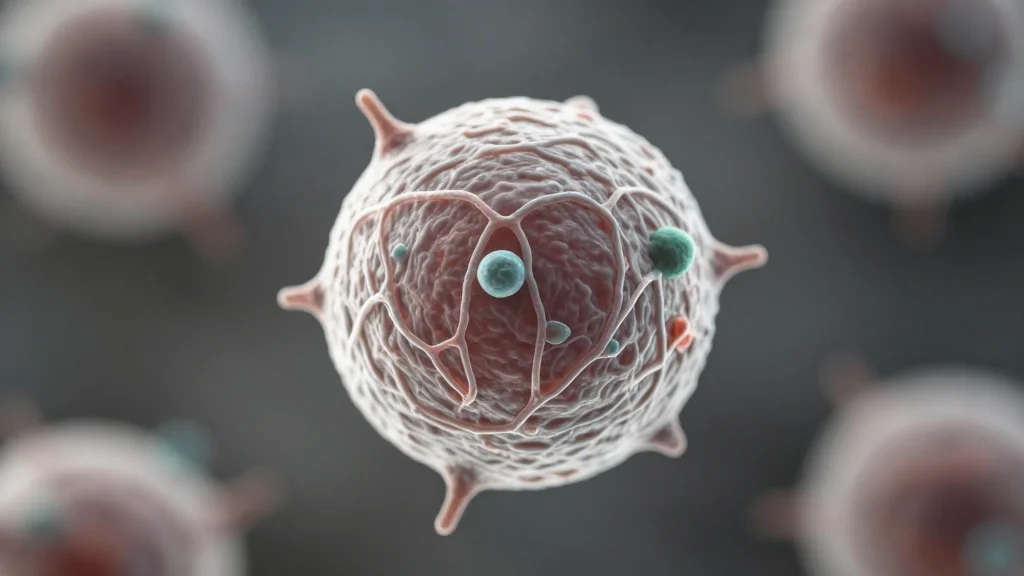
NQO1‐Responsive Prodrug for in Cellulo Release of Cytochalasin B as Cancer Cell‐Targeted Migrastatic (Small 16/2026)
Researchers introduced BQTML‑CB, an NQO1‑responsive prodrug that releases cytochalasin B inside tumor cells, disrupting actin filaments and halting migration and proliferation. The design exploits the enzyme NQO1, overexpressed in many aggressive cancers, to achieve tumor‑selective activation while sparing NQO1‑deficient cells and...

Bioengineered Bacterial Vesicles and Biomimetic Hybrids Eliminate Biofilms and Balance the Gut Microbiome
Researchers have engineered biomimetic nanocarriers that combine liposomal structures with Myxobacteria outer‑membrane vesicles (OMVs) to deliver antibiotics. The hybrid carriers achieve higher drug loading and can penetrate intracellular Gram‑negative pathogens, while native OMVs avoid immune clearance and sustain extracellular exposure....

From Membrane Composition to Antimicrobial Strategies: Experimental and Computational Approaches to AMP Design and Selectivity
The review highlights how bacterial membrane composition critically shapes the activity of antimicrobial peptides (AMPs) and outlines experimental and computational strategies for their rational design. By examining case studies, it maps structure‑activity relationships that govern membrane disruption versus intracellular targeting....

Nature Inspired Delivery Vehicles for CRISPR‐Based Genome Editing
The review surveys nature‑inspired nanocarriers—viral vectors, extracellular vesicles, liposomes, lipid nanoparticles, and engineered membrane particles—as delivery platforms for CRISPR genome editors. It details how these systems improve editing specificity, lower immunogenicity, and surmount cellular barriers that have limited therapeutic rollout....
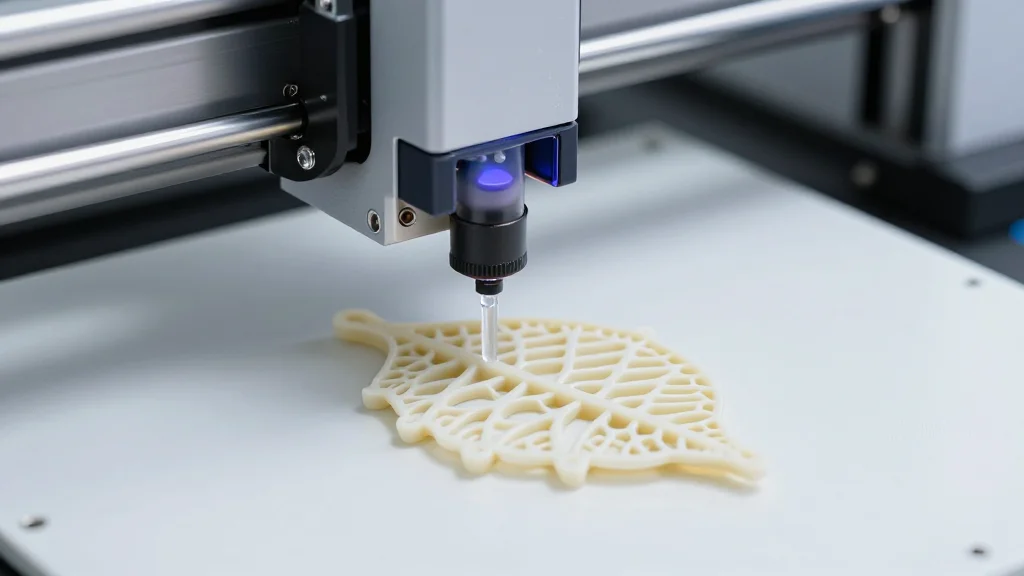
Hybrid 3D Bioprinting of Sustainable Biomaterials for Advanced Multiscale Tissue Engineering
A new review outlines recent progress in hybrid 3D bioprinting that combines inkjet, extrusion, and vat photopolymerization to fabricate multiscale tissue constructs using sustainable, renewable biomaterials. The authors highlight how integrating multiple printing modalities overcomes single‑technique limitations, enabling nano‑ to...

Suckerin Colloids and Hydrogels With Low Immunogenicity as Resorbable and Hemostatic Tissue Adhesives for Wound Healing
Researchers have engineered recombinant suckerin‑12 colloids and hydrogels that act as wet‑resistant tissue adhesives. The materials exhibit stronger adhesion than traditional mussel‑derived proteins and outperform fibrin glue in hemostasis, cell proliferation, and wound closure in animal models. Low cytotoxicity, minimal...

Third FDA Rejection for Aldeyra’s Dry Eye Disease Drug Sends Shares Plummeting
The FDA issued a third complete response letter rejecting Aldeyra Therapeutics' lead dry‑eye candidate, reproxalap, citing a lack of substantial evidence and inconsistent efficacy data. The agency noted the drug failed to demonstrate clear benefit in well‑controlled studies, though no...

Can Bristol Myers Squibb’s Pipeline Strategy Offset a Major Patent Cliff?
Bristol Myers Squibb faces a major patent cliff as flagship drugs like Revlimid, Pomalyst, Opdivo and Eliquis lose exclusivity, threatening its revenue base. To counteract the decline, the company is reshaping its pipeline through internal R&D and high‑profile acquisitions, emphasizing...

Are Pig Organs the Future of Transplantation?
The United States faces a transplant shortage of over 100,000 patients, prompting research into xenotransplantation using genetically engineered pig organs. Recent cases—David Bennett’s pig heart in 2022, Lawrence Faucette’s in 2023, and Tim Andrews’ pig kidney in 2025—demonstrate feasibility, with...

NVIDIA and Persistent Systems Partner to Bring ‘Agentic AI’ to Drug Discovery
Persistent Systems has partnered with NVIDIA to bring Agentic AI to the healthcare and life‑sciences sector, focusing on computational drug discovery. Leveraging NVIDIA’s full AI stack—including AI Enterprise, BioNeMo, the NeMo Agent Toolkit, and NIM microservices—Persistent built GenMolVS, a generative...

EMA Marketing Authorization of New Drugs in February 2026
In February 2026 the European Commission and the CHMP granted marketing authorisations and positive opinions for a slate of innovative therapies spanning COVID‑19, oncology, cardiology, immunology and rare diseases. Notable approvals include Moderna’s mNEXSPIKE COVID‑19 vaccine, Hansoh’s Aumseqa for EGFR‑mutated...

FreezOpt Controls Ice Nucleation, Preserves Cells in Cryopreservation
I've always been fascinated by animals that can survive being frozen—cell walls are delicate and can be destroyed by ice crystals. HOHCells just launched FreezOpt, which is designed to keep cells intact during cryopreservation. It enables controlled initiation of ice...
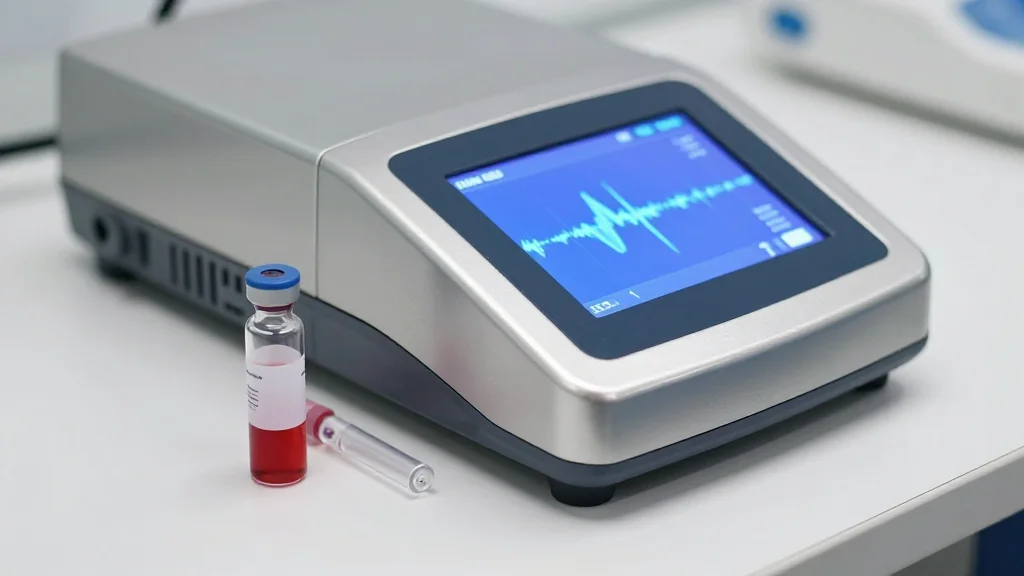
For Newer Sepsis Diagnostics, What the Studies Show
Newer sepsis diagnostics such as monocyte distribution width (MDW), Intellisep, and MeMed BV are showing promise in early clinical studies but each has distinct limitations. MDW, available on the Beckman Coulter CBC platform, improves sepsis detection when combined with white‑blood‑cell...

Blood Test Detects Brain Tumours with 90% Accuracy
Scientists at the University of Manchester have developed a blood test that detects brain tumours with 90% accuracy by measuring a pair of proteins. The test, validated in glioblastoma patients, is being evaluated in a multi‑site clinical trial across six...

DDW Highlights: 17 March 2026
In this DDW Highlights episode, Bruno Quinney reviews four major stories: a Mayo Clinic study linking the Parkinson's protein alpha‑synuclein to dramatically faster Alzheimer’s progression in women; a Texas A&M‑funded project testing extracellular vesicle (EV) therapy to modulate microglia and...

Cancer Vaccines Could Transform Treatment and Prevention – but Misinformation About mRNA Vaccines Threatens Their Potential
Scientists are accelerating development of mRNA cancer vaccines, with more than 120 clinical trials targeting melanoma, brain, breast, lung and prostate tumors. Early studies, such as personalized vaccines for glioblastoma, demonstrate rapid immune activation and improved survival. Simultaneously, a false...

Peptide Drugs Require Robust Safety and Efficacy Evidence
In response to suggesting peptide drugs should have good evidence on safety and efficacy in order to weigh the risks and benefit…

Designing Clinical Trials to Address Asthma and COPD Flare-Ups
Acute asthma and COPD exacerbations remain a costly, life‑threatening gap despite advances in chronic therapies. Connect Biopharma, led by Barry Quart, is the first biotech targeting these flare‑ups with a biologic that blocks IL‑4Rα, aiming to curb upstream inflammation. The...

R1: China-to-U.S. NewCo Planning Global Testing of New CKD Mechanism
The article outlines BioCentury’s cookie policy, detailing categories of cookies used on its website. Strictly necessary cookies are always active and enable authentication, registration, and core navigation. Functional, marketing, advertising, and analytics cookies provide personalization, targeted promotions, ad tracking, and...

Huntington’s Disease Gene Therapy: FDA Reversal Delays AMT-130
A Phase I/II trial of AMT‑130, an AAV‑delivered microRNA gene therapy, showed a 75% reduction in Huntington's disease progression over three years in 12 patients. The FDA initially supported using external control data from the Enroll‑HD database for the Biologics...

Balancing the Risks and Rewards of Drug Development in China: A Small Biotech CEO Perspective
The blog by HotSpot Therapeutics CEO Jonathan Montagu argues that China is no longer just a manufacturing hub but a burgeoning source of innovative drug candidates, evidenced by its 17% lead over the U.S. in Nature’s Index and nearly half...

Evidence for Microglia to Actively Promote Amyloid Aggregation in the Aging Brain
Researchers have discovered that microglia, the brain’s innate immune cells, can actively remodel soluble amyloid‑β (Aβ42) into extracellular fibrils with strong seeding activity, contrary to the prevailing view that they only clear plaques. Cell‑based assays showed that microglia‑generated amyloid closely...

GEN Secures BEBO Foundation Approval for Phase II PD Trial
GEN Pharmaceuticals received BEBO Foundation ethical approval to launch a Phase II proof‑of‑concept trial of its mitochondrial‑targeting drug SUL‑238 in Parkinson’s disease. The single‑centre, randomised, double‑blind, placebo‑controlled study, named SHEPHERD, will begin patient enrolment in Groningen in April 2026. Over a 28‑day...

Modified Lipid Nanoparticles Boost Immunity and Cut Vaccine Inflammation
Engineered lipid nanoparticles with modified ionizable lipids enhance immune cell metabolism, improve mRNA vaccine delivery to lymph nodes, and reduce inflammatory side effects in preclinical models. vaccinetechnology

Bicycle Cuts 30% Staff, Abandons Padcev Challenger
Bicycle to lay off 30% of staff, pivot away from Padcev challenger https://t.co/m3JFu2mwoB @ByJonGardner $BCYC $PFE $MRK

NeuroScientific Readies Stem Cell Supply Boost for Bowel Disease Trials
NeuroScientific Biopharmaceuticals has begun its first manufacturing run of the StemSmart mesenchymal stem cell therapy at Q‑Gen Cell Therapeutics in Brisbane, initiating a critical technology transfer. The engineering run will validate quality, potency and regulatory compliance ahead of a Phase 2...

World's Largest In‑Vivo CRISPR Data Engine Unveiled
From Prof Jin and my colleagues @scrippsresearch the largest in vivo CRISPR data engine, nearly 8 million cells, in collaboration with @nvidia and featured at GTC

Pfizer's Ibrance Successor Advances with Fresh Study Data
Pfizer’s Ibrance successor moves forward with new study data https://t.co/ozXAZYmc3M by Kristin Jensen $PFE $LLY $NVS $RHHBY $ONC

Single-Cell Analysis Advances Neurodegenerative Disease Understanding
Neurodegenerative diseases at the single-cell level, a powerful tool to differentiate and better understand https://t.co/Pkz4qW0ELM @jclinicalinvest https://t.co/LiJ4FojRYZ

CytomX CRC Data Demand Double‑Take, Not Clear Verdict
Some clinical updates tell you exactly what they are. Others ask to be read twice. CytomX’s latest CRC data belong firmly in the second category. Is the die cast? https://t.co/dfdPxx4zXs https://t.co/y9QAoahMut

Co‑varying Residues in MSAs Predict Protein Contact Points
A great read: What we can learn from evolving proteins "A signal hidden in Mulitple Sequence Alignments (MSAs): amino acid positions that tend to co-vary in the MSA tend to interact with each other in the folded structure, often via direct...

Hidden Mistakes, Not Bad Data, Threaten Genomics
1/ You think the biggest danger in genomics is bad data. More than that. It's the mistakes you make—without knowing. Here are the ones I learned the hard way. 🧵 https://t.co/3oj9cseVq7

R1 Secures $78M to Advance Kidney Drug Development
R1 starts up with $78M, aiming for a better kidney drug https://t.co/PQQjX47ODM by @gwendolynawu #biotecjh #startups
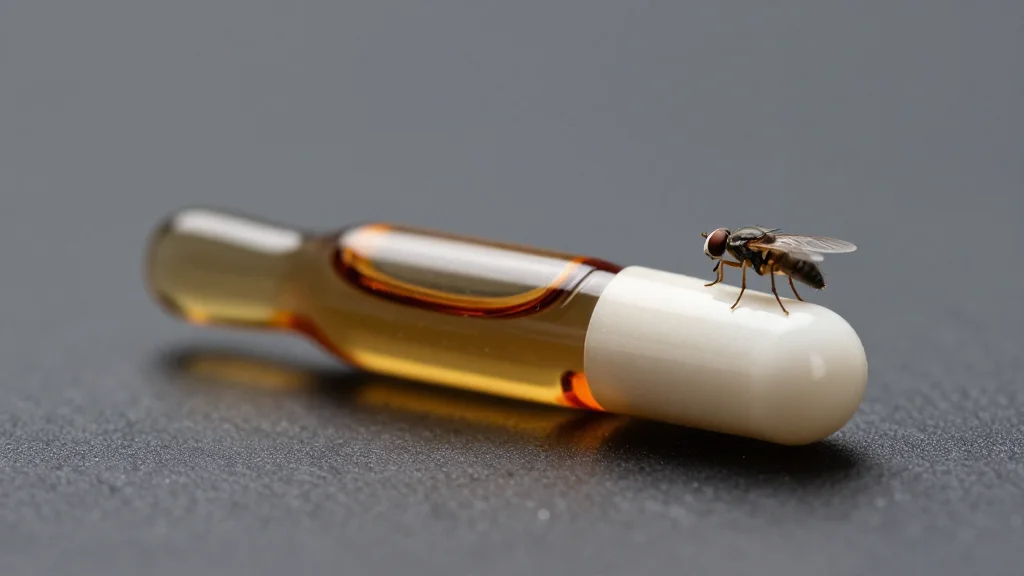
New Drug Could Eradicate Sleeping Sickness, Says NPR
Sleeping sickness could be wiped out with this new drug: my comments @NPR @NPRGlobalHealth https://t.co/T0mAeX8P0A

Vote for the Top Engineered Yeast Bioart
It’s time for the annual vote for best engineered yeast bioart from the @ImperialBioeng undergrad #SynBio students. Help us decide among these beautiful final 4 with your votes. 🗳️ ⬇️ https://t.co/2fo1XaGCmL