
Viruses in the Gut May Help Prevent Blood Sugar Spikes, Mouse Study Hints
A mouse study published in Cell Host & Microbe shows that the gut virome—primarily bacteriophages—modulates carbohydrate metabolism by activating immune pathways. Disrupting the virome with an antiviral cocktail caused sharp blood‑glucose spikes in mice fed a high‑carbohydrate diet, while enriching viral loads improved glucose tolerance without changing bacterial communities. The effect is mediated by T‑cell uptake of viral particles, which triggers proteins that limit glucose entry into the bloodstream. Human intestinal organoids reproduced the same virome‑immune‑metabolism interaction, suggesting relevance beyond rodents.

Latent-Y: The Autonomous AI Agent for Drug Design at Scale
Latent Labs unveiled Latent‑Y, an autonomous AI agent that designs therapeutic antibodies from natural‑language prompts. Powered by the Latent‑X2 generative model, the platform compresses weeks of expert work into hours and can run multiple design campaigns in parallel. In three...

Pyxis Oncology Provides Business Update and Reports Fourth Quarter and Full Year 2025 Financial Results
Pyxis Oncology announced completion of target enrollment for its Phase 1 MICVO monotherapy study in recurrent/metastatic head and neck cancer, enrolling roughly 40 patients. Interim CEO Thomas Civik highlighted promising early efficacy, with a 46% objective response rate as monotherapy and a...

STAT+: Insmed Drug Benefits Patients with Rare, Bacterial Lung Disease, Study Shows
Insmed announced that a Phase 3 trial showed adding its inhaled antibiotic Arikayce to standard therapy significantly improved respiratory symptoms and boosted culture conversion rates in patients with newly diagnosed mycobacterium avium complex (MAC) lung infection. The study met its primary...

Avalo Therapeutics Reports 2025 Financial Results and Recent Business Updates
Avalo Therapeutics announced its 2025 financial results, reporting $98.3 million in cash and short‑term investments that should fund operations into 2028. Research and development expenses jumped to $50.1 million, driven by the Phase 2 LOTUS trial of abdakibart (AVTX‑009) for hidradenitis suppurativa. The...

'Zombie' Cells Created by Transplanting Genomes Into Dead Bacteria
Researchers have revived a dead bacterial cell by transplanting the complete genome of Mycoplasma capricolum into a chemically inactivated host, creating the first living synthetic bacterium assembled from non‑living parts. The experiment builds on the 2010 landmark where a synthetic...

STAT+: Pfizer’s Lyme Vaccine Shows Efficacy, but Misses Key Statistical Hurdle
Pfizer and Valneva’s experimental Lyme vaccine cut the risk of infection by more than 70% in a late‑stage trial, offering a promising preventive tool for a disease that affects roughly 476,000 Americans annually. The study, however, missed its primary statistical...

STAT+: Apogee Therapeutics Data Show Long-Acting Eczema Drug Induced Relief with Less Frequent Injections
Apogee Therapeutics reported that its experimental long‑acting eczema biologic, zumilokibart, achieved sustained skin‑clearance in a mid‑stage trial. Seventy‑five percent of patients receiving the drug every three months and 85 % of those dosed every six months maintained an EASI‑75 response after...

IntraBio Reports the US FDA’s sNDA Submission of Aqneursa for Ataxia-Telangiectasia
IntraBio has filed a supplemental New Drug Application (sNDA) with the U.S. FDA seeking approval of Aqneursa (levacetylleucine) for Ataxia‑Telangiectasia (A‑T). The filing is supported by a Phase III trial that met its primary and key secondary endpoints and demonstrated a...

Optimus Protein
Researchers at Kyoto University and RIKEN identified the RNA‑binding protein DHX29 as the sensor that detects non‑optimal codons in human mRNA. Genome‑wide CRISPR screens, ribosome profiling, and cryo‑EM revealed that DHX29 binds ribosomes translating suboptimal codons and recruits the GIGYF2·4EHP...

Collagen Gene Expression and Aging in Nematode Worms
Researchers analyzed RNA‑seq data from Caenorhabditis elegans and identified a broad decline in collagen gene expression with age, pinpointing 16 collagens consistently downregulated across multiple studies. Meta‑analysis of 66 datasets revealed that collagen expression is up‑regulated in 84% of long‑lived...

Dog Aging Project’s 50,000‑Dog Study Could Accelerate Human Anti‑Aging Therapies
The Dog Aging Project, now tracking more than 50,000 dogs across the United States, is delivering longitudinal data that could shorten the path to therapies for human age‑related conditions such as dementia and cancer. Researchers say the canine model bridges...

How Do Recent Actions From FDA Provide Insight to the Agency's Enforcement Posture?
The FDA’s Rare Disease Evidence Principles (RDEP) introduce flexible trial designs, allowing sponsors to use natural‑history data and novel biomarkers as endpoints. These guidances aim to accelerate approvals for rare‑disease therapies while maintaining safety as a top priority. However, analysts...

Galderma Receives U.S. FDA Approval for Restylane® Contour™ for the Correction of Temple Hollowing
Galderma announced that the U.S. FDA has cleared Restylane Contour for the correction of temple hollowing in adults over 21, extending its existing cheek and mid‑face indications. Clinical studies demonstrated a 91% responder rate at three months, with efficacy persisting for...

HUTCHMED Initiates P-III Trial of HMPL-760 + R-GemOx for R/R Diffuse Large B-Cell Lymphoma in China
HUTCHMED has launched a Phase III trial of HMPL‑760 combined with R‑GemOx in relapsed/refractory diffuse large B‑cell lymphoma (DLBCL) patients in China, dosing the first patient on March 20, 2026. The study will enroll approximately 240 patients who have failed first‑line therapy and...

ADA2 Deficiency Boosts Cell Death, Metabolic Issues
A new study reveals that deficiency of the enzyme ADA2 markedly increases programmed cell death and disrupts normal metabolic pathways. Researchers observed heightened apoptosis in immune cells and multiple organ tissues of ADA2‑knockout mice, accompanied by severe inflammation and organ...

Validated Mechanisms, Strong Data Beat Hype in Longevity Investing
Longevity investing has shifted from hype to data‑driven strategies, according to LongeVC partners Sergey Jakimov and Artem Trotsyuk. They argue that startups must focus on measurable, disease‑specific mechanisms rather than treating aging as a single target, aligning with FDA and...
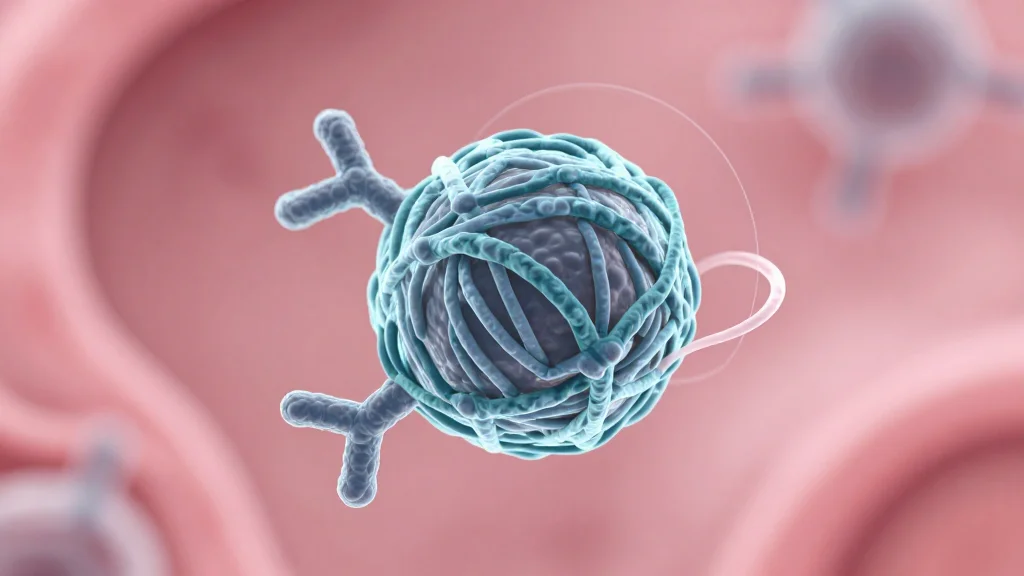
A Targeted Nanozyme for STING Activation Improves BiTEs Therapy Outcomes in Colorectal Cancer
Researchers engineered a tumor‑targeted nanozyme, MnO2‑dsDNA@BiTE/APT, that simultaneously delivers a double‑strand DNA STING agonist and a PD‑L1/CD3 bispecific T‑cell engager. The MnO2 carrier releases Mn2+ ions, activating the STING pathway, while the surface‑bound BiTE recruits T cells to cancer cells....

Dizal Reports the P-III (WU-KONG28) Trial Results on Zegfrovy (Sunvozertinib) in EGFRm NSCLC
Dizal announced topline results from its Phase 3 WU‑KONG28 trial, comparing oral once‑daily Zegfrovy (sunvozertinib) to platinum‑based chemotherapy as first‑line treatment for advanced NSCLC with EGFR exon 20 insertion mutations. The study met its primary endpoint, demonstrating a statistically significant improvement in...
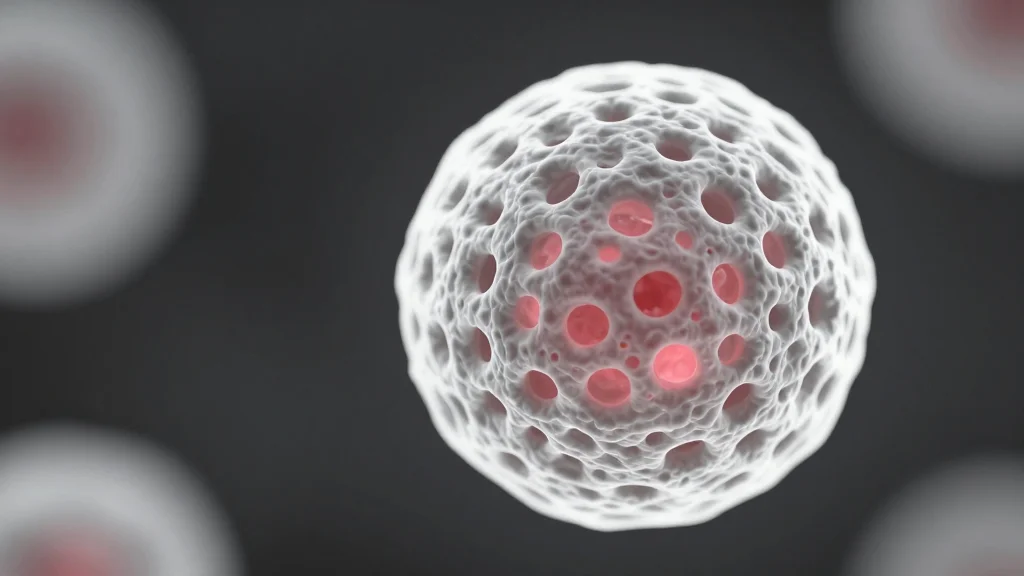
Mesoporous Silica Nanoparticles‐Based Formulations for Enhanced Oral Delivery of Peptide Drugs: A Case Study on Insulin
Researchers engineered mesoporous silica nanoparticles (MSN) to encapsulate insulin and co‑formulated them with succinylated β‑lactoglobulin into pH‑responsive tablets. Surface grafting with polyethylene glycol and phosphonate groups boosted insulin solubility by roughly 2.5‑fold and stabilized the particles in gastrointestinal fluids. The...

Social Status Influences T-Cell Synapse Strength
A new study in Cell Research links social hierarchy to immune competence by showing that pre‑frontal cortical synaptic strength governs peripheral T‑cell activity. Lower‑ranking animals displayed weakened synaptic transmission, which correlated with reduced T‑cell activation, while higher‑ranking peers exhibited stronger...

Powering the Next Wave of Cell Therapy: From iPSC-Derived Cells to In Vivo Reprogramming
Induced pluripotent stem cells (iPSCs) are being engineered into diverse therapeutic cell types, while in vivo reprogramming aims to convert resident cells directly within patients, eliminating traditional cell‑manufacturing steps. Both strategies depend on precise recombinant growth factors, cytokines, extracellular matrix proteins...

Reinforced Biotubes: Readily Available Regenerative Vascular Grafts
Researchers Cheng, Zhi and Midgley have unveiled reinforced biotubes—bioengineered vascular grafts that combine living cells with nanofibrous reinforcement—to address durability and availability limits of current grafts. The tubes are fabricated in bioreactors, seeded with smooth‑muscle and endothelial progenitor cells, and...
Gene Therapies for Hearing Loss Strike an Encouraging Note in Embattled Modality
Gene‑therapy candidates for hereditary hearing loss are gaining traction as safety concerns ease with localized delivery. Regeneron’s DB‑OTO and Eli Lilly’s AK‑OTOF have each demonstrated clinically meaningful hearing improvements in early‑stage trials, positioning them as frontrunners for the first approved deafness...

9 Months In, FDA’s New Priority Voucher Program Still Clouded With Uncertainty
The FDA’s National Priority Voucher (CNPV) program, launched in June 2025, promises to cut drug review times from 10‑12 months to just one or two months for products that meet defined national priorities. Early successes include Johnson & Johnson’s Tecvayli/Darzalex...

Open‑source Super‑intelligent Model Accelerates Drug Discovery
Very important paper from our & @liquidai teams - deeply honored to have published with the geniuses @ramin_m_h & @xanamini . Take the super flexible model with high density of intelligence, post-train and fine-tune for basic...

Advanced Biotech Diagnostics Enable Precise Disease Detection
Accurate Disease Detection with Advanced Biotech Diagnostics by @antgrasso #MedTech #Healthcare #HealthTech #Tech #TechForGood https://t.co/VRXzThHgeq

NADPH Oxidase-1 Suppression Prolongs the Antidepressant-Like Effect of Ketamine
Researchers introduced K‑4, a novel AMPA‑receptor positive allosteric modulator, which produced rapid and sustained antidepressant‑like effects in treatment‑resistant depression rat models. Bulk RNA‑seq revealed that K‑4 markedly down‑regulated NADPH oxidase‑1 (NOX‑1) in the medial prefrontal cortex and lateral habenula. Pharmacological...

Only Seven Proven Longevity Compounds After Massive Mouse Trials
7 Drugs. 30,000 Mice. 20 Years. The Only Longevity Compounds With Real Evidence. https://t.co/BzdoDZeicb @agingroy https://t.co/uM5QMpIAS6
Stem Cell Dose Boosts Walk Test, Cuts Frailty
Randomized phase 2b dose-escalation trial of stem cell therapy with laromestrocel for aging frailty 🌟Performance on the 6-minute walk test improved in a dose-response fashion 🌟Improved 6-minute walk test distance correlated with patient-reported outcomes 🌟The percentage of study subjects classified as frail decreased...

Attend the 2026 Reproductive Frontiers Summit, June 16–18, Berkeley
The 2026 Reproductive Frontiers Summit will be held at Lighthaven in Berkeley from June 16‑18, following a successful 2025 event that attracted over 100 participants. Early‑bird tickets are on sale until the end of March. The agenda features leading experts...

Allogeneic Stem Cells Safely Boost Function in Frail Adults
Allogeneic Mesenchymal Stem Cells Ameliorate Aging Frailty: A Phase II Randomized, Double-Blind, Placebo-Controlled Clinical Trial “Treated groups had remarkable improvements in physical performance measures and inflammatory biomarkers, both of which characterize the frailty syndrome. Given the excellent safety and efficacy...
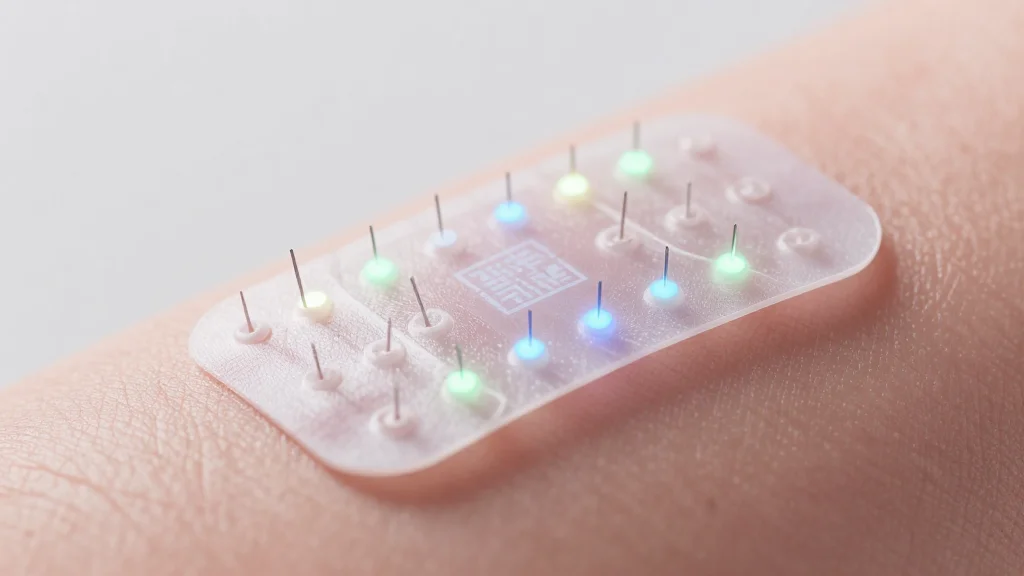
Fluorescent Microneedle Biosensors Turn Skin Biochemistry Into Scannable QR Codes
The article reports a new biodegradable microneedle patch that uses binary fluorescent probes to turn interstitial pH and glucose levels into a scannable QR code. Each of the 25 needles acts as an on/off switch at a predefined concentration, eliminating...

Cortical Labs Launches Living-Neuron Data Center, Swaps Cerebrospinal Fluid Daily
Cortical Labs unveiled a data center in Melbourne that runs on 200,000 living human neurons, with technicians replacing the cerebrospinal fluid every 24 hours. The move showcases a biologically powered computer that consumes less energy than a handheld calculator but...

J. Michael Bishop, Nobel Prize Winner for Cancer Research, Dies at 90
J. Michael Bishop, Nobel laureate who uncovered oncogenes, died at 90 from pneumonia. His 1989 Nobel Prize with Harold Varmus identified gene families that mutate into cancer‑causing oncogenes, fundamentally altering tumor biology. Bishop joined UCSF in 1968, later serving as...

FDA Drug Safety Communication: Revised Recommendations for Celexa (Citalopram Hydrobromide) Related to a Potential Risk of Abnormal Heart Rhythms with...
The FDA issued a Drug Safety Communication clarifying that citalopram (Celexa) should not be prescribed above 40 mg daily because higher doses significantly prolong the QT interval and can trigger fatal Torsade de Pointes. The label now mandates a maximum of...
FDA Drug Safety Communication: Updated Information About the Risk of Blood Clots in Women Taking Birth Control Pills Containing Drospirenone
The FDA has updated labels for drospirenone‑containing oral contraceptives after reviewing epidemiologic studies that suggest a potentially higher risk of venous thromboembolism compared with other progestins. The new warnings note that some studies report up to a three‑fold increase in...
FDA Drug Safety Communication: New Warning and Contraindication for Blood Pressure Medicines Containing Aliskiren (Tekturna)
The FDA issued a drug safety communication on April 20, 2012, adding a contraindication for aliskiren‑containing antihypertensives when combined with ACE inhibitors or ARBs in patients with diabetes, and a warning for those with moderate to severe renal impairment. The...
FDA Drug Safety Communication: Updated Information on Drug Interactions Between Victrelis (Boceprevir) and Certain Boosted HIV Protease Inhibitor Drugs
The FDA issued an updated Drug Safety Communication warning that co‑administration of Victrelis (boceprevir) with ritonavir‑boosted HIV protease inhibitors—atazanavir, darunavir, or lopinavir/ritonavir—is not recommended for patients co‑infected with hepatitis C and HIV. The interaction lowers blood concentrations of both drugs,...
FDA Drug Safety Communication: Safety Review Update of Cancer Drug Revlimid (Lenalidomide) and Risk of Developing New Types of Malignancies
The FDA added a safety warning to Revlimid (lenalidomide) after clinical trials showed a markedly higher incidence of second primary malignancies in newly diagnosed multiple myeloma patients. Pooled data revealed a three‑fold increase (7.9% vs 2.8%) in cancers such as...
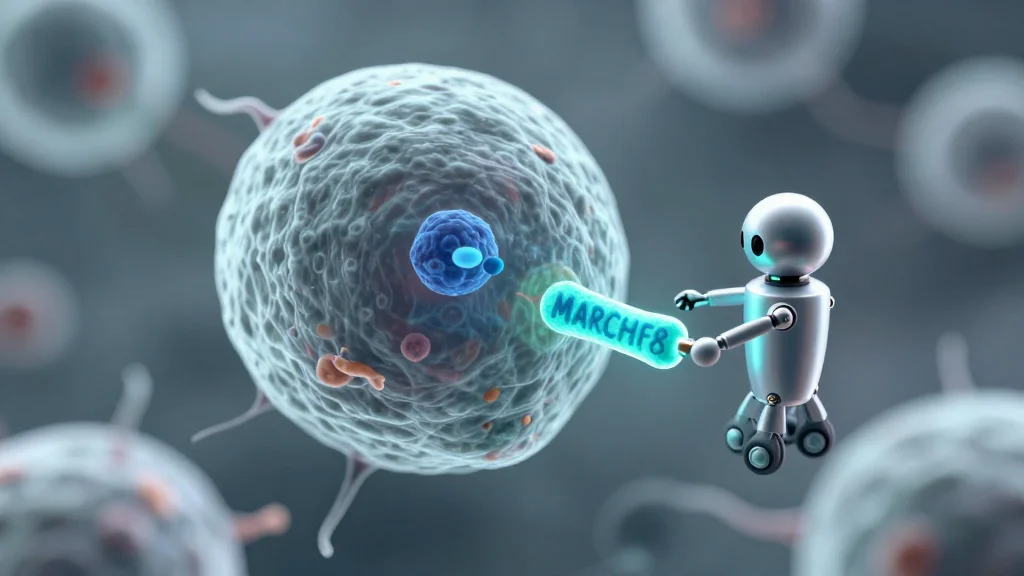
Inhibiting MARCHF8 Revives Immune Attack on HPV Tumors
HPV-positive head and neck cancers evade immune detection by using the protein MARCHF8 to remove key cell markers; blocking MARCHF8 restores immune response and may make resistant tumors treatable with immunotherapy. cancerimmunology

Single Stem Cell Dose Boosts Strength, Reverses Frailty
Stem cell therapy shows promise for reversing aging-related frailty in new clinical trial 🗣️A clinical trial reports that a single dose can significantly improve physical strength and key signs of aging in older adults with frailty. https://t.co/5mw5r64imb https://t.co/uI88QpTEIa
FDA Drug Safety Communication: Cefepime and Risk of Seizure in Patients Not Receiving Dosage Adjustments for Kidney Impairment
The FDA issued a Drug Safety Communication reminding clinicians to adjust cefepime doses for patients with creatinine clearance ≤ 60 mL/min. Non‑convulsive status epilepticus has been linked to inappropriate dosing, with 59 reported cases since 1996, 58 of which involved renal dysfunction...

FDA Staff Hear Peptide Plan via Rogan Podcast
“At least two career staffers at the FDA whose work includes compounding drugs said they learned of the health secretary’s plans to take action on peptides only from his appearance on Rogan’s podcast.” https://t.co/vpTDqstpDZ

Hackathon Targets Neural Repair, AI Surgery, Cryo Innovations
DEFEATING ENTROPY hackathon at @fiftyyears London HQ. Focus areas: Biomaterials for neural repair Engineered neural cells Tissue replacement AI for surgical robotics Advanced cryo methods Biostasis https://t.co/gMDDoo6Io4
FDA Drug Safety Communication: Seizure Risk for Multiple Sclerosis Patients Who Take Ampyra (Dalfampridine)
The FDA issued a Drug Safety Communication warning that dalfampridine (Ampyra), approved to improve walking in multiple sclerosis patients, carries a significant seizure risk, especially shortly after therapy initiation. Post‑marketing data show most seizures occur within days‑to‑weeks and in patients...
FDA Drug Safety Communication: FDA Recommends Against Use of Revatio (Sildenafil) in Children with Pulmonary Hypertension
The FDA issued a drug safety communication recommending that Revatio (sildenafil) not be prescribed to children aged 1‑17 for pulmonary arterial hypertension. A long‑term pediatric trial of 234 patients showed no exercise benefit and a three‑fold increase in mortality at...

Competitive ELISA Explained: Mechanism, Data Interpretation, and Research Applications
Competitive ELISA is a plate‑based assay where an enzyme‑labeled antigen competes with sample antigen for a limited antibody binding site, producing an inverse signal. As target concentration rises, the measured colorimetric signal falls, generating a descending standard curve. The format...

Multiple Drugs Fail to Extend UM-HET3 Mouse Lifespan
Astaxanthin, meclizine, mitoglitazone, pioglitazone, alpha-ketoglutarate, mifepristone, methotrexate, and atorvastatin-telmisartan do not increase lifespan in UM-HET3 mice https://t.co/k0vERH4LSg

Genetic Study Finds Links Between Height and Risk of Cardiovascular and Reproductive Conditions in East Asian People
A large‑scale GWAS of over 120,000 Han Taiwanese participants identified 293 genetic variants linked to height and five linked to familial short stature. The study found that greater genetically‑predicted height raises the risk of atrial fibrillation and endometriosis in East...