
Pfizer’s Early Metsera Data Leaves Analysts Wanting More
Pfizer disclosed early Phase IIb data for its Metsera‑acquired obesity drug PF’3944, showing a 12.3% average weight loss at week 28 in the 3.2‑mg and 4.8‑mg monthly dosing arms. Analysts noted the placebo‑adjusted loss is roughly 12%, trailing Eli Lilly’s Zepbound 16% and highlighting a 10% discontinuation rate. The company plans to launch a Phase III trial later this year with a 9.6‑mg dose, projecting about 15.8% weight loss. Pfizer also reported a solid quarter, beating revenue estimates despite a sharp drop in Paxlovid sales.

BCMA CAR‑T Shows Near‑Perfect Response in AL Amyloidosis
BCMA CAR-T in AL amyloidosis is starting to look like a real category, not a case report. The Alpha: • Efficacy: 100% hematologic response rate, 78% CR • Durability: 100% PFS and OS at 12 months in a heavily pretreated cohort (median...

No Fences Needed: GPS Collars Show 'Virtual Fencing' Is Next Frontier of Livestock Grazing
University of Missouri’s Center for Regenerative Agriculture is beta‑testing a virtual fencing system that uses GPS‑enabled collars and a mobile app to guide livestock. Five Missouri producers—four cattle, one sheep—have adopted the technology, reporting easier fence management and real‑time animal...

Merck Bats Away ‘Modest Growth’ Accusations, Touts Broad Pipeline
Merck met its 2025 sales guidance, reporting fourth‑quarter revenue of $16.4 billion, slightly above expectations. The company’s HPV vaccine Gardasil saw a 35% global decline, driven by weak demand in China and Japan. CEO Robert Davis countered modest‑growth criticism by highlighting...

China Startup AccurEdit Raises $75M for Gene Editing Therapies
AccurEdit, a Chinese biotech startup, closed a $75 million Series B round to accelerate its CRISPR‑based gene‑editing therapies. The funding, led by Hillhouse Capital and Sequoia China, will finance IND‑enabling studies and scale GMP manufacturing. Early preclinical data show over 90 percent editing...

Behind the Headlines Episode 32: AI’s Power, NVIDIA & Lilly, Revolution Medicine
In the latest Behind the Headlines episode, NVIDIA and Eli Lilly announced a $1 billion, five‑year AI co‑innovation lab aimed at fusing wet‑lab experiments with continuous‑learning computational models. Panelists highlighted AI’s growing role in lowering drug‑development costs and accelerating clinical‑trial timelines, moving...

Warning of Kidney Cell Damage From High Exposure to Nanoplastics
Flinders University researchers have demonstrated that high concentrations of nanoplastics can damage kidney cells, altering shape, survival and regulatory functions. The laboratory study exposed renal cells to polystyrene, PMMA and polyethylene particles of varying sizes, finding toxicity depends on both...

Daiichi Ends Work on an ADC; Layoffs at GSK's R&D Unit
Daiichi Sankyo announced it is terminating development of its antibody‑drug conjugate (ADC) program aimed at solid‑tumor indications, citing strategic reprioritisation and cost considerations. The cancellation eliminates an estimated $200 million of projected R&D spend. Meanwhile, GlaxoSmithKline disclosed a reduction of roughly...

'Sponge City' Construction Fuels Major Gains in Urban Biodiversity, Study Reveals
A new study published in Cell Reports Sustainability shows that China’s Sponge City Program (SCP) has boosted urban plant richness by more than 50 percent in the Wuxi demonstration zone. Between 2020 and 2023, 1,973 green‑infrastructure installations such as rain...
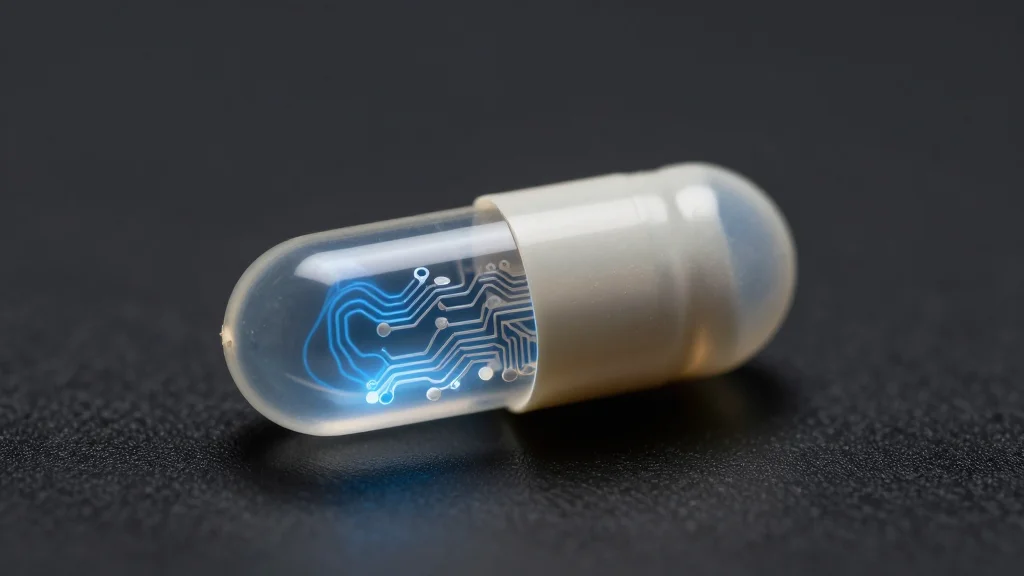
Magnetically Controlled Battery-Free Multifunctional Smart E-Pill
Researchers have unveiled a magnetically controlled, battery‑free smart e‑pill that operates via external magnetic fields, eliminating the need for onboard power sources. The ultra‑thin, flexible device houses sensors for pH, temperature and pressure while also supporting on‑demand drug release. By...

Revolutionizing Kidney Transplant Monitoring with Non-Invasive Biomarkers
A new review in Current Transplant Reports outlines how non‑invasive biomarkers are reshaping kidney transplant monitoring. It highlights circulating cell‑free DNA, urine microRNAs, and protein markers as early indicators of rejection and graft injury, potentially replacing invasive biopsies. The authors...

CRISPR/dCas9 Epigenome Editors Show Complex On‑off Target Relationship
Comprehensive profiling of CRISPR/dCas9 epigenome editors indicates a complex link between on and off target effects https://t.co/sEH5GH08Hh

Organic Di-Selenide Hydrogel Microspheres Revolutionize Osteoarthritis Treatment
Researchers led by Liu et al. have engineered injectable organic di‑selenide hydrogel microspheres that simultaneously scavenge reactive oxygen species, suppress inflammation, and promote cartilage regeneration in osteoarthritis. The platform embeds selenium via dynamic covalent di‑selenide bonds, delivering sustained, oxidative‑responsive therapeutic...

Women Leading Biotech: Advancing Treatments for Ovarian Cancer
IMUNON, a clinical‑stage biotech, is advancing a DNA‑mediated IL‑12 immunotherapy for advanced ovarian cancer into Phase 3 trials. The therapy uses the company’s TheraPlas nanoparticle platform to deliver an IL‑12 plasmid directly into the tumor microenvironment, converting “cold” tumors to “hot”...

Exploring Laportea’s Pain Relief Through Inflammation and Antioxidants
A new systematic review and meta‑analysis by Marpaung et al. consolidates in‑vivo animal studies showing that Laportea species possess notable antinociceptive activity. The pain‑relieving effect stems from dual anti‑inflammatory and antioxidant mechanisms that curb inflammatory mediators and oxidative stress. Efficacy differs...

AI Classifies Thyroid Cancer Vs. Goiter Using Lab Data
Researchers at BMC Endocrine Disorders developed a machine‑learning system that classifies papillary thyroid carcinoma (PTC) and multinodular goiter (MNG) using pre‑operative laboratory and cytology data. After extensive preprocessing and cross‑validation, models such as Random Forest, SVM, and K‑Nearest Neighbors were...

Ecovia Bio Closes Series B Funding
Ecovia Bio, a Livonia, Michigan biotech firm that produces biopolymer ingredients, closed a Series B financing round led by Pointe Angels. The amount raised was not disclosed, but the capital will be used to expand manufacturing capacity at its Livonia facility....

SUMOylation Drives Immune Dysregulation in Regulatory T Cells
A recent study reveals that heightened SUMOylation of key transcription factors destabilizes regulatory T cells, leading to immune dysregulation. The researchers demonstrated that excessive SUMO modification impairs Foxp3 function, causing Tregs to lose suppressive capacity and produce pro‑inflammatory cytokines. In...

AI Boosts Drug Discovery and Commercialization Efficiency
A new study by researchers Pipada, Bikkina, and Joshi demonstrates that artificial intelligence can dramatically streamline pharmaceutical drug discovery and commercialization. The analysis shows AI‑driven platforms can halve development timelines and cut R&D expenditures by roughly a third while boosting...
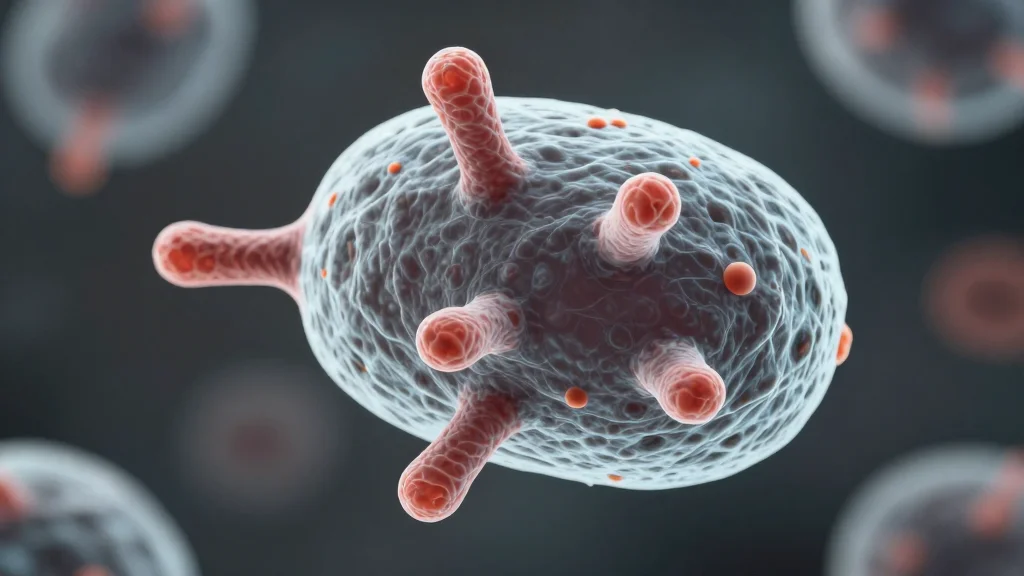
Rituximab Plus CEAC: No Survival Advantage in DLBCL
A propensity‑score‑matched cohort study by Fan et al. examined whether adding rituximab to CEAC conditioning improves outcomes for diffuse large B‑cell lymphoma patients undergoing autologous hematopoietic stem cell transplantation. The analysis compared matched groups receiving CEAC with and without rituximab and...

PhaseV Launches AI-Powered Enrollment Lab
PhaseV introduced its AI‑powered Enrollment Lab at the 17th SCOPE Summit, adding a new layer to the ClinOps platform. The solution leverages real‑world electronic health record data to quantify patient‑level competition and eligibility before protocol lock. By modeling enrollment dynamics...

On-Chip Optical Tweezers Enable High-Throughput Biomanipulation
Researchers have introduced flexible, stretchable on‑chip optical tweezers that retain high‑precision trapping while bending or stretching. The platform uses elastomeric waveguides and micro‑lenses to deliver parallelized, high‑throughput manipulation of bioparticles. Demonstrations show reliable performance after thousands of deformation cycles and...
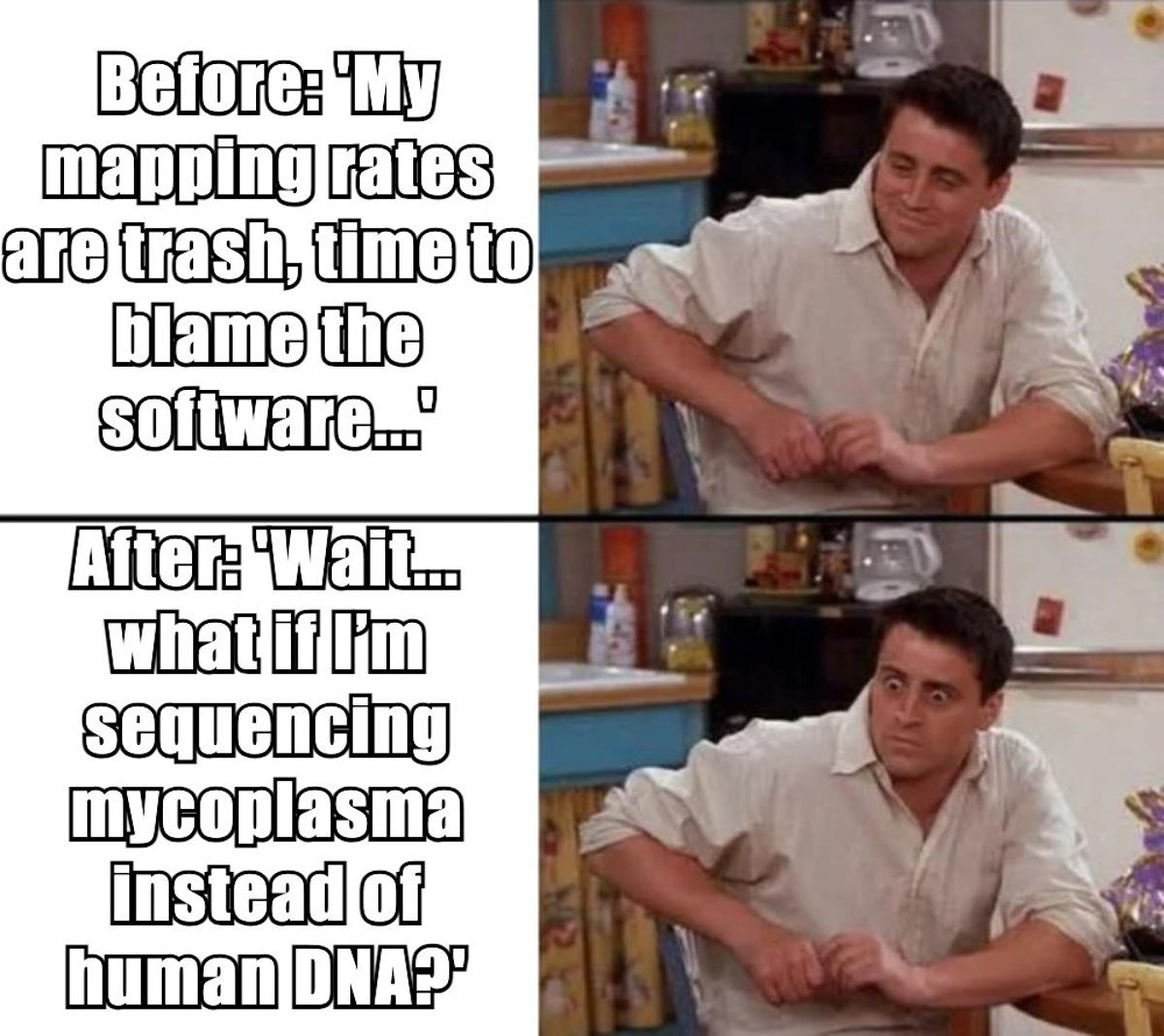
Suspect Mycoplasma Contamination When Human Mapping Fails
Your cell line sequencing data isn’t mapping well? Before blaming the aligner—check if you're sequencing bacteria instead of human. Let’s talk about mycoplasma contamination. https://t.co/y8Ydk0i248

High-Tech Imaging Could Improve Cultivation of Trees Essential to Alberta's Forestry Industry
University of Alberta researchers used synchrotron micro‑computed tomography to generate the first full‑scale 3D images of lodgepole pine conelets, revealing stark internal differences between healthy and failing seeds. The high‑resolution scans showed that viable conelets possess larger tissue volume and...
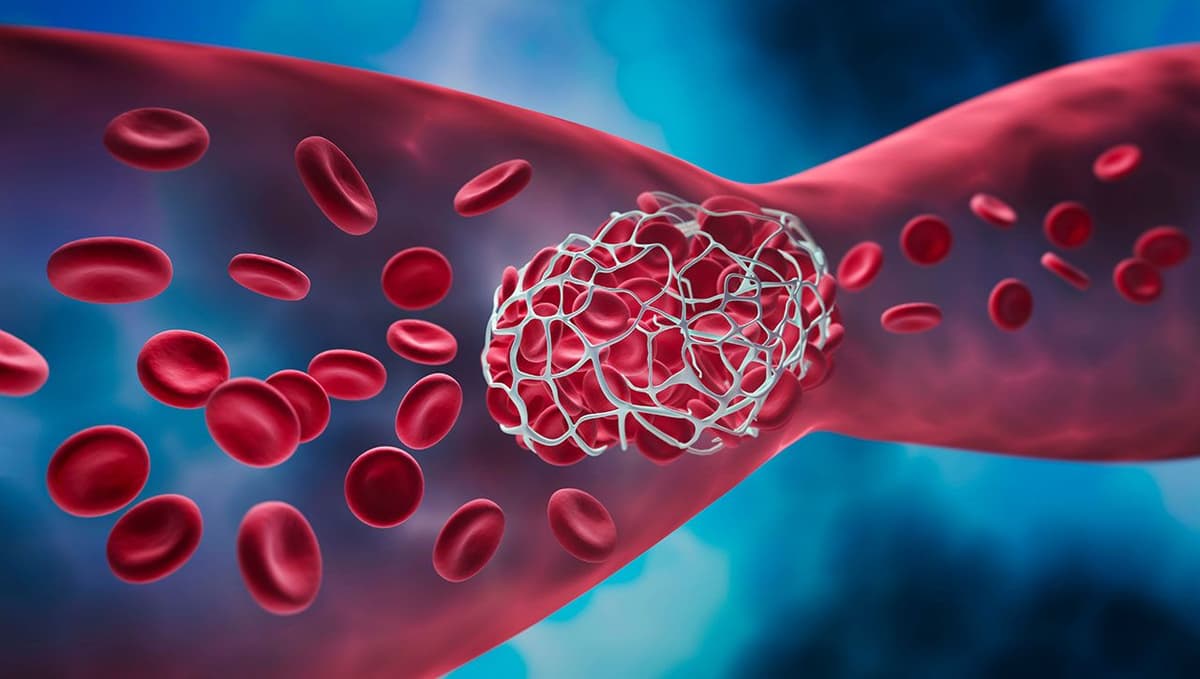
Bristol Myers Squibb and Johnson & Johnson Launch Educational Program for Thromboembolic R&D
Bristol Myers Squibb and Johnson & Johnson have launched the “Change the Target. Change What’s Possible” educational initiative focused on Factor XIa inhibition for thromboembolic disease. The program highlights FXIa’s potential to prevent harmful clots while preserving normal hemostasis, addressing the...

MPATH® Health Earns DiMe Seal for Quality and Trust in Digital Health
mPATH® Health announced that its cancer‑screening platform has earned the Digital Medicine Society’s DiMe Seal, a mark of quality and trust for digital health software. The seal evaluates products on evidence, usability, privacy, security and equity, confirming that mPATH meets...

Nine Biotech Companies that Could Revolutionize Obesity Treatments
A slate of nine biotech firms is accelerating the race to treat obesity, each advancing GLP‑1, GIP or novel oral formulations toward market approval. Early‑stage data from companies such as Zealand Pharma, Viking Therapeutics and Structure Therapeutics report weight‑loss results...
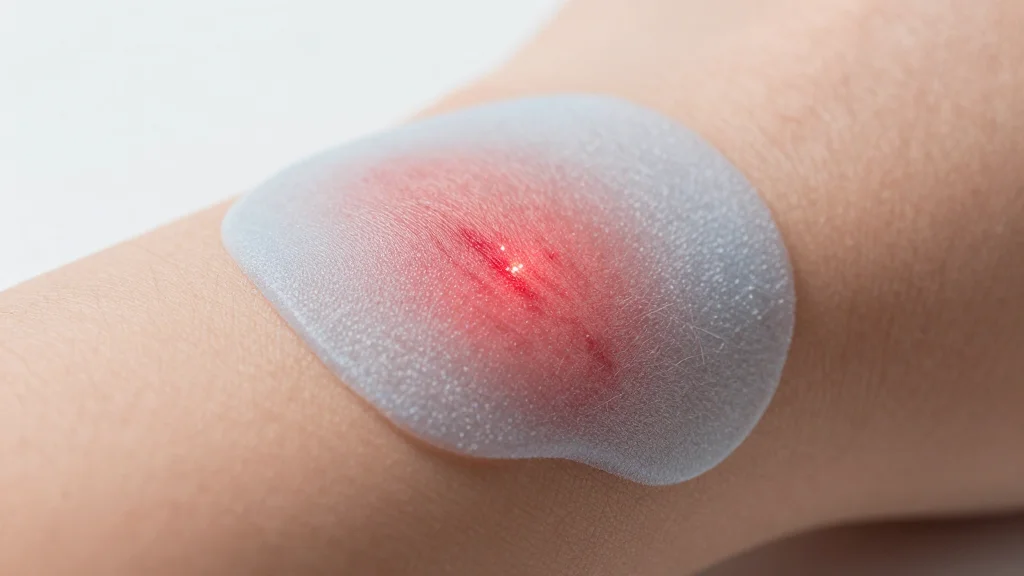
Infrared-Activated Hydrogel Uses Lysozyme 'Nets' To Combat Resistant Bacteria
Researchers at ETH Zurich and Shanghai University have created an infrared‑activated hydrogel that mimics neutrophil extracellular traps. The gel, built from egg‑white lysozyme fibers, releases active lysozyme and magnesium ions when exposed to near‑infrared light, killing resistant bacteria and calming...

The Role of Standards in Sustainability
Sustainability has moved from a niche environmental concern to a core business driver for pharmaceutical manufacturers. The United States Pharmacopeia (USP), whose standards are adopted by more than 22,000 facilities in 140 countries, is leveraging its reach to embed ecological...

Pfizer Takes $4.4B Charge Related to Cancer Drug in Fourth-Quarter Earnings
Pfizer reported fourth‑quarter earnings that included a $4.4 billion non‑cash charge tied to a recent high‑profile cancer‑drug acquisition. The write‑down lowered net income but the company highlighted a positive Phase III readout for a separate oncology candidate. Management said the data could...

FDA Knocks Back AstraZeneca's Self-Injected Lupus Drug
AstraZeneca's subcutaneous formulation of its lupus biologic Saphnelo was rejected by the FDA, receiving a complete response letter despite recent European approval. The IV version continues to grow, posting $483 million in sales for the first nine months of 2025, and...

Pfizer’s Metsera-Originated Monthly GLP-1 Cuts Weight by 10.5% at Six Months
Pfizer announced that its monthly GLP‑1 obesity drug, originated from the Metsera acquisition, achieved an average 10.5% weight reduction after six months in a late‑stage study. The therapy’s once‑monthly dosing is designed to improve patient adherence compared with weekly injectables....

AstraZeneca Gets CRL for Prefilled Pen Version of Lupus Drug Saphnelo
The U.S. Food and Drug Administration issued a Complete Response Letter (CRL) for AstraZeneca's subcutaneous prefilled‑pen version of Saphnelo, its anifrolumab therapy for systemic lupus erythematosus (SLE). The CRL indicates the agency found deficiencies—primarily around additional safety and manufacturing data—requiring...

Genetic Variability of Voltage-Gated Sodium Channel NaV1.2
A new study by Oliveira‑Madureira, Leal and Azevedo maps the structural impact of genetic variability in the neuronal sodium channel NaV1.2. Using high‑resolution cryo‑EM and X‑ray crystallography, the authors detail how specific mutations and post‑translational modifications reshape the channel’s conformation...

UK Will Cover Transport Costs for Children with Cancer
The UK government will allocate a £10 million fund to cover transport costs for children and young people up to age 24 diagnosed with cancer, with the scheme rolling out by 2027. The support is universal, irrespective of household income, and...

Phenotypic Age Predicts Mortality Risk in Parkinson's Disease Patients
The post discusses a new study using the Phenotypic Age (PhenoAge) clock to predict mortality risk in Parkinson's disease (PD) patients, finding that higher PhenoAge and its acceleration are strong independent predictors of death alongside factors like age, male sex,...

A Deeper Investigation of Recent Trends in Life Expectancy
A new study of 450 sub‑national regions in 13 Western European countries reveals stark regional disparities in life expectancy trends. Researchers identify two distinct phases: a "golden era" from 1992‑2005 with robust gains of roughly 2.5 months per year for...

Injectable Thermogel‐Loaded Bi2S3 Nanorods for Synergistic Photothermal Bacterial Elimination and Anti‑Inflammation to Remodel Periodontitis Microenvironment
Researchers have created an injectable, thermosensitive hydrogel (Bi2S3@Gel) loaded with bismuth sulfide nanorods that activates under near‑infrared light. The material delivers mild photothermal heating, amplifies reactive oxygen species, and depletes glutathione, achieving potent antibacterial action. At the same time, the...

Ligand‐Driven Optimization of Iron Oxide Nanoprobes for In Vivo MRI Enhancement at Ultra‐High Field
Researchers developed a ligand‑driven method to fine‑tune T2 relaxivity of 12 nm iron‑oxide nanoparticles for ultra‑high‑field MRI. By exchanging five surface coatings—PAA, PMA, PMAO, citric acid and silica—they achieved up to a 333 mm⁻¹ s⁻¹ increase in r₂, with citric‑acid‑coated particles reaching record...

Machine Learning Predicts Fontan Failure and Liver Disease
A recent study led by Prasad et al. applied machine learning to multi‑parametric abdominal MRI radiomics, creating models that predict Fontan failure and assess Fontan‑associated liver disease severity. The algorithms identified specific imaging features that signal advanced liver disease well...

Oral Treprostinil: Safety and Efficacy in PAH Patients
A multicenter Phase III trial evaluated oral treprostinil in patients with pulmonary arterial hypertension (PAH), demonstrating statistically significant improvements in exercise capacity and hemodynamics. Over 12 months, the drug increased six‑minute walk distance by an average of 30 meters and lowered pulmonary vascular...

ProofPilot CEO Chris Venezia Joins RealTime eClinical Solutions BOD
ProofPilot CEO Chris Venezia has been appointed to the Board of Directors of RealTime eClinical Solutions. The appointment aligns with RealTime’s strategy to tighten site‑sponsor connections and speed trial execution under new CEO Jeff Kozloff. Venezia brings more than two...

Speckle Echo Reveals Hidden Heart Issues in Epileptic Kids
A recent study using speckle-tracking echocardiography uncovered previously undetected cardiac abnormalities in children with epilepsy. The imaging technique identified subclinical myocardial dysfunction in roughly 30% of the cohort, despite normal conventional echo results. Researchers attribute these findings to potential shared...

Assessing Hip Fracture Risk: Costa Rica’s Unique Insights
A new epidemiological study from Costa Rica has mapped hip‑fracture risk among its aging population, revealing distinct regional and lifestyle determinants. Researchers analyzed over 12,000 medical records, linking low bone mineral density, calcium‑poor diets, and limited access to preventive care...
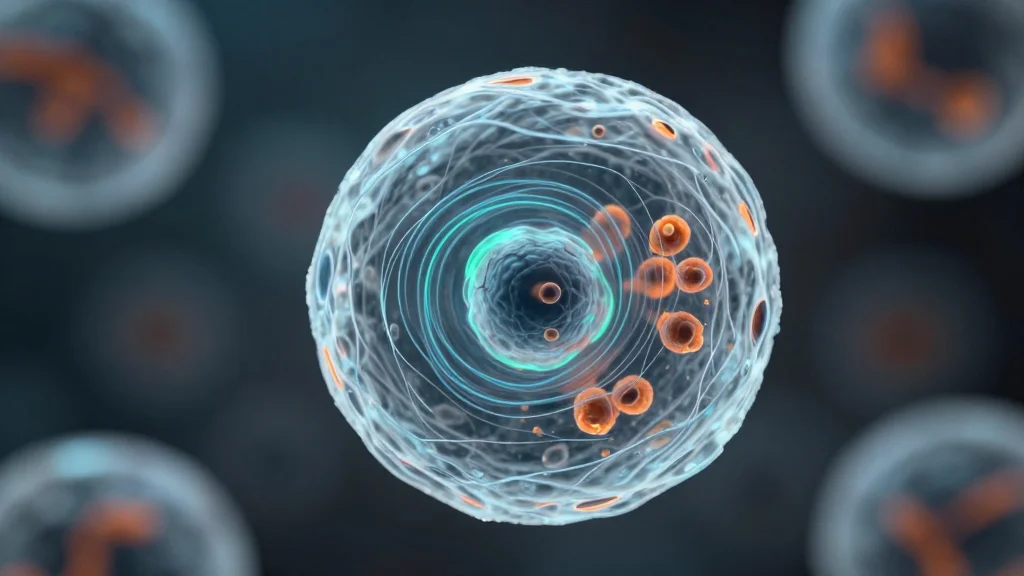
Magneto-Mechanical Forces Reprogram Macrophages for Tumor Immunity
Researchers have demonstrated that dynamic magneto‑mechanical forces applied within lysosomes can durably repolarize tumor‑associated macrophages from an M2 to an M1 phenotype. By loading macrophages with engineered magnetic nanoparticles and exposing them to alternating magnetic fields, the team triggered lysosomal...

BioNTech’s Multi-Modality Play Outpaces Moderna’s mRNA-Focused Pipeline
BioNTech is outpacing Moderna by expanding beyond mRNA into a multi‑modality oncology pipeline, highlighted by its $3.5 billion pumitamig partnership and several Phase III candidates. Moderna, still anchored to mRNA, has seen COVID‑19 vaccine revenues plunge from $18.4 billion in 2022 to $3.1 billion...

Corn Cob Biochar Filters Pull Ammonia and Micro and Nanoplastics From Water
Researchers at the University of Delaware have converted discarded corn cobs into high‑performance biochar filters that simultaneously adsorb dissolved ammonia and micro‑/nanoplastic particles. In lab tests, the optimized 700 °C corn‑cob biochar (CCB700) removed about 64% of ammonia at 10 ppm and...

As Amgen and Lilly Recommit, Puerto Rico Seeks To Regain Manufacturing Momentum
Amgen and Eli Lilly have pledged more than $1.8 billion to expand their Puerto Rico facilities, with Amgen allocating $650 million to its Juncos biologics plant and Lilly committing over $1.2 billion to modernize its Carolina site for oral GLP‑1 production. These investments arrive as...

Daratumumab Shows Promise in Lupus Phase 2 Trial
A single‑arm phase 2 trial evaluated daratumumab, a CD38‑targeting antibody approved for multiple myeloma, in patients with refractory systemic lupus erythematosus. The study reported significant reductions in SLEDAI and BILAG disease activity scores, accompanied by declines in circulating plasma cells and...

Paclitaxel Expands TREM2+ Macrophages, Reducing Efficacy
A recent preclinical study reveals that paclitaxel treatment expands TREM2‑positive macrophages within the tumor microenvironment, dampening anti‑tumor immune responses. The increase in these immunosuppressive cells correlates with a measurable reduction in paclitaxel’s cytotoxic efficacy across several cancer models. Researchers demonstrated...