
TDP-43 Aggregation as a Feature of Vascular Dementia
Researchers have identified that chronic cerebral hypoperfusion, a hallmark of vascular dementia, induces pathological TDP‑43 modifications—including cytoplasmic mislocalisation and hyperphosphorylation—in mouse and cell models. These changes mirror TDP‑43 proteinopathies observed in ALS, frontotemporal dementia, and Alzheimer’s disease, suggesting a shared neurodegenerative pathway triggered by vascular injury. The study demonstrates time‑dependent accumulation of phosphorylated TDP‑43 in cortical and hippocampal neurons despite unchanged total protein levels. Findings broaden the mechanistic understanding of vascular dementia and open avenues for targeting TDP‑43 pathology.

FDA's History with Complex Plants
The FDA issued its first botanical drug guidance in 2004 and updated it in 2016, yet only four complex plant‑derived drugs have been approved to date. Ajna Biosciences, led by Joel Stanley, has secured clearance to begin a Phase 2 trial...

Vocxi Health and Forj Medical Partner to Miniaturise MyBreathPrint Device
Vocxi Health has teamed with Forj Medical to shrink its MyBreathPrint breath‑analysis system from a tabletop prototype to a handheld device the size of a deck of cards. The platform leverages graphene‑based nano sensors and AI‑driven algorithms to detect disease‑linked...

GU26 Prostate Cancer Strategic Intelligence Report
Following strong interest in the ASH25 hematologic malignancy intelligence report, Biotech Strategy Blog released a new strategic intelligence series covering the ASCO GU meeting data on prostate, bladder, and renal cell cancers. The first installment focuses on advanced prostate cancer,...
Distinct Nuclear DNA Structure in Immune Cells From Centenarians
Researchers identified a unique chromatin accessibility signature in peripheral blood mononuclear cells of centenarians, marked by widespread chromatin openness across multiple immune subsets. Unlike typical aging, which often links increased accessibility with senescence, centenarians maintain open promoters and enhancers in...

Novel Mechanism for Parkinson’s Is Linked to ATP Deficiency
Scientists at Ludwig Maximilian University discovered that loss of the DJ-1 protein triggers ATP deficiency in human dopaminergic neurons, leading to reduced VMAT2 levels and impaired dopamine vesicle loading. The resulting dopamine oxidation fuels accumulation of pathological α‑synuclein species, a...

Pharma Pulse: FDA Grants Priority Review to Rusfertide and Expands Approval for Novo Nordisk’s Sogroya
The FDA granted priority review to Takeda’s rusfertide, a first‑in‑class hepcidin mimetic for polycythemia vera, after Phase III trials more than doubled response rates. A regulatory decision is expected in Q3 2026. The agency also expanded Novo Nordisk’s once‑weekly Sogroya to treat children...

RecovryAI Announces FDA Breakthrough Device Designation for Patient-Facing Clinical AI
RecovryAI, emerging from stealth, received FDA Breakthrough Device Designation for its physician‑prescribed Virtual Care Assistants (VCAs), AI tools that guide patients through post‑operative recovery. The designation, reserved for devices that can substantially improve care standards, accelerates the company’s engagement with...

The Role of the cGAS-STING Interaction in the Age-Related Inflammation of the Brain
The cGAS‑STING pathway, a DNA‑sensing immune circuit, becomes aberrantly activated in the aging brain as mitochondrial and nuclear DNA escape into the cytoplasm. This chronic activation drives low‑grade neuroinflammation, contributing to neurodegenerative diseases such as Alzheimer’s, Parkinson’s and ALS. Preclinical...

Some Epigenetic Clocks Correlate with Risk of Dementia
A recent analysis of 6,069 cognitively normal women examined whether epigenetic aging clocks predict incident mild cognitive impairment or dementia. Second‑ and third‑generation clocks (AgeAccelPheno, AgeAccelGrim2, DunedinPACE) were compared with first‑generation Horvath and Hannum measures. Only the AgeAccelGrim2 clock showed...

Patent Term Extension: Challenges with Defining and Claiming Approved Biologics
Patent term extension (PTE) offers up to five extra years of exclusivity for FDA‑approved drugs, but biologics present a unique hurdle because the law hinges on defining the “active ingredient.” Unlike small molecules, biologics are large, variable structures, making it...

Industry Leaders Announce World’s First Microphysiological Systems Industry Association
Eight leading European microphysiological systems companies have launched the Industry Alliance for Microphysiological Systems (IAMPS), the world’s first trade association dedicated to MPS technologies. IAMPS will represent organ‑on‑chip, organoid and related NAM developers, aiming to harmonize standards, promote data sharing,...

Cryo-EM Reveals New Aspects of CRISPR-Cas Biology
Researchers at Vilnius University used cryogenic electron microscopy to map eleven CRISPR‑Cas protein complexes, including three variants of a newly described Cas9‑Cas1‑Cas2‑Csn2 supercomplex. The study shows that Cas9, traditionally viewed only as a DNA‑cutting enzyme, also directs the selection and...

A Strong Dose of Digital for U.K. Pharma and Life Sciences
Earlier this year the UK government pledged £82.6 million to AI‑focused drug‑discovery firms, underscoring its ambition to lead the global digital health transformation. Major players such as AstraZeneca are launching dedicated health‑tech units like Evinova to accelerate clinical‑trial design, while the...

Latest TechBio News
Proscia has been crowned the top‑performing digital pathology software vendor in the United States, receiving a 95.2 overall score in KLAS Research’s 2026 report and earning A+ or A grades across all six customer‑experience pillars. The company is also the...

#596: Why Do Omega-3 Trials Show Mixed Results?
Omega‑3 supplementation trials produce mixed results due to differences in dose, population risk, and chosen endpoints. High‑dose EPA/DHA studies in secondary‑prevention cohorts with elevated triglycerides, such as REDUCE‑IT, show significant cardiovascular benefit, whereas lower‑dose primary‑prevention trials like VITAL and ASCEND...

Bysanti FDA Approval for Bipolar I and Schizophrenia Marks Vanda’s Second Win in Two Months
Vanda Pharmaceuticals received FDA approval for Bysanti (milsaperidone) to treat acute manic or mixed episodes of bipolar I disorder and schizophrenia in adults. The approval introduces a new chemical entity in the atypical antipsychotic class that is bioequivalent to Vanda’s...

J&J Commits $1B to Next-Gen Cell Therapy Manufacturing in Pennsylvania
Johnson & Johnson announced a more than $1 billion investment to build a next‑generation cell and gene therapy manufacturing complex on a 154‑acre site in Montgomery County, Pennsylvania. Construction is slated to start in the second half of 2026, creating over...

Rethinking Idiopathic Pulmonary Fibrosis: Unmet Needs, Evolving Biology and the Future of Clinical Research
Idiopathic pulmonary fibrosis (IPF) continues to pose a severe, often late‑diagnosed respiratory challenge, with mortality exceeding many cancers. Boehringer Ingelheim’s Martin Beck highlighted the shift toward earlier detection using AI‑enhanced imaging and a broader view of IPF as a heterogeneous,...

$24M Verdict Against Seattle Stem Cell Center Clinic in Man’s Death
Seattle Stem Cell Center was ordered to pay $24 million after a jury found the clinic liable for the 2019 death of Michael Trujillo, who suffered catastrophic bleeding following an undocumented epidural injection while on blood‑thinning medication. Evidence showed the procedure...
The Relevance of Clonal Hematopoiesis to Degenerative Aging Remains Uncertain
Clonal hematopoiesis (CH) is the age‑related expansion of blood‑cell clones carrying somatic mutations acquired in hematopoietic stem cells. Detectable CH appears in roughly 10 % of individuals over 70, making it a common form of somatic mosaicism. While CH is a...

INN-Coming: Insights on the Industry’s Latest Disclosures
The WHO’s INN proposed list 134, released in early 2026, reveals several late‑stage drug candidates that were previously hidden from public view. Notably, two NLRP3 inhibitors—abdenoflast and parunoflast—appear to map to Eli Lilly’s newly acquired Ventyx assets VTX2735 and VTX3232, both showing promising...

Module 2, Section 2: The Druggable Interactome
The Module 2, Section 2 lecture introduces the druggable interactome, compiling key resources that map the human druggable genome, protein expression, kinase families, transcription‑factor proteomics, GPCRs, and ion‑channel complexes. It highlights quantitative estimates—over 3,000 proteins deemed druggable and hundreds of actionable kinases—while...

Best Practices for Applying HDX-MS to FBLD
A recent open‑access study demonstrates that hydrogen‑deuterium exchange mass spectrometry (HDX‑MS) can reliably map binding sites of extremely weak fragment hits (up to 7 mM KD) against Cyclophilin D. By optimizing protein concentration at 10 µM and testing fragments at 2.5‑10 mM, the...
Gene Therapy’s Inflexion Point: From Scientific Breakthrough to Systemic Transformation
Gene therapy for sickle cell disease has moved from experimental promise to an actionable clinical reality, with early CRISPR‑based treatments already cutting crises and hospital stays. A recent Sanius Health survey of 94 patients shows strong interest—71% want more information—yet...

Changes in the Gut Microbiome Drive Age-Related Intestinal Barrier Dysfunction
Researchers identified that the aging gut microbiome harbors increased Klebsiella aerogenes, which elevates histamine production and compromises intestinal barrier integrity. The excess histamine suppresses Nlrp6 expression, disrupting LC3‑mediated autophagy and intensifying inflammation in septic models. Experiments showed that lowering histamine...

Weekly Reads: Longevity Hype Vs. Cool Research, Losing Your Y, FDA Maelstrom
This week’s coverage juxtaposes longevity hype with emerging science, highlighting David Sinclair’s bold claim that aging could be reversed within 10‑20 years, a new Nature paper confirming adult hippocampal neurogenesis, and research showing men lose the Y chromosome as they...

DNA as the Super Data Storage Medium of the Future
Penn State researchers have built a bio‑hybrid memristor that couples synthetically produced DNA with a perovskite semiconductor. The device stores data in the molecular lattice of DNA while processing signals through the perovskite layer, effectively merging memory and compute. Laboratory...

Light Alone Programs and Reprograms a Crystal Surface to Guide Living Cells
Researchers at Italy’s National Research Council have created an all‑optical bio‑photovoltaic interface using iron‑doped lithium niobate crystals. By projecting patterned laser light, they inscribe reversible electric fields that trap, align, and deform fibroblast cells without any electrodes or wiring. Cells...

Pharmaceutical Executive Daily: FDA Approves Hernexeos
The FDA approved Hernexeos through the national priority voucher program, a mechanism that fast‑tracks drugs addressing unmet medical needs. Industry leaders are evaluating direct‑to‑consumer (DTC) models to broaden access to HIV prevention tools, leveraging digital and telehealth channels. Additionally, the...

Reviewing What Is Known of the Mechanisms by Which Calorie Restriction Slows Aging
Calorie restriction (CR) and broader dietary restriction (DR) remain the most robust, evolutionarily conserved interventions for extending lifespan and healthspan across species. In rodents, CR can increase lifespan by up to 40%, while human data suggest only modest gains of...
A Tale of Three Bispecific Cities
Three bispecific antibodies targeting PD‑1 and CTLA‑4—lorigerlimab, volrustomig, and cadonilimab—illustrate divergent engineering strategies. Lorig erlimab relies on a knob‑into‑hole heterodimer, volrustomig adopts a common light chain format, and cadonilimab incorporates Fc‑silencing mutations. Their distinct designs have produced markedly different safety...
Cellular Reprogramming: The Expert Roundup
A round‑up of leading experts highlights how cellular reprogramming has moved from a laboratory curiosity to a near‑clinical anti‑aging platform. Researchers describe partial, epigenetic‑focused approaches that can rejuvenate cells without erasing identity, and four biotech firms outline their distinct delivery...

Transduction-Ready Viral Particles
AMSBIO (Oxford, UK) now provides ready‑to‑use lentiviral particles with titers exceeding 1×10⁷ IFU / mL, eliminating the need for in‑house virus production. The third‑generation self‑inactivating vectors are supplied in research‑grade and GMP‑grade formats, requiring only BSL‑2 containment. High‑titer, purified particles enable efficient...
A View of Age-Related Changes in the Features of Extracellular Vesicles
Researchers analyzed plasma‑derived extracellular vesicles (EVs) from a healthy aging cohort using size‑exclusion chromatography, surface profiling, nanoparticle tracking and small‑RNA sequencing. They observed age‑dependent shifts in EV surface markers—decreases in CD3, CD56, HLA‑A, CD45 and increases in CD14, CD69—signaling immunosenescence...
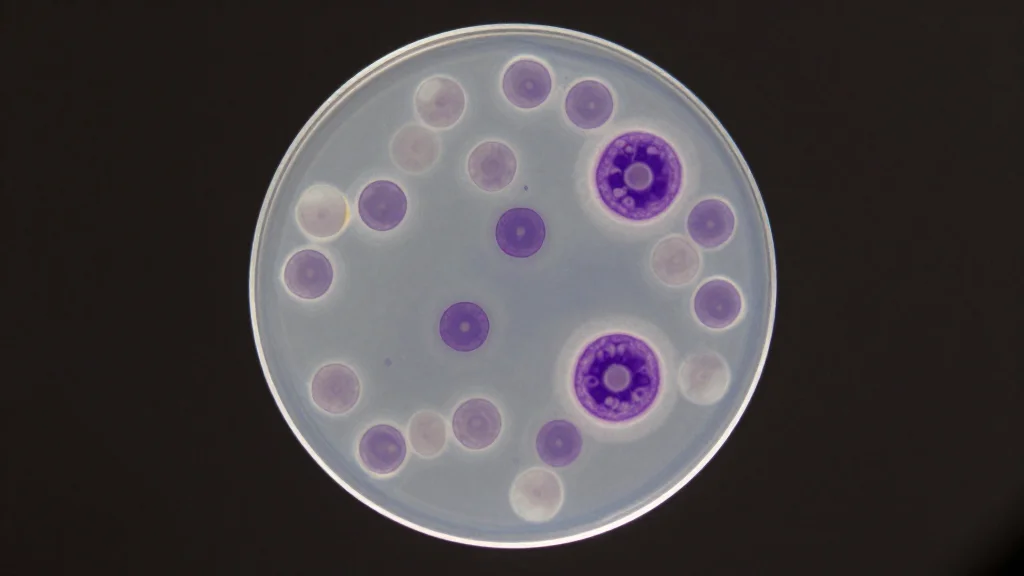
Polyploidy and Cellular Senescence Are Tangled Together
Researchers highlight that senescent cells arising from DNA replication errors that generate whole‑chromosome duplications—polyploidy‑induced senescence (PIS)—are biochemically distinct from senescence caused by other stresses. Existing literature often fails to separate polyploid senescent cells from diploid counterparts, obscuring their unique roles...

Pharma Pulse: The Oral GLP-1 Battle and GSK’s Billion-Dollar Breath of Fresh Air
Eli Lilly’s oral GLP‑1 small‑molecule orforglipron demonstrated greater A1C reduction and weight loss than oral semaglutide, while offering flexible dosing without fasting. GSK announced a $950 million acquisition of 35Pharma, securing HS235, an activin‑signaling inhibitor aimed at pulmonary hypertension. The deal taps...

Cowellnex and Metagen Launch Joint Research Utilizing Independently Acquired High‑Precision Gut Microbiota Data
Cowellnex Co., Ltd. and Metagen, Inc. will begin joint research in February 2026 to create new gut‑microbiota test items and a personalized food‑recommendation algorithm using Cowellnex’s three‑year shotgun metagenomic dataset. The partnership leverages Cowellnex’s high‑precision Japanese microbiome data and Metagen’s...

Researchers 3D Print Plug And Play Electrochemical Device
Researchers introduced MICRO, a multimaterial, single‑step 3D‑printed electrochemical device that integrates electrodes, microfluidic channels, and housing in one build. By leveraging dual‑extrusion printing of conductive and insulating polymers, the platform eliminates wiring, sealing, and machining steps traditionally required for screen‑printed...

AI Designs Better Drug Candidates with Quantum Aid
Researchers from Japan Tobacco and D‑Wave have unveiled a hybrid framework that merges deep generative models with quantum annealing to design drug‑like molecules. The system introduces a Neural Hash Function that enables binarisation for quantum processing while preserving gradient flow....

Amid Boston’s Life Sciences Boom, an Unusual Alliance Orchestrates Technician Training
Boston’s life‑sciences sector is adding thousands of well‑paying technician positions that often don’t require a four‑year degree. To address the fragmented training ecosystem, the city funded the Life Sciences Career Alliance with $4.7 million, appointing Year Up United as the coordinating...
January 2026 Patent Highlights
The January 2026 Patent Highlights roundup spotlights a wave of new intellectual‑property activity across several cutting‑edge drug discovery areas. Notable filings include lysine‑directed covalent inhibitor chemotypes, strategies to balance potency with drug‑like properties, refined target‑selection frameworks, dozens of Polθ synthetic‑lethal patents...

Most Detailed Spatial Atlas yet for Mapping the Pancreatic Tumor Microenvironment
An international team led by the University of Birmingham, University Hospitals Birmingham NHS Foundation Trust and Bristol Myers Squibb has produced the most detailed spatial atlas of pancreatic ductal adenocarcinoma (PDAC) to date. Using spatial transcriptomics and spatial molecular imaging...

Covalent Organic Frameworks Assembled Inside Tumor Cells Trigger Cancer Cell Death and Immune Activation
Researchers at the University of Macau have demonstrated the first in‑situ synthesis of covalent organic frameworks (COFs) inside lysosomes of cancer cells, using acidic pH‑driven imine condensation of TAPB and DMTP. The crystalline UMCOF1 particles rupture lysosomal membranes, liberating ferrous...

Candida Biology, Pathogenesis, and Genetic Susceptibility
Candida species normally coexist harmlessly on mucosal surfaces, but immune disruption can trigger a shift to opportunistic infection ranging from mild thrush to invasive candidemia with mortality over 30%. Genetic variants in innate and adaptive pathways—such as CARD9, Dectin‑1, and...

Obesity Reduces Lifespan of Offspring
A new study shows that maternal obesity dramatically shortens the lifespan of mouse offspring, even when the pups are switched to a healthy diet after weaning. The reduction in longevity is linked to early‑life epigenetic programming that triggers widespread organ...

Leading in the Psychedelic Space: Q&A with Tarek Rabah
Otsuka America became the first major pharmaceutical company to back psychedelic‑inspired medicines in 2020 through a partnership with COMPASS Pathways, and deepened that commitment by acquiring Mindset in 2023. The company is applying its long‑standing CNS expertise to develop serotonergic...
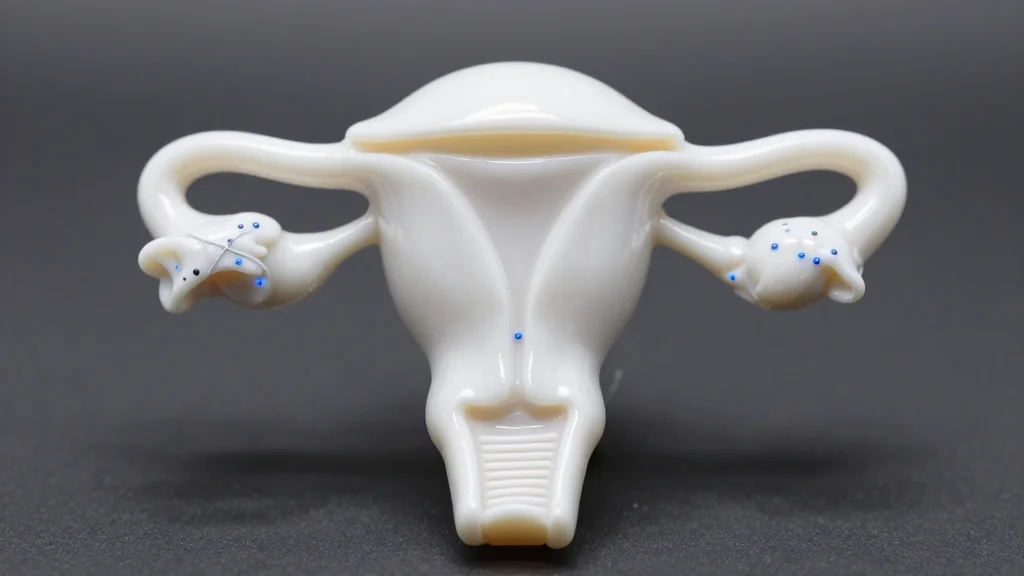
Women’s HealthX Launches in Boston This December to Transform Women’s Health Through Data and Science
Women’s HealthX (WoHX) will convene 750 pharma, biotech, hospital, insurer, startup and government leaders in Boston on December 3‑4, 2026. The two‑day summit aims to close the sex‑difference data gap by showcasing evidence‑based technologies, AI tools and digital therapeutics across the...

Leading Women CEOs Across Pharma and Biotech: A 2026 Snapshot
2026’s leading women CEOs in pharma and biotech are steering some of the industry’s biggest strategic moves, from multi‑billion‑dollar investments to landmark FDA approvals. The list includes Julie Kim’s upcoming Takeda leadership, Emma Walmsley’s transition at GSK, Reshma Kewalramani’s growth...

Dotinurad (FYU-981)
Dotinurad (FYU‑981), marketed as Urece®, is a URAT1 inhibitor approved for gout and hyperuricemia in Japan and China. The drug was chemically refined from the older uricosuric benzbromarone to retain potency while eliminating rare hepatotoxic events. Crystalys Therapeutics is now...