
Caudate Nucleus Blood Flow and Connectivity Correlate with Grip Strength
Researchers used functional MRI to examine brain activity in older adults performing maximum grip strength tests. Among dozens of regions, the caudate nucleus showed the strongest correlation with grip strength. In a sample of 60 participants equally split by gender, higher caudate blood flow and stronger network connectivity were linked to greater grip force, independent of body size. The study highlights the caudate’s potential role as a neural marker of muscular frailty.

Dual Closed-Loop Insulin System Adds Chemical Safeguard to Protect Against Dangerous Overdoses
Researchers unveiled a wearable dual closed‑loop insulin system that combines a Transformer‑based AI controller with a glucose‑responsive polymer insulin. The chemical safeguard releases insulin only when blood glucose rises, while the AI predicts glucose trends and directs pump delivery. In...
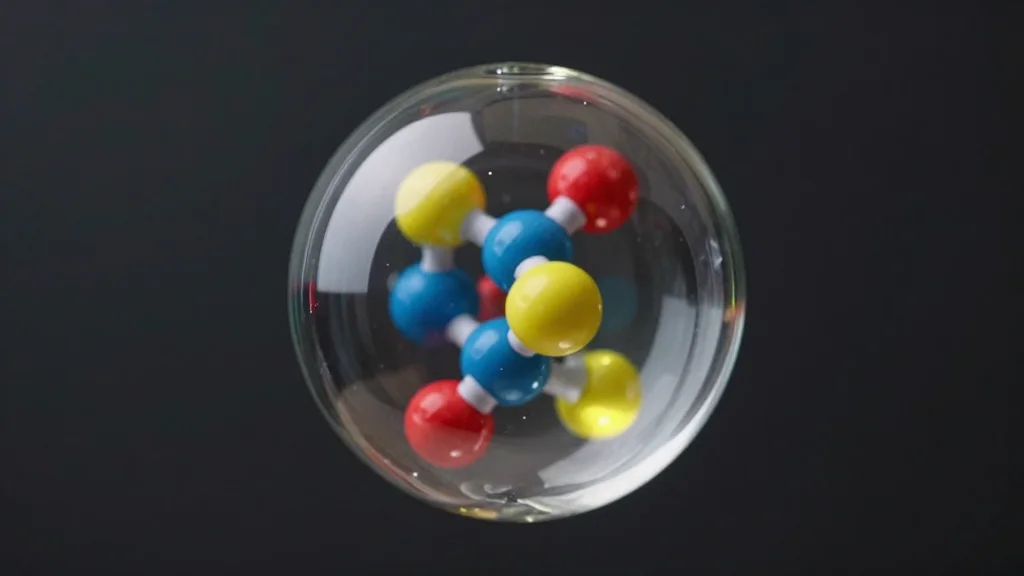
How Best to Assess Molecular Shapeliness?
The recent open‑access Drug Discovery Today paper evaluates three common metrics for quantifying molecular three‑dimensionality: fraction of sp3‑hybridized carbons (FCsp3), plane of best fit (PBF), and principal moments of inertia (PMI) expressed as ΣNPR. An analysis of half a million...

Atomic Force Microscopy Reveals Nanoscopic Raft Dynamics on Cell Membranes
Scientists at National Taiwan University combined atomic force microscopy with a Hadamard product‑based image reconstruction algorithm to directly visualize membrane raft dynamics on live cells for the first time. The study captured the formation, fusion, and dissolution of nanoscopic rafts...

An Intracellular Antibody for Α-Synuclein Improves Motor Function in Aged Rats
Researchers used an adeno‑associated virus to deliver the NAC32 intrabody into the substantia nigra of aged rats, achieving a marked reduction in α‑synuclein accumulation. The treatment restored tyrosine hydroxylase expression, raised striatal dopamine levels, and significantly improved locomotor performance without...
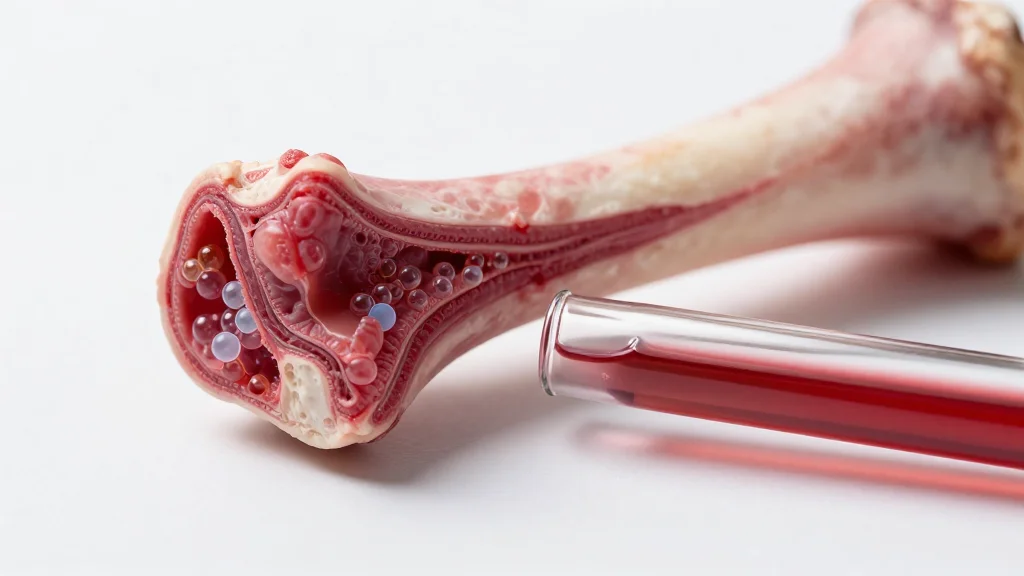
Mechanisms of Aging in the Vasculature and Immune System in the Context of Hypertension
The review highlights chronic inflammation as a central driver of vascular dysfunction in hypertension, emphasizing a feedback loop where immune dysregulation impairs hematopoiesis in the bone marrow, which in turn fuels further inflammation. It details how oxidative stress and endothelial...

Weekly Reads: FDA Politics, Lineage Cell Update, Tuft Cells & Cancer, Neuron Mitochondrial Transfer, Dead Celeb Genomics
The blog spotlights a surge of political influence at the FDA, noting RFK Jr.'s role in reshaping policy and even removing a warning on dubious autism therapies. It highlights Lineage Cell’s receipt of a gene‑edited hypoimmune iPSC line from Factor Bioscience,...

Upcoming US Clinical Trial to Test a Tiny Eye Implant that Could Restore Sight for Age-Related Macular Degeneration (AMD)
USC’s Roski Eye Institute, together with Regenerative Patch Technologies, is launching a phase 2b, multicenter, masked clinical trial of a stem‑cell‑derived retinal pigment epithelium (RPE) implant for advanced dry age‑related macular degeneration (AMD). The ultra‑thin patch, derived from embryonic stem...
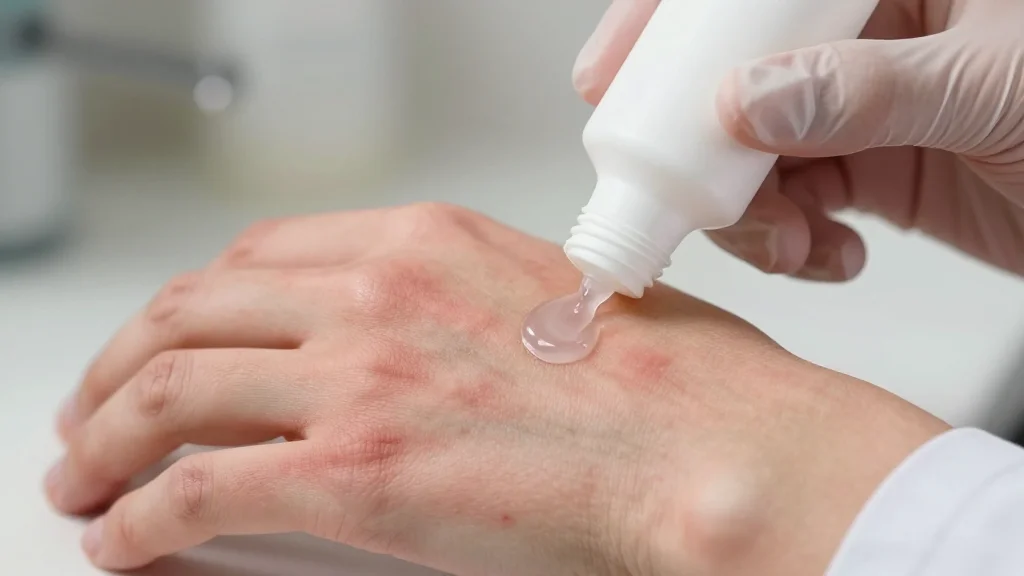
Delgocitinib
In July 2025, the FDA granted approval to delgocitinib (Anzupgo®), a topical pan‑JAK inhibitor, for adult chronic hand eczema unresponsive or unsuitable for corticosteroids. Developed by Japan Tobacco and Leo Pharma, the formulation delivers the drug directly to affected skin,...

Is AstraZeneca’s Surovatamig Underappreciated?
AstraZeneca’s head of Oncology Commercial labeled its early‑stage candidate surovatamig ‘underappreciated’ during the J.P. Morgan Healthcare conference, prompting analysts to reassess the drug’s market potential. The comment followed the presentation of phase 1 data at the American Society of Hematology meeting, where...

Resistance Exercise Improves Cognitive Function in Older Adults
A meta‑analysis of 17 randomized controlled trials involving 739 older adults found that resistance exercise modestly improves overall cognitive function (SMD = 0.40). Significant gains were observed in working memory (SMD = 0.44), verbal learning (MD = 3.01), and spatial memory span (SMD = 0.63), while processing speed,...

The We Want Them Infected Movement Isn’t Just for COVID Anymore
The U.S. Centers for Disease Control and Prevention recently trimmed the routine childhood vaccine schedule, dropping three previously recommended immunizations—hepatitis A, hepatitis B, and rotavirus—reducing the total from 18 to 11 vaccines. The change aligns the U.S. schedule more closely with Denmark’s...
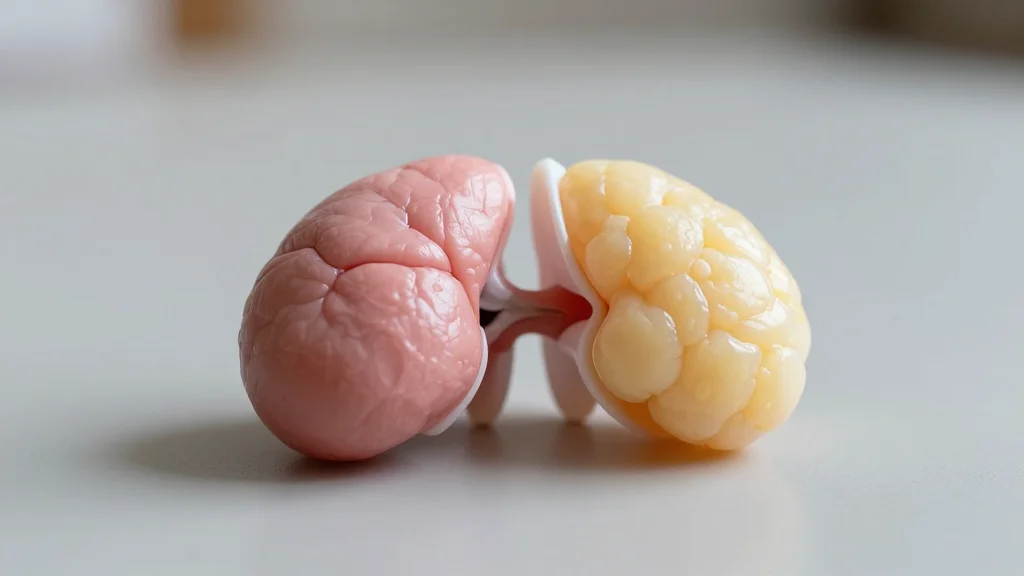
Yet Another New Biotech Company Aims at Regeneration of the Atrophied Thymus
Swiss biotech TECregen announced seed financing to launch a pipeline of biologic drugs aimed at regenerating the aged thymus. The company’s “thymopoietics” are engineered growth‑factor molecules designed to rebuild thymic epithelial cells, the niche essential for T‑cell maturation. By concentrating...

Acoltremon (AR-15512)
Alcon, Aerie Pharmaceuticals, and Avizorex Pharma announced FDA approval of acoltremon (Tryptyr®), the first‑in‑class TRPM8 thermoreceptor agonist for dry eye disease. The ophthalmic solution activates corneal nerves to boost natural tear production, offering a novel mechanism compared with existing anti‑inflammatory...

DIY Botox: Why Self-Injecting a Neurotoxin Is a Terrible Idea
TikTok and other platforms are fueling a surge in DIY Botox, where consumers purchase unapproved botulinum toxin online and self‑inject it. In late 2025 the FDA issued warning letters to 18 websites selling counterfeit or misbranded products, citing adverse events...

Investigating the Epigenetics of Cellular Senescence in T Cells
The paper examines epigenetic regulation of senescence in CD8+ T cells from younger and older donors, revealing that the senescent state, rather than chronological age, drives the majority of epigenomic and transcriptional shifts. Approximately 40% of detectable transcription factors are...

A Beneficial Function of TGF-Β in Aging
Researchers discovered that transforming growth factor‑beta (TGF‑β) signaling in microglia acts as a protective checkpoint for myelin integrity in the aging spinal cord. In aged mice, the dorsal column showed pronounced myelin degeneration alongside heightened TGF‑β activity in resident microglia....

Thoughts on Aging as Damage versus Aging as a Program of Altered Gene Expression
The article contrasts two dominant aging paradigms—damage accumulation and programmed gene‑expression—and highlights a growing synthesis of the two. It explains that a damage view drives research toward repair mechanisms, while a program view pushes gene‑expression and metabolic re‑engineering. Recent discoveries,...
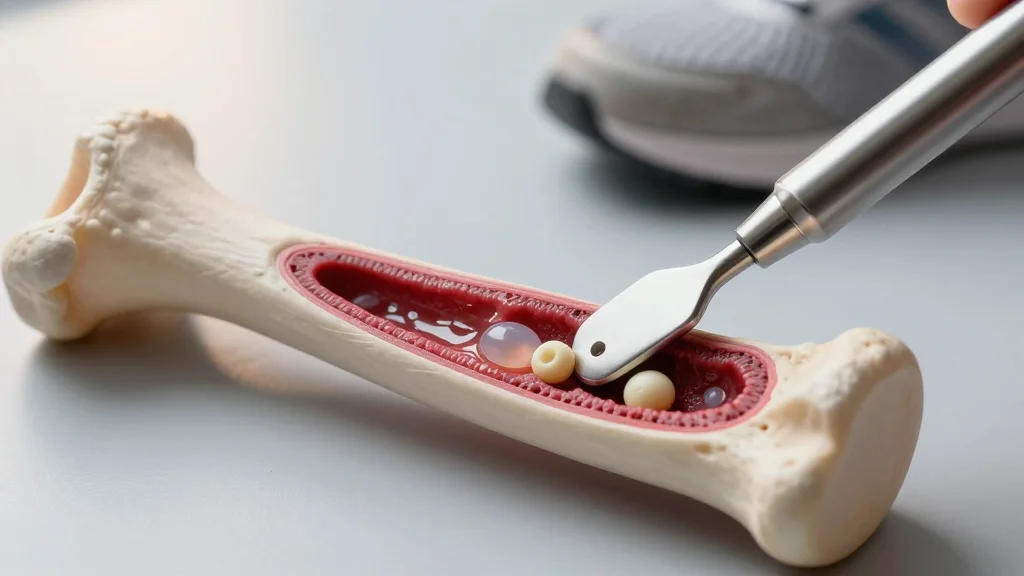
Mechanotransduction via Piezo1 Drives the Benefits of Exercise on Bone Tissue
Researchers identified the mechanosensitive ion channel Piezo1 in bone‑marrow mesenchymal stem cells as the key mediator of exercise‑induced bone health. Mechanical loading activates Piezo1, which suppresses marrow adipogenesis, curtails a Ccl2‑Lcn2 inflammatory loop, and promotes osteoblast differentiation. Mice lacking Piezo1...

Common Changes in RNA Splicing and Processing with Age Across Tissues
Researchers applied differential network analysis to human transcriptomes (ages 20‑70) across multiple tissues, uncovering age‑related transcriptional changes that standard differential expression missed. By integrating both methods, they identified a core set of genes consistently modulated with age, heavily enriched for...

When the Boat Matters More than You Think
Two biotech firms announced phase‑3 oncology trials in San Francisco, enrolling fewer than 20 and fewer than 50 patients respectively. The ultra‑small cohorts reflect a growing trend to accelerate drug development for rare cancers, leveraging expedited regulatory pathways. While the approach...

Reviewing the Use of Fecal Microbiota Transplantation to Treat Parkinson's Disease
Recent research highlights the gut‑brain axis as a key factor in Parkinson’s disease, where age‑related dysbiosis may exacerbate neurodegeneration. Small clinical trials of fecal microbiota transplantation (FMT) have shown restored microbial balance, reduced constipation, and measurable improvements in motor, cognitive,...

The Consumer Frontier
The episode explores the "consumer frontier"—the point where technology becomes culture—as it shifts from software to hardware (atoms) and then to biology (cells). It explains how lowering technological difficulty and rising cultural readiness have turned software into pop culture, and...

Treosulfan (NSC 39069)
Treosulfan (Grafapex®) received FDA approval in 2025 when combined with fludarabine as a conditioning regimen for allogeneic stem‑cell transplantation (alloHSCT) in patients aged one year and older with acute myeloid leukemia (AML) or myelodysplastic syndromes (MDS). The approval follows trials...

Addgene’s Expanding Collection of Research Tools for Industry Scientists
Addgene, celebrating two decades of plasmid distribution, now offers nearly 10,000 unique research tools to industry scientists. The collection spans fluorescent protein plasmids, AI‑generated CRISPR editors, enzyme‑producing vectors, viral‑vector kits, and extensive antibody libraries. New filters on the Addgene website...

LINE-1 RNA Provokes Inflammation to Contribute to Cognitive Dysfunction
Researchers identified plasma extracellular vesicle (EV) LINE‑1 RNA as a potent systemic aging factor that rises sharply with age and correlates with brain‑aging biomarkers. In mouse models, aged EVs cross the blood‑brain barrier, deliver LINE‑1 RNA to microglia, and activate...

Interactions Between Gut Microbiome and Muscle Tissue in the Development of Sarcopenia
Researchers highlight a bidirectional link between the aging gut microbiome and skeletal muscle, where myokine signaling shapes microbial composition and microbial metabolites influence muscle mass. Dysbiosis and reduced myokine secretion create a vicious cycle that accelerates sarcopenia. Interventions that modulate...
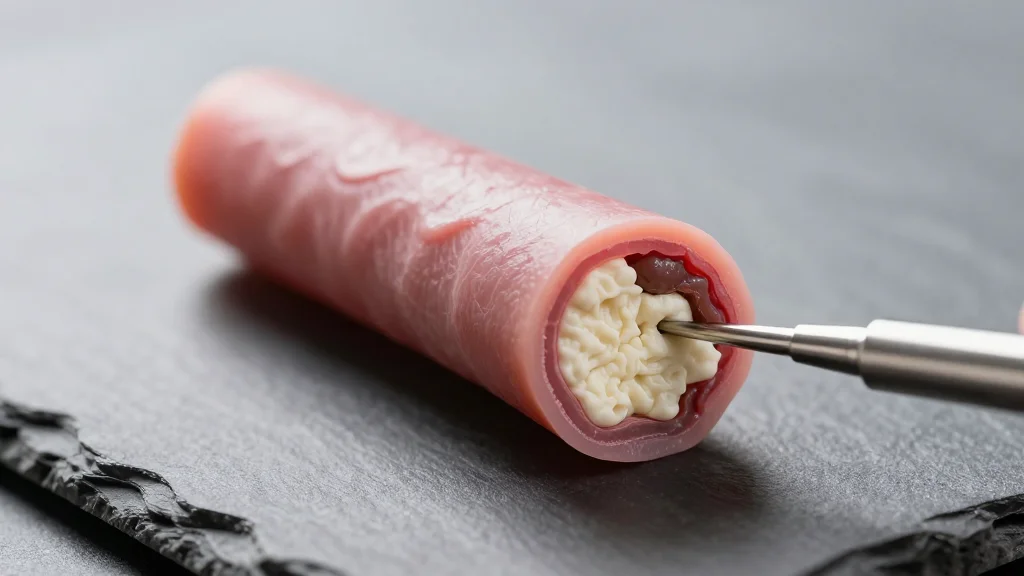
Arguing for Sirtuins to Be Involved in Known Interventions to Modestly Slow Vascular Calcification
Vascular calcification, a hallmark of cardiovascular aging, lacks effective reversal therapies beyond modest chelation. A new open‑access study links the SIRT family of proteins to slowed calcification by modulating inflammation, oxidative stress, and ferroptosis, primarily through metformin‑driven activation of SIRT1...

An Opinionated View of Current Issues with Aging Clocks
Aging clocks aim to quantify biological age using molecular data, promising faster assessment of anti‑aging therapies. While dozens of clocks exist, they are currently trusted only for research and personal health monitoring, not for regulatory or clinical decision‑making. The blog...

Weekly Reads: Organoids ‘Pregnant’ with Human Embryos, Neuralink, Biotech Scorecard, Iffy Autism Tests
Researchers have successfully co‑cultured human embryos with endometrial organoids, creating a 3‑dimensional post‑implantation model that mimics early pregnancy. The study, published in Cell Stem Cell, shows embryos can organize with organoid tissue for several days, offering a new platform for...

Relief From Tooth Sensitivity with Magnetically Guided Nanobots
Researchers at IISc and deep‑tech startup Theranautilus have engineered CalBots, magnetic nanobots that penetrate dentinal tubules and form durable bioceramic seals to alleviate tooth hypersensitivity. The 400‑nm particles are guided by an external magnetic field, reaching depths of 300‑500 µm and...

Dementia Risk Varies Between Strong versus Weak Circadian Clock Regulation
A new open‑access study of 2,183 older adults found that individuals with stronger circadian rhythms have a markedly lower risk of developing dementia. Researchers quantified rhythm strength using the relative amplitude of activity‑rest cycles derived from heart‑monitor and accelerometer data,...
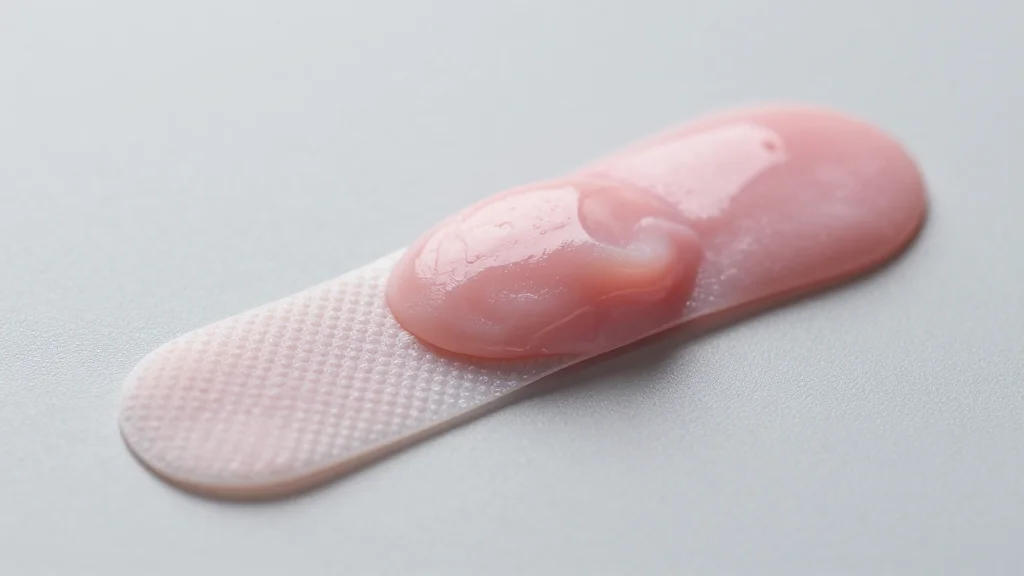
A Bioinspired Hydrogel Patch with Controllable Adhesion Properties for Enhanced Soft Tissue Repair
Researchers from Shenzhen University, the Chinese Academy of Sciences and Hong Kong Polytechnic University have created a bioinspired hydrogel patch with controllable adhesion for soft tissue repair. The dual‑sided device combines a suction‑cup‑like adhesive layer that can be repositioned and...

Camizestrant
Camizestrant is an oral, selective estrogen‑receptor‑alpha (ERα) degrader developed by AstraZeneca for ER‑positive, HER2‑negative, ESR1‑mutated breast cancer. The drug advanced to a Phase 3 trial, with results published in the New England Journal of Medicine in June 2025. The study demonstrated a...

A Bear’s Eye View of the Zanidatamab Data in Gastric Cancer
Jazz Pharmaceuticals presented zanidatamab data from the HERIZON‑GEA‑01 phase 3 trial at the ASCO GI Symposium, targeting HER2‑positive gastric cancer. The company touted the results as practice‑changing, prompting sell‑side analysts to echo the optimism. However, the stock fell 4‑5% as investors...

Retro Biosciences Starts a Safety Trial for an Autophagy Promoter
Retro Biosciences has initiated a Phase 1 safety trial of its small‑molecule autophagy promoter RTR242 in healthy volunteers in Australia. The drug is designed to restore lysosomal acidity, thereby enhancing cellular waste‑clearance mechanisms that decline with age. The study is randomized,...

Dr. Marty Makary Was Paid $130,357 By Pharma. Is His “Undue Influence” Affecting the FDA?
Dr. Marty Makary, now FDA commissioner, earned $130,357 from pharma firms before his nomination and serves on the board of an ophthalmic drug company despite pledging never to work for big‑pharma. He appointed former industry executive Dr. George Tidmarsh to...

In Search of Mechanisms to Explain the Sex Difference in Alzheimer's Disease Outcomes
Recent open‑access research confirms that women experience more severe Alzheimer’s pathology than men, with female 5xFAD mice developing larger, less compact amyloid‑β plaques. Transcriptomic analysis revealed that female microglia up‑regulate glycolytic metabolism, antigen‑presentation pathways, and a distinct type‑I interferon signature,...

Healing Brain Cells and Tackling Neurodegenerative Diseases with Nanoflowers
Researchers at Texas A&M have shown that metallic “nanoflower” nanoparticles can protect and repair brain cells by improving mitochondrial health. In cell cultures, the nanoflowers sharply lowered reactive oxygen species and enhanced mitochondrial integrity within a day, and in C....

Top 10 Most Popular Drug Hunter Resources of 2025
Drug Hunter’s 2025 resource roundup highlights the ten most accessed tools that support daily drug‑discovery workflows. The suite includes practical PK calculators, bioisostere and covalent inhibitor cheat sheets, a searchable structure and patent database, and a series of 25 Flash...

Reduced Cystathionine Γ-Lyase Levels May Contribute Meaningfully to Age-Related Neurodegeneration
Researchers found that cystathionine γ‑lyase (CSE) levels decline with age and that complete genetic removal of CSE in mice reproduces key features of brain aging. CSE‑deficient mice exhibited oxidative damage, blood‑brain barrier breakdown, impaired neurogenesis, and measurable cognitive deficits. The...

Improved Drainage of Cerebrospinal Fluid as a Time Critical Treatment for Stroke
Researchers at Monash University are developing non‑invasive neck devices that accelerate cerebrospinal fluid drainage via the glymphatic system immediately after ischemic stroke. Advanced imaging of 140 participants shows women have less lymphatic coverage in the brain’s outer layer, potentially explaining...

2026 Predictions: Historic FDA Shift, Plausible Mechanisms, Bespoke Tx, RFK Jr., Biotechs, State AGs, Peptides, Embryos
The blog forecasts a historic regulatory shift in 2026, with the FDA likely approving Capricor’s deramiocel for Duchenne muscular dystrophy and at least two additional cell therapies based on limited data. New FDA buzzwords—plausible mechanisms, N=1 trials, bespoke therapies, and...

A Small Sample of the Complexity of Hair Follicle Aging
A recent single‑cell RNA sequencing study mapped the transcriptional landscape of human hair follicles across a wide age range, profiling 57,181 cells from young, middle‑aged and elderly donors. The analysis identified three distinct keratinocyte subtypes and highlighted activation of the...

RFK Decimates Vaccine Schedule
Robert F. Kennedy Jr., as HHS secretary, has reduced the U.S. routine vaccine schedule from covering 17 illnesses to just 11, moving hepatitis A, hepatitis B, rotavirus, meningococcal, influenza and COVID‑19 into a “shared clinical decision‑making” category. The change bypasses...

A New Approach to Drugging MYC: The Application of Translation-Inhibiting Interdictors To MYC-Driven Malignancies
Researchers have unveiled a novel class of translation‑inhibiting interdictors that selectively suppress MYC protein production, offering a viable strategy to target MYC‑driven malignancies. These small‑molecule agents disrupt the initiation of mRNA translation, leading to rapid depletion of MYC levels in...

Exosomes in Aging and Age-Related Conditions
Exosomes, nanoscale extracellular vesicles, are increasingly recognized as key mediators of aging and age‑related diseases through their cargo of proteins, lipids, and RNAs. Recent research shows that stem‑cell‑derived exosomes can reproduce the therapeutic signals of cell transplantation, prompting early clinical...

Evidence for Tau and Amyloid Pathology to Drive White Matter Damage in the Brain
A recent PET imaging study of older adults finds that amyloid‑β and tau protein deposits drive the progression of white matter hyperintensities (WMHs) rather than the reverse. Baseline analyses showed bidirectional links, but longitudinal data revealed that higher amyloid levels...

The Saturating-Removal Model of Damage Accumulation and Effects of Lifestyle on Aging
The Saturating-Removal (SR) model links stochastic damage accumulation to human mortality, showing that variations in damage production or removal rates are tightly constrained across individuals. Analyses of NHANES cohorts, centenarian siblings, and progeria cases support the model’s prediction that maximal...

Top 10 Most Popular Drug Hunter Reviews of 2025
2025 drug discovery emphasized rigorous target selection, with genetics‑driven programs outpacing unvalidated approaches. Immunology saw a breakthrough as small‑molecule degraders and inhibitors of transcription factors IRF5 and STAT6 demonstrated oral activity, challenging the dominance of biologics. Emerging modalities such as...