
The “R” In CRO: How and Why CROs Should Harness Open-Source R Software
Open‑source R is reshaping statistical programming in clinical trials, offering CROs a cost‑effective, flexible alternative to traditional licensed tools. Its extensive package ecosystem, combined with RMarkdown and Shiny, enables rapid automation, interactive reporting, and reproducible workflows. While sponsors are increasingly adopting R, many CROs remain cautious due to legacy systems, validation concerns, and skill gaps. The article outlines a three‑pillar strategy—interoperability, validation, scalability—to help CROs integrate R and stay competitive.

AI Health Models Leak Patient Data Despite Privacy Safeguards, Research Reveals
Researchers unveiled a quantum‑inspired tensor‑train defence that safeguards clinical prediction models from privacy attacks while retaining predictive accuracy and interpretability. Experiments on logistic‑regression and shallow neural‑network models, including the public LORIS immunotherapy predictor, showed severe data leakage under white‑box access...
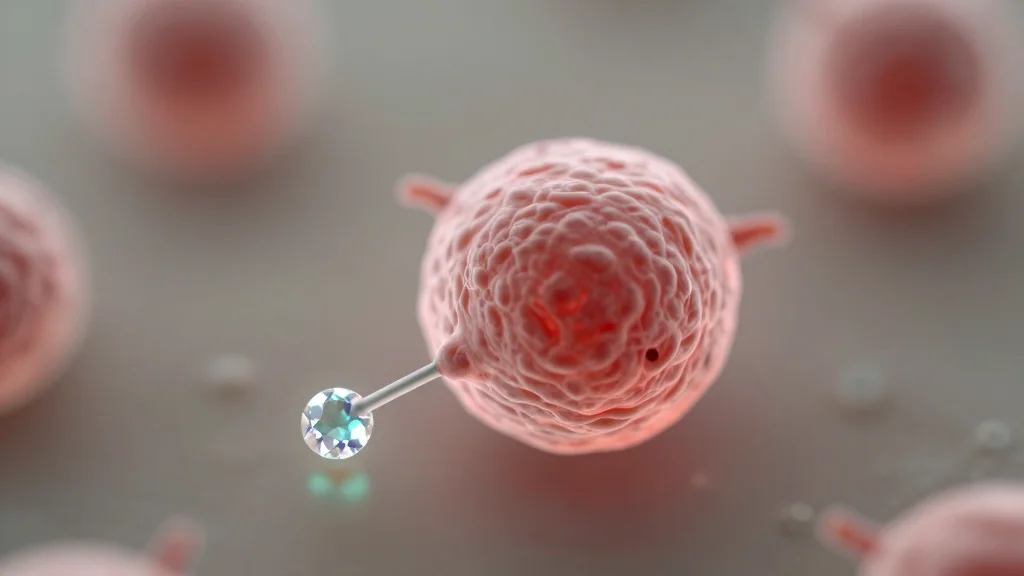
Diamond Quantum Sensors Detect Immune Cell Inflammation Through Electric Charge Shifts
Researchers at the University of Chicago and the University of Iowa have demonstrated that diamond nanoprobes containing nitrogen‑vacancy (NV) centers can detect inflammation in individual macrophages by measuring electric‑field‑induced shifts in the zero‑field splitting (ZFS) parameter. By introducing a secondary...

The New WIZ-Kid in Protein Degradation
Targeted protein degraders that eliminate the transcription factors WIZ and ZBTB7A are shown to raise fetal hemoglobin (HbF) levels, offering a disease-modifying strategy for sickle cell disease and β‑thalassemia. Novartis disclosed a series of CRBN‑based glue degraders, culminating in the...

Unveiling Polymeric Interactions Critical for Future Drug Nanocarriers
Researchers at Chiba University have experimentally quantified how poloxamer 407 (P407) micelles interact in phosphate‑buffered saline, a physiologically relevant medium. Using small‑angle X‑ray scattering and dynamic light scattering, they derived the pair interaction potential and observed that micelles become more regularly...

Multivalent Fragments in the Clinic: Muvalaplin
Researchers at Eli Lilly and Monash University have advanced a multivalent fragment, muvalaplin (LY3473329), to target the Kringle IV‑8 domain of apolipoprotein(a). The trimeric molecule binds three copies of KIV8, achieving picomolar inhibition of Lp(a) assembly in vitro and lowering...

Module 1 Quiz
Drug Hunter has launched a Module 1 Quiz to evaluate learners’ grasp of introductory drug‑discovery concepts. The quiz spans all sections of the first module and is accessible through the platform’s subscription model. Users can take the assessment after reviewing the...
The Peptide Craze Sweeping America Has a Fan in RFK Jr
The U.S. wellness market has been flooded with unapproved "pop" peptides such as BPC‑157, GHK‑Cu and TB‑500, prompting the FDA in 2023 to reclassify most of them as Category 2, effectively banning their compounding. Despite the ban, a gray‑market supply chain—often...

Flickstop
A recent BMJ article outlines a comprehensive telesurgery architecture comprising robot, telecommunication, and teleconference subsystems. The design employs a dedicated line with a backup path to link the surgeon console and patient cart, while a secondary console resides in the...

A Color-Changing Microneedle Sensor Made From Food Ingredients Can Detect Spoilage Through Sealed Packaging
Researchers have created a food‑safe gelatin microneedle sensor that pierces sealed packaging and changes color as protein‑rich foods spoil. The device embeds red‑cabbage anthocyanin, shifting from purple to blue when pH rises, providing a visual spoilage cue. Mechanical tests show...

Arguing for a Higher Heritability of Human Longevity
A new open‑access study re‑examines human longevity heritability, arguing that previous estimates were biased low because they ignored extrinsic mortality and arbitrary age cutoffs. By modeling and correcting for these factors, the authors find intrinsic lifespan heritability rises to roughly...

Identification Methods for Drug Repurposing: Case Studies in Neurodegeneration
The article outlines modern methods for identifying drug repurposing opportunities, focusing on neurodegenerative diseases such as Alzheimer’s and Parkinson’s. It highlights computational screening, network pharmacology, and real‑world evidence as core techniques, and presents case studies where existing drugs showed disease‑modifying...

Light’s Speed Mismatch Weakens Advanced Medical Scans, Researchers Find
Researchers identified intrinsic unbalanced group‑velocity dispersion in nonlinear interferometers as a major source of axial resolution loss for undetected‑photon optical coherence tomography (OCT). The dispersion stems from non‑degenerate optical parametric down‑conversion, making physical compensation difficult. By extracting phase from high‑precision...

Quantum Computing Offers Faster, More Accurate Molecular Blueprint Predictions for Better Drugs
Researchers at North Carolina State University have introduced a hybrid quantum‑classical framework that predicts electronic circular dichroism (ECD) spectra of chiral molecules using 20–24 qubit circuits. The method combines variational quantum eigensolvers with quantum equation‑of‑motion techniques and matches the accuracy...

CUL5 as a Potential Target to Reduce Tau Levels in the Aging Brain
Researchers have identified the ubiquitin ligase CUL5 as a negative regulator of tau protein levels in human neurons. A genome‑wide CRISPR interference screen in iPSC‑derived neurons highlighted CUL5 knockdown as a potent means to lower intracellular tau, echoing similar hits...
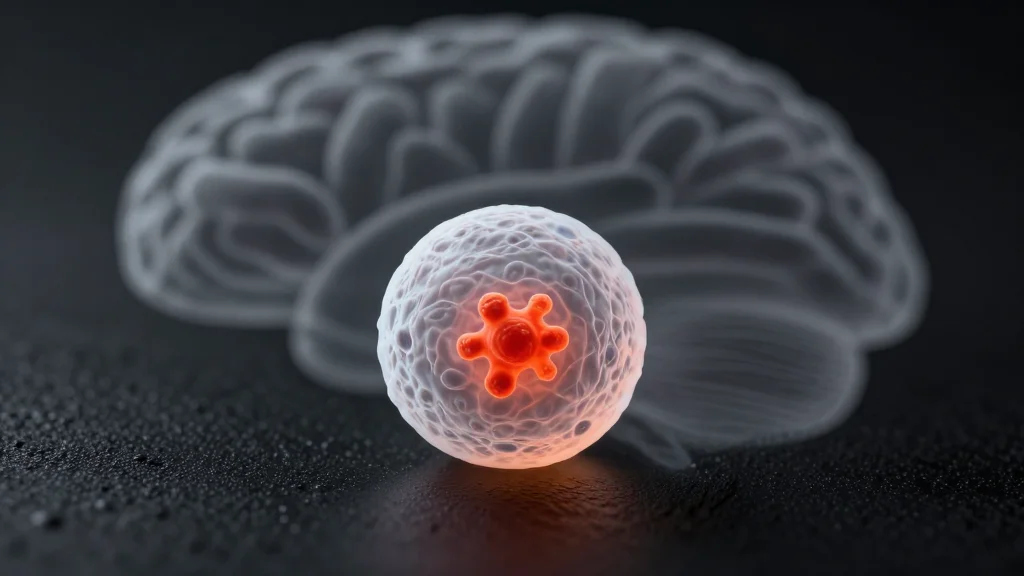
Better Understanding How Misfolded Α-Synuclein Moves From Gut to Brain
Researchers have identified muscularis macrophages (ME‑Macs) as pivotal carriers of misfolded α‑synuclein in the gut, facilitating its spread to the brain in Parkinson's disease models. Experimental depletion of ME‑Macs markedly reduced α‑synuclein pathology in both the enteric and central nervous...

Latest on TechBio News
The episode highlights Proscia’s recent achievements, including being named the Global 2026 Best in KLAS for Digital Pathology in Europe and a series of product and partnership milestones such as new AI tools for skin biomarkers, virtual staining, and integration...

DNA Vaccine Scaffolding Boosts HIV Immune Response
Researchers at Scripps Research and MIT engineered a DNA origami scaffold that carries HIV envelope proteins while remaining immunologically silent, eliminating antibodies against the carrier. In mouse models the DNA‑based particles displayed 60 copies of the antigen and generated ten...

Perspectives on Aging Research and the Near Future of the Field
The blog compiles leading scientists' forecasts for aging research over the next decade, highlighting a shift from descriptive studies to therapeutic interventions. Experts anticipate rapid advances in senescent‑cell clearance, epigenetic reprogramming, multi‑omics profiling, and AI‑driven target discovery. Clinical pipelines are...

Strengthening Foundations: Reflections on 2025 and What's Ahead for 2026
Addgene closed 2025 by supporting researchers in 112 countries, highlighted by a rapid plasmid shipment to Laos. The nonprofit welcomed over 500 new depositing labs and its materials featured in 9,000 publications last year. New tools such as a Developer’s...

Quantum Computing Speeds up Genome Mapping, Unlocking Faster Disease Diagnosis
Researchers from IIT and IBM have unveiled a hybrid quantum‑classical workflow that accelerates de novo genome assembly by reformulating Hamiltonian and Eulerian path problems as a Higher‑Order Binary Optimisation (HOBO) task solved with the Variational Quantum Eigensolver (VQE). The approach integrates...
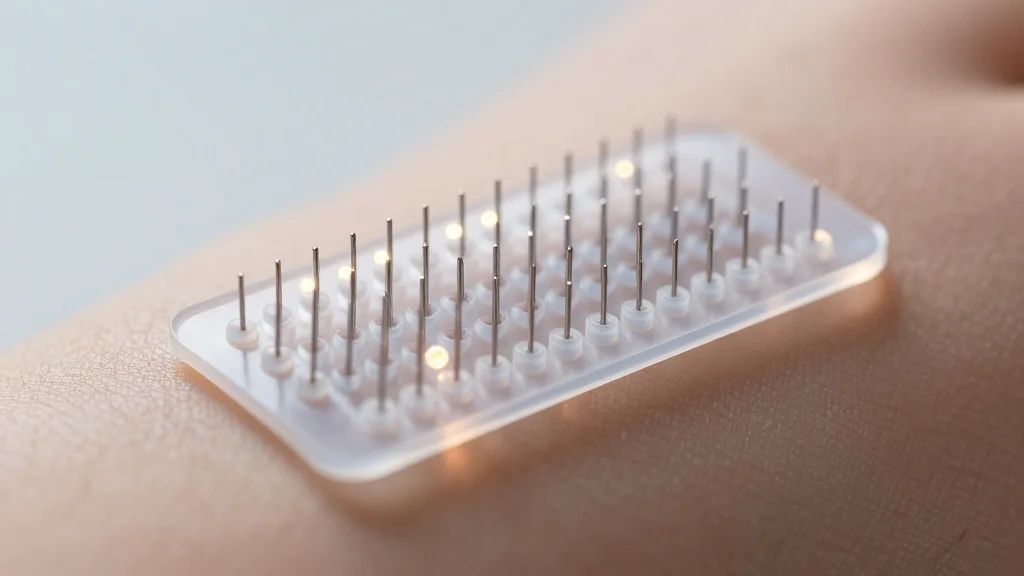
A 3D-Printed Delivery System Enhances Vaccine Delivery via Microneedle Array Patch
Researchers at the University of Tokyo used 3D‑printing to add a pillar‑backed layer to microneedle array patches (MAPs), preserving more live virus during fabrication. The pillar‑guided MAPs showed higher viral titers and induced protective immunity against SARS‑CoV‑2 in mice. This...
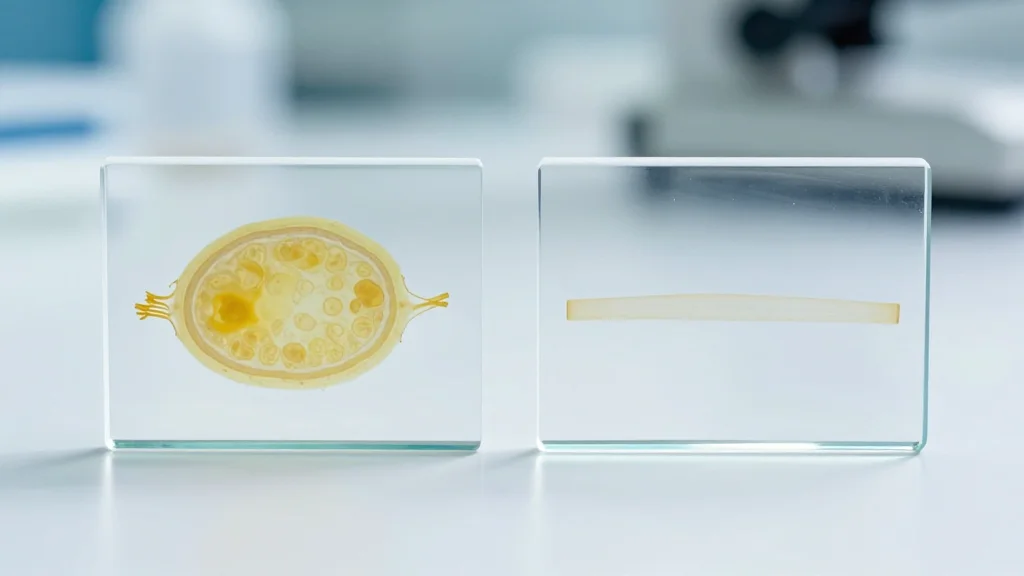
Sex Differences in Atherosclerotic Cardiovascular Disease
A new analysis of the CARDIA cohort spanning 34 years confirms that men experience premature atherosclerotic cardiovascular disease (CVD) several years earlier than women, with a 5% cumulative incidence occurring at age 50.5 versus 57.5 for women. The gap emerges...

Α-Ketoglutarate Interacts with TET to Regulate Cellular Senescence
A recent human trial of α‑ketoglutarate (AKG) supplementation failed to demonstrate measurable health benefits, prompting renewed focus on pre‑clinical evidence. New cell‑based research shows that the AKG‑TET enzymatic axis governs epigenetic reprogramming that drives or reverses cellular senescence. Down‑regulating AKG...
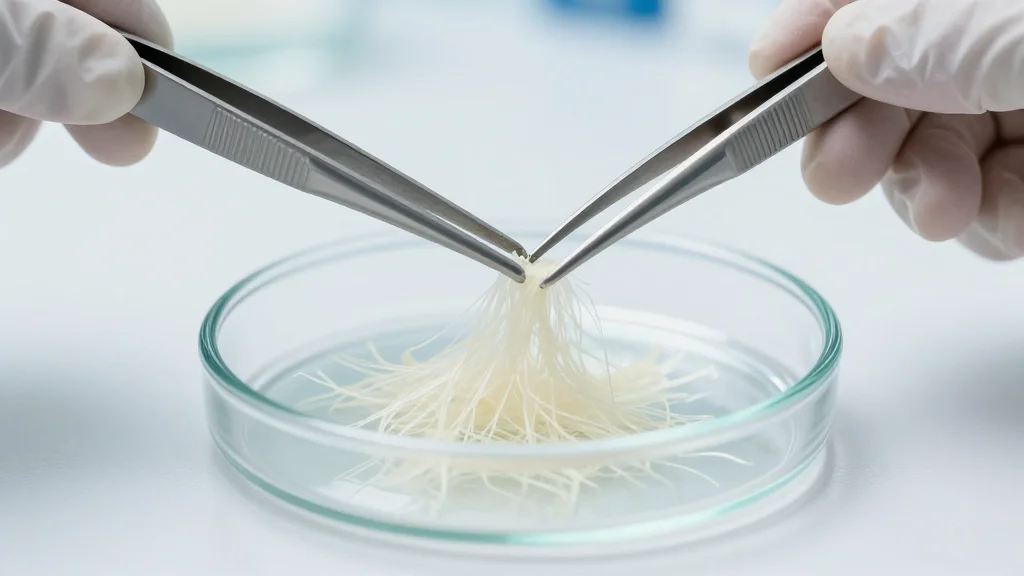
Functional Amyloids Are Involved in Long Term Memory
Researchers have identified a Drosophila chaperone, named Funes (CG10375), that promotes the formation of functional amyloids essential for long‑term memory. Funes interacts with the prion‑like protein Orb2, driving its amyloid conversion at synapses, and flies with elevated Funes retain odor‑reward...

Wyoming Stem Cell Bill Is Latest Risky, Anti-FDA State Legislation
Wyoming Senate introduced the Stem Cell Freedom Act, allowing clinical use of autologous mesenchymal stromal cells without FDA approval. The legislation shields physicians from disciplinary action if they recommend such therapies, provided they meet state‑defined standards. Critics argue the bill...
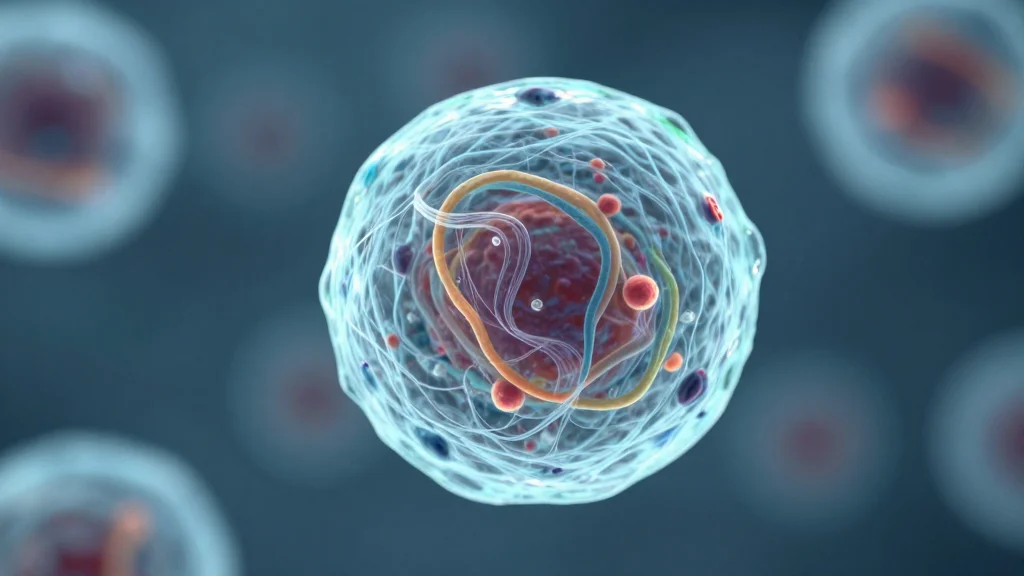
Discombobulation on the KRAS Front
The KRAS field, once thought to be entering an execution phase after early successes, now faces unexpected data patterns across programs. Responses to KRAS inhibitors are behaving oddly, with transient dependencies and adaptive tumor rewiring emerging under therapeutic pressure. These...

Crab Shell Gel Turns Kimchi Bacteria Into Living Food Safety Sensors
Researchers at Rice University engineered a naphthoquinone‑grafted chitosan hydrogel that embeds the food‑grade bacterium Lactiplantibacillus plantarum, achieving extracellular electron transfer 15.6 times higher than plain chitosan. The tethered quinone mediators stay fixed, preventing leakage and stabilizing performance for up to...

The First Clinical Trial of Partial Reprogramming Will Start Soon
The FDA has cleared Life Bioscience’s ER-100 for the first human trial of partial epigenetic reprogramming, aimed at restoring damaged retinal cells in patients with open‑angle glaucoma and non‑arteritic anterior ischemic optic neuropathy. The therapy delivers three Yamanaka factors—Oct4, Sox2...

Ferroptosis in Alzheimer's Disease Is Reduced by Exercise
Recent review highlights ferroptosis, an iron‑dependent lipid‑peroxidation cell death, as a key driver of neuronal loss in Alzheimer’s disease. Senescent cells disrupt iron homeostasis, antioxidant defenses, and autophagy, creating a pro‑ferroptotic brain environment that accelerates pathology. Physical exercise counteracts these...

Test Strip Breakthrough for Accessible Diagnosis
A La Trobe University research team has created a single‑use test strip that detects disease‑related microRNAs at attomolar levels, far surpassing the sensitivity of traditional glucose strips. The device uses a specialised enzyme to amplify an electrical signal, allowing detection...

Considering Autophagy as a Means to Modestly Slow Aging
Autophagy is the cell’s recycling system that removes damaged proteins and organelles, becoming most active under mild stress such as fasting or exercise. Research shows that enhancing autophagy can modestly extend lifespan and healthspan in animal models. The longevity industry...

Phenotypic Age Predicts Mortality Risk in Parkinson's Disease Patients
The post discusses a new study using the Phenotypic Age (PhenoAge) clock to predict mortality risk in Parkinson's disease (PD) patients, finding that higher PhenoAge and its acceleration are strong independent predictors of death alongside factors like age, male sex,...

A Deeper Investigation of Recent Trends in Life Expectancy
A new study of 450 sub‑national regions in 13 Western European countries reveals stark regional disparities in life expectancy trends. Researchers identify two distinct phases: a "golden era" from 1992‑2005 with robust gains of roughly 2.5 months per year for...
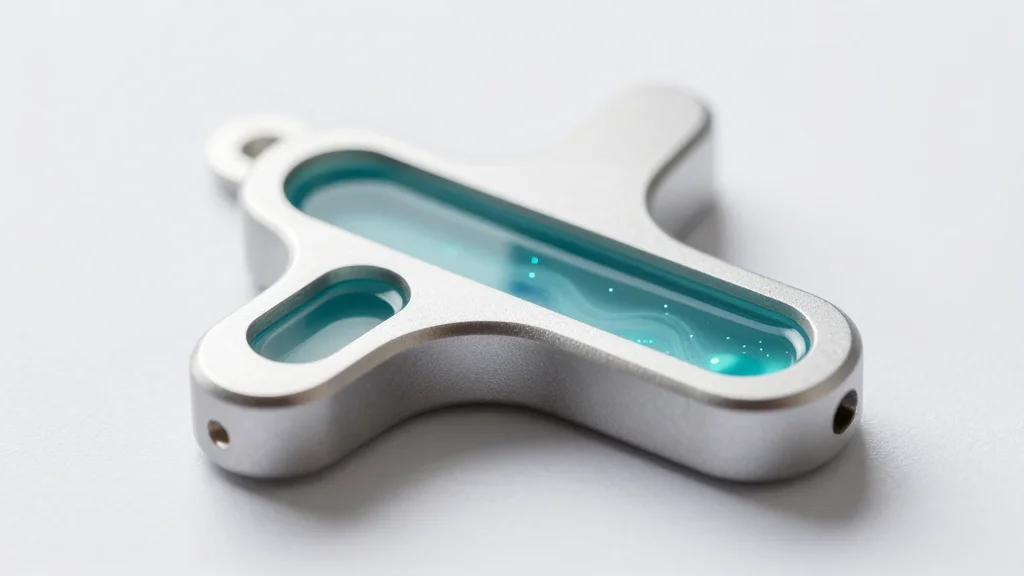
How Aircraft Wing Physics Could Accelerate the Next Generation of RNA Medicines
Researchers at University College Dublin have created an aerofoil‑shaped microfluidic platform that delivers consistent lipid nanoparticle (LNP) formulations from milliliter‑scale screening to liter‑scale production. The MiNANO‑form cartridge can run eight parallel, contamination‑free mixes using as little as 0.1 mL of reagents,...
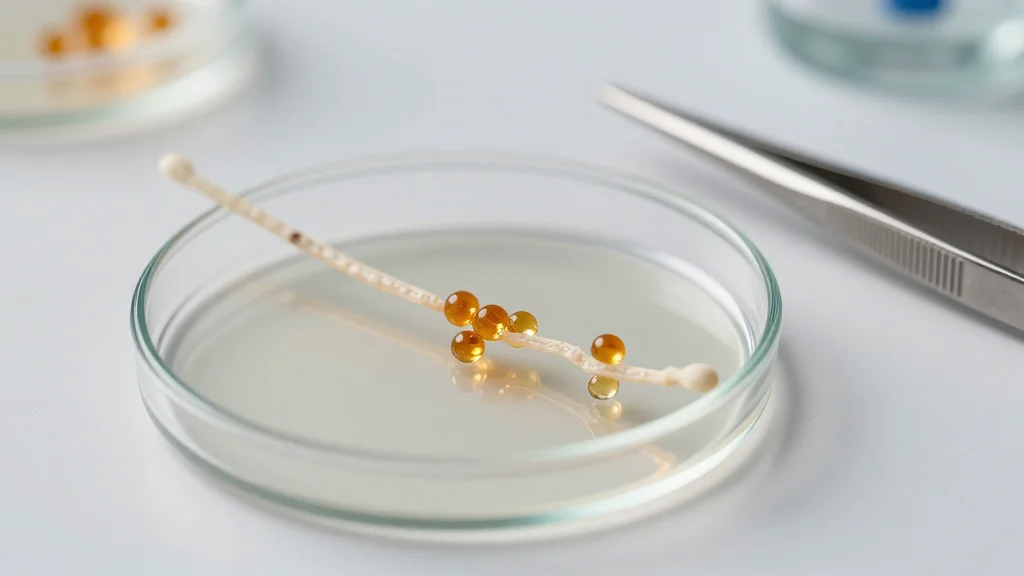
Exercise as a Way to Enhance DNA Repair to Slow Aging
An open‑access review links regular exercise to enhanced DNA‑repair pathways that may decelerate muscle aging. It outlines two emerging mechanisms: somatic mosaicism from stem‑cell mutations and epigenetic drift driven by repeated double‑strand break repair. The paper highlights how chronic training...

It Takes Multiple to Mambo
Recent disclosures illustrate how multimeric design is reshaping drug discovery in the beyond‑Rule‑of‑5 (bRo5) space. GSK’s dimeric BET inhibitor GSK785 uses a rigid diazaspiro linker to achieve >30‑fold BRD4 selectivity, while Eli Lilly’s muvalaplin dimer‑to‑trimer architecture delivers a 10,000‑fold potency boost...

XSAR: Crystallographic SAR From Crude Reactions
Researchers at Diamond Light Source and the University of Oxford introduced xSAR, a quantitative crystallographic SAR approach that converts fragments into Morgan fingerprint bits to calculate Positive and Negative Binding Scores (PBS/NBS). Applying PBS to 957 crude‑reaction fragments recovered 23...

Section 4: The All-Important Dose
The blog post emphasizes dose as a pivotal factor distinguishing first‑in‑class from next‑generation therapeutics. It links total dose and dosing regimen to core drug attributes such as potency, pharmacokinetics, and safety. The discussion covers route of administration, dosing schedules, and...

Small RNAs Altered in Human Calorie Restriction
Researchers analyzed small non‑coding RNAs in participants of the CALERIE Phase 2 calorie‑restriction trial, which achieved a 12‑15% reduction in intake over 12‑24 months. Using smRNA sequencing of plasma, muscle, and adipose tissue, they identified 16 RNAs linked to the degree of...

The Γδ T-Cell Population Changes with Age
A recent mouse study shows that aging dramatically reshapes the peripheral γδ T‑cell compartment, expanding innate‑like subsets that produce higher levels of IL‑17. The age‑associated shift coincides with a marked loss of the transcription factor Foxo1 within these cells. Researchers...

Weekly Reads: Human SCBEM Framework, Reporter Self-Injects Peptides, ASD, NAMs
A new two‑tier framework for human stem‑cell‑based embryo models (SCBEM) proposes a developmental ceiling of 56 days, sparking debate over its impact on clinical applications. The blog also highlights ethical concerns after a reporter injected wellness peptides on record, questioning...

Senolytics as a Treatment for Diabetic Kidney Disease
Researchers evaluated the senolytic combination dasatinib plus quercetin (D+Q) in diabetic kidney disease models and a pilot human trial. In streptozotocin‑induced diabetic mice, a short five‑day oral regimen reduced kidney injury markers, fibrosis, and the senescence marker p16Ink4a while boosting...

Lanifibranor (IVA-337)
Lanifibranor (IVA-337) is an oral pan‑PPAR agonist entering Phase 3 trials for metabolic dysfunction‑associated steatohepatitis (MASH/MASLD). The molecule was optimized from high‑throughput screening and its preclinical data were published in the Journal of Hepatology in June 2025. Inventiva Pharma is leading development,...

Facial Skin Regenerates with Less Scarring, and the Underlying Mechanism Could Be Applied Elsewhere in the Body
Researchers have uncovered why facial skin heals with less scarring than other body sites. They identified a signaling pathway centered on the protein ROBO2 that keeps facial fibroblasts in a low‑fibrotic state by inhibiting EP300. In mouse models, pharmacologic EP300...

Quantum Machine Learning Achieves 86.4% Accuracy Detecting Leukemia with 50 Samples
Researchers applied quantum machine‑learning techniques to detect acute myeloid leukemia from microscopic blood‑cell images. Using a reduced 20‑dimensional feature set and only 50 training samples per class, the equilibrium propagation (EP) model achieved 86.4% accuracy, while a 4‑qubit variational quantum...

New Light-Based Nanotechnology Could Enable More Precise, Less Harmful Cancer Treatment
Researchers at NYU Abu Dhabi have engineered hydroxyapatite‑based nanoparticles loaded with a near‑infrared II (NIR‑II) dye for photothermal cancer therapy. The particles are coated with lipids and polymers to prolong circulation and feature an acidic‑responsive peptide that promotes tumor‑cell entry....

Fecal Microbiota Transplantation From Young Mice to Old Mice Improves Intestinal Stem Cell Function
A recent study demonstrates that transferring fecal microbiota from young to old mice restores intestinal stem cell (ISC) function by reactivating canonical Wnt signaling. The young‑derived microbiota increased expression of Ascl2 and Lgr5, boosted crypt mitotic activity, and improved regenerative...
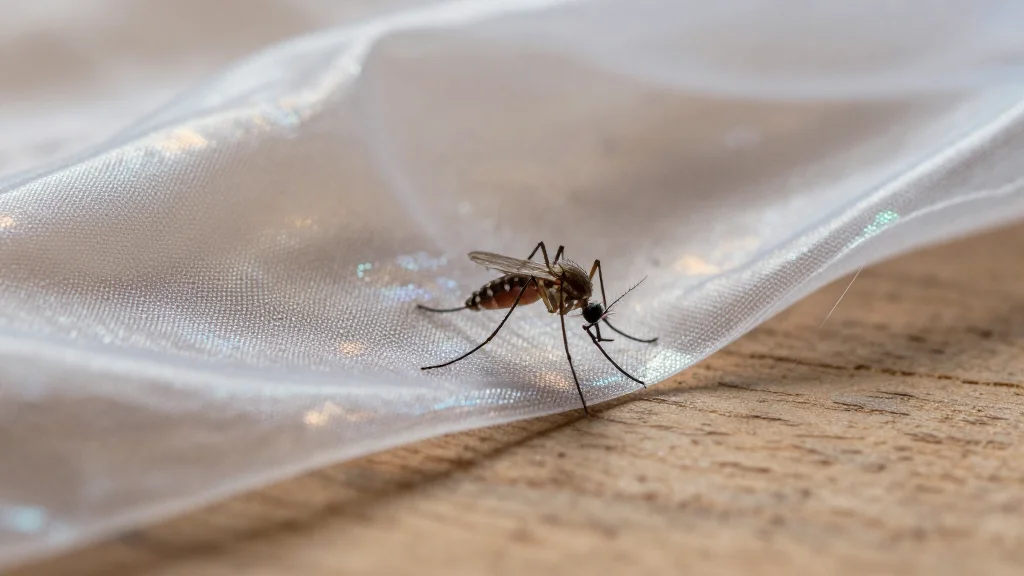
Engineering Graphene to Block and Detect Malaria
A recent review in Advanced NanoBiomed Research maps how graphene and its derivatives could be deployed at multiple points in the malaria fight. It details synthesis routes—from mechanical exfoliation to green chemistry— and highlights three intervention zones: physical barriers on...
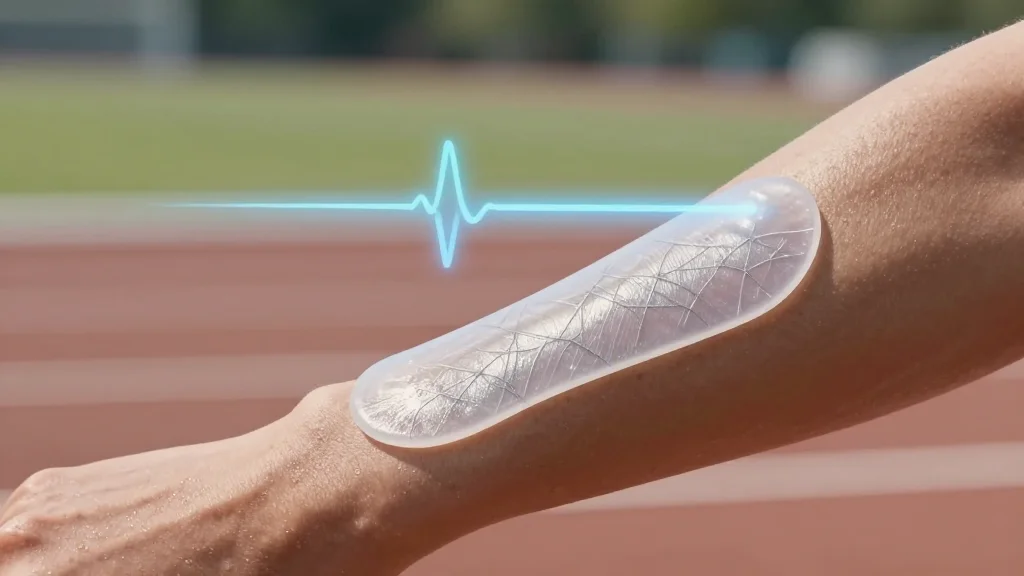
MXene Hydrogel Sensor Enables Heart and Breathing Monitoring in Endurance Sports
A stretchable MXene‑based hydrogel sensor has been demonstrated to monitor heart rate and respiration continuously during intense endurance exercise. The dual‑network polymer retains over 94 % of its water content after six hours at 38 °C, stretches up to 800 % strain, and...