
Vaccines and Related Biological Products Advisory Committee Meeting
The FDA's Vaccines and Related Biological Products Advisory Committee convened in open session to discuss and recommend strain composition for the 2026–2027 U.S. influenza vaccines. The meeting opened with roll call introductions from committee members and guest speakers—experts from academia, CDC, NIH and industry—followed by a formal conflict-of-interest statement affirming that members were screened and cleared under federal rules; one member recused and an industry representative joined as a non-voting participant. Invited speakers, including a representative from vaccine manufacturers, were introduced to provide contextual information but will not participate in deliberations or voting. The session proceeded into an open public hearing to gather external input ahead of committee deliberations on strain selection.

The BioSecure Act & Unfiltered Supply Chain Realities
The Outsourced Pharma Live panel highlighted the urgent need for supplier‑level visibility of raw materials and packaging as geopolitical tensions threaten supply continuity. Speakers emphasized that transferring technology to established U.S. CDMOs is a capital‑intensive, time‑consuming process. Jana Spes and...

AI Meets Cell Therapy Manufacturing
Senti Biosciences executives Tim Lu and Claire Aldridge told Cell & Gene Live that artificial intelligence is reshaping cell‑therapy manufacturing by speeding up, not replacing, wet‑lab steps. They highlighted robust validation data that demonstrates AI‑driven processes are reliable. The speakers...

Unlocking AI's Potential in Cell Therapy Through Robust Data
In the closing session of Cell & Gene Live, Senti Biosciences executives Tim Lu and Claire Aldridge argued that a high‑quality, diverse data infrastructure is the cornerstone for applying AI and synthetic biology to cell and gene therapies. They stressed...

Why Programmable Logic-Gated Cell Therapies Matter
Senti Biosciences executives Tim Lu and Claire Aldridge argued that next‑generation cell and gene therapies must employ programmable, logic‑gated designs to address diseases where traditional small molecules and biologics fall short. By integrating AI‑driven design and synthetic biology, these therapies...

Safer, Smarter Cell Therapies with AI
In a Cell & Gene Live segment, Claire Aldridge, Ph.D., emphasized that AI and synthetic biology breakthroughs depend on proprietary, well‑annotated experimental data that continuously train models. Tim Lu, M.D., Ph.D. of Senti Biosciences explained how logic‑gated designs combined with...

AI-Designed Logic Circuits for Smarter Cancer Targeting
Senti Biosciences unveiled an AI‑guided workflow that designs paired activating and inhibitory chimeric antigen receptors (CARs) to create logic‑gated circuits for cell therapies. The system automatically optimizes CAR combinations, enabling more precise discrimination between cancerous and healthy cells and delivering...

DName-iT Eliminating Errors in Testing with a Biotech Blockchain for Diagnostics
DName-iT is deploying patient‑specific molecular barcodes within next‑generation sequencing (NGS) workflows to curb misidentification in cancer and prenatal DNA tests. The approach embeds unique identifiers directly into each DNA fragment, promising lower laboratory costs and higher diagnostic confidence. Pilots are...

Faron Pharmaceuticals CEO on €40M Raise for Key Bexmarilimab Trial
Faron Pharmaceuticals announced a €40 million rights offering to finance a pivotal, blinded, randomised phase II trial of its lead immunotherapy, bexmarilimab, in higher‑risk myelodysplastic syndromes (MDS). The earlier open‑label phase I/II study delivered encouraging efficacy signals, prompting the company to focus on...

New Resources in the Fight Against Nematodes
PI AgSciences, Inc. announced a novel biochemical technology designed to protect crops from parasitic nematodes. The solution was discussed in an interview with Wes Hays, the North America commercial lead for the brand. Targeted primarily at soybean and corn production,...
The DEEP VZN Scandal: How Good Intentions Nearly Ended the World
The podcast episode dissects the Deep Vision initiative, a U.S. Agency for Development (USAD) program authorized with a $125 million, five‑year budget to hunt, characterize, and publish thousands of previously unknown viruses. Its stated goal was to improve pandemic preparedness, but...

Breakthroughs in Action: Where Medical History Happens
The video spotlights Cincinnati Children’s Hospital as a cradle of pediatric medical breakthroughs, from the invention of the first functional heart‑lung machine that made open‑heart surgery possible to an oral polio treatment that nearly eradicated the disease worldwide. It chronicles...

Peter Fedichev on AI, Longevity & the Future of Anti-Aging Drugs MedTech World Middle East 2026
Peter Fedichev, speaking at MedTech World Middle East 2026, outlined how his company merges biotechnology with artificial intelligence to decode massive clinical and genetic datasets, aiming to uncover targets for drugs that address aging itself. He positioned anti‑aging therapeutics as...

Dr Alireza Daneshvar on Precision Oncology | MedTech World Middle East Dubai 2026
Dr. Alireza Daneshvar highlighted at MedTech World Middle East Dubai 2026 that precision oncology is evolving toward "GPS‑guided" immune cells that can locate and destroy cancer lesions, marking a next‑generation frontier in personalized medicine. He emphasized that the Middle East’s life‑science...

The Anti-Aging Peptide That Works On 900 Longevity Genes (GHK-Copper Explained) | Kyal Van Der Leest
The video explains how the tripeptide GHK‑copper (GHK‑Cu) can be used as an oral and topical anti‑aging ingredient, highlighting its ability to survive stomach acid and reach systemic circulation. Because GHK is only three amino acids, it can cross the intestinal...

The Tradeoffs Of Continuous Processing
The panel addressed a recurring audience query about whether continuous processing—specifically harvesting antibody‑producing bioreactors and loading directly onto Protein A chromatography—can be implemented under GMP conditions. The discussion framed the issue as a balance between upstream output and downstream handling, asking...

Medicus Pharma Provides Additional Phase 2 Data for SkinJect Cancer Therapy
Medicus Pharma presented additional Phase 2 results for its SkinJect microneedle therapy, aimed at treating basal cell carcinoma without surgery. The data, discussed by CEO Dr. Raza Bokhari, focus on a non‑invasive approach that could alleviate the roughly one‑million annual Mohs...
How To Build The Future: Max Hodak
The episode features Max Hodak, co‑founder of Neuralink and founder of Science, discussing the latest breakthrough in brain‑computer interfaces: a 2 mm × 2 mm retinal implant that has already restored functional vision to more than 40 patients in a multi‑site European trial. The...
Coiled Therapeutics' Dr Sotirios Stergiopoulos on Roquefort RTO, AO-252 Cancer Trial Update
Coiled Therapeutics announced a reverse takeover of Roquefort Therapeutics, effectively relisting the clinical‑stage oncology company on the London market under the Coiled name. The transaction involves licensing the proprietary acid‑based drug AO‑252 from A2A Pharmaceuticals and raising £8.5 million to finance...
Avoiding, Treating & Curing Cancer With the Immune System | Dr. Alex Marson
In this Huberman Lab episode, Dr. Alex Marson explains how cutting‑edge biology is turning the immune system into a programmable weapon against cancer. He walks listeners through the fundamentals of innate and adaptive immunity, the random generation of T‑cell receptors,...

NEJM This Week — March 5, 2026
NEJM This Week highlighted several pivotal developments. A phase‑3 trial showed finerenone slows kidney disease in type‑1 diabetes patients, while new guidelines recommend early PCI of non‑culprit lesions after STEMI. The episode also introduced an investigational gene‑therapy for Dravet syndrome...

Gene Therapy CSIR NET Life Science | for Bsc Nursing 2nd Year | CSIR NET Applied Biology
The video provides a concise overview of gene therapy, contrasting the two principal delivery strategies—ex vivo (Xvivo) and in vivo. Ex vivo therapy harvests patient cells, modifies them with a therapeutic gene in culture, and then re‑infuses the corrected cells,...

Nanoparticles, Genome Therapy & Antibodies - The Zhou Research Lab at Yale School of Medicine
The Zhou Research Lab at Yale School of Medicine is a biomedical‑engineering group that builds platform technologies for delivering therapeutics to the brain. Its work spans three distinct avenues: engineered nanoparticles for crossing the blood‑brain barrier, a novel “step‑engineering”...

McCance Center Seminar Series: Nanda Kumar Navalpur Shanmugam, PhD
The McCance Center seminar featured Dr. Nanda Kumar Navalpur Shanmugam presenting recent work on how intestinal inflammation influences Alzheimer’s disease (AD). Using a dextran sodium sulfate (DSS)‑induced colitis model in 5xFAD mice, the study examined whether acute gut inflammation can...

ARPA-H Funding, Brain Wearables, & Nanotech Biosensing | Longevity News Roundup — Week 10, 2026
The U.S. ARPA‑H agency announced a $144 million PROSPR program to accelerate human health‑span trials, awarding $30.8 million to Cambrian BioPharma for a next‑generation rapamycin analog and $22 million to Linnaeus Therapeutics for repurposed oncology drugs. Meanwhile, startups are pushing wearable and digital...

MedTech Innovator APAC Pitch Event 1 (Online)
The MedTech Innovator APAC Pitch Event 1 marked the launch of the 2026 road‑tour series, an online showcase of ten early‑stage medtech companies spanning in‑vitro diagnostics, digital health, wearables, and AI‑driven software. Hosted by managing director Frederick Nabik from Tokyo,...

Life Sciences Consulting Explained | Careers, AI, and Industry Trends (2026)
A recent Management Consulted panel brought together leaders from Guidehouse, Clarkston Consulting, ClearView Healthcare Partners, and Roland Berger to dissect the current state of life‑sciences consulting. The discussion highlighted how artificial intelligence is delivering tangible value in drug development, how precision...
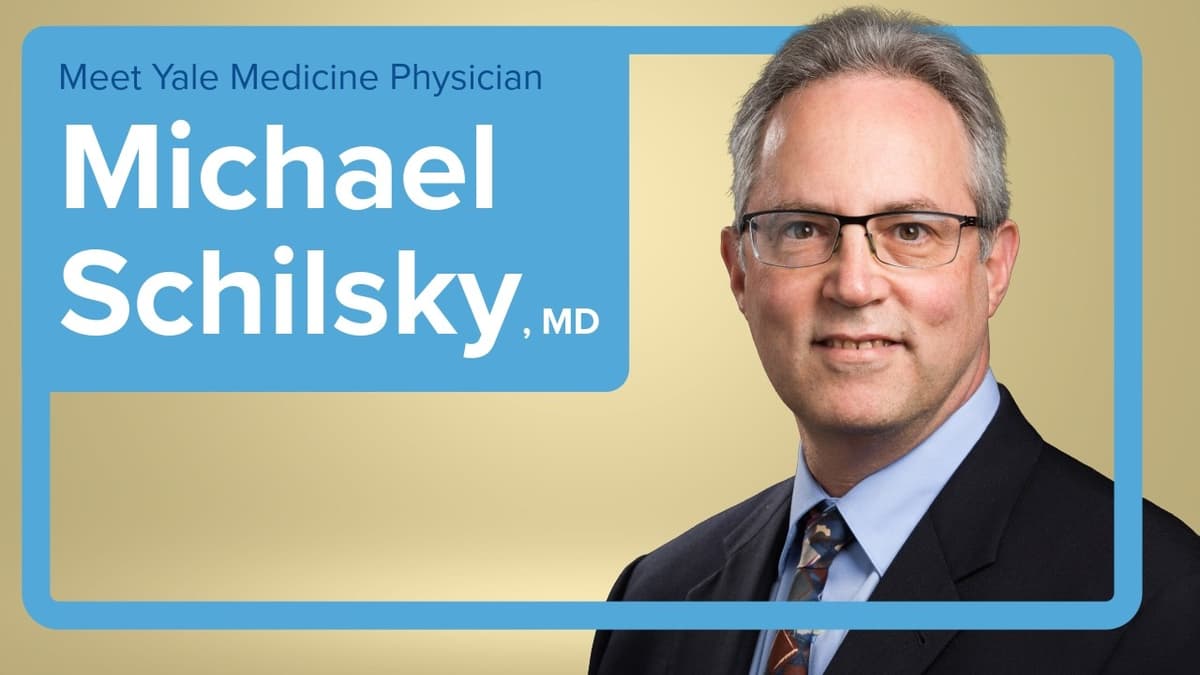
Meet Hepatologist Michael Schilsky, MD
The video features hepatologist Michael Schilsky, MD, outlining how liver transplantation has progressed from a pioneering procedure in the 1970s to a routine component of modern hepatology. He explains that transplants now address both severe acute liver failure and, more...
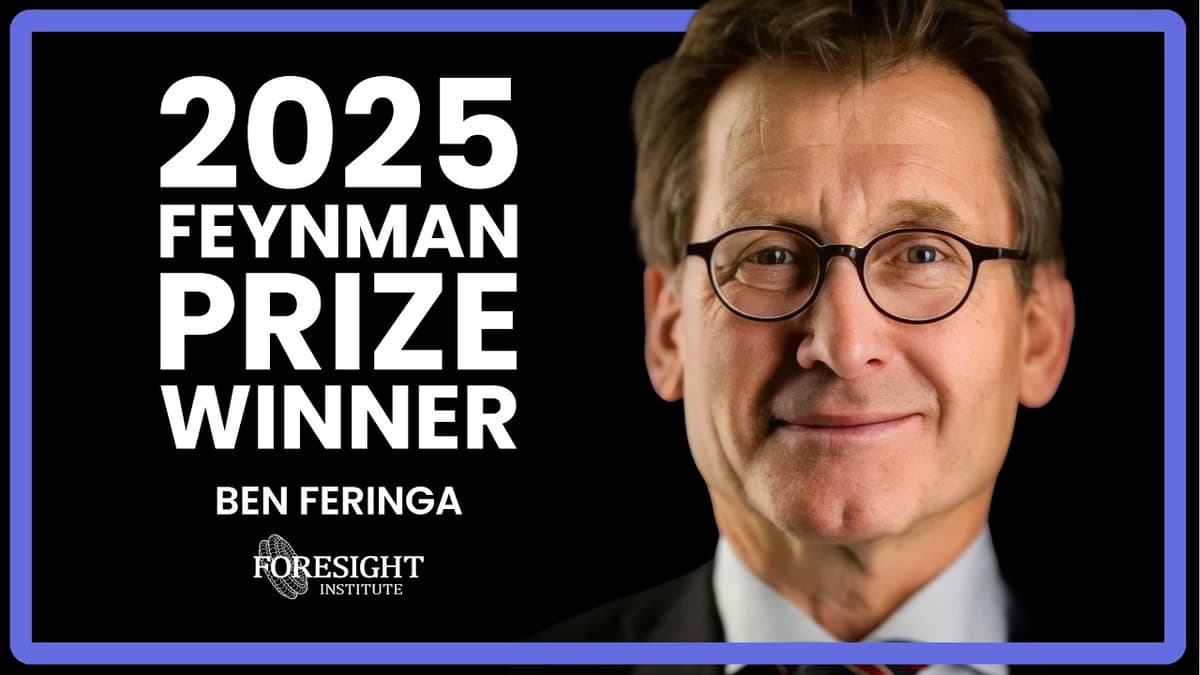
Dr. Ben Feringa | 2025 Feynman Prize Winner
Dr. Ben Feringa, 2016 Nobel laureate in chemistry, was honored with the 2025 Feynman Prize and delivered a lecture on the art of building molecular switches and motors. He framed the discussion around dynamic molecular systems that bridge chemistry, physics,...
Adeno-Associated Virus-Mediated Gene Therapy - Advances, Immune Challenges, and Research Innovations
At FDA Grand Rounds, Dr. Ronit Mazur of CBER reviewed advances and persistent immunological challenges in adeno-associated virus (AAV)–mediated gene therapy, outlining how AAV’s favorable safety and durability have driven a surge in FDA approvals since 2017. She summarized AAV...

Alzheimer Therapeutics Program | Mass General Brigham
The Mass General Brigham Alzheimer Therapeutics Program introduces anti‑amyloid infusion therapy for individuals diagnosed with early‑stage Alzheimer’s disease, positioning the health system at the forefront of disease‑modifying treatment options. The program targets amyloid plaques—protein aggregates that disrupt neuronal communication—by administering monoclonal...

HEALEY ALS Platform Trial Webinar: February 26, 2026 | Neurofilament Analysis
The Healey ALS Platform Trial webinar focused on neurofilament light chain (NFL) as a biomarker in amyotrophic lateral sclerosis. Clinician‑researcher Dr. James Barry and biostatistician Jenny Wing explained NFL’s biology, its detection in cerebrospinal fluid and blood, and why it...

Accelerating Genome Analysis: A Primer on an Ongoing Journey - CANU UDG Lecture, 08.06.2023
Professor H., a computer‑science veteran with stints at Microsoft Research, Intel, AMD and Google, opened the lecture by framing genome analysis as the next frontier where information technology meets biology. He highlighted his 17‑year journey from early research on genome‑aware...
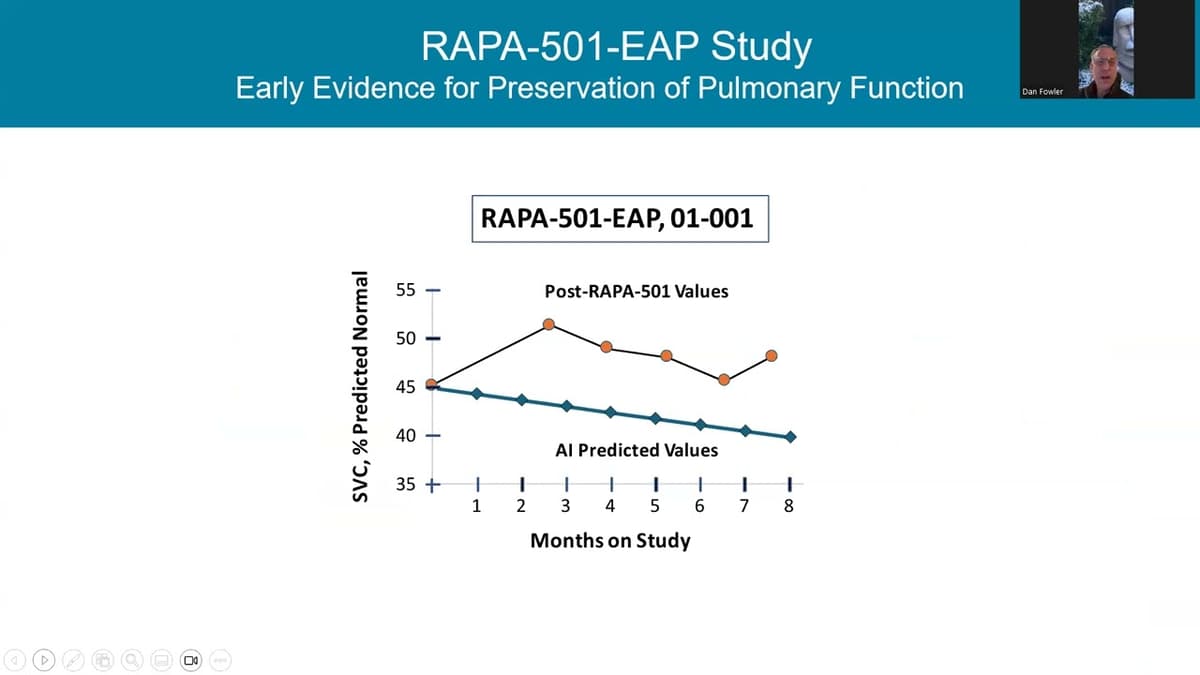
Healey Community Q&A Webinar: February 12, 2026 | Expanded Access
The Healey Community Q&A Webinar on February 12, 2026 featured Dr. James Berry of Massachusetts General Hospital alongside Rapa Therapeutics representatives. They reported that the RAPA-501 Expanded Access Protocol has successfully reached its enrollment goals, providing broader treatment options for...
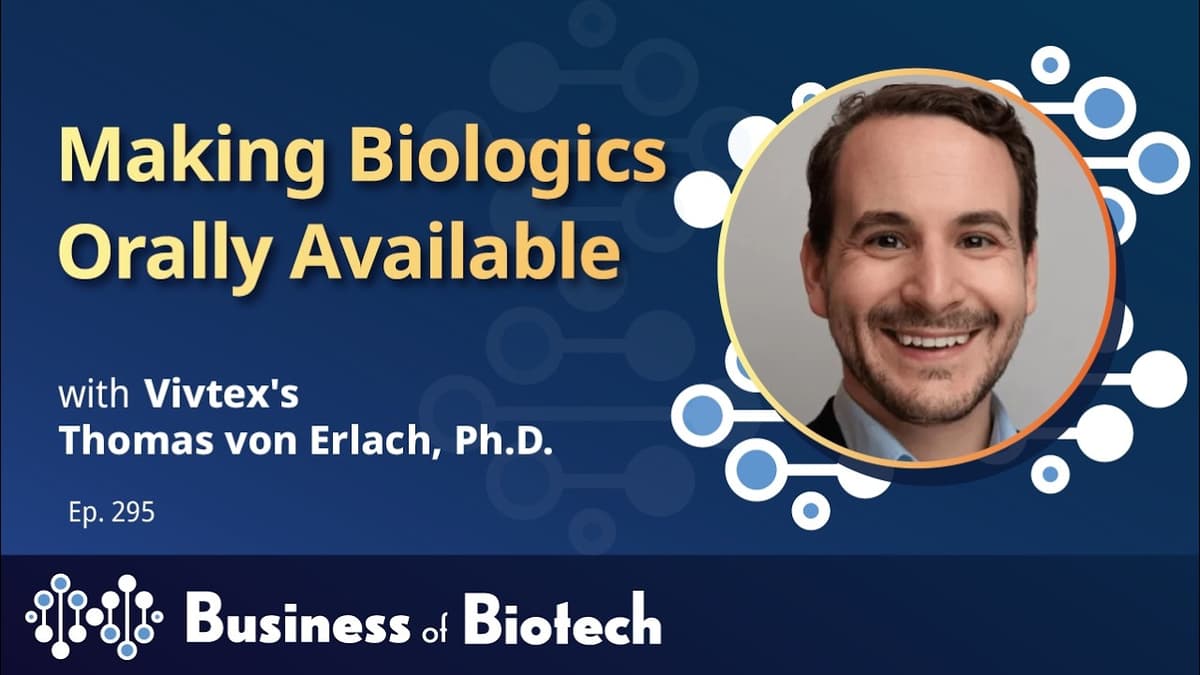
Making Biologics Orally Available With Vivtex's Thomas Von Erlach, Ph.D.
The interview with Thomas von Erlach, Ph.D., co‑founder and CEO of Vivex, focuses on the company’s breakthrough gastrointestinal‑on‑a‑chip platform that makes biologic drugs orally bioavailable, a stark contrast to traditional injections or IVs. Von Erlach outlines how the technology, conceived...
MRNA Therapy (NORD)
The video explains how messenger RNA (mRNA) is being engineered as a protein‑replacement therapy for a range of inherited disorders. By copying DNA’s instructions into a transportable mRNA strand, scientists can deliver the missing or malfunctioning protein blueprint to cells...
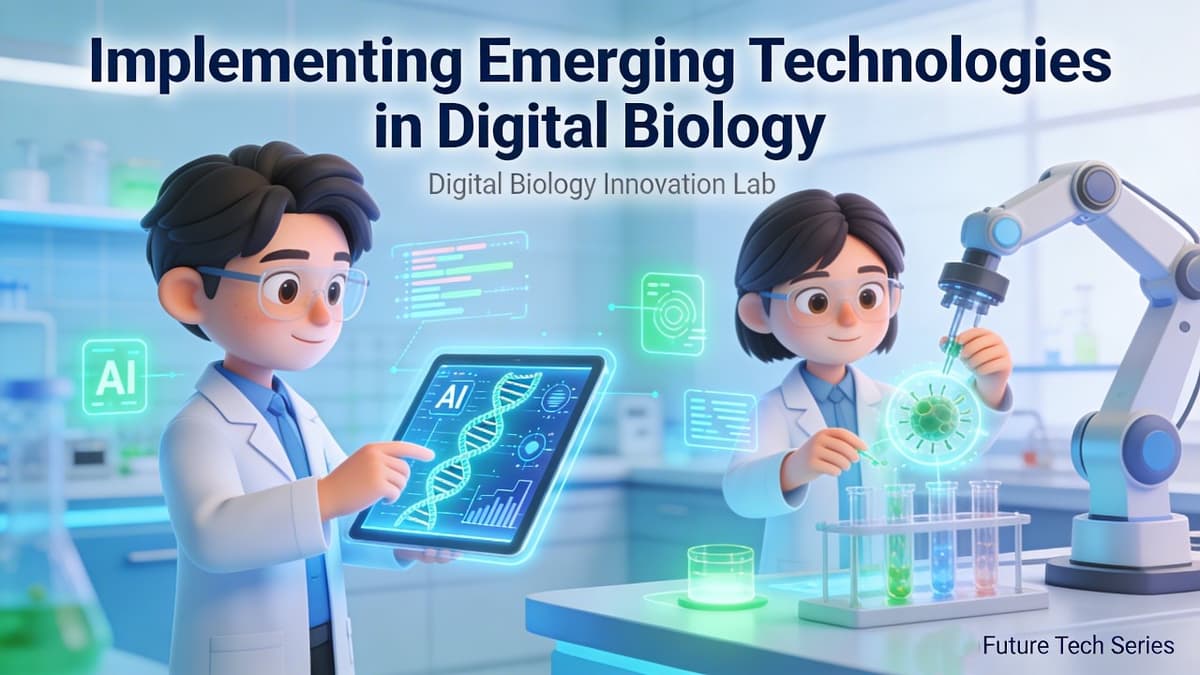
Implementing Emerging Technologies in Digital Biology (15 Minutes)
The video outlines how digital biology— the convergence of computational tools with life‑science research— is reshaping discovery, healthcare, and industry. By digitizing genomes, proteins and whole organisms, scientists can model, simulate and iterate experiments far faster than traditional wet‑lab methods. Key...
Why Culture Beats Technology | Daphne Koller
Daphne Koller, co‑founder of Coursera, argues that culture, not technology, is the primary driver of lasting organizational performance. She recounts an early interview where a senior candidate asked, “What would you like the culture here to be?” prompting her realization that...

High-Throughput Screening, CRISPR & Immunotherapy - The Sidi Chen Lab at Yale School of Medicine
The Sidi Chen laboratory at Yale School of Medicine is leveraging high‑throughput CRISPR screening to map every gene that influences immune‑cell behavior in cancer settings. By perturbing the full complement of ~20,000 human genes in vivo, the team seeks to pinpoint...

Three Generations of Age Tests
Scientists are developing biological ‘age’ tests that measure DNA methylation—small chemical tags added to specific sites on the genome—that change with environment, lifestyle and disease. These epigenetic markers don’t alter the genetic code but influence gene reading and are associated...

🎙️ Targeting Inflammaging with AI
Scienta introduced EVA, an AI model designed to combat inflammaging. EVA integrates multi‑omic preclinical and clinical data to map inflammatory pathways linked to age‑related diseases. The platform proposes novel therapeutic targets and compounds aimed at restoring youthful immune signaling. The...

Biological Age Testing: Can Your DNA Tell Us More Than Your Blood Pressure?
The video explains biological age tests that use DNA methylation patterns to estimate how fast a person is aging versus their chronological age. Early “first-generation” clocks estimate calendar age, second-generation measures like GrimAge predict mortality and disease risk, and newer...
Nanoplastics, mRNA Therapy, & Drug Approvals | Longevity News Roundup — Week 9, 2026
Recent longevity news highlights nanoplastics in brains, a pioneering mRNA therapy, and regulatory shifts accelerating anti‑aging drug development. Researchers found ultra‑small plastic particles accumulating in Alzheimer‑affected brain tissue, independent of age. Klothea launched a phase 1b trial of AKL003 mRNA to...
TT3A: Minimally Invasive Aortic Solution | MedTech World Middle East 2026
TT3A, led by CEO Alexandro Pito, is developing a transcatheter combined valve-and-stent graft to treat pathologies of the ascending aorta—an area currently treatable only by complex open-heart surgery. The startup says its minimally invasive device could halve mortality and hospitalization...
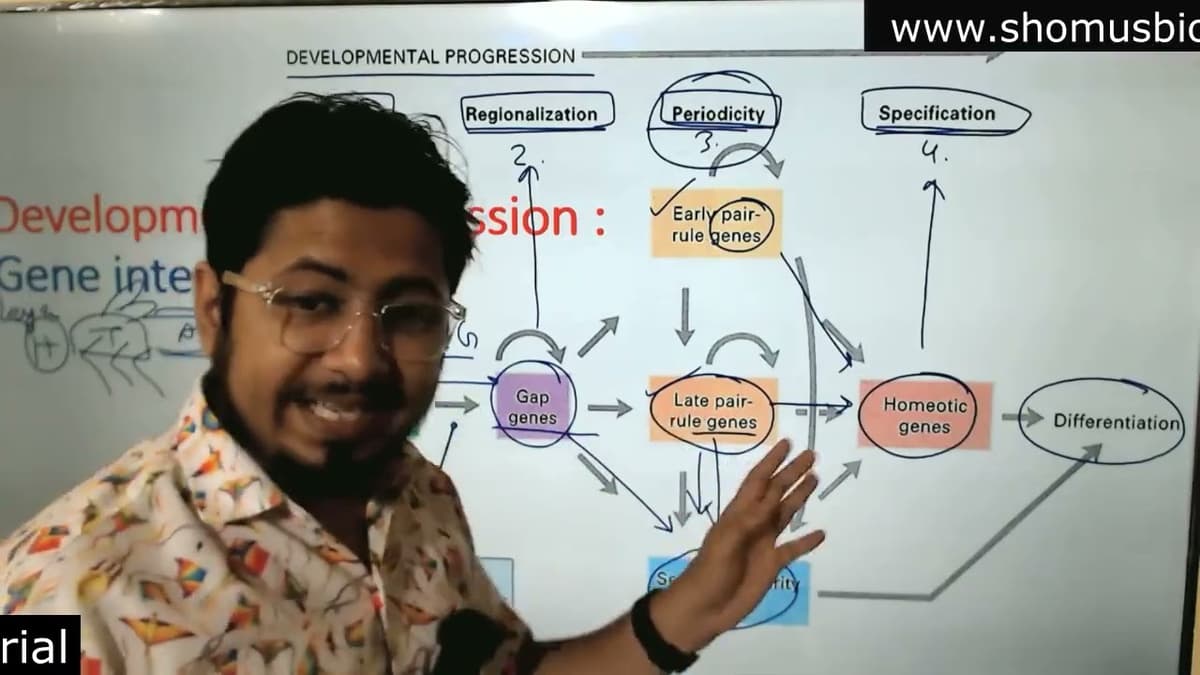
Drosophila Development Csir Net Part 1 | Drosophila Development Cleavage and Gastrulation
The video provides a systematic overview of Drosophila embryogenesis, tracing the transition from a single‑nucleus egg through syncytial cleavage, blastoderm formation, and eventual cellularization. It emphasizes the insect’s syncytial specification, where nuclei divide in a common cytoplasm before membranes partition...
3 Things to Know About Moderna’s mRNA Flu Vaccine and Its FDA Application
The video examines the FDA’s sudden reversal on Moderna’s mRNA influenza vaccine, shifting from an initial refusal to a green light for a fast‑track review aimed at adults aged 65 and older. The agency had already examined the application, but...
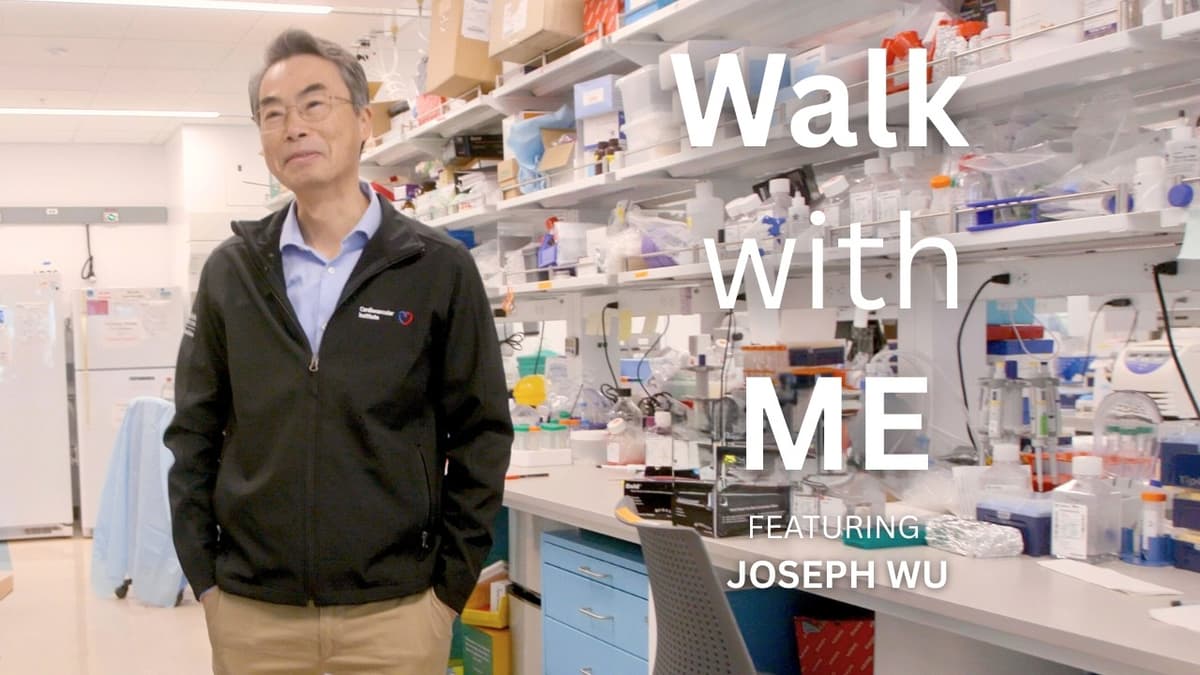
Walk With Me: Joseph Wu, Cardiologist Studying Stem Cells and Heart Disease
Joseph Wu, a Stanford professor of medicine and radiology, leads the Stanford Cardiovascular Institute in developing patient‑specific cardiac cells derived from a person’s own blood. By reprogramming blood cells into pluripotent stem cells and then coaxing them to become beating...

Health Compass | Season 3
Season 3 of Stanford Medicine’s Health Compass podcast, hosted by Dr. Maya Adam, examines how scientific discoveries move from the lab to patient care. Episodes pair engineers, data scientists, and clinicians to unpack translational hurdles in rare genetic diseases, stroke,...
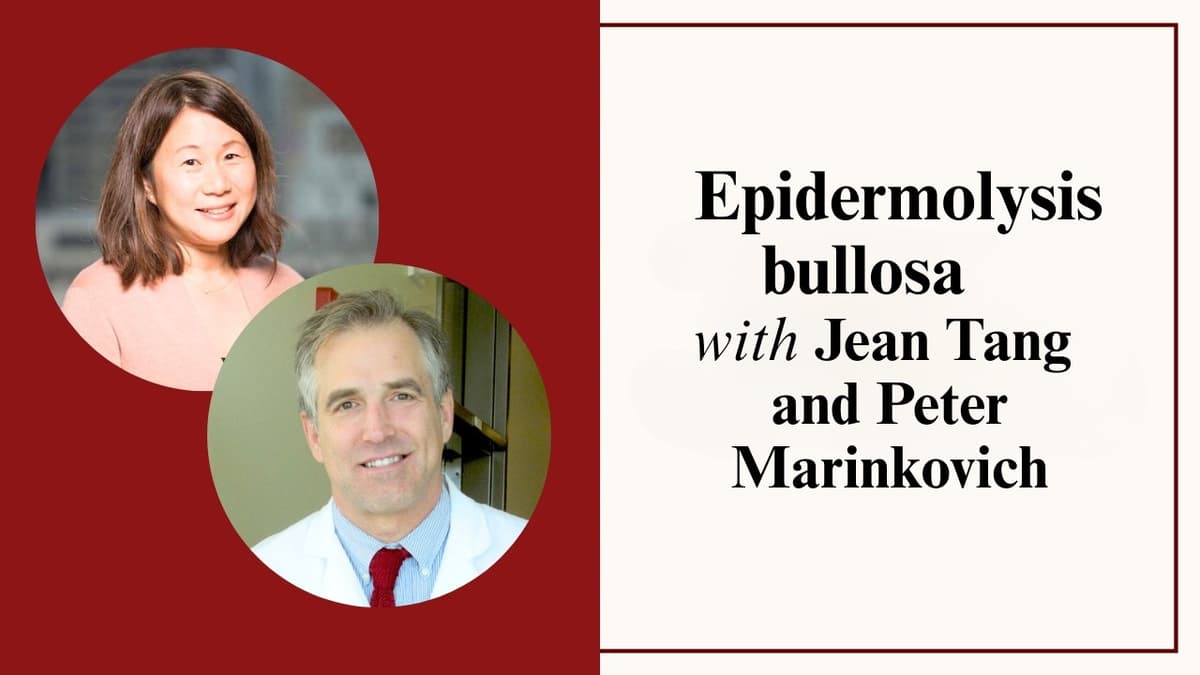
Butterfly Skin: Caring for Patients with Epidermolysis Bullosa | Ep.1: Health Compass Podcast
The Health Compass podcast’s first episode spotlights epidermolysis bullosa, a rare genetic skin disorder often called “butterfly skin,” that makes even light touch painful. Stanford clinicians Jean Tang, MD, PhD, and Peter Marinkovich, MD, discuss how decades of research are...

A New Spin on Stroke Treatment | Ep.3: Health Compass Podcast
A stroke caused by a blocked artery demands immediate, precise intervention, as minutes dictate outcomes. At Stanford, radiologist Jeremy Heit and mechanical engineer Renee Zhao have joined forces to redesign clot removal using image‑guided, minimally invasive technologies. Their work leverages...