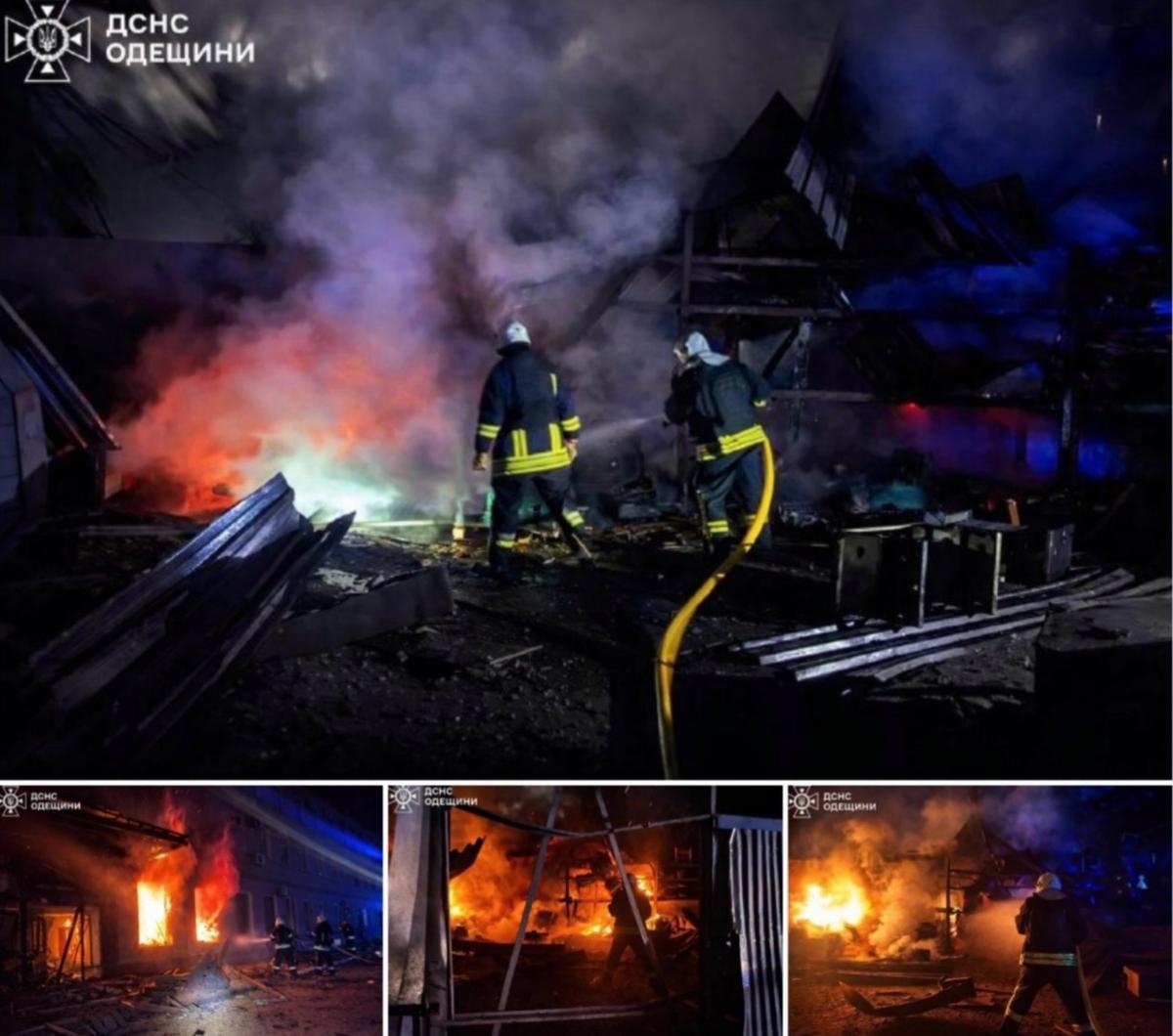
Russia Launched Massive Overnight Attack on Ukraine
On the night of April 15, Russian forces unleashed a massive aerial barrage on Ukraine, deploying 324 drones and three ballistic missiles across multiple regions. Ukrainian air defenses neutralized 309 drones, but the attacks still caused civilian casualties, including one death in Zaporizhzhia and three injuries in Dnipro, and damaged residential, commercial, and port infrastructure. The strikes hit key locations in Zaporizhzhia, Dnipro, and the Odessa port, underscoring the intensity of Russia’s drone‑focused campaign.
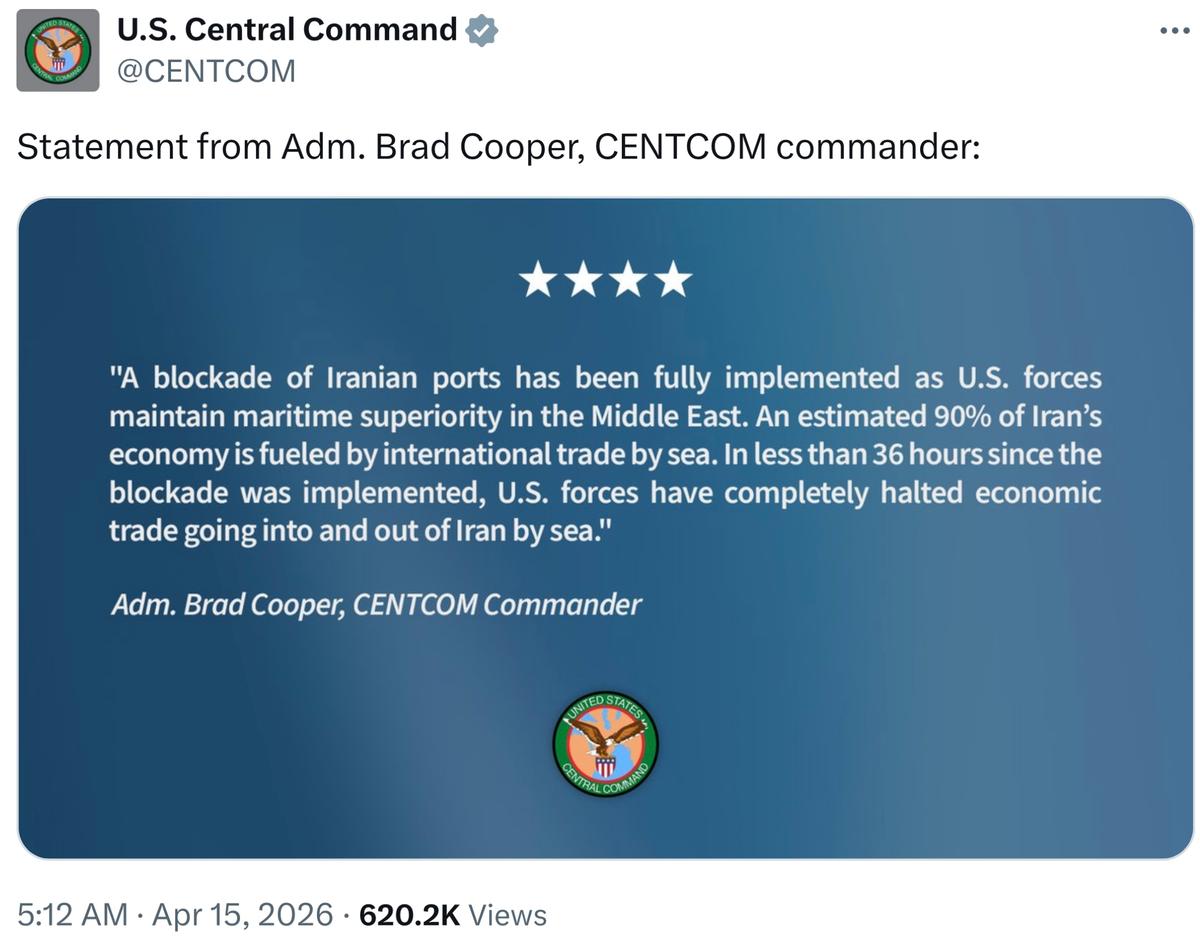
Blockade of Iranian Ports Fully Implemented – US CENTCOM Commander
U.S. Central Command announced that a full maritime blockade of Iran's ports is now in effect, halting virtually all sea‑borne trade within 36 hours. The operation is being carried out by guided‑missile destroyers and the amphibious assault ship USS Tripoli, which...

How to Finance Large Government Investments
Germany is earmarking roughly $545 billion each for defence and infrastructure over the next ten years, amounting to about $1.09 trillion – roughly 25% of its GDP. The bulk of this spending will be financed through new debt. Economic models, aligned with...

From Rejection to Acceptance: Why Iran Agreed to a Ceasefire
After six weeks of intense fighting, Iran accepted a two‑week cease‑fire mediated by Pakistan, ending its initial opposition. Tehran’s leverage—blocking the Strait of Hormuz and striking regional energy infrastructure—had spiked oil prices but proved unsustainable. A credible U.S. threat to...

Revamping U.S. Military Assistance: A Four-Tier Model for a New Strategic Era
The article proposes a four‑tier model to overhaul U.S. foreign military assistance, arguing that the current $1.1 trillion program is driven by legacy relationships rather than strategic returns. It highlights misalignments such as Egypt receiving over $50 billion in military grants while...

Operational Exposure in the Age of Attribution: GRU Lessons for Digital Force Protection
The article uses the 2018 GRU intrusion against the OPCW as a case study to illustrate how ubiquitous technical surveillance (UTS) turns digital signatures into a decisive vulnerability. It argues that the Russian officers were caught not because of technical...
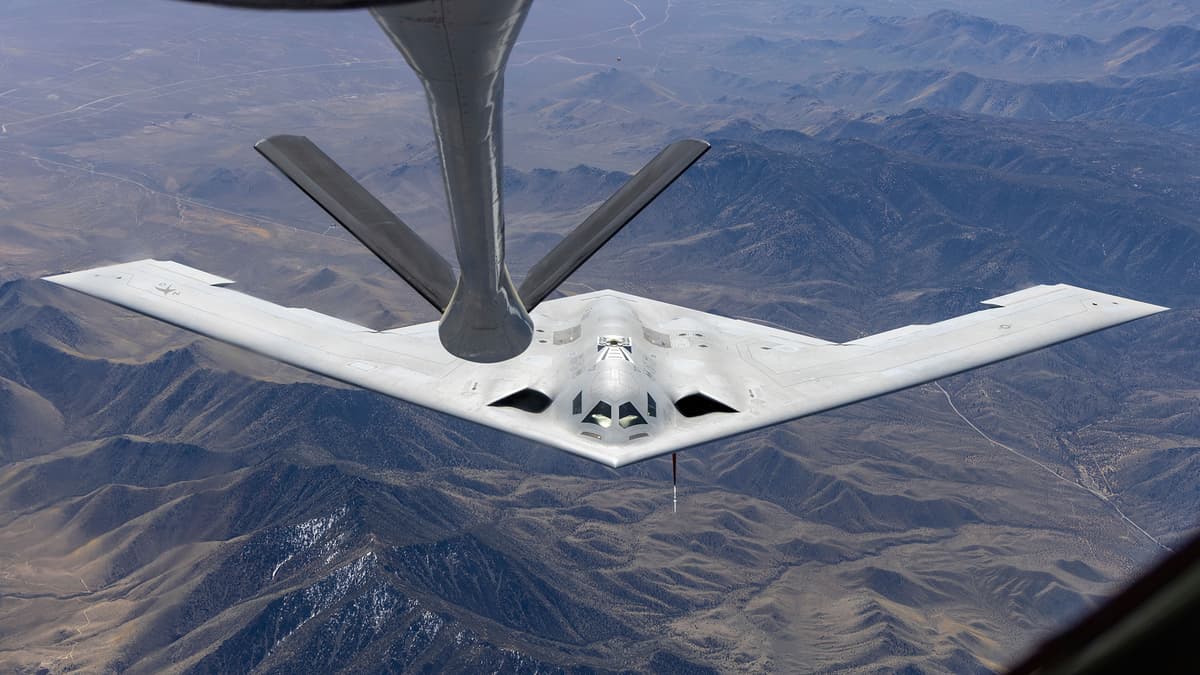
U.S. Air Force Releases First Official Photos Of B-21 Raider During Aerial Refueling Tests
The U.S. Air Force released the first official images of the B‑21 Raider’s upper surface, captured during aerial refueling tests with a KC‑135 at Edwards Air Force Base. The photos reveal distinctive air intakes and a two‑piece clamshell refuel receptacle,...

Iran Clears Missile Base Tunnels During Ceasefire, Signalling Rearmament Risk
Satellite images show Iran using heavy machinery to clear debris from underground missile base tunnels amid the current ceasefire. The tunnels, previously sealed by US and Israeli strikes, are part of “missile cities” built to survive attacks and enable rapid...

USA and Iran Must Find a Negotiated Deal Asap & It Is up to POTUS Trump to Stand up &...
The blog urges President Trump to negotiate an immediate deal with Iran, citing Saudi Crown Prince Mohammed bin Salman's request to lift the quarantine on Iranian ports. It warns that Iran could target the Hormuz Strait and enlist Houthi forces...

Much Chatter that Iran Talks to Resume as Ceasefire Extension Discussed
U.S. enforcement of its blockade on Iranian ports showed full compliance in the first 24 hours, with no vessels breaching the restrictions. At the same time, more than 20 oil tankers have recently transited the Strait of Hormuz, signaling a...

Trump Says Iran War: "I View It as Very Close to Over."
Former President Donald Trump told Fox News the conflict with Iran is “very close to over,” claiming his intervention prevented Tehran from acquiring a nuclear weapon. He warned that if the United States withdrew now, it would take Iran two...

Trump and Vance Goosed the Market - Iran Talks, War Over. Vibe Trading.
U.S. political leaders signaled a de‑escalation in Tehran, with Senator Vance touting a "grand bargain" as the ceasefire holds and former President Trump declaring the conflict "over" in a morning interview. The remarks lifted risk‑off sentiment across Asian exchanges, prompting...

Placing Adaptation at the Heart of Defence Strategy
Australia is set to unveil its 2026 National Defence Strategy, shifting focus from budget‑heavy platforms to a culture of rapid adaptation. The paper argues that lessons from Ukraine and Middle‑East conflicts highlight the need for faster learning at tactical, operational,...

Xi’s Four Point Proposal on Safeguarding and Promoting Peace and Stability in the Middle East; Xi Meets Spanish PM; People's...
Xi Jinping outlined a four‑point framework for Middle East peace, stressing coexistence, sovereignty, international law and a balance between development and security during a meeting with the UAE Crown Prince. He later met Spanish Prime Minister Pedro Sánchez, who pledged...

'Do You Accept Israel Has Nuclear Weapons?' Mehdi DEBATES Israeli Military Spokesman
Zeteo’s editor‑in‑chief Mehdi debated Israeli military spokesman Doron Spielman on the Piers Uncensored podcast, confronting Israel’s alleged nuclear weapons program and its compliance with UN resolutions. Mehdi cited Security Council Resolution 487 and open‑source data to dispute Spielman’s claim that...

ZeroTier Named Cyber Security Solution of the Year 2026
ZeroTier was named Cyber Security Solution of the Year 2026 by The Cyber Security Review. The award highlights its software‑defined networking platform that secures AI‑driven traffic and meets NIST/NSA CNSA 2.0 post‑quantum standards. CEO Andrew Gault said the honor validates ZeroTier’s...
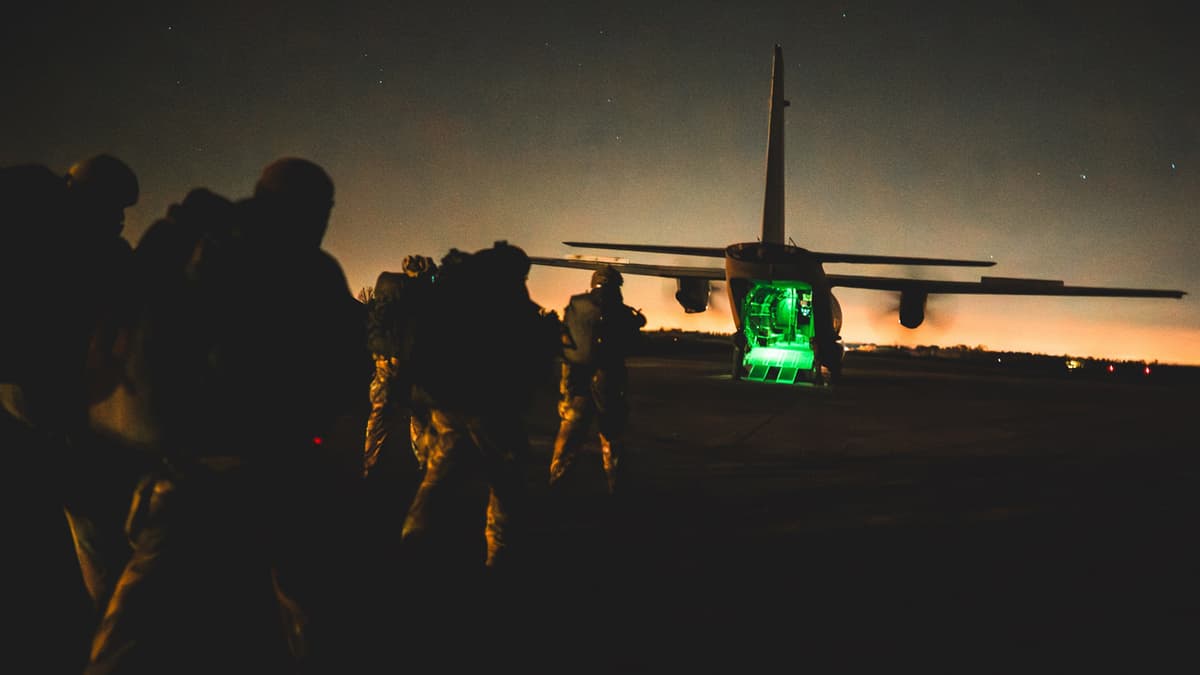
Italian Air Force’s Raiders Wing Becomes First NATO Unit Accredited by AFSOC for Global Access Operations
The Italian Air Force’s 17° Stormo Incursori (Raiders Wing) has become the first NATO unit accredited by U.S. Air Force Special Operations Command for Global Access Operations (GAO). The accreditation, completed after a rigorous evaluation that began in July 2023,...
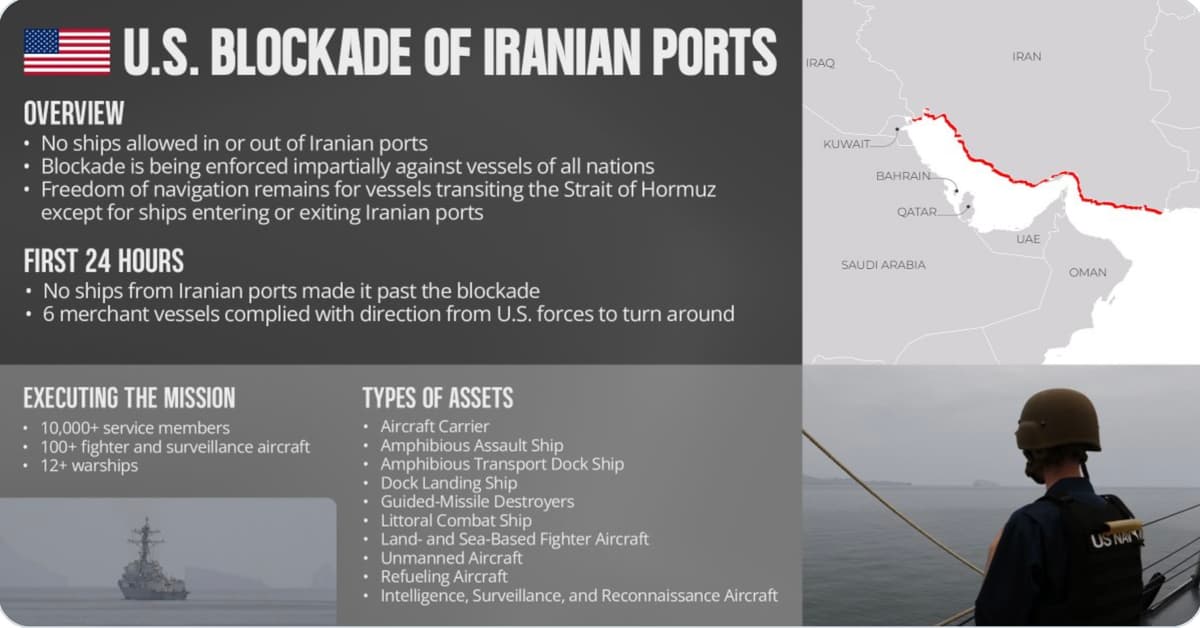
US CENTCOM Report on US Blockade of Iranian Ports – April 14, 2026
U.S. Central Command announced that more than 10,000 sailors, Marines and Airmen, backed by a dozen warships and dozens of aircraft, have begun a full‑scale blockade of ships entering or leaving Iranian ports. In the first 24 hours, no vessel...
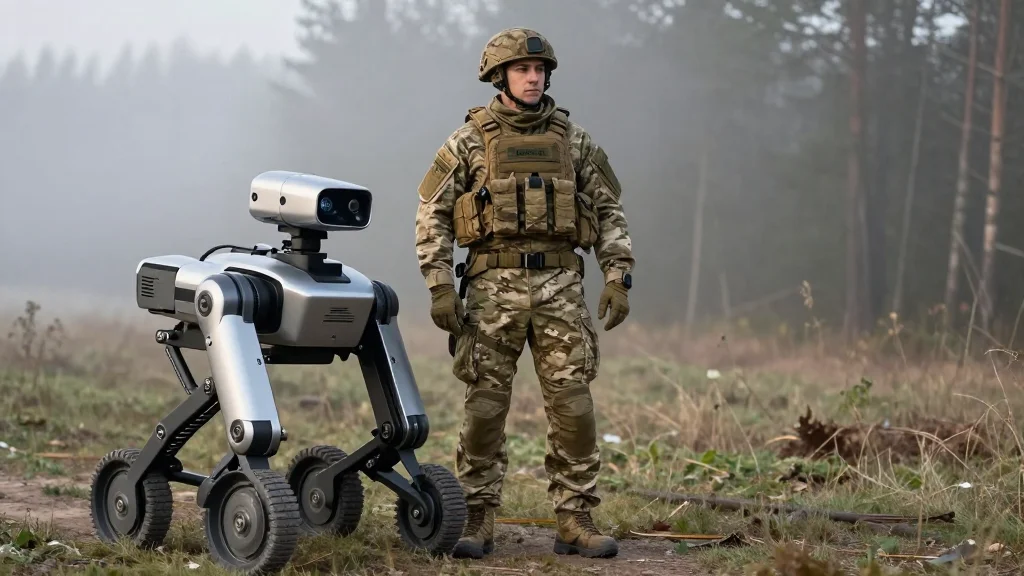
210th Battalion Reformed Into Drone Battalion
Ukraine has restructured its Territorial Defense Forces, converting the 210th Territorial Defense Battalion into the 210th Unmanned Systems Battalion. The new unit is temporarily assigned to the 425th Assault Regiment, known as the Skelya Regiment, under the leadership of Konstantin Rusanov,...

Who’s Holding the Cards? George Friedman on the Iran War Stalemate
George Friedman argues the Iran‑U.S. conflict will end through negotiations, not outright victory, as neither side can sustain a decisive military win. He highlights the United States’ broader strategic cards—military strength, nuclear arsenal, and economic resilience—versus Iran’s limited leverage, including...

On Today's Episode of FAFO:
The White House staged a DoorDash delivery to President Biden, featuring a self‑identified “DoorDash Grandma” who praised the GOP’s plan to eliminate taxes on tipped wages in 2025. The post also lambasts the U.S. Iran blockade, describing it as a...

Accenture Federal Services to Deliver Early Operating Capability for DOE’s Genesis Mission CM2US
Accenture Federal Services is spearheading a high‑velocity engineering sprint to deliver an early operating capability for the Department of Energy’s Genesis Mission CM2US initiative. Working with all DOE national labs and Databricks Federal, the team will launch an AI‑ready digital...

Coffee Break: Armed Madhouse – Eyes in the Sky that Cannot Hide
Airborne ISR remains a cornerstone of U.S. military operations, offering persistent, real‑time battlefield visibility. However, the very endurance and sensor payloads that enable continuous surveillance also increase radar, electromagnetic and visual signatures, making platforms vulnerable in contested airspaces. Recent combat...

Tu-160 Blackjack Vs B-1 Bone: Copy or Not?
The Tupolev Tu‑160 Blackjack and Rockwell B‑1B Bone share a swing‑wing silhouette, yet their design histories and performance diverge sharply. The B‑1 originated in the 1960s AMSA program, faced cancellations, and emerged as the B‑1B with reduced speed (Mach 1.2) and...
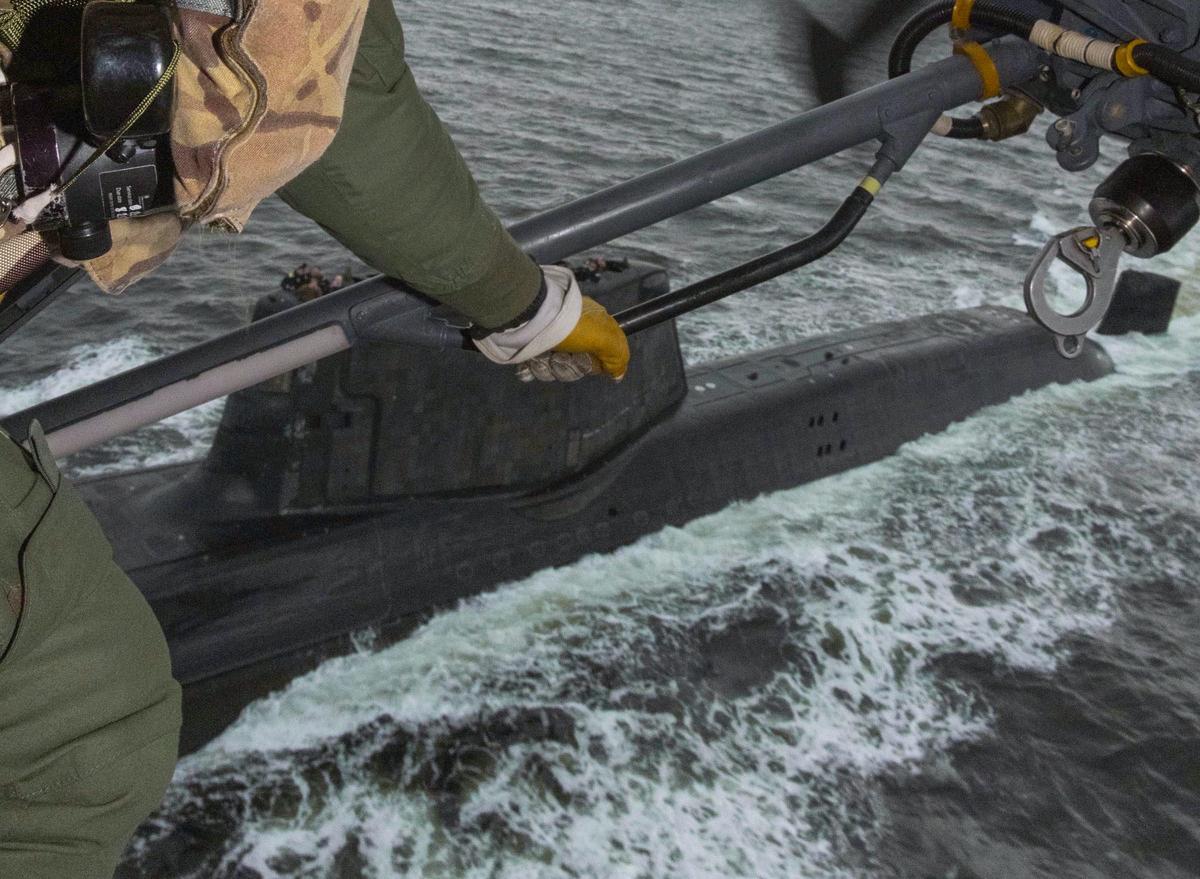
UDT 2026 Day 1 – Autonomy and Pace Dominate Discussion
Day one of the Undersea Defence Technology (UDT) 2026 conference in London highlighted the need for faster development, deployment, and adaptation of undersea systems. Speakers stressed that autonomy, modular software and rapid iteration—exemplified by live parameter updates in the Irish...

🚨 CHINA DEFIES TRUMP'S BLOCKADE, LAVROV FLIES TO BEIJING, NEW NON-NATO MEETS
China’s defense minister announced that Chinese vessels will continue transiting the Strait of Hormuz, openly defying President Trump’s blockade aimed at Iran. Russian Foreign Minister Sergey Lavrov landed in Beijing for emergency coordination, signaling a China‑Russia alignment against the US...

SEA Sets Out Fast-Update Sonar Approach at UDT 2026
At UDT 2026, SEA showcased its KraitSense towed sonar system and unveiled a fast‑update software architecture aimed at shortening sonar processing development cycles. The compact system combines a thin‑line KraitArray with low‑weight, low‑power processing suitable for small crewed, remotely operated...

Event Announcement: GovCon Roundup Live, Teaming Agreements, April 15, 2026
GovCon Roundup Live’s Episode 9, hosted by Carroll Bernard and Steven Koprince on April 15, 2026, will dive into the intricacies of teaming agreements in the federal marketplace. Federal contracts attorney Nicole Pottroff joins the discussion to clarify what “team‑ing” means for agencies and contractors alike....

Primacy Means Winning
The post argues that U.S. primacy is sustained by a coercive logistics regime that fuses oil revenue, arms sales, and dollar dominance into a single, self‑reinforcing system. From the 1970s onward, Washington bundled energy, defense, and financial layers, creating deep...

At Shield AI, a Young Product Guru Fights for God & Country
Armor Harris, a 33‑year‑old product veteran, now serves as senior vice president of aircraft at defense‑tech firm Shield AI. After a decade at SpaceX where he earned Elon Musk’s confidence, Harris was recruited to rejuvenate Shield AI’s autonomous fighter‑jet portfolio....

Herne Set to Become First Lloyd’s Register-Certified XLAUV
BAE Systems’ Herne, an extra‑large autonomous underwater vehicle (XLAUV), is on track to become the first platform certified under Lloyd’s Register’s Unmanned Marine Systems (UMS) Code and classified under its Submersibles and Diving Systems rules. The certification process, led by...

Bogus “Antifa” Designations and FBI Warrantless Access to Americans’ Communications
Section 702 of the Foreign Intelligence Surveillance Act, which lets U.S. agencies collect foreign communications and incidentally sweep up Americans’ data, is set to expire on April 20 unless Congress reauthorizes it. The FBI currently can query the database for...
![Defense & Aerospace Daily Podcast [Apr 14, 2026] Lewis & Montgomery on Iranian Cyber Ops](https://hixhlmpcokxhartfkpyi.supabase.co/storage/v1/object/public/images/thumbnails/ae2ebbedad9b2864804d6077c9daa6e9.webp)
Defense & Aerospace Daily Podcast [Apr 14, 2026] Lewis & Montgomery on Iranian Cyber Ops
Dr. Jim Lewis and Mark Montgomery warned that Iran’s cyber operations are intensifying against U.S. targets, exploiting gaps created by recent cuts to the federal cyber workforce and a partial DHS shutdown. They contrasted Iran’s capabilities with those of Russia...

The Resistance Hub: A Free, Open-Source Library for Irregular Warfare and Resistance Studies
The Resistance Hub, a free, open‑source library, consolidates core doctrine, theory, and primary source material for irregular warfare and resistance studies. Its resources page offers the ARIS series from Johns Hopkins APL, declassified OSS unconventional‑warfare manuals, and the Resistance Operating...

Is It Over Yet?
The piece warns that a deliberate attack on an oil tanker in the Strait of Hormuz would trigger a massive ecological disaster and spike oil prices. It notes Iran’s offer to suspend uranium enrichment for five years, far short of...

Rolls-Royce Outlines Progress on AUKUS Delivery Push
Rolls‑Royce Submarines announced that its next‑generation PWR3+ nuclear reactor cleared a critical design review, establishing a baseline for the AUKUS submarine programme. The company is already manufacturing components for seven boats and is doubling the Derby site to meet higher...

Inside the Breakdown: Why Trump’s Nuclear Negotiations with Iran Failed
Over 20 hours of high‑level talks between the United States and Iran collapsed after President Trump insisted Iran must abandon any nuclear capability, even threatening strikes on power and missile sites. The negotiations, the most senior ever between the two...

Xi Says "Global Order Crumbling Into Disarray" As Trump Turns Up Pressure Campaign On China
U.S. President Trump is mounting a coordinated campaign to seize control of strategic energy chokepoints—including the Panama Canal, Venezuelan oil, and Iranian facilities—to pressure China, which relies heavily on Middle‑East crude. Chinese President Xi Jinping responded by declaring that the...

Bring Rainier and Bridge Out of Reserve
The author urges the U.S. Navy to reactivate the Reserve‑status Supply‑class ships USNS Rainier and USNS Bridge, arguing that their speed and fuel‑transfer capability are essential for a potential high‑end conflict in the Indo‑Pacific. Although the vessels were slated for decommissioning to...

Rolls-Royce Sets Out Defence Case for Modular Reactor at UDT
Rolls‑Royce outlined its Advanced Modular Reactor (AMR) as a compact, deployable power source for defence and industrial use. The reactor promises 5‑7 years of on‑site fuel, passive safety via coated particle fuel, and road‑transportable modules that can be sited near...
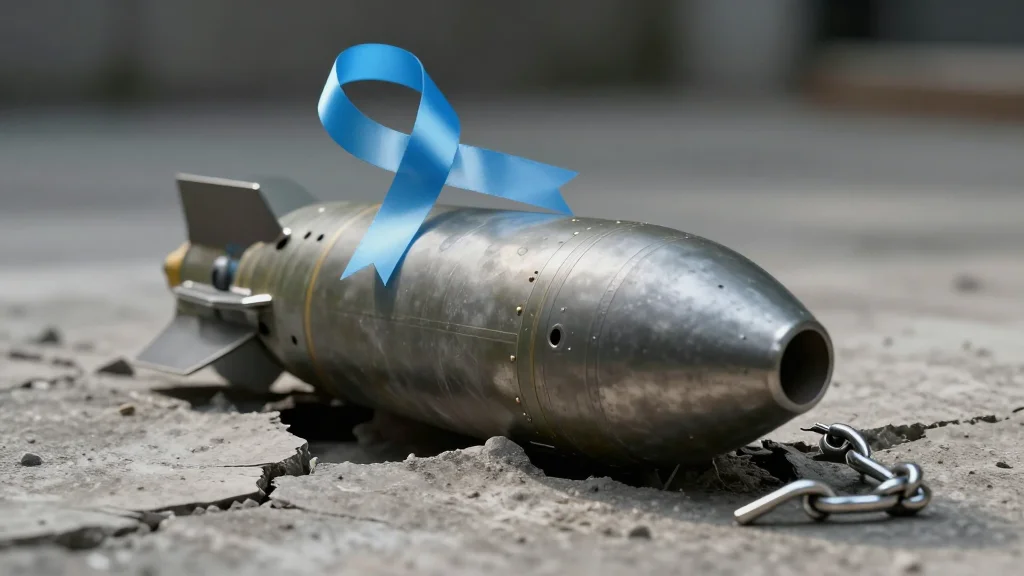
Beyond New START: Prospects for U.S.–Russian Nuclear Arms Control
The New START treaty, the last major U.S.-Russian nuclear arms control pact, expired in 2026 after Russia suspended participation in 2023, leaving a legal vacuum. The article traces the historical arc from SALT I to New START, examines rationalist, domestic‑politics,...

Taurus RPC Review
American firearms manufacturer Taurus has launched the RPC, a roller‑delayed compact PDW chambered in 9mm with a 32‑round magazine. Weighing under 5 lb unloaded, the gun features ambidextrous controls, full‑length Picatinny rails, M‑LOK handguard, and a quick‑change barrel system. Its roller‑delayed...

The Iranian Regime's Crypto Shadow Arsenal
In 2025 Iran's cryptocurrency market swelled to over $7.78 billion, with more than half of inflows routed to addresses linked to the Islamic Revolutionary Guard Corps (IRGC). The IRGC leveraged stablecoins—particularly USDT on the Tron network—to fund illicit oil sales, procure...

Early Edition: April 14, 2026
U.S. officials offered Iran a 20‑year suspension of nuclear activity, while Tehran countered with a five‑year limit, widening the gap in weekend talks in Islamabad. Simultaneously, the United States began a blockade of the Strait of Hormuz, with Israel as...

Premier Undersea Warfare Event UDT 2026 Kicks Off in London
The Undersea Defence Technology (UDT) conference opened in London, gathering more than 2,500 delegates from 31 nations to discuss the future of underwater warfare. Rear Admiral (Retd.) Jon Pentreath framed the event as a pivotal moment amid rising geopolitical turbulence,...

The Veto Is Gone: Hungary’s Election Upends EU-Ukraine Cyber Defense and Data Sovereignty Dynamics
Hungarian Prime Minister Viktor Orban’s defeat and Peter Magyar’s landslide win removed Hungary’s veto that blocked a €90 billion ($97 billion) Ukraine aid package. The loan is now expected to be finalized, channeling funds into Ukraine’s digital infrastructure, cyber‑defense capacity, and EU‑aligned...

Obama Offers to Help Trump Craft Nuclear Deal with Iran
The Borowitz Report published a satirical piece claiming former President Barack Obama offered Donald Trump advice on crafting a new Iran nuclear deal after JD Vance’s weekend negotiations fell through. In the parody, Obama suggests limiting uranium enrichment and establishing...

Asia Daily: April 14, 2026
April 14 Asia Daily highlighted a wave of geopolitical and security developments across the region, from China warning that the U.S.-Iran cease‑fire and a potential Strait of Hormuz blockade remain fragile, to Japan’s Ground Self‑Defense Force establishing dedicated drone offices...

How Hackers Are Thinking About AI
A new academic paper examines over 160 cyber‑crime forum posts collected across seven months, revealing how hackers are beginning to incorporate artificial intelligence into their operations. The research shows a dual mindset: strong curiosity about leveraging both off‑the‑shelf AI services...
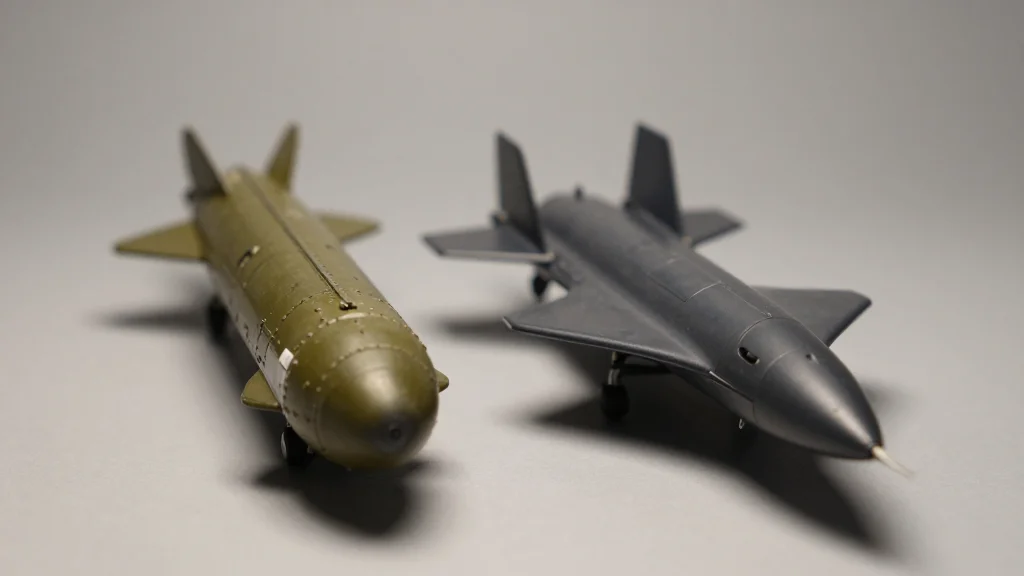
The Future of Nuclear Modernization
The article revisits Cold‑War nuclear logic—predictable delivery, survivable second‑strike forces, and a bipolar U.S.–Soviet structure—and argues that today’s strategic environment no longer supports that stability. It outlines how the United States, Russia and China are each embarking on extensive nuclear...