
Iran Partially Opens Strait of Hormuz, Admits to Placing Naval Mines
Iran announced a limited reopening of the Strait of Hormuz, allowing only 12 ships per day to transit. Deputy Foreign Minister Saeed Khatibzadeh confirmed that Tehran has laid between 2,000 and 6,000 naval mines in the waterway, each with explosive payloads exceeding 1,100 pounds. The regime also imposed a $1‑per‑barrel transit toll payable in Chinese yuan or cryptocurrency. Mine clearance will be costly and could disrupt global oil flows until the regional ceasefire stabilizes.

FAA Short-Lists Competitors for Key Next-Gen ATC Software Platform
The Federal Aviation Administration has short‑listed five firms—Collins Aerospace, Leidos, Thales, Indra and Frequentis—to develop the Common Automation Platform (CAP), a software layer that will underpin the next‑generation national air traffic control system. The CAP concept is tied to the...

The Tightrope Walk of Democratic Defense: Lessons From Taiwan’s Platform Governance Challenge
Taiwan’s 2023 ban on Chinese social app RedNote highlighted the clash between democratic safeguards and the need to counter Chinese information manipulation. The ban drew criticism for its narrow justification, limited effectiveness, and perceived disproportionality, exposing a governance trilemma of...

What Happens if the Iran War Lasts Longer Than 60 Days?
A fragile two‑week ceasefire between Iran, Israel and the United States is holding, but both sides accuse each other of violations, especially over Israeli strikes in Lebanon and Iran’s restriction of traffic through the Strait of Hormuz. The United States...

From the Global Front in Israel
The author reflects on a week of relentless missile strikes over Israel, describing the physical devastation and the deeper psychological shock it creates. The piece contrasts the overt violence in the Middle East with the subtler, yet growing, cultural authoritarianism...

Are Young Men Ready to Be Automatically Registered for the Draft?
The Fiscal 2026 National Defense Authorization Act, signed by President Donald Trump on Dec. 18, 2025, amends the Military Selective Service Act to require automatic registration of all male U.S. citizens and residents aged 18 to 26. Under Section 535,...
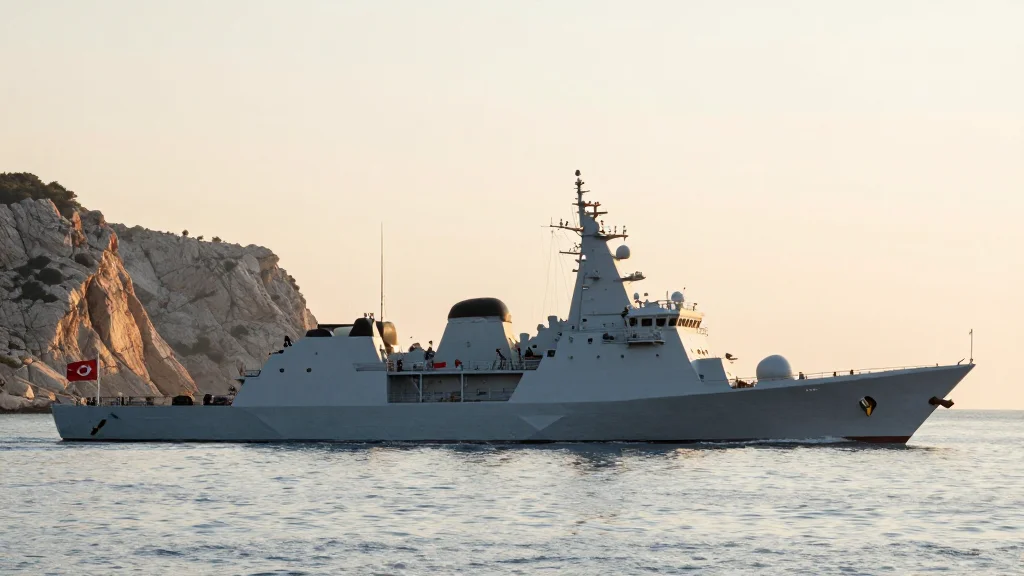
Lebanon’s Role in Turkey’s Vision for the Eastern Mediterranean
Turkey is positioning Lebanon as a cornerstone of its Eastern Mediterranean strategy, linking economic cooperation with security objectives. President Erdogan and Foreign Minister Hakan Fidan have highlighted Lebanon’s role in shaping post‑Israel‑Hezbollah dynamics and in accessing offshore gas reserves. Ankara’s...

A Temporary Corridor Strategy for Hormuz
The article proposes a temporary, six‑month defended transit corridor through the Strait of Hormuz to restore predictable commercial shipping without a full‑scale war. The corridor would layer naval escorts, airborne surveillance, ship‑borne helicopters, and a small defensive node on the...
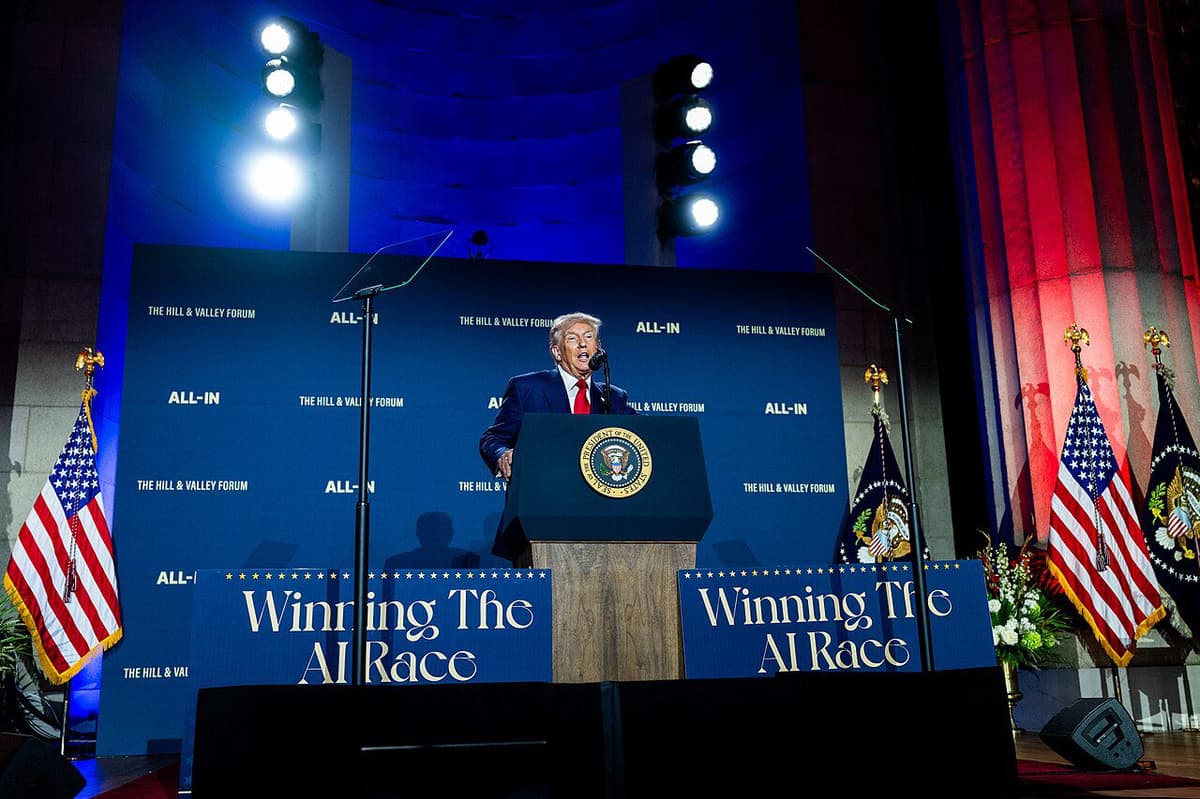
Deep Dive: Why the US and China Are Leading the AI Race
A new comparative study finds that heavy government spending and deep military integration are the decisive factors behind U.S. and Chinese leadership in artificial intelligence, outweighing private‑sector dynamism or semiconductor independence. Using Qualitative Comparative Analysis, the researchers scored the two...

How Great Powers Lose Wars They're Winning
Niall Ferguson argues that great powers often squander wars they seem to be winning, using the United States’ five‑week missile campaign against Iran as a contemporary illustration. He highlights how contradictory public messaging under President Donald Trump has muddied strategic...

Eternal Darkness, Perpetual War
On April 8 2026 Israel launched a massive air campaign against Lebanon, killing more than 300 people and injuring thousands. The operation, dubbed “Eternal Darkness,” reportedly included 100 airstrikes in ten minutes and follows weeks of escalating violence that have displaced over...

Kuwait Reports Iranian Attacks on Vital Infrastructure; Mystery Explosion-Air Defense Activity in Tehran; Strait of Hormuz Still Not Open
Kuwait’s Defense Ministry said Iranian drones struck several vital infrastructure sites on April 9, despite a U.S.–Iran ceasefire. Simultaneously, OSINT sources reported multiple explosions and air‑defense activity in northern Tehran. The Strait of Hormuz remains effectively closed, with shipping constrained and...

What Strategy Demands From Influence Practitioners: Why Meeting Strategic Intent From the Recent NSS, NDS, and NDAA Requires Institutional Transformation
The 2025 National Security Strategy, 2026 National Defense Strategy, and FY‑26 National Defense Authorization Act now elevate cognitive warfare—destructive propaganda and cultural subversion—to the same priority as kinetic threats. They demand influence practitioners move from simple messaging to real‑time narrative...

The Iran War: A War With or Against the AI Sector?
The Iran war, which began on Feb. 28 2026, has become a battlefield for artificial intelligence, with U.S. and Israeli forces using AI‑driven targeting systems to strike over 1,000 Iranian sites on day one and thousands more in the following days. Iran...
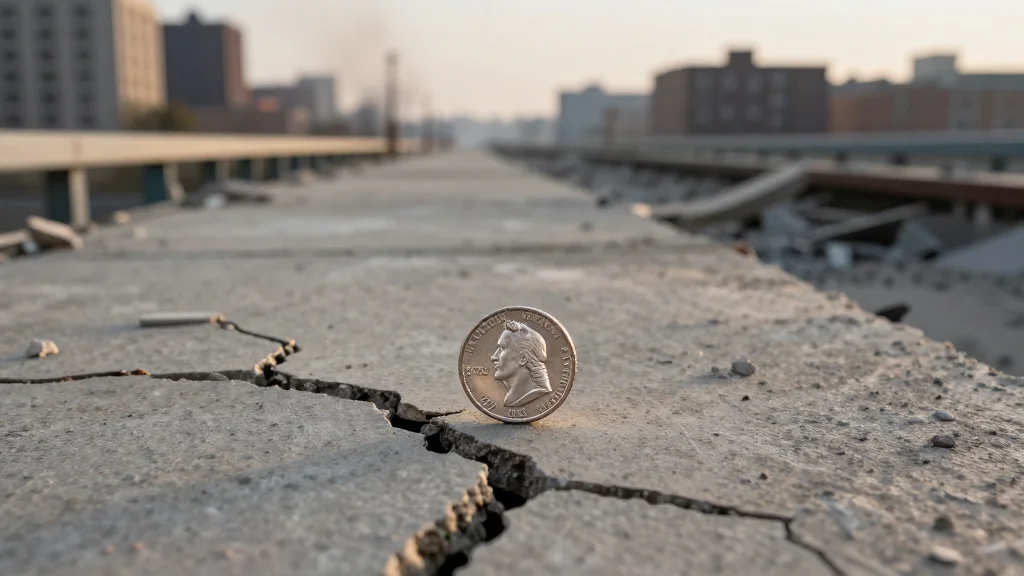
Some Jaded Shah Supporters Express Regret After Scale Of US Bombing On Iran Revealed
Iranian dissidents who initially welcomed the US‑Israeli air campaign now lament its devastation, after months of strikes that flattened bridges, oil depots and civilian neighborhoods. Human Rights Activists News Agency estimates the conflict has caused at least 7,000 deaths, far...

Evening Update: Pentagon AI Chief Cashed In Millions on xAI Deal Amid Defense Contracts.
Pentagon under‑secretary for research and engineering Emil Michael held a sizable stake in Elon Musk’s xAI while steering the department’s AI procurement. During his tenure the Pentagon signed two contracts with xAI, and Michael’s holdings rose from roughly $500,000‑$1 million to...

Speech by NATO Secretary General Mark Rutte at the Reagan Institute’s Center for Peace Through Strength
NATO Secretary‑General Mark Rutte used a Reagan Institute platform to stress that American leadership remains vital for trans‑Atlantic security, while urging European allies to step up defense spending. He highlighted President Trump’s push for NATO members to target 5% of...

Trump Just Gave China Its Biggest Diplomatic Win in Years
China’s covert diplomacy helped broker a fragile Iran‑Israel ceasefire, positioning Beijing as a peacemaker while the United States halted bombing. At the same time, Washington faces a 26% drop in exports to China and a major FBI‑identified Chinese hack, casting...

Not A Lot of “Winning” Anywhere
The cease‑fire between Iran, Israel and the United States is unraveling, with Iran insisting it still controls the Strait of Hormuz and Israel launching a massive strike on Hezbollah in Beirut. The U.S. war effort is already costing the Treasury...

The Rest of the World Report | April 9, 2026 — Evening Edition
Israel announced direct negotiations with Lebanon to disarm Hezbollah, a move prompted by President Trump’s request, even as Israeli strikes continued. Lebanon rejected talks under fire and ordered Hezbollah to stand down in Beirut, while filing a UN complaint. At...

Hegseth’s Pentagon Purge
Secretary of Defense Pete Hegseth removed Army Chief Gen. Randy George during the U.S. war with Iran. The abrupt retirement, announced via a brief tweet from Pentagon spokesperson Sean Parnell, ended George’s unusually long tenure leading the Army’s 1.2 million‑strong force....

Israeli Missile Interceptors Have Dwindled to “Double Digits”: Trump Administration Official
A Trump administration source says Israel’s missile‑defense interceptors have fallen to double‑digit levels, forcing the IDF to prioritize which threats to engage. By March 24, Israel had expended roughly 122 of its 150 Arrow missiles and 22 of its 48 THAAD...

If Congress Uses Reconciliation Again, It Must Significantly Reduce the Deficit
Congress is considering using the reconciliation process to allocate roughly $200 billion for a potential war in Iran and additional funds for immigration enforcement, despite the lack of a clear fiscal need. The Cato Institute warns that any such reconciliation must...
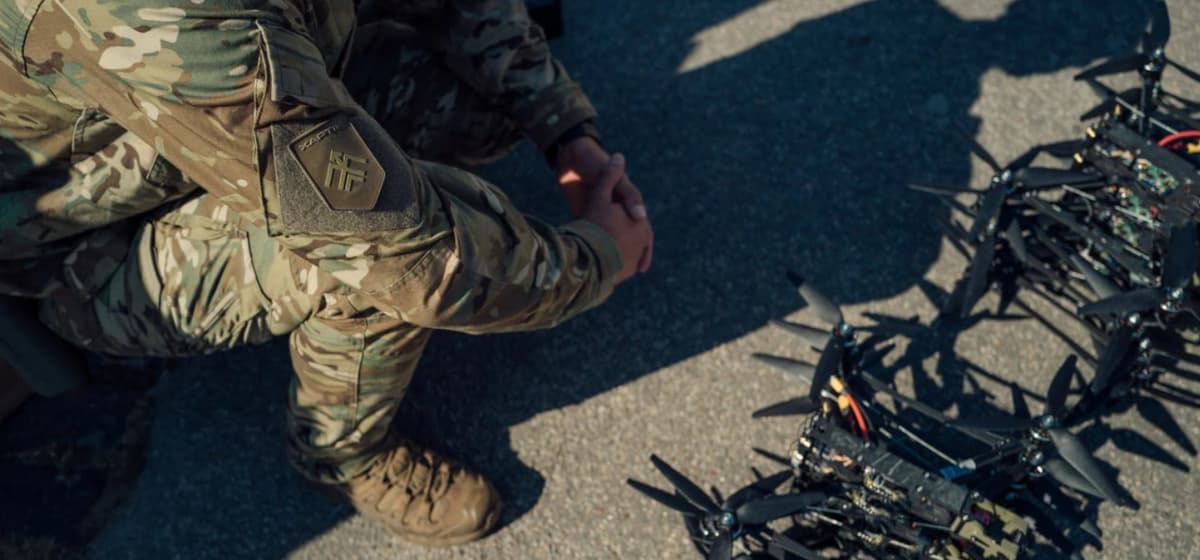
Lava Drone Battalion Becomes A Regiment
The Ukrainian National Guard’s 2nd Khartia Corps has elevated the Lava Unmanned Systems Battalion to a full regiment, formalizing its role in drone warfare. The change was announced via recruitment ads and an Instagram update on April 5 2026, accompanied by footage...

Pharmaceutical Executive Daily: Shionogi Receives Contract Through BARDA's Project BioShield
Shionogi’s U.S. subsidiary secured a BARDA Project BioShield contract that could total $482 million to develop and manufacture its gram‑negative antibiotic Fetroja, with an initial $119 million funded. The agreement funds a U.S. production facility and expands research against high‑priority biothreat pathogens...

Pete Hegseth Said Their Base Was ‘Fortified’ — Then an Iranian Drone Hit. Now Survivors Say That Was a Lie
On March 1 an Iranian‑launched drone struck a U.S. base in Kuwait, killing six service members and wounding more than 20. Survivors say the facility at Port of Shuaiba was an old, lightly built site with virtually no drone‑defense measures, contradicting Pentagon spokesperson...
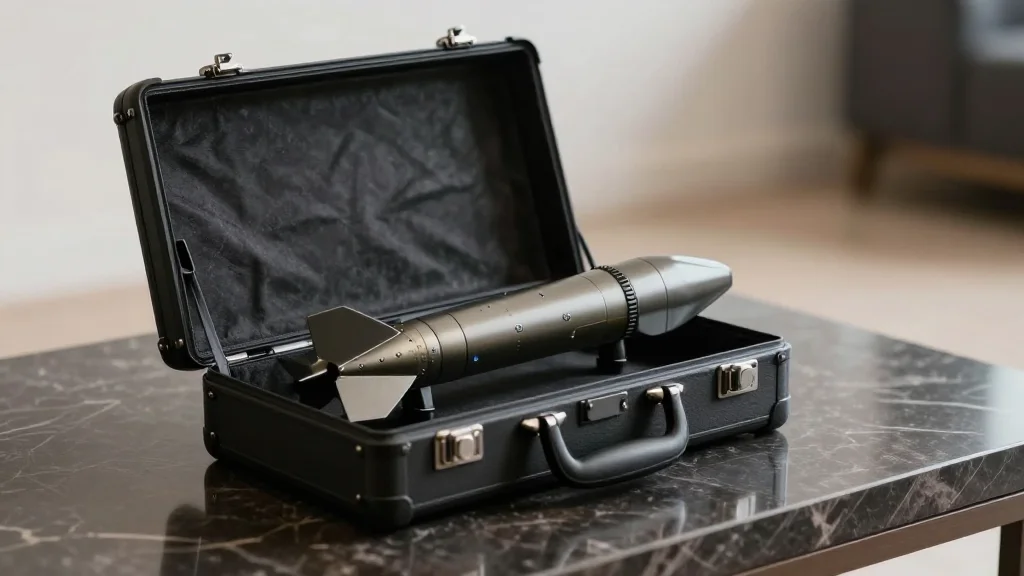
After the Iran War: A New World Order, but Not a New System
The US‑Israeli war on Iran has ended, but it accelerated a shift toward a multipolar world order. The article separates the enduring world system—finance, energy and the nation‑state—from the evolving political order that arranges states. Scholars and think tanks from...

Inside The Air Force’s Elite Ghost Tanker Unit
The U.S. Air Force’s “Ghost Tanker,” a specially instrumented KC‑135, is the service’s only dedicated test tanker, enabling certification of new aircraft for aerial refueling. Operated by the Air Force Reserve Command’s 370th Flight Test Squadron, it is based at...
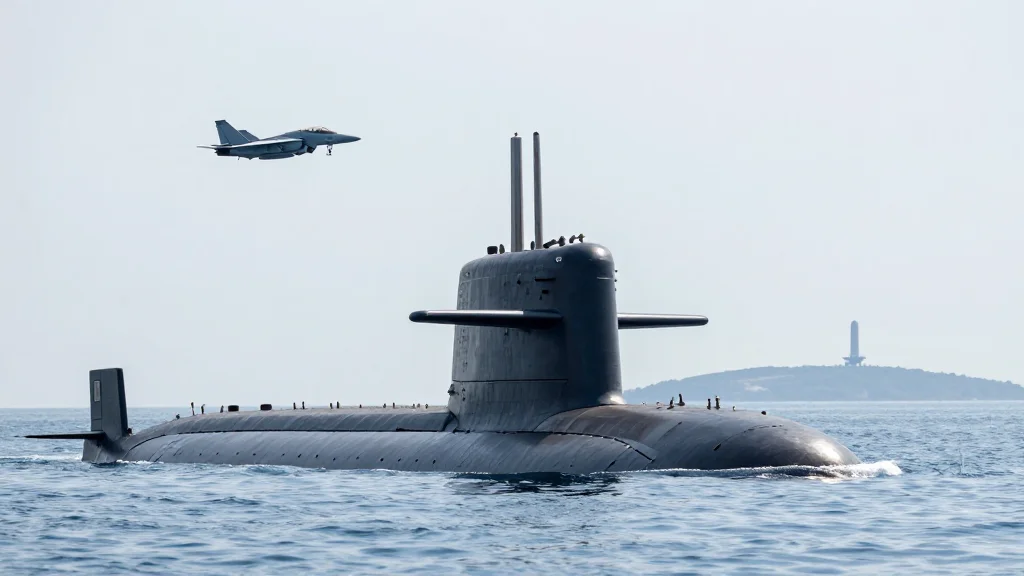
Beyond a Pacific Defense Pact 4: Blueprint for an Indo-Pacific Nuclear Alliance
The article proposes an Indo‑Pacific nuclear alliance that would give Australia, Japan and South Korea sovereign nuclear forces, mirroring the UK and France within NATO. Distributed deterrence, forward‑deployed submarines, aircraft and land‑based missiles would create a resilient, multi‑layered deterrent against...

Why The Iran Ceasefire Won't Last
The blog argues that the recent Iran ceasefire is fragile because the United States is rapidly expanding its military footprint across the Middle East. More than 50,000 U.S. troops now operate within CENTCOM’s area of responsibility, and thousands of Marines...

Ceasefire Agreement on Uncertain Ground Due to Disputes over Lebanon Bombing and Hormuz
The US‑Iran ceasefire, brokered by President Donald Trump, hinges on reopening the Strait of Hormuz, a key shipping lane. Iran has reportedly mined the strait, violating that condition, while Israel launched a bombing raid on Beirut targeting Hezbollah. Tehran argues...
A Ceasefire In Iran
A surprise two‑week ceasefire was announced amid a surge of U.S. rhetoric and escalating tensions with Iran. The pause follows Iran’s successful disruption of oil flows through the Strait of Hormuz, giving it newfound leverage in negotiations. However, the United...

Open Tabs: “Vile on Every Level”
Trump’s incendiary threat to Iran’s civil infrastructure sparked a rare public rebuke from prominent right‑wing figures, including Tucker Carlson, Alex Jones, Megyn Kelly, Candace Owens and Marjorie Taylor Greene. The backlash coincides with a fragile cease‑fire in the Iran‑Israel‑Lebanon conflict, as Israel’s strikes on Beirut...

Alternate Shots.
The latest ‘Alternate Shots’ episode focuses exclusively on the Iran war and the fragile cease‑fire that followed. Host John Ellis and veteran diplomat Richard Haass walk through a custom eight‑box grid covering nukes, the Strait, regime change, missiles, proxies, Trump,...

Plumbing Notes: The Peak-TACO Era
The piece declares that markets have entered a "Peak‑TACO" phase after a series of quasi‑ceasefires, with risk assets beginning to decouple from rate markets. Z6 futures for December 2026 reflect a modest de‑escalation timeline, suggesting investors price a realistic end‑of‑year resolution....

Beijing's Long Game Is Engulfing Canada—And Mark Carney Is in the Frame
Mark Carney, now chair of Canada’s Task Force on Economic Growth, met a senior People’s Bank of China official and soon after Brookfield obtained a roughly US$250 million loan from the state‑owned Bank of China. The article highlights China’s ownership of...

Fractures in the Alliance
A closed‑door meeting between former President Donald Trump and Dutch Prime Minister Mark Rutte exposed growing fractures in NATO. Trump reiterated his threat to pull U.S. forces if allies, especially during the Iran conflict, do not meet his burden‑sharing expectations....
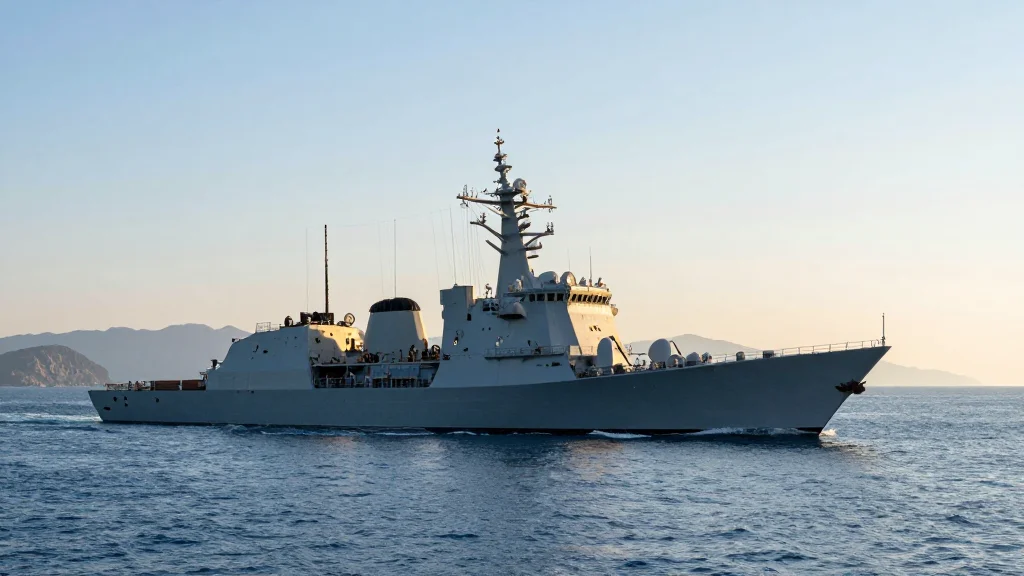
Daily Memo: Talks in Islamabad, Israeli Settlements
President Donald Trump used social media to reaffirm that U.S. ships, troops and weaponry will remain in and around Iran until a verifiable peace agreement is reached, citing a prior understanding that Tehran would halt its nuclear weapons pursuit. The...

Exclusive: The Real Reason Trump Got It So Badly Wrong With Iran
Donald Trump’s 2024 strike on Tehran was predicated on a rapid Iranian popular uprising that never materialized. According to unnamed sources, the CIA had prepared to arm anti‑regime factions, assuming they would spark a revolt within days. The failure of...
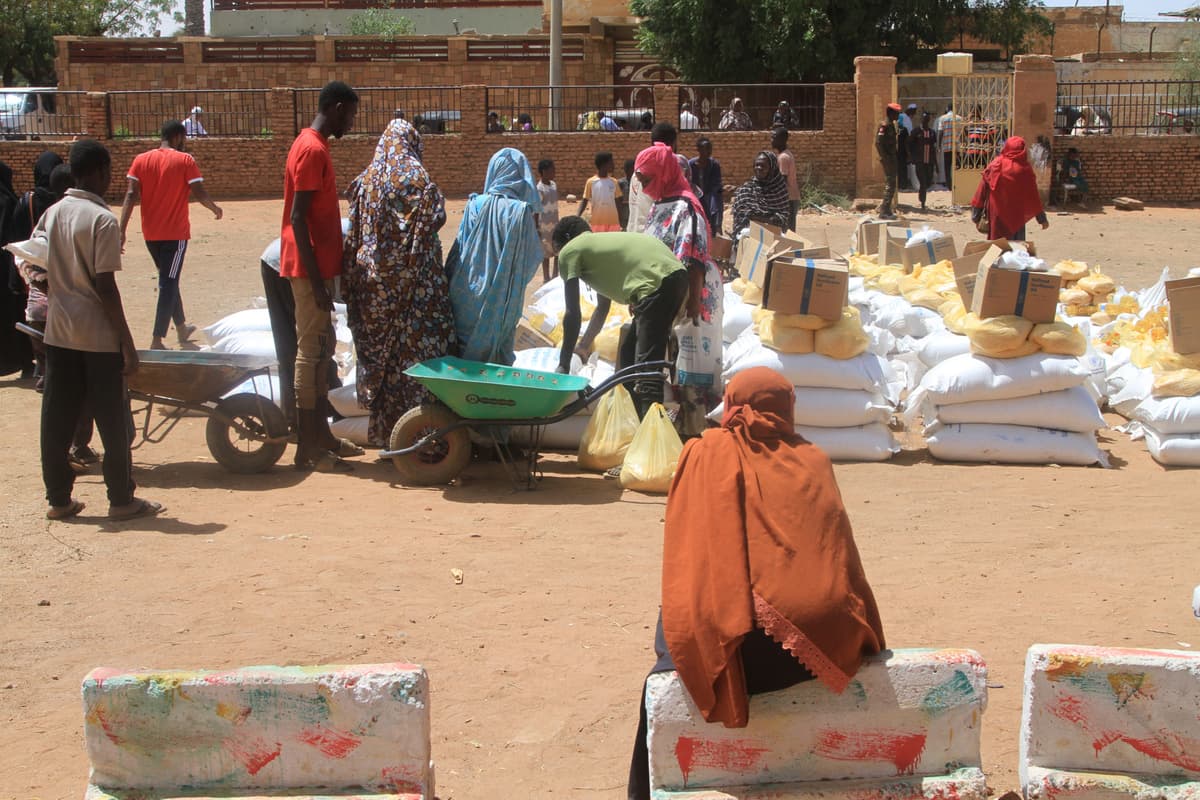
Amid Shaky Ceasefire, War in Iran Is Starving Sudan
An April 7 cease‑fire deal suspends U.S. air strikes on Iran, but the Strait of Hormuz remains effectively closed, choking humanitarian logistics. The shutdown has forced food, fertilizer and medical shipments destined for Sudan to be rerouted around the Cape...

Mallory Launches AI-Native Threat Intelligence Platform, Turning Global Threat Data Into Prioritized Action
Mallory announced an AI‑native threat‑intelligence platform that translates global adversary data into prioritized, actionable cases for enterprise security teams. The solution monitors thousands of threat sources, maps them to a company’s actual attack surface, and delivers real‑time answers rather than...
Watching Cracks in the Ceasefire and Rising Inflation While Awaiting Some Key U.S. Economic Data
The U.S.-Iran ceasefire quickly unraveled as Israel intensified attacks on Lebanon and shipping through the Strait of Hormuz remained disrupted, keeping energy supplies tight. At the same time, U.S. macro data released on April 9 showed Q4 2025 GDP growth revised down...
“It Seems Like Blind American Ignorance”: The New U.S. War on Iraq
U.S. A‑10 aircraft conducted a series of strikes on the Habaniya military hospital in Anbar province, killing seven Iraqi soldiers and wounding 23 responders. The attack was the sixth U.S. strike on Iraqi forces since the war on Iran began,...

‘Snoopy’, ‘Adolf’ and ‘Password’: The Hungarian Government Passwords Exposed Online
Bellingcat uncovered nearly 800 compromised email‑password pairs belonging to 12 of Hungary’s 13 ministries, exposing senior officials in defence, foreign affairs and interior ministries. The breaches, traced through the Darkside breach database, reveal simple passwords like "Password" and "1234567" as...

Lebanon As Linchpin
Israel re‑occupied southern Lebanon this month, demolishing several bridges over the Litani River, a move that echoes its tactics in Gaza and raises fears of broader regional escalation. The conflict has pushed physical Brent crude up, with a $22 premium...

Donald Trump’s Unfreedom of the Seas
The Bulwark essay argues that Donald Trump’s decision to negotiate Iran over navigation rights in the Strait of Hormuz marks a stark departure from the United States’ long‑standing guarantee of free passage. The strait carries roughly 20% of global oil...

☕ Morning Briefing — Thursday, April 9, 2026
President Donald Trump announced a two‑week ceasefire with Iran, ending a month of strikes on nuclear and missile sites and pledging steps toward zero uranium enrichment under U.S. oversight. While the truce pauses hostilities, Iran retains control of the Strait...

How to End American Power
Peter Zeihan argues that Donald Trump’s recent call for nations to secure their own Persian Gulf oil marks a decisive break from the post‑World War II security architecture the United States has provided. By urging allies to develop independent naval forces,...

A Strategic Defeat of Historic Proportions
After a two‑week cease‑fire, the United States has handed control of the Strait of Hormuz to Iran, allowing Tehran to impose a $2 million toll on each transiting vessel. The agreement, brokered by President Trump and Defense Secretary Pete Hegseth, leaves...

Hormuz Re-Shuts Over Lebanon Strikes: Oil Prices Rise Again | Rapid Read 9 April 2026
Iran’s Islamic Revolutionary Guard Corps declared the Strait of Hormuz closed hours after a US‑Iran ceasefire, citing Israel’s large‑scale airstrikes in Lebanon. Marine tracking shows only three to seven vessels transited in the past 24 hours, a sharp drop from...