
UN Security Council: Gulf States Back US Resolution on Strait of Hormuz
The United Nations Security Council is debating a resolution championed by the United States and Bahrain that reaffirms the principle of free navigation through the Strait of Hormuz. The draft enjoys broad backing from the Gulf Cooperation Council, which sees the waterway as vital to the economies of Manama, Kuwait City, Dubai, Riyadh and Doha, and to global energy flows. Key insights reveal a stark divide: while Gulf states stress regional stability and the economic fallout of a closure, Russia and China have signaled they will veto the text as written, objecting to language that hints at sanctions on Iran and omits blame for the conflict on the United States and Israel. Qatar’s warning that a shutdown would transform a regional dispute into a worldwide crisis underscores the strategic stakes. The transcript features a rhetorical appeal contrasting a regime that “slaughters its own people” with the “shining cities” of the Gulf, and cites Gabriel Elizondo of Al Jazeera reporting from New York. The draft could be brought to a vote as early as next week, though the veto threat looms large. If adopted, the resolution would reinforce international commitment to keeping the strait open, stabilizing oil markets and signaling a united front against coercive tactics. Conversely, a veto would expose fractures in the council and could embolden Iran to leverage the chokepoint, heightening geopolitical risk for global businesses.
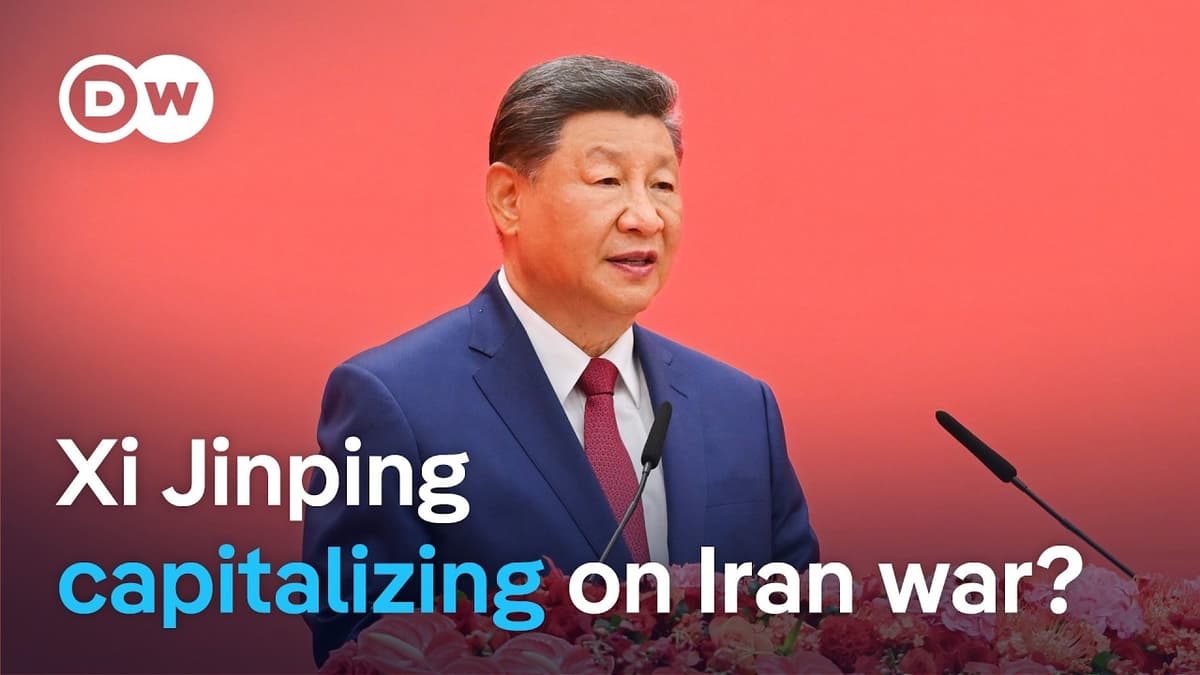
Iran War: Is China Emerging Stronger than the US? | DW News
The DW News segment examines how the Iran‑Israel war has become a flashpoint in the broader U.S.–China rivalry, with Beijing positioning itself as a diplomatic broker while deepening its economic ties to Tehran. China remains Iran’s primary oil buyer and...

Strait of Hormuz: What Role for France? • FRANCE 24 English
France is sending its flagship aircraft carrier, the Charles de Gaulle, toward the Strait of Hormuz, joining a UK‑led coalition of about 50 nations that aim to restore long‑term maritime security once the waterway reopens. The move is presented as the...
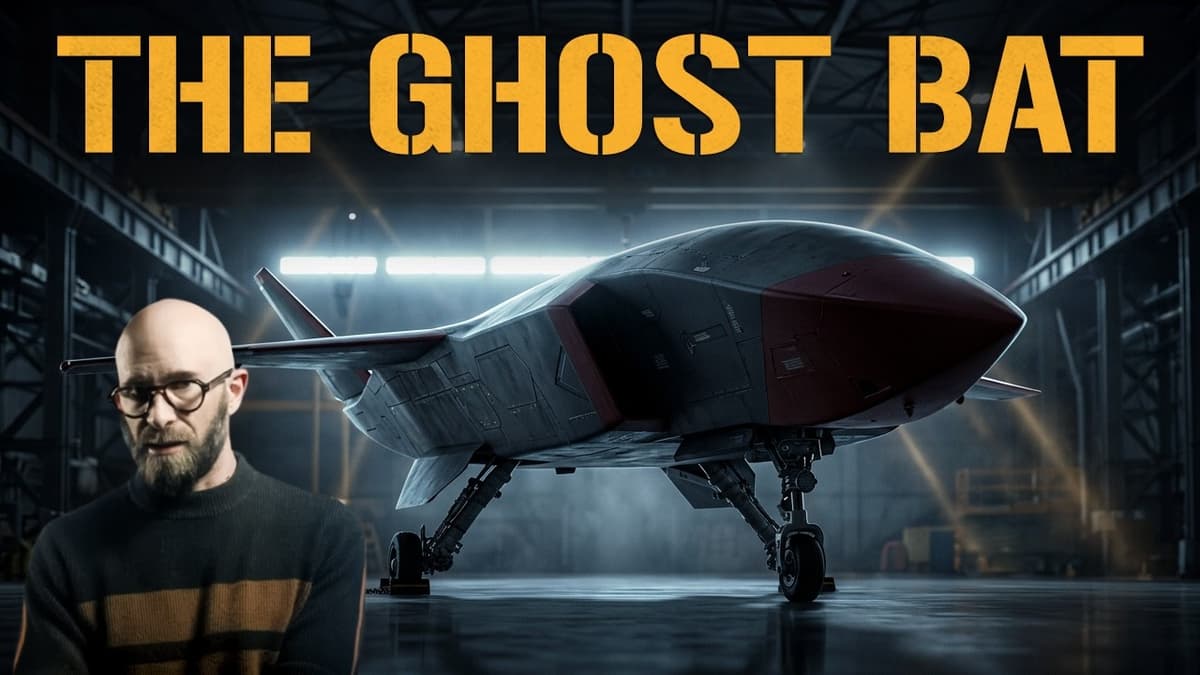
The Boeing MQ-28: The Drone Everybody Wants.
The Boeing MQ‑28 Ghostbat, slated for service by 2028, is Australia’s first combat‑drone design since World War II. Developed jointly by the Royal Australian Air Force and Boeing Australia, the unmanned aircraft operates as a “loyal wingman,” allowing a single fighter...

Operation Sindoor: IAF Says Over 100 Pak Soldiers & Around 100 Terrorists Killed | WION
India commemorated the one‑year milestone of Operation Sindoor, a retaliatory campaign launched after a cross‑border terrorist attack in Pahalgam that killed 26 civilians. Senior Indian Air Force officials held a joint press conference to detail the operation’s outcomes and to...

SOGCast 50: Randy Harrison, SOG Recon Officer Survived Epic MOH Mission in Cambodia.
The SOGCast episode features Randy Harrison, a former SOG Recon officer who recounts his harrowing 1968 deployment in the secret war’s Cambodian theater. He arrived in August 1968, spoke five languages, and was quickly assigned to FOB6 (Honukta), where he...

The F-14 Tomcat May Live on if Congress Passes the 'Maverick Act'
The House is debating the Maverick Act, legislation that would transfer three retired F‑14D Tomcats from the aircraft boneyard to the U.S. Space and Rocket Center in Huntsville, Alabama. The bill also authorizes the restoration of at least one airframe...
Is the US-Iran War About to End? #US #Iran #IranWar #StraitOfHormuz #BBCNews
The video examines whether the US‑Iran conflict could de‑escalate after a month‑long pause, focusing on a reported 14‑point US proposal under review by Tehran. The plan offers sanctions relief and an end to the US naval blockade of Iranian Gulf ports...
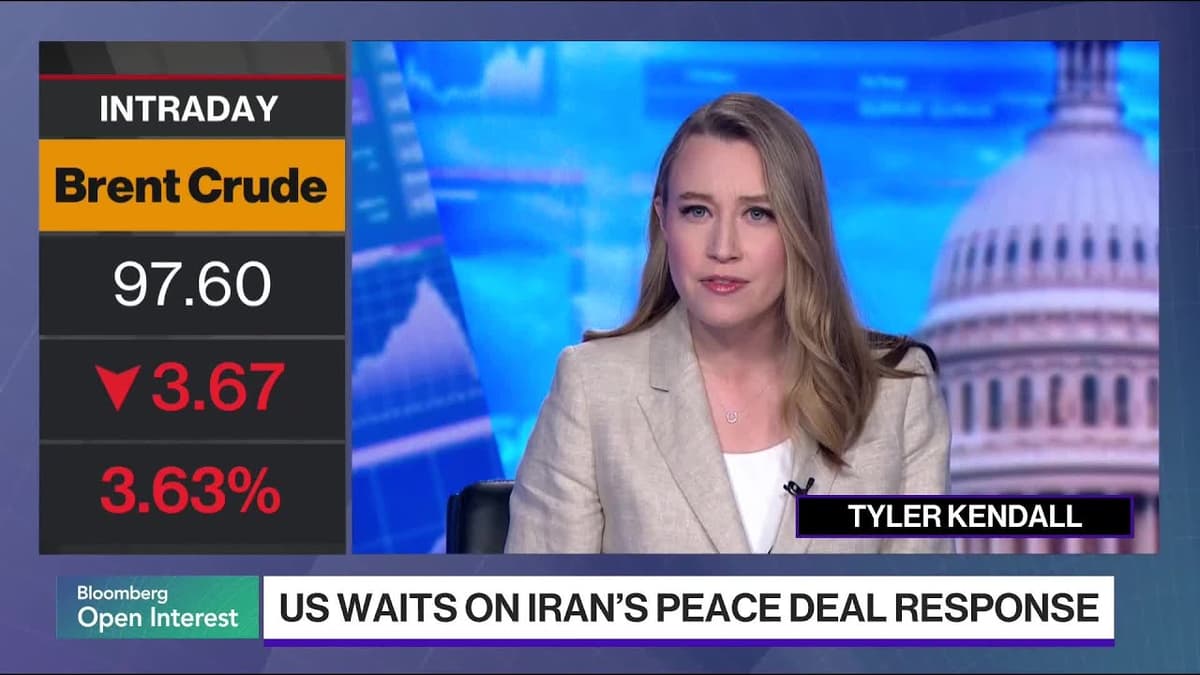
Iran's Leaders Meet as US Waits on Peace Deal Response
The video centers on the stalled U.S.-Iran peace talks, detailing Iran’s anticipated response through Pakistani mediators and the White House’s push to reopen the Strait of Hormuz while maintaining a naval blockade. Key insights include active discussions about a moratorium on...
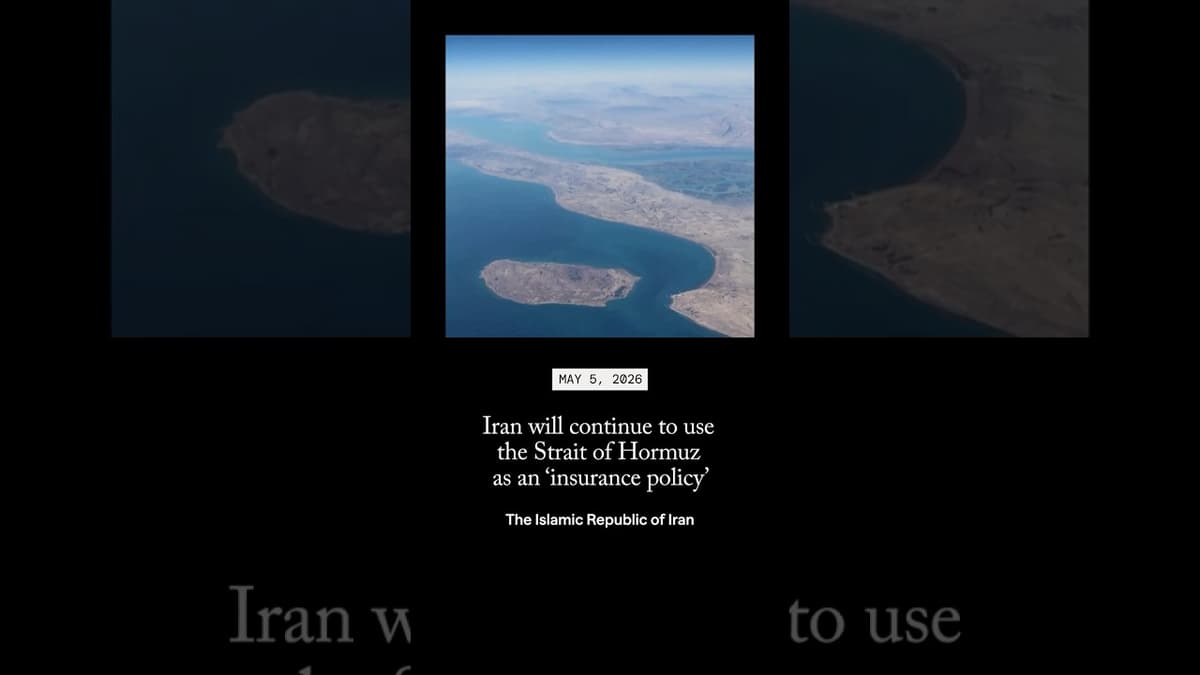
Iran Will Continue to Use the Strait of Hormuz as an ‘Insurance Policy’
Iran’s leadership announced that the Strait of Hormuz will become a permanent geopolitical "insurance policy" against any future U.S. administration reversing the Trump‑era nuclear deal. Tehran is positioning the narrow waterway as a bargaining chip, insisting that any future arrangement...

Why Israel Wants More F-35s and F-15s | Breaking Defense | The Weekly Break Out
The video examines Israel’s accelerating procurement of both F‑35 stealth fighters and the newer F‑15EX air‑superiority jets, probing the strategic calculus behind expanding two distinct squadrons. It highlights how Israel’s recent combat experience, including an F‑35 struck by ground fire...

Protecting Against Biological Weapons
The video addresses how societies should defend against biological weapons, emphasizing that unlike nuclear threats, the primary response falls to civilians rather than solely to government agencies. It argues that a contagious bioweapon would spread among the population, making community-level...

M2i Global to Build Critical Mineral Repository at Hawthorne Army Depot
M2i Global announced that it has secured a tenant‑use agreement to establish a critical‑mineral repository at the Hawthorne Army Depot in Nevada, the world’s largest Army storage complex. The partnership leverages the depot’s 150,000‑acre footprint, extensive rail and road networks,...

The Role of Private Sector Intelligence in a Divided World
The video explores how private‑sector intelligence, long predating formal state services, has become a pivotal force in today’s fragmented geopolitical landscape, especially in cyberspace. Host historian Lewish Sage Passant traces origins to Lloyd’s of London’s 1811 intelligence unit, predating Britain’s SIS,...

The Coast Guard Is Getting a Special Operations Command
The U.S. Coast Guard announced the formation of a new Special Missions Command, a unified authority that will bring together its disparate special‑operations units under one roof. This initiative reflects a strategic shift toward centralizing elite capabilities that have traditionally...
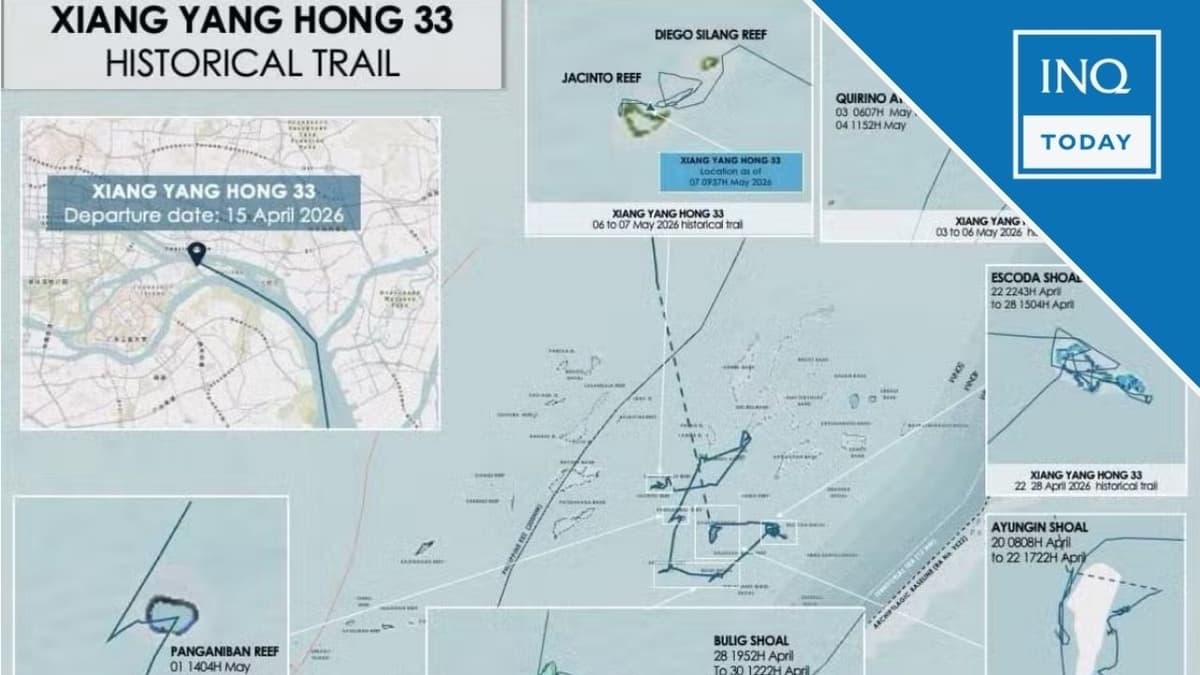
PCG Monitors Chinese Research Ship, Dozens of Militia Vessels in West PH Sea | INQToday
The Philippine Coast Guard (PCG) reported active monitoring of a Chinese oceanographic research vessel, Xiang Yang Hong 33, and a swarm of maritime militia ships operating in the contested West Philippine Sea. The observation occurred during a routine maritime domain...
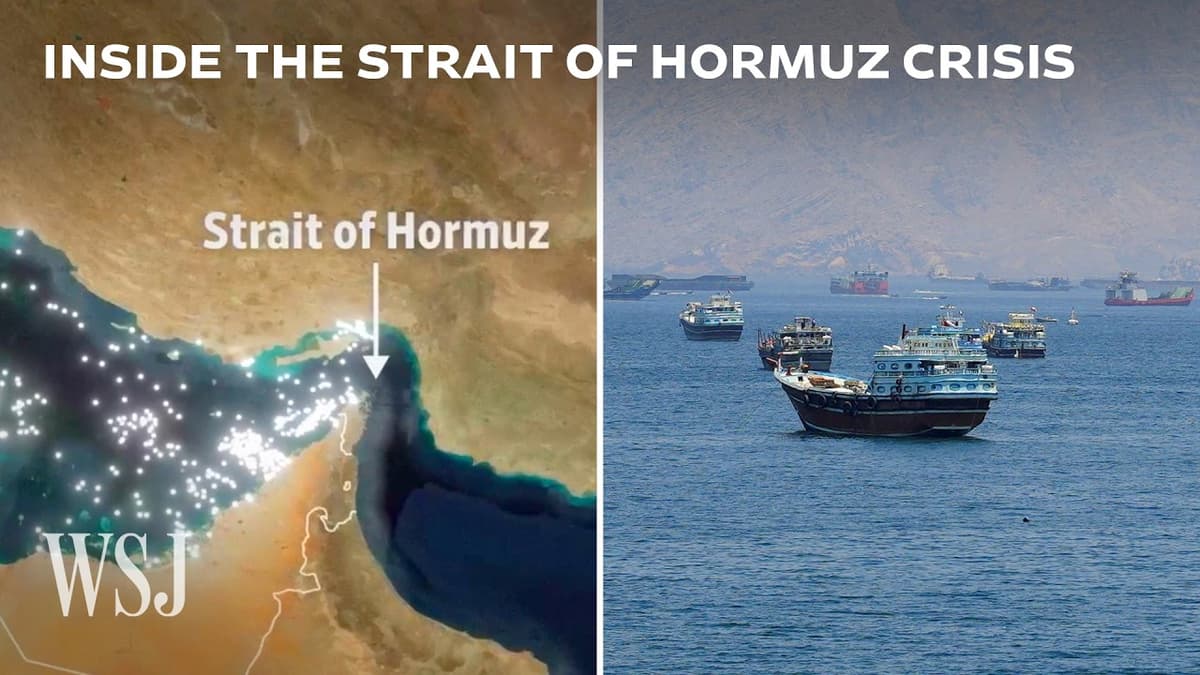
The Iran War Has Trapped 20K Sailors. This Is Who They Call for Help. | WSJ
The Wall Street Journal video spotlights a humanitarian crisis unfolding in the Persian Gulf, where roughly 20,000 seafarers find themselves stranded on vessels caught in the Iran‑Israel conflict. Captains and crew are sending frantic messages, pleading for food, water,...

Trump Says 'We Won' When Asked About Latest on Iran
In a recent interview, former President Donald Trump declared that the United States has “won” against Iran, asserting that Iran’s military is largely destroyed and that a nuclear agreement is imminent. Trump highlighted the decimation of Iran’s navy—claiming all 159 ships...

The Marine Corps Might Be Creating a New Infantry MOS
The Marine Corps is weighing the creation of a new primary infantry occupational specialty, dubbed “Infantry Scout.” The proposal was confirmed by Major General Michael Brooks, the two‑star commander of Marine Corps Training Command, indicating it is more than a...

Is Turkey's New Main Battle Tank Any Good?
Turkey’s long‑awaited Altay main battle tank has finally entered service, marking the country’s first domestically produced MB‑class vehicle after nearly two decades of development. The program, launched in the 1990s to break reliance on German and U.S. imports, partnered with South...

Inside the Rise of Autonomous AI Hackers: XBOW's Oege De Moor
The presentation highlighted the emergence of fully autonomous AI hackers, focusing on Xbo, a system built by XBOW that can locate, exploit, and report vulnerabilities without human input. Xbo’s most notable achievement was discovering a remote code execution flaw in...

How Trump's Actions Play Into the Hands of Foreign Powers #trump #russia #politics #america #law
The video argues that former President Donald Trump’s conduct mirrors a Russian geopolitical playbook outlined by Alexander Dugin, whose 1997 treatise “Foundations of Geopolitics” calls for fracturing the trans‑Atlantic alliance and sowing division within the United States. Framing Trump as a...
Is Your Network Secretly Polluted? #cybersecurity #ipv6 #ipv4
Leslie Dagel, CTO of the Global Cyber Alliance, presented data from the organization’s global honey farm – a network of 200 sensors that capture malicious traffic targeting open IPv4 ports. Since 2018 the farm has logged billions of probes, and...

How This College Student Hunted a Global Cyberweapon
A 22‑year‑old Rochester Institute of Technology student, Benjamin Brundage, uncovered a sprawling botnet that threatened tens of millions of users and could have crippled a nation. By painstakingly cataloguing the network’s IP addresses, he turned the data into an early‑warning...
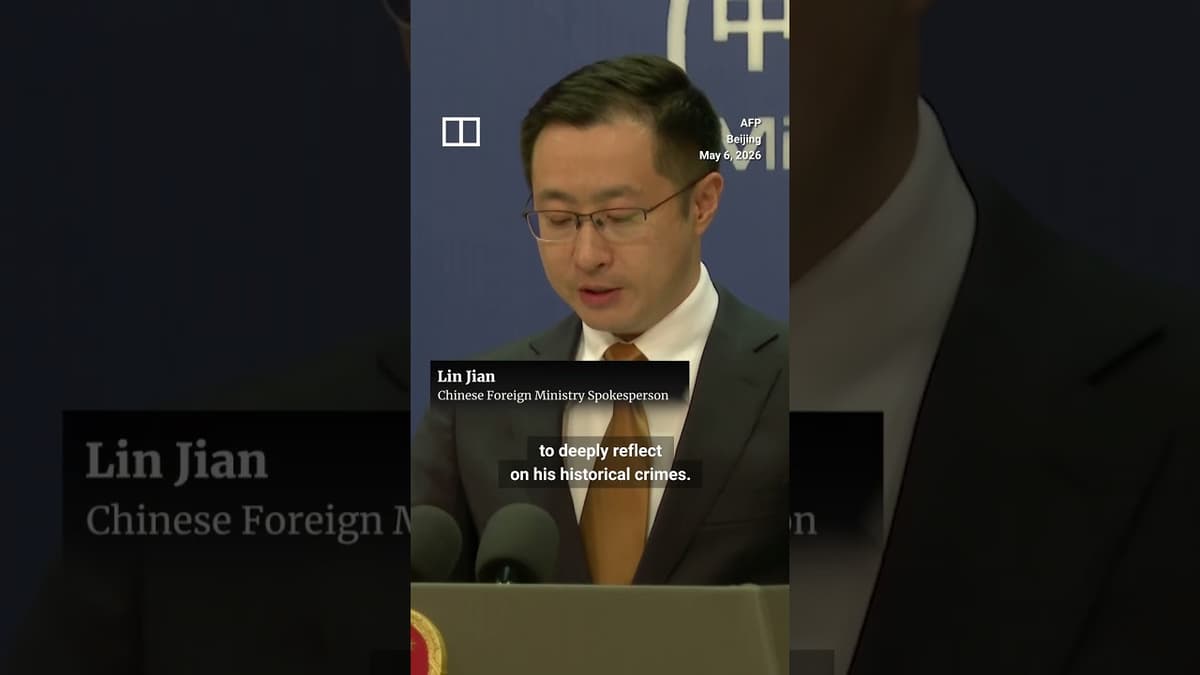
China Condemns Japan Missile Launch at Philippines Drills
Beijing publicly condemned Japan’s recent missile launch during joint exercises with the Philippines, labeling the act as an aggressive breach of peace rather than a defensive measure. The Chinese foreign ministry argued the launch violates the self‑defence principle enshrined in Japan’s...

Iran War: US Boosts Efforts to End Mideast Conflict | The Pulse 5/6
The Pulse focused on the United States stepping up diplomatic activity to bring an end to the Iran‑Israel war, emphasizing how a resolution could reshape global risk sentiment. Analysts linked the conflict’s trajectory to market dynamics, noting that oil prices...
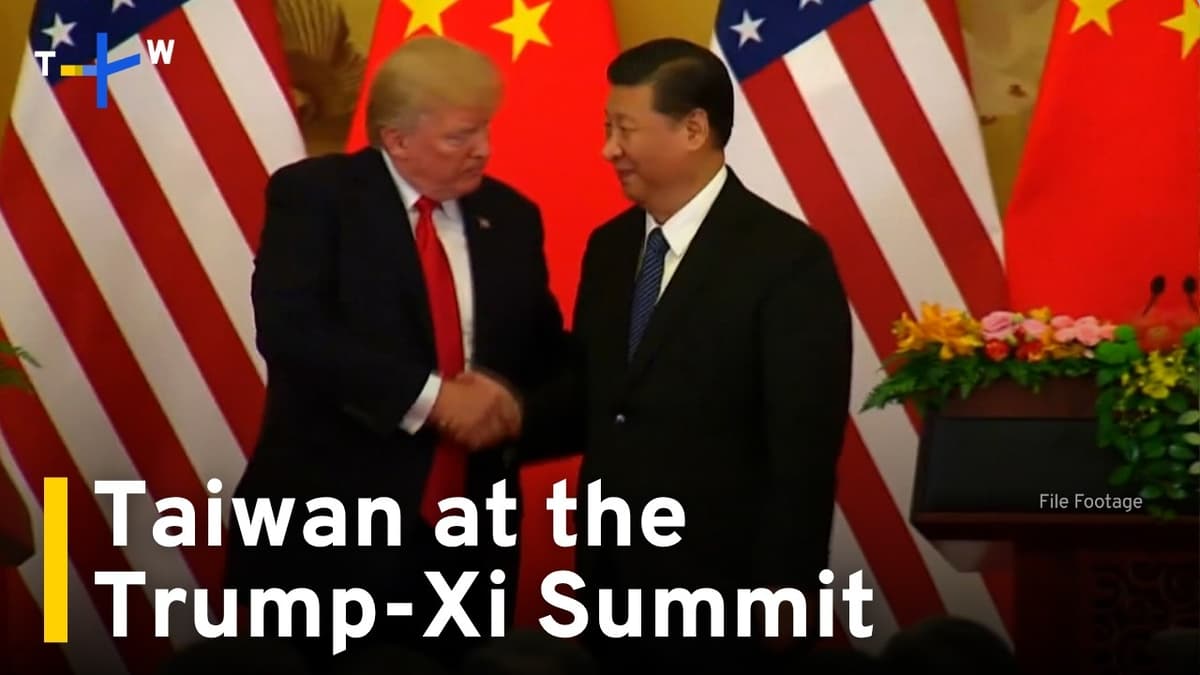
US: Taiwan Likely a Topic in Upcoming Trump-Xi Summit|TaiwanPlus News
The next‑week summit between U.S. President Donald Trump and Chinese President Xi Jinping will be the first face‑to‑face meeting of the two leaders in years, and Taiwan is expected to feature prominently alongside energy and trade issues. U.S. officials anticipate Beijing...
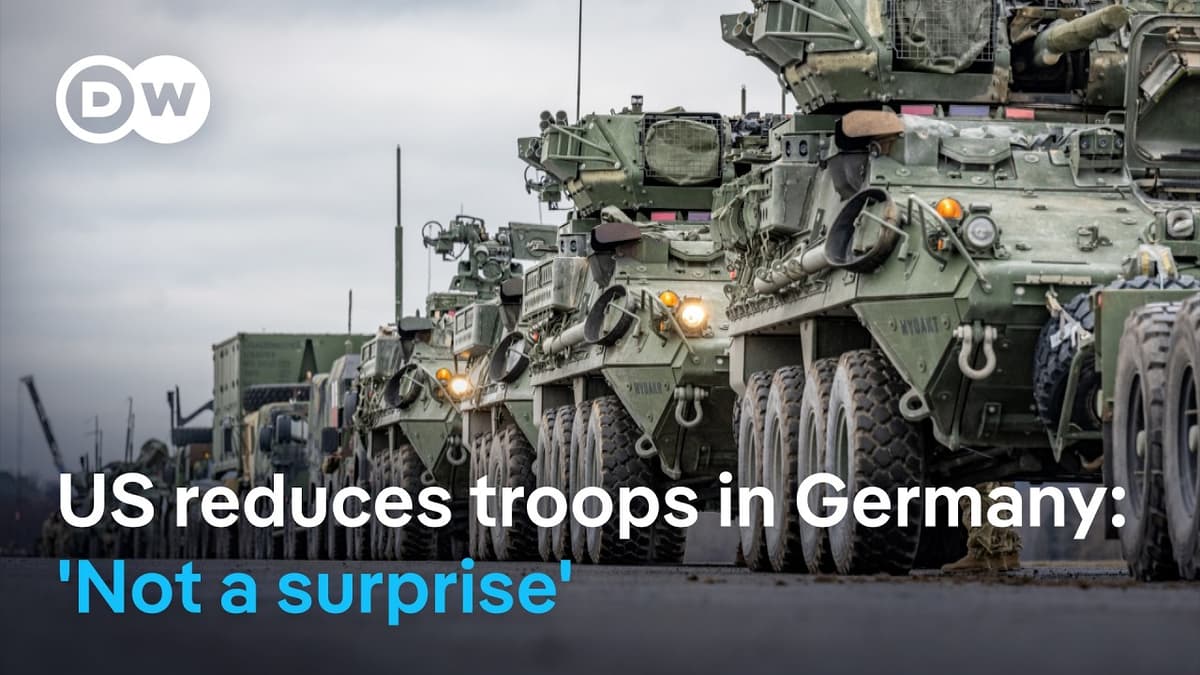
US Troops Leaving Germany? Vice Chief of Defense: 'Not a Surprise' | DW News
The interview with Germany’s Vice Chief of Defense focused on the United States’ decision to pull roughly 5,000 soldiers out of a 36,000‑strong presence in Germany and to halt plans for stationing long‑range Tomahawk missiles on European soil. The official...
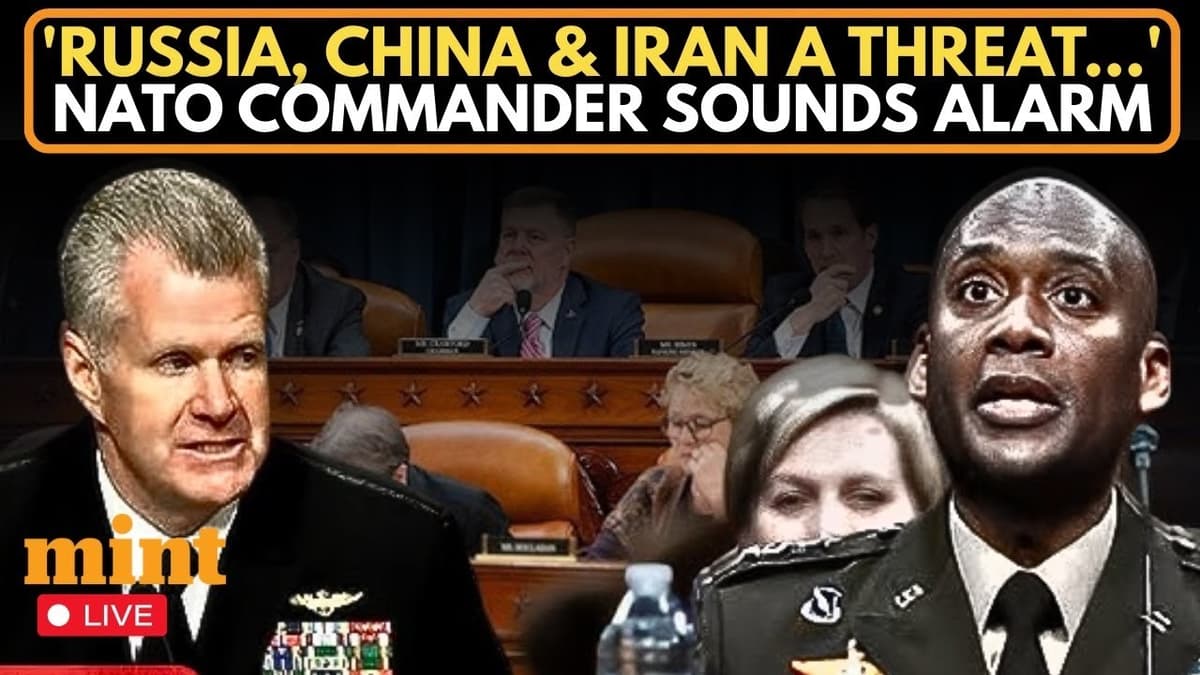
US Senate Live | US Commanders Drop Bombshell on Threats From Iran | Russia Ukraine War | China
Senators held a high‑profile hearing on the Indo‑Pacific security environment, warning that the war in Iran is draining munitions and attention needed to deter China, North Korea, Russia and Iran’s growing cooperation. The committee heard senior defense officials, including the...

Stay Ahead of Ransomware Livestream: May 2026
The May 2026 SANS Stay Ahead of Ransomware livestream, hosted by Ryan Chapman and Mary Degrazia, dissected the latest ransomware and cyber‑extortion trends using the Mandian M‑Trends 2026 report, which analyzes over 500,000 incident hours from 2025. Key findings show ransomware...
3-Day Patch Rule, AI Model Reviews and Bioweapon Fears | Techstrong Gang
The panel discussed the U.S. government’s proposed three‑day patch rule, a policy that would require federal agencies to remediate identified vulnerabilities within 72 hours. Participants highlighted the stark mismatch between the ambitious timeline and the current reality of dwindling cybersecurity...

Secure by Design: The Only Defense When Attackers Become Admins
The video dissects a recent industry‑wide report that maps a worst‑case breach where threat actors seize the identity control plane and become de facto domain administrators. It underscores how such a takeover lets attackers roll every password, reset MFA tokens,...

The Cyber Attack No One Can Survive Alone | Executive Interview with Josh Howell
The interview spotlights Rubric’s partnership with the American Hospital Association (AHA), earned after an unusually stringent vetting that involved legal negotiations, reference checks, and a review of Rubric’s data‑protection portfolio. The discussion frames cyber‑resilience as a multi‑disciplinary challenge, emphasizing that...
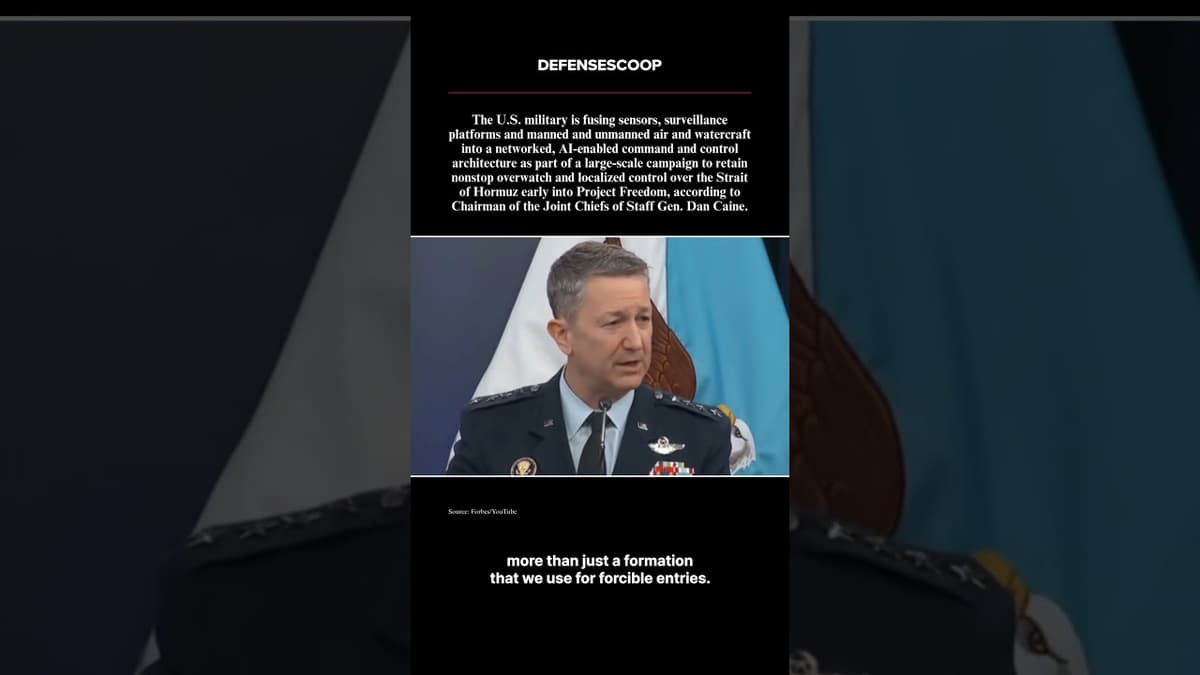
Army’s 82nd Airborne Division Supplying AI, C2 Network Support for Project Freedom
The video spotlights the U.S. Army’s 82nd Airborne Division as the technological backbone of Project Freedom, highlighting its role in delivering AI‑driven command‑and‑control (C2) networks across multiple warfighting domains. The division’s hallmark rapid‑deployment capability—ready to move within hours—now extends beyond traditional...
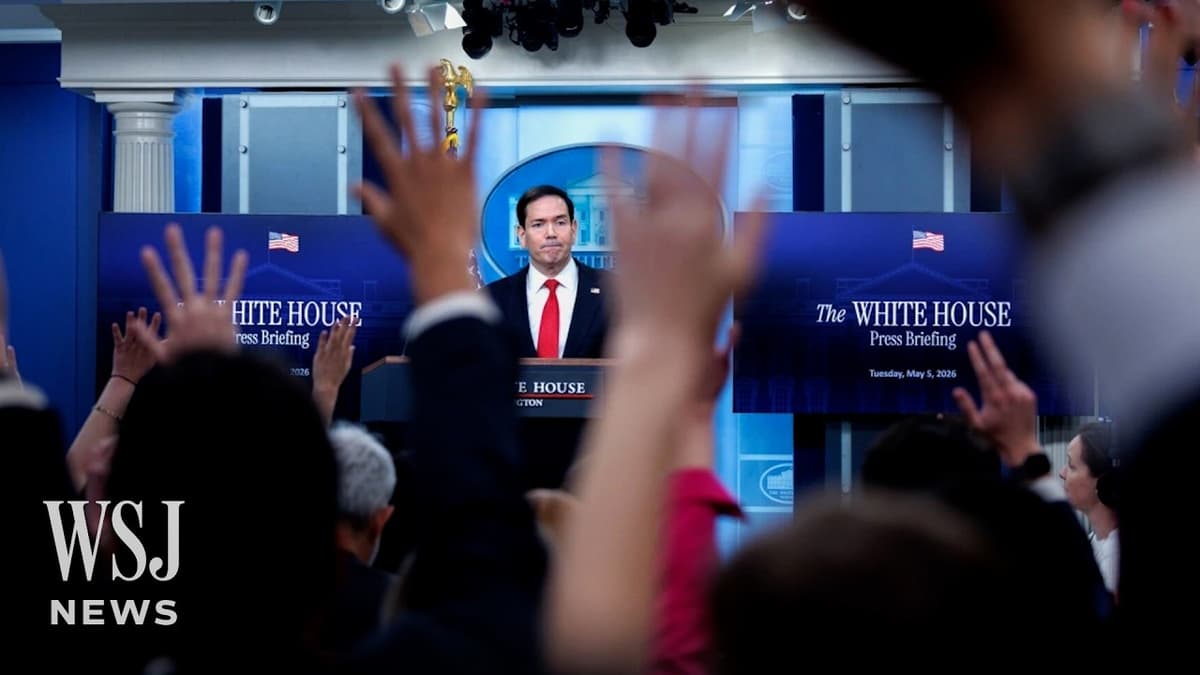
Marco Rubio Calls Iran's Leadership 'Insane in the Brain' | WSJ News
Senator Marco Rubio, speaking on a Wall Street Journal program, blasted Iran’s leadership as “insane in the brain” and warned Washington will not tolerate further provocations. Rubio argued that Iran must recognize the geopolitical reality, return to the negotiating table and...
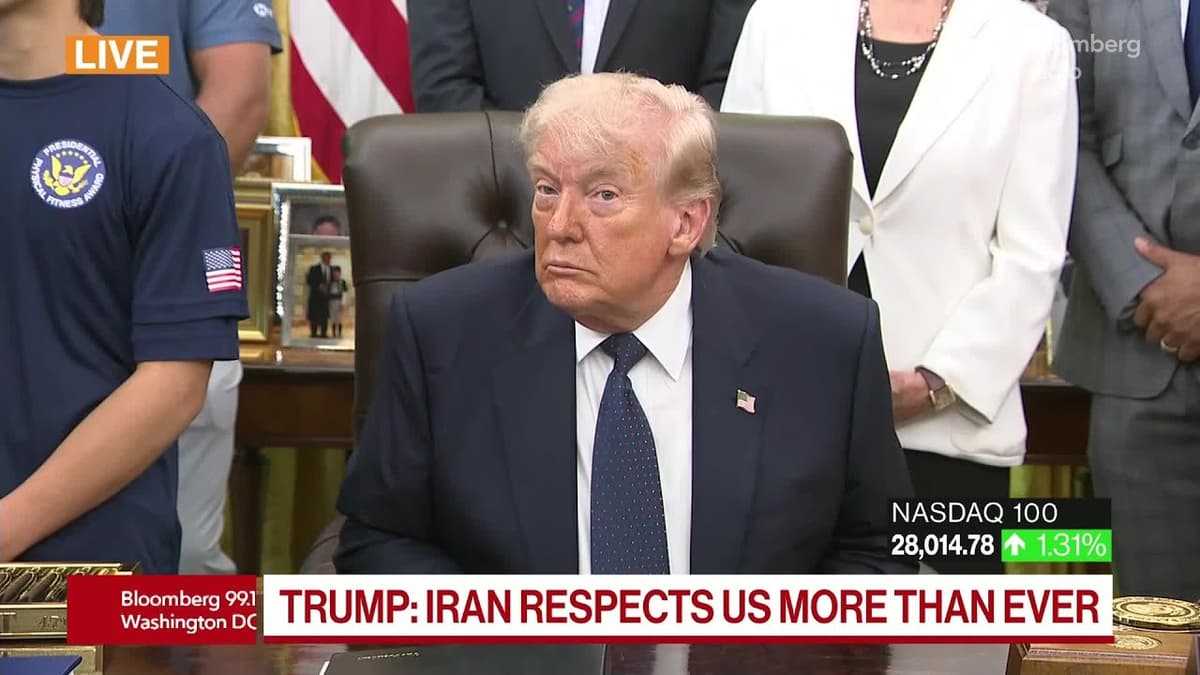
Iran Should Wave The White Flag, Surrender, Says Trump (Q&A)
In a rambling Q&A, former President Donald Trump declared that Iran should “wave the white flag” and surrender, framing the nation’s internal unrest and economic collapse as evidence that its regime is on the brink of defeat. Trump boasted that U.S....

Hanwha Redback: The 40-Ton IFV Built for the Drone Age
The video examines South Korea’s Hanwha Redback (AS‑21), a 40‑ton infantry fighting vehicle that secured Australia’s LAN 400 Phase 3 contract for 129 locally‑built units. Designed as an export‑focused evolution of the K21, the Redback blends heavy protection, modern electronics and a...
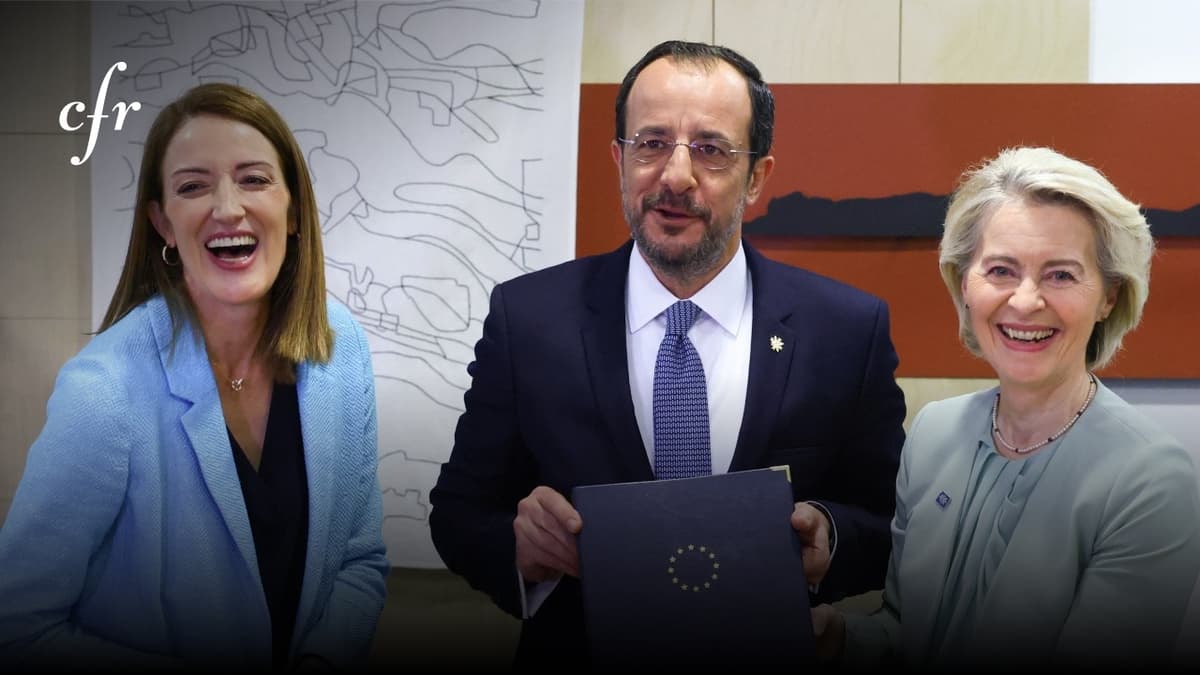
Europe's Response to the Iran War
The panel convened by New York Times reporter Serge Maimon examined Europe’s ambiguous stance amid the escalating Iran‑U.S. conflict. While European capitals have largely refrained from direct military involvement, the discussion highlighted how the continent’s basing rights, logistics networks, and...
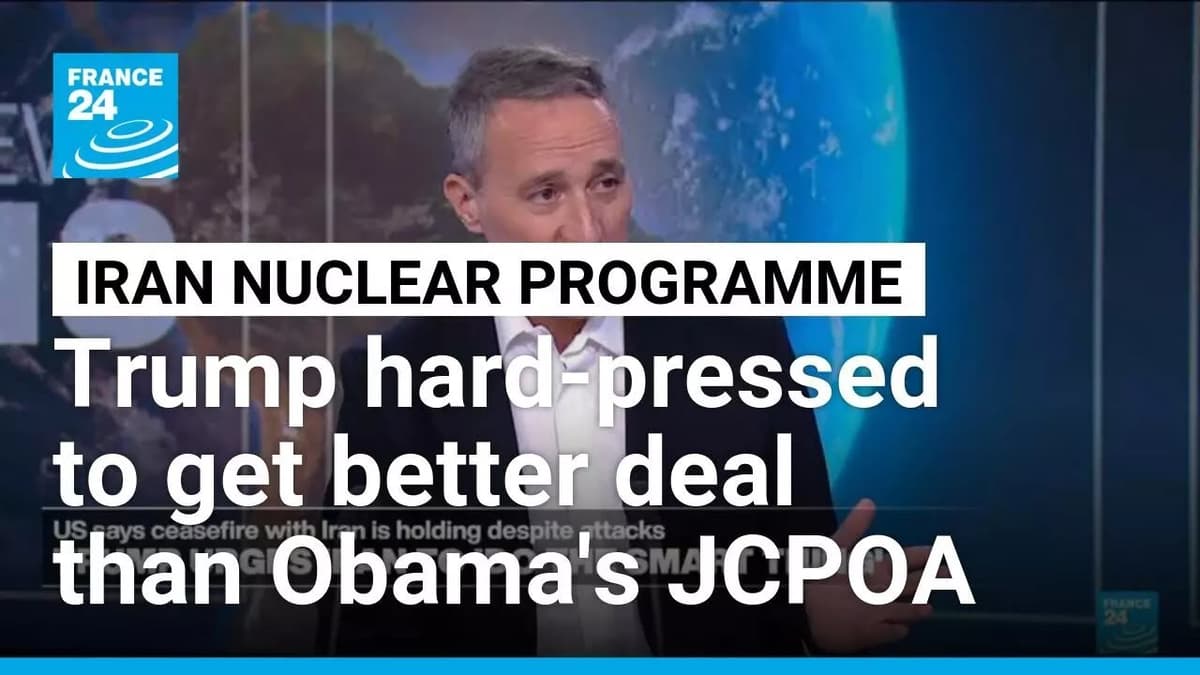
Trump Hard-Pressed to Get Better Iran Nuclear Deal than Obama's • FRANCE 24 English
The segment examines why the United States, under Donald Trump, struggles to negotiate a nuclear accord with Iran that surpasses the 2015 Joint Comprehensive Plan of Action (JCPOA) signed during Barack Obama’s presidency. The JCPOA capped Iran’s uranium enrichment at 3.67%...

Iran War News Live | 'World Stupidest President': Jeffrey Sachs Hammers Donald Trump Over Iran War
The video features a heated critique of President Donald Trump and Israeli Prime Minister Benjamin Netanyahu, accusing both leaders of mental instability and reckless rhetoric that could ignite a full‑scale war against Iran. Host Jeffrey Sachs frames the discussion around...

The Latest on the US/Iranian Ceasefire
The briefing this morning reaffirmed that the U.S.–Iran ceasefire remains officially in force, even as both sides continue limited attacks. Since the truce began, Iranian forces have struck nine merchant vessels, seized two, and bombarded U.S. positions ten times. Defense Secretary...
Russia and Ukraine Declare Rival Ceasefires
The video reports that Russia and Ukraine have each put forward their own cease‑fire initiatives, while U.S. diplomats have been quietly negotiating a possible May 9 pause with Moscow. Kyiv, however, says it has not been formally approached, leaving the proposals...

Military Analysis of the War with Iran
The panel, led by Georgetown’s Rob Dineen, examined the military dimension of the U.S.-Israel campaign against Iran, questioning whether air power and naval actions are achieving the war’s stated goals. Participants distinguished two concurrent air wars: a high‑altitude “war of destruction”...
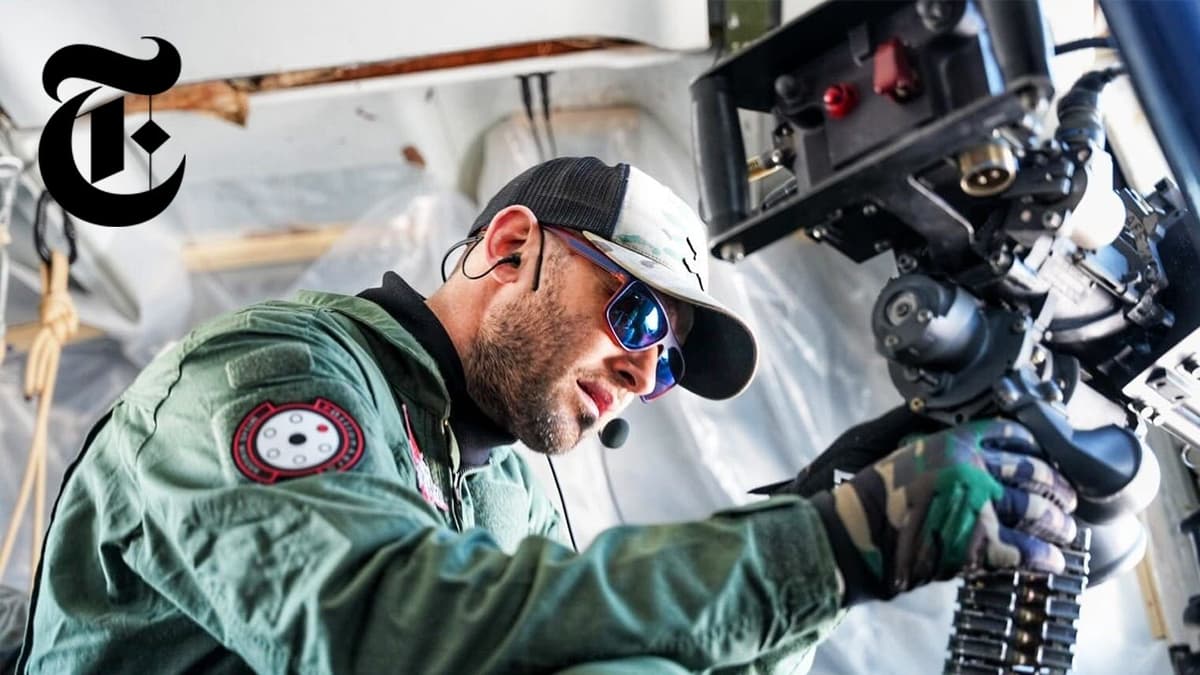
Inside The Old Skydiving Plane Hunting Drones in Ukraine
Ukrainian volunteers have turned a Soviet‑era AN‑28 skydiving aircraft into a makeshift anti‑drone platform, mounting an American‑made 3,000‑rpm machine gun to intercept Russia’s Shahed loitering munitions. The crew highlights the stark economics: roughly $500 in ammunition per drone destroyed, compared with...
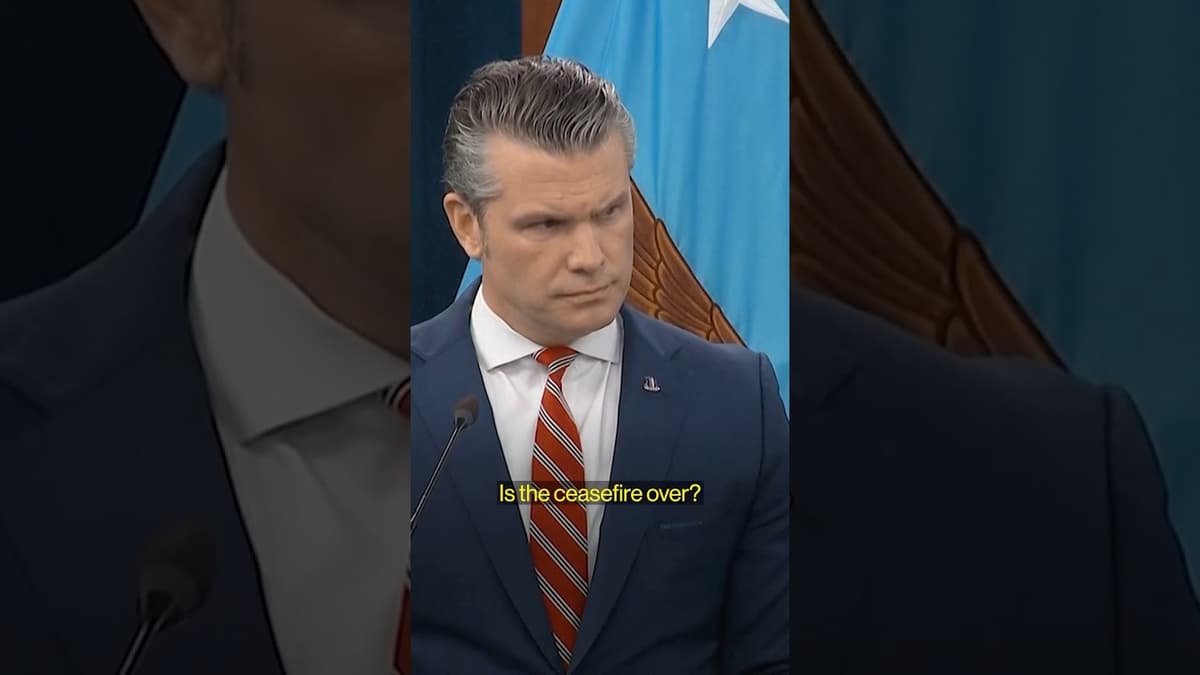
US Says Iran Ceasefire Still in Place After Clashes Over Hormuz
U.S. officials reiterated that the cease‑fire governing naval operations in the Strait of Hormuz remains intact despite recent skirmishes involving Iranian forces. The statement came after a series of confrontations that threatened to disrupt the flow of commercial vessels through...

Virtuix Lands U.S. Marine Corps VR Training Project with Multi-User Treadmill System
Virtuix announced it will lead a U.S. Marine Corps training project that pairs its Omni omnidirectional treadmill with virtual‑reality scenarios to rehearse infantry missions. The system lets a four‑person fire team walk, run and interact in a 360‑degree virtual battlefield,...

Will China Beat the U.S. to the Moon?
The video examines the emerging 21st‑century space race as the United States and China vie to re‑establish a human presence on the Moon. Artemis 2’s successful crewed flyby marks the first step in NASA’s Artemis program, which now targets a lunar...

Atin Ito: China’s Sandy Cay Landing a ‘Copycat,’ Trash Claim False | INQToday
The video highlights Global Times publishing photos of China Coast Guard officers hoisting the Chinese flag on Sandy Cay, a tiny reef claimed by the Philippines, and alleging they captured footage of illegal Filipino activity. Akbayan coalition leader Rafaela David denounced...

Japanese Weapons Are Open for Export || Peter Zeihan
Peter Zeihan reports that Japan has revised its legal framework, allowing the country to export weapons for the first time since World War II. The move follows a gradual rise in defense spending—from roughly 1% of GDP a decade ago to...
![[FULL] 18:00 ARIRANG NEWS (2026-05-05)](/cdn-cgi/image/width=1200,quality=75,format=auto,fit=cover/https://i.ytimg.com/vi/aYQE5oBgMiY/maxresdefault.jpg)
[FULL] 18:00 ARIRANG NEWS (2026-05-05)
South Korea responded swiftly after an explosion ripped through the Korean‑flagged bulk carrier Namu in the Strait of Hormuz, dispatching maritime, forensic and safety experts to the Middle East for an on‑site investigation. The vessel, anchored near the United Arab Emirates...