
Blog•Mar 10, 2026
Mitigating the Damage: My Strategy for Intake on the CDT (TRAILS Series, Part 4)
The author outlines a detailed intake strategy for the 2026 Continental Divide Trail, emphasizing the need to sustain 5,000‑7,000 daily calories over five months. He explains how chronic calorie deficits trigger muscle catabolism, immune suppression, and injury risk. Because remote trail towns act as food deserts, he balances ultra‑light, high‑fat calories on the trail with periodic “re‑feeding” stops using mailed boxes of fresh protein and produce. Water sanitation is highlighted as an equally critical survival factor in arid sections.
By The Trek (independent publication)

Blog•Mar 5, 2026
Still Not Losing Ground
Ross Enamait reflects on a decade‑long fitness philosophy that prioritizes preserving existing strength rather than chasing new records. He emphasizes a daily mindset of “not losing ground,” using consistent movement to blunt age‑related decline. The post argues that ego‑free training...
By RossTraining
Blog•Mar 5, 2026
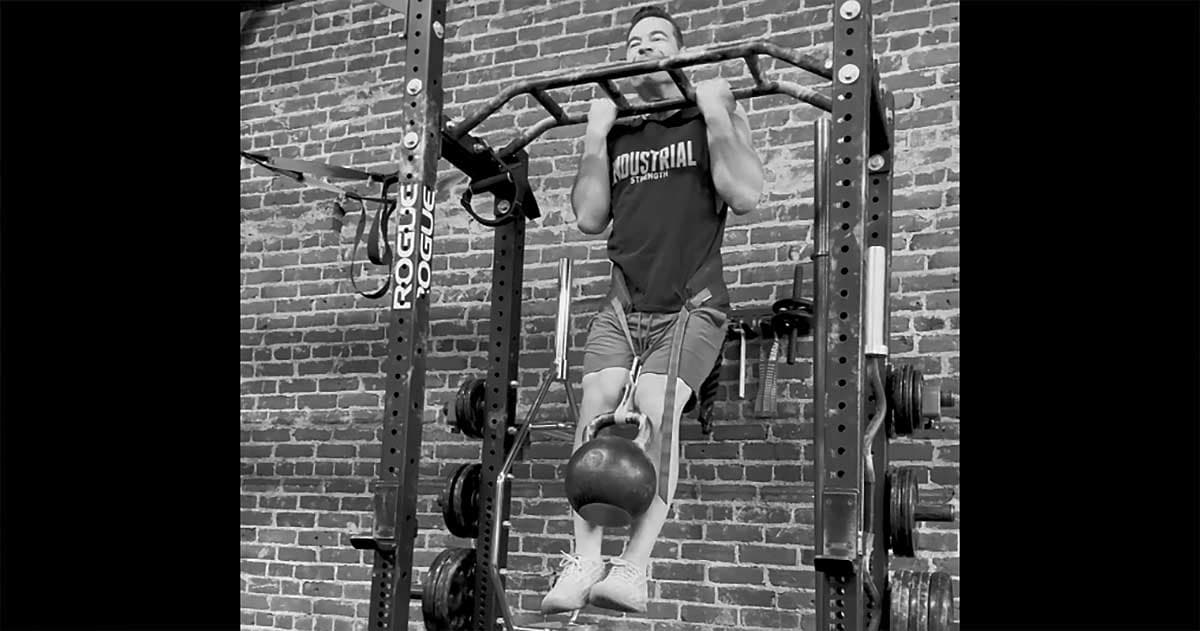
Rebuilding to a Chin-Up with “The Beast”
Tony Gracia, a StrongFirst senior instructor, suffered a mysterious right‑arm weakness that sidelined his weighted chin‑up routine. After extensive medical testing, he focused on neck‑related rehab, paused all high‑intensity lifts for three months, and then employed a step‑loading protocol to...
By StrongFirst Blog

Blog•Mar 5, 2026
Should Adults Lift for Less than 5 Reps Per Set?
In episode 382 of #AskMikeReinold, the panel debates Mike Boyle’s claim that adult clients should not perform sets with fewer than five repetitions. Coaches Diwesh Poudyal, Dave Tilley, Dan Pope, and Kevin Coughlin largely agree that low‑rep, maximal loading is unnecessary...
By Mike Reinold

Blog•Mar 3, 2026
Why Weight Training With Full ROM Is NOT Enough for Mobility
Weight training performed through a full range of motion does not automatically provide comprehensive mobility. While heavy squats and deadlifts can improve certain joint angles, they often fall short on deep hip flexion, ankle dorsiflexion, and thoracic extension. Targeted mobility...
By The Bioneer
Blog•Mar 1, 2026
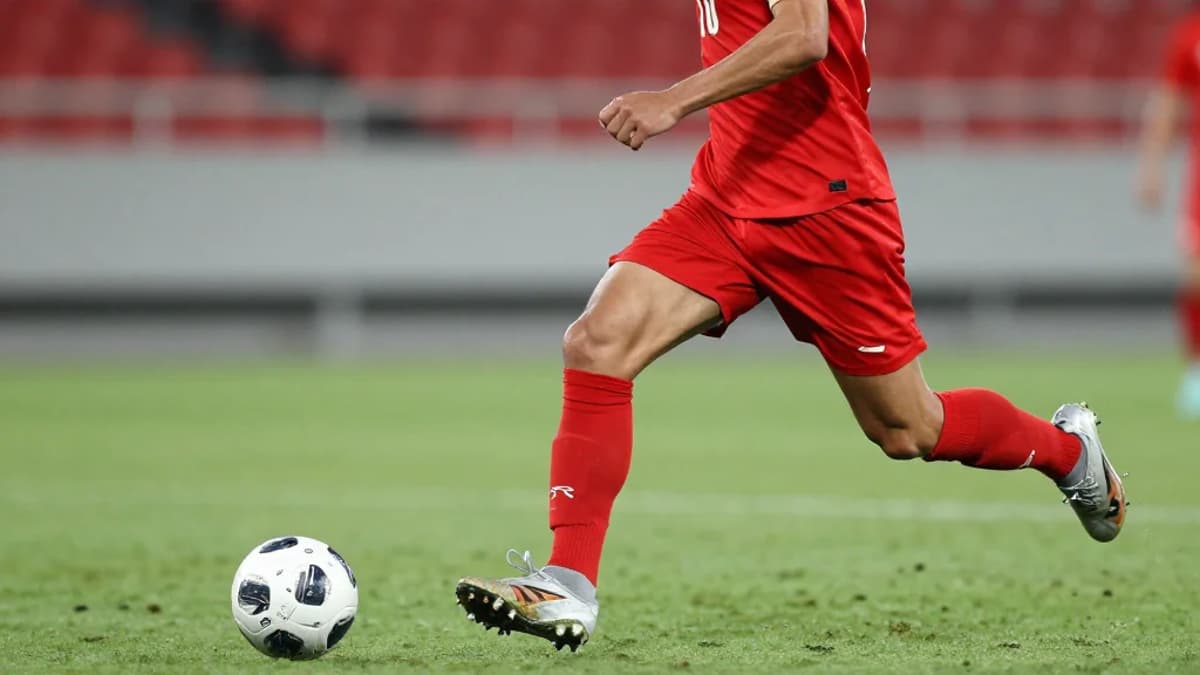
Endurance Training In Football
Endurance in modern football is a hybrid of aerobic and anaerobic capacities, enabling players to sustain intermittent high‑intensity actions across 90 minutes. The sport relies on three energy systems—oxidative, alactic, and lactic—with aerobic metabolism supplying 70‑80 % of total energy while...
By Complementary Training

Blog•Feb 27, 2026
Why 80/20 Training Reduces the Risk of Injuries
The 80/20 training model prescribes 80 % low‑intensity and 20 % moderate‑to‑high intensity work, a formula that not only drives personal bests but also cuts injury risk for endurance athletes. By eliminating the “moderate‑intensity rut” (Zone X), the approach reduces chronic nervous‑system fatigue....
By 80/20 Endurance Blog

Blog•Feb 25, 2026
Scams, Safety, and “Sure-Things” In the Endurance Supplements World
Endurance athletes face a supplement landscape riddled with hype, hidden ingredients, and contamination risks that can jeopardize health and lead to doping violations. The article outlines a practical framework that first reduces risk through third‑party testing and simple product choices,...
By 80/20 Endurance Blog

Blog•Feb 20, 2026
Bridging AI and Sports Science: How Model Context Protocols (MCPs) and Retrieval-Augmented Generation (RAG ) Systems Can Personalize Training
Model Context Protocols (MCPs) provide a standardized bridge that lets large language models pull live athlete data from platforms like AthleteSR, Strava, or Garmin. Retrieval‑Augmented Generation (RAG) layers sport‑science knowledge from textbooks and research into the model’s output, reducing hallucinations....
By Complementary Training