Healthcare Pulse Daily Digest
Healthcare Pulse Daily Digest
Healthcare Pulse
EMAIL DIGESTS
Daily
Every morning
Weekly
Tuesday recap
EMAIL DIGESTS
Daily
Every morning
Weekly
Tuesday recap
Tuesday, April 7, 2026
Market Intelligence for Healthcare Professionals

CMS lifts Medicare Advantage payments 2.48% for 2027, adding $13 billion to insurers
The Trump administration approved a 2.48% increase in Medicare Advantage reimbursement rates for 2027, injecting roughly $13 billion into insurer payments. The hike far exceeds the 0.09% increase initially proposed and sparked sharp after‑hours gains for UnitedHealth Group, CVS Health and Humana. The move signals a policy shift toward bolstering private Medicare Advantage plans.
Also developing:
By the numbers: Neurocrine Biosciences acquires Soleno Therapeutics for $2.9B
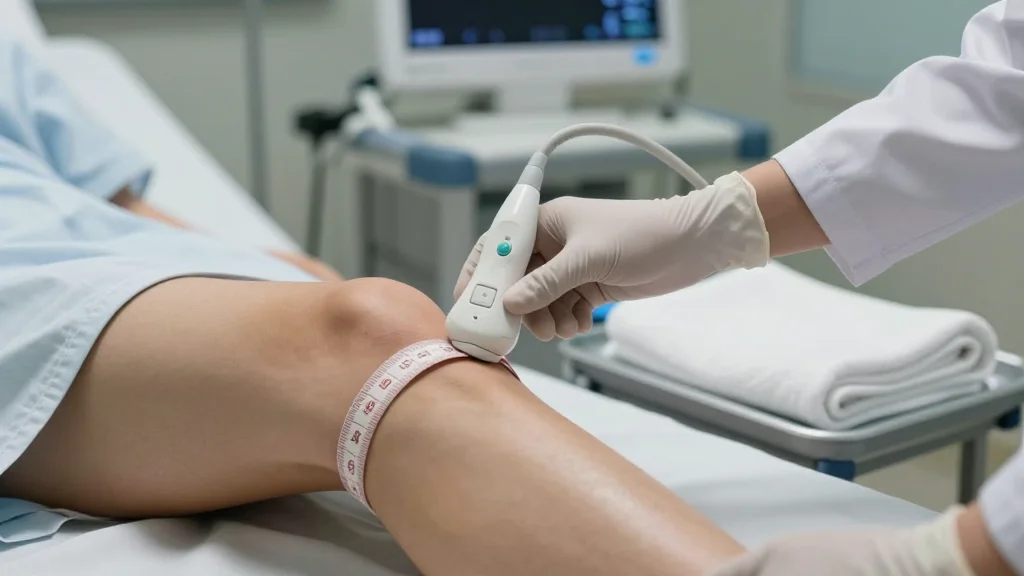
BackgroundSkeletal muscle mass is a key indicator of physiological reserve in critical illness.ObjectiveThis study aimed to evaluate whether quadriceps mass assessed by bedside methods predicts 28-day mortality in critically ill patients.MethodsIn this prospective study of 603 critically ill adults, we measured quadriceps thickness by ultrasonography under minimal transducer pressure (QT-min) and maximal transducer pressure (QT-max), quadriceps circumference (QC), and mid-upper arm circumference (MUAC) at admission. Cox regression was used to analyze the association between quadriceps thickness and 28-day mortality. Interaction and subgroup analyses were conducted for age, sex, BMI, mechanical ventilation, number of organ supports and vasopressor use.ResultsThe 28-day mortality rate was 21.06% (127/603). After adjustment in Model 3, QC (HR 0.95 per 1-cm increase, 95% CI 0.91–1.00), QT-min (HR 0.63 per 1-cm increase, 95% CI 0.42–0.92), and QT-max (HR 0.42 per 1-cm increase, 95% CI 0.20–0.85) remained independent protective factors for mortality, while MUAC do not. Significant interactions were found for QT-min with vasopressor use and organ support (q < 0.05), with protective effects observed only in patients without these conditions.ConclusionBedside quadriceps mass assessment independently predicts 28-day mortality in critically ill patients, supporting its use for early risk stratification. In patients requiring vasopressors or organ support, the prognostic value of QT-min was attenuated, suggesting it may be susceptible to illness severity. However, given the small size of these subgroups, this finding warrants a cautious interpretation.
Frontiers in Nutrition

What to do with an astonishing finding? Once in a long while, a paper appears in the NEJM where the methodology appears rock-solid, but the results are so far from expectations that one is left not knowing what to think. In this case it’s a Canadian/Australian study involving 1,228 subjects on hemodialysis who were randomized […] The post An opinionated take on NEJM highlights for Q1 of 2026 appeared first on Recon Strategy.
Recon Strategy – Insights Blog

Dayton, Ohio-based Premier Health is scaling two clinical decision-support tools. UpToDate Expert AI combines evidence-based clinical information with advanced AI and is the only AI clinical reference tool approved by the five-hospital system’s AI governance committee, according to an April 3 news release. Following a pilot, Premier Health expanded the tool to all its providers […] The post Premier Health launches 2 clinical decision-support tools appeared first on Becker's Hospital Review | Healthcare News & Analysis.
Becker’s Hospital Review

The Centers for Medicare and Medicaid Services (CMS) recently opened applications for the Long-Term Enhanced ACO Design model (LEAD) and posted more guidance for prospective participants. The highly anticipated model replaces ACO REACH, which will be discontinued at the end of this year. While LEAD offers promising opportunities and improvements, it’s highly complex and demands […] The post Clock Is Ticking: CMS LEAD Applications Due May 17 for Nursing Homes, but Complexity Demands Careful Review appeared first on Skilled Nursing News.
Skilled Nursing News
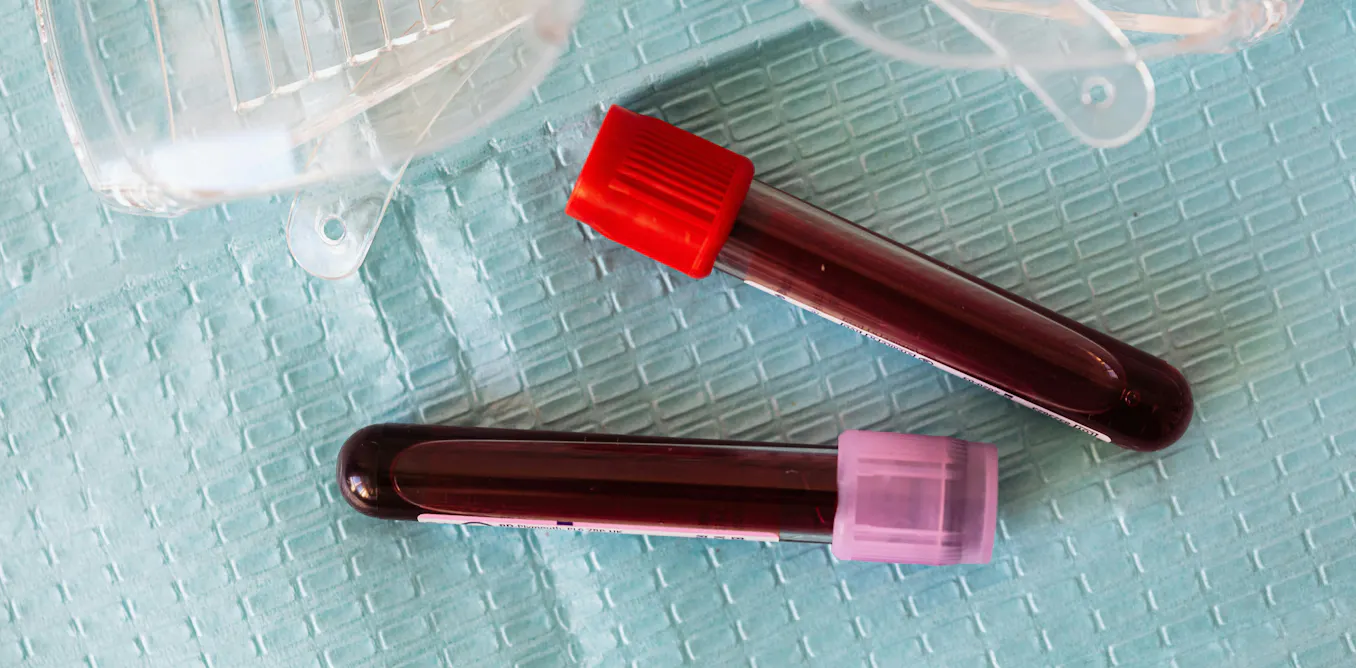
CAR-T therapies harvest the patient's own cells, modify them outside the body for treatment and then reinject them into the patient. (Pexels/Karola G) Cancers that were once considered incurable now have new treatment options. Among these innovations are CAR-T (chimeric antigen receptor T cell) therapies that modify a patient’s T cells, which play an important role in immune systems. The T cells are modified to induce the expression of a receptor that is capable of recognizing and attacking cancer cells. These therapies have provided therapeutic responses in previously untreatable forms of leukemias and lymphomas. However, they’re associated with significant accessibility challenges in Canada due to their high cost and complexity. To address these issues, Canadian academic researchers and public institutions are developing non-commercial CAR-T therapies that promise to improve accessibility by reducing costs while keeping comparable clinical outcomes. As a PhD candidate at Université Laval in collaboration with the National Research Council, my research focus is cell engineering to produce lentiviral vectors needed in CAR-T therapies. I’m interested in making CAR T-cell therapy more broadly available. CAR-T cell therapy process These personalized treatments are called ex vivo autologous therapies. They use the patient’s own cells, which are harvested from blood, modified outside the body and then re-injected into the patient. To perform CAR-T cell therapy, T lymphocytes are collected from patient’s blood and then exposed to viruses carrying the CAR gene, which insert it into the cells. The modified cells expressing the specific receptors are expanded and reintroduced into the patient’s body, allowing them to recognize and kill cancer cells. National Cancer Institute, CC BY The process follows several key steps. First, apheresis is performed to filter the patient’s blood and collect only T lymphocytes. Once isolated, the T lymphocytes are exposed to a modified virus carrying the CAR gene, programming them to express the CAR receptor and target cancer cells. Once modified, cells are cultured until sufficient quantities are produced. After expansion in culture, the T lymphocytes are reinfused into the patient’s body, creating a personalized therapy. Various types of CARs can be expressed on the surface of T lymphocytes to target different types of cancer cells. For example, antiCD-19 CARs and antiCD-22 CARs are used to treat leukemia and lymphoma while anti-BCMA CARs are used for myeloma. A complex and costly centralized model Currently, six CAR-T therapies are available in Canada. These treatments are made by pharmaceutical companies at few sites where all the stages of production occur for several regions or countries. In this centralized model, cells collected from patients are sent to these companies, modified there and then distributed to the point-of-care location for reinjection into the patient. This process takes four to six weeks between cell collection and reinfusion. This delay can be critical depending on the patient’s condition, and often necessitates a temporary therapy, called bridging therapy, to stabilize the progression of the disease. This prolonged turnaround time is attributed to the multiple preparation steps and the logistical complexity of centralized manufacturing. These treatments cost between $440,000 and $630,000, which represents a high cost for public institutions and a big impact on provincial budgets. This pricing limits patient access to these treatments depending on the province of residence. For example, Kimriah an antiCD-19 CAR therapy is only reimbursed in Alberta, Ontario and Québec. Furthermore, these therapies are only offered in large hospitals due to the expertise and infrastructure required. These geographic barriers prevent patients in remote areas from receiving the same care, resulting in unequal treatment for the same disease. Non-commercial academic production Academic therapies are those developed by public institutions such as research institutes, universities and hospitals. In Canada, three academically developed CAR-T therapies are currently undergoing clinical trials targeting forms of lymphoma and leukemia. Two of these trials target the CD19 antigen (ACIT001/EXC002 and CLIC-1901), while one targets CD22 antigen (CLIC-2201). Because these therapies are in the clinical trials phase, they aren’t yet commercially available, but data is being collected. The CLIC-1901 therapeutic treatment is unique in that it involves collaboration among different Canadian stakeholders: viral vector components are manufactured in Vancouver at BC Cancer, viral vectors are then produced in Ottawa at the Ottawa Hospital Research Institute and the patient’s cells are engineered into CAR-T cells back in Vancouver at BC Cancer. Finally, treatment re-injections are performed at the same clinical sites, either Vancouver General Hospital or The Ottawa Hospital, where they were originally collected. The ACIT001/EXC002 treatment relies on two production sites in Alberta to supply four centres spread across the province. Ultimately, the CLIC clinical trials aim to validate the efficacy of a CAR-T cell treatment made in Canada, paving the way for broader access to other sites and provinces across the country. Benefits for the health system These academic therapies present several advantages for the Canadian health-care system. Unlike centralized commercial therapies, this approach benefits from in-house production, avoiding the shipment of patient cells to distant manufacturing facilities and reducing turnaround time between collection and reinfusion. The median vein-to-vein time is only 15 days for CLIC1901 and ACIT001/EXC002. This rapid production notably eliminates the need for bridging therapy. Although the cost of CLIC-1901 has not yet been determined, researchers expect it to be significantly lower than commercial alternatives currently available. For ACIT001/EXC002, the announced cost is less than $100,000. By comparison, academic production of CAR-T therapy at Hospital Clínic in Barcelona, Spain has reduced costs to approximately €89,000 (equivalent of $145,000). For CLIC-2201, no cost estimate is currently available These academic CAR-T therapies align with the accessibility principles outlined in Section 3 of the Canada Health Act, guaranteeing all Canadians access to health services, without financial or other barriers. With these three clinical trials, patients from three provinces already benefit from this treatments. The goal for the CLIC therapies is also to extend the distribution to six provinces: British Columbia, Ontario, Manitoba, Saskatchewan, New Brunswick and Alberta. This decentralized model helps reduce access inequalities both geographically, through the presence of these treatments across more provinces, and economically through their reduced cost. Finally, these academic therapies demonstrate promising efficacy. Until now, CLIC-1901 shows clinical results that are equivalent, or even superior, to certain commercial treatments. Preliminary results suggest that CLIC-1901 may have a lower toxicity rate than commercial products. However, conclusions are limited by the sample size on this point. For ACIT001/EXC002, the results for safety and efficacy are comparable to those currently available on the market, while results for CLIC-2201 are still awaited. The success of these various clinical phases paves the way for advanced stages and the widespread development of academic CAR-T therapies in Canada. Nolan Maugourd works for National Research Council Canada.
The Conversation – Fashion (global)
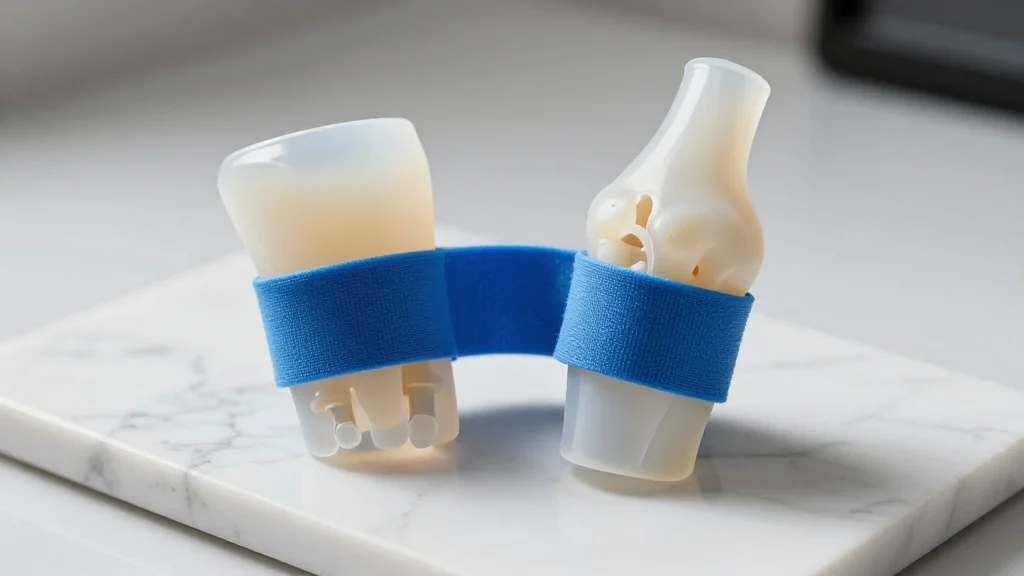
Fake surgery is just as good as actual surgery. For these conditions. Degenerative Rotator Cuff Tear Degenerative Meniscal Tears Subacromial Decompression for Shoulder Pain Whenever surgery is recommended make sure to FIRST ask what happens if you load it instead.
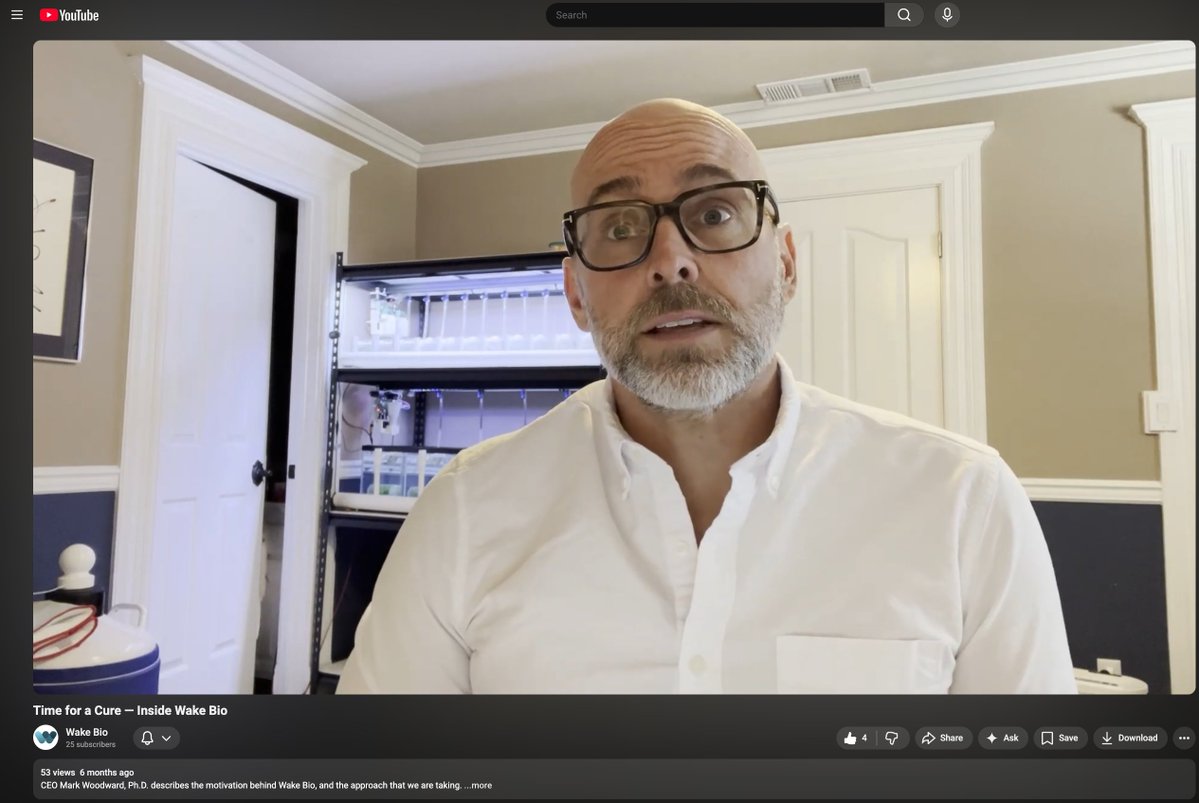
Meet Dr. Mark Woodward, undergrad and grad from Stanford, PhD from Harvard, Many years at Google as part of Google brain. One day he realizes that we need the enabling technology to pause biological time for patients that are about to lose their life and do not have a cure. He goes on a fundraising tour to raise for the cryo AI company to develop a high-throughput system to identify the optimal conditions for freezing and rewarming with acceptable level of damage. Since he did not drop out of school and was very honest about the risks, he could not raise $100 mil for his new company and had to fund it himself with just a few friends. I was very happy to help a little. We decided to bootstrap and develop the high-performance system himself with the help of frontier AI (@GeminiApp , @ChatGPTapp , @claudeai , and @grok - let's see which one is better and more helpful; plus his own massive automation codebase), 3D-printing and intelligent bootstrapping. During the LLM boom, he could have easily join @sama or @elonmusk to work on their projects but like @steipete , he went all in doing what he loves and what he believes is right. He also recorded quite a bit of his work and put it on Youtube. Now, he is almost done with a device that will perform cryobiology experiments at Massive Scale. Within the first week after his robotic launch date, he will conduct more experiments than have been conducted in the 80 year history of cryobiology. He did not go to the media, create fancy websites or even a good page on X. Instead, he decided to singlehandedly do what billions spent on cryoresearch over the past two decades could not - create the largest dataset of freezing and rewarming conditions and environments in the world guided by AI and implemented with automation. Can this be the first billion-dollar one-person genAI company as predicted by @sama and @DarioAmodei ? Maybe. At least, it is very difficult to replicate without significant investment into infrastructure required to gain this experience. IMHO, biostasis will be bigger than genAI.


