
Keeping Tabs on Hantavirus; MA Auto-Enrollment; Mel Gibson's Ivermectin Influence
The MedPod Today episode covered three distinct health‑policy stories: a hantavirus outbreak linked to a small cruise ship, a proposal by the Centers for Medicare & Medicaid Services (CMS) to automatically enroll new beneficiaries into Medicare Advantage or accountable‑care organizations (ACOs), and a new study measuring the influence of Mel Gibson’s comments on ivermectin‑benzimidazole prescriptions. Public‑health officials identified 34 U.S. individuals connected to the cruise – seven who disembarked early, nine who traveled on a flight from St. Helena, and 18 repatriated passengers – now under quarantine or active monitoring, with most housed at the University of Nebraska Medical Center. Meanwhile, CMS is weighing auto‑enrollment to steer beneficiaries toward private‑managed plans, a move critics argue could raise costs; MedPAC reported $76 billion extra spending on Medicare Advantage in 2025 compared with traditional fee‑for‑service. The ivermectin study, published in JAMA Network Open, showed prescription rates for the unproven combination doubled in 2025 versus 2024, spiking 2.5‑fold among cancer patients, predominantly white men under 65 in the South. Researchers cited a comment from a UNMC doctor preferring facility quarantine for better survival odds, and quoted health‑policy analyst Tom Campanella warning that “denying needed and appropriate services” would be detrimental. These stories underscore the challenges of rapid disease containment, the political and fiscal stakes of Medicare reform, and the tangible impact of celebrity‑driven misinformation on prescription behavior, prompting calls for stronger surveillance, transparent enrollment safeguards, and public‑education campaigns.
Strength Training 90-Year Olds
The video highlights a small clinical trial that put ten frail, institutionalized volunteers with an average age of 90 through an eight‑week, high‑intensity progressive resistance training program. Results were striking: average strength rose 174%, and mid‑thigh muscle cross‑section increased about 9%....
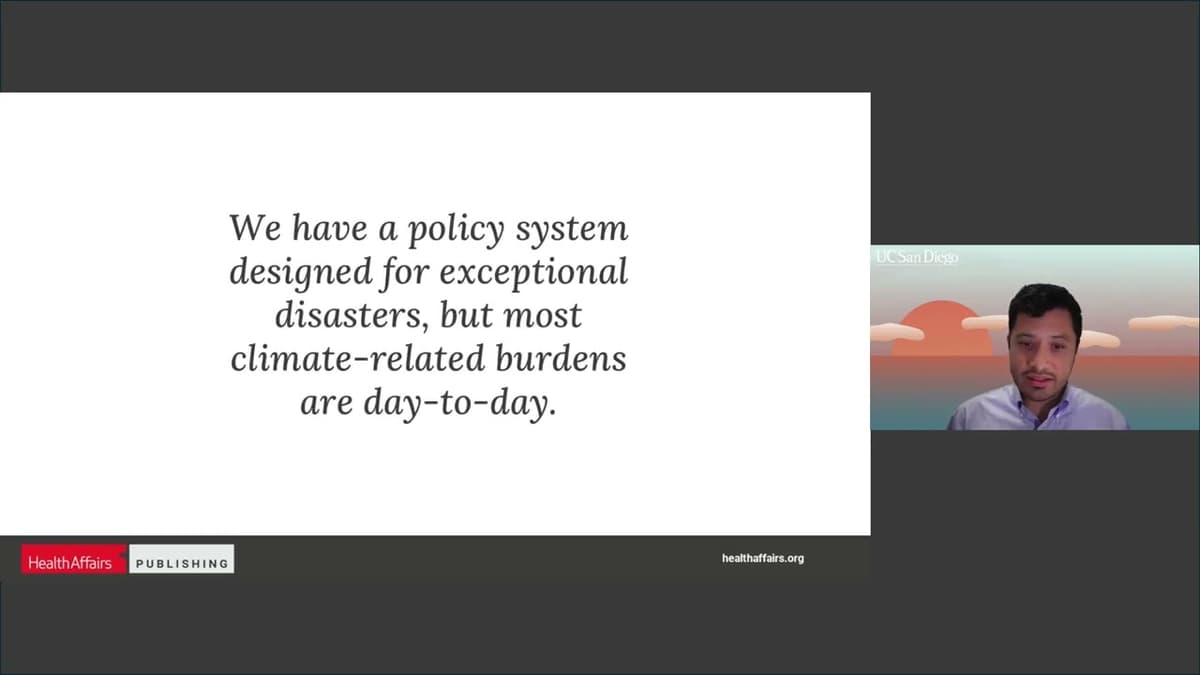
Theme Issue Briefing: Climate, Health, and Equity
The Health Affairs briefing launched a new theme issue on climate, health, and equity, highlighting how the U.S. health system both contributes to and suffers from climate change. Speakers outlined a three‑tiered policy framework—macro (payment reform, national decarbonization standards), meso...
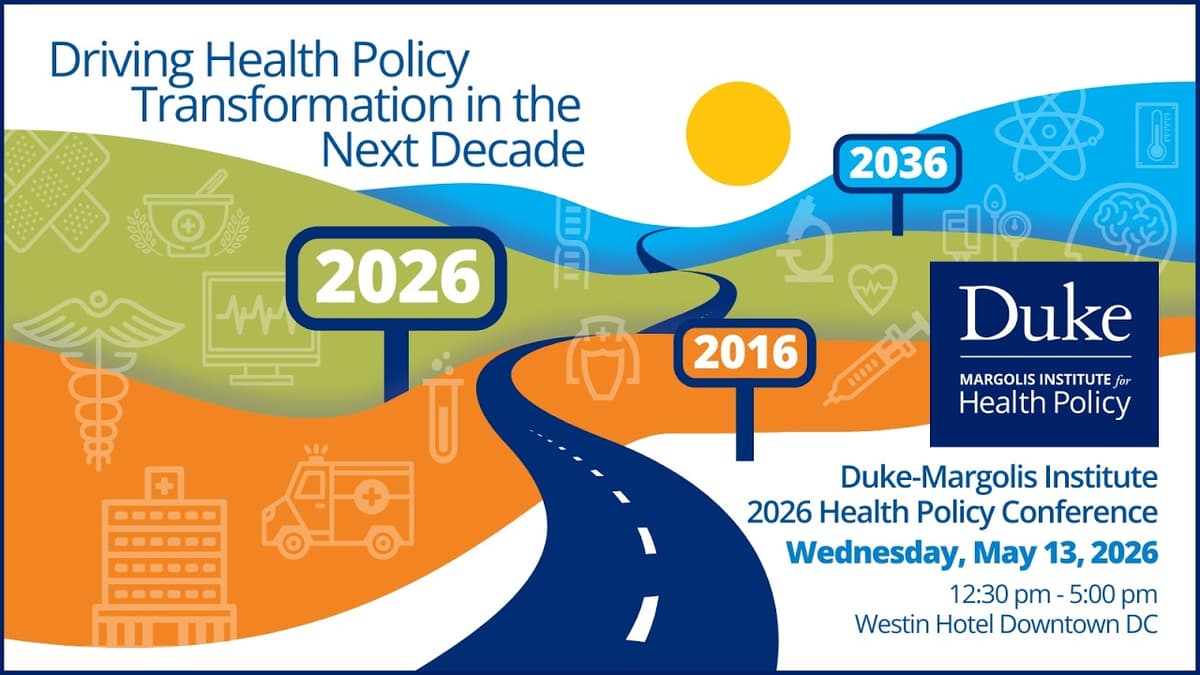
2026 Health Policy Conference: Driving Health Policy Transformation in the Next Decade
The 10th‑anniversary Duke Health Policy Institute conference set the stage for a decade‑long health‑policy agenda, spotlighting a bipartisan legislative push to overhaul the United States’ clinical‑trial framework. Organizers framed the effort as a response to “Room’s Law”—the declining productivity of...
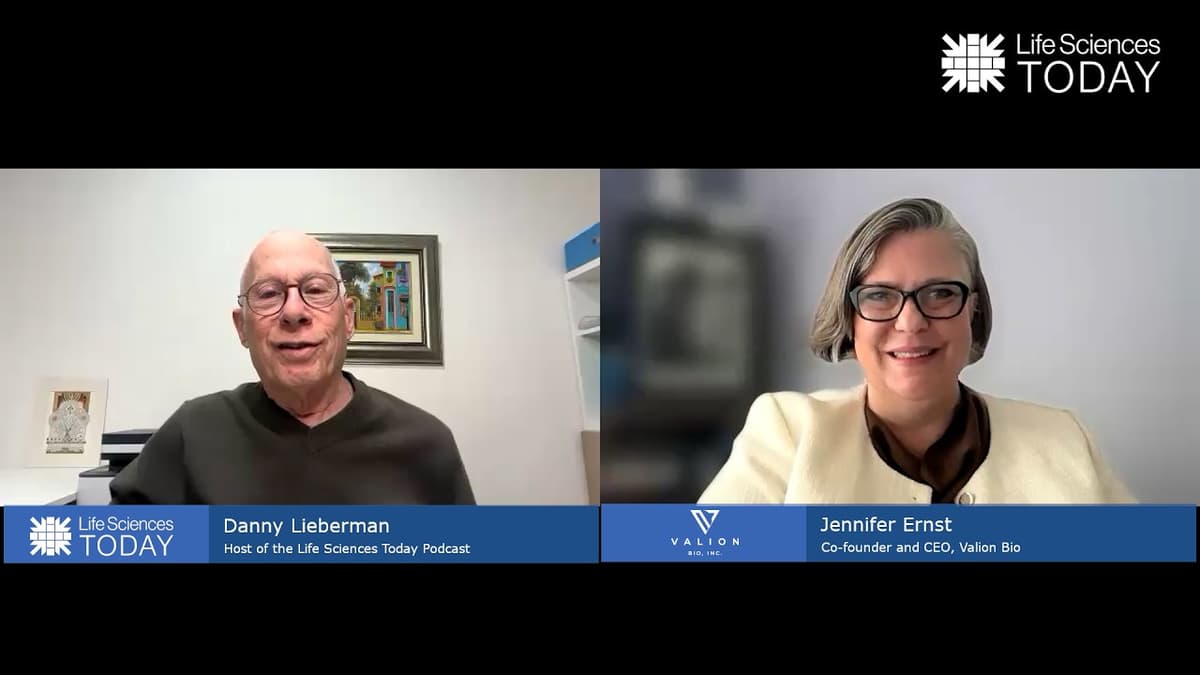
Building Companies at the Edge of Science and Market - Life Sciences Today Podcast Episode 61
The Life Sciences Today podcast features Jennifer Ernst, a rare hybrid who has moved from high‑tech device work at Xerox PARC to bio‑electronic medicine. Her career is defined by matching breakthrough science with clear market opportunities, from printed‑electronics roll‑to‑roll manufacturing...

Struggled in School? Why Early ADHD Diagnosis Matters (New Study)
A Finnish longitudinal study tracked children born in the 1990s through age 20 to examine how the age at which ADHD is diagnosed influences school performance, dropout rates, and college enrollment. The researchers found that children diagnosed earlier—particularly in elementary school—tended...
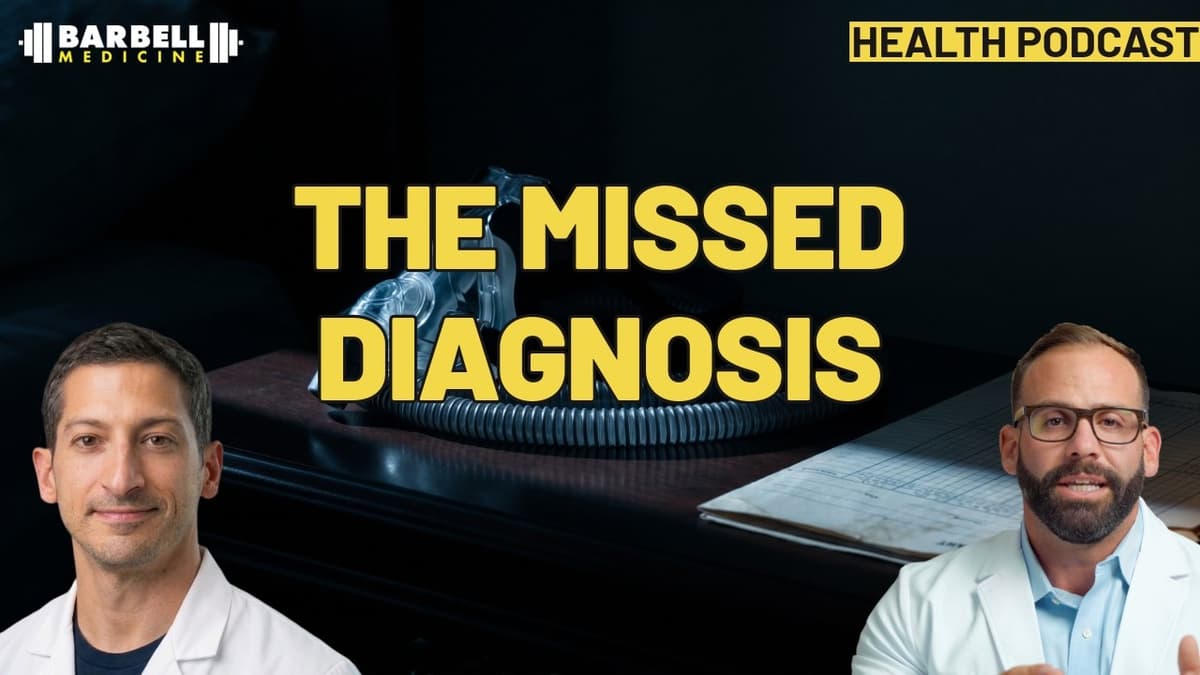
Can Sleep Apnea Cause Low Testosterone? What Most Wellness Clinics Miss
The episode examines how inadequate sleep—both reduced duration and fragmented quality—directly lowers testosterone, and why many wellness clinics overlook this critical factor. It highlights landmark research showing a 15% testosterone drop after just one week of five‑hour sleep, with even...
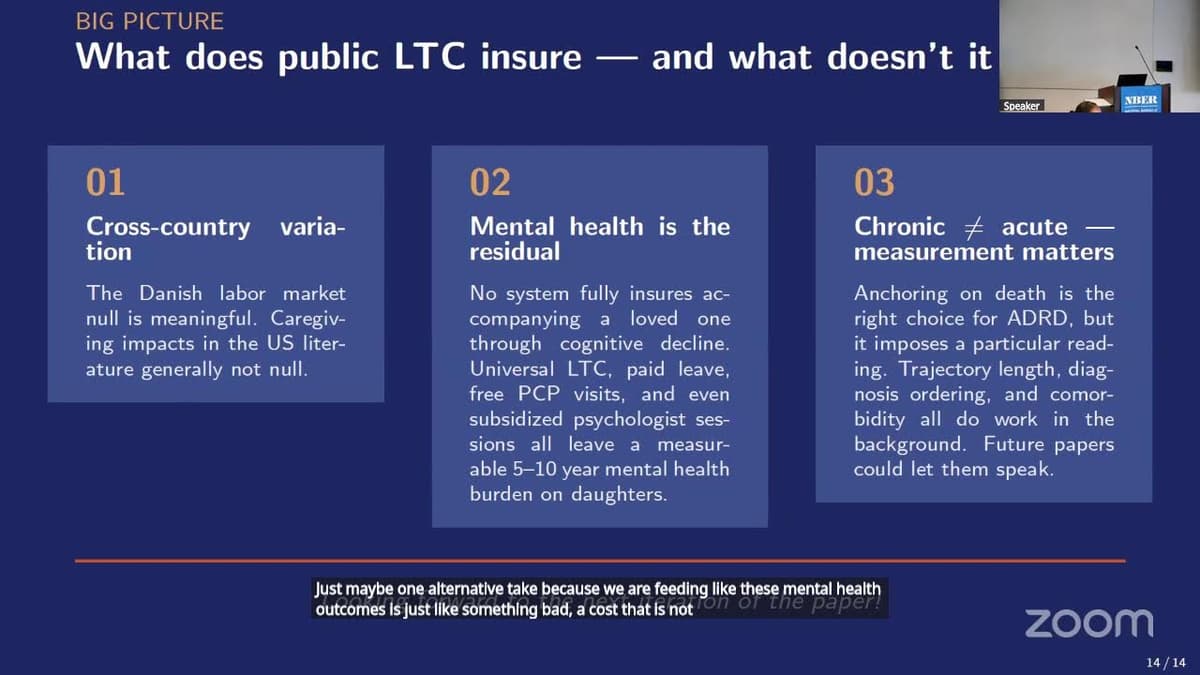
Health and Healthcare Variations Across the Population
The video is a conference presentation titled “Health and Healthcare Variations Across the Population,” focusing on sugar consumption across life stages, especially early childhood, and its long‑term health and economic consequences. Presenter Paul Gertler outlines data showing U.S. adults consume ~71 g...

TheraCryf CEO on Why Latest Toxicology Results Represent a Major Milestone
The CEO of Theracryf announced that the company has reached a pivotal pre‑clinical milestone, completing a high‑dose toxicology study in rodents and preparing a parallel study in mini‑pigs. This marks the final set of safety assessments required before filing an...

Streamlining Healthcare Data Retention and Integration
The CIO Talk Radio episode focuses on the growing challenge of health‑care data retention and integration, featuring Elizabeth King, CIO of White Plains Hospital. She outlines how hospitals aim for a 360‑degree patient view but confront a patchwork of legacy...

Inhaler Emissions and the Path to Climate Conscious Medicine | MGR | 6 May 2026
The presentation highlighted the growing climate crisis and its direct implications for the U.S. health‑care sector, noting that 2024 was the warmest year on record and that emissions must peak before 2025 to stay within the Paris Agreement’s 1.5 °C target....

Jumping Genes: How Mobile DNA Is Reshaping Pathogens and Therapies | MGR | 29 April 2026
The talk centered on mobile genetic elements—commonly called jumping genes—and their role in reshaping bacterial pathogens within the human gut, especially in hematopoietic cell‑transplant patients. By sequencing stool and blood isolates, the speaker showed that roughly 40% of bloodstream infections...

NGO Expert Series | Ep1: Caregiver Challenges & Support
The first episode of the NGO Expert Series spotlights the often‑overlooked challenges faced by informal caregivers, especially in Asian communities where caring for aging relatives is seen as a private family duty. The speaker emphasizes that caregivers juggle financial strain,...

Why Isn't Alcohol Seen as a U.S. Health Emergency?
The video examines why alcohol, despite killing roughly 500 Americans each day, is not treated as a U.S. public‑health emergency. STAT journalists Isabella Cueto and Lev Facher discuss findings from their investigative series “The Deadliest Drug,” which frames alcohol as...

The Women's Health Initiative Wasn't a Bad Study. The Headlines Were. | Dr. Heather Hirsch
In this interview, Dr. Heather Hirsch argues that the Women’s Health Initiative (WHI) was a rigorously designed, double‑blind, placebo‑controlled trial, and that the negative headlines that followed its 2002 release have unfairly tarnished menopausal hormone therapy (HRT). She emphasizes that...
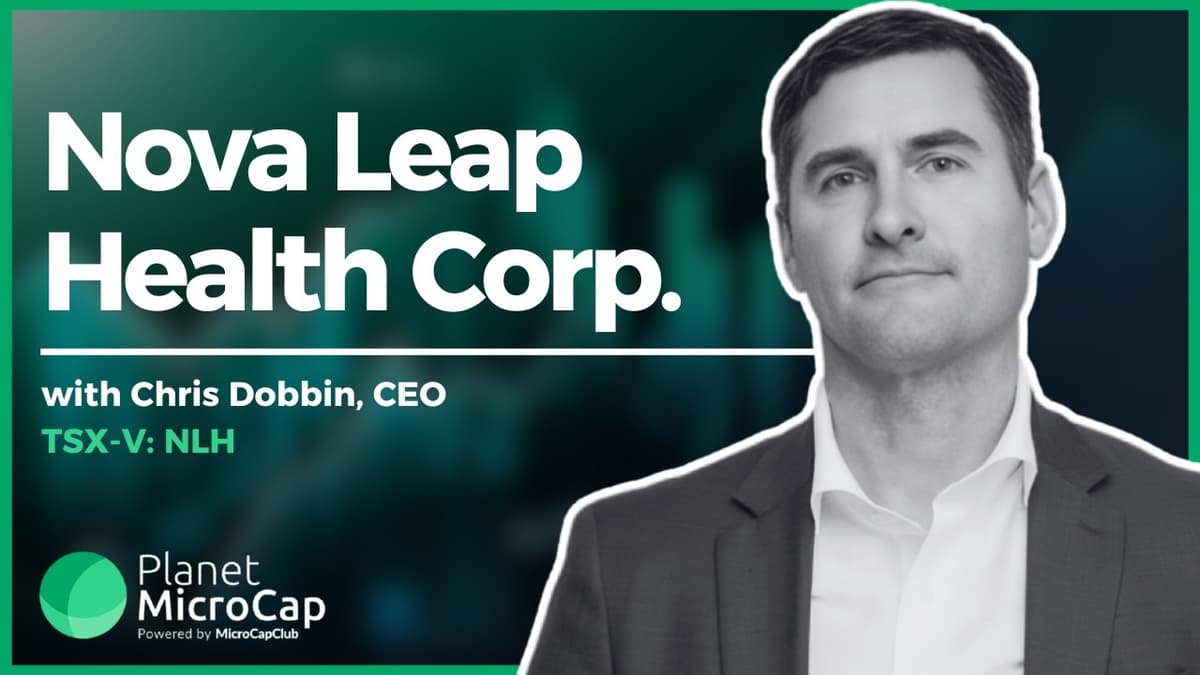
Nova Leap Health (TSX-V: NLH) on Senior Home Care Expansion and 2026 Growth Catalysts
Nova Leap Health (TSX‑V: NLH) CEO Chris Dobin outlined the company’s senior home‑care expansion and 2026 growth catalysts on the Planet Micro Cap podcast. He highlighted the firm’s recent record‑setting 2025 results, driven largely by an aggressive acquisition program, and...
Abortion Access In The High Court, Again | Katie Keith
The podcast focuses on a fresh legal battle over the FDA’s 2023 decision to allow mifepristone – the drug used for medication abortions – to be prescribed via telehealth and dispensed at pharmacies. Louisiana’s attorney general, joined by a private...
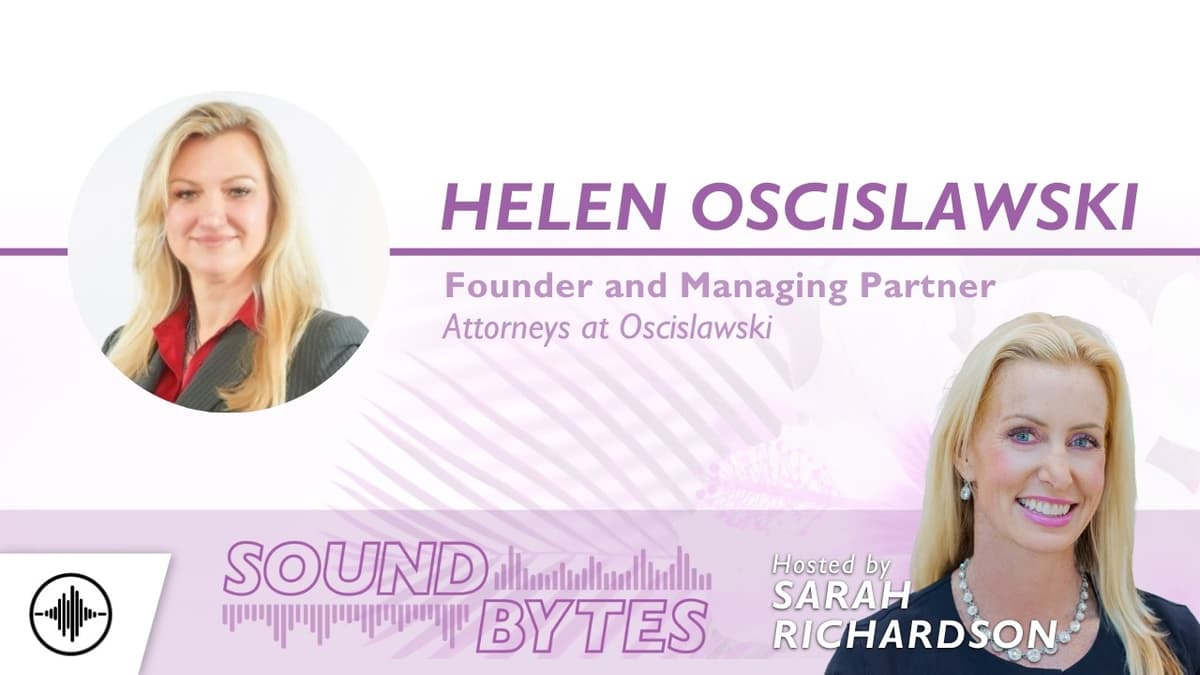
Attorney Insights on Elite Data Protection | Flourish Re-Release with Helen Oscislawski
The episode revisits the core tension in today’s healthcare transformation—trust. Host Sarah Richardson interviews nationally‑recognized attorney Helen Oshilovski to unpack the "privacy paradox": clinicians and innovators demand instant, frictionless data exchange while patients and regulators insist on iron‑clad safeguards. Oshilovski highlights...
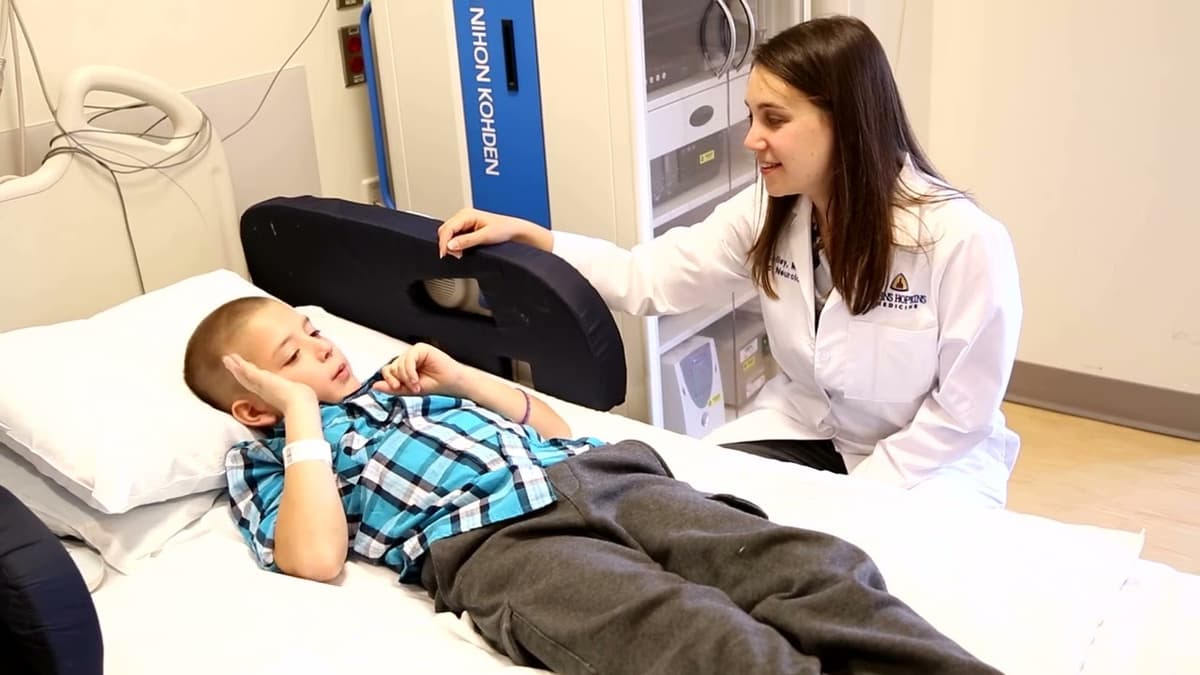
Epilepsy Monitoring Unit (EMU) Patient Information | Johns Hopkins Adult and Pediatric EMUs
Johns Hopkins’ adult and pediatric Epilepsy Monitoring Units (EMUs) are introduced by directors Dr. June Key and Dr. Sarah Kelly, outlining the purpose, layout, and patient experience. The adult EMU occupies the 12th‑floor east wing of the Johns Hopkins Hospital,...
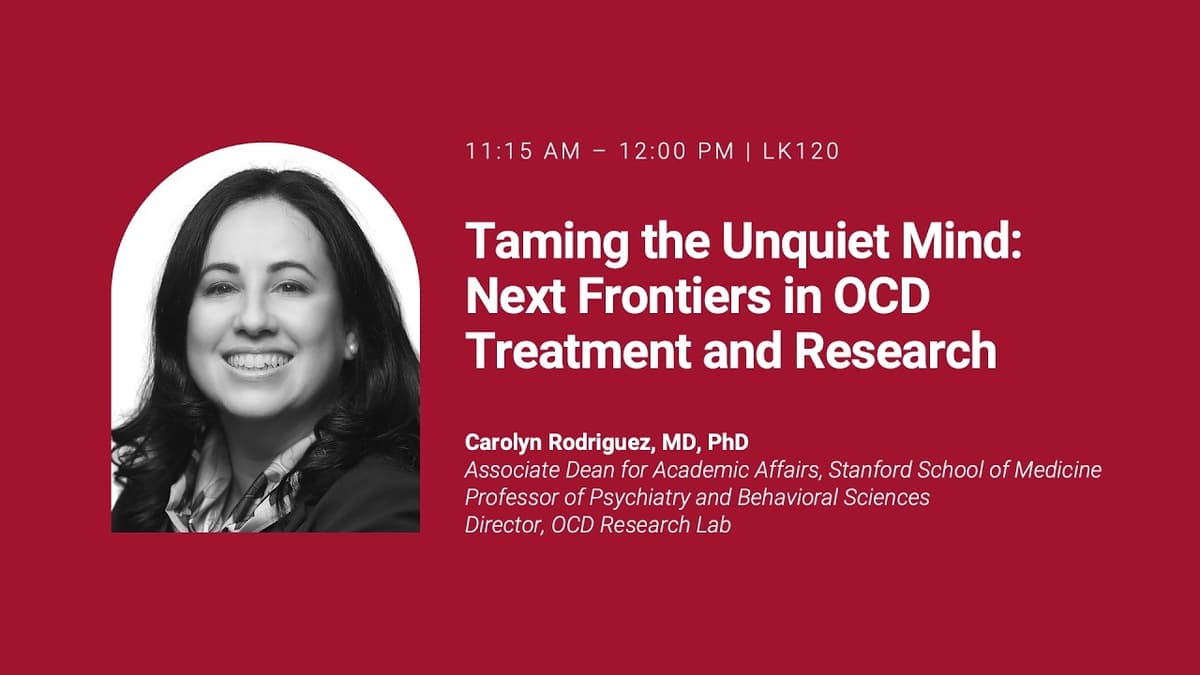
Carolyn Rodriguez, MD, PhD | Taming the Unquiet Mind: Next Frontiers in OCD Treatment and Research
In a Stanford‑hosted talk, associate dean Carolyn Rodriguez outlined the next frontiers in obsessive‑compulsive disorder research, emphasizing the need to shorten the 14‑ to 17‑year gap between symptom onset and evidence‑based care. Rodriguez highlighted three pillars of her lab’s work: a...

Sean Spencer, MD, PhD, Fellow ’20, Postdoc ’22 | Harnessing Gut Microbes to Heal Patients
Dr. Sean Spencer, a Stanford gastroenterologist and physician‑scientist, presented the emerging clinical frontier of gut‑microbe therapeutics. He outlined how advances in sequencing, culturing and sampling are moving the microbiome from a research curiosity to a practical diagnostic and therapeutic tool. Three...

Jean Tang, MD ’99, PhD ’03, Resident ’07 | Personalized Gene Therapy to Treat Rare Disease
Dr. Jean Tang, a Stanford dermatologist, detailed her two‑decade journey developing a personalized gene‑therapy for epidermolysis bullosa (EB), a rare disorder affecting one in 100,000 where patients lack functional collagen VII. Using a retroviral vector to deliver the 9 kb...

A Healthy Preoccupation with Failure: Leveraging FMEA to Drive Safety
In a webinar titled “A Healthy Preoccupation with Failure: Leveraging FMEA to Drive Safety,” Bastian presenters argued for elevating Failure Mode and Effects Analysis (FMEA) from a regulatory checkbox to an enterprise risk capability that anticipates failures and strengthens organizational...
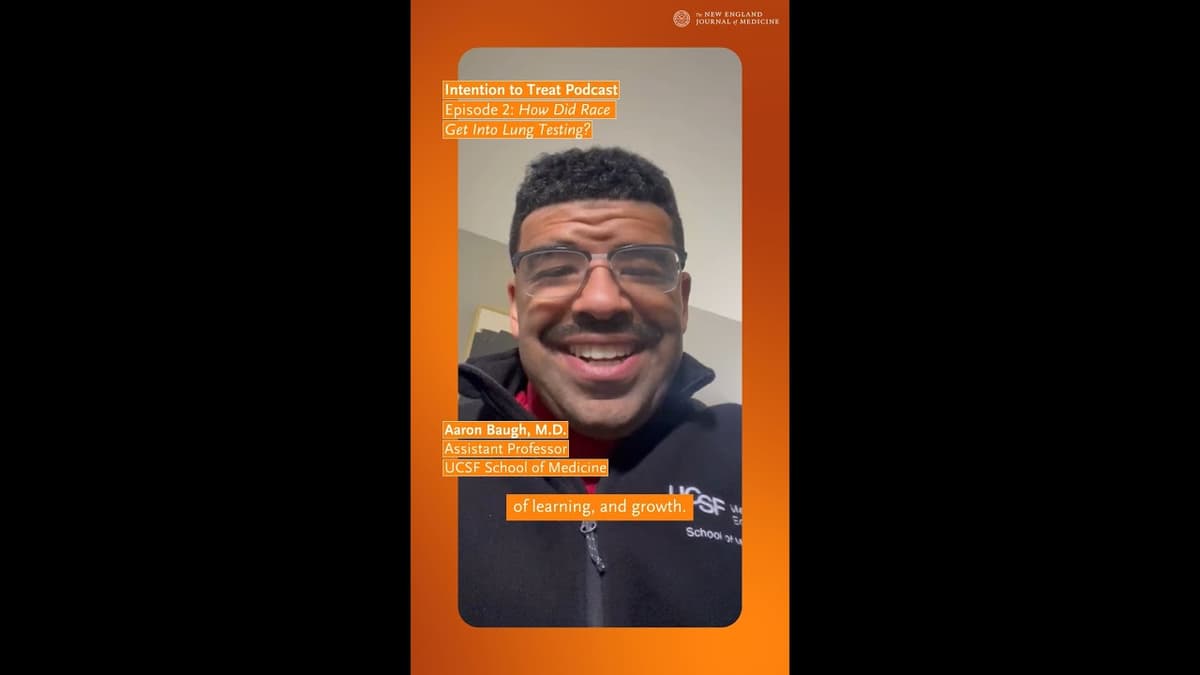
Aaron Baugh, MD, on Race-Specific Equations for Lung Function
Dr. Aaron Baugh, a pulmonology fellow, recounts his experience with race‑specific equations for interpreting spirometry during a fellowship retreat, initially viewing them as a step toward personalized care for minority patients. He explains that early enthusiasm was based on the premise...

Faculty In Focus: Jeff Nivala
Assistant Professor Jeff Nivala of the Paul G. Allen School outlines a new technology that reads individual protein molecules end‑to‑end, preserving their native structure. The Molecular Information Systems Lab sits at the crossroads of computer science and biotechnology, aiming to...

NHS Sees Biggest Improvement in Waiting Times in 16 Years
The video documents the Southwest Ambulance Service’s (SWASFT) claim of the largest reduction in emergency‑department handover times in England over the past 16 years. Data released by the trust shows average handover time fell from 52 minutes in March 2023 to...

Mobile Health Teams Go the Distance to Reach Children in Timor-Leste
UNICEF’s mobile health teams are traversing the rugged hills of Timor‑Leste to deliver essential services to the country’s most vulnerable children. The multidisciplinary squads—comprising a vaccinator, a nutritionist, and community health workers—provide immunizations, nutrition assessments, and maternal education in a single...

ElectroCore (NASDAQ: ECOR) on Non-Invasive Pain Relief, Federal Channels & 2026 Catalysts
The interview on the Planet Micro Cap podcast spotlights Electrocore (NASDAQ:ECOR), a bio‑electronic health‑tech firm that develops non‑invasive vagal‑nerve stimulation devices. Interim President and CFO Joshua Lev discusses the company’s recent performance and its upcoming investor conference in Las Vegas. Electrocore...
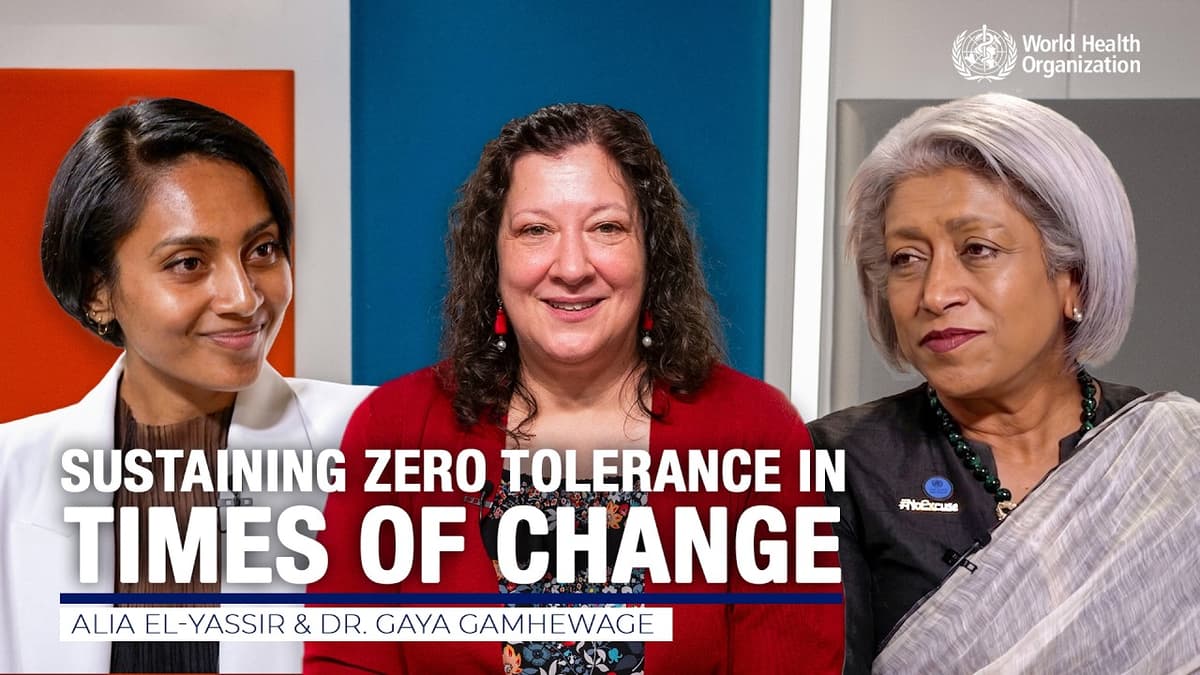
Sustaining Zero Tolerance in Times of Change
The World Health Organization’s #noexcuse podcast revisits its zero‑tolerance policy on sexual misconduct, bringing back former director Ga Gamve and new director Aliyah Alazir to discuss how the agency is navigating a period of organizational change and heightened global uncertainty. The...

Why The U.S. Response To Hantavirus Could Signal Future Trouble
Health officials are monitoring 18 Americans after an outbreak of hantavirus linked to a cruise ship that departed Argentina; at least 11 cases and three deaths have been reported, with investigators tracing the chain to a Dutch couple exposed to...
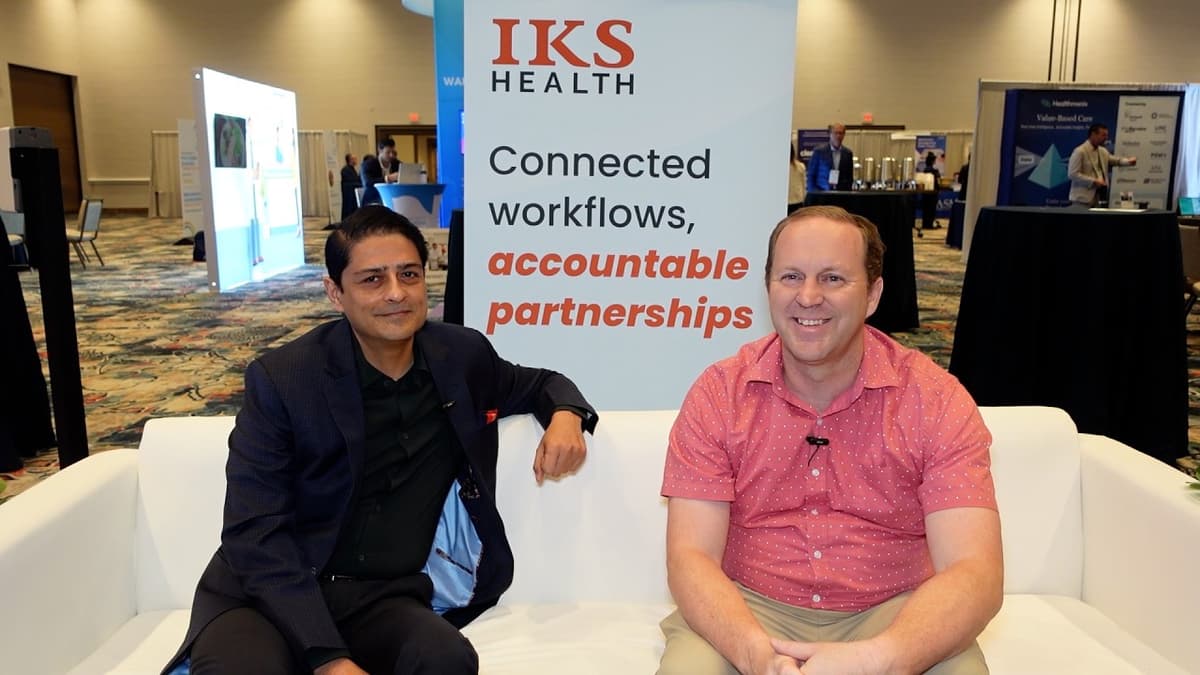
From Patient Outreach to Patient Engagement at IKS Health
In a Healthcare IT Today interview, Mayank Punt, product lead at IKS Health, explains how the company is moving the patient journey from simple outreach to true engagement. IKS positions itself as a care‑enablement platform that blends cutting‑edge AI with...

5 Generative AI Milestones That Changed Healthcare This Year
2026 marked a watershed moment as major tech giants rolled out health‑focused large language models (LLMs) across three fronts: patient‑centric assistants, clinical‑system integrations, and physician‑only tools. OpenAI’s ChatGPT Health debuted early in the year, followed swiftly by Anthropic’s Claude Health,...
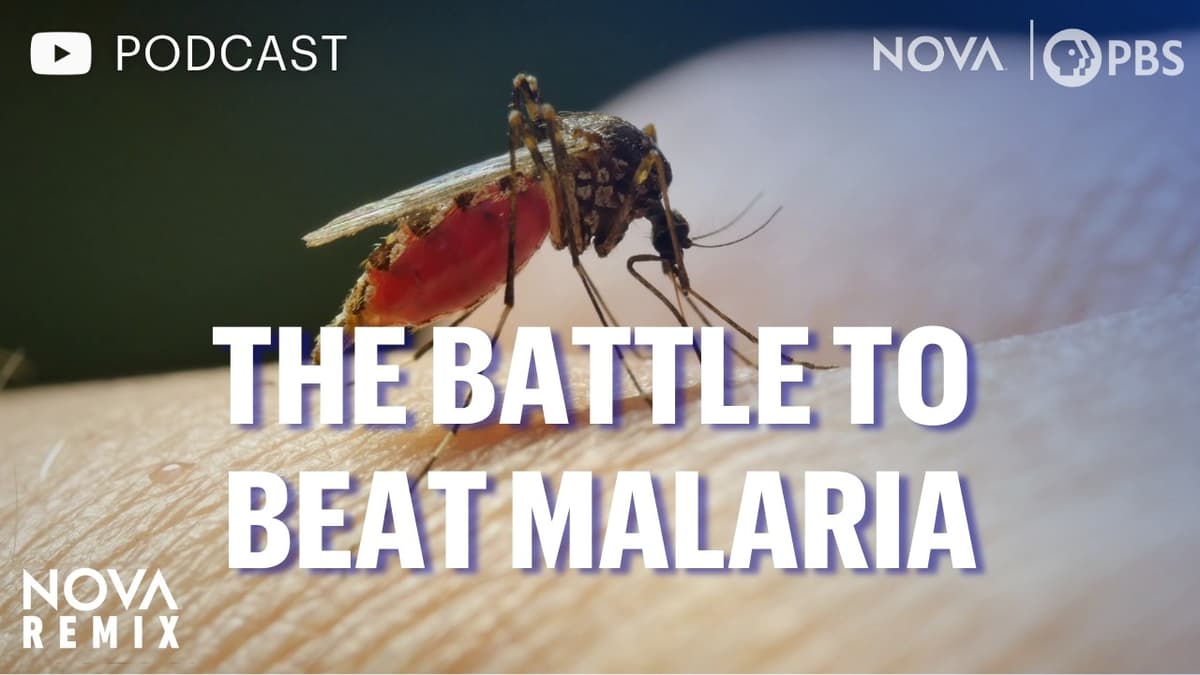
(Podcast Version) The Battle to Beat Malaria | NOVA Remix | NOVA | PBS
The podcast chronicles the decades‑long fight against malaria, focusing on the breakthrough R21 vaccine developed by Oxford researchers and manufactured at scale by the Serum Institute of India. It contrasts the legacy RTS,S/RTSS vaccine’s modest ~40% efficacy with the World...

Closing Clinics Leave Pregnant Women with Limited Care Options|TaiwanPlus News
A veteran obstetrician in Taiwan says declining births and low National Health Insurance reimbursements have slashed his practice’s deliveries to roughly 40 a month, about a quarter of historical levels, prompting thoughts of closure. Nationwide births have fallen to 7,000–8,000...

Hot Flashes Vs. Brain Fog: A Harvard Doctor Picks One to Abolish | Dr. Heather Hirsch
Dr. Heather Hirsch, Harvard‑trained physician, asks viewers which symptom—brain fog or hot flashes—should be eliminated, and explains she would choose brain fog because it most severely impairs women’s daily functioning. She cites two studies from Brigham Women’s Hospital and her tele‑medicine...

Elutia Inc. (NASDAQ: ELUT) Reducing Surgical Infection Risk & Scaling Commercial Adoption
Elutia Inc. (NASDAQ: ELUT) is positioning its antibiotic‑infused biomaterial platform to slash the roughly 20% post‑operative infection rate that plagues breast reconstruction after mastectomy. The company highlighted its upcoming NXT‑41X product, which integrates a sustained‑release antibiotic payload into standard surgical...

GSK IMPACT Award Winners 2026 - The Rainbow Project
The Rainbow Project, GSK IMPACT Award Winner 2026, is a Northern Ireland LGBT+ charity delivering culturally informed health, counseling and youth services amid a challenging political environment. The organization staffs largely LGBT+ workers—about half with trans experience—and runs targeted programs...

Hantavirus: Expert Explains What You NEED to Know
In a webinar, infectious-disease expert Dr. Bahuma Tatangi and MedPage Today’s Jeremy Faust discussed the unfolding Andes hantavirus outbreak linked to a cruise ship, noting about 11 confirmed cases, three deaths, and numerous probable cases among passengers now repatriated to...

607 - Bringing Consistency to Complexity Through AI-Driven Decision Support
The Talking Hill Tech podcast episode spotlights ADIA Health’s Patient Optimizer Platform (POP), an AI‑driven decision‑support tool aimed at standardising pre‑operative care. Co‑founders Dr. Daniel Stiglets and CCO Simon Taylor‑Cross explain how fragmented pre‑surgical assessments cause preventable complications, day‑of‑surgery cancellations,...
What Happens Next for UK Hantavirus Patients? #Hantavirus #BBCNews
The video outlines the UK health authorities’ protocol for managing hantavirus patients at Arrow Park Hospital. Officials assess each patient’s home environment—outdoor space, household size, and potential public‑health risk—to decide whether a 42‑day isolation can safely occur at home or...

A Daily Pill Could Help Keep Weight Off After Stopping Obesity Jabs. #WeightLoss #BBCNews
A new oral medication, Orthogon, is being positioned as a follow‑up therapy for patients who have stopped GLP‑1 weight‑loss injections such as semaglutide. The pill aims to preserve the weight loss achieved during the injectable phase. In a randomized, placebo‑controlled trial...

Global Medical Response CEO Nick Loporcaro on Firm’s Next Move After IPO
Global Medical Response (GMR) went public today, with Chairman and CEO Nick Loporcaro ringing the NYSE opening bell and celebrating the company’s 34,000‑strong workforce. Loporcaro highlighted the scale of operations – more than 5.5 million patient encounters last year, roughly 15,000 per...
Wife Knew Before The Doctor Did
The video explains obstructive sleep apnea (OSA), a condition where the airway collapses repeatedly during sleep, causing brief pauses in breathing that the brain briefly awakens to clear. It highlights that OSA is highly prevalent—estimates suggest about a quarter of middle‑aged...

Majority Test Negative in Bedok Tuberculosis Screening, 473 Flagged for Further Checks
The Communicable Diseases Agency (CDA) completed a week‑long tuberculosis screening of more than 3,000 residents in Bedok after detecting 13 genetically linked cases earlier this year. The exercise, aimed at early detection and containment, found that roughly four‑in‑five participants tested...
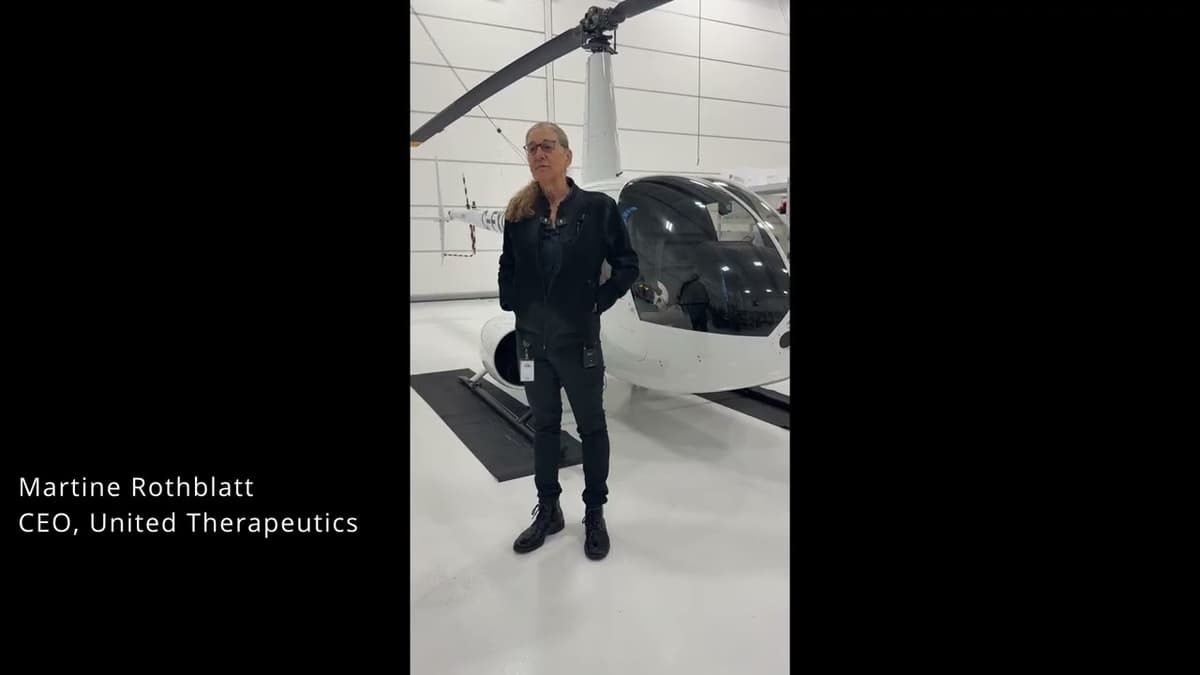
Unither’s Hydrogen-Electric R44 Takes Flight in Quebec
United Therapeutics has flown a Robinson R44 helicopter retrofitted with a hydrogen-electric fuel cell system in Quebec and is conducting piloted test flights as it develops an aircraft to deliver human organs. CEO Martin Rothblatt said the program aims to...

Blum Center Program: Awareness to Access — A Conversation on PrEP
Mass General’s Blum Center hosted a live discussion featuring MGH sexual health clinic staff, led by program manager Eric Jakori and infectious disease nurse manager Teresa Manukus, to educate the public about HIV pre-exposure prophylaxis (PrEP). The session debunked common...

Arun Rai, M.D., M.B.A., M.S. | Urologic Oncologist
Dr. Arun Rai, MD, MBA, MS, serves as a urologic oncologist and clinical director of quantitative data sciences at Johns Hopkins’ Brady Urological Institute, specializing in endourology and minimally invasive surgery. His practice treats complex kidney and bladder stones, kidney and...
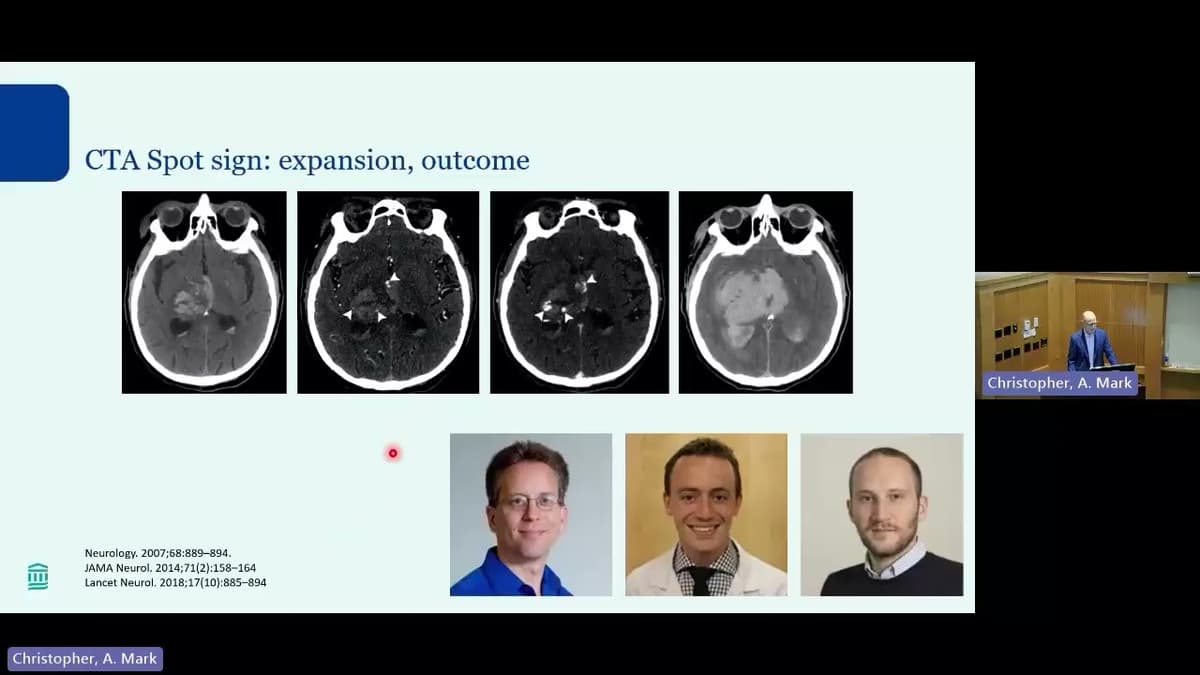
Leveraging MGB’s Clinical and Scientific Discovery Engine to Benefit Communities Around the World
Dr. Jonathan Rosand, a neurology leader at Mass General Brigham and Harvard, outlined how an academic medical center’s clinical and scientific engine drives discovery across neurocritical care, stroke genetics, recovery and prevention. Framing his talk around six guiding questions, he...

Inside NIH’s “Shark Tank” For Health Tech | NIBIB Innovation & POCTRN
The National Institutes of Health hosted its Research and Innovation Technology Partnerships and Collaborations (RITPC) showcase, marking its eighth year and expanding to feature digital health and point‑of‑care technologies. A highlight of the event was the Emerging Technologies session, styled...
How Corewell Health Integrated Epic and Illumia to Cut Waste and Improve Patient Safety
Corewell Health consolidated three legacy hospital systems’ disparate nutrition platforms into a single Illumina (NetMenu) instance integrated with Epic after its one-instance Epic go-live. The unified system standardizes recipes, products and diet nomenclature across 24 hospitals, matches patient diets from...