
Healthcare in 2026: Still Faxing, Already Talking About AI
The article highlights persistent low‑tech practices in 2026 healthcare—mis‑timed pharmacy texts, imaging still sent on physical CDs, and reliance on fax—while executives chase AI. It shows that simple fixes are known but remain unfixed due to cultural and governance gaps. The “futility factor” leads staff to stop raising issues, creating silent inefficiencies. The piece questions where organizations invest when basic problems linger, emphasizing that unresolved basics erode the potential of advanced technologies.
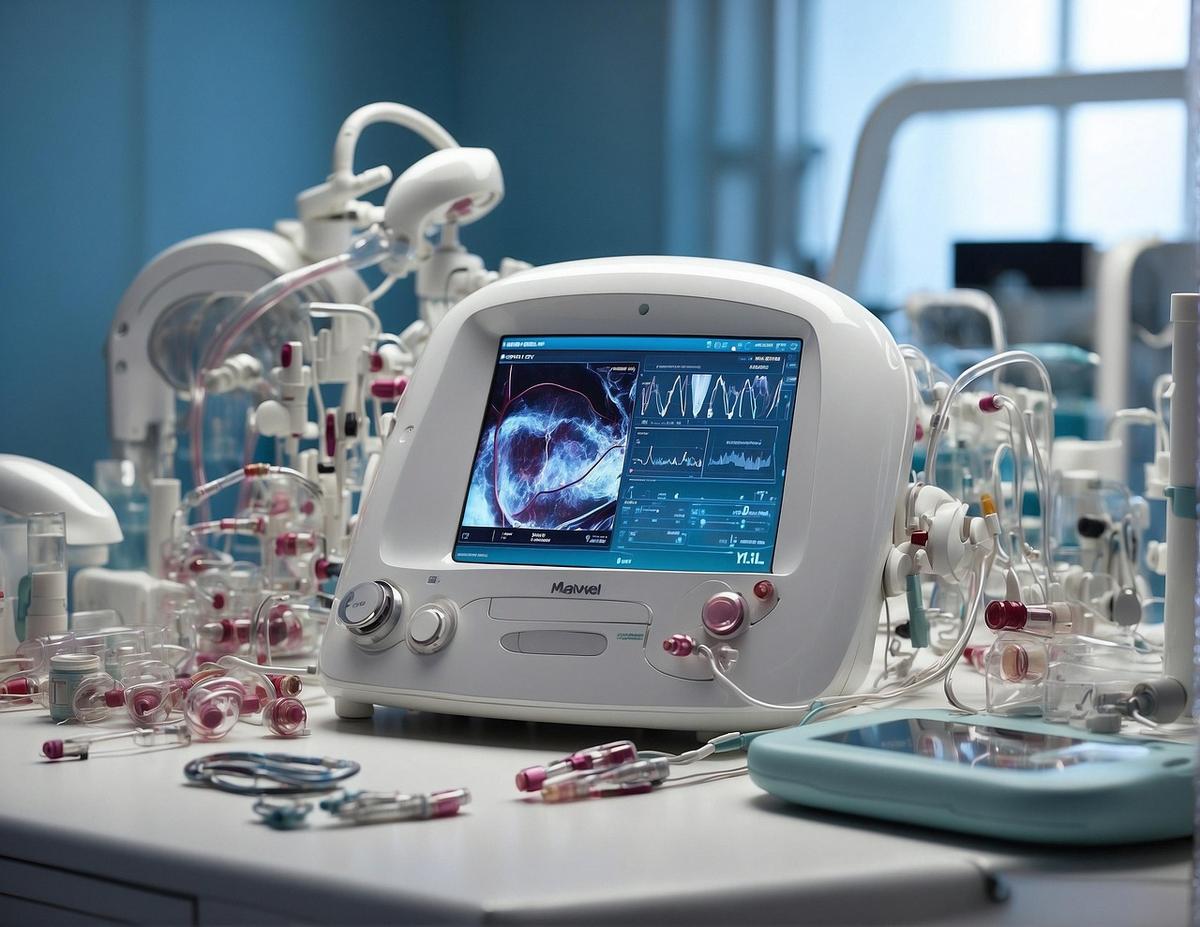
Overcoming Challenges in Medical Device Manufacturing
Medical device manufacturers face heightened scrutiny as product performance directly impacts patient safety, making supply chain reliability critical. Inconsistent materials, assembly errors, or poor documentation can trigger regulatory action, production delays, and costly field corrections. The article outlines practical steps...
ChatGPT: Doctor’s Smart Assistant, Not a Diagnosis Tool
How to use ChatGPT as a doctor (properly) Not for diagnosis. Not to replace your brain. Use it to: • Simplify complex topics for patients • Draft patient education handouts • Create clinic SOPs • Generate content ideas • Structure research summaries • Prepare presentations • Improve communication clarity Think of...

Othman Laraki, Color CEO, on Surviving Three Major Pivots
In this episode, Othman Laraki, CEO of Color, recounts the company’s three major pivots—from a cancer genetics startup to its current health‑tech platform—highlighting the financial, team, and market challenges each transition entailed. He stresses that while technology and product are...

Clinically‐Relevant Static Magnetic Field Induces Release of Encapsulated Molecules From Magnetoliposomes
Researchers demonstrated that a clinically‑available 1.5 T static magnetic field can trigger the release of encapsulated molecules from magnetoliposomes (MLs). The study used citric‑acid‑stabilized Fe₃O₄ nanoparticles, with and without a chitosan coating, and monitored structural changes via SAXS and DLS. Fluorescence...

Lee Hood’s Persistent Plan to Reinvent Medicine From the Ground Up
Lee Hood’s three‑decade instrument‑building effort birthed the automated DNA sequencer that made the Human Genome Project feasible and founded the Institute for Systems Biology, the cradle of systems‑level medicine. He coined the four P’s—predictive, preventive, personalized, participatory—arguing the first three are...

A Strong Dose of Digital for U.K. Pharma and Life Sciences
Earlier this year the UK government pledged £82.6 million to AI‑focused drug‑discovery firms, underscoring its ambition to lead the global digital health transformation. Major players such as AstraZeneca are launching dedicated health‑tech units like Evinova to accelerate clinical‑trial design, while the...

Designing Telehealth for Every Age: What Providers Need to Know About Serving Older Adults
Telehealth’s rapid expansion has left older adults behind because most platforms ignore age‑related cognitive, sensory, and usability challenges. Studies show that while over half of seniors are interested in video visits, only a third feel comfortable using them, highlighting a...
Cross‑check AI Answers and Heed Red‑flag Symptoms
@PBS: Five things to consider before asking a chatbot for health advice (by @AP_FDAwriter). Among them: ask two different AIs and see if they agree; don't stay home if you have red flag symptoms like chest pain, shortness of breath....

Latest TechBio News
Proscia has been crowned the top‑performing digital pathology software vendor in the United States, receiving a 95.2 overall score in KLAS Research’s 2026 report and earning A+ or A grades across all six customer‑experience pillars. The company is also the...

Clinicians Discuss Real-World AI Applications on Zoom
I’ll be joining a Zoom discussion hosted by Roon on March 5, 1:30-2:30 ET. We'll discuss how clinicians are using AI in actual practice and the implications. I'll be joined by 3 eminent colleagues: Mandy Cohen, Sara Murray, & Spencer...

FDA Clears Ultrasound AI Tool for Accurate Delivery-Date Prediction
The U.S. Food and Drug Administration granted De Novo clearance to Ultrasound AI’s Delivery Date AI, a cloud‑based software‑as‑a‑medical‑device that predicts a pregnant woman's delivery date using only standard ultrasound images. The model was trained on more than one million...
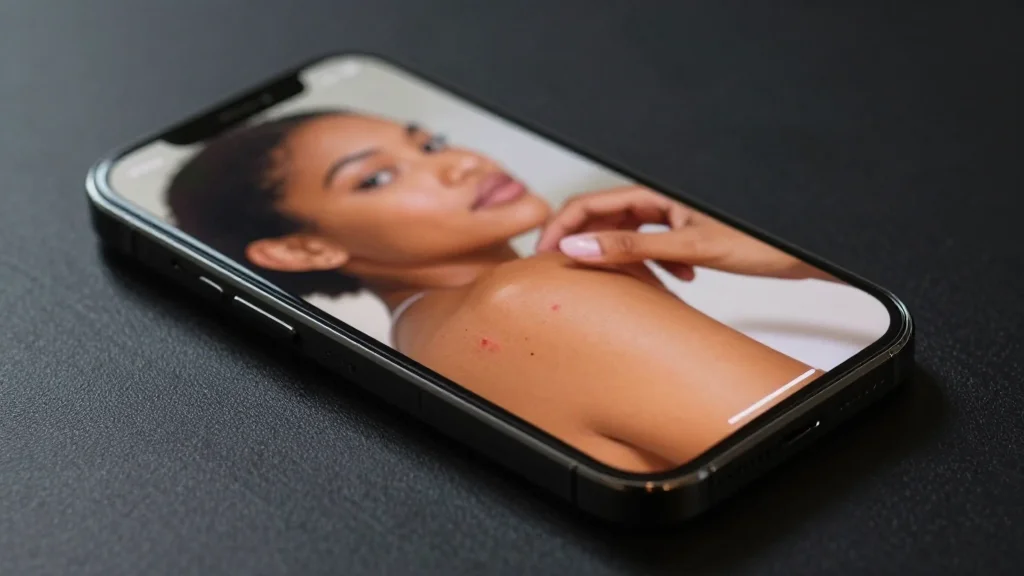
Where Are the Doctors? Patients Leading the Conversation on TikTok About Hidradenitis Suppurativa in Skin of Color
A new JMIR Dermatology study finds TikTok is the primary education source for patients with hidradenitis suppurativa (HS) in skin of color. Researchers analyzed 50 videos and discovered that nearly half were patient‑generated, while only about 20% featured dermatologists. Physician‑authored...
Neuropace Inc (NPCE) Q4 2025 Earnings Call Transcript
NeuroPace reported fourth‑quarter 2025 revenue of $26.6 million, a 24% year‑over‑year increase driven primarily by a 26% rise in RNS system sales to $22.4 million. Gross margins improved to 77.4% overall and 80.5% for the RNS product, while operating expenses grew slower...

SOPHiA GENETICS SA (SOPH) Q4 2025 Earnings Call Transcript
SOPHiA GENETICS reported Q4 2025 revenue of $19.5 million, up 23% year‑over‑year, marking the third consecutive quarter of accelerating growth. The company added 31 new customers, bringing total 2025 signings to 94, and saw U.S. revenue rise 30%, highlighting strong market...

U of T Startups Raise $10B, Disrupt Global Industries
From AI to quantum chemistry to health tech, startups from my alma mater are scaling globally – raising over US$10B since 2020 and reshaping industries. I’m excited to spotlight six founders from the University of Toronto ecosystem building game-changing companies:...

Miriam Paramore, RxUtility
In a quick‑bite interview at the February 2026 VIVE conference, Miriam Paramore discussed RxUtility, a health‑tech platform that consolidates manufacturer coupons and cash‑price data to present consumers with the lowest possible drug price at the point of dispensing. The solution...

5 Notable Health Tech Funding Announcements in February
February saw a wave of sizable health‑tech financings, with Talkiatry closing a $210 million Series D, Honest Health raising $140 million, Solace securing $130 million in Series C, Garner Health obtaining $118 million in Series D, and Midi Health completing a $100 million Series D that pushes its valuation...
New Diagnostic Markers for Multiple Sclerosis Discovered in Cerebrospinal Fluid
Researchers from the Max Planck Institute of Biochemistry and the Technical University of Munich applied high‑throughput mass spectrometry to cerebrospinal fluid from more than 5,000 patients, measuring roughly 2,000 proteins per sample. They identified a 22‑protein panel that distinguishes multiple...
One PSMA Agent Outshines Competitors at Detecting Prostate Cancer Recurrence
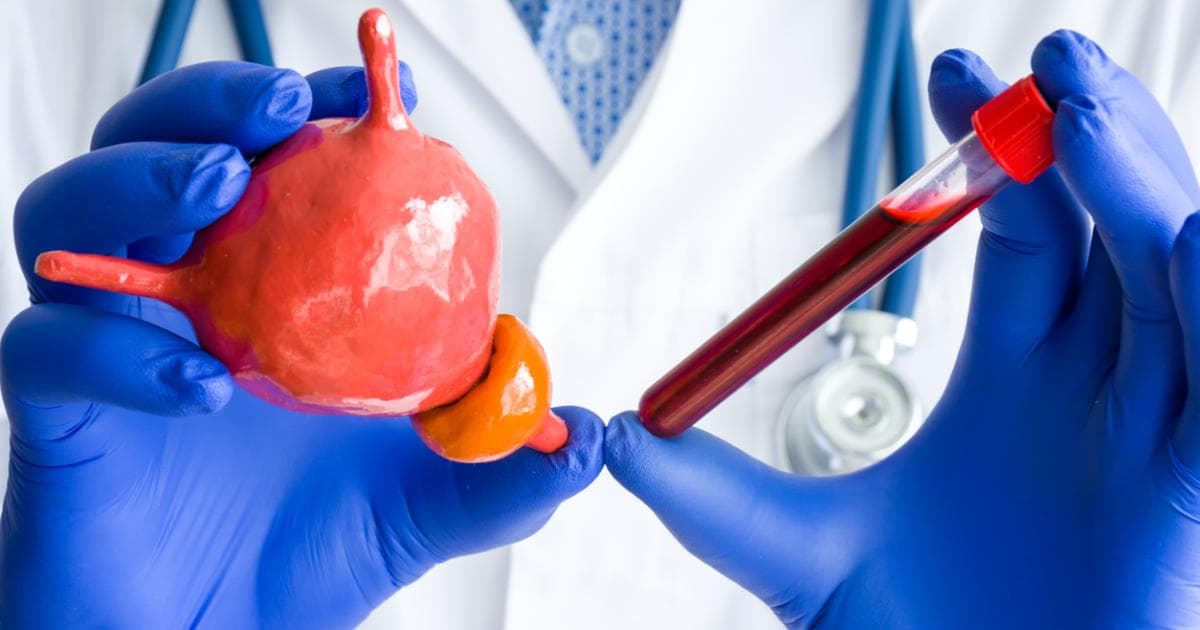
A head‑to‑head study of 55 post‑prostatectomy patients compared two FDA‑cleared PSMA PET agents, Posluma (flotufolastat F‑18) and Pylarify (piflufolastat F‑18). Posluma demonstrated markedly lower bladder radioactivity, with a median bladder SUV of 10.9 versus 29 for Pylarify. This reduction translated into higher...

Marsh Unveils Health Benefit Price Transparency Tool
Marsh McLennan Agency launched Network Navigator, a health‑benefit pricing tool that translates Transparency in Coverage data into actuarially‑certified, provider‑level insights for employers. The platform lets users benchmark network costs by provider, location, service type or specialty amid federal proposals to expand price‑transparency...

How Healthcare Organizations Can Build Ransomware Resilience
Scott Doerr, virtual CISO at Fortified Health Security, will present a session on ransomware resilience at HIMSS 2026. He outlines a phased approach that moves ransomware from a reactive crisis to a managed operational risk, emphasizing assessment, planning, simulation, execution,...

FDA's Adverse Event Reporting System (FAERS)
The FDA Adverse Event Reporting System (FAERS) is a public database that collects adverse event, medication error, and product quality complaint reports for drugs and biologics after market approval. It follows the ICH E2B international safety reporting guidance and uses...

Tampa General Hospital Adopts LIBERTY Endovascular Robotic System
Tampa General Hospital has become the first health system in Florida to adopt Microbot Medical’s LIBERTY Endovascular Robotic System, following the device’s FDA 510(k) clearance. LIBERTY is a single‑use, remotely operated robot designed for peripheral endovascular procedures, promising greater precision...

Ultrasound Isn't Cutting It for Diagnosing Pediatric Appendicitis, New Data Show
A recent analysis in Emergency Radiology compared ultrasound, CT, and rapid MRI for diagnosing pediatric appendicitis. Ultrasound was nondiagnostic in over half the cases, delivering only 65.3% sensitivity, while rapid MRI achieved 96‑97% sensitivity and 98% specificity. Although ultrasound resulted...

Ultrasound Reporting Platform Gets FDA Approval
AS Software announced that its next‑generation ultrasound reporting platform, Asera, received 510(k) clearance from the U.S. Food and Drug Administration. The cloud‑based solution retains core reporting functions while delivering a redesigned user interface, streamlined workflows, and scalable architecture. Asera includes...

Best Practices for Conducting and Reporting Pharmacoepidemiologic Safety Studies Using Electronic Healthcare Data Sets
The FDA issued a final guidance document outlining best practices for conducting and reporting pharmacoepidemiologic safety studies that rely on electronic healthcare data, such as administrative claims and electronic medical records. It prescribes how sponsors should document study design, analytical...
Advanced Hearing Aids: Tiny Magnets for Better Sound
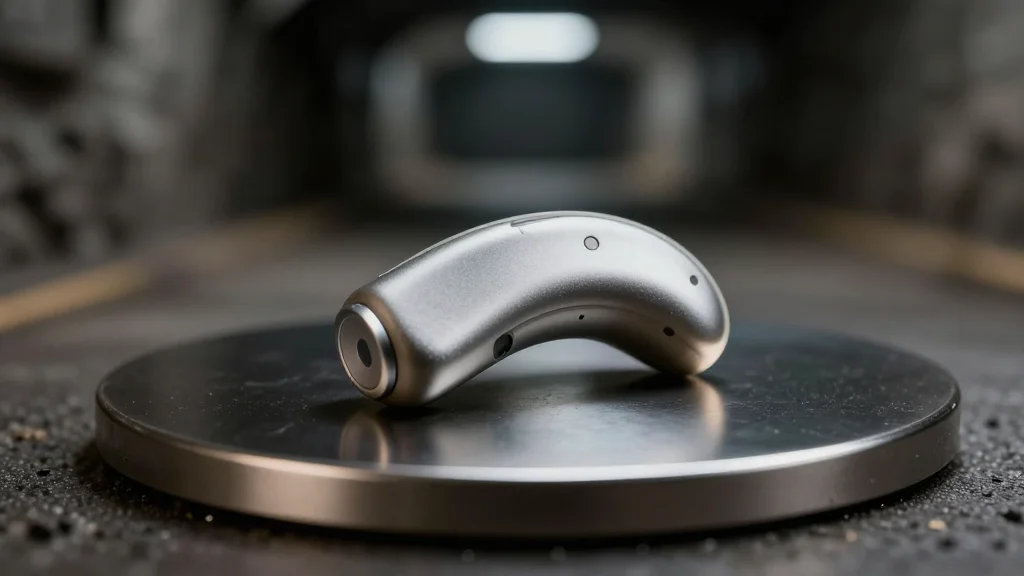
Advanced hearing aids now function as AI‑driven, Bluetooth‑enabled mini‑computers, thanks to rare‑earth elements that enable ultra‑compact magnets and efficient LEDs. Neodymium‑iron‑boron magnets and dysprosium‑stabilized alloys shrink speakers while preserving sound quality, and europium‑based phosphors power low‑draw status lights. The global...

Chair File: Leadership Dialogue — Insights and Innovation in Rural Hospitals with Mark Boucot of Potomac Valley Hospital
Mark Boucot, CEO of Potomac Valley Hospital, a 25‑bed critical access facility in West Virginia, received the inaugural AHA Rural Hospital Excellence in Innovation Award. He highlighted the hospital’s low‑cost virtual ICU, built with simple tablets for remote intensivist support,...

With Quantum Transformation Looming, No Time to Waste in Maturing Cryptography Management
Quantum computers can break RSA and ECC encryption in seconds, prompting urgent action for healthcare data security. At HIMSS26, DigiCert’s Mike Nelson and other experts will outline practical steps for post‑quantum cryptography (PQC) migration, emphasizing crypto agility and automated management....

Researchers Use Dynamic Digital Radiography to Quantify Functional Outcomes After Total Shoulder Arthroplasty
Emory Healthcare researchers used Konica Minolta's Dynamic Digital Radiography (DDR) to compare anatomic and reverse total shoulder arthroplasty (aTSA and rTSA) in 71 shoulders versus 32 healthy controls. The DDR cine‑loop analysis showed that both procedures restored scapulohumeral rhythm (SHR)...

Designing Trustworthy Health AI: Q&A with Oura’s Dr. Chris Curry and Dr. Tanvi Jayaraman
Oura has launched its first custom AI model focused on women’s health, embedding it in the Oura Advisor experience. The model is built on curated clinical research, combined with individual sensor data, and runs on Oura‑controlled, privacy‑first infrastructure. Lead clinicians...
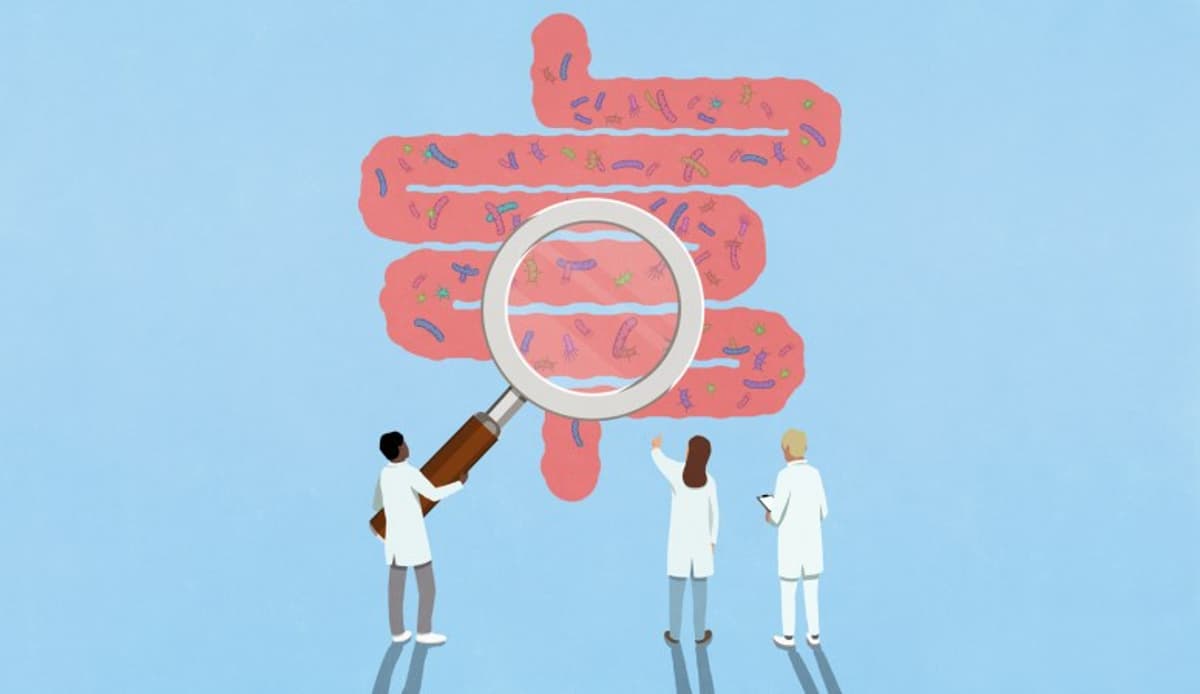
Simulations of Your Gut May Predict Which Probiotics Will Stick
Researchers have built microbial community‑scale metabolic models that simulate how specific probiotic strains behave in an individual’s gut. Using baseline microbiome data, the models predicted engraftment with 75‑80% accuracy and linked bacterial growth to health outcomes such as improved post‑meal...

Virtual Crisis Care Helps Rural Communities Access Mental Health Resources in Emergencies
Virtual Crisis Care (VCC) programs give rural law enforcement instant video access to behavioral health clinicians, allowing real‑time assessment and de‑escalation of mental‑health emergencies. In South Dakota, the model has been active for over five years across more than 30...
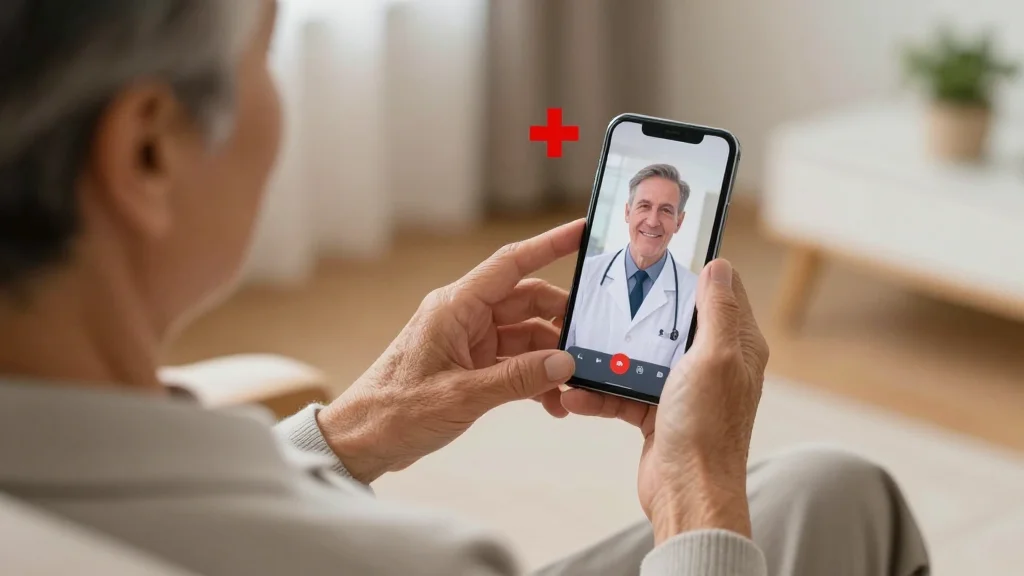
Medicare's Continued Support for Telemedicine Signals Stability, Legitimacy
Medicare has extended its telehealth reimbursement flexibilities through 2027, preserving payment for a broad array of virtual services. Behavioral health telehealth restrictions were made permanent in 2021, removing geographic and originating‑site limits. The DEA also prolonged its telemedicine prescribing allowances...
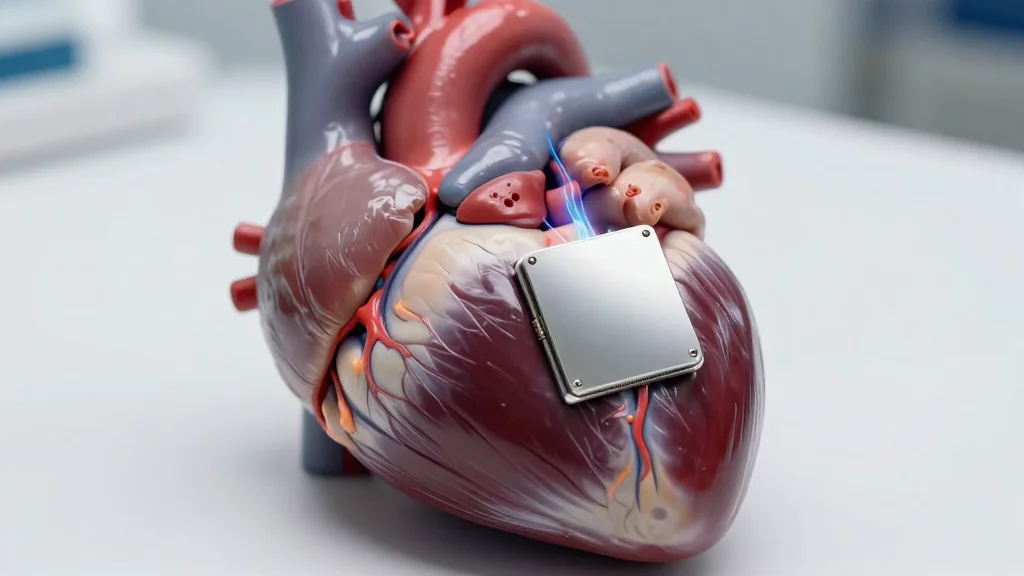
Contributor: Personalized Heart Risk and How AI-Powered Plaque Analysis Is Changing Prevention
AI‑enhanced coronary CT angiography (CCTA) now quantifies total and non‑calcified plaque, delivering risk information that calcium scoring alone misses. Large studies show that incorporating AI‑driven plaque metrics reduces heart attack or cardiac death risk by up to 41% and boosts...

CCI Wants Governments to Buy More Canadian Healthtech
The Council of Canadian Innovators (CCI) released a report urging federal and provincial governments to revamp health‑tech procurement and data practices. It calls for a "Buy Canadian" approach, value‑based purchasing, and a national digital‑health market that prioritises interoperability and lifecycle...

Newfound Third Cell Type Enables Fully Functional Hair Follicles in the Lab
Researchers identified a previously unknown accessory mesenchymal cell (PDGFRα⁺/Sca1⁺/CD34⁺) that enables complete hair follicle formation in a dish. By integrating this cell type with epithelial stem cells and dermal papilla cells, they created a three‑cell organ germ that grew downward,...
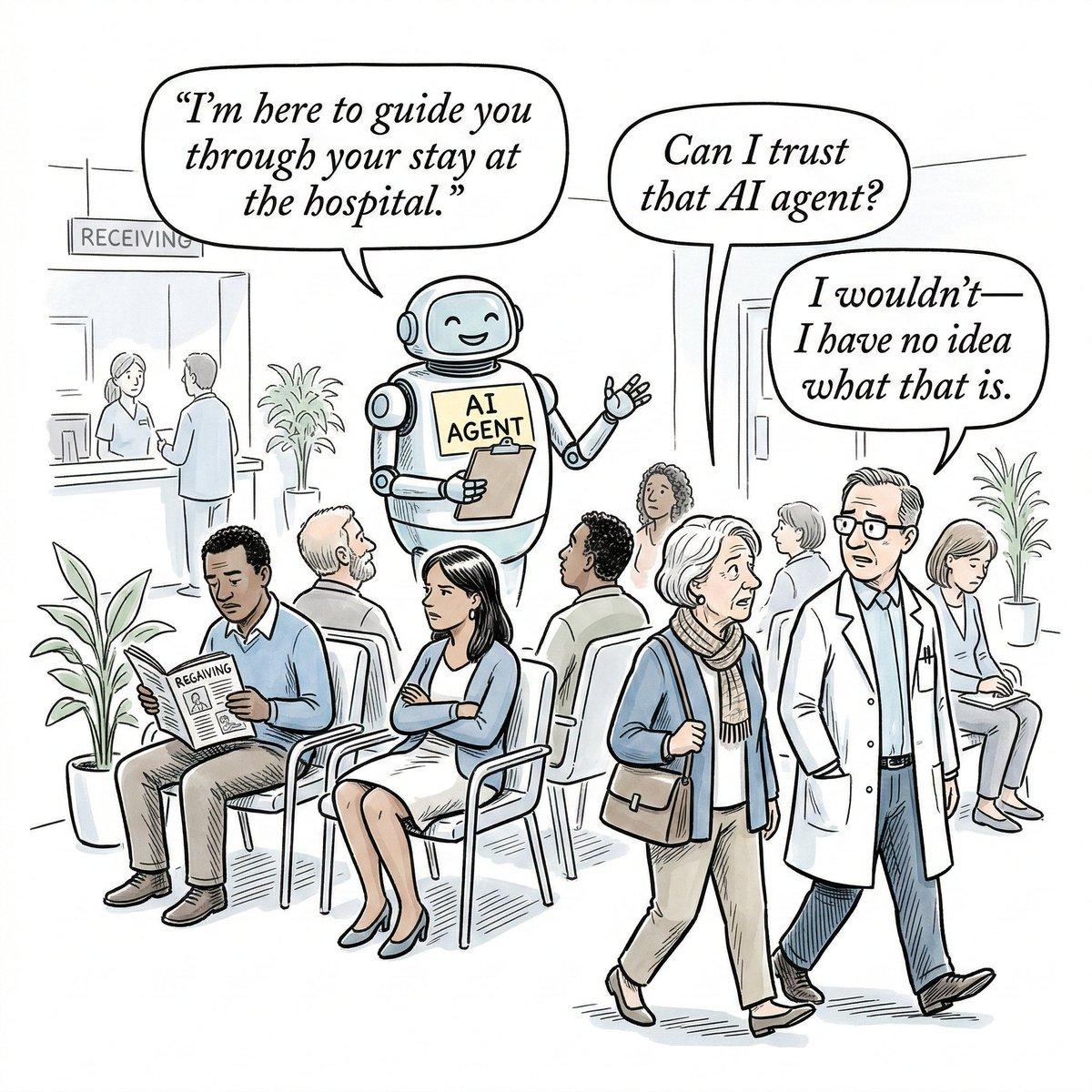
Human Trust Beats AI in Patient Engagement
I keep seeing AI-pilled people arguing that AI agents will magically solve patient engagement - but it won’t. If it were that easy, non-Tech solutions would’ve solved it already. At @SeamlessMD, I’ve spent the last 13+ years working with health systems...
AI Agents Transform Revenue Cycle, Clinical & Payer Ops
Revenue cycle. Clinical workflows. Payer ops. AI agents that reason across your ecosystem — not just search it. Join the Anshar AI Pre-HIMSS VIP Reveal TOMORROW at 12PM EST. Save your spot 👇 https://t.co/RbBBgSRT3Y #AnsharAI #HIMSS26
Ventricular Recovery Program Enables Kids to Have VADs Explanted
A standardized ventricular recovery program at Children’s Hospital of Philadelphia enabled 26% of pediatric VAD patients to have the device explanted, far exceeding the typical 4‑6% national rate. The protocol, built on four pillars—mindset, goal‑directed medical therapy, standardized surveillance, and...
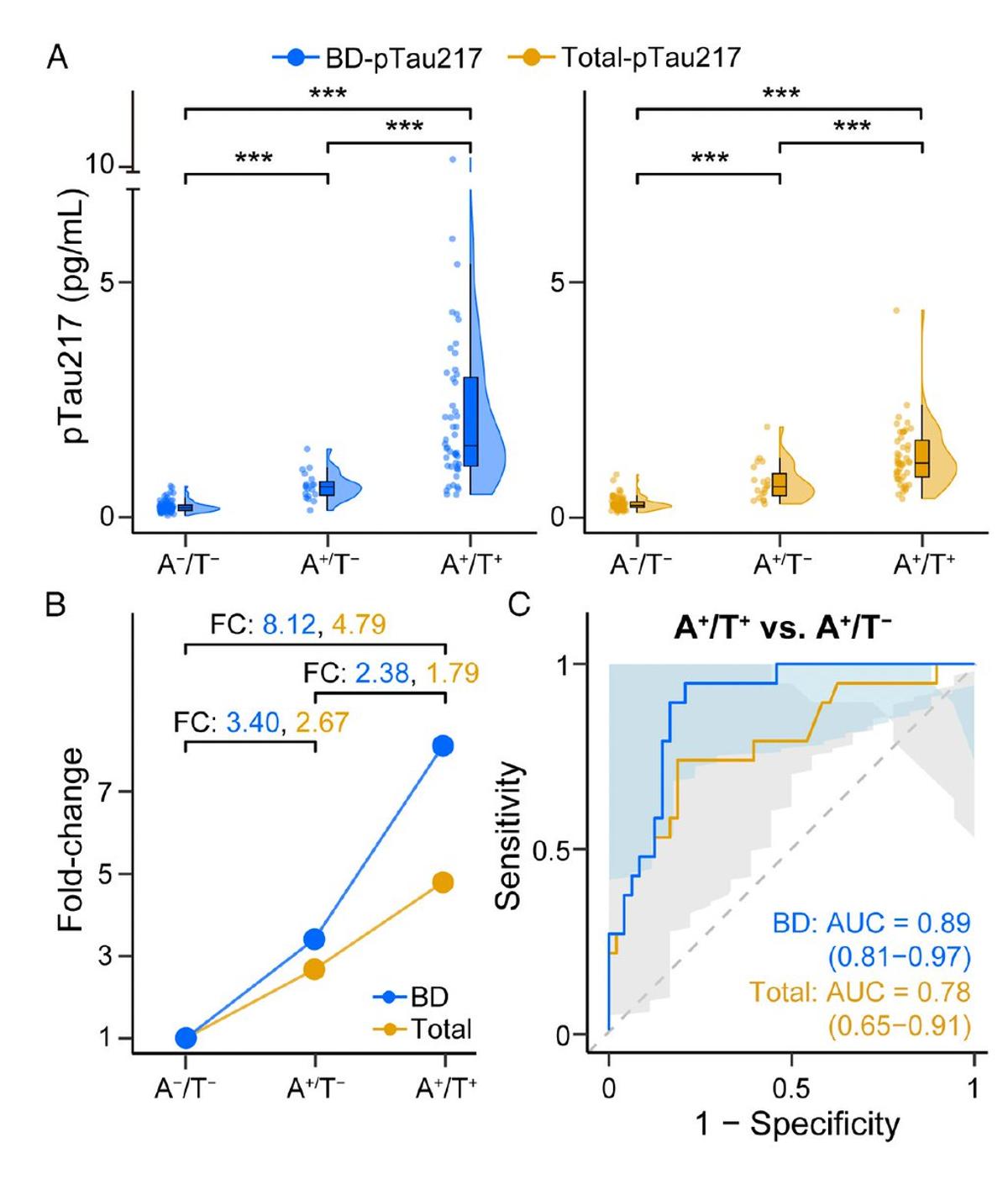
P‑tau 217 Blood Test Outperforms Total P‑tau 217 For
The breakthrough blood test p-tau 217 for risk and diagnosis of Alzheimer's disease is more accurate than total p-tau 217, in a head-to-head comparison using PET imaging https://t.co/faILpVr9Ua https://t.co/lzUgFnFUP5

Set Up Your Clinic on Glass in Minutes
Onboarding your team or clinic to a new AI tool is so important, but often difficult. At Glass, we've made it incredibly easy — you can now get your whole clinic set up in a few minutes.
Looking Beyond AI Implementation at HIMSS26
HIMSS CEO Hal Wolf announced that the AI track at HIMSS26 will move beyond pure deployment discussions. The conference will spotlight AI governance frameworks, the impact on clinical and administrative workflows, and concrete methods for calculating return on investment. By...

AI Computes Freely, Humans Bear the Cost of Errors
🚨Computation Without Consequence 👉A clinical study reveals the divide between AI computation and human judgment. 📌AI handles patterns with ease. 📌Humans feel the weight of being wrong. 📌That’s where the divide becomes clear and important. https://t.co/tjfOTsWnCC #AI #medicine #digitalhealth

AI Pathology for Cancer Markers Hindered by Shortcut Learning
AI of whole slide images for cancer molecular markers is not ready for clinical use due to confounding and biases ("shortcut learning"), supported by multiple examples @natBME https://t.co/zG8uVIxrJf https://t.co/hQ0tjiapIJ

The Paper-Thin Implant That Listens To Your Brain Signals
Researchers published in Nature Electronics a hair‑thin, flexible patch called BISC that places 65,536 micro‑electrodes on the brain’s surface for high‑resolution electrocorticography. The device can address up to 1,024 channels simultaneously and transmits data wirelessly, eliminating percutaneous cables. Animal tests...
Consolidation Saves Space, But Disrupts Clinical Documentation Trust
System consolidation looks efficient—until you count the cost of disruption. Strong view from @Provationmed on why migrating away from purpose-built clinical documentation puts adoption, revenue, and trust at risk. ➡️ https://t.co/WahjLaV8Wl #ClinDoc #CIOInsights #HITSM
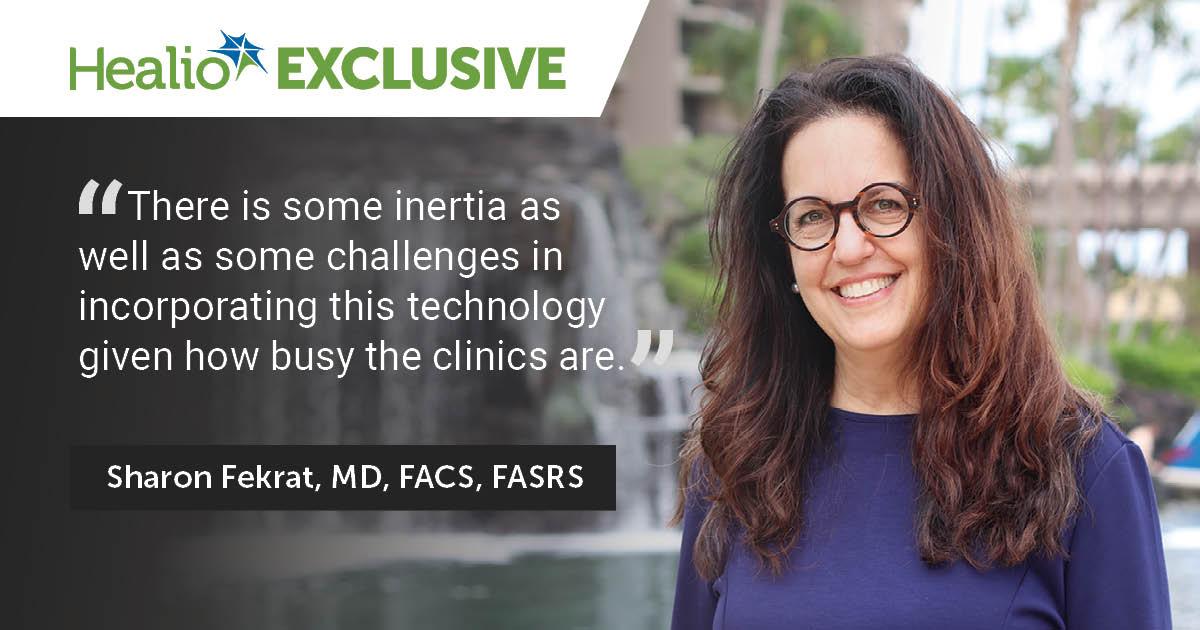
Virtual Reality Takes Next Step in Eye Care
Virtual reality is moving from experimental demos to practical tools in ophthalmology, highlighted by the FDA‑cleared Luminopia therapy for amblyopia and patient‑focused IOL simulators such as VirtuaLens and InSightVR. Surgeons are adopting VR for training, with platforms like Eyesi and...
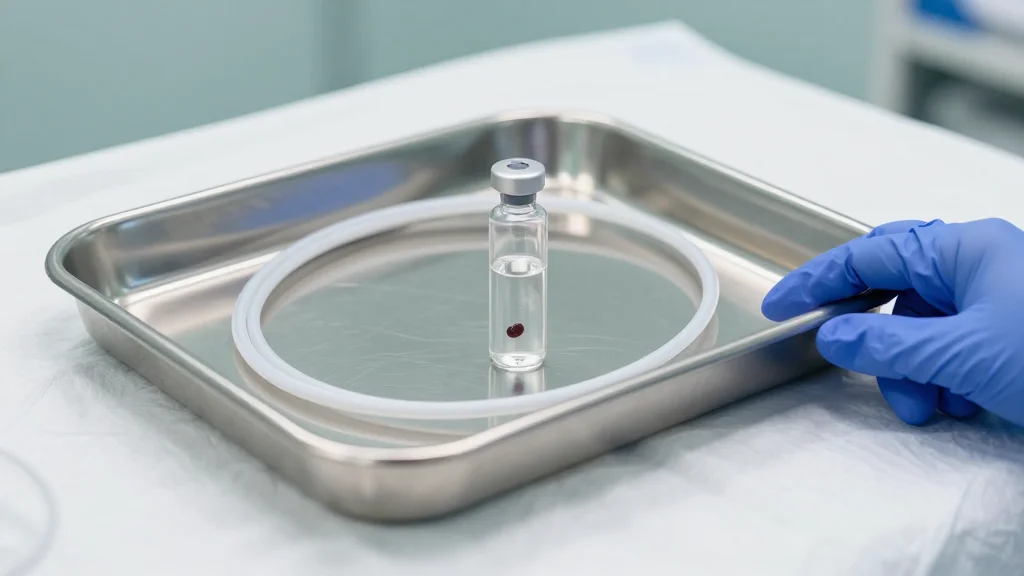
Johnson & Johnson Launches 3 New Stroke Devices
Johnson & Johnson MedTech launched three new stroke devices—Cereglide 42 and Cereglide 57 aspiration catheters and the Innerglide 7 delivery aid—expanding its aspiration‑first portfolio. The catheters feature a multi‑axial shaft, radiopaque tips and hydrophilic coating to improve navigation of distal clots. Innerglide 7 provides...