
How Your Body Data Could Reshape Sectors
In this episode, Morgan Stanley health‑care analyst Erin Wright discusses the rise of the self‑directed patient, highlighting how direct‑to‑consumer lab tests and wearables are shifting health care from reactive treatment to proactive prevention. She notes that U.S. chronic disease costs total about $3.4 trillion annually, with $1.4 trillion tied to preventable conditions, and estimates that expanded preventative testing could shave billions off health‑care spending by 2050. Wright cites market data showing the DTC lab market has grown to roughly $4 billion and that 34% of surveyed consumers have taken a wellness lab test, while 41% use wearables, many of which influence daily health decisions. She also outlines broader sector impacts, from value‑based care to changes in food, fitness, and imaging industries, while acknowledging risks such as privacy concerns and potential hype.
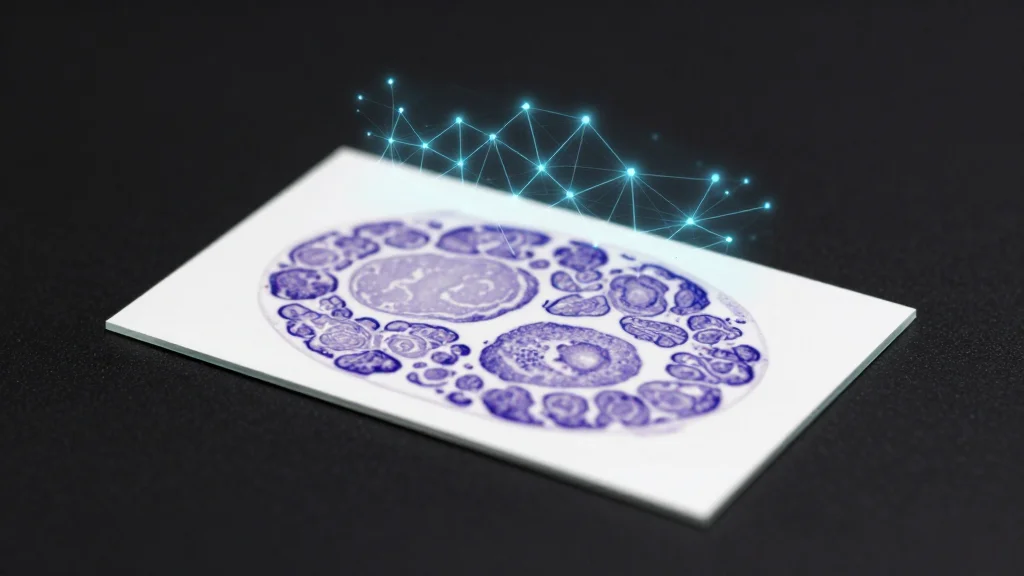
Artera Gets FDA Clearance for AI Breast Cancer Risk Prediction Tool
Artera, a 2023 startup backed by $90 million including Johnson & Johnson’s venture arm, received FDA clearance for its AI‑driven ArteraAI Breast tool. The system analyzes digitized pathology slides and clinical data to predict the likelihood of distant metastases in early‑stage, hormone‑receptor‑positive, HER2‑negative...
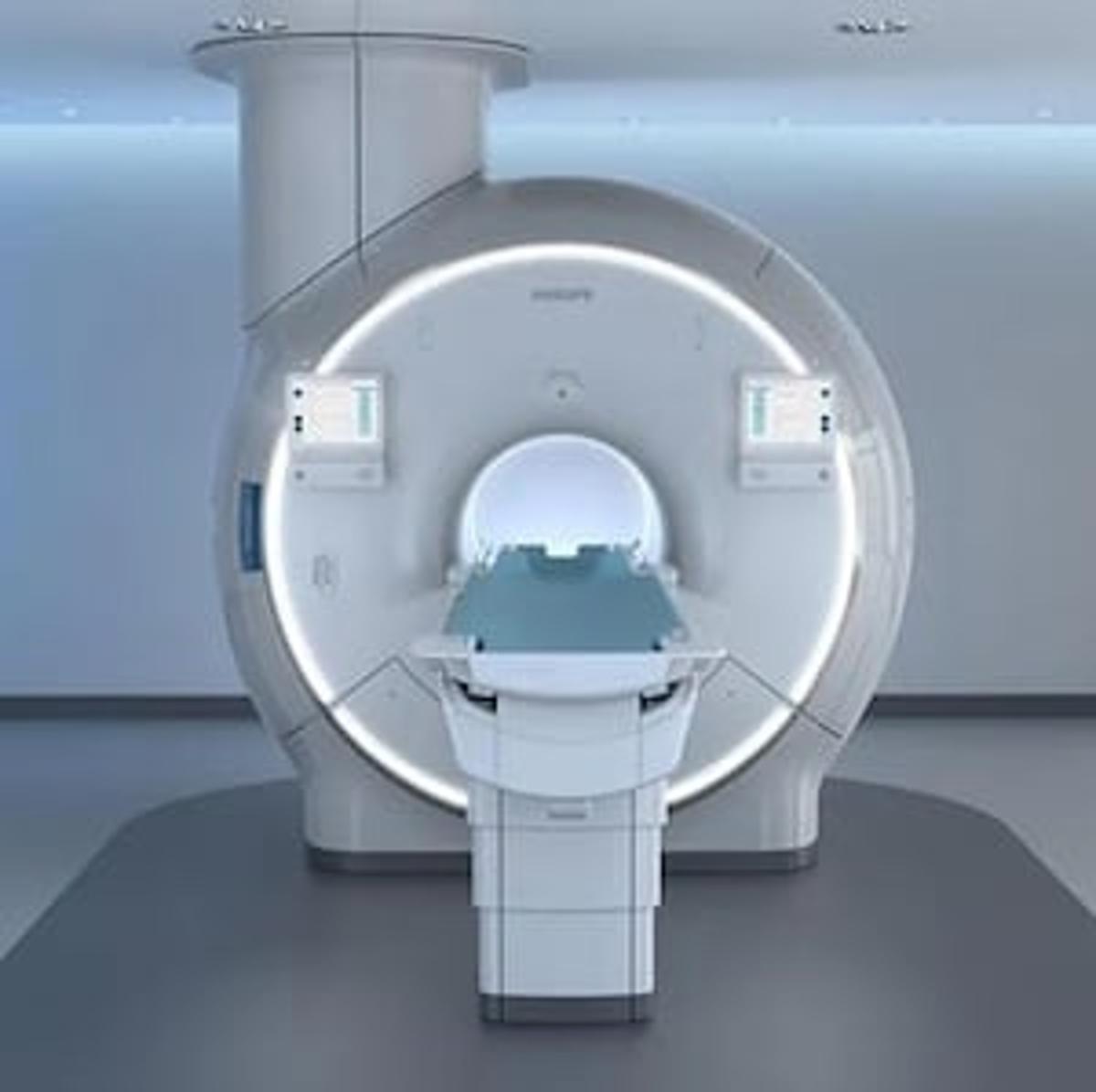
Philips Introduces Titanion MRI System
Philips unveiled the Titanion MR, an ultra‑high‑gradient 3.0 T MRI system, at ISMRM 2026. The scanner delivers 150 mT/m gradients at a 250 T/m/s slew rate and features a 55 cm field of view, low‑eddy‑current design, and AI‑driven SmartSpeed Precise software. These capabilities enable...

First-of-Its-Kind Drainage Device Helps Limit Heart Failure Rehospitalizations
The investigational WhiteSwell eLym catheter‑based system, designed for lymphatic drainage, was implanted in 40 acute decompensated heart‑failure patients in the DELTA‑HF trial. Ninety‑eight percent experienced lowered thoracic duct pressure, leading to an average 15‑lb weight loss and stable kidney function....
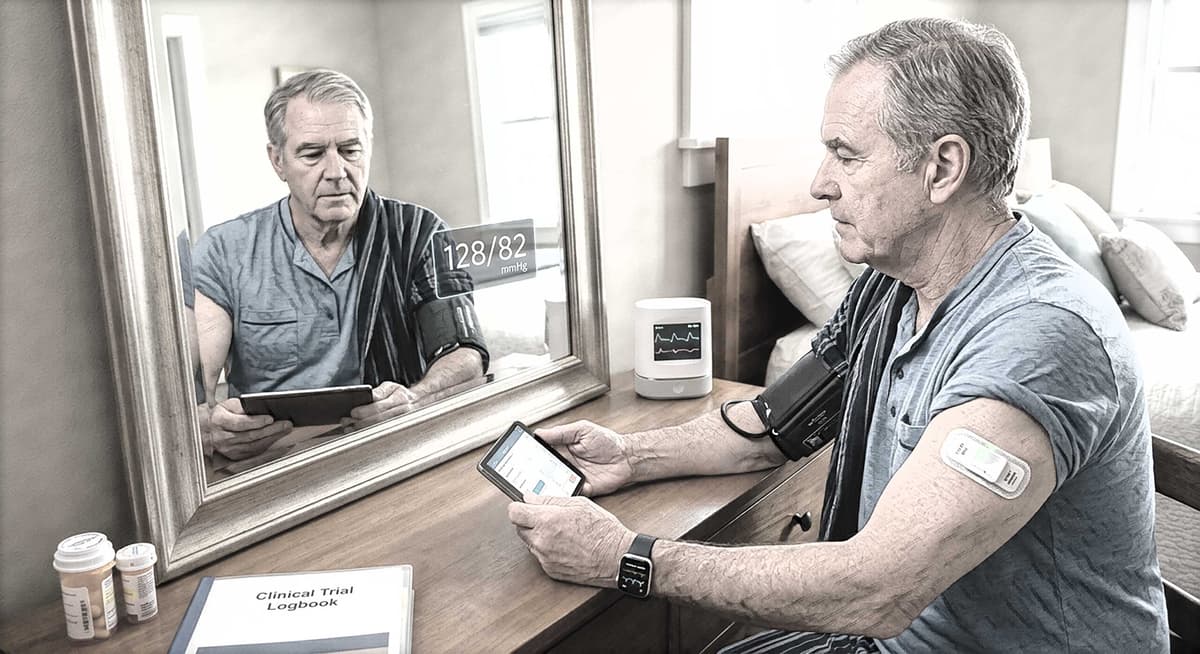
From Gimmick to Gold Standard
Clinical wearables have transitioned from wellness gadgets to FDA‑recognized trial endpoints, with more than 1,000 interventional studies between 2001 and 2025 already incorporating sensor data. Advances in sensor fidelity, AI‑driven analytics, and regulatory acceptance are enabling continuous cardiac, metabolic, and...

HL7 CEO Rachel Dunscombe: Going From Specifications to Scaling Up
Rachel Dunscombe, HL7’s new CEO, used the WEDI spring keynote to shift the conversation from drafting specifications to scaling interoperable solutions. She highlighted the role of FHIR accelerators such as Gravity, Codex, Vulcan and Helios in turning standards into real‑world...
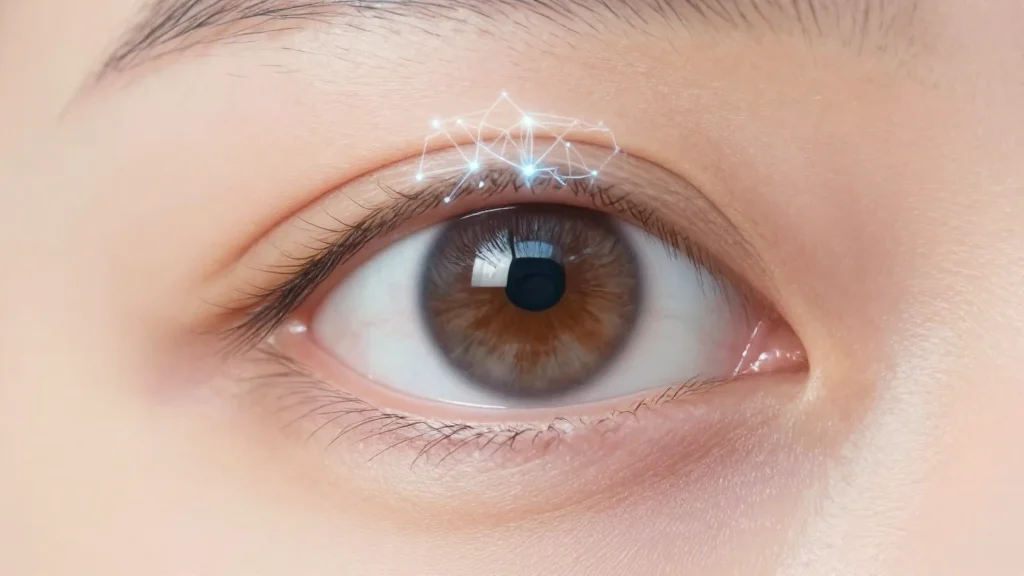
Teen Inventor Wins $175,000 for AI Tool Diagnosing Autism and ADHD via Retina
Seventeen‑year‑old Edward Kang captured second place and a $175,000 prize at the 2026 Regeneron Science Talent Search for RetinaMind, an AI system that reads retinal images to diagnose autism spectrum disorder and ADHD with 89% accuracy. The breakthrough highlights how...

Lancet Study Shows ENO Breathe Singing Program Cuts Long‑COVID Breathlessness by 61%
A Lancet Respiratory Medicine trial of the ENO Breathe program, created by Imperial College London and English National Opera, reported clinically important breathlessness improvements in 61% of more than 1,400 long‑COVID patients. The digital breathing‑and‑singing intervention is now being rolled...
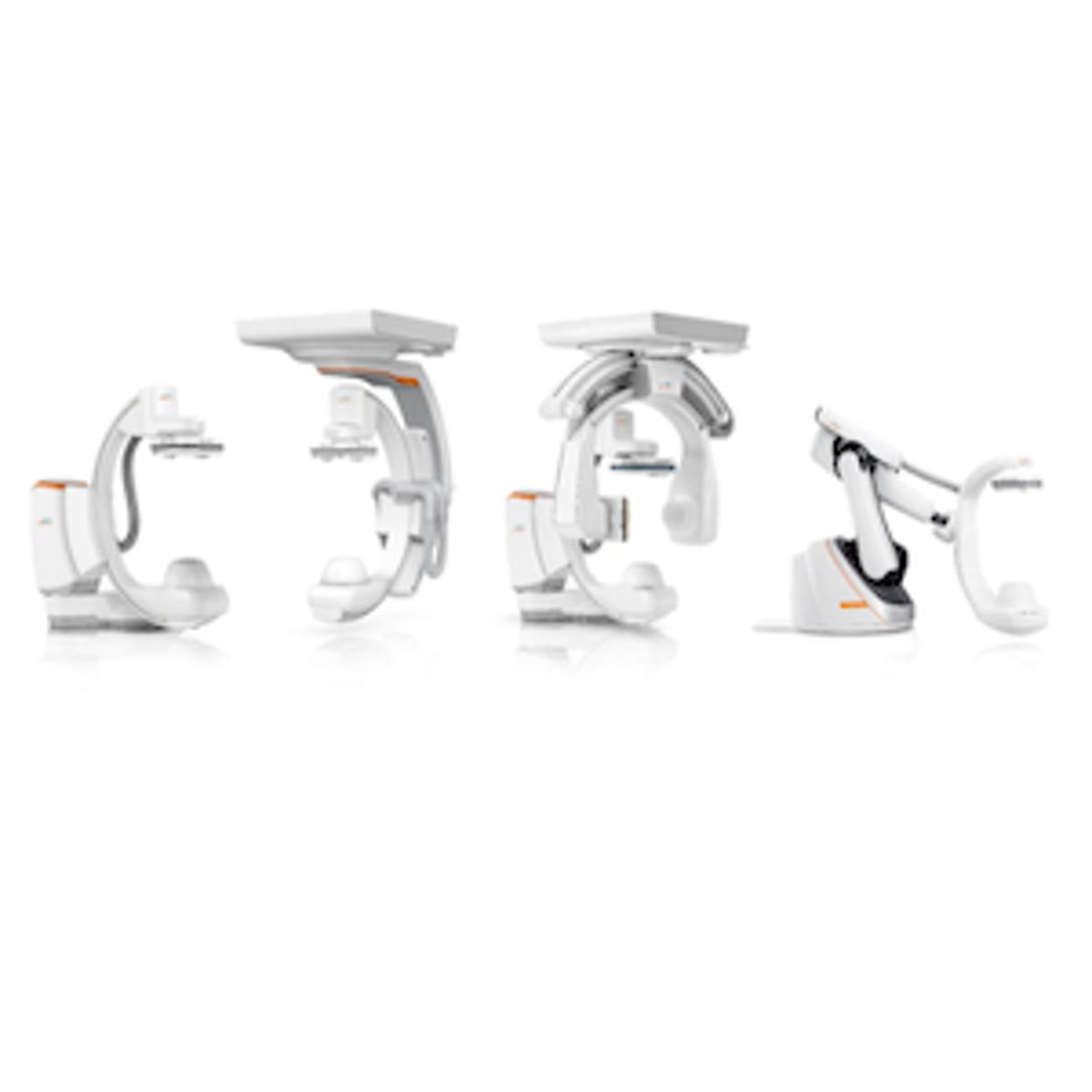
FDA Grants Clearance for Six Interventional Imaging Systems From Siemens Healthineers
Siemens Healthineers received FDA clearance for six new Artis interventional imaging systems, each equipped with the Optiq AI imaging chain. The portfolio spans floor, biplane, ceiling and robotic‑mounted configurations across the Vision, Icono.explore and Genio platforms. Optiq AI applies deep‑learning...
Knowledge, Attitude, and Practice Regarding Multi-Parameter Monitor Alarms Among ICU Nurses: A Multi-Center Cross-Sectional Study
A multi‑center cross‑sectional study of 813 ICU nurses in nine Chinese tertiary hospitals measured knowledge, attitudes, and practices (KAP) toward multi‑parameter monitor alarms. The average KAP score was 66.22 ± 6.70, translating to an 80.76% score rate, indicating a moderate competency level....

Just a Single Vowel Can Shed Light on HF Hospitalization Risk: TIM-HF3
AI‑driven software that analyzes a single sustained vowel can predict heart‑failure hospitalizations more accurately than daily weight tracking, according to the TIM‑HF3 trial presented at ESC Heart Failure 2026. The study enrolled 105 German NYHA II/III patients and recorded weekly /i/ vowel...
Five Ways Technology Can Transform Chronic Care Management
The CDC reports over 129 million Americans—about 37% of the population—live with a chronic condition, driving nearly 90% of the $4.5 trillion annual U.S. healthcare spend. Traditional chronic care management (CCM) relies on fragmented, manual workflows that limit reach to only the...

How to Protect Revenue in a Digital-First Ecosystem
The HFMA report warns that as hospitals shift to a digital‑first, patient‑centric ecosystem, revenue cycle management must move from reactive fixes to proactive, data‑driven controls. It argues that data integrity should be treated as a financial control, enabling AI and...

Intelligent, Trustworthy Operating Model Key to the Hospital of the Future
The HFMA Hospital of the Future survey shows technology has become foundational for hospitals, with 9 in 10 finance leaders naming AI and automation as the fastest industry drivers. Revenue cycle performance is seen as the top area for AI...
Focus on Patient Care and Access Transcends Hospital-Centric Model
Healthcare is moving from a hospital‑centric model to a distributed, digital care platform that spans ambulatory, virtual and home settings. Revenue‑cycle leaders must evolve their function into an enterprise‑wide capability that manages the full patient financial journey. AI and predictive...
The Accuracy Imperative and the Hospital of the Future
The article argues that while visible innovations like robotics, virtual care and AI‑enabled workflows capture headlines, the true foundation of the hospital of the future is data accuracy. Inaccurate records ripple through reimbursement, quality reporting, staffing and patient outcomes, turning...

You Can’t Build the Hospital of the Future on a Billing Model Designed for the Past
HFMA’s Hospital of the Future report envisions digital‑first care and AI‑enabled workflows, but highlights a critical gap in the patient financial experience. Only 28% of patient dollars settle cleanly, while 72% involve complex cases such as Medicaid churn, under‑insured, or...
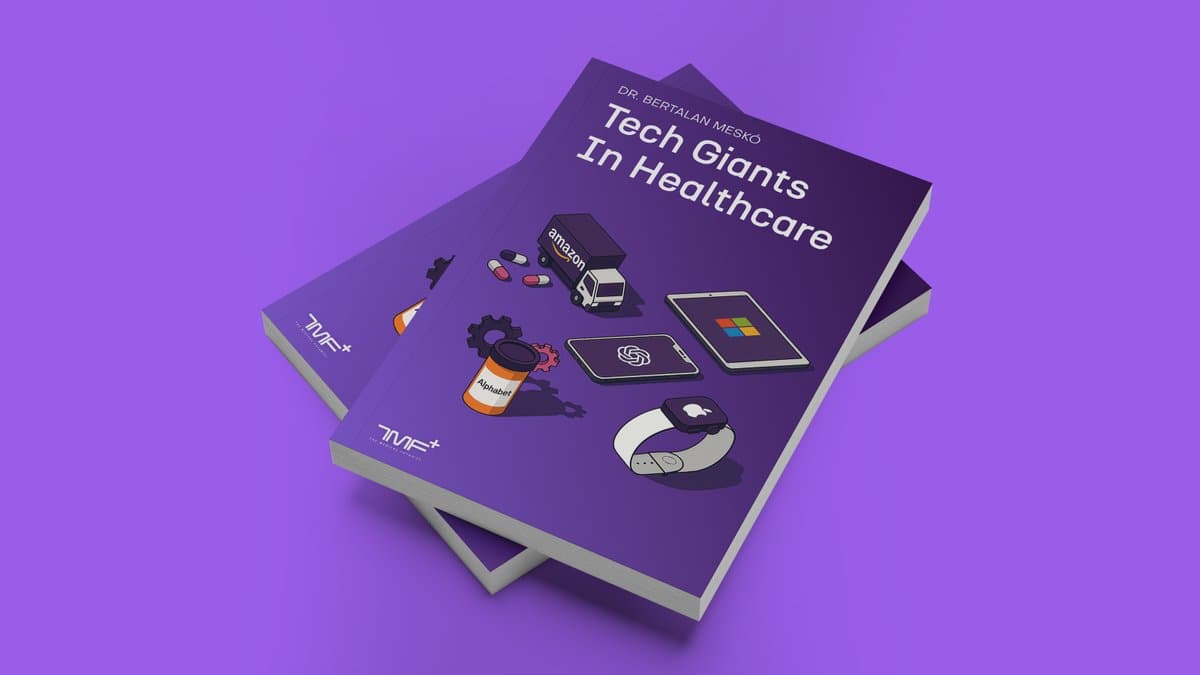
Big Tech Accelerates Into Healthcare with Partnerships
Big tech companies like Amazon, Google/Alphabet, Apple, NVIDIA and Microsoft are taking their move into healthcare and medicine seriously. They are developing new, health-related features on their platforms. They are also teaming up with research institutions and developers to create new...

AI in Transplant Diagnostics: Turning Complexity Into Clinical Clarity
Artificial intelligence is poised to transform transplant diagnostics by accelerating data analysis and improving risk prediction. Recent studies show AI‑driven kidney allocation models outperform traditional scores in forecasting graft survival and wait‑list mortality. However, adoption lags due to complex, non‑standardized...
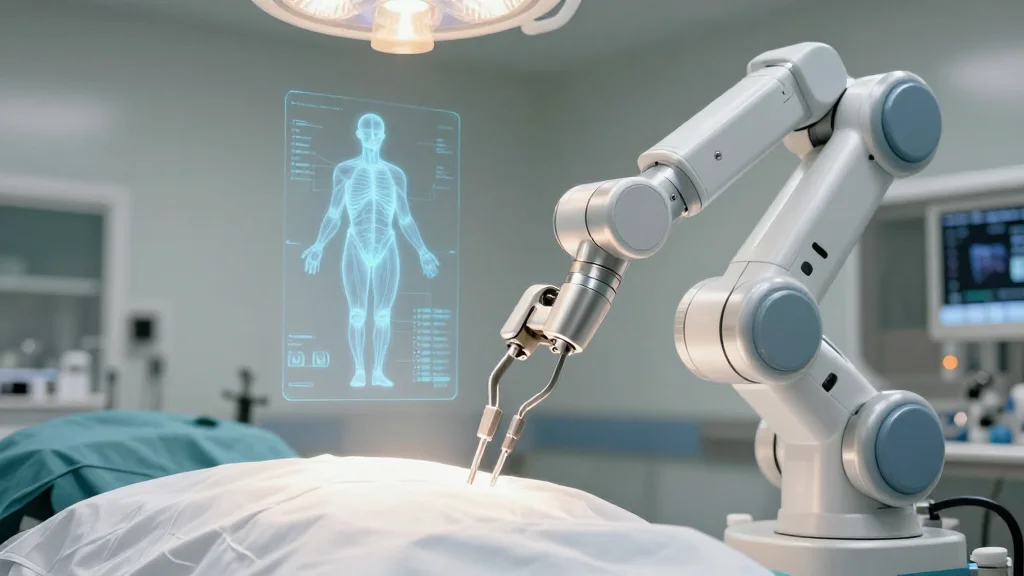
Surgical Robots: Getting Better All the Time
Surgical robotics in the UK are evolving from basic instrument control to AI‑driven assistants that provide real‑time imaging, tissue classification and risk alerts. Since the NHS listed 11 robotic systems for specific procedures, robot‑assisted operations have risen sharply, with advanced...
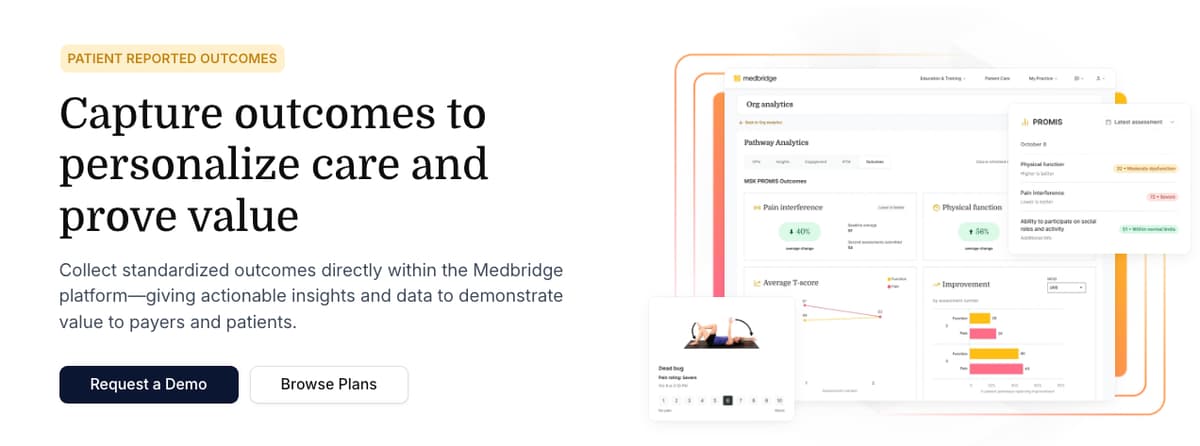
Medbridge Launches Outcomes Offering: Connecting Patient Care to Clinical Efficacy and Payment
Medbridge has introduced Medbridge Outcomes, a new module within its One Care platform that captures patient‑reported outcomes (PROs) for rehabilitation and physical‑therapy providers. The tool embeds data collection into clinicians’ daily workflow and aligns with CMS MIPS and quality‑reporting requirements,...

Aline Launches Aline Connect, an AI-Powered Outbound Agent Built Natively Into Its Senior Living CRM
Aline announced the general availability of Aline Connect, an AI‑powered outbound agent embedded directly in its senior‑living CRM. The tool automatically follows up on every digital inquiry, launching a 20‑touch, 90‑day outreach cadence that includes calls and texts. Early data...
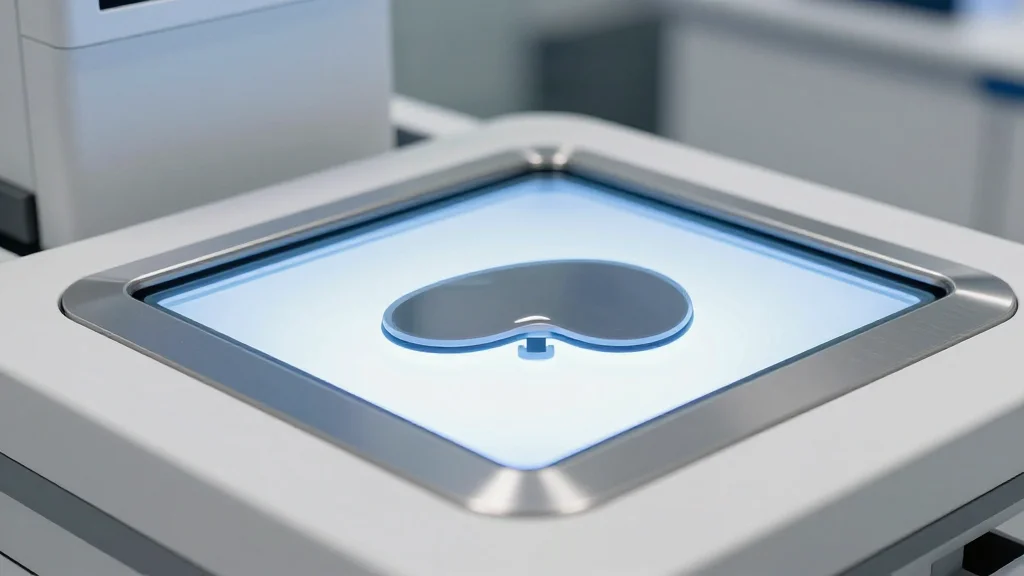
Arkana Laboratories Finishes $24 Million Lab Renovation, Adds 70 Jobs and Same‑day Kidney Biopsies
Arkana Laboratories has wrapped a $24 million overhaul of its Little Rock diagnostic pathology facility, adding a 24,000‑square‑foot lab that will generate more than 70 jobs. The new space lets the nation’s largest kidney pathology provider offer same‑day biopsy results across...

Evolution Devices Announces First Multi-Site Clinical Sale of EvoWalk to Sheltering Arms Institute
Evolution Devices announced its first multi‑site clinical sale of the EvoWalk mobility system to the Sheltering Arms Institute. EvoWalk is a below‑knee wearable that delivers multi‑muscle functional electrical stimulation and captures AI‑driven metrics such as step count, gait speed, and...

Students Invented a New Diagnostic for Lyme Disease — and a Tool for CRISPR Researchers
Lambert High School’s 2025 iGEM team unveiled LANCET, a CRISPR‑Cas12a diagnostic that detects the Lyme‑causing bacterium’s CspZ protein up to 100 days after infection. The assay couples proximity‑dependent ligation of DNA aptamers with RPA amplification and a lateral‑flow readout, delivering...
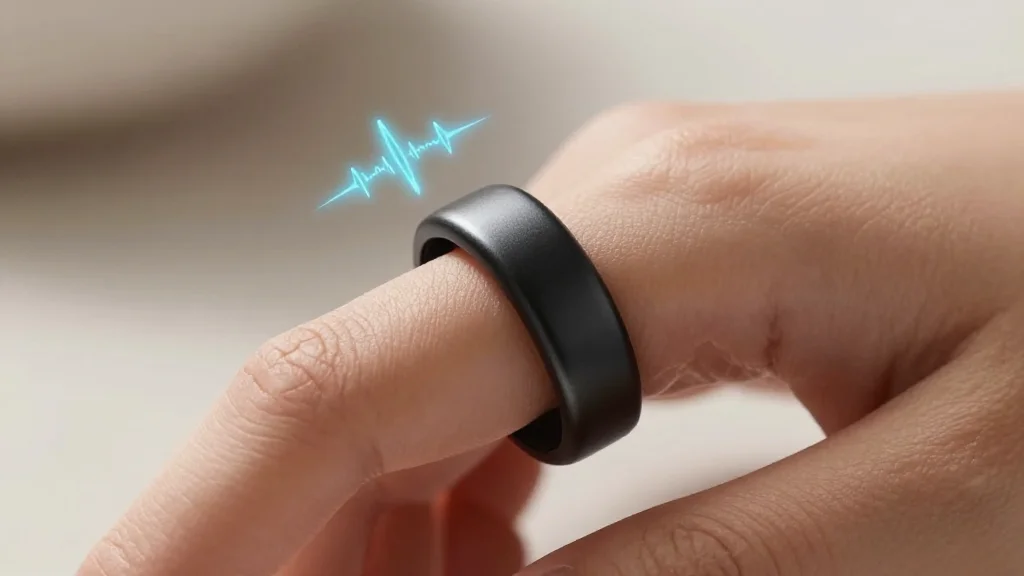
Wearables Aim to Predict Disease Risk as AI Models Gain Traction
Oura Health announced an AI model that will use ring data to flag heart attacks and strokes years before they occur, while competitors Whoop and Google’s Fitbit Air are rolling out similar predictive features. The moves come as the wearable...

NHS to Spend £900 Million on Healthcare AI
Britain’s National Health Service announced a £900 million (≈$1.15 billion) investment in artificial intelligence for healthcare. The funding will be allocated over an eight‑year period beginning in 2027. The program aims to accelerate AI‑driven diagnostics, patient triage, and operational efficiencies across NHS...
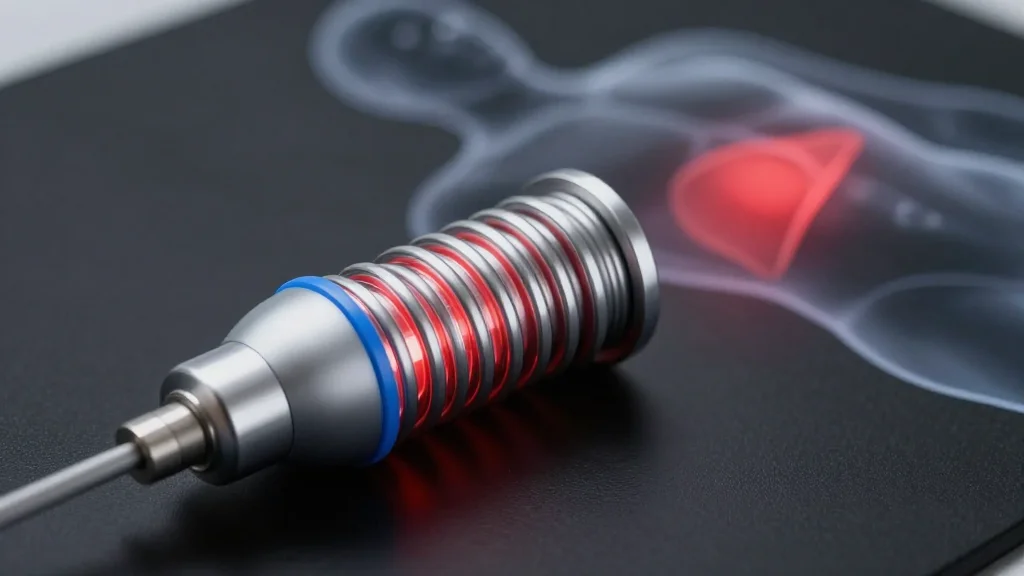
Mayo Clinic Starts Clinical Use of New Phase’s Magnetic Nanoparticle System to Ablate Tumors
Mayo Clinic has begun treating patients with New Phase’s magnetic nanoparticle‑mediated hyperthermia system, marking the first U.S. clinical use of the technology. Six stage‑4 metastatic cancer patients have already received the investigational therapy under an FDA‑granted IDE, highlighting a new...
20/20 BioLabs Exclusively Licenses PSA Velocity Algorithm From the University of South Carolina
20/20 BioLabs announced an exclusive worldwide licensing deal with the University of South Carolina to commercialize a patented PSA velocity algorithm that flags rapidly rising prostate‑specific antigen levels. The tool identifies aggressive prostate tumors before PSA crosses the conventional 4.0 ng/mL...

Tolion Health AI Launches AI-Powered Tolion Brain Coach App for Brain Health, Longevity, and Prevention of Alzheimer’s Disease
Tolion Health AI unveiled the Tolion Brain Coach, an AI‑driven mobile app that extends its Brain Health Platform with personalized, preventive insights for cognitive wellness. The app pulls data from Apple Health and Google Health Connect, analyzing more than 15...

FDA Approves First AI Test to Guide Breast Cancer Chemotherapy Decisions
The U.S. Food and Drug Administration has cleared ArteraAI Breast, the first artificial‑intelligence test designed to guide chemotherapy decisions for early‑stage, hormone‑receptor‑positive, HER2‑negative breast cancer. The digital‑pathology platform scans resection slides, combines them with clinical variables, and uses a multimodal...
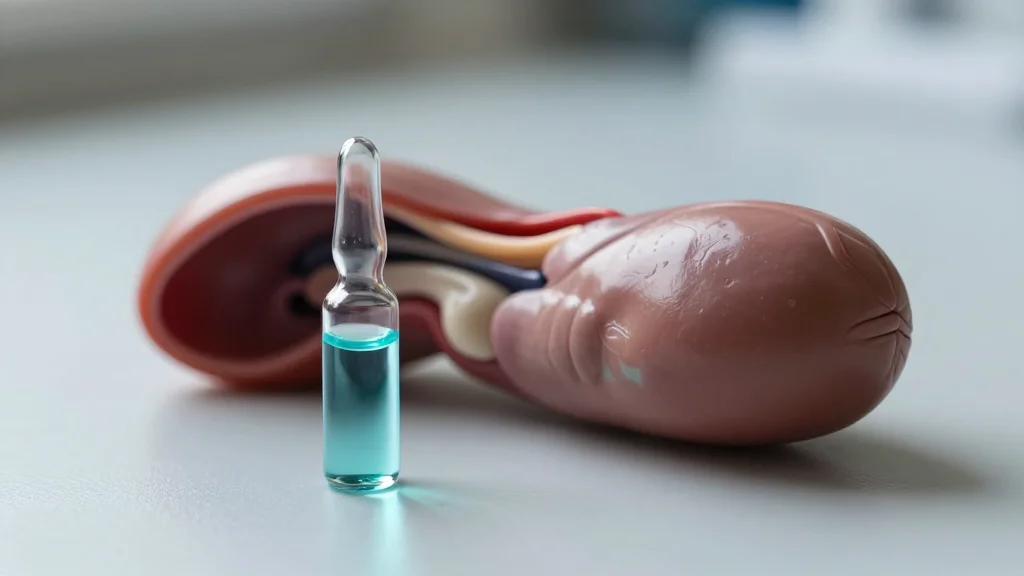
Pancreatic Cancer Patient Vicky Stinson Survives Two Years on New Targeted Drug Daraxonrasib
Vicky Stinson, a 65‑year‑old pancreatic cancer patient, has survived two years after receiving daraxonrasib, a genetically targeted therapy that extended progression‑free survival to 8‑9 months—three to four times longer than standard chemotherapy. The drug’s trial results signal a potential shift...

How AI Is Supporting Nurses
TechRepublic reports that artificial intelligence is increasingly deployed to assist nurses across hospitals, targeting the chronic documentation overload that consumes much of their time. AI-powered transcription, predictive safety alerts, and real‑time patient monitoring are reducing charting effort and improving clinical...

If You’re Going to Remove the Clinician, You Have to Think Like a Clinician (and Ride Your Bike)
The author recounts a personal health alert after a bike ride, where his KardiaMobile 6L’s AI flagged a wide QRS complex despite a normal sinus rhythm history. A cardiologist’s overread deemed the reading normal, underscoring the tension between AI‑driven wearables...

FDA Approves Early Warning System for Sepsis
U.S. Food and Drug Administration has cleared the Targeted Real‑Time Early Warning System, an AI‑driven tool from Johns Hopkins and Bayesian Health that flags sepsis before clinicians suspect it. The system can detect the infection 2 to 48 hours earlier...
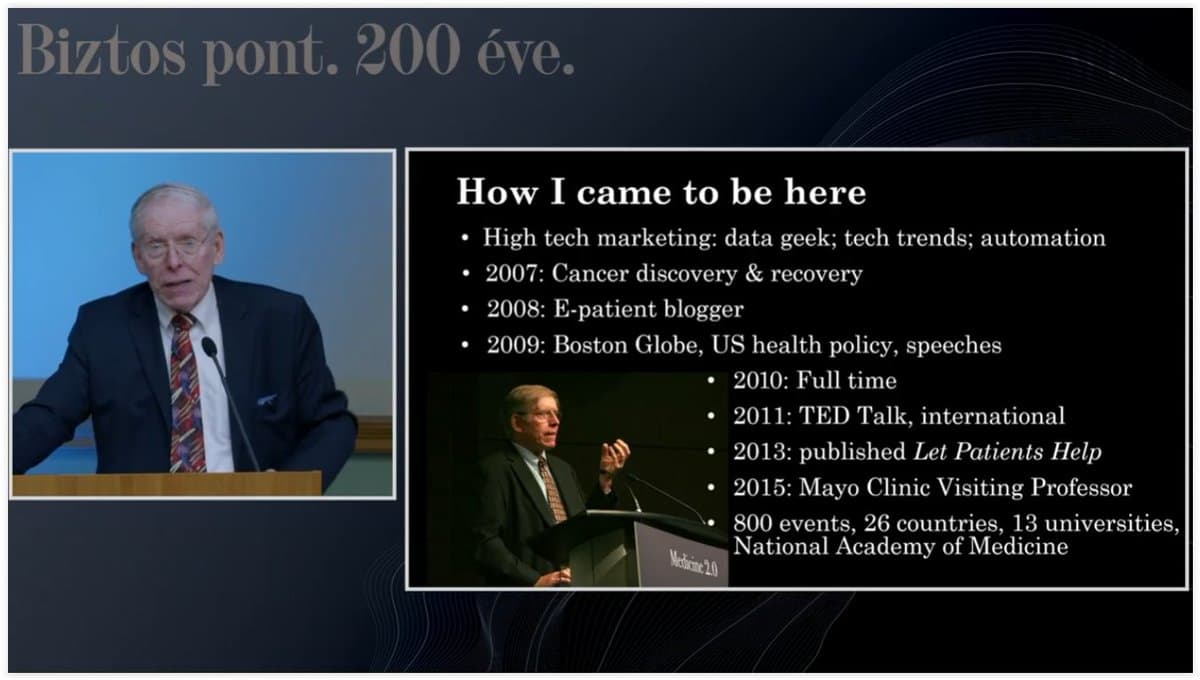
E‑Patients Redefine Healthcare’s Future at Budapest Symposium
The Future of Healthcare From an E-patient Perspective - Presentation by Dave deBronkart (USA)! The presentation took place in the first scientific symposium about medical futures studies at the Hungarian Academy of Sciences in Budapest, Hungary on the 10th of April,...

New Blood‑Draw Tech Revolutionizes Sample Collection
This Blood Draw #Technology Is Transforming the Collection Process by @gigadgets_ #MedTech #HealthTech #TechForGood #Tech https://t.co/bGHGSGPoKL

Ultrasound-Activated Nanoparticles Shine a Light Deep Within Living Tissues
Stanford researchers have demonstrated that ultrasound can activate mechanoluminescent nanoparticles to emit blue light deep within living tissue. By coating Sr4Al14O25:Eu,Dy particles with a biocompatible film and injecting them into mice, they produced programmable 490 nm illumination in organs such as...
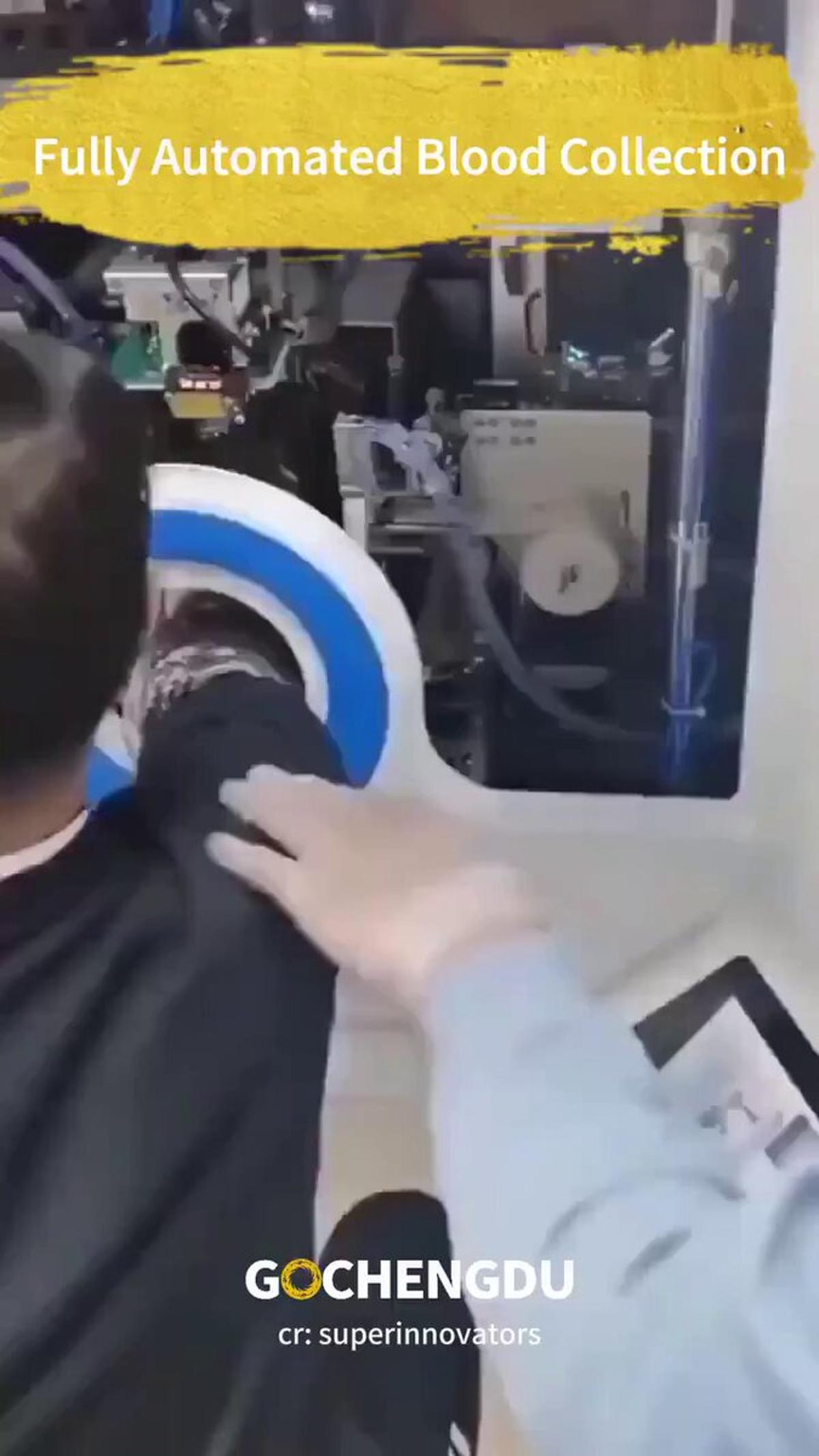
Chinese Hospital's Blood‑Drawing Robot Hits 94.3% Success
Chinese Hospital Deploys Blood-Drawing #Robot Achieving a 94.3% Success Rate by @Khulood_Almani #Robotics #MachineLearning #ArtificialIntelligence #ML https://t.co/BNH5r1f8Pn

Programmable Drug Targets Cancer Cells via DNA Recognition
FinalDose is building the first programmable drug platform - a single smart drug molecule that finds diseased cells by their DNA and destroys them. They're starting with all cancers. Congrats on the launch, @Jeffliu6068Liu, @sklin_lite, and @liyaohuang2! https://t.co/uKJgl7lpmR https://t.co/l4b1hS2mn7

When Surgeons Say ‘Wow’: A Game Changer for Orthopaedic Surgery
The SWASH+ NHS consortium has deployed Sectra’s 3D orthopaedic planning software across five trusts, enabling surgeons to virtually reconstruct fractures before entering the operating theatre. The tool slashes multidisciplinary team (MDT) meeting time by up to 50% and accelerates pre‑operative...
Why Agentic AI Could Be the Next Big Shift for Startups, Education, and Healthcare
Generative AI is moving from isolated pilots to embedded, agentic systems that understand context, orchestrate workflows, and act within guardrails. Industry forecasts expect nearly 40% of enterprise applications to include task‑specific AI agents by 2026, signaling a shift toward autonomous,...

Diagnosing the Future: Proteins, Biosensors and Fundamental Science with Prof. Eleonora Macchia
In this episode, Prof. Eleonora Macchia discusses how fundamental research on protein interactions can be turned into ultra‑sensitive biosensors for early disease detection, highlighting her ERC project that moved from studying topological transitions of proteins to a clinical trial for pancreatic...

How Compassus Is Transforming Home Health Intake With AI
Compassus, a Tennessee‑based home health and hospice provider, has deployed an AI‑driven intake platform that slashes referral processing from roughly an hour to under ten minutes. The tool aggregates fax, email and EMR sources, automatically checks zip codes and insurance,...

Digital Aging Twin Measures How Organs Age at Different Speeds Across Adulthood
Researchers from China’s Aging Biomarker Consortium unveiled the Digital Aging Twin, a computational framework that predicts biological age and organ‑specific aging rates using 240 physiological and multi‑omics measures from 2,019 healthy adults. The system features a three‑tier clock architecture, with...

TPG Completes $400 Million Acquisition of Optum UK, Owner of EMIS GP IT Platform
TPG closed a $400 million purchase of Optum UK on March 13, 2026, taking control of the EMIS electronic patient record system that serves over half of England’s GP practices. The deal positions the U.S. private‑equity firm at the centre of the...
Vanderbilt Health Deploys AI Virtual Assistant in My Health Portal to Streamline Patient Queries
Vanderbilt Health began a phased rollout on April 1 of an AI‑driven virtual assistant inside its My Health patient portal, starting at Primary Care One Hundred Oaks. The tool guides patients to ask clearer, more complete questions, cutting the back‑and‑forth that...

England to Roll Out Unified Patient Record System Across NHS
The UK government confirmed that England will launch a unified patient record system for the National Health Service, giving every citizen a single, comprehensive medical history. The rollout, described as the largest health‑IT integration in the country, is intended to...

Korean Researchers Unveil Ultra‑Thin Nanotech Shield Blocking 99.999% Radiation
Researchers at Korea Institute of Science and Technology (KIST) have announced a nanotechnology‑based radiation shield that blocks up to 99.999% of electromagnetic radiation and about 72% of neutron particles. The ultra‑thin, rubber‑like material could reshape protection strategies for astronauts, hospitals...

What if Your Health Had a CIBIL-Like Score? A Hyderabad Startup Is Building It for a Decade
Hyderabad‑based eKincare, founded in 2014, has spent a decade building a continuous health‑score platform that stitches together fragmented medical records from corporate health checks. Leveraging AI, it standardises data from hundreds of diagnostics providers to create longitudinal health timelines for...