
Protecting Patients From Counterfeit Pharmaceuticals with RAIN RFID
The surge in GLP‑1 medicines such as Wegovy, Ozempic and Mounjaro has attracted a wave of counterfeit products, highlighted by the UK’s 2025 seizure of a factory producing fake injection pens. The World Health Organization estimates the global counterfeit drug market at roughly $400 billion annually, posing serious health and brand‑reputation risks. RAIN RFID tags can embed a Unique Item Identifier on every dose, enabling instant authentication across the supply chain. Smartphone‑compatible readers promise patients direct verification, while real‑time scanning streamlines inventory management for manufacturers and pharmacies.
MHRA Expands AI Airlock Programme with a £3.6 Million Funding Boost
The UK Medicines and Healthcare products Regulatory Agency (MHRA) has secured a £3.6 million (~$4.6 million) funding boost from the Department of Health and Social Care to expand its AI Airlock, the nation’s first regulatory sandbox for AI medical devices. The multi‑year...

Gloucestershire Royal Hospital Expands Cardiac Pacing Services with Specialist Angiography X-Ray System
Gloucestershire Royal Hospital has installed Canon Medical’s Alphenix Core+ angiography X‑ray system to expand its cardiac pacing services. The new system supports around 700 pacemaker implantations, 300 rhythm procedures and 2,000 angiograms annually, while offering ultra‑low radiation and AI‑driven image...
Why Aren’t More Medical Technologies Designed for Children?
Despite rapid advances in adult medical technology, pediatric devices remain scarce. A recent review shows only 0.5% of FDA‑approved orthopaedic devices and 2% of AI radiology tools are labelled for children, while the UK spends just 5% of its health...

Bridging the Precision Gap: Accelerating Clinical Adoption of Companion Diagnostics in Oncology
Companion diagnostics (CDx) are central to precision oncology, yet clinical adoption lags due to lengthy evidence generation, regulatory hurdles, and reimbursement challenges. The article outlines three core bottlenecks—clinical validation, workflow integration, and payer coverage—that can stretch implementation timelines to a...

FDA Seeks Input on Digital Health Technologies in Clinical Investigations for Drugs and Biological Products
The FDA has issued a Federal Register notice seeking stakeholder input on the use of digital health technologies (DHTs) in clinical investigations for drugs and biologics. The agency asks for comments on regulatory challenges, guidance needs, and topics for future...

Controlling Diabetes without Insulin Injections Thanks to New Implant
MIT researchers unveiled an implantable device that houses insulin‑producing islet cells, shielding them from immune attack and supplying oxygen via an on‑board generator. In mouse studies the encapsulated cells survived at least 90 days, continuously secreting enough insulin to maintain...

The Best Red Light Therapy Devices for Joint Pain (2026 Guide)
The at‑home red light therapy market, valued at roughly $1.2 billion in 2024, is projected to reach $2.5 billion by 2033, driven by 2.5 million monthly searches and 59% YoY growth. Independent testing of 18+ devices using spectroradiometers, flicker analyzers, EMF and power...

Bridging the Gap in Rural Dementia Care with Technology
Rural dementia patients experience higher mortality, fewer physician visits, and longer hospital stays compared with urban peers. A new centralized resource app, “Resources for Individuals Living with Dementia and Their Families,” connects clinicians and caregivers to in‑home care, therapy, and...
First In-Room MRI-Guided Breast Biopsy System Gets FDA Clearance
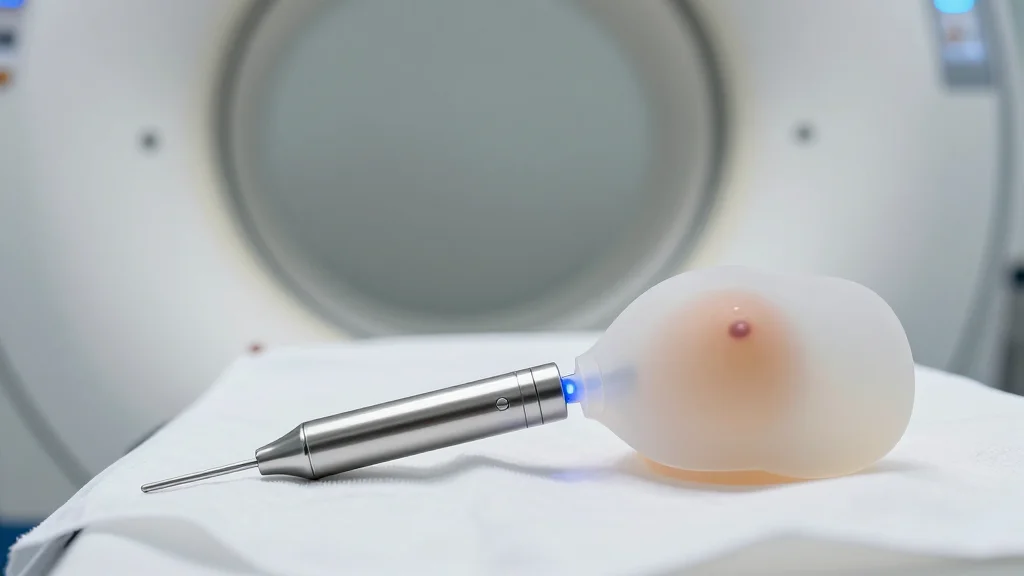
Mammotome received FDA clearance for the Prima MR system, the first in‑room MRI‑guided vacuum‑assisted breast biopsy platform, alongside its HydroMARK Plus MR biopsy site markers. The system lets clinicians perform biopsies directly inside the MRI suite, eliminating patient transfers and streamlining...

The CY 2027 MA Rate Announcement as an Entrepreneur’s Prospectus
CMS released the CY 2027 Medicare Advantage and Part D rate announcement on April 6, 2026, confirming a 2.48% net average payment increase—about $13 billion more than 2026. Beyond the headline, the rule introduces several operational mandates: unlinked chart‑review diagnoses are excluded from...

Understanding Generation 2 Patient Engagement Platforms
The article distinguishes two generations of patient engagement platforms. First‑generation tools deliver information but flood staff inboxes, requiring manual responses and new staffing roles. Second‑generation solutions embed AI‑driven protocols that answer routine questions automatically, leaving clinicians only to handle escalations....

Snailing Colorectal Cancer Drug Delivery, Once and for All
University of Manchester researchers have secured roughly $1.27 million from UKRI to develop snail‑inspired soft‑robotic carriers for colorectal cancer drugs. The project aims to create centimeter‑scale, peptide‑based robots that travel through the gastrointestinal tract and release protein kinase inhibitors directly at...

Copay Funds Are Being Misused at the Pharmacy. Now There’s a Way to Stop It in Real Time
Pharmaceutical manufacturers rely on copay assistance programs to boost patient access and drug utilization, but misuse at the pharmacy level is eroding billions in spend. ConnectiveRx’s ShieldRx platform intervenes at the moment a claim is submitted, using AI‑driven analytics to...

AI Sleep Apnea Detection Tool Draws 150,000 Pre-Launch Sign-Ups
Sleep Cycle, the AI‑powered sleep‑tracking app, announced that more than 150,000 users have pre‑registered for its upcoming AI‑driven sleep apnea risk detection tool. The sign‑ups, mainly from the United States and United Kingdom, skew toward adults over 45, a group...

Uncovering the Cellular Origins of Cancer and Neurodevelopmental Disease
Jasmine Plummer, founding director of St. Jude’s Center for Spatial Omics, outlines how her lab merges single‑cell transcriptomics, epigenomics and cutting‑edge imaging to map cellular origins of cancer and neurodevelopmental disease. The team created STAMP, a method that turns standard microscopes...
Yuzu Health, General Catalyst, and the Quiet Bet on Health Insurance Plumbing
Yuzu Health announced a $35 million Series A round co‑led by General Catalyst and Chemistry, bringing total capital to $40 million. The startup operates a vertically integrated third‑party administrator (TPA) that has built its entire software stack in‑house, processing over $1 billion in claims...

Scaling Artificial Intelligence in Health
The OECD released a report outlining a policy checklist to scale artificial intelligence responsibly in health systems. It identifies four pillars—enablers, guardrails, meaningful engagement, and trustworthy deployment—covering nine policy categories and 43 guiding questions. The document highlights persistent barriers such...
Glaukos to Present Multiple Scientific Abstracts at the 2026 American Society of Cataract and Refractive Surgery (ASCRS) Annual Meeting
Glaukos Corporation will present a slate of scientific abstracts at the 2026 American Society of Cataract and Refractive Surgery (ASCRS) meeting in Washington, D.C., and will exhibit at booth #407. The company is also sponsoring an educational symposium on Epioxa™,...

SurgΣ: Large-Scale Multimodal Data and Foundation Models for Surgery
SurgΣ is a joint effort by NUS, CUHK, SJTU and NVIDIA to build a massive, high‑quality surgical video repository and a suite of foundation models for surgical intelligence. The first release, SurgΣ‑DB, holds roughly 5.98 million multimodal conversations spanning 18 distinct...

GE HealthCare (GEHC) Receives FDA Clearance for Photonova Spectra CT System
GE HealthCare secured FDA 510(k) clearance for its Photonova Spectra, a next‑generation photon‑counting CT system featuring Deep Silicon 8‑bin energy resolution. The scanner processes data volumes up to 50 times larger than conventional CTs using Nvidia‑accelerated computing and rotates in...

IQVIA (IQV) Launches IQVIA.ai Unified Agentic AI Platform with Nvidia
IQVIA Holdings announced the launch of IQVIA.ai, a unified agentic AI platform built with Nvidia, aimed at the life‑sciences sector. The solution merges IQVIA’s healthcare‑grade AI and extensive data assets with Nvidia’s Nemotron models and NeMo Agent Toolkit, meeting strict...
Flickstop
Intuitive Surgical’s da Vinci SP single‑port robotic system has been launched in Hungary through local partner Sofmedica. The SP platform enables surgeons to perform complex procedures through a single incision, expanding minimally invasive options. Sofmedica’s portfolio now includes the SP...

AI Tested to Support Battlefield Medical Decisions
UK Defence Science and Technology Laboratory and the US DARPA conducted AI‑enabled battlefield medical triage trials, testing whether AI can be aligned with individual medics' ethical preferences. Simulated mass‑casualty scenarios in October 2025 let participants evaluate AI decisions without knowing...

Who Owns Your Body’s Numbers
Whoop announced a $575 million financing round, backed by a Gulf sovereign‑wealth fund and Cristiano Ronaldo, to expand its wristband into continuous glucose monitoring. OpenAI completed one of the largest financial transactions in history, shelved its erotic chatbot project and repositioned itself...

Spacelabs Healthcare Announces Agreement to Provide Its Rothman Index® to Hospitals and Health Systems Through DEPTH Health
Spacelabs Healthcare has signed an agreement with DEPTH Health to integrate its Rothman Index into DEPTH’s Real‑Time Advisor for Clinical Expert Routing (RACER) platform. The Rothman Index aggregates 26 clinical data points into a 200‑point risk score that updates continuously,...

Scaling AI's Promise in Healthcare: The Time Is Now
ZS CEO Pratap Khedkar warns pharma must move from isolated AI pilots to scalable, high‑impact use cases such as clinical trials, commercialization, and supply‑chain intelligence. He cites a new ZS‑Healthcare Leadership Council report showing the sector is transitioning toward targeted...
The $1.8B Ozempic Middleman and What It Actually Means for Health Tech
Medvi, a two‑person GLP‑1 telehealth brand, posted $401 million in 2025 revenue and is on track for $1.8 billion in 2026, delivering a 16.2% net margin. The company built its consumer‑facing platform using AI tools for under $20,000, while outsourcing all clinical...

Why ‘Boring’ AI Could Save Healthcare When the Bubble Bursts
The healthcare AI market is facing a sharp correction, with Series B funding dropping 84% from its 2021 peak and 95% of enterprise pilots failing to show ROI. Most failures stem from demo‑centric tools that cannot survive fragmented clinical data environments....

Boston University to Apply Machine Learning to Alzheimer’s Biomarker and Cognitive Data
Boston University, leading the AI for Alzheimer’s Disease (AI4AD) consortium, is coordinating 11 research institutes to apply machine learning to massive genomic, biomarker and cognitive datasets. The team is building the PreSiBO database, which tags predictor, signature, biomarker and outcome...
What the Leaked Claude Code Codebase Tells Healthcare Builders About Designing Agentic Health Tech
On March 31, 2026 a 59.8 MB source‑map file unintentionally exposed Anthropic’s Claude Code TypeScript codebase, revealing roughly 512,000 lines of production‑grade AI agent logic. The leak showcases a three‑layer skeptical memory system, a coordinator mode for multi‑agent orchestration, the AutoDream consolidation...
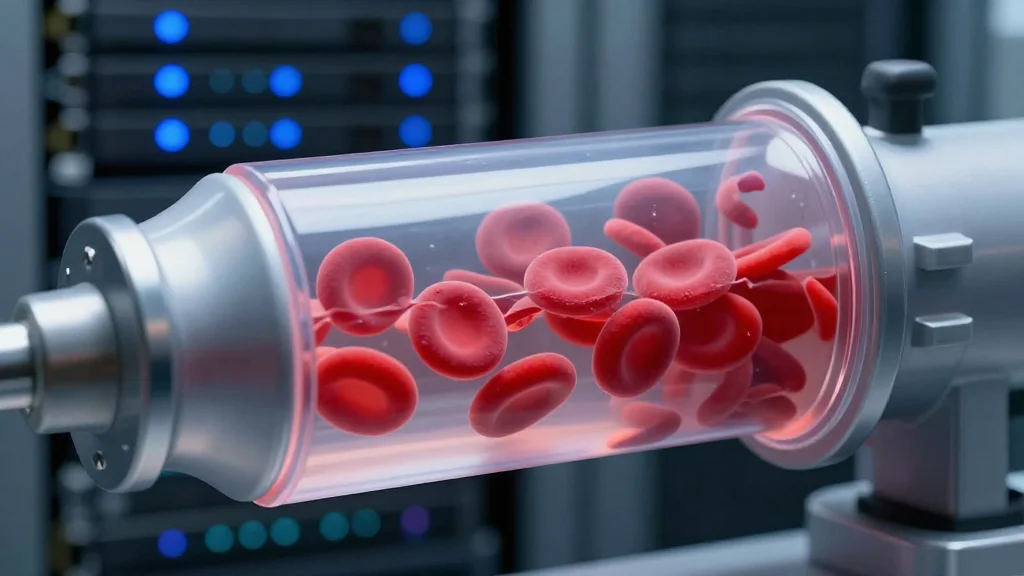
TACC: How Supercomputing Reveals Early Red Blood Cell Damage
Researchers at Penn State used the Texas Advanced Computing Center's Stampede3 supercomputer, funded by NSF ACCESS, to run high‑resolution simulations of red blood cell deformation in mechanical circulatory support devices. By adapting a droplet deformation equation within OpenFOAM, the team...
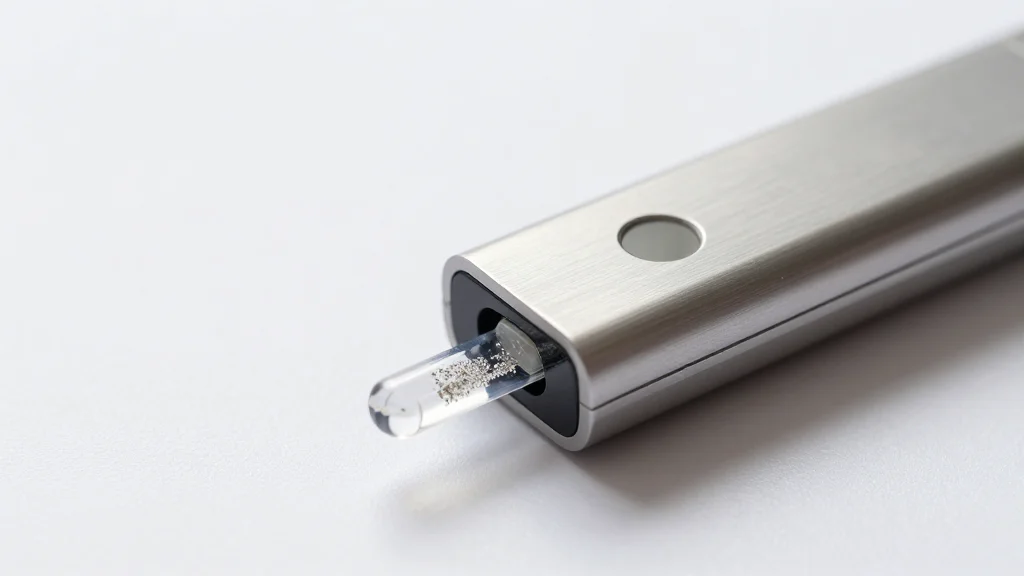
Nanotechnology Sensor Reads Creatinine in Seconds for Rapid Kidney Testing
Researchers at Tohoku University and City College of New York unveiled a nanotechnology‑based creatinine biosensor that reads concentrations from 1 to 300 mg/dL in about 35 seconds. The device uses a platinum‑nanoparticle polymer composite tuned near the percolation threshold, eliminating the...

Healthcare Innovation Special Report: Post-Conference Intelligence — ViVE 2026
The Futurist Global released a post‑conference report on ViVE 2026, drawing insights from 28 top digital‑health leaders. It highlights that physicians access only 3‑5% of patient data, while hospital data volumes are doubling every two years to roughly 50 petabytes per...

Amprion Grows Global Footprint with Australian Partnership & Expanded Research Collaborations
Amprion announced a strategic partnership with Macquarie University to launch Australia’s first clinical alpha‑synuclein seed amplification testing site, expanding its global footprint. The company will continue collaborative research with the Michael J. Fox Foundation in 2026, integrating its SAAmplify‑ɑSYN assay into...

Video Wednesday
The April 1, 2026 "Video Wednesday" post serves as a launchpad for a weekly video series that highlights cutting‑edge medical robotics and pandemic‑response technologies. It references earlier "Flickstop" entries that showcased robotic surgery and COVID‑19 disinfection robots, providing visual context for readers....
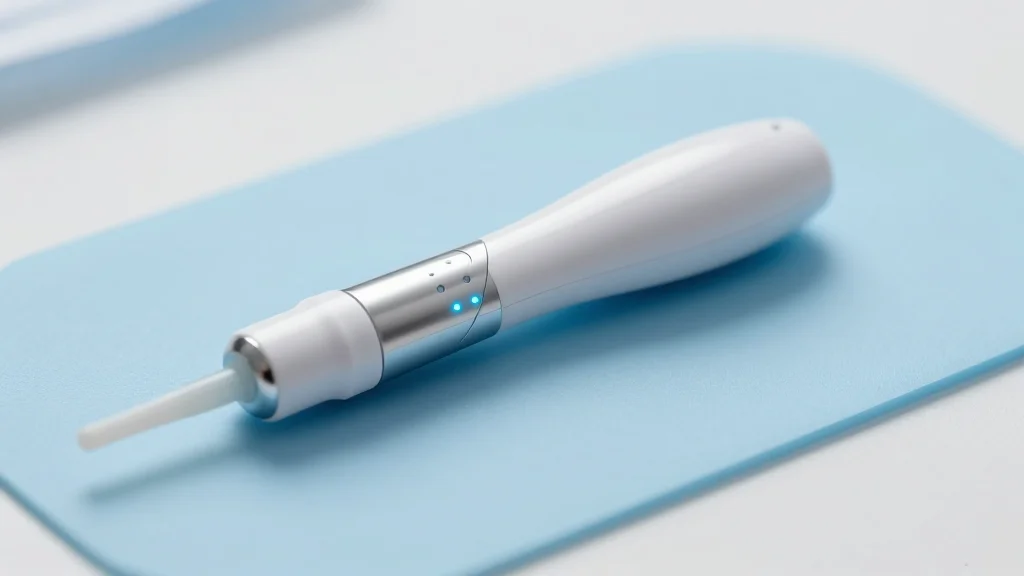
Smart IUD Could ‘Provide Insights We’ve Never Had Before’
Verso Biosense, based in Oxfordshire, is creating a wireless smart IUD that continuously records uterine temperature and oxygen levels. The device aims to generate real‑time data to help clinicians understand why some IVF cycles fail and to identify conditions that...

AI Could Help NHS Clinicians Diagnose Childhood Sleep Apnoea, Study Finds
Seluna’s AI‑driven autoscoring software accurately identified paediatric sleep apnoea in a 500‑patient NHS trial, achieving 100 % sensitivity for severe cases and processing each study in under five minutes. The platform matched human inter‑scorer variability while dramatically cutting analysis time from...

Boston Scientific Receives FDA Clearance for the Asurys Fluid Management System
Boston Scientific announced FDA 510(k) clearance for its Asurys Fluid Management System, a device that provides automated irrigation and intrarenal pressure control during endoscopic urologic procedures such as ureteroscopy. The system integrates with the LithoVue Elite single‑use digital ureteroscope, allowing...

Kevin Wang, Suki
Kevin Wang, chief medical officer of Suki, discussed the evolution of ambient documentation technology that automates clinical note‑taking and now extends into coding and billing assistance. Suki’s AI‑driven platform is sold directly to providers and embedded in partner solutions such...

AI Assistance Can Aid Caregivers
Artificial intelligence is moving into senior caregiving, offering tools that track medication schedules, monitor vital signs, and alert families to safety risks. AI‑driven sensors and wearables can provide real‑time health insights, while chatbots and companion robots add social interaction and...

Using Persuasive Technologies in Value-Based Health Care
Persuasive technologies are emerging as essential tools for value‑based health care, turning policy goals into daily patient actions. By providing feedback loops, personalized recommendations, and habit‑forming reminders, they improve medication adherence, chronic disease self‑management, and post‑surgical recovery. Remote monitoring and...
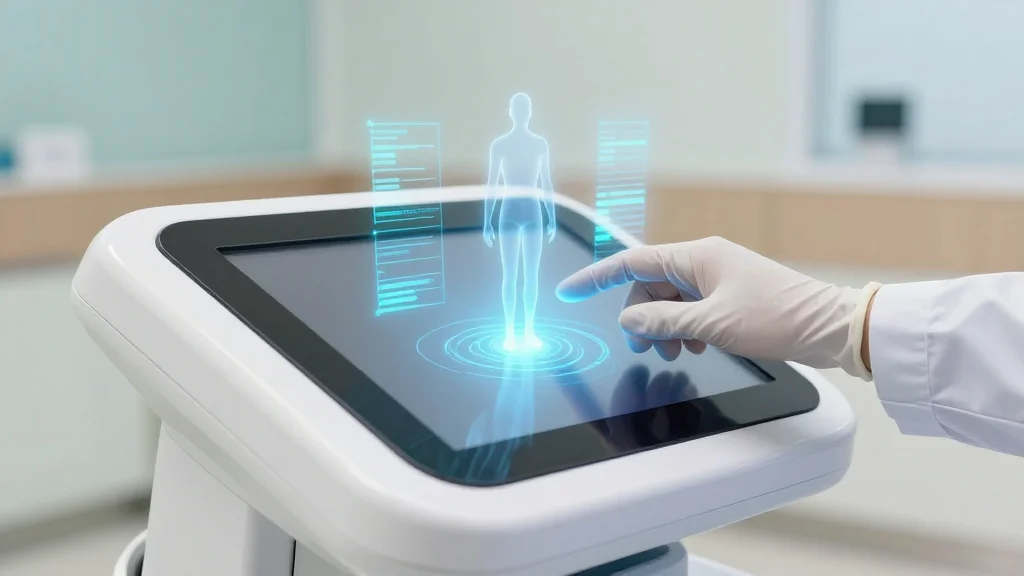
AI Med Consult and 4D EMR Announce Strategic Partnership to Advance AI-Driven Patient Engagement and Practice Efficiency
AI Med Consult and 4th Dimension EMR announced a strategic partnership at the AACS Annual Scientific Meeting, integrating AI‑driven patient engagement tools with 4D EMR’s aesthetic‑medicine platform. The combined solution will feed real‑time interaction data into electronic medical records, delivering...

SignateraTM MRD Identifies Breast Cancer Patients Who Can Forgo Surgery
Natera’s Signatera circulating‑tumor DNA test was shown in a prospective Clinical Cancer Research study to identify older women (≥70) with early‑stage ER⁺/HER2‑ breast cancer who can safely forgo surgery and remain progression‑free on primary endocrine therapy. Baseline MRD‑negative patients (68%...
NVIDIA’s Healthcare Stack Is the Picks and Shovels Play You’ve Been Waiting For
NVIDIA has assembled a comprehensive AI infrastructure stack for healthcare, encompassing BioNeMo, MONAI, Isaac for Healthcare, Holoscan, Parabricks, Clara and NIM. Its 2026 State of AI in Healthcare survey shows 70% of organizations actively using AI, with generative models now...

Dose by Design: Pharmaceutical 3D Printing and the Future of Pediatric Compounding
The article charts the transition of pharmaceutical 3D printing from research pilots to routine pharmacy practice, focusing on pediatric compounding. Companies such as FabRx and CurifyLabs have built platforms that let pharmacists print chewable tablets, gels, and mini‑tablets tailored to...
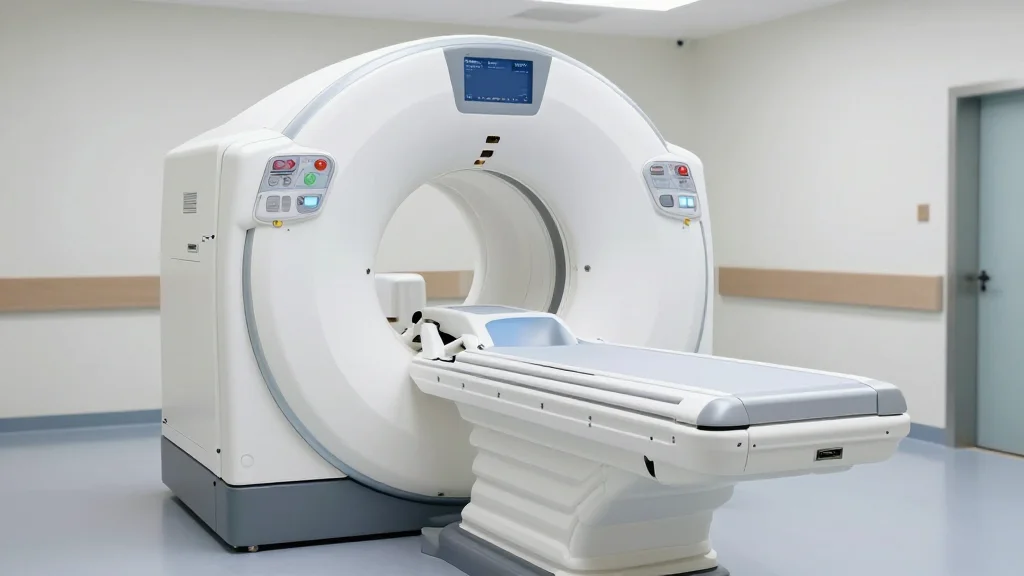
Major Upgrade for Musgrove Park Hospital’s Nuclear Medicine Department
Musgrove Park Hospital in Somerset has reopened its Nuclear Medicine department after a comprehensive refurbishment and the installation of a state‑of‑the‑art SPECT/CT scanner. The new hybrid system delivers high‑resolution 3‑D images that combine functional and anatomical data, expanding the range...

Right Through the Skull
Researchers have unveiled a novel calvarial delivery platform that injects drug‑laden nanoparticles into the skull’s bone marrow. Immune cells within the diploic space capture the particles and migrate across skull‑meninges channels, ferrying the therapeutic cargo into the brain. In mouse...

Monday March 30, 2026
The medical device landscape is accelerating across multiple fronts. Medtronic secured FDA clearance to extend its robotic platform into cranial and ENT surgeries, while Boston Scientific introduced a fluid‑management system for ureteroscopy. At‑home neuromodulation received a $6 million infusion after FDA...

Improving Connecticut’s Public Health Through Cross-Sector Data-Sharing
Connecticut’s Prevention Data Portal, launched in 2018, showcases how cross‑sector data sharing can improve public‑health outcomes without massive new infrastructure investments. The portal aggregates local, state, and federal datasets, delivering free epidemiological profiles, data stories, and infographics on mental health,...