
Claimed “100% Sensitivity and Specificity in Differentiating Autistic Individuals From Typically Developing Controls Using Retinal Photographs” . . . Yeah,...
Two recent JAMA Network Open studies report near‑perfect diagnostic performance for autism using retinal photographs and video‑based deep‑learning models. The retinal study claims 100 % sensitivity and specificity across 958 participants, while the video study reports an AUC above 0.99. Critics highlight methodological concerns such as single‑site case recruitment, retrospective control selection, and possible image‑capture confounders that could artificially inflate performance. The controversy underscores the need for independent replication before such tools can influence clinical practice.

DNA-Engineered Silver Nanoclusters Enable Precision Killing of Drug-Resistant Bacteria
A team led by Kirill Afonin at UNC Charlotte engineered programmable DNA scaffolds that organize silver nanoclusters into highly potent antimicrobial agents. The spatially arranged DNA‑AgNCs showed up to 78‑fold greater killing efficiency against ESKAPE pathogens and meningitis‑causing bacteria compared...

Preeti Bhargava, Arintra
Arintra, a revenue cycle management (RCM) startup, has deployed AI that reads medical charts and automatically generates claims, reducing the need for human coders. The technology delivered a 5% revenue uplift for Mercy Health, one of its early customers. CTO...

Evidence-Based Medicine Vs. Clinical Judgment: A Medical Student’s Perspective
A third‑year medical student describes how point‑of‑care calculators like MDCalc translate evidence‑based scores into actionable decisions during an emergency medicine clerkship. While these tools improve consistency, the author warns that they can solidify into rigid protocols, turning probabilistic aids into...

AI Model Uses 3D Lipid Structures to Improve mRNA Nanoparticle Delivery
Researchers at China’s National Center for Nanoscience and Technology have developed an AI‑driven platform that screens ionizable lipids based on their three‑dimensional conformations. The model identified a novel lipid, P1, which delivers mRNA 14.8 times more efficiently than the clinically...

Clinical Reasoning Vs. Documentation: The Next Battleground for Medical LLMs
The first wave of healthcare AI delivered clear ROI by automating clinical documentation, turning high‑entropy encounter notes into structured, billable outputs. Vendors like Nuance DAX, Abridge, and Epic have made ambient scribes a table‑stake feature, driving productivity gains of several...

UK Dental Lab Reports Major Surge in Business with Multi-Material 3D Printing Technology
Bant Dental, a UK family‑run lab, installed a Stratasys J5 DentaJet multi‑material 3D printer at its new Macclesfield facility, making its workflow 95 % digital. The printer can handle up to five materials in a single run, enabling colour‑accurate, translucent dentures,...

First-of-Its-Kind Implant Could Transform Tissue Loss Treatment
Researchers at Technion’s Levenberg Laboratory have created a first‑of‑its‑kind three‑dimensional implant that merges muscle, fat, a hierarchical blood vessel network and, uniquely, a lymphatic system. The construct is printed with a custom extracellular‑matrix bio‑ink and matured in a flow‑controlled bioreactor....

Why EHR Implementations Fail Without Operational Leadership
Electronic health record (EHR) implementations are often treated as pure technology projects, yet they represent enterprise‑wide operational transformations. In multi‑clinic health systems, divergent intake, documentation, and billing processes create hidden complexities that surface after go‑live when operational leadership is absent....

Building Agent Studio: How Medable Is Using Agentic AI to Accelerate Clinical Trials
Medable has launched Agent Studio, a no-code/low-code platform that lets pharmaceutical companies configure and deploy AI agents across the clinical trial lifecycle. The platform currently powers two agents—a document‑classification ETMF agent that processes over 80,000 records a year, and a...

Navigating the Cybersecurity Challenges of Artificial Intelligence in Medicine
Artificial intelligence is rapidly entering clinical workflows, from diagnostic algorithms to administrative tools, but its adoption creates a new attack surface for cybercriminals. Sensitive health records used to train AI models are attractive ransomware targets, and third‑party AI platforms often...

UK-First AI Case-Finding Pathway Launched to Improve Early Detection of Oesophageal and Gastric Cancer
A new NHS‑first AI‑enabled case‑finding pathway has launched in North East Essex to detect oesophageal and gastric cancers earlier. The programme, built on the C the Signs platform, analyses routine electronic health records and patient‑reported data to flag high‑risk individuals....

Using ChatGPT and AI in Physical Therapy
In episode 383 of #AskMikeReinold, physical therapists discuss how AI—especially ChatGPT, Google Gemini, and niche tools like OpenEvidence—is being woven into daily practice. They highlight OpenEvidence’s ability to surface PubMed‑linked research with minimal hallucinations, while ChatGPT and Gemini assist with treatment...

How Digital Narratives Shape Mental Health Outcomes
Digital narratives on platforms like TikTok and Reddit are reshaping mental‑health outcomes by spreading misinformation and disinformation. A scoping review by the Royal College of Psychiatrists found that over half of top TikTok mental‑health videos contain misleading content, which erodes...

Microsoft Dragon Copilot Gets AI Upgrades
Microsoft showcased its Dragon Copilot at HIMSS 2026, positioning it as a unified AI‑driven hub for clinical workflows. The platform now integrates trusted medical content from Wolters Kluwer and Elsevier, adds partner‑powered AI apps through the Microsoft Marketplace, and offers...

How AI Scribes Can Rescue Clinical Education From Burnout
Clinicians are overwhelmed by EHR documentation, eroding patient interaction and clinical teaching. AI‑driven scribes promise to offload clerical work, freeing preceptors to engage more directly with patients and students. The article argues that while AI is not a cure‑all, it...
NemoClaw and the Healthcare Agent Trust Problem
NemoClaw is NVIDIA’s open‑source stack that wraps autonomous coding agents in out‑of‑process policy controls via the OpenShell runtime. The architecture provides a sandbox, policy engine, and privacy router to enforce filesystem, network, and data‑handling constraints, preventing compromised agents from breaching...
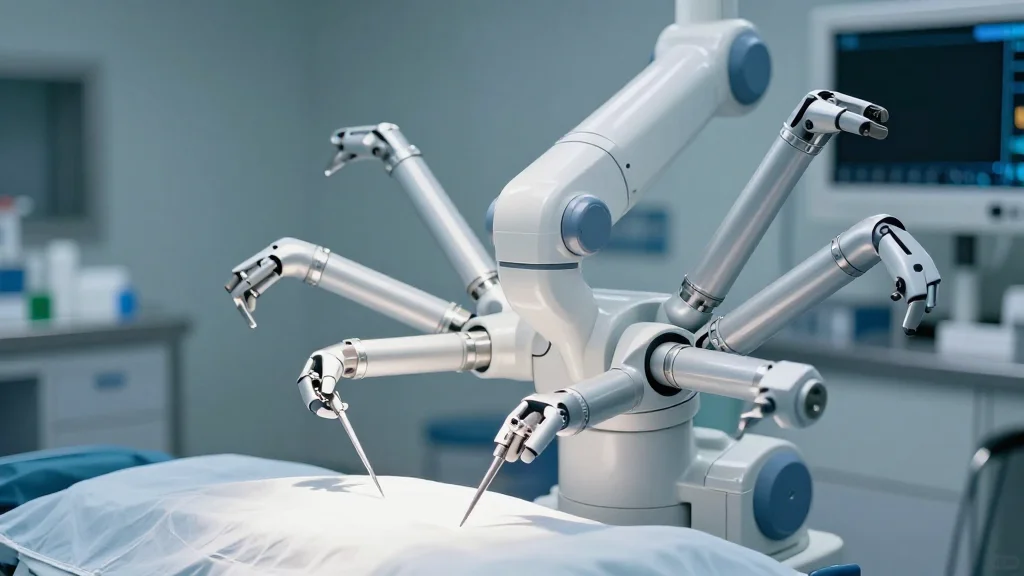
Video Wednesday
On November 20, 2020 Johnson & Johnson’s Verb division unveiled OTTAVA, a six‑armed robotic platform designed for minimally invasive surgery. The system combines modular hardware with AI‑driven control to perform simultaneous tasks, promising greater precision and efficiency. Early trials indicate up to...

Dr ChatGPT: Why the Future of Care Depends on Clinician-AI Collaboration
A recent survey of 2,000 UK patients shows 24% already rely on AI for health guidance, with 34% of 16‑25‑year‑olds turning to ChatGPT for medical advice. While AI tools like ChatGPT offer 24/7 convenience, they also risk hallucinations and misinformation...

AI in the Hands of Clinicians: A Look at the Digital Stethoscope
AI‑augmented digital stethoscopes such as the Eko CORE 500 are bringing machine‑learning diagnostics to the bedside. The device records heart sounds, a three‑lead ECG and runs cloud‑based algorithms that flag atrial fibrillation, murmurs and reduced left‑ventricular ejection fraction, with studies reporting...

Blood Test Detects Brain Tumours with 90% Accuracy
Scientists at the University of Manchester have developed a blood test that detects brain tumours with 90% accuracy by measuring a pair of proteins. The test, validated in glioblastoma patients, is being evaluated in a multi‑site clinical trial across six...

Hexagon’s First Geomagic Freeform Update Makes Personalised Medical Device Design More Accessible
Hexagon’s Manufacturing Intelligence Business Area has launched Geomagic Freeform 2026.1, introducing a subscription pricing option alongside perpetual licenses. The update adds a Deform Selection tool, Python scripting for workflow automation, and Haply Robotics haptic integration, while extending DICOM RTSTRUCT support...

Sartorius Addresses Structural Manufacturing Bottlenecks with Launch of Eveo Cell Therapy Platform
Sartorius is launching the Eveo Cell Therapy Platform, an integrated, modular system that consolidates cell selection, activation, gene editing, expansion, washing, concentration and formulation into a closed, compact footprint. The platform can process eight autologous patient batches simultaneously, boosting annual...

Revolutionizing Data Capture Through Integrated Patient Experience Platforms
Clinical trials are adopting integrated eCOA platforms that connect medical devices directly to digital systems, eliminating manual data entry and improving data quality. Interoperability enables real‑time monitoring and AI‑driven insights, reducing patient burden especially in long‑duration obesity studies. The obesity...
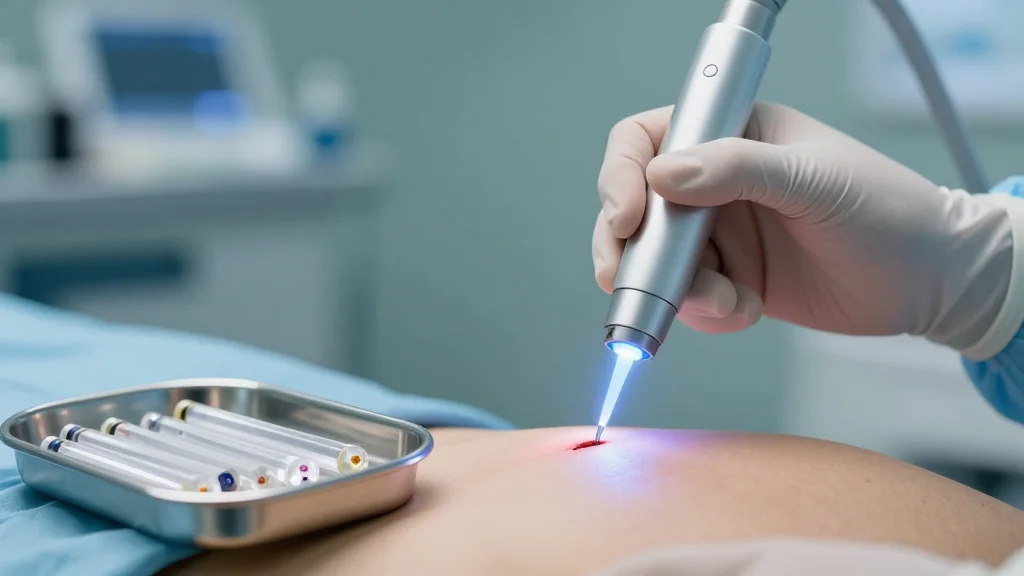
Medical Lasers Need Rare Earths for Precision Healing
Medical lasers rely on rare earth elements for their core components, enabling precise wavelength-specific energy delivery that reduces bleeding and speeds recovery. Elements such as neodymium, erbium, holmium, ytterbium and yttrium are doped into laser crystals, while dysprosium, terbium and...

Serenity Engage
Serenity Engage, now rebranded as Serenity Connect, is a HIPAA‑compliant communication platform that links senior living communities, healthcare providers, and families. The solution consolidates messaging, photo sharing, and real‑time updates into a single concierge‑style interface, often paired with voice‑AI assistants...
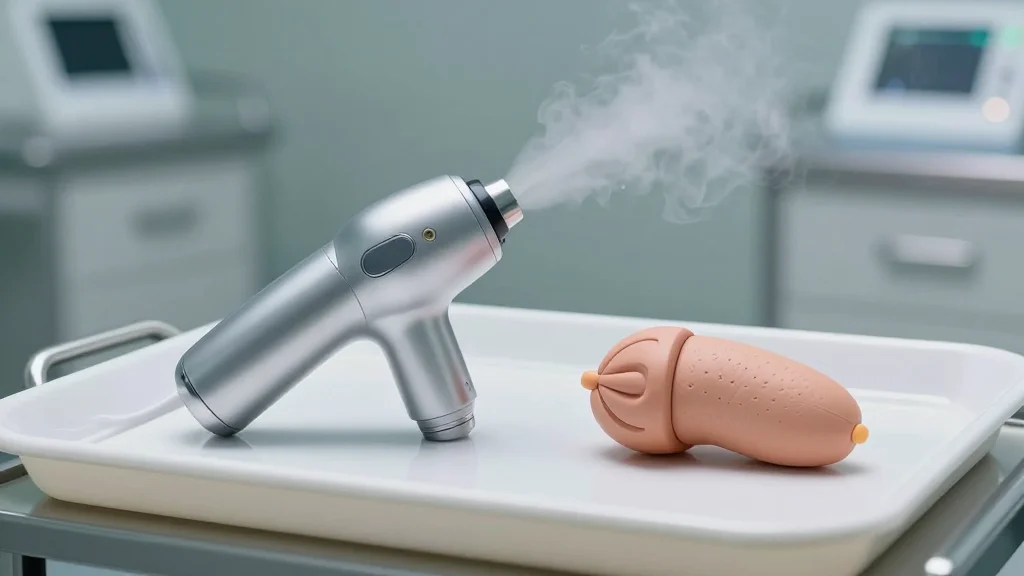
Rezūm Water Vapour Therapy Outperforms Drug Combination for BPH Symptom Relief, Trial Shows
Boston Scientific announced that its Rezūm Water Vapour Therapy outperformed standard combination drug therapy in a 12‑month VAPEUR trial for symptomatic BPH in sexually active men. The study of 151 patients showed a 4.6‑point greater reduction in IPSS scores and...

NeoGenomics’ PanTracer LBx Receives Medicare Coverage, Expanding Access to Comprehensive Liquid Biopsy Profiling
NeoGenomics announced that its PanTracer™ LBx liquid biopsy test has received Medicare coverage under CMS’s MolDX program. The CLIA‑certified assay profiles more than 500 genes, including MSI and blood‑tumor mutational burden, with a seven‑day turnaround. Coverage allows Medicare beneficiaries to...
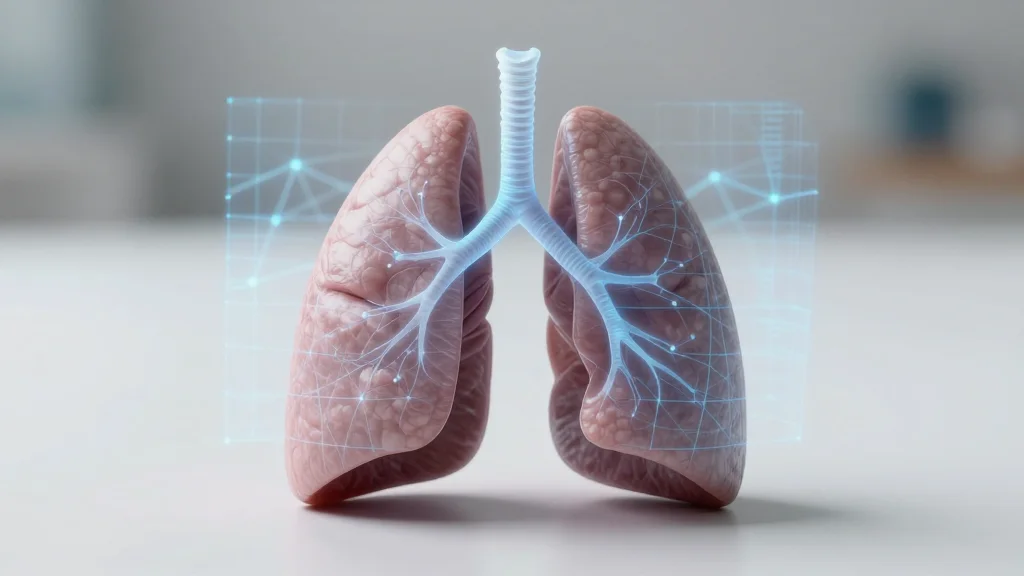
L&T Technology Services Launches NVIDIA-Powered AI Lung Digital Twin Platform for Advanced Respiratory Diagnostics
L&T Technology Services (LTTS) unveiled an AI‑powered digital twin platform that creates immersive 3D models of patients’ lungs from CT scans. The solution leverages NVIDIA’s Physical AI stack—including Omniverse, TensorRT and MONAI—to deliver real‑time visualization, automated segmentation of airways, vessels...

Two Publications Highlight Clinical Utility of Signatera™ in Anal and Rectal Cancers
Natera announced two peer‑reviewed studies demonstrating the clinical utility of its personalized ctDNA assay, Signatera, in anal squamous cell carcinoma and locally advanced rectal cancer. In the ASCC cohort of 84 patients, baseline negativity or clearance of ctDNA during chemoradiotherapy...
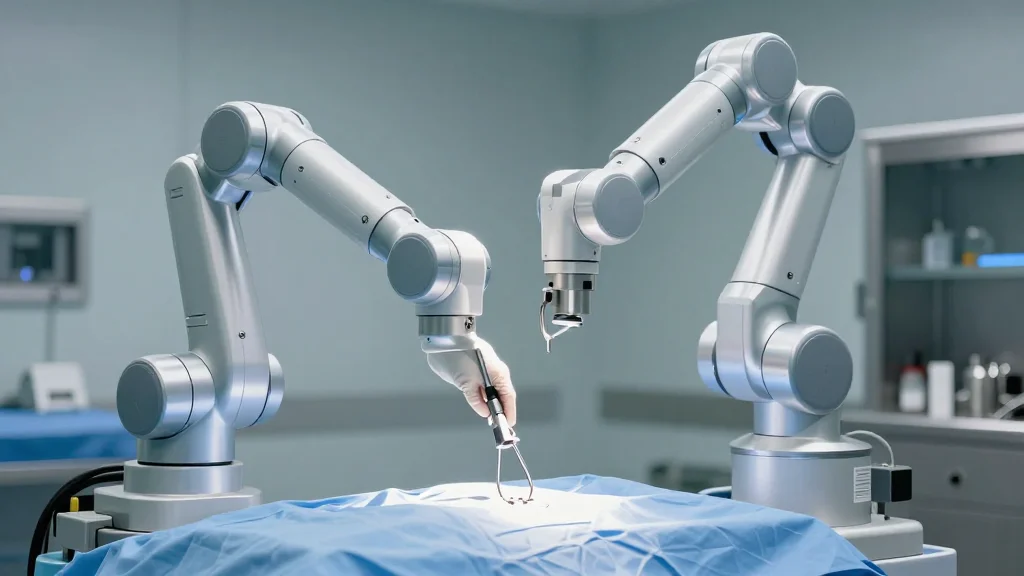
The Clementine Churchill Hospital First Private Hospital in the UK to Install Da Vinci 5
Circle Health Group’s Clementine Churchill Hospital in London has become the UK’s first private facility to install Intuitive’s da Vinci 5 surgical system. The fifth‑generation robot, featuring AI analytics and ten‑thousand‑fold computing power, supports minimally invasive procedures in general surgery,...

Who Will Be the "OpenEvidence of Europe"? Market Map and Critical Questions
OpenEvidence’s $150 million ARR and $12 billion valuation have sparked a debate about a European equivalent. Europe boasts over 2.3 million licensed physicians—roughly twice the U.S. pool—but linguistic and regulatory fragmentation hampers continent‑wide scaling. A crowded field of startups, incumbents like UpToDate, and...

Infinite Healthcare, What’s It Worth?
Andreessen Horowitz argues that AI will transform healthcare from a scarce, per‑service model into an abundant, proactive one. By expanding clinician capacity and lowering marginal costs, AI enables continuous monitoring, coaching, and early interventions at scale. This shift challenges traditional...
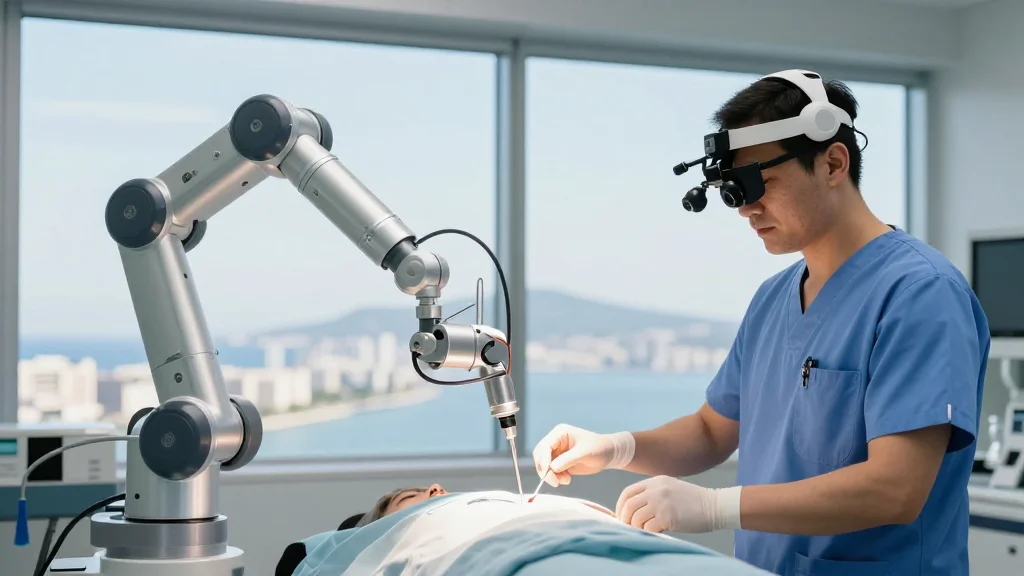
Number of the Day - 1500 Miles
Professor Prokar Dasgupta, a leading robotic urological surgeon, performed the UK’s first long‑distance robotic prostate removal from London on a 62‑year‑old patient in Gibraltar, 1,500 miles away. The operation was conducted via a remote robotic platform that gave the surgeon...
The 340B Software Stack: The Next Healthcare SaaS Vertical
The 340B drug‑pricing program now saves covered entities an estimated $44‑54 billion annually, but its rapid expansion has turned compliance into a complex, data‑intensive operation. Since the Affordable Care Act and the 2020 manufacturer restrictions, hospitals manage hundreds of contract pharmacies,...

AI Transformation in Healthcare: Complete Guide to Revolutionizing Patient Care and Operations
The healthcare sector faces soaring costs, workforce gaps, and fragmented data, prompting a shift toward AI-driven solutions. Machine learning, NLP, computer vision, RPA, and generative AI are emerging as core technologies that improve diagnostics, streamline operations, and personalize treatment. A...
The USB-C Port for Healthcare AI: Why MCP Is the Protocol That Actually Matters Right Now
The Model Context Protocol (MCP), open‑sourced by Anthropic and now governed by the Linux Foundation, is gaining rapid industry adoption as a universal "USB‑C" for AI‑driven healthcare applications. By flattening the M × N integration matrix, MCP lets any AI model plug...

EGFR Vs. ALK: How Molecular Profiling Defines Lung Cancer Treatment
Comprehensive molecular profiling of two stage IV NSCLC patients revealed distinct driver alterations—an EGFR exon 19 deletion in one and an EML4‑ALK fusion in the other—prompting personalized first‑line therapy with osimertinib and alectinib respectively. Both patients experienced rapid symptomatic improvement and enhanced...

YolTech Therapeutics Receives FDA Clearance to Initiate Phase 2/3 Study of In Vivo Gene-Editing Therapy YOLT-202 in Alpha-1 Antitrypsin Deficiency...
YolTech Therapeutics announced FDA approval of its IND for YOLT-202, an in vivo adenine base‑editing therapy targeting Alpha‑1 Antitrypsin Deficiency. The clearance permits an open‑label, single‑dose Phase 2/3 expansion study across the U.S. and other regions. In the ongoing first‑in‑human trial,...

The Hidden Cost of Healthcare Printing and Why Some Clinics Are Tracking It
Private practices and outpatient clinics are beginning to measure printing costs, an often‑overlooked expense embedded in patient workflows. Print cost recovery and analytics provide visibility into paper, toner, and device expenditures, while also highlighting HIPAA compliance gaps. By linking print...
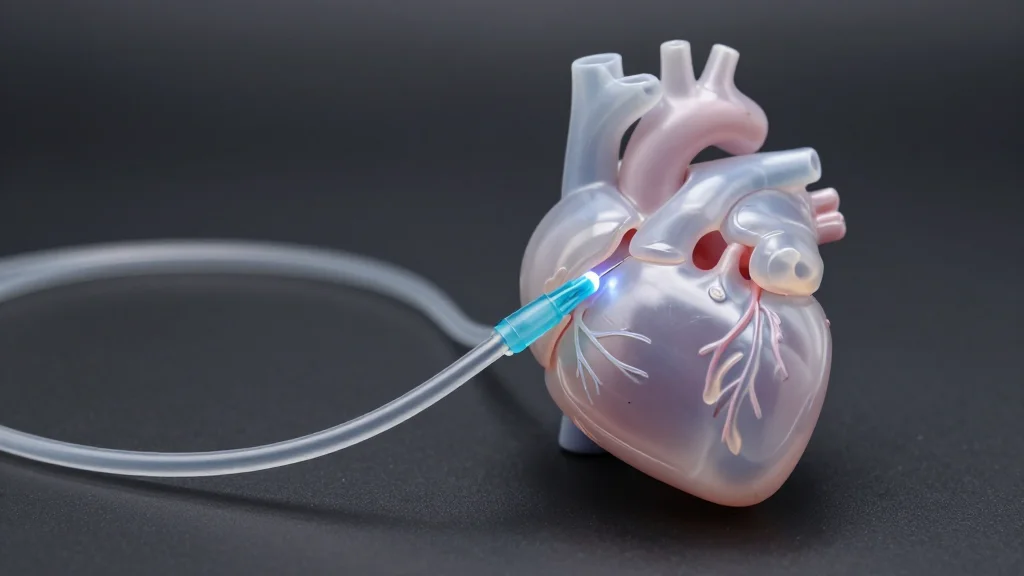
ACCESS GPO Announces Preferred Strategic Commercial Agreement to Provide Affera™ Mapping and Ablation System with Sphere-9™ Catheter to Ambulatory Surgery...
ACCESS GPO has signed a multi‑year preferred agreement with Medtronic to supply the Affera™ Mapping and Ablation System, featuring the Sphere‑9™ catheter, to physician‑led ambulatory surgery centers across the United States. The partnership aims to accelerate adoption of pulsed field...

New Guardant Health/Harris Poll Survey Shows 92% of All Eligible Americans Believe Colorectal Cancer Blood Tests Should Be Accessible and...
Guardant Health released a Harris Poll showing 92% of Americans aged 45+ support no‑copay coverage for blood‑based colorectal cancer (CRC) screening. The survey highlighted anxiety around colonoscopies and disgust for stool tests as major barriers, while 77% said a FDA‑approved...

3D Printing Smaller Than a Human Hair: A BMF Deep Dive with John Kawola
Boston Micro Fabrication (BMF) showcased a dual‑resolution 3D printer capable of producing functional parts with tolerances in the tens of microns—smaller than a human hair. CEO John Kawola explained how the machine alternates between macro and micro modes, delivering both...

Gold Nanoclusters Could Help in Identifying Diseases
Researchers at the University of Jyväskylä used GPU‑accelerated simulations on the LUMI supercomputer to explore how chiral gold nanoclusters bind small chiral biomolecules. Nearly 100 cluster‑biomolecule pairings and 300 simulation runs revealed that only specific combinations trigger a measurable change...

She Tried to Build Her Own Lean Coaching AI. Then She Subscribed to Mine.
A senior continuous‑improvement coach at a community hospital subscribed to the Lean Hospitals Coach after failing to build a custom AI tool. The platform combines Lean problem‑solving structure with Socratic coaching, catching errors like solution‑laden problem statements in real time....

Evaluating Digital Health Tools for Chronic Disease Tracking
A Lancet Digital Health review of 77 studies shows objective cough monitoring outperforms traditional patient‑reported outcomes for chronic respiratory disease. Continuous, sensor‑derived cough counts provide high‑resolution, bias‑free data that can serve as a digital biomarker when combined with acoustic signatures...

SoundHound at HIMSS26: How MUSC Health Turned a Staffing Crisis Into a Voice AI Success Story
SoundHound AI showcased its enterprise‑wide Amelia voice‑AI platform at HIMSS26, highlighting a massive deployment at MUSC Health. The system, branded Emily, has processed over 2.2 million calls across patient access, revenue cycle and pharmacy, automating one‑quarter of interactions and achieving a...

Heidi Arrives at HIMSS26 with R1 Partnership and a Platform Built Beyond the Scribe
Heidi used HIMSS26 to unveil its biggest product and partnership moves since launching its ambient AI scribe, announcing a revenue‑cycle integration with R1 and a new clinical‑evidence tool called Evidence. The company says the platform now handles over 2.7 million visits...

Functionalized Nanoparticles Could Open the Door to Swallowable Insulin Pills
Researchers have grafted the permeation enhancer 1‑phenylpiperazine onto safe silica nanoparticles, creating a hybrid that boosts intestinal insulin absorption while eliminating toxicity. In obese, insulin‑resistant mice, oral insulin delivered with these functionalized particles lowered blood glucose for 8‑10 hours, outperforming...
How AI in Dentistry Is Changing Your Next Checkup
Artificial intelligence is already embedded in dental offices, primarily analyzing X‑rays to highlight cavities, bone loss, and other abnormalities within seconds. Predictive analytics are emerging, allowing dentists to flag patients at heightened risk for gum disease or decay before symptoms...