Today's Personal Growth Pulse

Lunchtime park walks boost focus and cut fatigue, study finds
Researchers sent employees on 15‑minute walks in a park for ten workdays. Participants reported sharper concentration and less fatigue, and the productivity lift was strongest among those who genuinely enjoyed the walk.

A Leadership Reset for INTP Personalities
The post highlights that 63% of INTP leaders fear decision‑making, not from low confidence but from relentless analysis that stalls action. It identifies three self‑sabotaging patterns: turning self‑awareness into endless research, withdrawing into solitude so burnout goes unnoticed, and skipping routine maintenance because it feels uninteresting. The article then outlines restorative self‑care concepts and three concrete strategies to reset leadership habits for INTPs. By exposing these habits, it aims to help analytical leaders translate insight into tangible well‑being practices.

The 1-for-4 Rule: How to Stop Coming Home From Trips Already Behind
Frequent travelers often return to work feeling behind, as inboxes and task lists swell during their absence. The article introduces the “1‑for‑4” rule, recommending one dedicated catch‑up day for every four days away to process emails, update tasks, and plan...

With 7 Short Words, the CEO of United Airlines Just Taught a Brilliant Lesson in Leadership
United Airlines CEO Scott Kirby sent a concise seven‑word message to staff, assuring they would not face furloughs or cuts despite a sharp fuel‑price shock driven by the Iran conflict and inflation. He framed the crisis plainly, contrasting the usual...

From Intern to Leader with Skanska’s Dianna Barba
Dianna Barba, now a senior project engineer at Skanska, rose from an internship to leading the $1.6 billion LA Metro Purple (D Line) extension. Her career was accelerated by Skanska’s two‑year Core Competency Training Program, which rotated her through rail, bridge...

Getting to 80%
Arthur Brooks highlighted the Marine Corps “80 % rule,” urging leaders to act once they have sufficient certainty rather than waiting for perfection. The concept mirrors Jeff Bezos’s 2016 advice to decide with about 70 % of desired data, emphasizing that extra...
The Point Where Self-Improvement Starts Feeling Like Maintenance
The article outlines the often‑overlooked shift from active self‑improvement to a maintenance phase where habits become routine and the emotional spark fades. It explains how consistency, once rewarding, can feel like mere upkeep, and how identity moves from "becoming disciplined"...

The Subtle Exhaustion of Always Being Mentally Available
The article highlights how perpetual mental availability—always staying ready to respond—creates a subtle, chronic fatigue. Even after work ends, the brain remains partially engaged, scanning for potential tasks, which prevents true rest. This low‑level activation fragments attention, reduces focus, and...
How Imposter Syndrome Affects High-Achieving Professionals
Imposter syndrome is increasingly common among high‑achieving professionals, and paradoxically, each new promotion or award can amplify the self‑doubt rather than resolve it. The condition is driven by perfectionism, cultural and familial expectations, and systemic biases that make belonging feel...

Focus on Output, Not Busyness, to Achieve Goals
Busyness is often just procrastination in disguise. Track output, not hours. If it doesn’t move your goal forward, it doesn’t get your time.

Are You Simplifying The Right Things? A Leadership Framework for Cutting Through Complexity
The piece highlights a paradox: as organizational complexity rises, leaders scramble for efficiency initiatives that often amplify uncertainty. To address this, the author presents a three‑step leadership framework that helps teams focus on the right priorities, aligning corporate objectives with...

Discipline Without Immediate Results
The post argues that true discipline is forged when actions continue despite a lack of immediate results. It explains how the absence of visible feedback can trigger doubt and reduce consistency, even when the underlying process remains sound. The author...

The Quiet Discomfort of Living a Life That Still Looks Like the Old You
The piece explains how personal growth often outpaces the external structures that still reflect an older version of yourself, creating a quiet, persistent discomfort. This misalignment leads to psychological fatigue as you continue to act out of habit rather than...

Accountability Is Leadership’s Greatest Weakness
Gallup’s latest survey finds that creating accountability is the lowest‑rated leadership competency, with less than half of leaders rating themselves as outstanding. Managers rate their leaders even lower, trailing self‑assessments by at least 20 percentage points on six of seven...
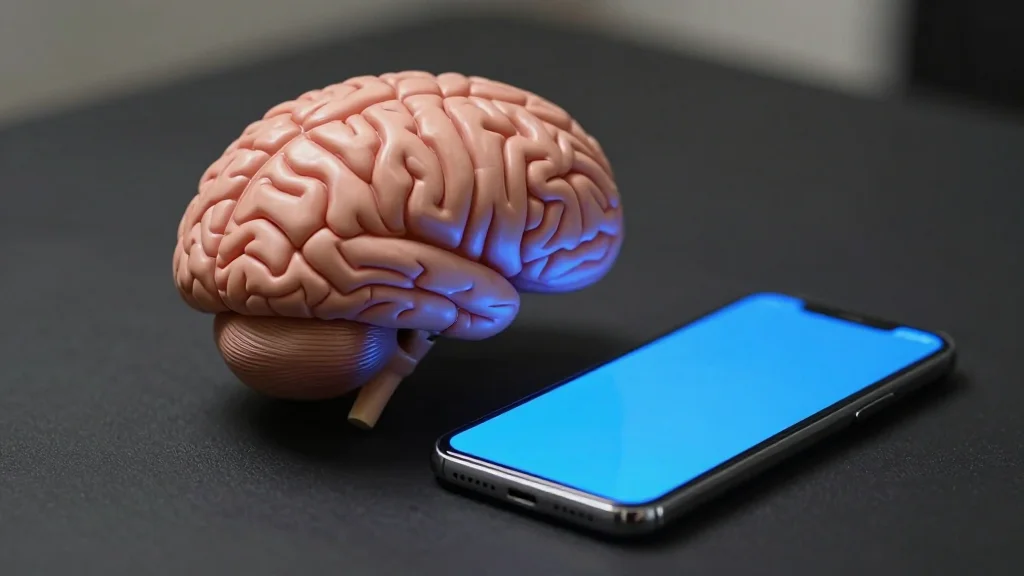
ABC News Links Modern Tech to 80% Drop in Attention Span Since 2004
ABC News published a report that modern digital life has slashed average screen attention from two‑and‑a‑half minutes in 2004 to just 47 seconds today. The story draws on neuroscience research, cites a 4‑times‑per‑second task‑switch rate, and warns that constant interruptions...
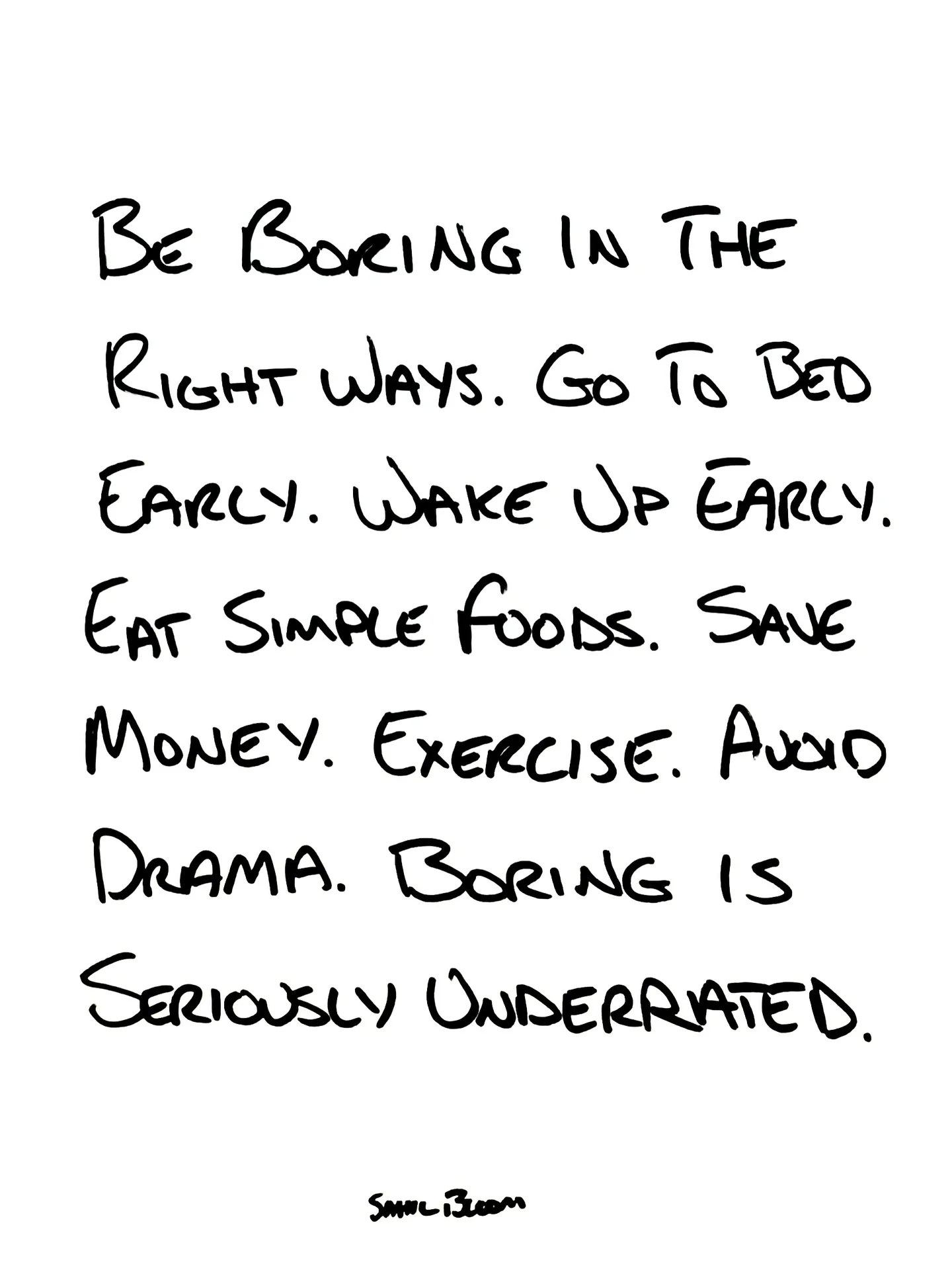
Embrace Boring Habits for an Extraordinary Life
Who else loves living a “boring” life? Underrated life hack: Being boring in the right ways. Go to bed early. Wake up early. Eat simple foods. Save money. Exercise. Read old books. Avoid drama. These aren’t flashy, but the ordinary will...

Debbi DiMaggio Launches 'Mindset In Motion' To Fuse Sports Themes with Personal Growth
Bestselling author and marathon runner Debbi DiMaggio released her latest book, 'Mindset In Motion: Activate Purpose, Power, and Peak Performance,' on April 14, 2026. The work introduces a five‑step Mindset In Motion Method™ and a three‑part sports framework aimed at...

Adam Ramsay‑Peaty Unveils ‘Attack’ Plan for Four Medals at LA 2028
Three‑time Olympic champion Adam Ramsay‑Peaty announced an aggressive “attack” strategy to pursue four medals at the Los Angeles 2028 Games, positioning himself to become the oldest British swimmer to win gold at age 33. The plan blends daily high‑volume training...

Stress Awareness Month Spotlights Neuroscience Behind Mind‑Body Healing
During Stress Awareness Month, occupational therapist Fierdous Achmat unpacked the neuroscience that links trauma, stress and emotion to the body. She argued that meditation, breathwork and other somatic tools help the nervous system relearn safety, offering a new therapeutic pathway.

Mentally Tired, Avoiding Everything Important
The post frames mental fatigue as a genuine cognitive overload rather than laziness, explaining why important tasks feel heavier and decisions become exhausting. It shows how avoidance provides temporary relief but only deepens the backlog of critical work. The author...

The Quiet Habit of Always Holding Something Together
The piece describes a subtle habit many professionals develop: constantly holding small tasks, conversations, and unfinished work together to keep operations smooth. Over time this micro‑management becomes automatic, creating a persistent mental load that hinders true relaxation. The author differentiates...

The Habit Trap: Why You Keep Doing What You Want to Stop?
The article argues that the reason people keep repeating unwanted habits isn’t a lack of willpower but the hidden system that sustains them. It explains that cues, rewards, and environmental triggers create a feedback loop that overrides conscious intent. To...

Results Over Friendliness: Direct Leadership Drives Success
The first day our new Sales VP arrived at TrueSAN in 2001, he came into the all-company meeting and made an announcement in just about this many words: “I am not here to make friends. I have been hired to...

The First Few Minutes of Doing Nothing
The post explores the fleeting moments we experience when we finish one task and haven’t yet started the next, describing the instinct to fill that silence with a phone, thought, or new activity. It highlights the subtle discomfort that arises...

Becoming Okay with Wasted Potential
The post describes how people gradually lose momentum on goals, allowing potential to slip away without a dramatic failure. It highlights a silent shift from active pursuit to passive acceptance, where expectations are lowered instead of actions. The author argues...
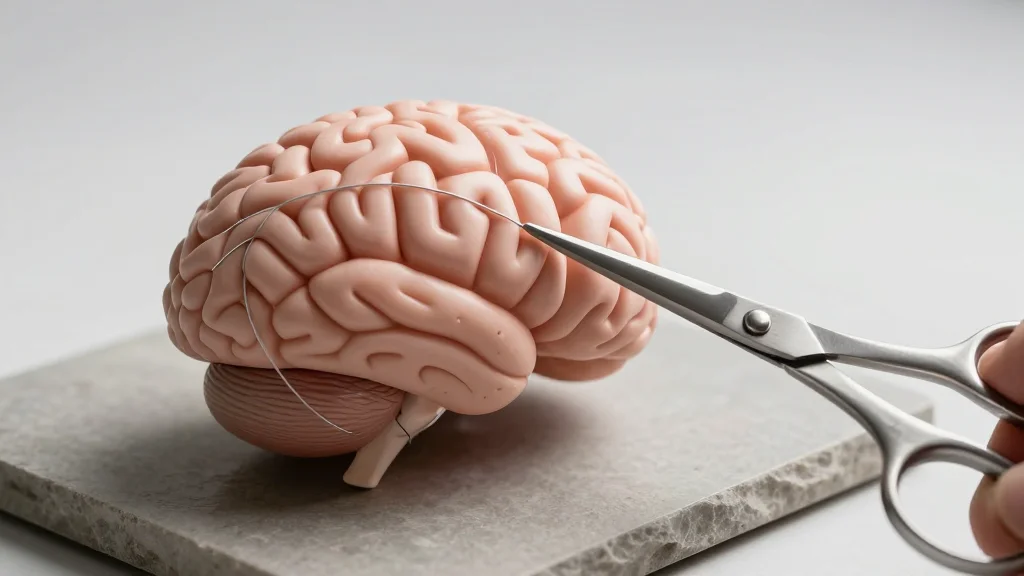
Catastrophic Thoughts Follow a Script—Learn to Interrupt
I'm neurodivergent and have a PhD in healthcare research. Your brain doesn't catastrophize randomly. It follows a script. Here's what the script looks like (and how to interrupt it):

Intention without Action Changes Nothing
The post argues that clear intentions alone do not generate results; without concrete action, ideas remain stagnant. It points out that overthinking creates a false sense of progress, widening the gap between planned and actual outcomes. The author emphasizes that...

Psychology Suggests Men Who Are Deeply Unhappy in Life but Hide It Well Aren’t Being Strong — They’re Running a...
Recent psychology research reveals that many men who appear strong and productive are actually experiencing covert depression, masking deep unhappiness behind a performance of composure. This hidden emotional suppression often shows up as irritability, workaholism, or physical complaints rather than...

Master Covey’s 8 Habits for Personal Effectiveness
8 habits of highly effective people, by Stephen Covey: 1 be proactive 2 begin with end in mind 3 put first things first 4 think win-win 5 seek first to understand, then be understood 6 synergize 7 sharpen...

Psychology Suggests You Will Always Push Away Good Things if Your Subconscious Mind Doesn’t Believe You Deserve Them — and...
Many people unknowingly self‑sabotage, pushing away promotions, relationships, and other positive experiences because their subconscious doubts they deserve success. The article uses personal anecdotes and research linking low self‑esteem to protective, self‑defeating behaviors. It explains how the brain treats success...

The Surprising Reason You’re so Productive One Day and Not the Next
A twelve‑week study by the University of Toronto Scarborough, published in Science Advances, tracked university students’ daily cognitive performance and linked mental sharpness to productivity. The researchers found that on sharper days participants completed roughly 30‑40 extra minutes of work,...
Six Mental Hacks Turned My Writing Into $20M Business
Writing online is one of the best habits you can build. But in my first 9 months: • I had under 100 followers • I wrote blogs no one read • I was ready to quit entirely So I found 6 mental hacks to keep...

Why Leaders Need “Power Skills”
Leaders are facing a widening gap as technical expertise alone no longer drives performance. The article argues that "power skills"—empathy, active listening, trust‑building—are essential to reverse declining engagement, talent loss, and stifled innovation. Practices such as empathy shadowing, listening tours,...

The Easier Story Is Usually the Lie — 15 April
George’s post argues that people gravitate toward simple, self‑protective explanations when outcomes fall short, because they reduce discomfort. While these narratives feel clear, they omit uncomfortable truths that are essential for learning. Repeating easy stories creates a cycle of uncorrected...

Why Forgiving Ourselves Feels So Hard—And What Helps
A recent study of 80 U.S. adults examined why some people can forgive themselves after a mistake while others remain trapped in guilt. Participants described personal failures ranging from caregiving lapses to relationship betrayals, revealing that rumination and self‑condemnation hinder...
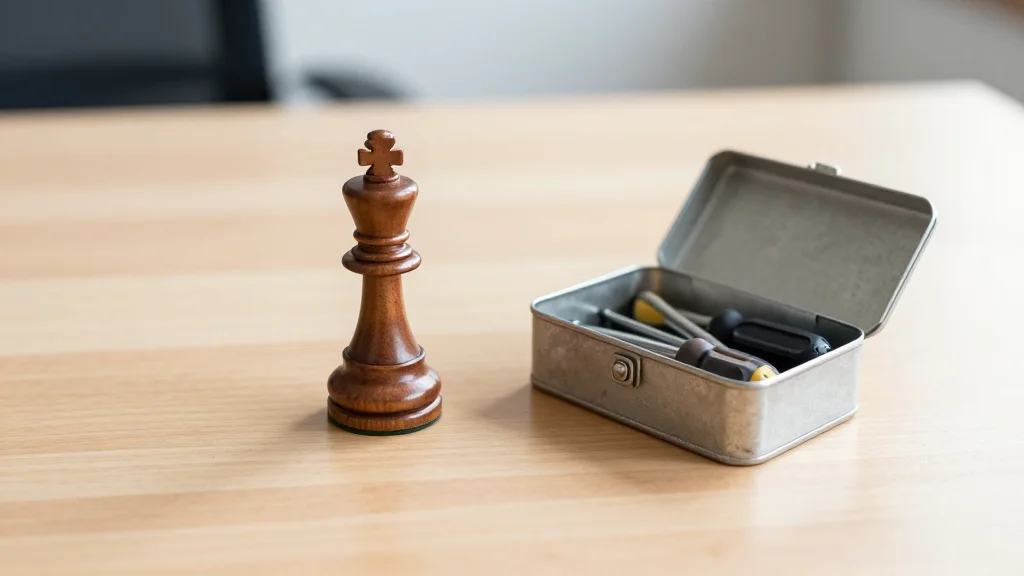
Should You Develop Your Leadership Strengths—Or Fix Your Weaknesses?
The article tackles the long‑standing debate of whether leaders should double‑down on their strengths or remediate their weaknesses. It proposes a four‑question diagnostic to map role requirements, manager expectations, personal capabilities, and development options. Based on that analysis, leaders should...

Swap “I Can’t” For “How Can I?” – It Changes Everything
A lesson I wish I learned earlier: replace “I can’t” with “How can I?” it changes everything.

Simple Daily Habits Are My Ultimate Looksmaxxing Stack
my real “looksmaxxing” stack: - sunlight - 225g protein + single ingredient foods - 6x per week lifting/running - in-person human interaction - sex - evening sauna - wild roman skincare - meaningful deep work - daily walks (no phone) - 7-8 hours of sleep that’s it.

Over‑editing Videos Is Procrastination, Not Dedication
Spending three hours editing a 60-second video is not dedication... it's procrastination, and not a good use of time as a business owner when you need to be making MONEY.

Stop Overthinking, Start Enjoying the Present Moment
When we are caught up in thoughts about life we tend to enjoy it less. We get caught up listening to the commentary. https://t.co/oO66gxPptN
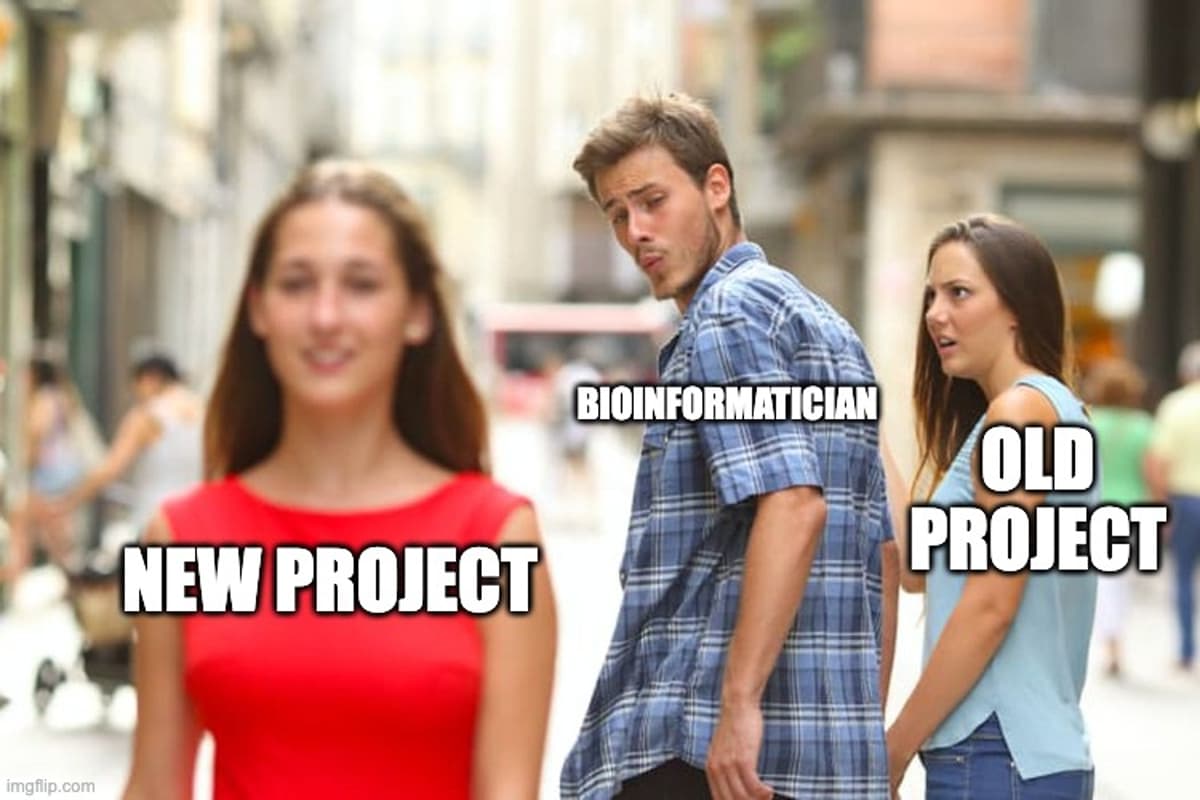
Stop Context Switching to Boost Bioinformatics Productivity
🧵 Bioinformaticians: Drowning in multiple projects? Here's why context switching is killing your productivity—and how to fix it. https://t.co/VIGWIz78Zt

Excellence Is a Habit, Not a One‑Time Act
We are what we repeatedly do. Excellence, then, is not an act, but a habit.
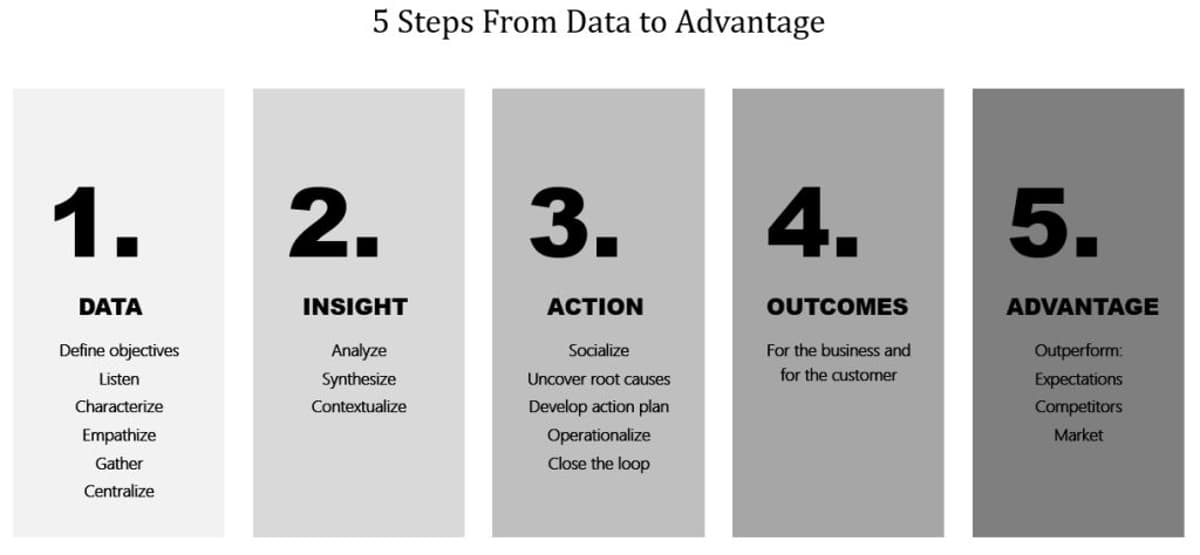
Insight Is Evidence, Not the Decision Itself
Insight Is Evidence, Not an Answer https://t.co/RIBOEtPZ3R Orgs don’t stall because they lack #insight. They stall because they mistake insight for the answer. There’s this expectation that insight should/will arrive already translated into a decision. #decisionmaking #leaders https://t.co/vqHYapT1w6

Avoid FOMO: Build Success with Skill, Discipline, Experience
The one piece of advice I wish I would have given myself 10 years ago is to never make a single decision out of FOMO. All great things come from skill, discipline, and experience.

Diagnose First, Close Later: Rethink Sales Strategy
Worst sales advice I ever received: "Always be closing." It creates desperate, pushy, approval-seeking behavior. The best advice I ever received: "Always be diagnosing." Diagnose the problem deeper than anyone else. The close takes care of itself.

Feel First, Think Second, Let Performance Follow
In physical training most coaches lead with the performance results. I think about those last. My prescription follows: Feel first. Mind second. Performance third. Performance is almost always a byproduct of getting the first two right.

Spot the Signs You’re Not Fully Committed
Great post and list of "10 Things That Tell You You’re Not…ALL IN!" Especially #1, #3 and #4 -- most of us have been there at least at one time or another.🫤 https://t.co/1syr4FY3nQ

10 Neuroscience-Backed Tips for a Stronger Brain
This month marks 10 years of TPH so we are celebrating with an episode about the top 10 neuroscience-backed tips for a stronger brain https://t.co/JfCASsdyaN
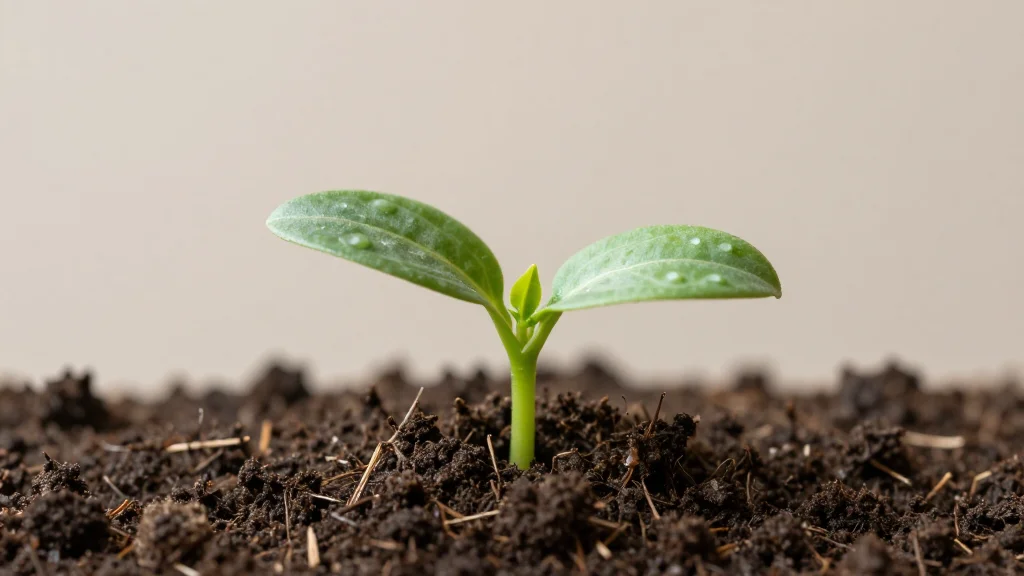
Start Now
I know you keep thinking you need to feel different before you begin, but most people start exactly like this.

Skip Fancy Systems; Finish One Small Task Daily
You don't need a clever productivity system. You need to finish one small thing at a time.

Stop Performing, Start Building Real Outcomes
The moment you realize nobody's tracking your progress: You stop performing for an imaginary audience And start building for real outcomes