Today's Pharma Pulse

Ona lands $86.6M Series B, one of Spain’s biggest biotech rounds
Spanish biotech firm Ona announced an $86.6 million Series B financing, ranking among the largest venture rounds in Spain’s life‑science sector this year. The round was led by Seventure Partners with participation from existing backers and new strategic investors. The funding will be used to scale Ona’s AI‑driven drug discovery platform and accelerate its pre‑clinical programs.
Mabwell Announces Acceptance of Supplemental Biologics License Application by NMPA for MAIWEIJIAN (Denosumab)
Chinese biopharma Mabwell announced that the National Medical Products Administration has accepted a supplemental biologics license application for MAIWEIJIAN, its denosumab biosimilar. The 120 mg injection, already approved in China for giant cell tumor of bone and in Pakistan, is now being positioned for prevention of skeletal‑related events in multiple myeloma and solid‑tumor bone metastases. Mabwell has secured cooperation agreements in 33 countries and filed registrations in eight additional markets. Clinical studies published in JAMA Oncology confirm pharmacokinetic and efficacy parity with the reference product.

Travere's FILSPARI Gains Full FDA Approval as First FSGS Therapy
Travere Therapeutics announced that the FDA has granted full approval to FILSPARI® (sparsentan) for adult and pediatric patients with focal segmental glomerulosclerosis (FSGS) without nephrotic syndrome. The decision makes FILSPARI the first and only FDA‑approved therapy for this rare kidney...

Effect of ‘Gamechanger’ Alzheimer’s Drugs ‘Trivial’, Review Concludes
A new Cochrane Review of 17 clinical trials involving more than 20,000 participants found that anti‑amyloid drugs—including lecanemab and donanemab—produce only trivial cognitive benefits and modest functional gains over 18 months. The analysis also highlighted a higher incidence of brain...

Synthetic Biology Localizes Drug Production, Ending Fragile Supply Chains
Most pharmaceutical APIs still travel thousands of miles through fragile global supply chains before they reach a patient. COVID and the Russia-Ukraine war showed exactly what that fragility costs. Synthetic biology offers a different model: program cells to manufacture the molecules in...

Glioblastoma's Immune Microenvironment Blocks Checkpoint Therapy
The glioblastoma tumor immune microenvironment (TIME) is an immunosuppressive barrier to therapy that encumbers glioblastoma responses to immune checkpoint inhibition (ICI). https://t.co/rgIKZ8N0Q4
Improving Immunotherapy in Solid Tumors Using FMT
Recent phase 2 trials demonstrate that fecal microbiota transplantation (FMT) significantly improves the efficacy of first‑line immune checkpoint inhibitors in renal cell carcinoma, cutaneous melanoma, and non‑small cell lung cancer. The benefit is linked to functional remodeling of the gut...
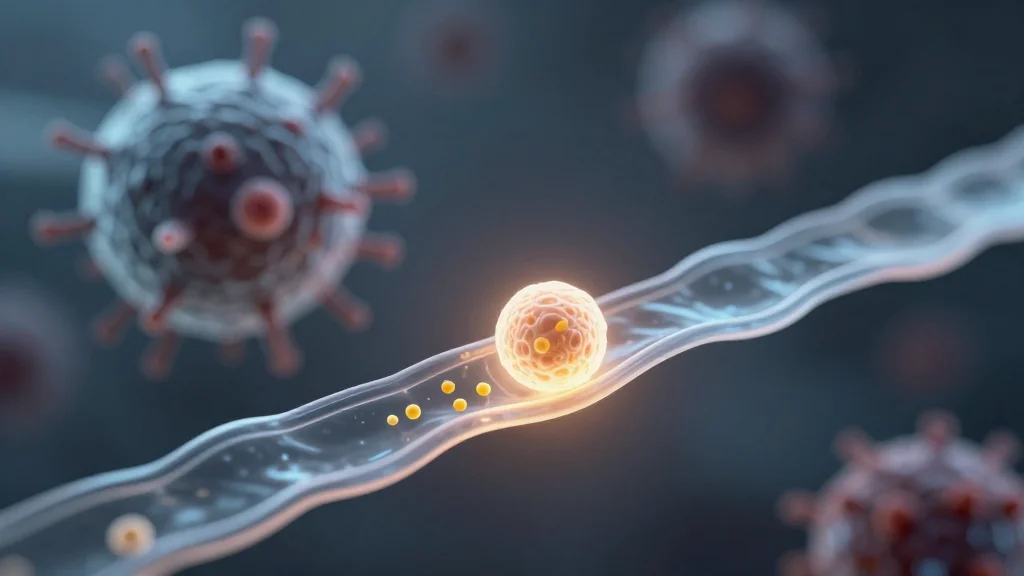
Enhancing Antitumour Nanovaccine Efficacy via Integrated Cholesterol Modulation in Situ
Researchers have created a nanovaccine, NPCM‑OT, that simultaneously delivers tumor antigens and depletes cholesterol from dendritic cell membranes. The cholesterol reduction reshapes lipid microdomains, enhancing immune‑synapse formation and CD8⁺ T‑cell activation. In multiple mouse tumor models, the vaccine showed both...
The Hallmarks of Cancer: 25 Years Guiding Discovery and Therapy
Twenty‑five years after the original six Hallmarks of Cancer were proposed, Douglas Hanahan updates the framework to incorporate new hallmarks such as deregulated metabolism, immune evasion, and the tumor microenvironment. Advances in genomics, single‑cell and spatial profiling have deepened insight...

Targeting Genomic Instability in Cancer
Genomic instability fuels cancer evolution and simultaneously creates therapeutic vulnerabilities. Decades of genotoxic chemotherapy and radiation have given way to precision approaches that exploit DNA‑damage response (DDR) defects, most notably PARP inhibitors for BRCA‑mutated tumors. The pipeline now includes dozens...

Quantum Computers Take on Health Care: Light-Sensitive Cancer Drugs Win US$2-Million Contest
A team comprising Algorithmiq, IBM, and the Cleveland Clinic secured the $2 million Quantum for Bio prize by demonstrating a hybrid quantum‑classical simulation of a light‑sensitive cancer drug. The approach models photon‑electron interactions on IBM’s Quantum System One, revealing how molecular...

The FDA Just Rewrote the Rules for Gene Therapy Approval & Most Investors Haven’t Noticed Yet: The Plausible Mechanism Framework...
The FDA released two draft guidances in early 2026 that reshape gene‑therapy regulation. The Plausible Mechanism Framework (PMF) creates a formal pathway for individualized, ultra‑rare treatments, allowing single‑patient or tiny‑cohort data combined with mechanistic and natural‑history evidence to support marketing...

Singapore: AI Biochip Speeds Up Genetic Marker Detection to 20 Minutes
Scientists at Nanyang Technological University have unveiled an AI‑powered biochip that identifies disease‑linked microRNA markers in just 20 minutes using a single drop of blood. The nanophotonic chip amplifies fluorescent signals, while deep‑learning algorithms analyze thousands of nanocavities in real...

Color Test 'Sniffs Out' Dangerous Staph Strains Fast
Researchers at RMIT University have created a rapid, low‑cost color‑changing test that distinguishes virulent and antibiotic‑resistant Staphylococcus aureus strains. The assay uses gold nanozyme particles and DNA aptamer binders to generate strain‑specific color fingerprints, functioning effectively in simulated wound fluid....

Elraglusib Doubles One‑Year Survival in Phase 2 Pancreatic Cancer Trial
Northwestern University’s experimental drug elraglusib, added to standard chemotherapy, cut the risk of death by 38% and doubled one‑year survival (44% vs. 22%) in a randomized Phase 2 trial of 233 patients with metastatic pancreatic cancer. Median overall survival rose to...

U.S. Health Officials Warn of Rising Extensively Drug‑Resistant Shigella Infections
U.S. health officials, including the CDC, warned that Shigella infections resistant to most antibiotics have risen sharply since 2011, with strains now classified as extensively drug‑resistant. The trend underscores a looming public‑health threat and a call for new antimicrobial and...

PrecisionLife and Ovation Target GLP-1 Response Variability with New Biomarker-Driven Collaboration
PrecisionLife and Ovation.io have teamed up to convert multi‑omic analyses of GLP‑1 receptor agonist use into predictive biomarker tools, including laboratory‑developed tests and a consumer DNA test. Early findings reveal separate biological drivers for glycemic control (HbA1c reduction) and weight...

You're The Perfect Specimen
The blog post surveys a series of rapid‑changing trends, from GLP‑1 drugs turning into a massive, self‑directed health experiment to political leaders publicly disputing the Pope’s war doctrine. It highlights the cultural backlash against AI‑generated art, the surge of private‑equity...

IPSC Tissues Supply Causal Data to Power Simulations
A general-purpose biological simulator, one that can predict how the human body responds to any intervention, isn't blocked by compute. It's blocked by data. Not data in general. Causal, human-relevant data. The kind where molecular interactions actually produce functional outcomes you...

Spain Plants US$200m Flag in Boston with Debut US Biotech Fund
Spain has unveiled a $200 million venture‑capital fund based in Boston, anchored by $57 million of public seed capital. The fund will back Spanish life‑science startups seeking to scale within the U.S. ecosystem and co‑invest in select American biotech firms. A new...

Fujifilm Biotechnologies Opens New QC Lab in Denmark
Fujifilm Biotechnologies has opened a 2,000‑square‑meter GMP‑approved quality control laboratory at its Hillerød, Denmark site. The facility, designed for bioassay and virology work, will accommodate roughly 100 quality‑team members and features robotics, airlocks and a new LIMS for digital data...

New Drug Protects Against Life-Threatening Pancreatitis
A new RNA‑based drug, plozasiran, received its first clinical validation for a rare inherited disorder that causes extreme blood‑fat accumulation and recurrent acute pancreatitis. In the PALISADE trial, a single injection every three months lowered the risk of pancreatitis by...

CRISPR Variant Selectively Targets Tumor DNA
Researchers at Van Andel Institute and Wageningen University have engineered a CRISPR variant, ThermoCas9, that reads DNA methylation patterns to differentiate tumor DNA from healthy DNA. The enzyme selectively cuts methylated cancer sequences while sparing unmethylated normal genes, a finding published...

Over-the-Counter Pet Flea Treatments Could Be Banned Under New UK Rules
The UK government has launched an eight‑week consultation to limit over‑the‑counter flea and tick treatments for cats and dogs to veterinary practitioners or pharmacists. The move targets pesticide‑based products containing fipronil and imidacloprid, which have been detected in the majority...

FDA Links Weight Loss Pill to ‘Unexpected’ Cardiovascular Risks
Eli Lilly’s oral GLP‑1 weight‑loss pill Foundayo (orforglipron) received FDA approval in early April, becoming the second oral GLP‑1 on the market after Novo Nordisk’s semaglutide. The agency’s approval letter, however, highlighted an unexpected serious risk of major adverse cardiovascular events, along...

InSPECt™ MS – Global HCP Profiling and Quantification by Native Digestion and LC-MS Analysis
The inSPECt™ MS platform combines native digestion with high‑resolution LC‑MS to quantify host‑cell proteins (HCPs) relative to spiked‑in protein standards. Calibration using the Cygnus Protein Standard demonstrated a linear response from 10 to 500 ppm with coefficients of variation under 18 %...

Stanford Scientists Unveil AI-Discovered Peptide That Replicates GLP-1 Benefits Without Side Effects
Stanford Medicine researchers have identified a naturally occurring 12‑amino‑acid peptide, BRP, that mimics the appetite‑suppressing effects of semaglutide (Ozempic) while sidestepping common side effects. The discovery, powered by an AI tool called Peptide Predictor, showed weight‑loss and glucose‑control benefits in...

IDEAYA Biosciences Shows 58% Reduction in Disease Progression in Late‑Stage Uveal Melanoma Trial
IDEAYA Biosciences and Servier announced that their Phase II/III OptimUM‑02 trial of darovasertib combined with crizotinib reduced disease‑progression risk by 58% in first‑line HLA‑A*02:01‑negative metastatic uveal melanoma. The combination achieved a median progression‑free survival of 6.9 months versus 3.1 months...

Graphene‑Oxide Nanoplatform Merges Proteasome Inhibition and Phototherapy for Oral Cancer
Scientists have introduced a graphene‑oxide‑based nanoplatform that simultaneously delivers proteasome inhibitors and phototherapy to oral cancer cells. Preclinical tests indicate the combined approach outperforms each modality alone, offering a potential route to more precise, less toxic treatment.

Researchers Find DMT Provides Longer-Lasting Antidepressant Effects than S-Ketamine in Animal Models
A recent Neuropharmacology study shows that a single dose of the psychedelic N,N‑dimethyltryptamine (DMT) produces rapid antidepressant effects in mice that last up to eight days, outperforming S‑ketamine’s shorter‑lived impact. Both compounds reversed learned‑helplessness behavior within 24 hours, but only...

Ultra- and Diafiltration Clear Leachables Effectively
A new study from the National Institute for Bioprocessing Research demonstrates that ultrafiltration and diafiltration (UF/DF) consistently remove over 98% of 24 out of 28 tested leachable compounds across three distinct protein processes. The clearance is largely driven by the...

IPSC-Based Manufacture Vs. Autologous Model Production Costs Examined via Financial Analysis
A new Cellistic white paper quantifies the cost advantage of using induced pluripotent stem cells (iPSCs) to manufacture NK cell therapies. The analysis shows cost of goods per dose can drop to roughly $5,000, a 95% reduction compared with $115,000...

Obsidian Therapeutics Merges with Galera in $350M Reverse Deal, Launches OBX Nasdaq Listing
Obsidian Therapeutics and Galera Therapeutics have sealed a reverse merger that includes a $350 million private placement, creating a new Nasdaq‑listed entity under the ticker OBX. The deal gives the combined platform expanded capital and a broader cell‑therapy pipeline, positioning it...

Biopharma Adopting AI Despite Remaining GMP Compliance Questions
Biopharma firms are rapidly integrating artificial intelligence and machine learning into manufacturing, but regulatory‑compliant use cases remain a hurdle. Thermo Fisher’s senior director emphasizes that AI should augment, not replace, validated processes and must operate within a clear GMP framework....

This Pill May Help Pancreatic Cancer Patients Live Longer
Revolution Medicines announced that its RAS‑blocking pill daraxonrasib more than doubled median overall survival for patients with metastatic pancreatic cancer, extending it to 13.2 months versus 6.7 months on chemotherapy. The data will support an expedited FDA filing, and the...

In Vivo Autoimmune CAR-T Race Grows as Two RNA Startups Enter the Clinic
Two RNA‑focused biotech firms have entered human trials of in vivo CAR‑T therapies targeting autoimmune diseases. China’s Immorna reported its first systemic sclerosis patient treated with an RNA‑delivered CAR‑T that reduced peripheral B‑cell activity. A U.S. startup, GeneCure, launched a...

US FDA to Convene Expert Panel to Review Wider Access to some Peptides
The U.S. Food and Drug Administration announced it will convene an external advisory panel in July to decide whether licensed compounding pharmacies can resume manufacturing more than half a dozen peptides that were barred in 2023. The ban covered 14...

Watching A Potential Big Pharma Buyout
A seasoned trader has flagged a small‑cap biotech that checks the key boxes big pharma seeks in an acquisition: late‑stage clinical validation, an imminent FDA decision, a multi‑billion‑dollar addressable market, and a cash‑rich balance sheet. The company’s lead asset is...

Former FDA Chief Urges Term Limits, Merit‑based Appointments
Former FDA cancer chief/CDER dir. Rick Pazdur told me earlier this week he's concerned w/political appointees injecting themselves into drug reviews - and that this might trickle down past this admin. He's calling for time limits on senior FDA positions...

Bergamottin Reduces Cancer‑related Cachexia via Multiple Pathways
A Novel Role of Bergamottin in Attenuating Cancer Associated Cachexia by Diverse Molecular Mechanisms https://t.co/pr3d4kg0hB #mdpicancers

Former FDA Cancer Chief Pazdur Warns of the Political 'Breach' Of Review Teams
Richard Pazdur, who led the FDA’s oncology review program for more than two decades, stepped down in December after only a few weeks as director of the agency’s Center for Drug Evaluation and Research. In his departure, Pazdur warned that...
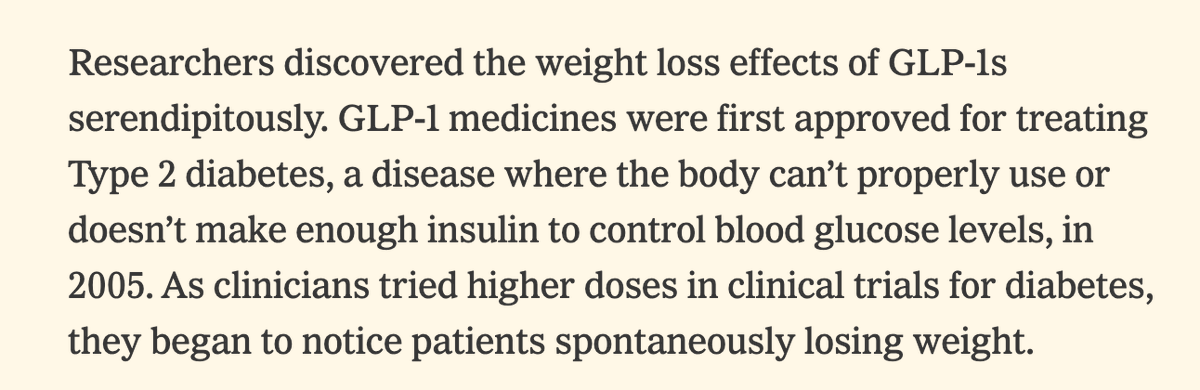
Early GLP‑1 Rodent Studies Showed Weight Loss Before Diabetes Focus
I don't think this is correct from @nytimes op-ed on GLP-1s - wt loss known from early rodent studies involving injection into CSF as I recall. DM2 more tractable as initial pharma indication, esp at that time - many still...

New NEJM Review Links Hormone Therapy to Cardiovascular Risk
Sex hormones, clotting disorders, and cardiovascular risk An important new @NEJM review for MHT and testosterone latest data https://t.co/UNqXAwjsKM https://t.co/4ckJsc4YyE

FDA Reverses Ban on 12 Peptides for Review
So... @SecKennedy just announced that 12 peptides the Biden FDA shoved into "Category 2" — effectively banning them from regulated compounding pharmacies and driving people to the black market - are being pulled back for legitimate scientific review. Here's what each one...

Retatrutide Poised to Become History’s Biggest Drug
Not s hot take, but I think retatrutide could be the largest drug in history @TravisHoium makes a great case on why the best way to play the emerging peptide market is $HIMS
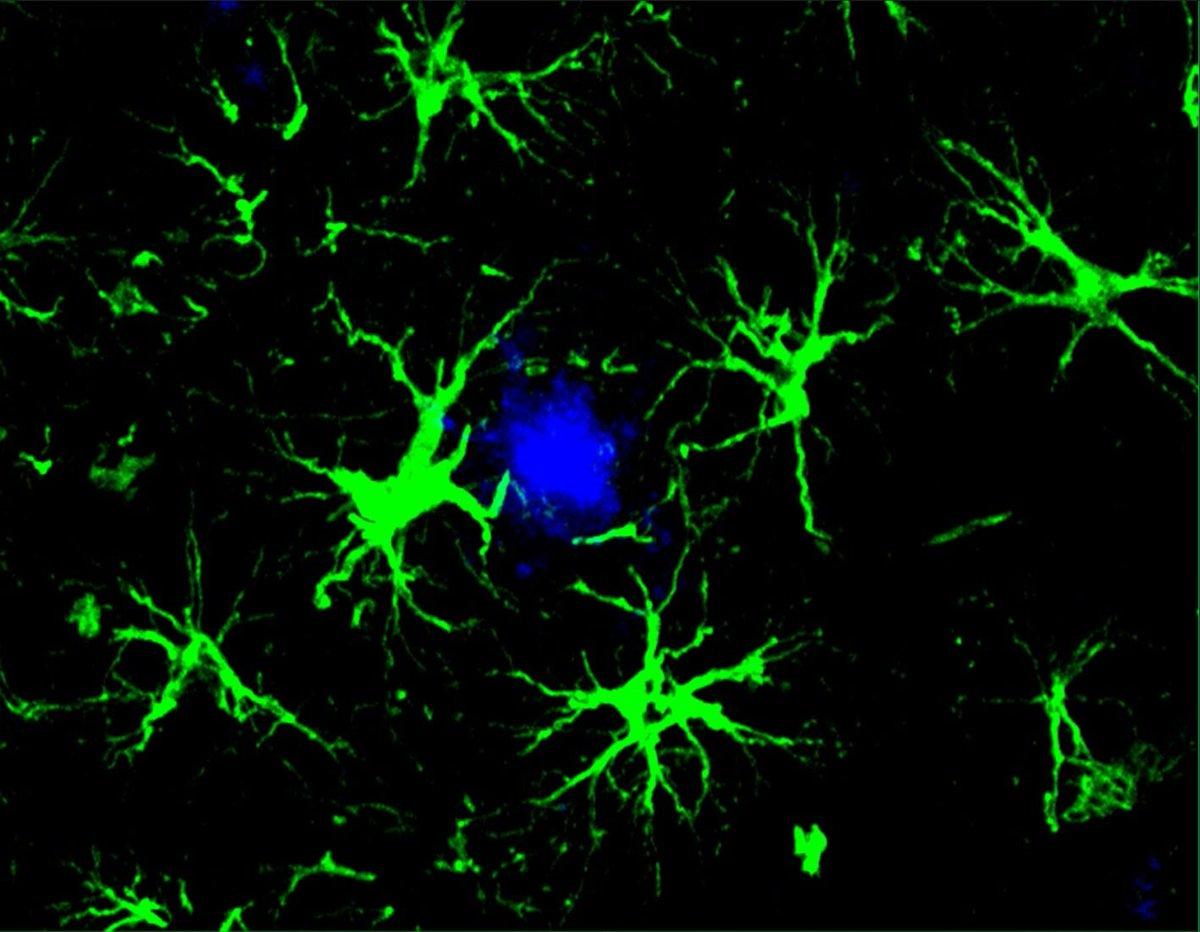
Engineered Brain Cells Erase Alzheimer’s Proteins in Mice
Enhanced brain cells clear away dementia-related proteins New cellular immunotherapy approach for Alzheimer’s disease shows promise in mice https://t.co/YBoqUZLvJo https://t.co/FjG699Etga

AI-Driven Precision Oncology Breakthrough From Korean Researchers
One unexpected but very insightful paper in Nature BJC from a leading institution in Korea on precision oncology and AI-driven drug discovery. I read it with great pleasure and you should read it too. https://t.co/vpxofjt9Mn https://t.co/SXs4n72CcY

Elon Bets, GLP‑1 Relevance, and Consumer Sentiment Slump
🆓 Wednesday links: betting on Elon, why GLP-1 pills matter, and what's driving poor consumer sentiment. https://t.co/wCKQe3osVm image: https://t.co/QkWrhkJpqj https://t.co/aCwEbtyhzI

Promolytics: Targeting Cancer‑Promoting Clones to Halt Progression
A new review on tumor promotion and the evolution of cancer with the concept of "promolytics" —drugs that could prevent potentially dangerous clones and/or their progression https://t.co/IFah5gi8ZK @Nature

Moderna's Cancer Therapy Rename May Mislead Physicians
Moderna mRNA cancer treatment used to be called a "cancer vaccine" but in 2023 they switched to "individualized neoantigen therapy." Some docs think the name change is misleading. https://t.co/UIn2djdDAv

AI Agents Power Future Biotech Labs and Organizations
Live in 15 minutes — I'm talking with Stanford's @james_y_zou on his latest research in building laboratories and biotech orgs made of hundreds or even thousands of AI agents Register now to watch live, for free: https://t.co/xSa5NXkX4A