Today's Philanthropy Pulse
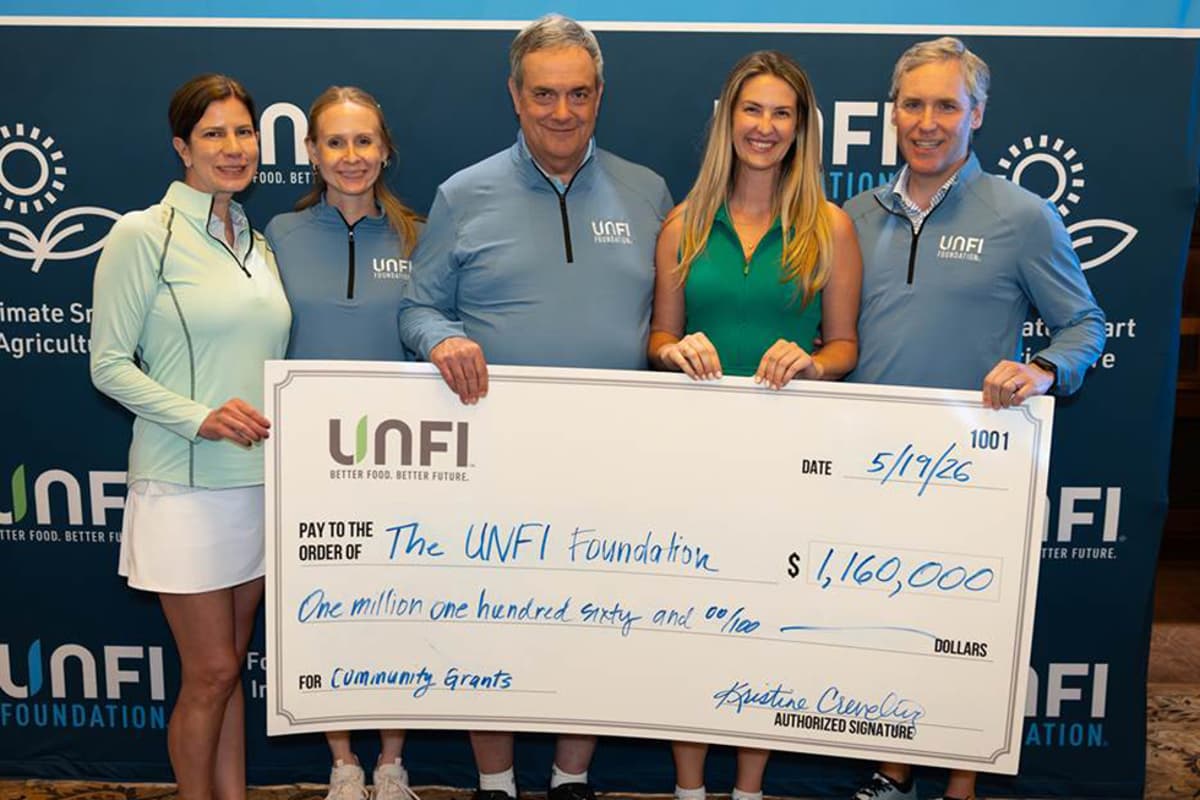
UNFI Foundation’s Charity Classic hits record $1.1M for food‑access grants
The annual Charity Classic golf event raised a record $1.1M, surpassing previous years’ totals. The fundraiser will allocate $50,000 grants to each of 22 grantees, supporting both rapid emergency relief and long‑term local food‑system resilience.

Philea Releases Most Comprehensive Report to Date on Environmental Philanthropy in Europe
Philea released the seventh edition of its European environmental philanthropy report, analyzing 9,488 grants from 169 major foundations in 2024. The grants totaled €2.2 bn (about $2.38 bn), marking a 38.8% increase from 2021 when focusing on awards of €25,000 or more. Climate and atmosphere remained the largest funding theme at 26.9% of value, while terrestrial ecosystem grants surged 161% to become the second‑largest category. Funding for transport‑related projects fell by more than half, highlighting shifting donor priorities.

Evidence-Based Grants Deliver Real Solutions to Underserved Communities
The American Psychological Foundation’s Direct Action Visionary Grant program aims to turn evidence into real-life solutions for underserved communities. Connie Matthiessen Reports: https://tinyurl.com/c68p3dtv Related IP Resources: Donor Insights for Mental Health -https://tinyurl.com/3d565yfh Mental Health Grants -https://tinyurl.com/5755dnxy Report: Giving for Mental Health -https://tinyurl.com/4fjpmz7c LGBTQ+ Grants -https://tinyurl.com/2b5nwh56 MentalHealth

Be Less WEIRD: What US Funders Can Learn From Global Majority Philanthropic Practice
The article argues that U.S. philanthropy is overly WEIRD—rooted in Western, educated, industrialized, rich, democratic models—and overlooks effective practices from Global Majority communities. It highlights how remittances, African stokvels, Latin American compadrazgo, Indian community foundations, and Black mutual‑aid societies mobilize...
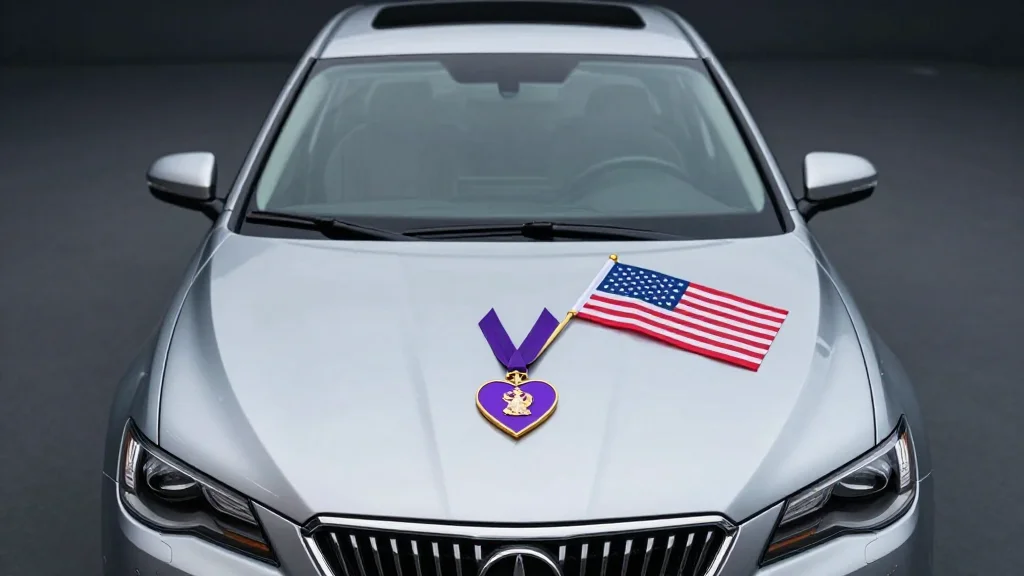
Best Car Donation Programs for Veterans in 2026
Vehicle donations have emerged as a vital source of funding for U.S. veterans, converting unused cars, trucks, motorcycles, RVs and even boats into cash for housing, mental‑health and employment programs. Donors benefit from a simple, cost‑free process and a tax‑deductible...

How to Update Your Grant Application: Five Strategic Considerations
Grantmaking organizations should regularly review their application forms to keep them aligned with evolving missions, technology, and grantee needs. The article outlines five strategic considerations: matching questions to funding priorities, implementing a simple pre‑screening tool, simplifying the form with automation...

The Right Humans in the Loop: Why Fundraising AI Belongs Inside Your CRM
Fundraising teams face rising donor expectations and tighter budgets, driving interest in AI‑powered tools. Many vendors offer bolt‑on solutions that operate outside the CRM, creating data delays and governance gaps. Blackbaud’s Development Agent embeds AI directly within Raiser’s Edge NXT,...

Nonprofit Leaders Answer: What Is a Contingency Plan Your Nonprofit Has for Unexpected Funding Cuts?
The Blue Avocado community gathered nonprofit leaders to share how they prepare for sudden funding cuts. Respondents highlighted revenue diversification, multi‑scenario budgeting, project‑based funding with cash reserves, and a focus on core program continuity. They also stressed transparent, two‑way communication...

Study: Stress, Drained Coffers Threaten NPO Programs
The Center of Effective Philanthropy’s State of Nonprofits 2026 report, based on a survey of 380 U.S. nonprofit leaders, reveals a sector under severe strain. Seventy‑three percent say demand for services has surged while 90 percent report personal burnout, and...
We Need to Have Much More Serious Conversations About AI and the Nonprofit/Philanthropic Sector
The author urges the nonprofit and philanthropic sector to move beyond superficial AI chatter and engage in deep, ethical discussions. Citing examples—from data‑center pollution in marginalized neighborhoods to trauma endured by low‑paid content moderators—the piece highlights AI’s hidden costs. It...
.jpg)
Small Children’s Charity Announces £5m Fundraising Ambition
UK‑based small children’s charity has set a £5 million (≈$6.35 million) fundraising target for the coming year. The organization plans to move away from transactional, one‑off appeals and adopt a relationship‑led giving model. Its head of fundraising says the shift will focus...

How Charter Schools Create Opportunity—And What Donors Can Do Next
Charter schools now serve about 3.7 million students across 8,150 campuses, employing over 250,000 teachers. A 2023 Stanford study found charter attendees gain roughly 16 extra reading days and six extra math days versus traditional public peers, with pronounced gains for...

Monthly Default Ask Dramatically Lifts Recurring Donor Conversions
[A/B Test] How does a default one-time vs. monthly giving asks affect conversions? https://nextafter.com/experiments/how-does-a-monthly-gift-ask-impact-recurring-donor-conversion/ ✅

The Complete Guide to LinkedIn for Nonprofits: Fundraising, Networking, and Growth Strategies
LinkedIn has become a strategic channel for nonprofits, with 2.2 million organizations leveraging its professional network to boost awareness, partnerships, and donations. The platform’s 1.3 billion members include 40% of U.S. high‑net‑worth individuals, making it a fertile ground for fundraising and corporate...
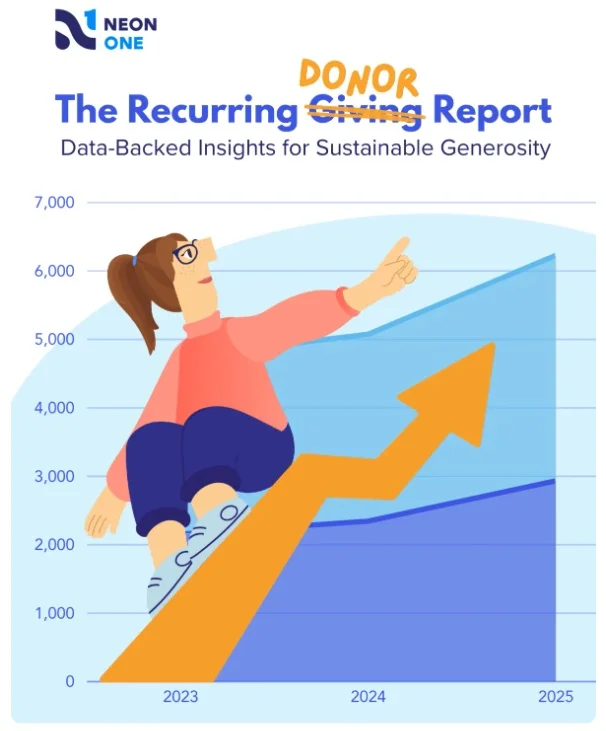
Recurring Giving Surges: Benchmarks & Donor Motivations Unveiled
The 2026 Recurring Donor Report explores data from more than 4,000 nonprofits and reveals: https://neonone.com/resources/guide/the-recurring-donor-report/?utm_source=nptechforgood&utm_medium=partner&utm_campaign=paid_nptechforgood_multichannel_tofu_may_feature_q2_2026 ✅ • How recurring giving grew from 2023 to 2025 • Recurring giving benchmarks for nonprofits • Insight into what motivates recurring donors

Our New Initiative to Apply Quantum Science and AI to the Life Sciences
Google Quantum AI and Google.org have launched REPLIQA, a research program that merges quantum science with artificial intelligence to tackle life‑science challenges. The initiative includes a $10 million grant to support projects at Harvard, MIT, UCSD, UCSB and the University of...

LA500 2026: William Ahmanson
William Ahmanson has led the Ahmanson Foundation, a Los Angeles‑based charitable trust founded in 1952, for nearly two decades. Under his direction the foundation has dispersed capital grants across arts, education, health services and community programs. In 2025 the organization earmarked...
LA500 2026: Edythe Broad
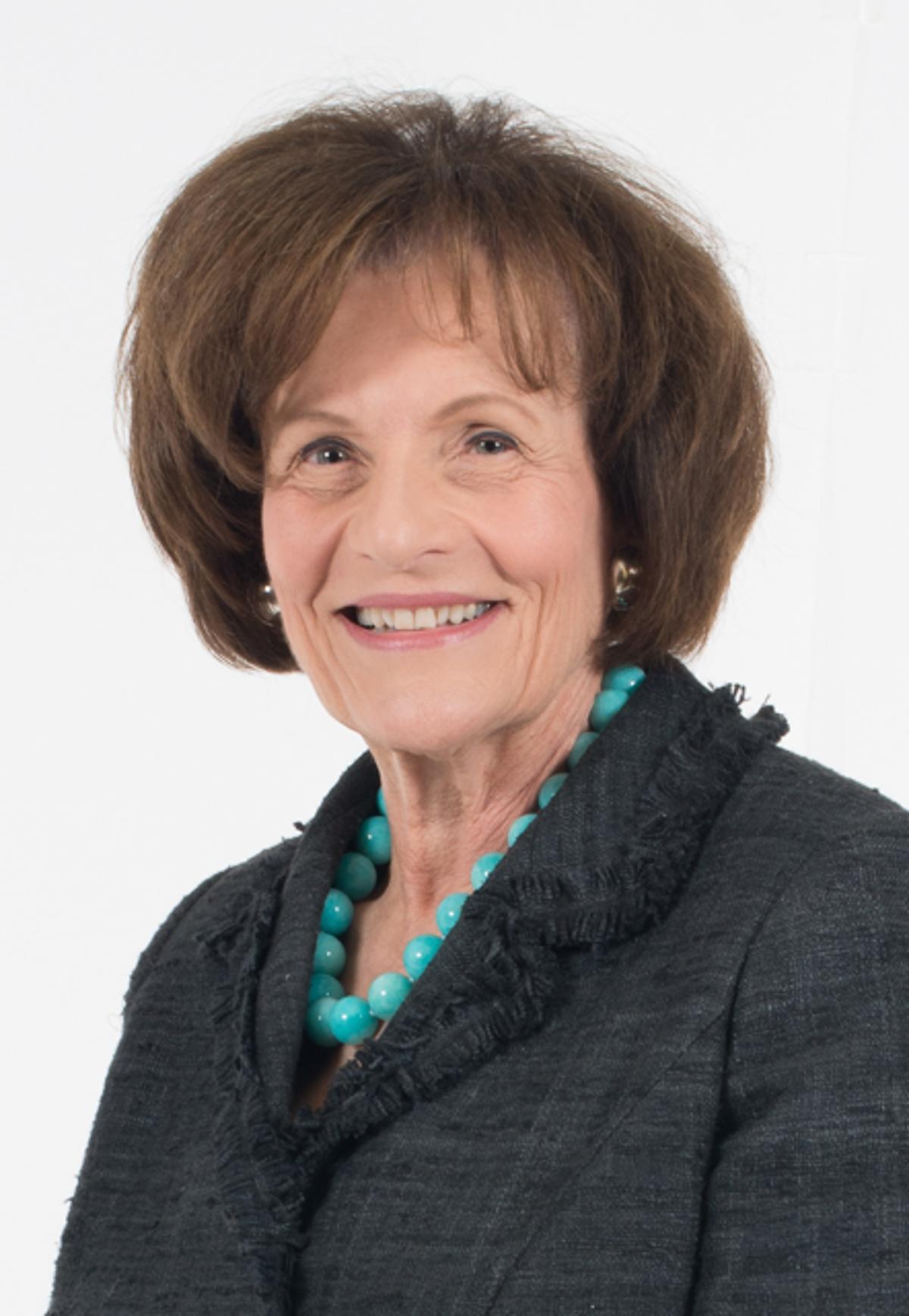
Edythe Broad, co‑founder of The Broad Foundations, has spent a lifetime advancing philanthropy alongside her late husband Eli. Since establishing the Eli and Edythe Broad Foundation in 1967 and the Broad Art Foundation in 1984, the couple shifted to full‑time...

LA500 2026: Peter Laugharn
Peter Laugharn, President and CEO of the Conrad N. Hilton Foundation, leads one of the nation’s largest private philanthropies. Under his stewardship, the foundation disbursed more than $300 million in 2025 across seven initiatives, including homelessness, foster youth, safe water, refugees,...
Franklin Templeton Garners €151m for European Social Infrastructure Strategy
Franklin Templeton has launched a Europe‑focused social‑infrastructure fund, securing €151 million (about $165 million) from institutional investors led by the European Investment Fund. The vehicle targets a total capital raise of €500 million ($545 million) to invest in healthcare, education and housing assets serving...

Allstate Grants Offer Real Capital, Not Just Exposure
Founders keep saying they’re tired of “exposure only” cohorts and accelerator programs with no actual capital attached… Well, I found one that’s putting MONEY on the table. 👀 🧵👇 The 2026 Allstate Main Street Grants Program is officially open through Hello Alice in...
Hall of Famer Tony Sanneh Expands Foundation’s Impact
After two MLS titles, a World Cup run and a Hall of Fame induction, the retired defender-midfielder is concentrating on expanding his foundation's work. Ade Adeniji Reports: https://tinyurl.com/53hp6sup Related IP Resources: Minnesota Grants for Nonprofits -https://tinyurl.com/55jy7nyb Grants for Community Development -https://tinyurl.com/fzmb8tux Grants for Early Childhood...

Would Today’s Philanthropists Have Funded the Underground Railroad?
The article argues that grassroots interventions can scale when they export operating principles rather than rigid structures, using the Underground Railroad as a historic illustration. It highlights how trust, local knowledge, and adaptable tactics allowed the network to expand without...

Unpacking the Nonprofit Industrial Complex with Andrew Heaton
I had a great conversation with Andrew Heaton on the Political Orphanage about the Nonprofit Industrial Complex. So put on those earbuds and tune in. 👇 https://t.co/2pBpOZ5E8f

Durham Alum Sets Record with 10 Ironmans in 10 Days, Raises $38K for Mental Health
Fergus Crawley, a 30‑year‑old Durham graduate, finished ten Ironman triathlons in ten days across ten cities, raising roughly $38,000 for the suicide‑prevention charity CALM. The feat, dubbed TENacity, aims to set a world record for the most cities covered in...

Executive Search Veteran Nicole Kamaleson Honored for Global Social Impact
Nicole Kamaleson, managing director of social impact at DSG Global, has been selected for inclusion in Marquis Who's Who, highlighting her two‑decade career in executive search and her focus on placing leaders in mission‑driven firms across four continents. The honor underscores...
Futures School: Leadership Journey: Call for Applications Now Open
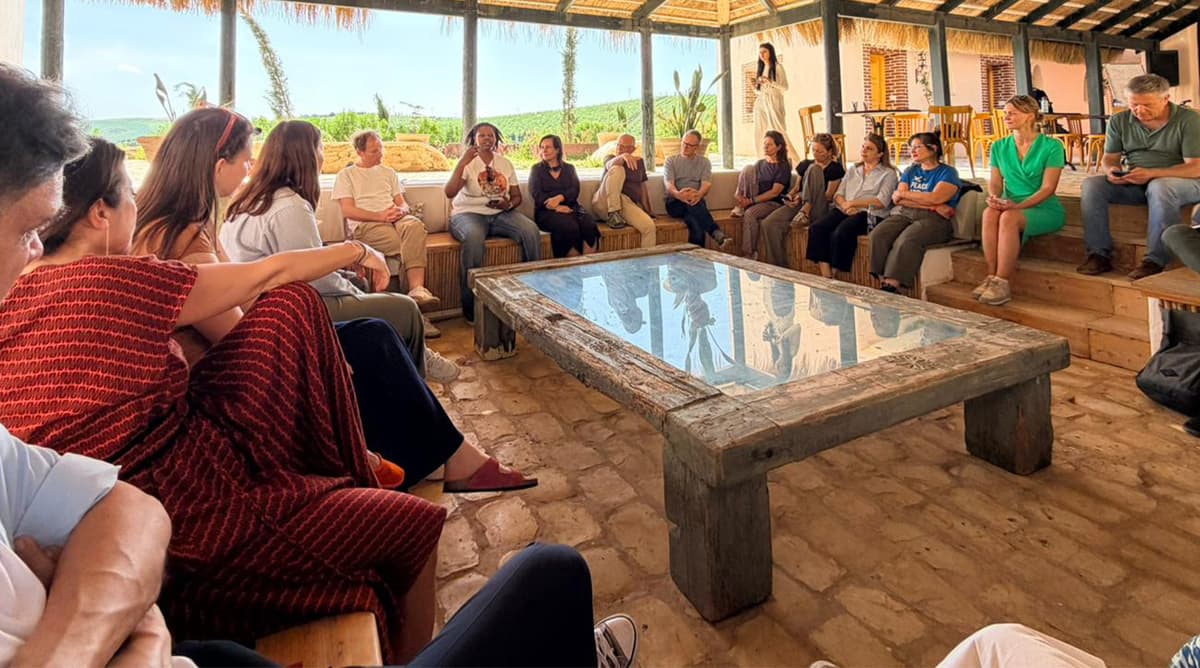
Philea’s Futures School: Leadership Journey launches its second edition after a successful pilot, targeting senior philanthropy leaders. The nine‑month program runs until April 2027 and includes immersive residencies in Tunisia and Denmark, plus online and peer‑led sessions. Applications close on...

Rotary District 9112 Awards ₦14.9m Scholarship to 23 Students
Rotary International District 9112 disbursed a total of ₦14.9 million (approximately $32,400) in scholarships to 23 students from Lagos and Ogun states. Each recipient receives ₦250,000 (about $540) annually until they graduate, continuing the District Educational and Welfare Endowment Fund (DEWEF) initiative...
How Trustees Can Encourage Digital
UK charities face tighter budgets and rising service demand, making digital adoption essential for efficiency and sustainability. Trustees hold a legal duty to keep charities effective, and a lack of digital expertise at board level hampers transformation—over 40% of charities...

Almost Two-Thirds of Small Charities Struggling to Find Support, Research Finds
Charity Excellence’s Small Charity Crisis report reveals that nearly two‑thirds of UK charities with annual incomes under £500,000 (≈ $635,000) struggle to find adequate support. Only 2 % say help is easy to obtain, while 64 % describe it as difficult or a...
The Good Law Project Changes Ownership in Bid to Replicate Charity Model without Regulatory ‘Guardrails’
UK‑based public‑interest law firm The Good Law Project has transferred ownership to a Jersey‑registered purpose trust, aiming to emulate the charitable model while sidestepping Charity Commission oversight. The trust holds the membership interest, preserving the organization’s asset‑lock and non‑dividend rules,...

Ocean Philanthropy: Small Sums for a Vast Domain
Ocean philanthropy accounts for less than 1% of global charitable giving, but its absolute value has more than doubled, rising from roughly $430 million in 2010 to about $1 billion by 2022. Most of the money flows to marine science, habitat protection,...
The Nonprofit News Playbook that Starts with Major Donors, Not Memberships
Brookline.News launched as a nonprofit newsroom in the affluent Boston suburb, securing a $100,000 major‑gift pledge before publishing its first story. With a $400,000 annual budget, three full‑time staff and over 1,000 donors, it aims to fill the local news...

Modi Inaugurates Dhyan Mandir and Unveils Nine Nationwide Social Programs in Bengaluru
Indian Prime Minister Narendra Modi opened the Dhyan Mandir meditation temple at the Art of Living International Center in Bengaluru and launched nine new social initiatives. The event, attended by over 100,000 people from 182 countries, ties mass meditation to...

Bentham's Bulldog: Singer, Suffering, 500 Million, Why God Exists, Dilbert, Unweaving
Words That Matter released a new issue curated by Bentham’s Bulldog, a visiting scholar at Forethought and upcoming Princeton philosophy Ph.D. candidate. The issue spotlights seminal works on effective altruism, wild‑animal suffering, smallpox eradication, the fine‑tuning argument, and AI’s potential...

LG Electronics Expands Health Protection for Nigerian Consumers
LG Electronics is expanding its CSR health initiative in Nigeria, adding a comprehensive insurance scheme to its air‑conditioner sales. The new program, powered by AXA Mansard Health, covers malaria and a range of common illnesses for eligible customers. By bundling health...

Iowa’s ‘Rooted in Resilience’ Luncheon Raises $84,000 for Child Mental‑Health Services
Orchard Place’s inaugural “Rooted in Resilience” luncheon in Des Moines raised more than $84,000 for the nonprofit’s child mental‑health services. The event, emceed by KCCI anchor Laura Terrell, underscores growing community investment in mental‑wellness for Iowa’s youth.
Nonprofits See 17% Online, 12% Monthly Revenue Growth
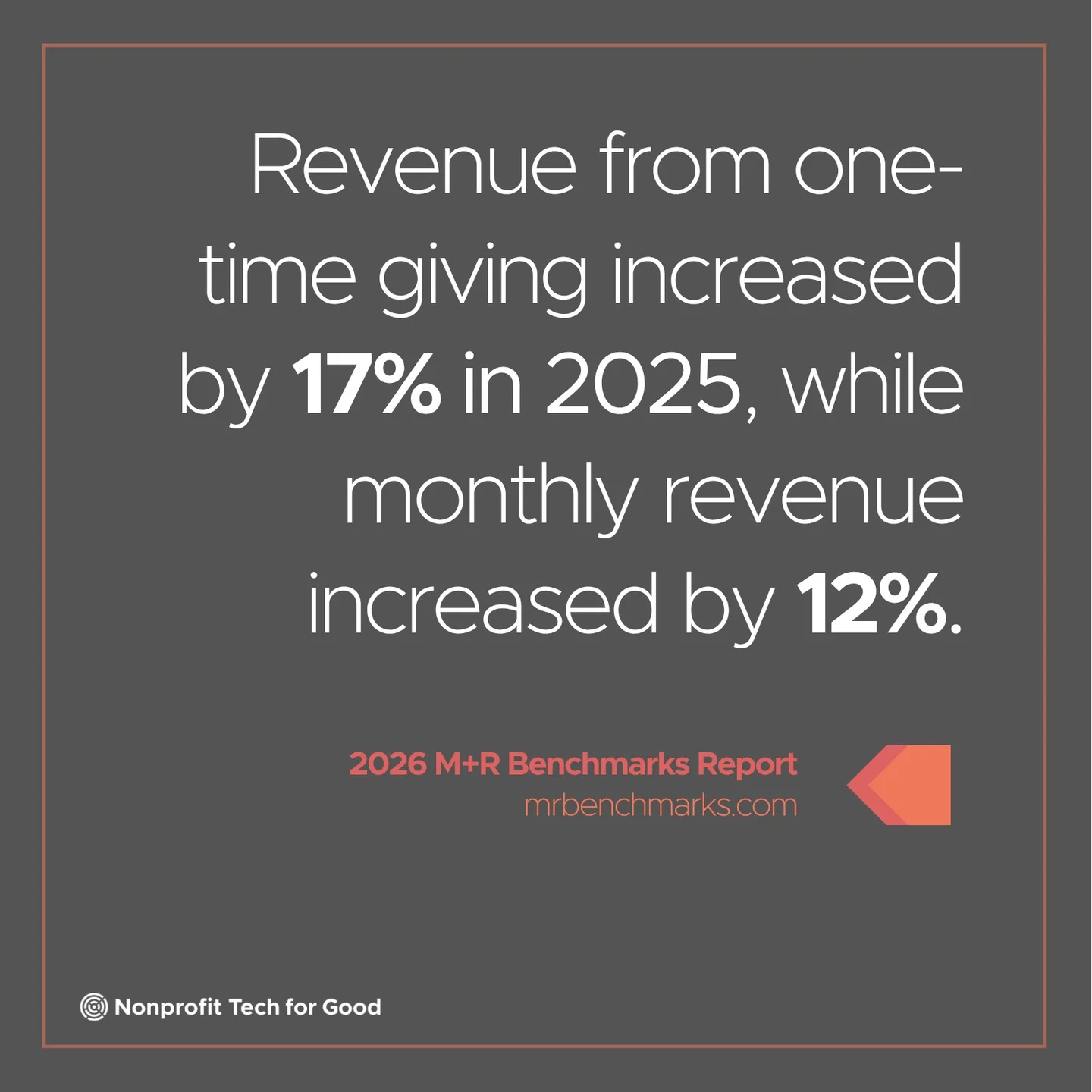
According to the new M+R Benchmarks Report, online revenue for the average nonprofit increased by 17% in 2025, while monthly revenue increased by 12%: https://mrbenchmarks.com/ 🎉

CAPA Secures $500,000 Bank of America Grant for Downtown Music Hall Renovation
CAPA announced a $500,000 grant from Bank of America to fund the conversion of the historic Central Presbyterian Church into a flexible performance hall. The funding accelerates a $14 million adaptive‑reuse project slated to open in fall 2027, addressing Columbus’s demand...
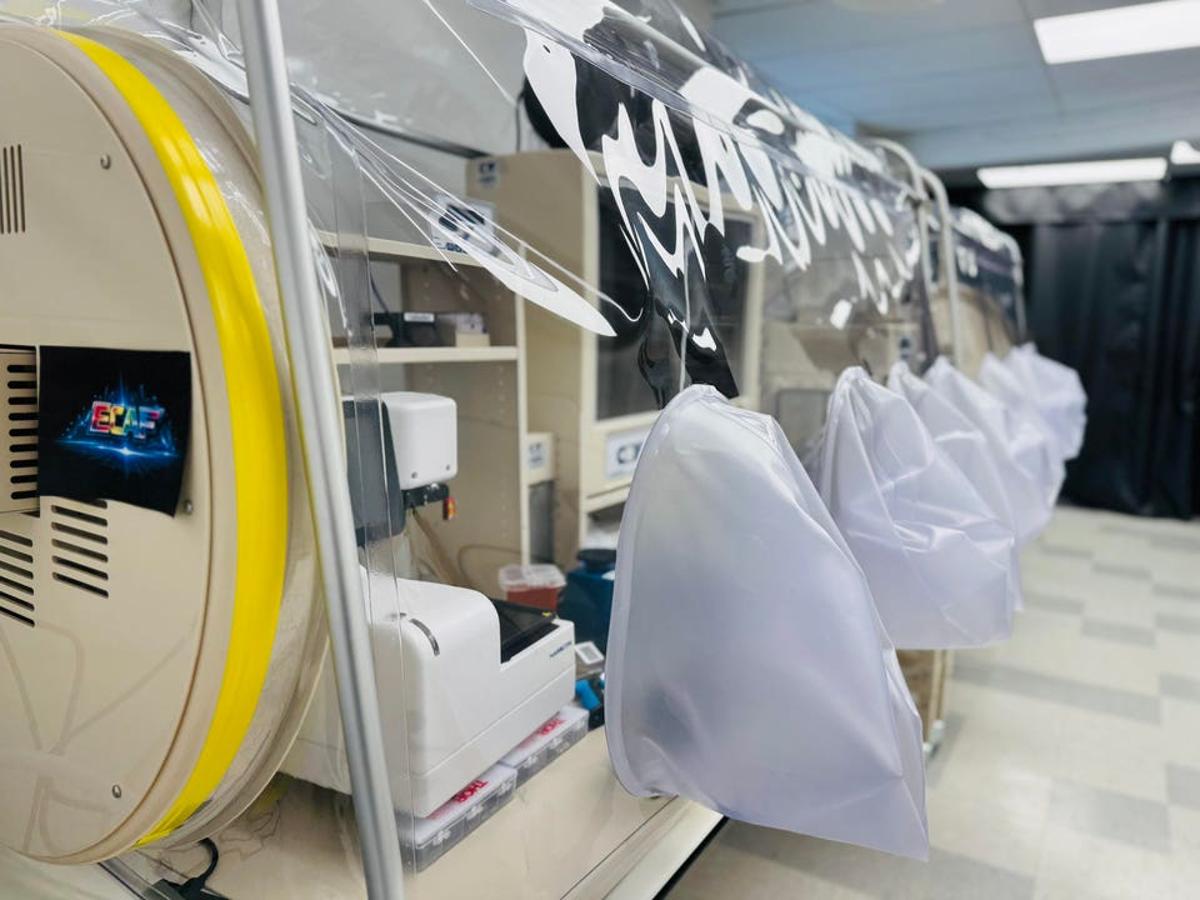
The Gates Foundation Is Funding A Startup’s Plan To Fight Malnutrition With Bacteria
The Bill & Melinda Gates Foundation has pledged new funding to Kanvas Biosciences to develop a synthetic microbiome pill aimed at treating environmental enteric dysfunction (EED), a gut‑inflammation disease that threatens roughly 150 million children worldwide. Kanvas uses machine‑learning‑driven microbiome mapping to...
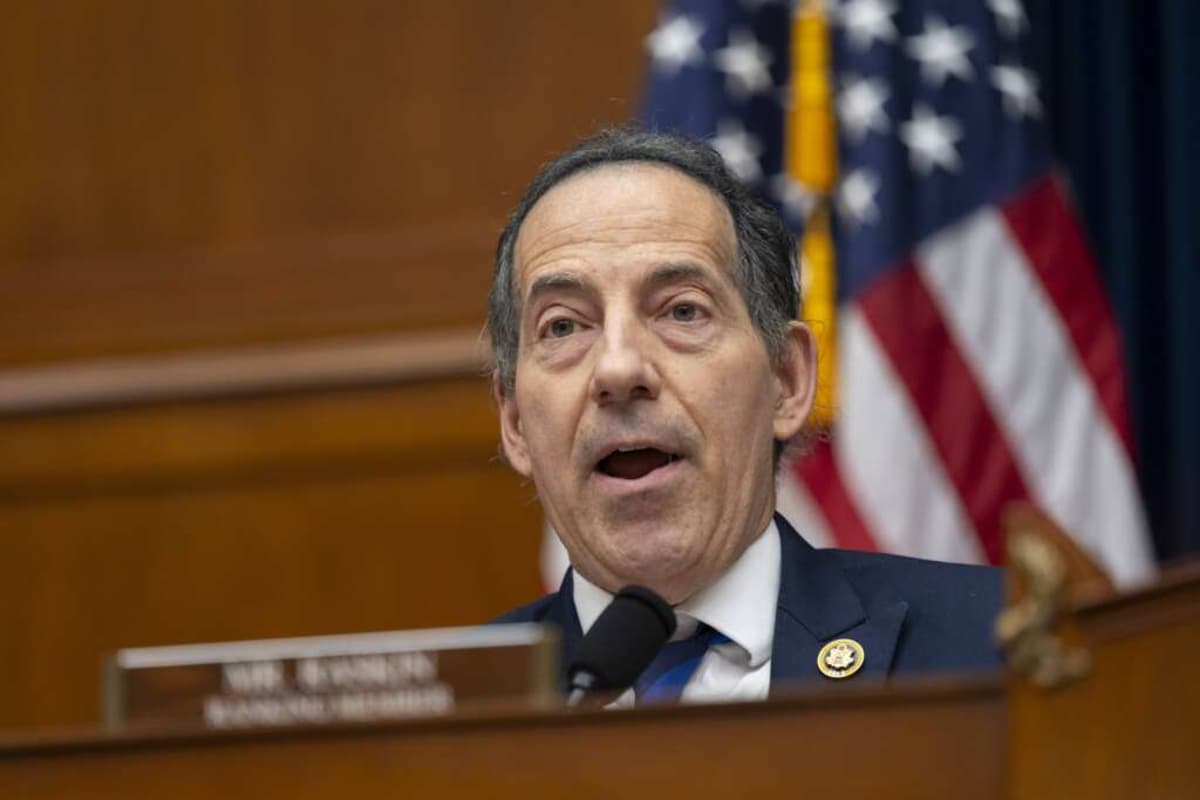
Democrats Urge OPM to Continue ‘Vital’ Combined Federal Campaign
Democrats led by Rep. Jamie Raskin and Senators Chris Van Hollen and Angela Alsobrooks have written to OPM urging the agency to keep the Combined Federal Campaign (CFC) running in 2026. The administration has decommissioned the CFC’s online donation portal...

EqualReach Secures Philanthropic and Impact Investor Backing
EqualReach, which operates an employment marketplace for displaced people, has drawn support from philanthropy and impact investors alike. Wendy Paris Reports: https://tinyurl.com/546y9vey Related IP Resources: Grants for Immigrants & Refugees -https://tinyurl.com/58p6mejn Donor Insights for Immigrants & Refugees -https://tinyurl.com/5n7x7vpj Report: Giving for Immigrants and Refugees -https://tinyurl.com/ypy2npjb RefugeeSupport

Deep Dive with Values-Aligned Philanthropic Advisors Boost Legacy Impact
How deep are you able to go with clients who want to provide philanthropic support as part of leaving and leading a legacy? If you find that you’re not able to go deep with your intake question, I’d love to...
First-Ever SE100 List of Pioneering Impact Leaders in UK Announced
The Pioneers Post released the 2026 SE100 Index, naming the United Kingdom’s top 100 social enterprises for the first time. The list highlights rising impact metrics, sales growth, and heightened optimism among the sector’s leading pioneers. Alongside the SE100, the...

Funders Must Guide Nonprofits Through Wind‑Downs
We hear a lot about grantmakers sunsetting, but what about when a nonprofit winds down? And what should funders' role be? Former Full Frame Initiative CEO Katya Smyth weighs in. Mike Scutari Reports: https://tinyurl.com/mr2dvyze Related IP Resources: What Do the Terms “Perpetuity” and...

Ted Turner's Legacy Sparked Billionaire Philanthropy Era
Ted Turner Helped Set the Stage for Philanthropy’s Billionaire Era Philip Rojc Reports: https://tinyurl.com/48e7c34k Related IP Resources: Turner Foundation Inc. -https://tinyurl.com/3uccb7j8 Captain Planet Foundation -https://tinyurl.com/3ht9ynr4 Global Security Grants -https://tinyurl.com/4duwfh36 Grants for Wildlife Conservation -https://tinyurl.com/jehhz44x TedTurner

A Third of Charity Communications Staff Are Burnt Out, Report Finds
A recent CharityComms survey of 325 communications professionals revealed that one‑third are planning to leave their roles, with burnout climbing to 33%—up from 26% a year earlier. Job satisfaction is markedly lower in larger charities (48%) versus smaller ones (82%),...

Launch $5K Grants to Fuel Dream Pursuits
Runnin' Down a Dream started as a talk, became a book, & is now a foundation. We want to help people that need a boost to chase their dreams. New website: https://t.co/ktFT95hSRE $5K grants for people that yearn to follow their...

Celebrity Doctor Exams Raise $36K for Autism
How much would you pay for a check-up from Dr. Robby? Last night, Noah Wyle auctioned off two "physical exams" totaling $36,000 at an auction benefiting autism programs. https://t.co/MftegB2hxr

Dollar General Literacy Foundation Marks Another One-Day Grant Milestone
Dollar General Literacy Foundation announced it awarded nearly $16 million in literacy grants in a single day, setting a new record for the second year in a row. The funding will support adult, family and summer literacy programs at more than...

The Essential Stories From the Past Week
The 2026 Business Charity Awards highlighted Mitchells & Butlers as Business of the Year for its collaborative work with Social Bite, while other winners included Barclays, Superdrug, Howden and Asda for long‑term partnerships. The Fundraising Regulator issued a soft‑opt‑in warning,...