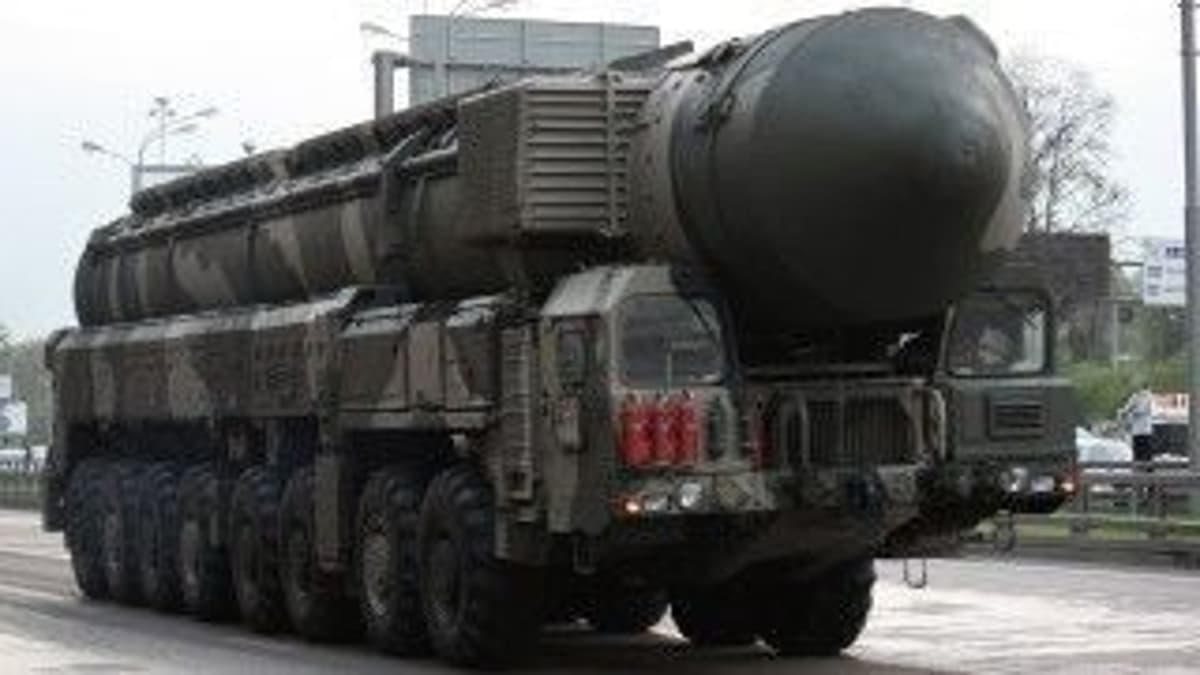
Strategic Signal: Joint Nuclear Drills on the Border
Belarus announced joint drills with Russia to rehearse the delivery and preparation of tactical nuclear weapons on its territory. The exercises will involve missile forces and aviation, focusing on concealment, long‑range movement, and use from unprepared sites. Belarus stresses the drills are “planned, not directed against any state,” but the presence of Russian nukes heightens security concerns for Poland and NATO. The maneuvers underscore Moscow’s broader nuclear signaling amid ongoing tensions in Europe.

Poland in the NATO Pipeline System Within 6 Years? It’s Possible (and Political)
Poland has announced it can connect to the NATO Eastern European Pipeline System (EEPS) within six years, a timeline backed by NATO’s Michael Rozić. The EEPS will extend the existing Central European Pipeline System (CEPS) eastward, eventually linking to Turkey...

New Icebreaker Deal Deepens U.S.-Finland Arctic Ties
The U.S. Coast Guard has signed a $3.5 billion contract with Davie Defense to build five new Arctic Security Cutter (ASC) icebreakers, expanding its fleet to 11 vessels by 2028. Three ships will be constructed in Texas and two in Finland,...

Trump’s Golden Dome Hits $1.2 Trillion
The Congressional Budget Office estimates that the Trump‑era Golden Dome missile‑defense system could cost over $1.2 trillion across two decades, far exceeding the administration’s original $175‑185 billion projection. The CBO’s model envisions a multi‑layered shield covering the continental United States, Alaska and...

Romania Eyes Polish UAVs and Loitering Munitions
Polish defence contractor WB Group has signed an agreement with Romania’s aerospace firm ROMAERO to assemble and produce the GLADIUS unmanned aerial system for the Romanian Ministry of Defence. The deal, announced at the Black Sea Defence and Aerospace exhibition...

“Lithuania Accelerates Rearmament”
Lithuania is fast‑tracking a defence modernisation programme, aiming to become one of NATO’s most active eastern‑flank members. The government is pouring resources into air‑defence systems, new military infrastructure, and domestic ammunition production. Close cooperation with Germany and Poland is being...

“Russia Is Already Testing NATO”
Latvia, alongside Poland and Lithuania, is rapidly expanding defense spending and military infrastructure to counter what it sees as Russia’s escalating hybrid threat to NATO’s eastern flank. Riga’s defence minister emphasizes constant readiness, focusing on drone warfare, cyber‑attacks, and protection...

Canadian Military Is Growing Rapidly
Canada’s armed forces are seeing their fastest recruitment growth in 30 years, with over 7,000 new enlistees in April and applications nearing 100,000 in the past year. The surge is driven by heightened geopolitical tension, a 14 % youth unemployment rate,...

Polish-Ukrainian Defence-Industrial Cooperation Accelerates Amid Systemic Bottlenecks
Polish‑Ukrainian defence‑industrial cooperation is gaining speed after policy shifts, notably Poland's Decision No. 123/MON that eases testing of autonomous systems. Industry leaders say political will is strong, but regulatory mismatches, certification requirements and the absence of a central coordination hub still...
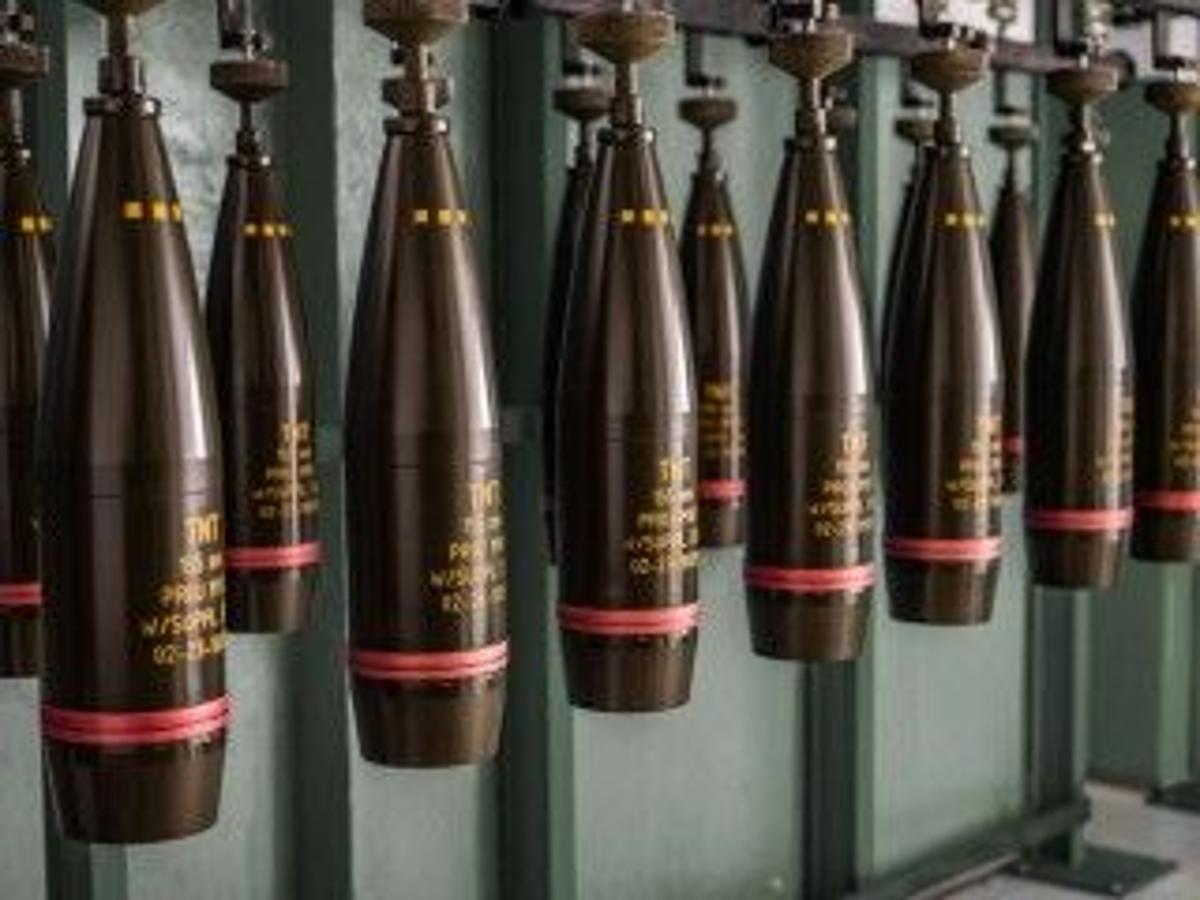
Turkish Ammunition Production in Estonia
Turkey's ARCA Defence is set to open an ammunition‑production facility in Estonia’s Ida‑Viru County, targeting export markets rather than direct supply to the Estonian Defence Forces. The plant will initially manufacture mortar rounds, rockets and NATO‑standard 155 mm M107 artillery shells,...
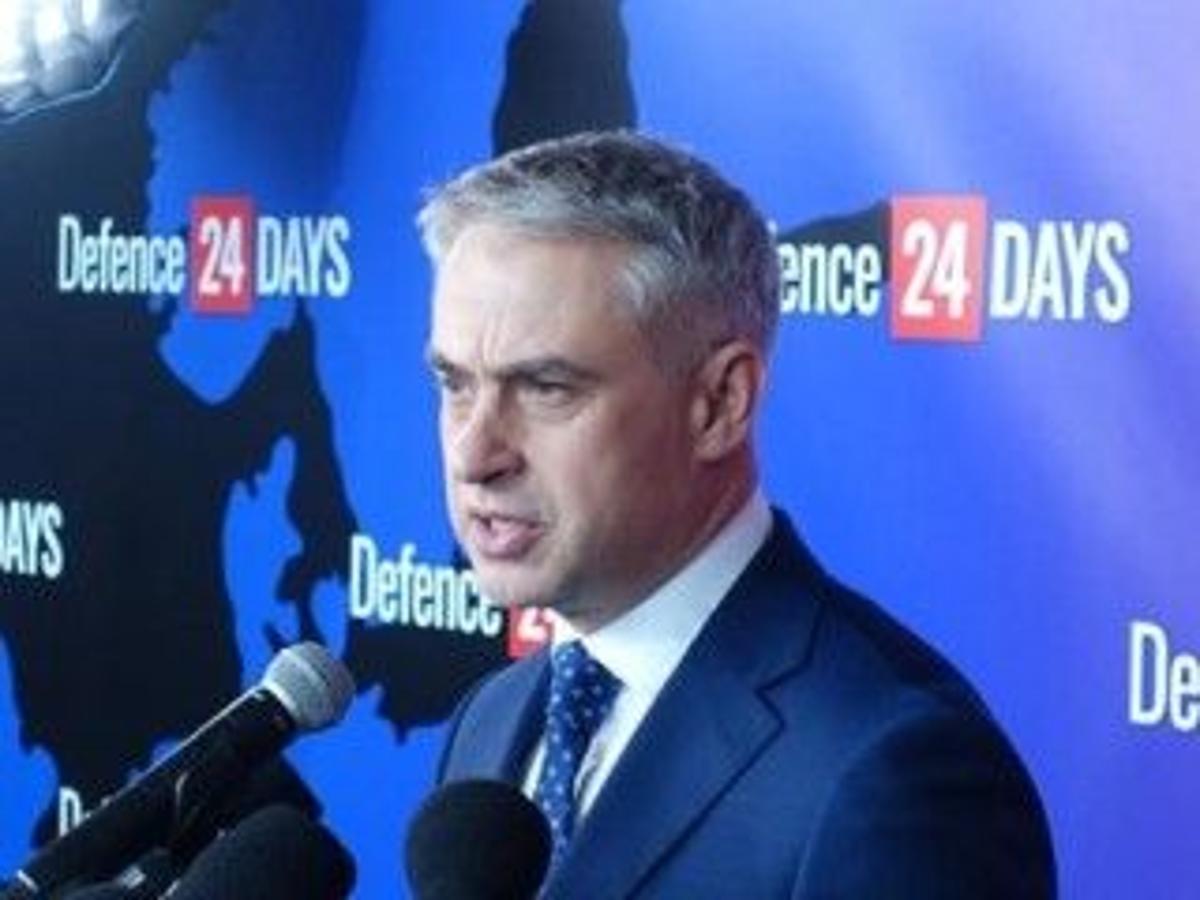
“Cyberwar Is Already in Poland,” Polish Deputy Prime Minister Says
Poland’s deputy prime minister Krzysztof Gawkowski told the Defence24 Days conference that the nation is already engaged in a cyber‑war with Russia, citing hundreds of daily attacks and a 99% neutralisation rate. He highlighted the January cyber‑attack on the country’s...

Does China Pursue an Aggressive Policy?
At Defence24 Days 2026, a panel of Polish security experts debated whether China’s policy should be labeled aggressive. They argued that China’s actions are more economic and informational than conventional military, citing demographic limits and a shift from defensive to offensive...

MESKO Weapons to Power Kongsberg’s RS6/RS4 Remote Weapon Stations
Polish defence firm MESKO and Norway’s Kongsberg Defence & Aerospace signed a Memorandum of Understanding at Defence24 Days in Warsaw to integrate MESKO’s ammunition and missile systems, including the Piorun man‑portable air‑defence weapon, into Kongsberg’s RS6 and RS4 remote weapon stations....
Russia Is Closing Airports, and the EU Is Preparing for Talks with Putin?
Following a Ukrainian drone strike on May 8, Russian authorities shut 13 airports in the south, including the Rostov‑on‑Don air‑traffic‑control centre, until at least May 12. Moscow’s major hubs also faced disruptions, with Vnukovo suspended and delays at Sheremetyevo and Domodedovo. The...

Poles and Danes Are Training in Bornholm
The Baltic Shield 2026 joint maneuvers began on May 8, bringing Danish and Polish forces to Denmark’s Bornholm island and the surrounding Baltic Sea. The week‑long drills cover land, sea, air and hybrid threat scenarios, with troops from artillery, airborne, reconnaissance, naval...
European Military Independent From the United States?
The Kiel Institute’s new report argues that a coordinated European defence effort could achieve operational independence from the United States by the mid‑2030s, provided a total investment of roughly €500 billion (about $545 billion). Maintaining current spending levels could deliver measurable progress...

East Front News #93: Defence24 Days, Possible Dialogue Reopening with Belarus and the HÜRJET Program
The Defence24 Days conference in Warsaw underscored NATO’s eastern flank as the linchpin of European security, with Poland, Latvia, Estonia and Slovakia calling for higher defence spending, ammunition production and interoperability. Poland’s defence minister urged a 24/7 arms‑production model to...
Polish Defence Minister Calls for 24/7 Arms Production
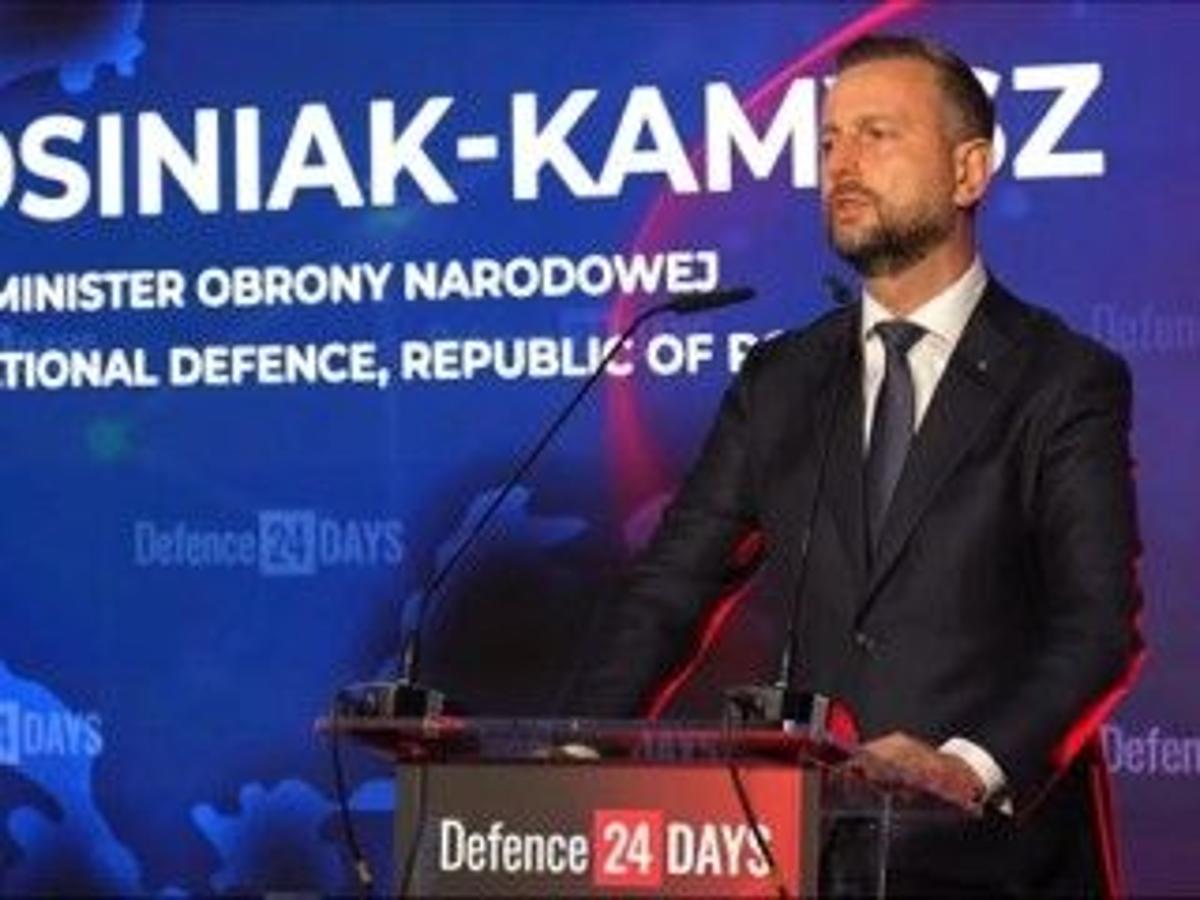
Polish defence minister Władysław Kosiniak‑Kamysz urged the domestic arms sector to adopt 24‑hour, seven‑day production at the Defence24 Days conference. He highlighted the need to rapidly scale munitions, drones, and missile output as Poland prepares for a larger, high‑readiness force....

Belarus: Between Washington and Moscow
The Trump administration is pivoting from a policy of isolating Belarus to a limited "reset," releasing 250 political prisoners and lifting sanctions on key potash exporters such as Belaruskali. Washington’s outreach includes high‑level talks, a possible embassy reopening, and permission...

Defence24 Days: The Eastern Flank of NATO Is Key to the Defence of Europe
At the opening debate of Defence24 Days, defence ministers from Poland, Latvia, Estonia and Slovakia underscored the strategic importance of NATO’s eastern and northern flanks. They warned that production capacity, ammunition shortages and the need for higher defence spending are...
![Impressive Exhibition at Defence24 Days. [PHOTOS]](/cdn-cgi/image/width=1200,quality=75,format=auto,fit=cover/https://cdn.defence24.pl/2026/05/06/320x240px/qeGRK35wLSVYPRTOfw1s7JPwGOwFNDazQqZkmgFj.7roa.jpg)
Impressive Exhibition at Defence24 Days. [PHOTOS]
Defence24 DAYS 2026 opened with a vibrant photo‑rich showcase of more than 30 military platforms, ranging from Polish‑made KTO Rosomak armored vehicles to U.S. Oshkosh M‑ATV trucks used by special forces. The exhibition featured cutting‑edge drones, pyrotechnic robots from the Łukasiewicz PIAP Institute,...

Hybrid Warfare with Russia. Migration as a Weapon
A Defence24Days panel titled “Migration as a weapon: a new dimension of hybrid pressure” examined how Russia is weaponising migration and other low‑intensity tactics across Europe. Experts highlighted Russia’s 2023 migration push toward Finland, sabotage threats to Poland’s rail network,...
Expert Explains What Counts as Help Under Article 5
The article examines NATO’s Article 5, clarifying that the treaty imposes a legally binding duty for full defensive action, not merely symbolic or humanitarian gestures such as bottled water. International‑law scholar Dr Mateusz Piątkowski argues that providing only minor aid would violate the...

The US Is the Biggest Beneficiary of the EU’s Energy Decoupling From Russia
The EU has slashed Russian gas imports from 45% to 12% and oil from 27% to 2% since 2022, but its new reliance on U.S. LNG and oil has surged, with the United States supplying 53% of EU gas imports...

Automating Defence Supply Chain Visibility
Brady outlines an end‑to‑end identification platform that automates part verification and inventory management for the European defence sector. By adopting the GS1 standard and linking GTINs to NATO Stock Numbers, the solution creates a machine‑readable global language for components. Durable...

Shield Against Russia: European Rockets for F-16s
The Belgian Ministry of Defence confirmed that F‑16 fighters successfully tested Thales Belgium’s FZ275 70 mm laser‑guided rockets, which can shoot down hostile drones. The rockets, already in use in Ukraine, allow each aircraft to carry up to 28 munitions, providing...

The U.S. Escorted a Ship Through the Strait of Hormuz
Maersk confirmed that its U.S.-flagged vessel Alliance Fairfax was escorted out of the Strait of Hormuz by the U.S. Navy on May 4, ending a weeks‑long stranding after the February 28 conflict between the United States‑Israel coalition and Iran. The escort marks...
France and Brazil Strengthen Military Ties
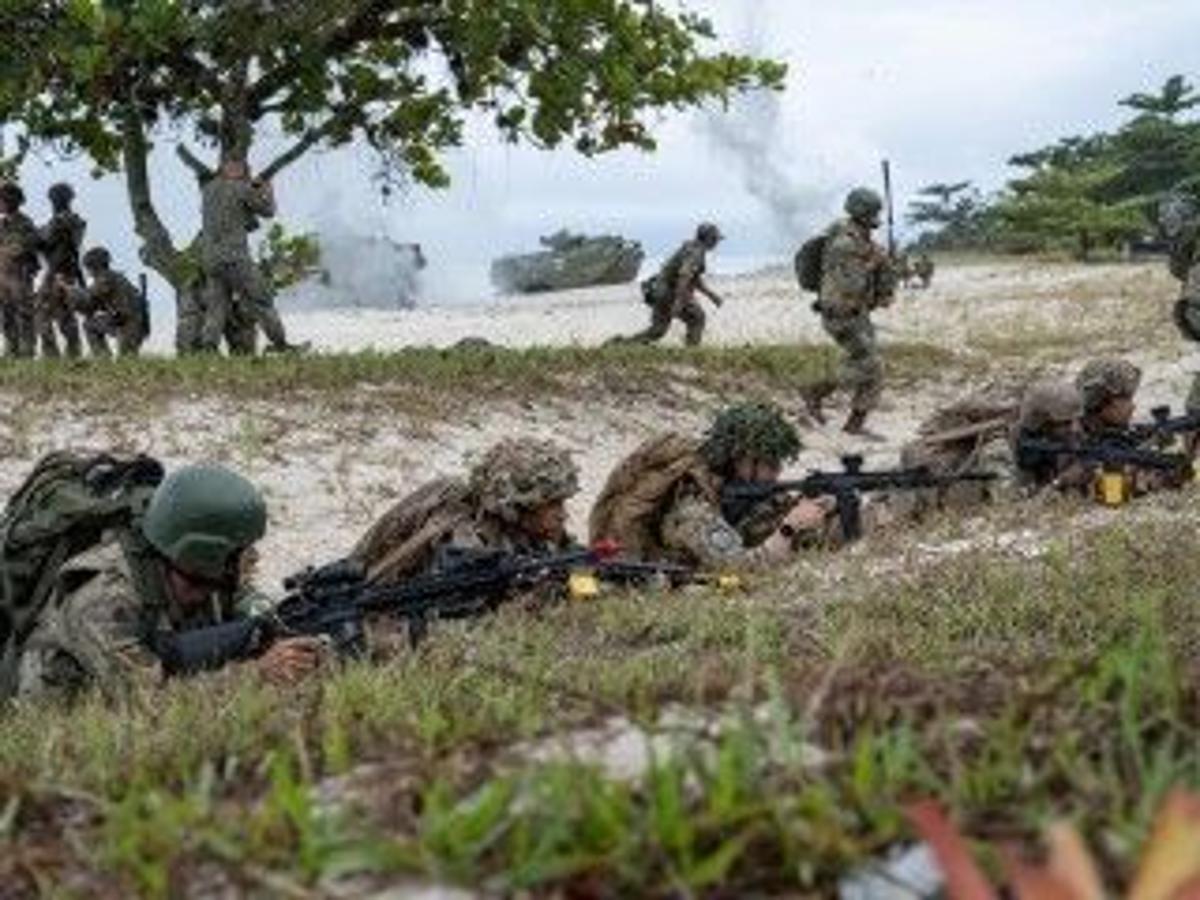
France and Brazil conducted the Jeanne d’Arc 2026 exercise, dubbed MARAMBAÏA 26, from April 22‑29, involving roughly 2,000 troops and assets like the frigate Dixmude. The drills focused on anti‑submarine warfare, amphibious landings and air operations to cement interoperability for joint missions. France’s motivation...
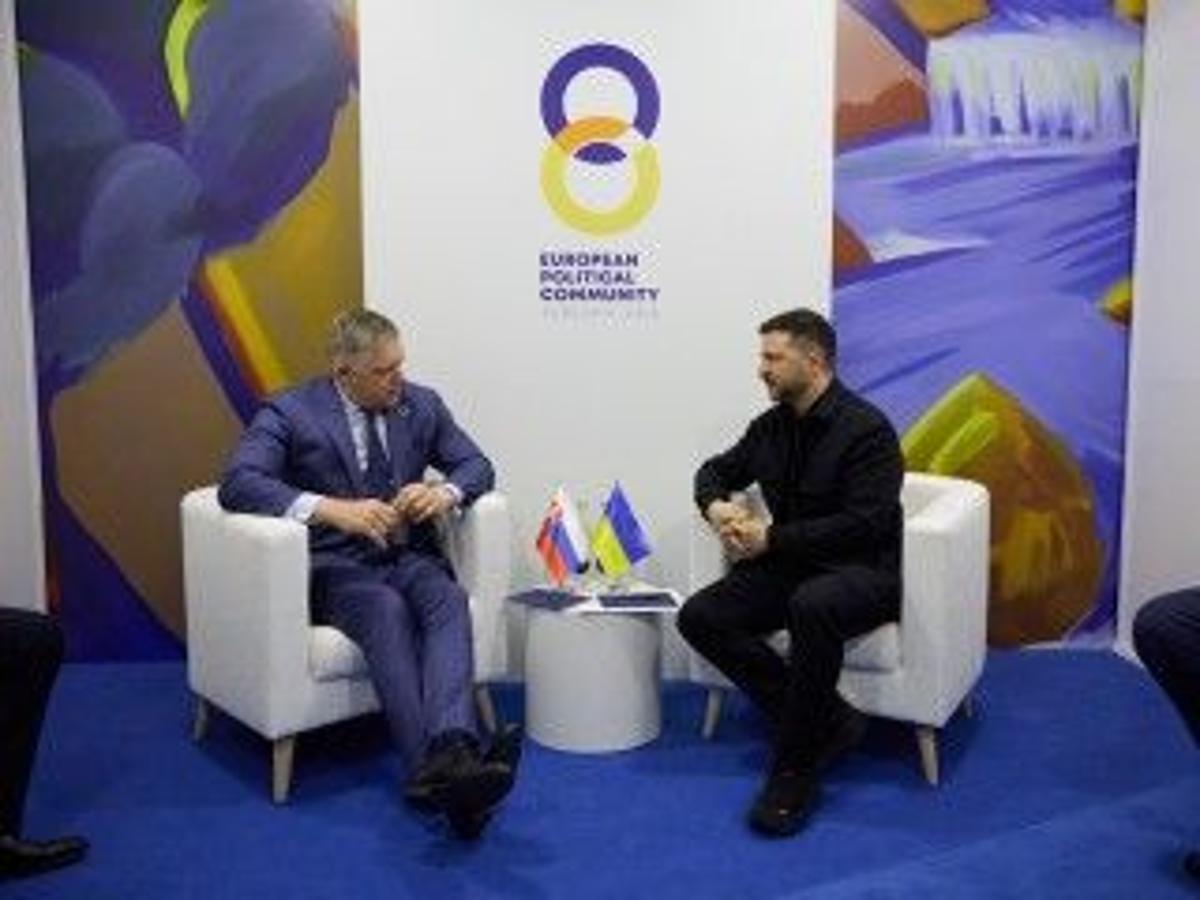
Fico-Zelenskyy Meeting
Ukrainian President Volodymyr Zelenskyy met Slovak Prime Minister Robert Fico behind the scenes at the 8th European Political Community summit in Yerevan. The dialogue covered cooperation across sectors, reciprocal state visits, and a forthcoming joint government meeting. Fico publicly backed...

U.S. Warship Shot At
An Iranian news agency reported that two missiles fired from the Iranian Navy struck a U.S. Navy vessel as it transited the Strait of Hormuz near Jask Island. The United States Central Command denied any hit, stating no U.S. ship...

Ukrainian Drones Attack in Moscow
Ukrainian drones struck a high‑rise in the Mosfilm Tower complex, about three kilometres from the Kremlin, prompting Moscow officials to report that 117 drones were shot down across Russia. The incident comes just days before the May 9 Victory Day parade,...

Sweden's Shadow Fleet Crackdown Intensifies
Sweden’s Coast Guard intercepted the tanker Jin Hui on May 3, 2026, marking the fifth suspected Russian shadow‑fleet vessel detained in a short span. The ship, sailing under a Syrian flag and owned by Marshall Islands‑registered Jinhui Shipping Ltd, was empty and...

U.S. Reduces Troops in Germany, Europe Faces Test
The United States announced the withdrawal of roughly 5,000 troops from Germany, marking the latest step in a gradual reduction that began with a 12,000‑troop cut in 2020. The move coincides with delayed missile deliveries to Poland, Estonia and Lithuania,...
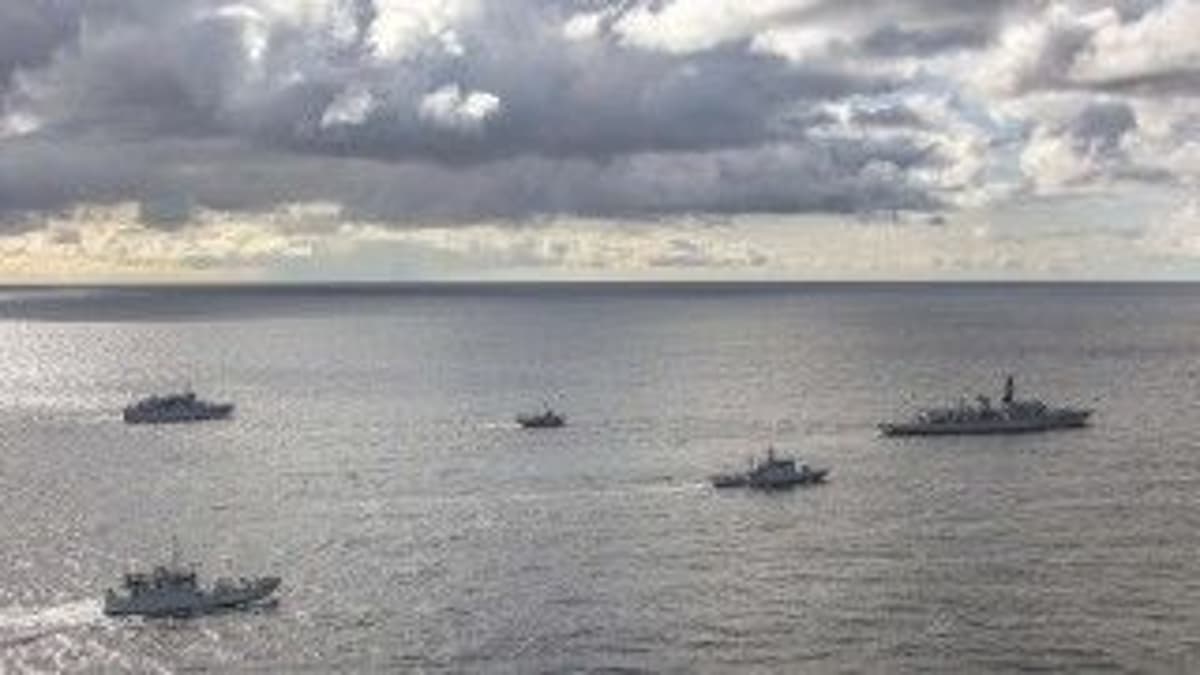
The United Kingdom Is Forming a New Maritime Alliance in Europe
The United Kingdom unveiled the "Northern Navies" initiative, a new maritime alliance aimed at countering Russian aggression in the Arctic and north‑western Europe. The framework will draw on the Joint Expeditionary Force and bring together ten nations—Britain, Denmark, Finland, Estonia,...
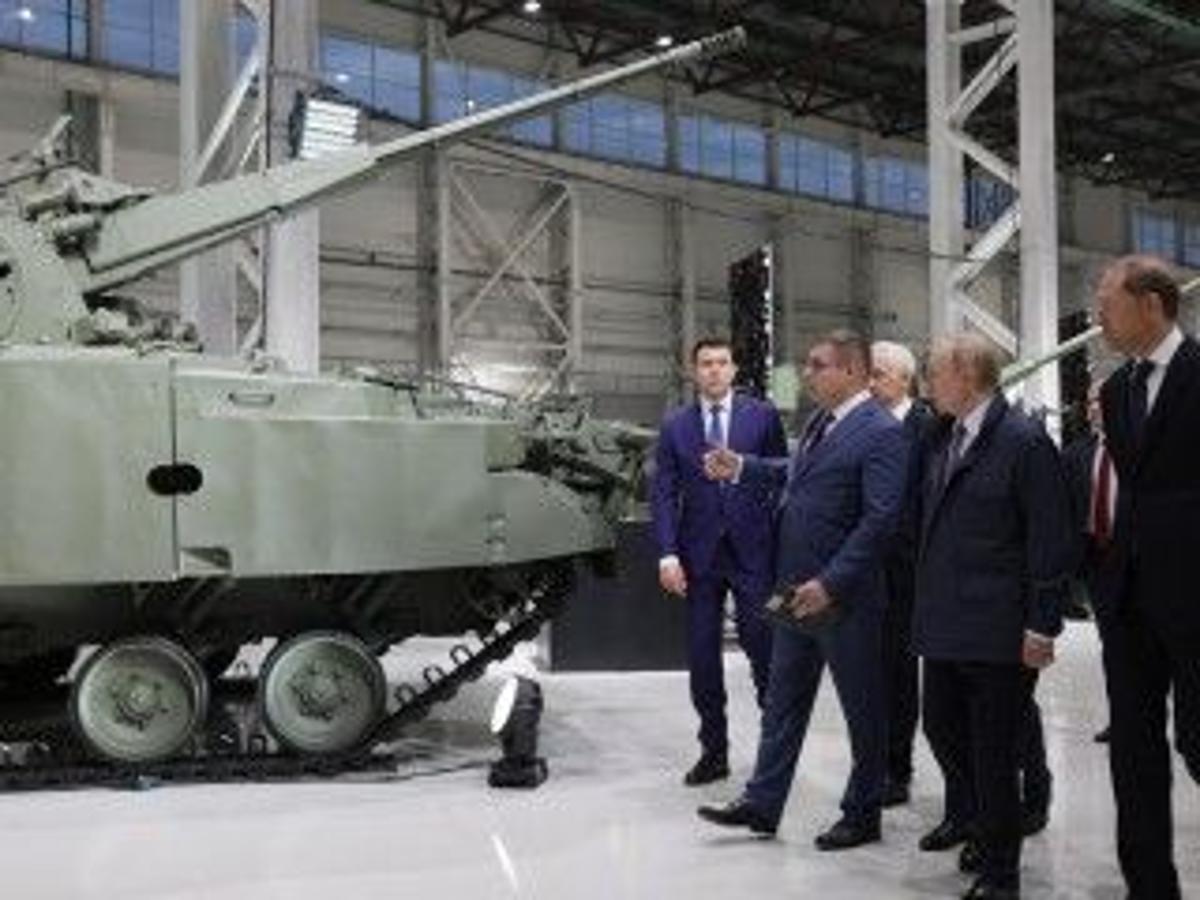
The Kremlin Has Stopped Hiding It. Russia’s Economy in Crisis
Russia’s economy has entered a openly acknowledged crisis as sanctions and the four‑year war in Ukraine take their toll. Deputy chief of staff Maxim Oreshkin told state media the economy faces severe resource and labor shortages, sluggish structural reforms, and...
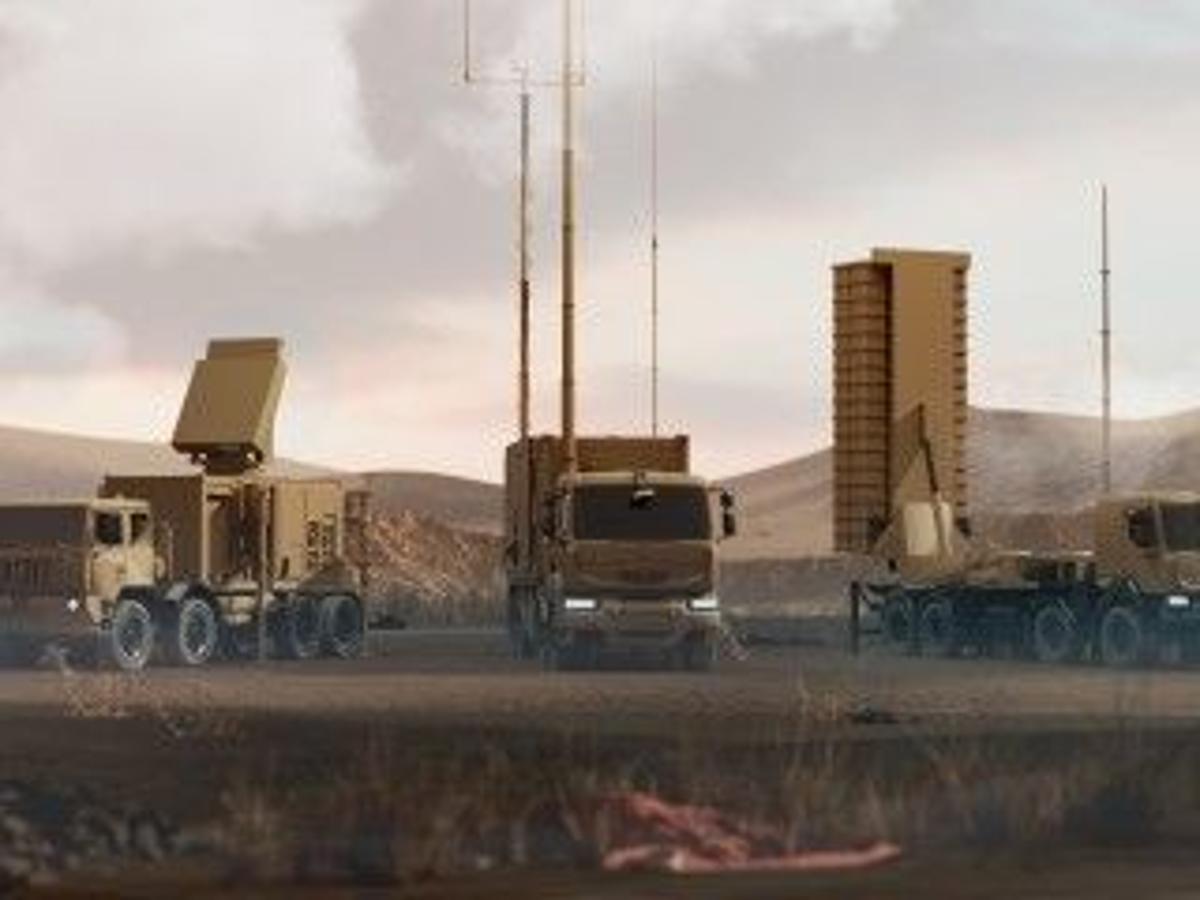
Denmark Breaks with America. SAMP/T NG Instead of Patriot
On April 21, 2026 Denmark signed a contract for the European SAMP/T NG air‑and‑missile‑defence system, turning away the U.S. Patriot. The deal, valued at roughly $370‑$440 million, covers several batteries, missiles and training, and includes co‑production opportunities for Danish firms. Denmark cited...
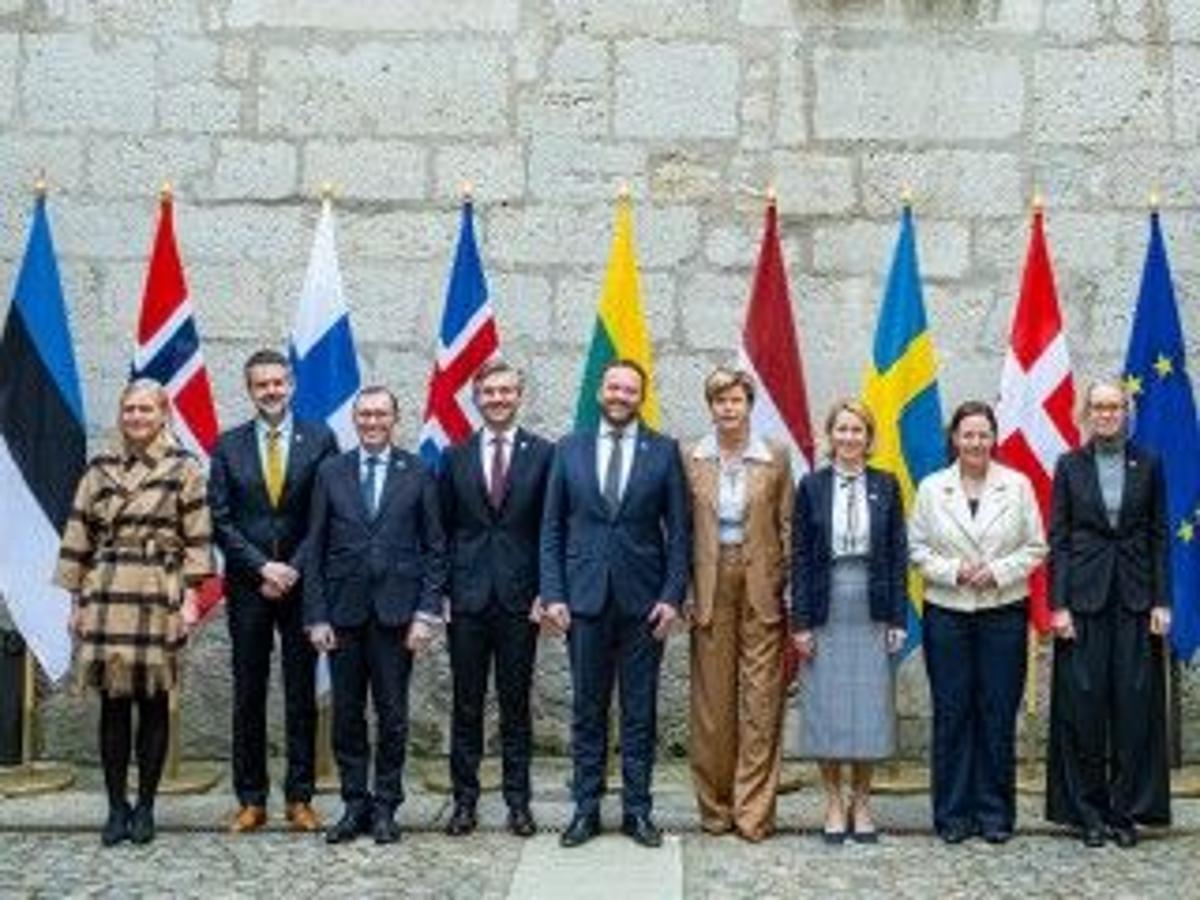
Belarus' Relations with the North
Foreign ministers of the eight Nordic‑Baltic states gathered on Estonia’s Saaremaa island and signed a joint declaration aimed at tightening trade pressure on Belarus. The communiqué reaffirmed steadfast support for Ukraine’s path toward EU and NATO membership and pledged further...

Nicaragua as a Russian Military Base? The Opposition Warns
Nicaragua and Russia have deepened military cooperation with a bilateral agreement signed in Moscow in September 2025 and ratified by Russia’s upper house in April 2026. Opposition leader Felix Maradiaga, among 222 exiled activists, warned that the pact turns Nicaragua into...

China Further Expands Its Maritime Footprint: Another Artificial Island Under Construction
China has started constructing a massive artificial island on Antelope Reef in the Paracel archipelago, a project visible in recent satellite images. The atoll could span roughly 1,500 acres, making it one of the largest Chinese‑built islands in the South...

Mobile Communication Restrictions in Moscow
Russia will impose "more severe" mobile communication restrictions in Moscow on May 5, 7 and 9 ahead of the Victory Day parade, limiting SMS, mobile internet and government‑regulated sites. The capital has already endured a three‑week internet blackout that crippled navigation apps and...
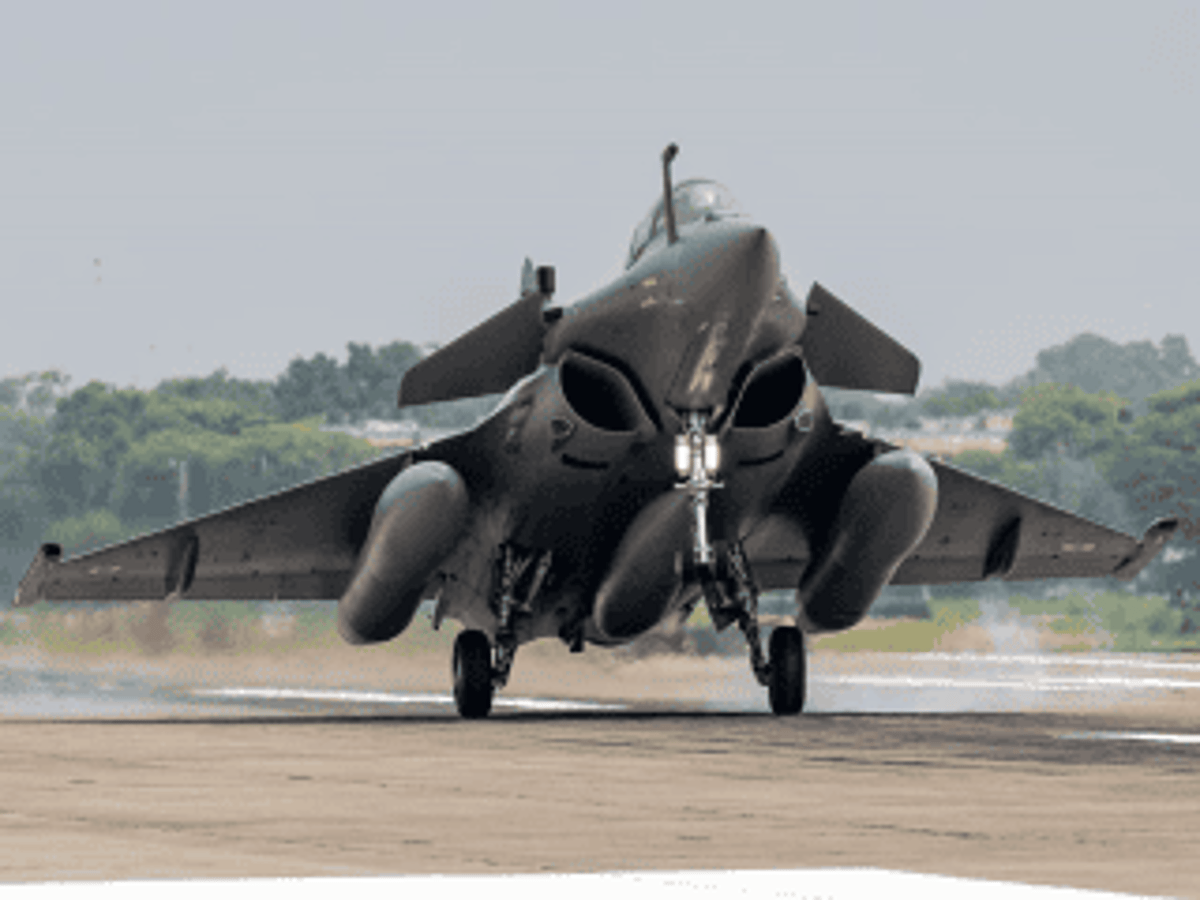
France Risks Rafale Isolation as India Pushes Back
France’s Rafale F5 program is confronting isolation after the United Arab Emirates withdrew over technology‑transfer disputes and India signaled it will not close a deal without access to the aircraft’s digital architecture. Paris’s reluctance to share core optronics and software threatens...
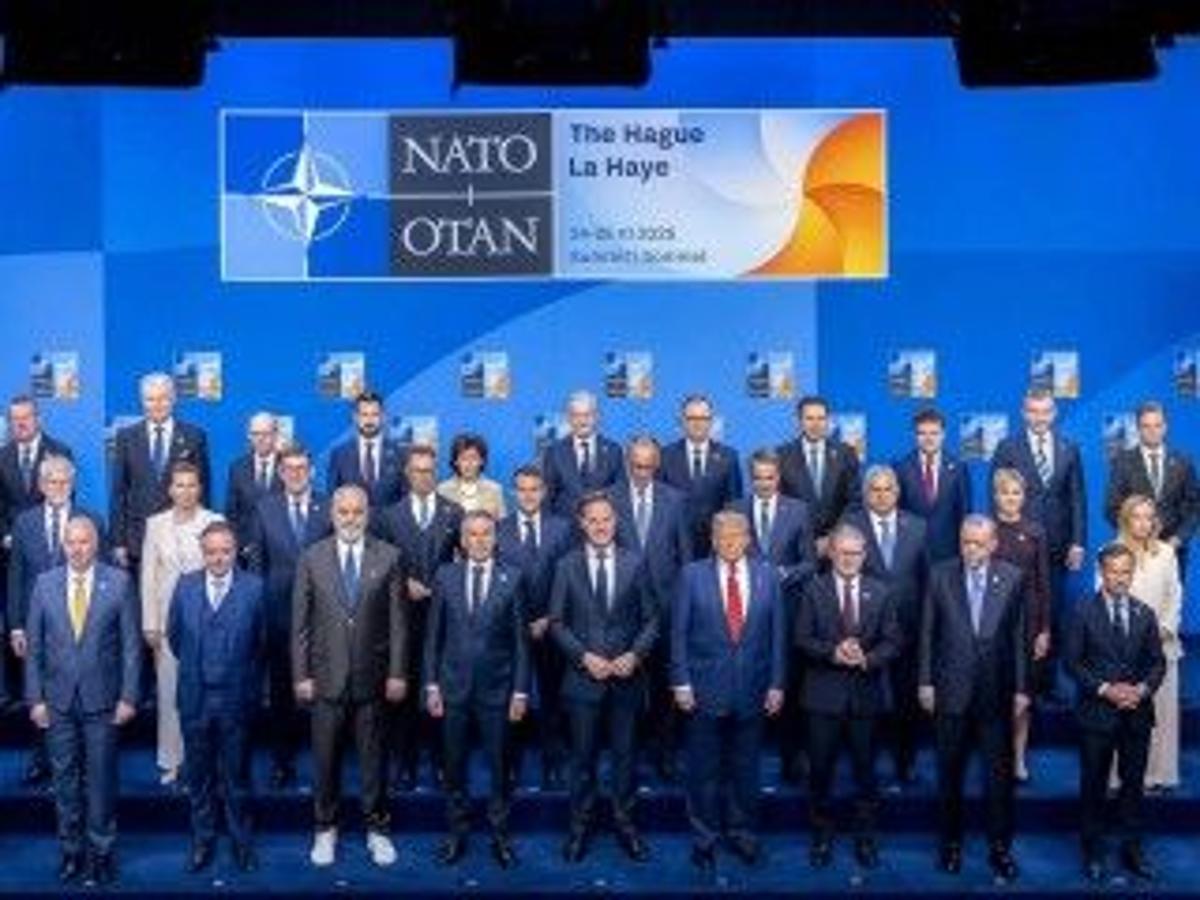
Will the 2028 NATO Summit Not Take Place?
NATO officials are weighing whether to abandon the long‑standing tradition of annual summits, with the first possible break slated for 2028. The discussion stems from concerns that yearly meetings heighten intra‑Alliance tension and complicate long‑term planning, a sentiment amplified by...
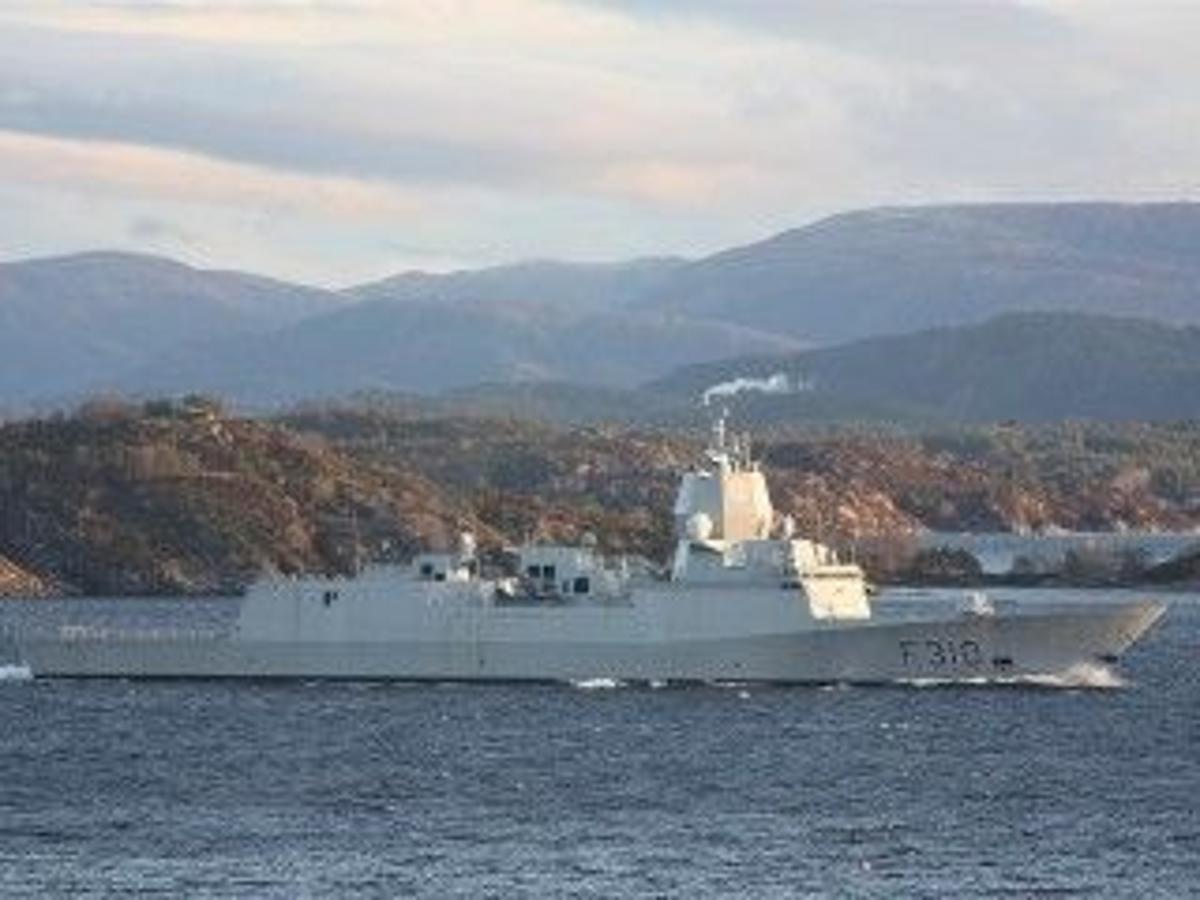
British-Norwegian Maneuvers
The Royal Navy and Royal Norwegian Navy have launched the Tamber Shield ’26 naval drills in the Bergen fjords, running from 28 April to 14 May. The exercises feature Wildcat helicopters, Skjold‑class corvettes, the frigate Fridtjof Nansen and a newly formed British drone...
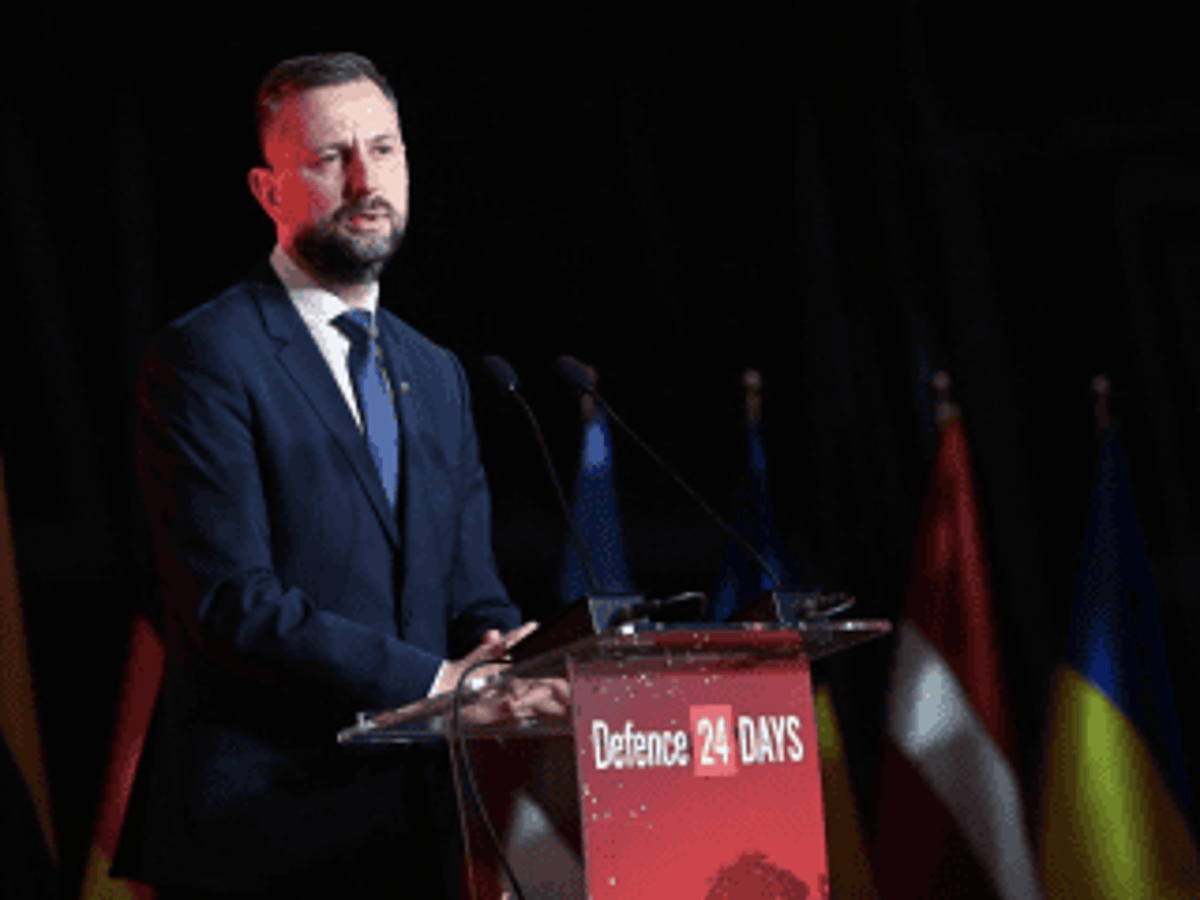
Defence Leaders Gather in Warsaw. Final Days to Register for Defence24 Days
The eighth Defence24 Days conference will convene in Warsaw’s PGE Narodowy Stadium on May 6‑7, 2026, gathering senior Polish officials, NATO‑Eastern Flank ministers, EU defence leaders, and industry executives. The agenda, organized into four thematic pillars, features more than 70 panels...
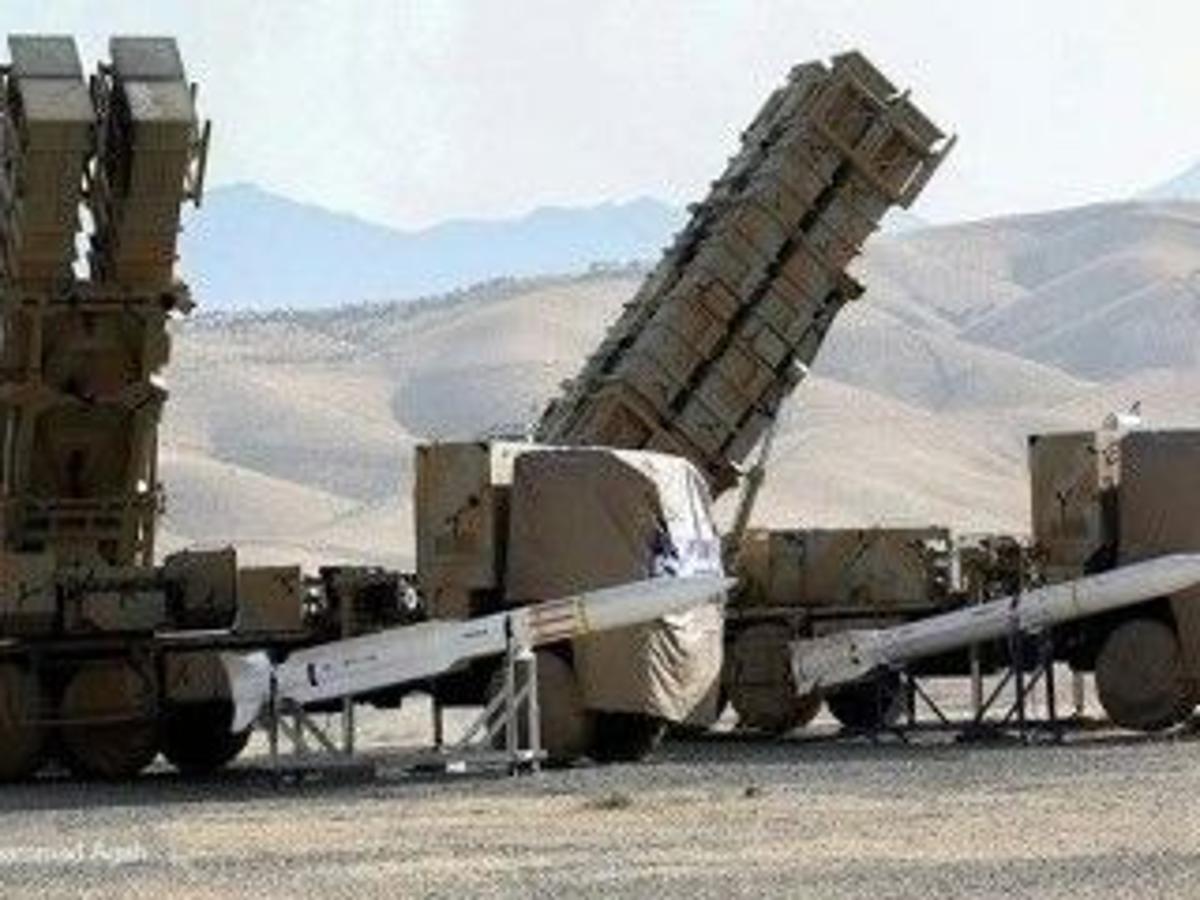
Iran Willing to Expand Military Cooperation
Iran’s Deputy Defence Minister Reza Talei‑Nik announced the country’s willingness to share defensive weaponry with independent states, especially members of the Shanghai Cooperation Organisation (SCO). The statement was made at an SCO defence ministers’ meeting in Bishkek, Kyrgyzstan. The SCO,...

The United States Is Tightening Cooperation with Another European Country
The United States and Romania signed a letter of intent to deepen cooperation on unmanned aerial systems (UAS) and counter‑UAS (C‑UAS) technologies. The agreement gives Romania real‑time access to the U.S. Counter‑UAS Marketplace, a digital platform that catalogues more than...
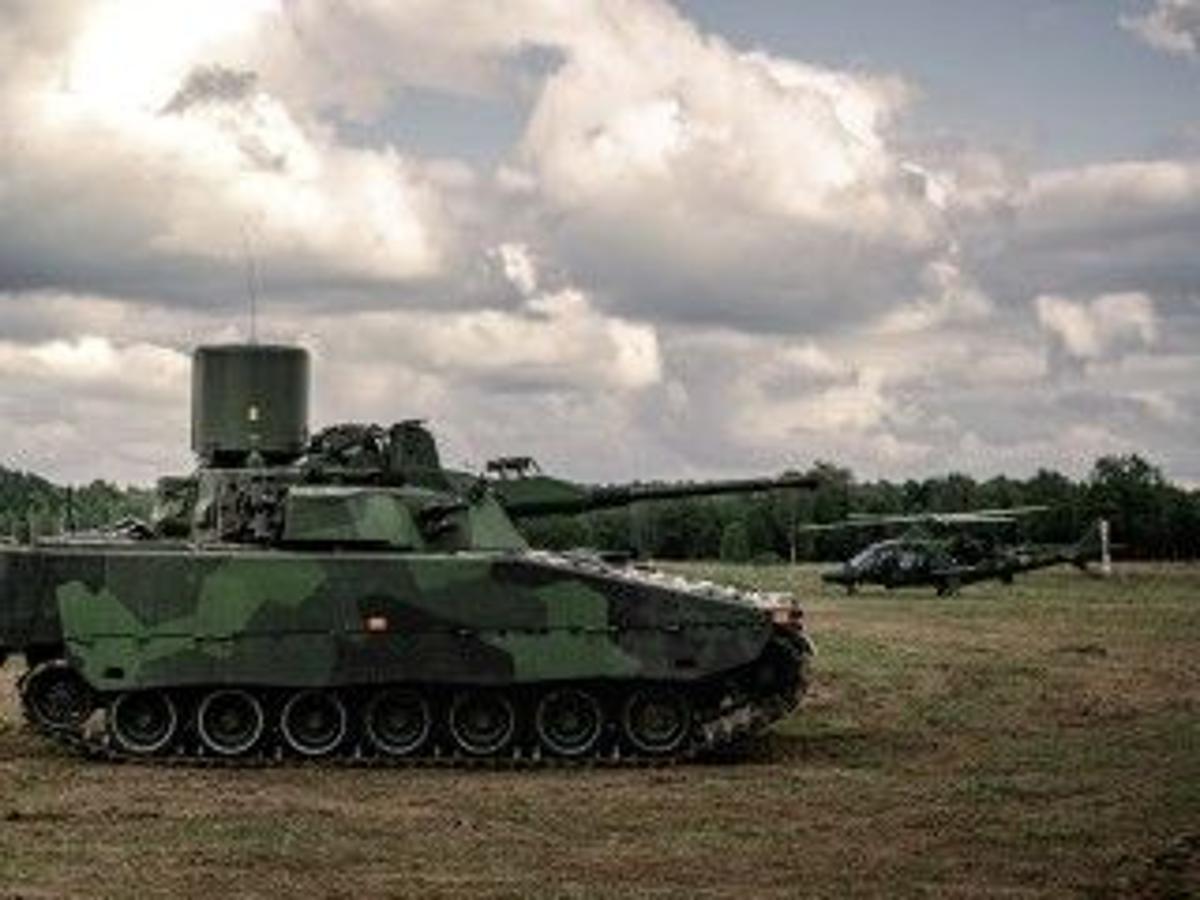
NATO Exercise in Sweden
Sweden has launched the NATO‑led Aurora exercise across southern Sweden, Stockholm and the strategic island of Gotland. About 18,000 personnel are taking part, with 16,000 Swedish troops and forces from the United States, Ukraine, Britain, Denmark, Finland, Norway, the Baltic...
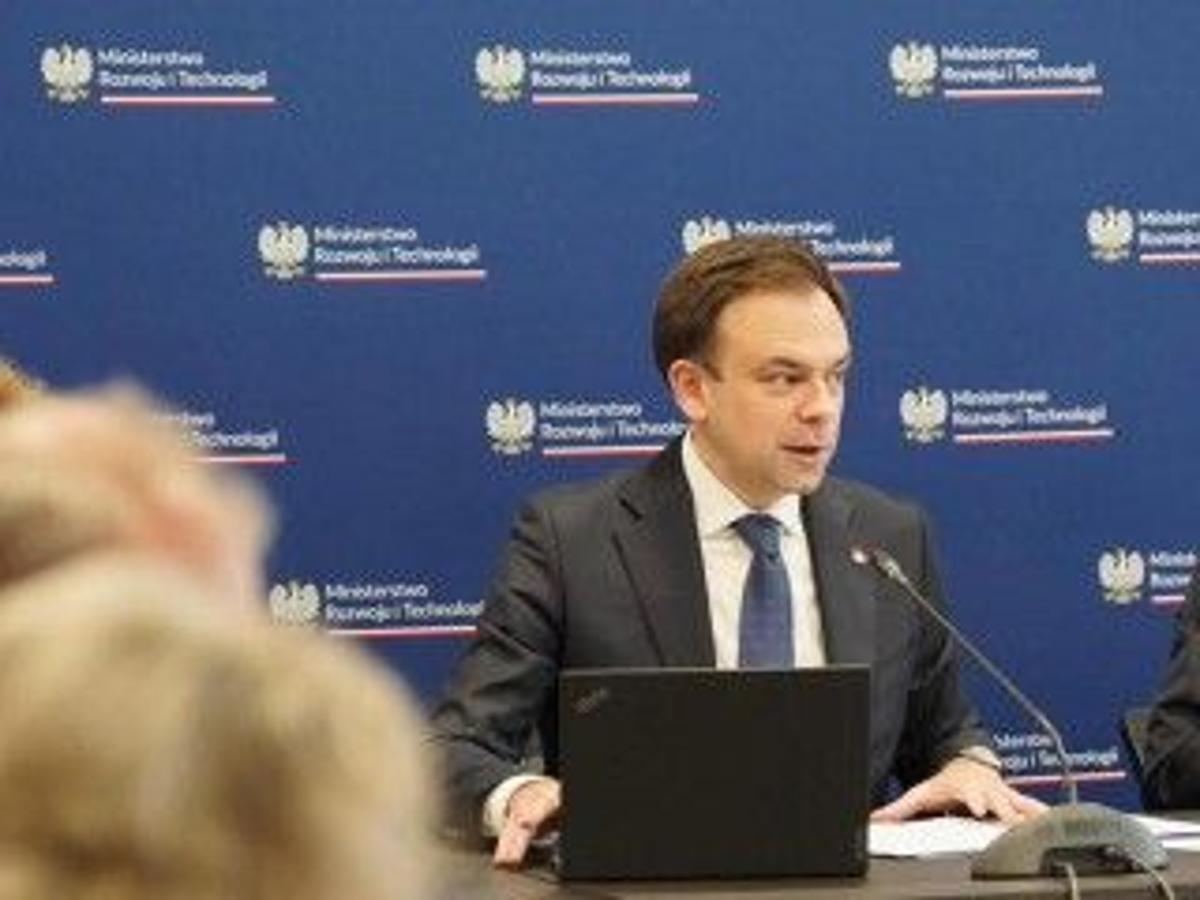
What About Defence Funding? Poland Seeks Partnership with the Baltic States
Poland’s Ministry of Finance is hunting new financing streams for its defence budget amid a 7.3%‑of‑GDP deficit. In Vilnius, finance ministers from Poland, Lithuania, Latvia and Estonia pledged to lobby the EU for increased defence‑industry aid and to explore joint...
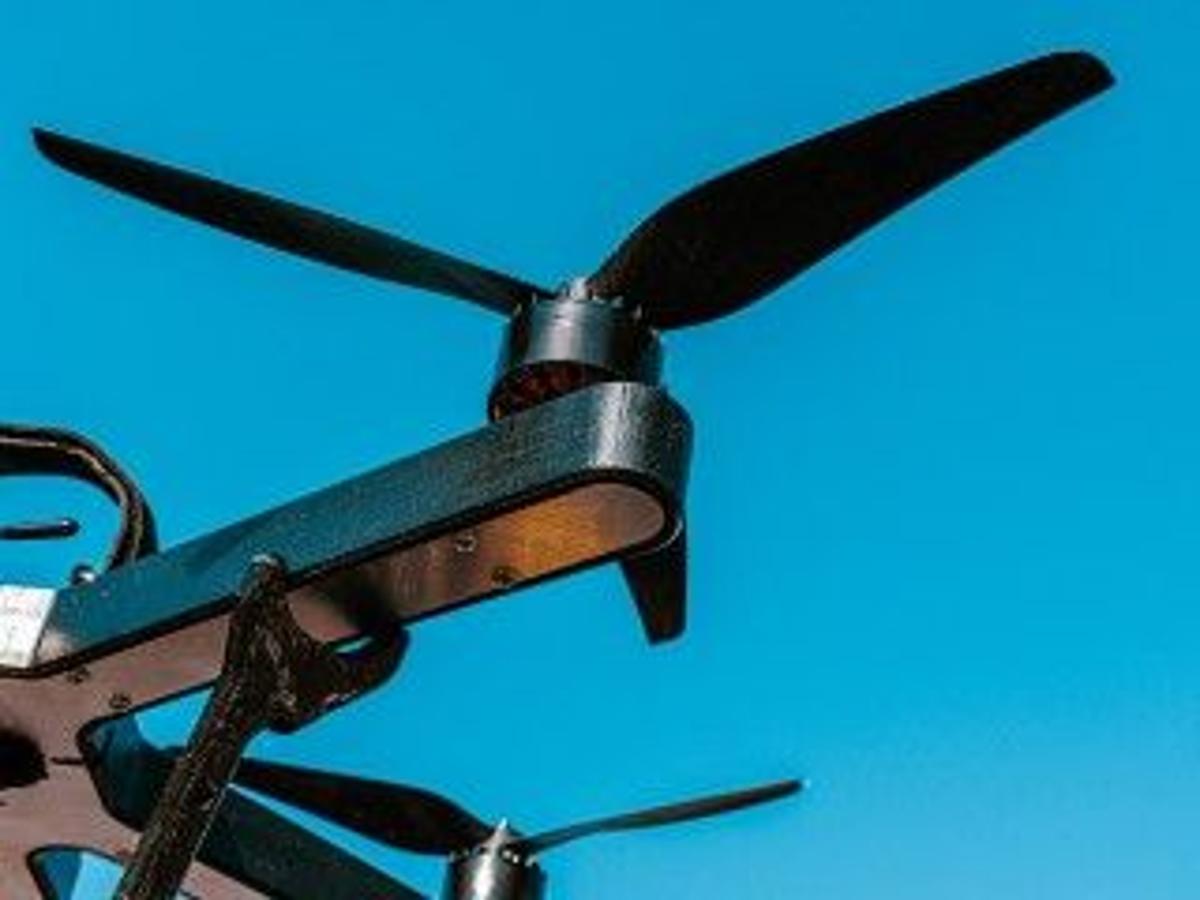
Beijing Bans the Sale of Drones
Beijing will enforce a comprehensive ban on the sale, production, assembly, rental and import of drones and 17 key components starting May 1. Existing drones must be registered, with a limit of three per address, and violations can incur fines up...

Germany as NATO’s Leading Power in Europe? A Voice From the Pentagon
U.S. Under Secretary for War Policy Elbridge Colby praised Germany’s new military strategy, saying it positions Berlin as a leading force in reshaping NATO into a more European‑centric “NATO 3.0.” The strategy calls for expanding the Bundeswehr to 460,000 troops, including 200,000...